India
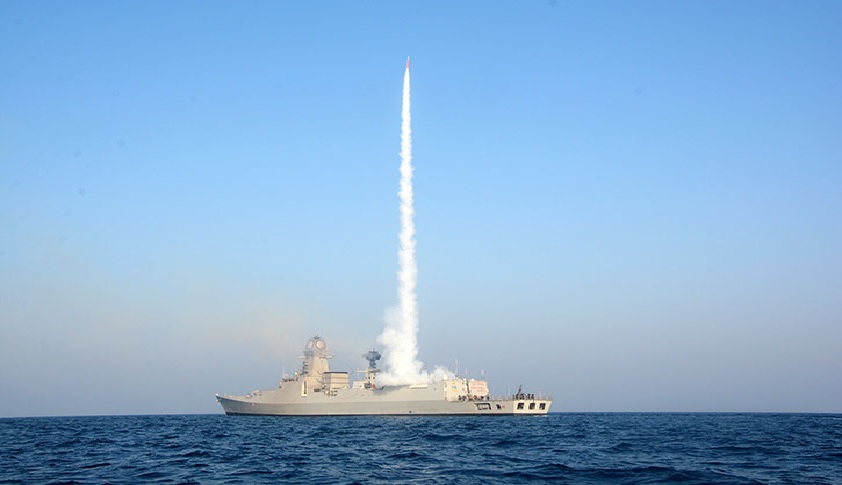
India has inked a $340 million (approximately ₹29.6 billion) contract to acquire over 70 Medium-Range Surface-to-Air Missile (MRSAM) systems, developed jointly with Israel Aerospace Industries (IAI). This procurement marks a major milestone in bolstering the Indian Navy's air defense capabilities and aligns with the country’s “Make in India” initiative, emphasizing local production and technological self-reliance. The MRSAM systems, derived from the highly advanced Barak 8 air defense platform, are engineered to counter diverse aerial threats, including aircraft, drones, and missiles. With an operational range of up to 70 kilometers, these systems provide a critical layer of protection for naval warships. Each MRSAM system comprises a sophisticated phased-array radar, an integrated command and control center, mobile launchers, and interceptors equipped with cutting-edge sensors for precision targeting. A Collaborative Effort with Strategic Impact The production of the MRSAM systems will be carried out by Bharat Dynamics Limited (BDL), IAI’s trusted partner in India. The systems will be deployed on several upcoming Indian Navy warships, strengthening the maritime force's ability to defend its assets and ensure operational dominance in critical regions. Israel Aerospace Industries, which played a key role in designing the system, will oversee the execution of the deal through its subsidiary, Aerospace Services India (ASI), based in New Delhi. ASI will coordinate the integration of the systems and ensure seamless transfer of knowledge and technology to the Indian workforce. Additionally, the transactions under this agreement will be conducted in Indian rupees, further embedding the project within the local economy. Supporting India’s “Make in India” Vision The contract underscores India’s commitment to enhancing indigenous defense manufacturing capabilities. The Ministry of Defence highlighted that the project would contribute significantly to the national economy, generating approximately 350,000 workdays during its lifecycle. This aligns with India’s broader goal of reducing dependence on foreign imports and developing a robust domestic defense industry. Proven Success Across India’s Armed Forces The MRSAM system is already operational across all branches of the Indian Armed Forces, including the Army, Navy, and Air Force. Its performance has been lauded for its reliability and precision in high-stakes scenarios. The latest deal expands its footprint within the Navy, where these systems will be pivotal in ensuring layered air defense for modern warships. Strategic Implications This agreement represents more than just a procurement—it signals the strengthening of Indo-Israeli defense collaboration, which has seen consistent growth over the past two decades. The inclusion of advanced systems like MRSAM is expected to enhance India’s readiness to address evolving security challenges in the Indo-Pacific and beyond. By integrating cutting-edge technology with domestic production, this deal reinforces India’s push toward becoming a global hub for defense innovation while addressing the strategic demands of its armed forces.
Read More → Posted on 2025-01-27 14:13:10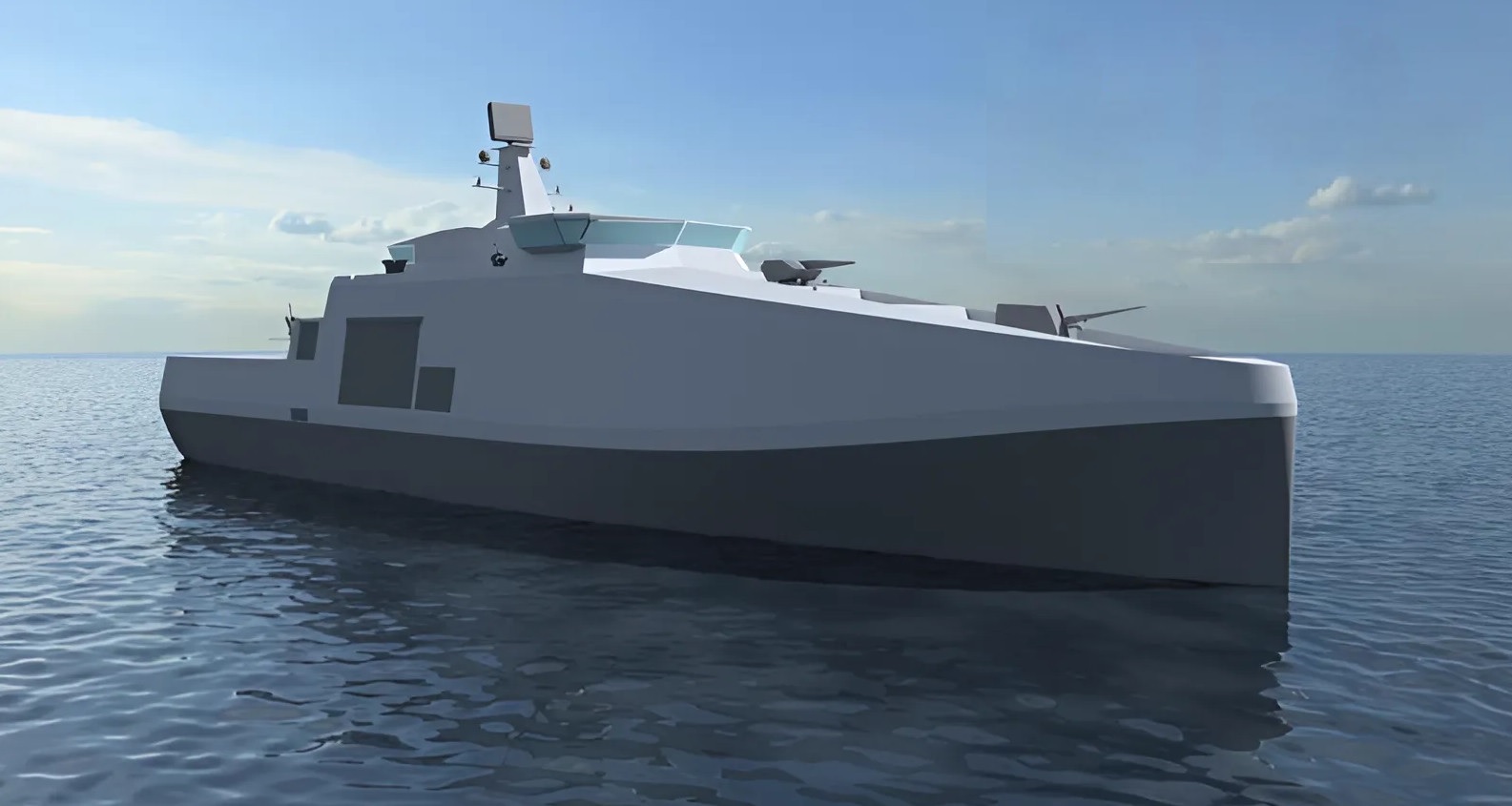
World
Lithuania is making significant strides in bolstering its maritime security with the unveiling of the Perkūnas-class (Thunder-class) patrol vessel design by Western Baltic Engineering, a prominent Lithuanian shipbuilder. This development underscores the nation's commitment to modernizing its naval fleet with advanced, state-of-the-art technology, ensuring better security for its waters and strategic infrastructure. The Perkūnas-class patrol vessels are a product of extensive collaboration and innovation, designed to meet the growing demands of maritime operations in the Baltic Sea. Each vessel will measure 88 meters (289 feet) in length and 17 meters (56 feet) in width, making them versatile assets capable of handling a range of missions. The ships will accommodate between 30 and 60 personnel, offering the flexibility needed for various operations. A robust 6-megawatt engine will enable these vessels to achieve speeds exceeding 18 knots (33 kilometers or 21 miles per hour), ensuring rapid response capabilities in critical situations. Advanced Capabilities for Modern Challenges The Thunder-class vessels are envisioned to fill critical gaps in Lithuania’s maritime defense, focusing on specialized operations such as infrastructure protection, search and rescue missions, and anti-smuggling efforts. Their advanced design reflects Vilnius’ strategic priority of integrating cutting-edge technology into its naval assets, ensuring they remain effective in an evolving security landscape. The project also supports Lithuania’s economic and industrial growth. Western Baltic Engineering’s parent company, the Western Shipyard Group, has highlighted that the Perkūnas-class represents a significant achievement for the country's defense industry. Arnoldas Šileika, CEO of the Western Shipyard Group, emphasized the importance of this milestone, stating, “The successful development of the Perkūnas conceptual design showcases our team's expertise and inspires us to continue advancing this high-value project. These vessels will serve as a powerful addition to Lithuania’s national fleet.” Strategic Modernization Efforts The unveiling of the Thunder-class design is part of a broader modernization effort by Lithuania to upgrade its naval capabilities. In 2024, the Lithuanian government awarded a contract to Dutch shipbuilder Damen for the procurement of a support vessel, further enhancing the operational readiness of its naval forces. Additionally, a 2023 collaboration between Vilnius and Western Baltic Engineering laid the groundwork for the development of a new class of warships, expected to join the fleet by 2030. These initiatives underline Lithuania's focus on strengthening its naval forces to address both traditional and emerging threats. With the Baltic Sea serving as a critical gateway for trade and security, the introduction of modern vessels like the Perkūnas-class will play a vital role in safeguarding the nation’s maritime interests. A Vision for the Future The Thunder-class patrol vessels reflect more than just technological advancement; they represent Lithuania’s growing ambitions as a regional leader in maritime security. By investing in innovative shipbuilding and fostering strategic partnerships, the country is not only enhancing its defensive capabilities but also contributing to the broader security architecture of the Baltic region. As Lithuania moves forward with these projects, the Perkūnas-class is set to become a symbol of the nation's resilience and its commitment to securing its waters in an era of shifting geopolitical dynamics. This next-generation fleet will not only protect Lithuania's coastlines but also strengthen its position within NATO and the wider European defense framework.
Read More → Posted on 2025-01-27 14:06:50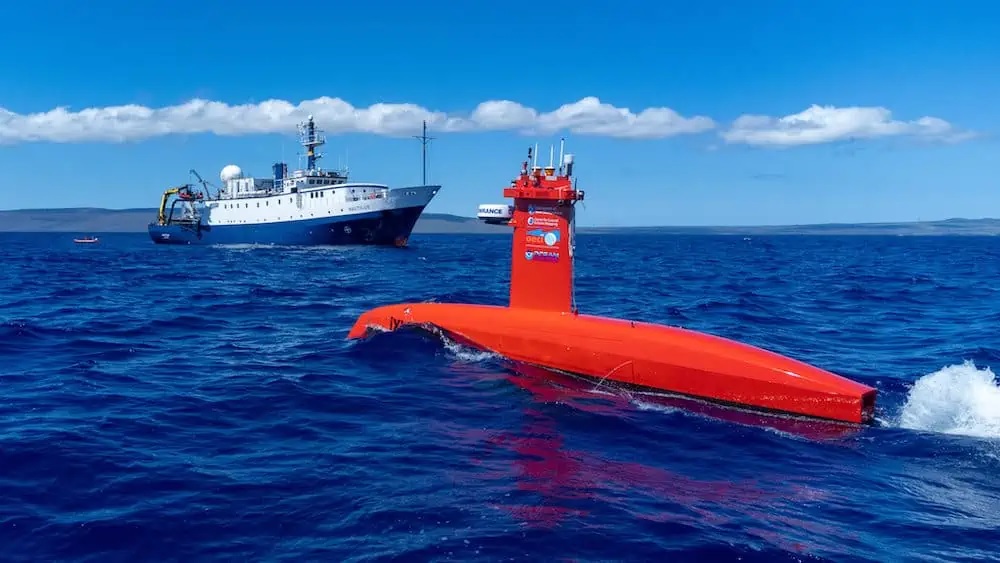
World
Exail has announced a landmark achievement with the first sale of its cutting-edge DriX O-16, a transoceanic Uncrewed Surface Vessel (USV) specifically designed for long-range maritime operations. This milestone highlights the growing demand for advanced maritime autonomy, particularly in the Indo-Pacific region, where the vessel’s capabilities will be utilized by a civil-sector customer for critical hydrographic and environmental missions. The DriX O-16 is packed with state-of-the-art features, including a full-depth Multibeam Echosounder system for precise and high-resolution data collection. This makes the vessel an ideal choice for tasks such as seafloor mapping, geophysical surveys, and environmental monitoring. Additionally, it boasts the capability to deploy Autonomous Underwater Vehicles (AUVs) and Remotely Operated Vehicles (ROVs), significantly enhancing its operational versatility and allowing it to undertake a wide range of missions. Setting New Benchmarks in Maritime Technology Olivier Cervantes, Vice President of Maritime Autonomy Solutions at Exail, underscored the significance of the sale, emphasizing the rapid trust the DriX O-16 has garnered. "The DriX O-16 quickly set new benchmarks in efficiency, endurance, and flexibility, securing the customer’s confidence just three months after its christening," he said. The vessel’s success stems from its innovative design, which prioritizes autonomy, sustainability, and efficiency. Equipped with a hybrid propulsion system and an optimized architectural layout, the DriX O-16 not only reduces fuel consumption but also lowers maintenance costs, offering a sustainable and cost-effective alternative to traditional crewed vessels. Supporting the Industry's Transition to Green and Autonomous Solutions The DriX O-16 represents a forward-thinking approach to maritime operations, addressing both environmental and operational challenges. With its enhanced autonomy, the vessel can conduct extended port-to-port operations without the need for human intervention, minimizing risks at sea while maximizing resource efficiency. This aligns with the maritime industry’s broader push toward eco-friendly and autonomous technologies, reflecting the growing emphasis on reducing carbon footprints and operational costs. Revolutionizing Maritime Operations This milestone sale marks a pivotal moment for Exail and the broader adoption of Uncrewed Surface Vessel technology. By demonstrating unparalleled capabilities in hydrographic, survey, and inspection operations, the DriX O-16 sets a new standard for modern maritime solutions. As the maritime sector continues to shift toward sustainable and autonomous innovations, the DriX O-16 is well-positioned to become a cornerstone of future operations. Its successful debut with an Indo-Pacific customer signals not only confidence in Exail’s technology but also the broader potential for USVs in reshaping the maritime industry’s future.
Read More → Posted on 2025-01-27 13:54:55
India
ISRO has officially announced the completion of the GSLV-F15 rocket integration with the NVS-02 satellite, marking a key milestone in India's space program. The launch is scheduled for January 29, 2025, at 6:23 AM IST from the Satish Dhawan Space Centre in Sriharikota. This event is particularly historic, as it will be ISRO's 100th launch from the iconic Sriharikota spaceport. The GSLV-F15 (Geosynchronous Satellite Launch Vehicle) is equipped with an advanced indigenous cryogenic upper stage, showcasing India's self-reliance in space technology. This launch represents the 17th flight of the GSLV and its 11th flight using the indigenously developed cryogenic stage. It also marks the eighth operational mission of the GSLV with this advanced technology, solidifying the rocket's reliability for complex missions. Mission Highlights and the NVS-02 Satellite At the core of this mission is the NVS-02 satellite, the second installment in the Navigation with Indian Constellation (NavIC) series. NavIC is India's indigenous regional navigation system designed to provide accurate Position, Velocity, and Timing (PVT) services to users in India and its surrounding region, extending approximately 1,500 kilometers beyond its borders. The NVS-02 satellite has a lift-off mass of 2,250 kilograms and carries advanced navigation payloads operating across the L1, L5, and S frequency bands. It also features a ranging payload in the C-band. One of its most significant features is the use of both indigenous and imported atomic clocks for enhanced precision in timekeeping, which is critical for navigation accuracy. Once launched, the GSLV-F15 will place the NVS-02 satellite into a Geosynchronous Transfer Orbit (GTO), a preliminary orbit from which the satellite will maneuver into its designated geostationary orbit. This orbit will enable the satellite to provide uninterrupted navigation services within its coverage area, further strengthening India's strategic and civilian navigation infrastructure. A Step Toward Technological Milestones The GSLV-F15 mission underscores India's growing technological maturity in space exploration. The indigenous cryogenic stage, in particular, is a testament to ISRO's efforts to master advanced propulsion technologies, which were once a major challenge due to international restrictions on technology transfer. The cryogenic engine is capable of operating at extremely low temperatures and offers higher efficiency compared to traditional rocket engines. Its success in previous GSLV missions has paved the way for more ambitious payload launches, including those for interplanetary missions and heavier satellites. Public Participation in a Historic Event ISRO has extended an invitation to the public to witness the launch event in person from the viewing gallery at Sriharikota. Interested individuals can register online to be part of this momentous occasion. The inclusion of public participation highlights ISRO's commitment to fostering interest and awareness about space science among Indian citizens. This mission not only demonstrates India’s technological prowess but also strengthens the country’s strategic capabilities in navigation. With the successful launch of NVS-02, NavIC will further enhance its utility in applications such as disaster management, vehicle tracking, and precise time synchronization for infrastructure. As ISRO continues its journey of groundbreaking achievements, the GSLV-F15 launch is set to add another feather to its cap, symbolizing a significant leap forward for India’s space ambitions.
Read More → Posted on 2025-01-27 13:52:21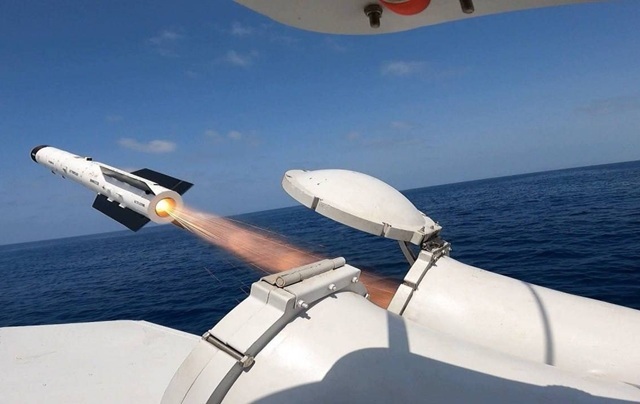
World
Iran's Revolutionary Guards have taken a significant technological leap by deploying missiles equipped with artificial intelligence (AI) during extensive military drills in the Gulf, according to reports from Iranian state media. These drills highlight Tehran's commitment to integrating advanced AI technologies into its defense systems, a move that could reshape regional military dynamics. Advanced Missiles and Drones Deployed As part of the exercises, the Guards' naval forces utilized AI-powered Ghaem and Almas missiles, launched from the domestically produced Mohajer-6 and Ababil-5 drones. These missiles are precision-guided systems developed by the Iranian defense ministry, boasting advanced targeting capabilities. The state-run IRNA news agency confirmed that the missiles "successfully destroyed hypothetical enemy targets," demonstrating their effectiveness. The deployment aligns with Iran's broader defense strategy of indigenously producing and enhancing missile systems. By integrating AI technology, these missiles can potentially achieve higher levels of precision, target recognition, and adaptive functionality during combat scenarios. Strategic Drill Locations and Objectives The military exercises were launched last week in the southwestern provinces of Bushehr and Khuzestan, extending into Gulf waters. Both regions are strategically vital to Iran's economic and security interests. Bushehr houses the country's only nuclear power plant, while Khuzestan and surrounding areas host major oil and petrochemical facilities critical to Iran's economy. Rear Admiral Alireza Tangsiri, the naval commander of the Guards, emphasized that the drills were designed to simulate the protection of these critical assets. "Given the sensitive nature of these positions, ensuring their security is paramount," he remarked. Tangsiri further highlighted Iran's development of cruise missiles with ranges exceeding 1,000 kilometers (621 miles), also enhanced with AI capabilities. AI and Iran's Evolving Military Strategy The deployment of AI-equipped missiles underscores a broader push by Iran to modernize its military capabilities. Supreme Leader Ayatollah Khamenei has repeatedly urged the nation to prioritize advancements in artificial intelligence, describing it as a "strategic necessity." This focus reflects Iran's intention to compete technologically with adversaries and mitigate the impact of longstanding international sanctions that limit access to foreign military technology. Iran has steadily expanded its drone and missile programs since the 1979 revolution, which severed its ties with the United States—once its primary arms supplier. These advancements have been instrumental in strengthening its regional influence and deterring potential threats from rivals such as Israel and the United States. Timing Amid Global Tensions Iran's military showcase comes amid renewed geopolitical tensions. While the current drills are routine, their timing is notable, coinciding with a shift in U.S. leadership. Former President Donald Trump, known for his "maximum pressure" policy on Tehran, recently expressed a preference for diplomatic engagement over direct military action. This hints at potential openings for future negotiations, although deep mistrust remains between Iran and the West. Additionally, Israel continues to express concerns over Iran's missile and nuclear programs, viewing them as existential threats. The unveiling of AI-equipped weaponry adds a new layer of complexity to the already strained dynamics in the Middle East. A Technological Leap With Regional Implications Iran's integration of AI into its missile systems marks a significant step in its defense strategy, signaling its readiness to counter perceived threats with cutting-edge technology. While the practical impact of these advancements on military engagements remains to be seen, they undeniably position Iran as a key player in the evolving landscape of modern warfare. The Gulf drills, showcasing AI-enabled missiles, not only underscore Iran's strategic priorities but also send a clear message to regional and global adversaries: Tehran is determined to maintain its technological edge, even under the pressure of international sanctions and isolation.
Read More → Posted on 2025-01-27 13:49:54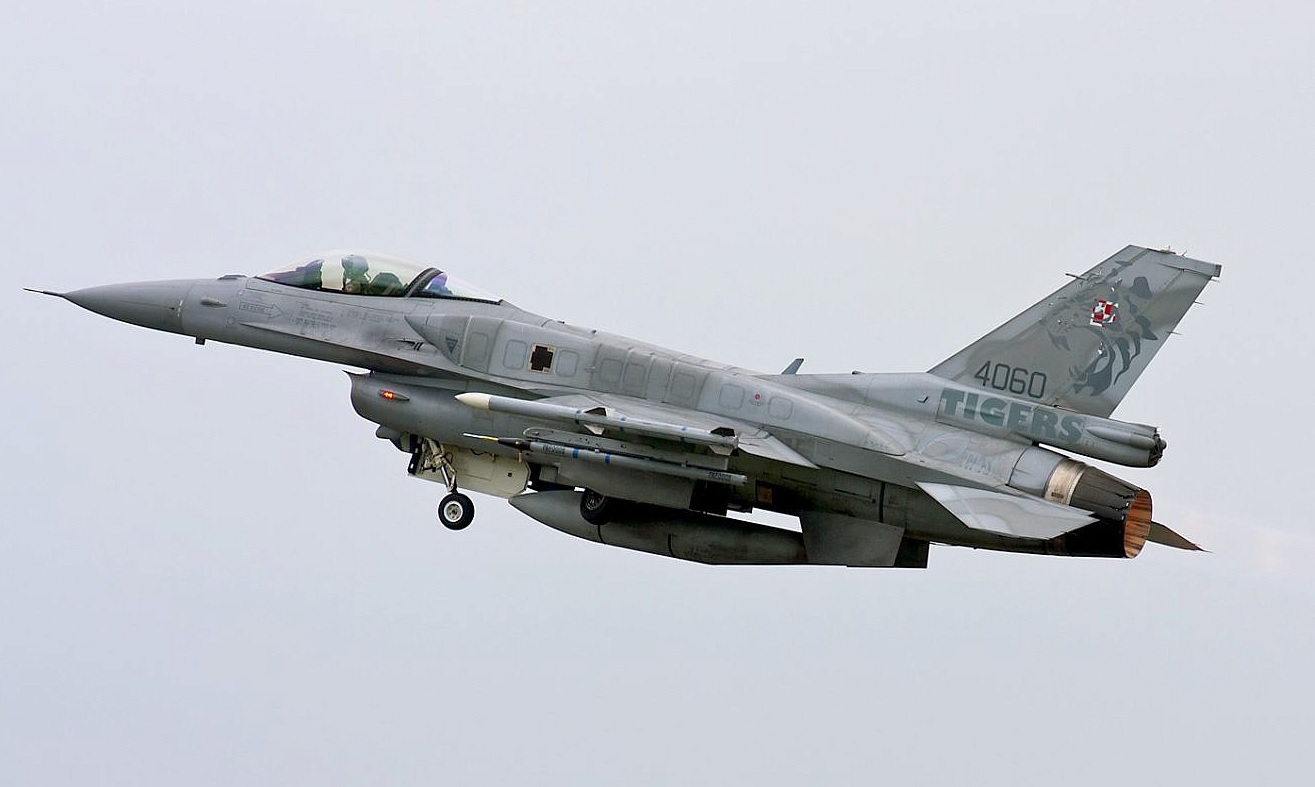
Elbit Systems Secures $80 Million Contract to Equip Israel's F-16I Fleet with Advanced Defence Suite
World
Elbit Systems Ltd., a prominent player in the global defence industry, has been entrusted by the Israel Ministry of Defence (IMOD) with an $80 million contract to upgrade the self-protection capabilities of the Israeli Air Force's F-16I fleet. The initiative is designed to enhance the fleet's survivability in increasingly hostile and complex operational environments. The centrepiece of this upgrade is Elbit Systems' advanced Airborne Self-Protection Suite, which integrates cutting-edge Electronic Warfare (EW) technology with an Electro-Optical (EO) Passive Missile Warning and Launch Detection System, known as PAWS. Together, these systems will provide unparalleled protection against modern aerial threats. The EW system excels in detecting and neutralizing electronic signals from enemy radars, while the PAWS system offers early detection of incoming missiles, allowing pilots crucial time to respond. This dual-layered approach ensures enhanced situational awareness and operational safety for aircrews. The contract is part of Israel's broader effort to maintain its qualitative edge in regional air superiority. With neighbouring countries advancing their military technologies, including radar and missile systems, Israel sees these upgrades as vital to ensuring the effectiveness of its frontline fighter jets. The F-16I "Sufa," known for its extended range and advanced avionics, plays a pivotal role in Israel’s air operations, making its protection a national priority. Elbit Systems has a long history of equipping various aerial platforms, ranging from fighter jets to helicopters, with its proven defence technologies. The company’s expertise in Electronic Warfare has positioned it as a trusted supplier to numerous NATO and European nations, securing contracts for similar self-protection systems. The global demand for such technology reflects a growing recognition of the need to safeguard critical aerial assets amid escalating security challenges. Oren Sabag, General Manager of Elbit Systems ISTAR & EW, emphasized the importance of the contract, stating, “We are honoured to once again collaborate with the Israel Ministry of Defence and the Israeli Air Force. In today’s global landscape, safeguarding aerial platforms is crucial. Elbit Systems continues to lead the way in providing cutting-edge airborne defence solutions.” Beyond Israel, the contract showcases Elbit Systems’ growing influence in the global defence market. Recent years have seen the company secure significant deals for advanced EW and self-protection systems, reinforcing its reputation for innovation and reliability. By continuously pushing the boundaries of technology, Elbit Systems is helping militaries around the world adapt to modern-day combat scenarios, where electronic and missile threats have become increasingly sophisticated. This deal marks another milestone in Israel’s ongoing efforts to maintain the operational readiness of its air force while demonstrating Elbit Systems’ critical role in strengthening national and international defence capabilities.
Read More → Posted on 2025-01-27 13:47:20
World
The Argentine Navy has taken delivery of its second Beechcraft TC-12B Huron aircraft, marking a significant step forward in strengthening the country’s maritime surveillance and logistical capabilities. This addition enhances the Naval Maritime Surveillance Squadron, a critical component of the Naval Aviation Command, which plays a pivotal role in safeguarding Argentina's extensive maritime interests. Defense Minister Luis Petri highlighted the importance of this acquisition in ensuring national security. “We must protect and defend the interests of the country,” Petri stated. “This includes controlling the exclusive economic zone and preventing unauthorized ships from exploiting resources that belong to all Argentines.” Strategic Acquisition to Strengthen Naval Operations The two Beechcraft TC-12B aircraft were purchased from the United States, with the first unit delivered in July 2023. The planes are expected to significantly enhance Argentina’s operational readiness, especially in monitoring the exclusive economic zone (EEZ), a critical region rich in marine resources. The TC-12B Hurons will also provide vital logistical support, enabling better territorial deployments and mobile aero-naval logistics. These aircraft are well-suited for Argentina’s operational demands, capable of fulfilling roles such as maritime patrol, troop transport, and cargo missions. Advanced Features of the Beechcraft TC-12B Huron Manufactured by Textron Aviation, the TC-12B Huron is a twin-engine turboprop aircraft designed for versatility and efficiency. Key specifications include: Dimensions: A wingspan of 16 meters (52.4 feet), length of 13.5 meters (44 feet), and height of 4.6 meters (15 feet). Performance: A maximum speed of 550 kilometers per hour (341 miles per hour) and a cruise speed of 536 kilometers per hour (333 miles per hour). Capacity: The aircraft can carry up to seven passengers, two pilots, and an additional crew member. Range and Endurance: With a fuel capacity of 1,653 liters (437 gallons), the TC-12B can remain airborne for approximately six hours. Additionally, the aircraft features the Garmin GTN 750 Xi system, which enhances navigation accuracy using advanced GPS technology. A spacious cabin and a cargo door make it ideal for multi-role missions, including aero-naval logistics and transport operations. A Step Towards Securing Maritime Resources Argentina’s vast EEZ spans over 1.7 million square kilometers, making maritime surveillance a critical priority. The addition of the second TC-12B Huron bolsters the Navy’s ability to monitor and protect this region from illegal activities such as unregulated fishing, smuggling, and unauthorized incursions. The Beechcraft TC-12B represents a strategic investment in modernizing Argentina’s naval fleet, ensuring the country’s resources remain secure while enhancing logistical flexibility. As global maritime challenges grow, these aircraft provide Argentina with an advanced tool to maintain security and sovereignty over its waters. This latest delivery reaffirms Argentina’s commitment to strengthening its defense infrastructure and safeguarding national interests, positioning the country for greater operational efficiency in the years to come.
Read More → Posted on 2025-01-27 13:45:03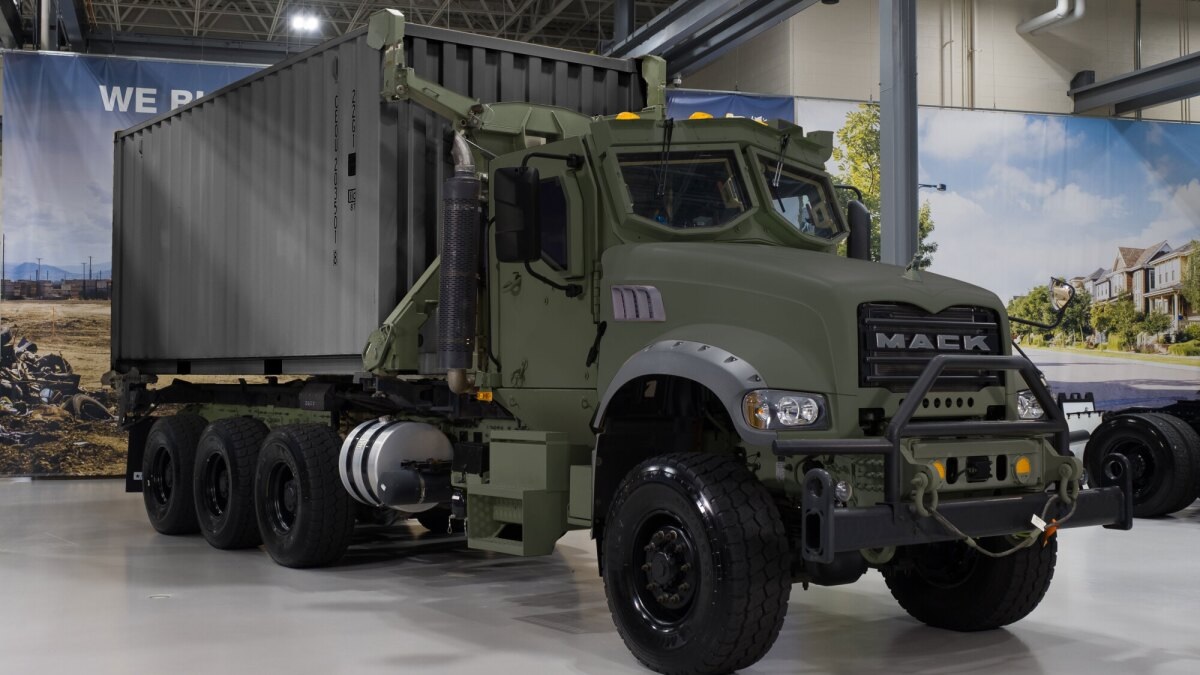
World
Mack Defense has secured a new order for 103 M917A3 Heavy Dump Trucks (HDTs) under the U.S. Army’s comprehensive procurement initiative. This order, part of a broader $296 million contract awarded in 2018, underscores the military’s ongoing commitment to upgrading its fleet with reliable, state-of-the-art equipment. The contract, spread over seven years, allows for the acquisition of up to 683 HDTs, showcasing the scale of the Army's modernization efforts. The latest batch includes 74 trucks funded by the presidential budget, while the remaining 29 units are allocated to the National Guard. These vehicles are crucial for military construction operations, such as maintaining airfields, roadways, and other mission-critical infrastructure. The HDTs' versatility and robustness make them indispensable in supporting military readiness across various terrains and operational conditions. Cutting-Edge Design for Military Needs The M917A3 HDTs are derived from Mack’s Granite commercial truck but have been modified extensively to meet stringent military specifications. Key enhancements include all-wheel drive, reinforced rear axles, and an elevated suspension system, ensuring the trucks can handle rugged environments with ease. The inclusion of advanced safety features, such as anti-lock braking systems (ABS) and user-friendly controls, enhances both operational efficiency and crew safety. These trucks also reflect the Army's focus on sustainability and efficiency, a sentiment echoed by Mack Defense President Dave Hartzell. He emphasized the vehicles’ reliability in global military operations, stating that investments in modern equipment like the M917A3 are vital to mission success for the Army, Army Reserve, and National Guard. Production and Quality Assurance Manufacturing of the M917A3 HDTs began in early 2021 at the Mack Experience Center (MEC) in Allentown, Pennsylvania. Mack Defense invested $6.5 million to establish a dedicated production line at this facility, ensuring that each vehicle meets rigorous military standards. Government auditors have conducted extensive inspections to validate the trucks’ compliance with these requirements. To streamline operations further, the former Customer Adaptation Center at the MEC has been relocated to Mack’s Lehigh Valley Operations (LVO) facility in Macungie, Pennsylvania. This site now handles modifications for Mack Class 8 vehicles destined for both domestic and international markets. Strengthening Military Infrastructure The M917A3 HDTs play a pivotal role in enabling the U.S. military to maintain and expand critical infrastructure. From fortifying airfields to improving road networks, these trucks are designed to perform reliably in the most challenging conditions. The Army’s continued investment in these vehicles not only strengthens its logistical capabilities but also ensures the safety and effectiveness of its personnel during operations. By integrating commercial innovation with military-grade reliability, Mack Defense has delivered a solution that aligns with the U.S. Army’s strategic goals. This latest order reinforces the partnership between the two entities, paving the way for sustained modernization and operational success.
Read More → Posted on 2025-01-27 07:34:59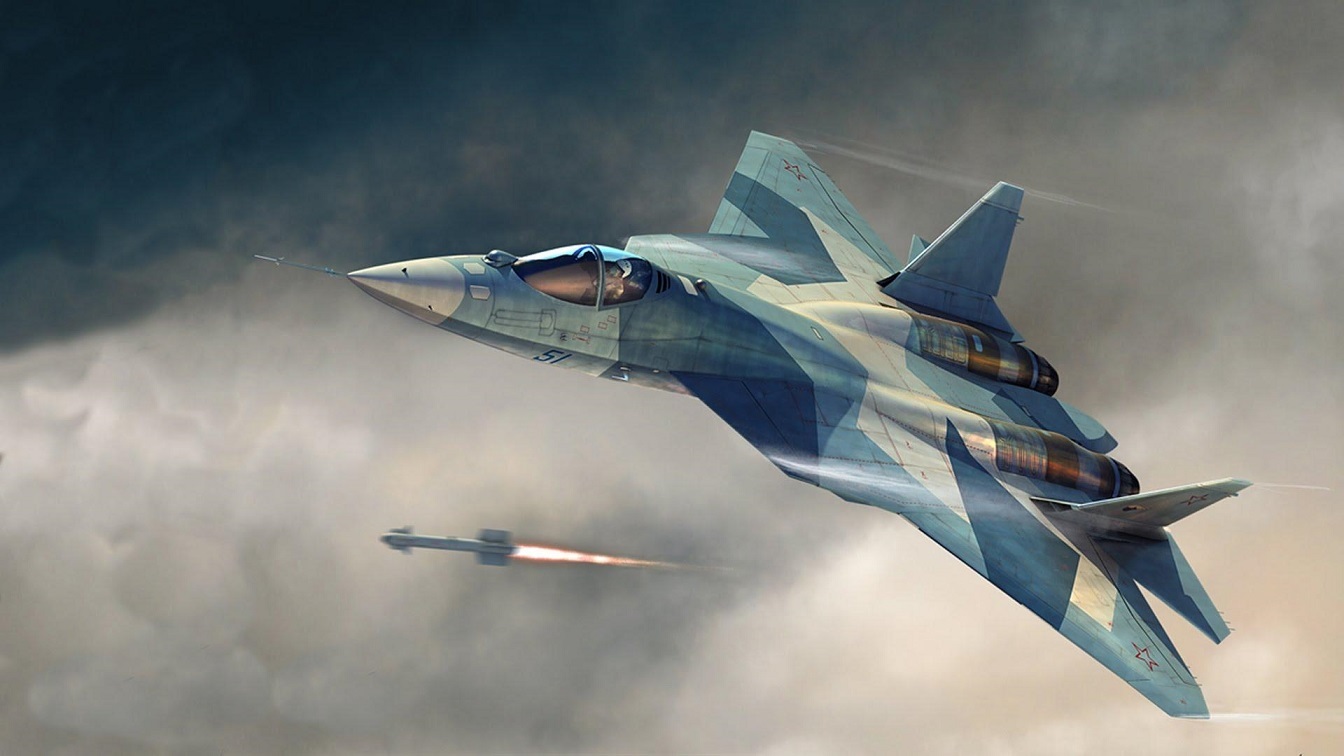
India
Aero India 2025 is poised to become a landmark event in aerospace and defense as Russia confirms the participation of its fifth-generation stealth fighter, the Sukhoi Su-57 (NATO codename: Felon). The announcement has sent waves of excitement through the global defense community, particularly among Indian enthusiasts and Western defense firms like Lockheed Martin and Boeing, which are also expected to attend the event in Bengaluru. The Su-57, widely recognized for its stealth design, advanced avionics, and supermaneuverability, will be one of the main attractions. This is a significant development as the aircraft has rarely been displayed outside Russia, providing attendees a unique opportunity to examine it closely. The move is seen as a bold statement from Moscow, offering a glimpse into its cutting-edge defense capabilities and directly challenging Western dominance in the stealth fighter market. Strategic Implications of the Su-57’s Appearance Russia’s decision to showcase the Su-57 at Aero India 2025 has significant strategic undertones. For India, a long-time buyer of Russian defense equipment, the Su-57’s presence signals Moscow’s commitment to strengthening defense ties amidst shifting geopolitical dynamics. With India exploring options for fifth-generation fighters to bolster its air power, the Su-57’s display could be viewed as an unofficial pitch to secure potential deals or collaborations. Moreover, the event provides Russia an invaluable platform to highlight the Su-57's capabilities to a global audience, including potential buyers in Asia, Africa, and the Middle East. The timing is particularly crucial, given the ongoing competition in the fifth-generation fighter space and Russia's efforts to maintain its foothold in the global arms market. A Rare Opportunity for Competitors The Su-57’s debut at Aero India is also being closely watched by American defense officials. Lockheed Martin, which has been promoting its F-21—a customized version of the F-16 tailored for the Indian Air Force—will have representatives present. While there is no confirmation on whether the F-35A Lightning II will make an appearance, the presence of Lockheed Martin and Boeing personnel highlights the strategic importance of observing the Su-57 firsthand. For Western defense firms, this could be a rare opportunity to analyze the Su-57's design, weaponry, and performance metrics up close. Insights gained from the event might influence the development of future fighter platforms or refine their marketing strategies for India and other key markets. The Su-57 and India’s Future Fighter Needs India is actively modernizing its air force, with a growing focus on acquiring fifth-generation capabilities to counter emerging threats in the region. While India’s AMCA (Advanced Medium Combat Aircraft) program is progressing steadily, the Su-57’s presence at Aero India could spark renewed interest in a potential collaboration or purchase. Given the historical defense ties between New Delhi and Moscow, the Su-57 might emerge as a contender for India’s advanced fighter requirements, especially if it aligns with the "Make in India" initiative. A Global Showcase of Military Power The Su-57’s presence at Aero India 2025 underscores the event's growing stature as a global defense and aerospace showcase. Alongside Russian innovations, the airshow will likely feature cutting-edge technologies from various nations, fostering collaborations and competition in the defense sector. The absence of the F-35A may shift attention to the Su-57, which could dominate discussions around stealth and combat capabilities. As Aero India 2025 approaches, all eyes will be on the skies over Bengaluru, where the Su-57 is expected to demonstrate its prowess. Whether as a potential defense partner or a subject of technological curiosity, the Russian prototype will undoubtedly make its mark, setting the stage for deeper strategic engagements and reshaping conversations in the global defense community.
Read More → Posted on 2025-01-27 07:30:08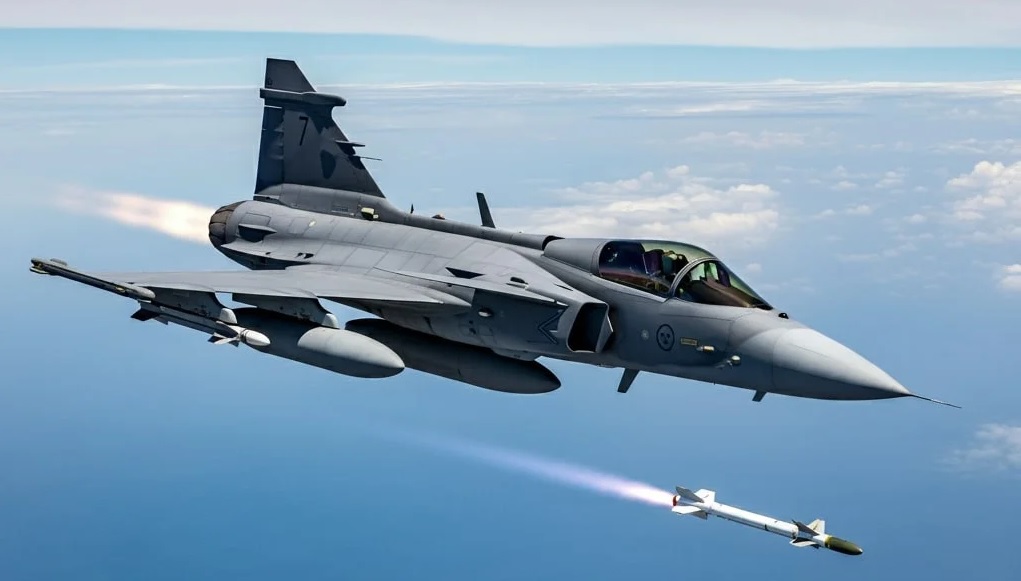
World
In a significant shift in strategy, Swedish aerospace giant Saab has announced its intent to independently bid for the Indian Air Force's (IAF) Multi-Role Fighter Aircraft (MRFA) tender. This decision follows the termination of its partnership with Adani Defence, marking a new phase in Saab's engagement with India's burgeoning defence sector. Saab's new approach focuses on collaboration with Bengaluru-based Dynamatic Technologies, a key player in Indian aerospace manufacturing. This partnership is expected to center around the production of the Gripen-E fighter jet, a versatile multi-role aircraft known for its advanced avionics, combat readiness, and cost-effectiveness. Saab's Solo Bid and Dynamatic's Role Saab's decision to pursue the MRFA tender independently demonstrates its confidence in managing the complex program while aligning with India's push for self-reliance in defence production. Dynamatic Technologies, which already has experience in manufacturing critical components for global aerospace giants like Boeing and Airbus, is poised to play a pivotal role. The company is expected to take charge of producing the fuselage for the Gripen-E, leveraging its expertise to meet stringent quality and performance standards. Under this proposed arrangement, Saab India would act as the lead integrator, managing the final assembly and delivery of the aircraft. This setup not only aligns with India’s ‘Make in India’ initiative but also enhances local expertise and capabilities in aerospace manufacturing. A 100% FDI-Owned Final Assembly Line A standout aspect of Saab's proposal is its plan to establish a 100% foreign direct investment (FDI)-owned Final Assembly Line (FAL) for the Gripen-E in India. This move would require approval from the Indian government but reflects Saab's long-term commitment to localizing its production processes. The establishment of such a facility could act as a catalyst for broader technological and industrial advancements in India’s defence manufacturing ecosystem. Competition Heats Up The MRFA tender, one of the most significant defence contracts in India, has attracted bids from major global players, including Boeing with its F/A-18 Super Hornet, Lockheed Martin offering the F-21 (an advanced variant of the F-16), and Dassault Aviation with its Rafale fighter jets. Each contender has proposed substantial technology transfers and local manufacturing commitments to secure the deal. Saab’s Gripen-E, known for its exceptional cost-efficiency and low lifecycle costs, stands out as a strong contender. With advanced sensor fusion, electronic warfare capabilities, and an integrated weapons system, the Gripen-E is well-suited to meet the diverse operational requirements of the IAF. Implications for India’s Defence Ecosystem If Saab secures the MRFA contract, its collaboration with Dynamatic Technologies and other Indian suppliers could significantly boost India's defence manufacturing sector. It would not only create jobs but also foster the development of a comprehensive aerospace ecosystem, helping India inch closer to its goal of becoming a global defence manufacturing hub. This initiative aligns with India’s strategic focus on technological sovereignty and self-reliance in defence production. By involving Indian companies at multiple stages of the manufacturing process, Saab’s proposal promises to deepen local expertise and promote sustainable growth in the sector. A Pivotal Moment Saab’s independent bid and its emphasis on local collaboration highlight the evolving dynamics of India’s defence procurement landscape. The outcome of the MRFA tender will have far-reaching implications for India’s aerospace and defence capabilities, setting the tone for future international collaborations in the sector. As the race for the MRFA contract intensifies, Saab's strategic pivot underscores the importance of innovation, local partnerships, and policy alignment in securing one of the most coveted defence deals in the world.
Read More → Posted on 2025-01-27 07:27:28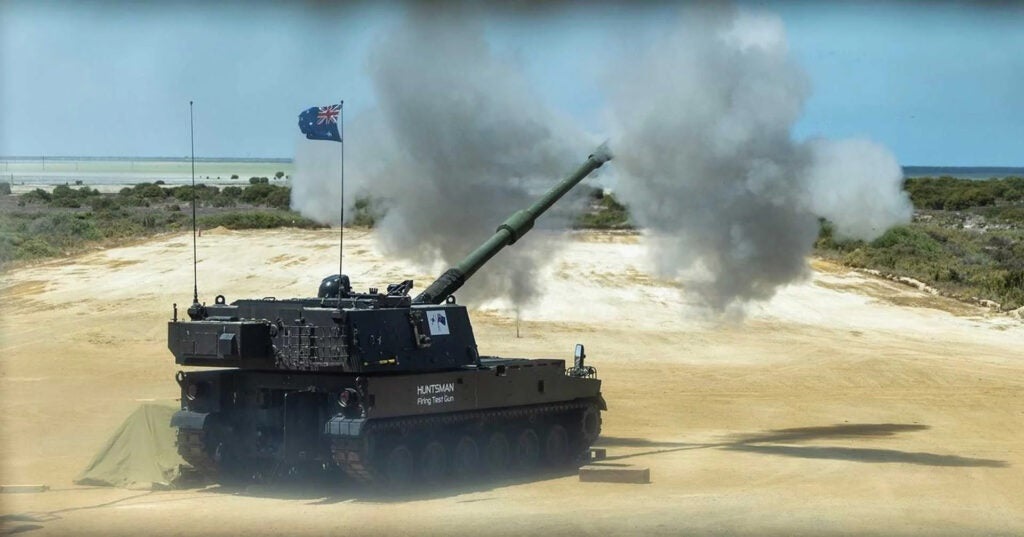
World
Australia has taken delivery of its first AS9 Huntsman self-propelled howitzer, marking a significant step forward in modernizing its artillery capabilities. This delivery is part of a $788 million contract signed in December 2021 between the Capability Acquisition and Sustainment Group (CASG) and Hanwha Defense Australia, solidifying Australia's partnership with South Korea in advanced defense technology. The Huntsman Acquisition Program The agreement outlines the production of 30 AS9 howitzers and 15 AS10 Armored Ammunition Resupply Vehicles, all to be manufactured at the Hanwha Armoured Vehicle Centre of Excellence in Geelong, Victoria. The final batch is expected to roll out by 2027, further establishing Australia's self-reliance in military manufacturing. Before arriving in Australia, the AS9 underwent rigorous testing at South Korea’s Changwon Proving Ground, ensuring the system meets the high standards required for modern battlefield conditions. This first unit delivered to Australia is believed to be the same one used in these exhaustive tests. Features of the AS9 Huntsman Based on South Korea's highly successful K9 Thunder platform, the AS9 Huntsman combines firepower, mobility, and protection in a single, state-of-the-art system. Firepower: The AS9 is equipped with a 155mm/52-caliber main gun. It can strike targets with standard rounds at a range of up to 40 kilometers and specialized extended-range ammunition at distances of 60 kilometers. With a semi-automated loading mechanism, the AS9 achieves impressive firing rates, delivering three rounds within 15 seconds and sustaining six to eight rounds per minute. Versatility and Protection: Designed for diverse operational requirements, the vehicle boasts reinforced armor, anti-tank mine protection, and an advanced suspension system for rugged terrains. Air conditioning and compatibility with NATO-standard munitions further enhance its adaptability. Mobility: Measuring 12.4 meters in length, 3.5 meters in width, and 3.7 meters in height, the AS9 weighs 52 tonnes and can exceed speeds of 60 km/h. Operated by a crew of five, it offers both pintle-mounted weapons and a Remote Weapon System (RWS) for additional firepower. The Role of the AS10 Resupply Vehicle Accompanying the AS9 is the AS10 Armored Ammunition Resupply Vehicle, which shares its chassis for logistical simplicity. The AS10’s automated loading system enhances battlefield efficiency by minimizing crew exposure during reloading operations. Together, the AS9 and AS10 aim to replace Australia's aging M777 towed howitzers for key artillery missions. However, the lightweight M777 will continue serving in air-mobile operations, offering flexibility across different operational scenarios. Strategic Implications The introduction of the AS9 Huntsman represents a transformative moment for Australia’s military capabilities. By replacing towed artillery with self-propelled systems, Australia is enhancing its mobility, survivability, and rapid-response capabilities in high-threat environments. The locally manufactured vehicles also underscore a commitment to strengthening domestic defense industries, creating jobs, and fostering technological innovation. As deliveries continue over the coming years, the AS9 and AS10 will undoubtedly redefine Australia’s artillery operations, ensuring its forces remain agile and prepared for the evolving demands of modern warfare.
Read More → Posted on 2025-01-26 15:02:19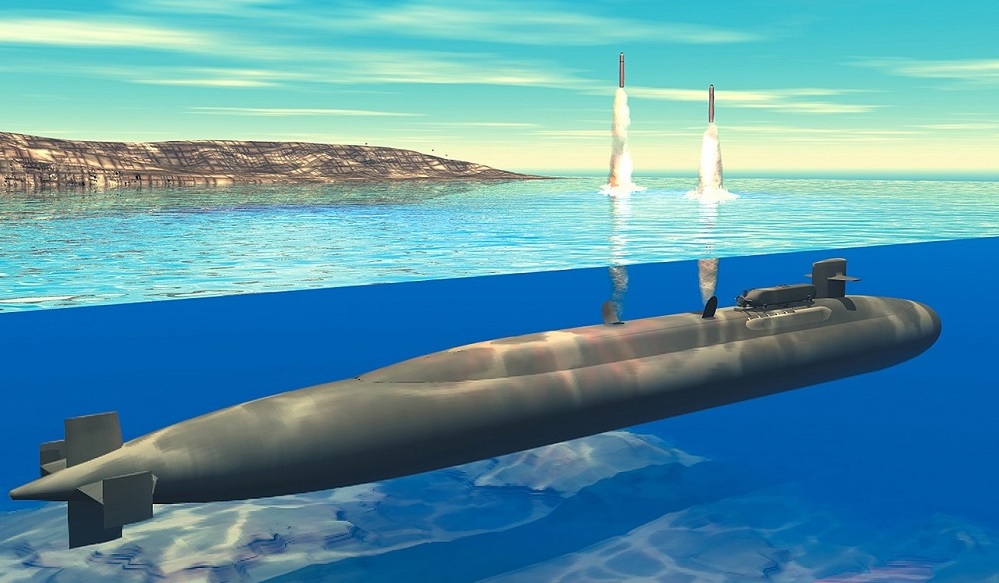
World
At an October 8, 2024 webinar hosted by the Center for Strategic and International Studies (CSIS), Vice Admiral James Pitts, Deputy Chief of Naval Operations for Warfighting Requirements and Capabilities, addressed a critical question about the future of the U.S. Navy’s Vertical Launch System (VLS) cells. The discussion comes amidst concerns over the retirement of the Ticonderoga-class cruisers and Ohio-class guided missile submarines (SSGNs), both of which are significant contributors to the Navy’s VLS cell capacity. The VLS Cell Gap Challenge The Ticonderoga-class cruisers, each equipped with 122 VLS cells, and the SSGNs, with 154 cells per submarine, collectively add up to 2,080 VLS cells. These platforms are essential for launching a variety of munitions, including Tomahawk cruise missiles, Standard surface-to-air missiles, and anti-submarine rockets (ASROCs). As of fall 2024, the U.S. Navy operates 12 active cruisers and four SSGNs, which are slated for decommissioning in the near future. Vice Admiral Pitts acknowledged the potential shortfall but emphasized that, for now, the Navy has sufficient VLS capacity for its current inventory of Tomahawk missiles. However, he admitted that retiring the SSGNs would lead to a "significant capability loss." Mitigation Strategies To address this gap, Pitts highlighted the introduction of the Virginia Payload Module (VPM), an upgrade for Virginia-class submarines. Each VPM-equipped submarine will add 28 VLS cells, aiming to offset the loss of the SSGNs. The Navy is also exploring advanced surface platforms, including Large Unmanned Surface Vessels (LUSVs), which could carry additional payloads. However, these measures are long-term solutions, and experts argue they may not arrive in time to prevent a temporary decline in firepower. Expert Perspectives on the VLS Shortfall Brent Sadler, a senior researcher in naval warfare, emphasized the magnitude of the challenge. "The SSGNs’ capacity is unparalleled, and there is no immediate replacement," he noted. Sadler suggested a multifaceted approach, including accelerating Columbia-class and VPM-equipped Virginia-class submarine production, utilizing unmanned vessels for Tomahawk strikes, and expanding the U.S. Marine Corps’ capability to launch Tomahawks from shore in the First Island Chain. Jim Fein, a research assistant specializing in national security, added that the Navy’s munitions inventory compounds the problem. He revealed that the Navy possesses around 4,000 Tomahawks and up to 11,000 Standard Missiles but pointed out that procurement levels have stagnated. Despite having approximately 10,000 VLS cells across its fleet, the Navy’s munition inventory may struggle to keep pace with operational demands. The Way Forward The U.S. Navy faces a balancing act: maintaining its current operational capabilities while modernizing its fleet for future challenges. The planned introduction of VPMs and the development of unmanned systems represent promising steps, but they must be complemented by increased munition production and innovative deployment strategies. Without timely action, the Navy risks a significant dip in its long-range strike and missile defense capabilities. To counter this, a combination of accelerated shipbuilding, increased use of unmanned platforms, and strategic partnerships will be crucial. While Vice Admiral Pitts assures that current needs are met, the roadmap for the coming decade demands a proactive approach to ensure that the U.S. Navy remains a dominant force at sea.
Read More → Posted on 2025-01-26 14:59:23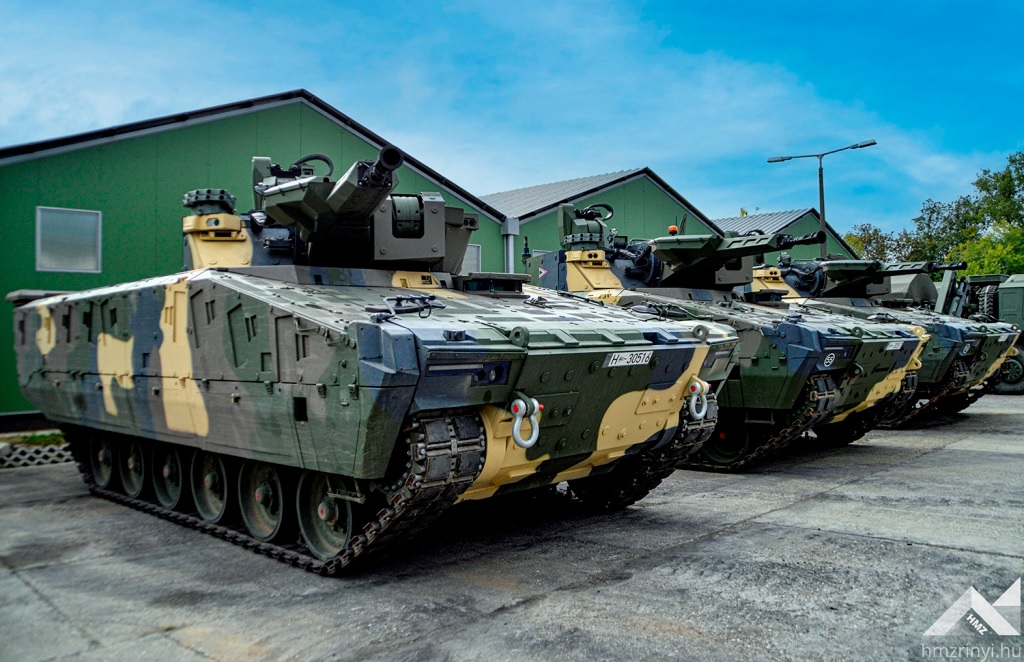
World
At the International Armoured Vehicles Conference held in Farnborough from January 21-23, 2025, a senior Hungarian Land Forces official revealed significant progress in modernizing the country's military capabilities. The first Hungarian battalion equipped with the advanced Rheinmetall KF41 Lynx infantry fighting vehicles (IFVs) is on the brink of achieving Initial Operational Capability (IOC), marking a transformative step in Hungary’s military modernization journey. The Lynx IFV: A Cornerstone of Hungarian Defence Modernization Hungary's partnership with Rheinmetall began in August 2020 with a €2 billion contract. The deal included the delivery of 218 Lynx IFVs in seven configurations, nine Buffalo recovery vehicles, simulators, training, and logistical support. This acquisition forms a key element of the fourth Development Programme of the Hungarian Defence Forces, aimed at replacing outdated Soviet-era systems like the BMP-1 and BTR-80 with cutting-edge German technology. The Lynx KF41 is not just a vehicle; it represents a new generation of armoured warfare systems. With superior protection, modular design, and advanced battlefield awareness capabilities, it addresses the Hungarian military's needs for mobility, firepower, and survivability. Its features include Rheinmetall's StrikeShield active/passive hybrid protection system, which effectively counters missile and rocket threats. Building Domestic Capacity: Hungarian Production A major highlight of Hungary’s approach is the establishment of Rheinmetall Hungary Zrt., a joint venture responsible for local production in Zalaegerszeg. The first Hungarian-manufactured Lynx vehicle rolled out in July 2024, with earlier deliveries from Germany enabling accelerated testing and training. To date, 45 Lynx vehicles have been delivered to the 30th Mechanised Brigade, a unit that is central to Hungary’s new mechanized force structure. Overcoming Initial Challenges As a launch customer of the Lynx, Hungary faced teething issues typical of any new system. Hungarian soldiers identified improvements needed for emergency systems, heating, and vibration reduction. Rheinmetall promptly addressed these concerns, underscoring the collaborative nature of the program. Notably, soldiers described the Lynx as “a vehicle built around a computer,” highlighting its digital sophistication, a stark contrast to older platforms. Expanding Capabilities and Integration The 30th Mechanised Brigade, comprising three grenadier battalions, is being equipped with Lynx vehicles in configurations such as IFV, command and control, reconnaissance, mortar carriers, CASEVAC, and more. The integration of Spike anti-tank missiles and Lynx-mounted mortar systems is underway, further enhancing the brigade's combat capabilities. The Lynx IFVs are also integrated with Hungary’s developing Digital Soldier System, featuring HUNTACCIS battle management systems and Elbit Systems’ E-LynX radios. This digital backbone transforms the vehicles into hubs for infantry squads, enabling superior coordination and situational awareness on the battlefield. Preparing for Peer-to-Peer Conflict The return to conventional warfare training marks a significant shift for the Hungarian Land Forces. With simulators for training, including full-motion driver simulators, Hungary aims to ease wear on vehicles while enhancing readiness. Each vehicle currently logs over 500 km per month, reflecting the intense preparation underway. A Unified Heavy Brigade Combat Team The end goal for Hungary is the formation of two Heavy Brigade Combat Teams (BCTs) by integrating assets from the 30th Mechanised Brigade and the 1st “Klapka György” Armoured Brigade. The latter is equipped with 44 Leopard 2A7HU main battle tanks and 24 PzH 2000 self-propelled howitzers. Hungary is also exploring the development of an air defence variant of the Lynx, potentially fitted with Rheinmetall’s Skyranger 30 turret, which could provide counter-UAS capabilities. Strengthening International Cooperation Hungary’s experience with the Lynx has drawn interest from other nations, including Italy, which is exploring a partnership with Rheinmetall and Leonardo for similar systems. At the conference, Hungarian officials shared their insights, solidifying Hungary’s position as a trailblazer in integrating the Lynx platform. With its first Lynx battalion nearing IOC, Hungary is not only modernizing its military but also redefining its approach to mechanized warfare, signaling a broader shift in European defence capabilities.
Read More → Posted on 2025-01-26 14:20:07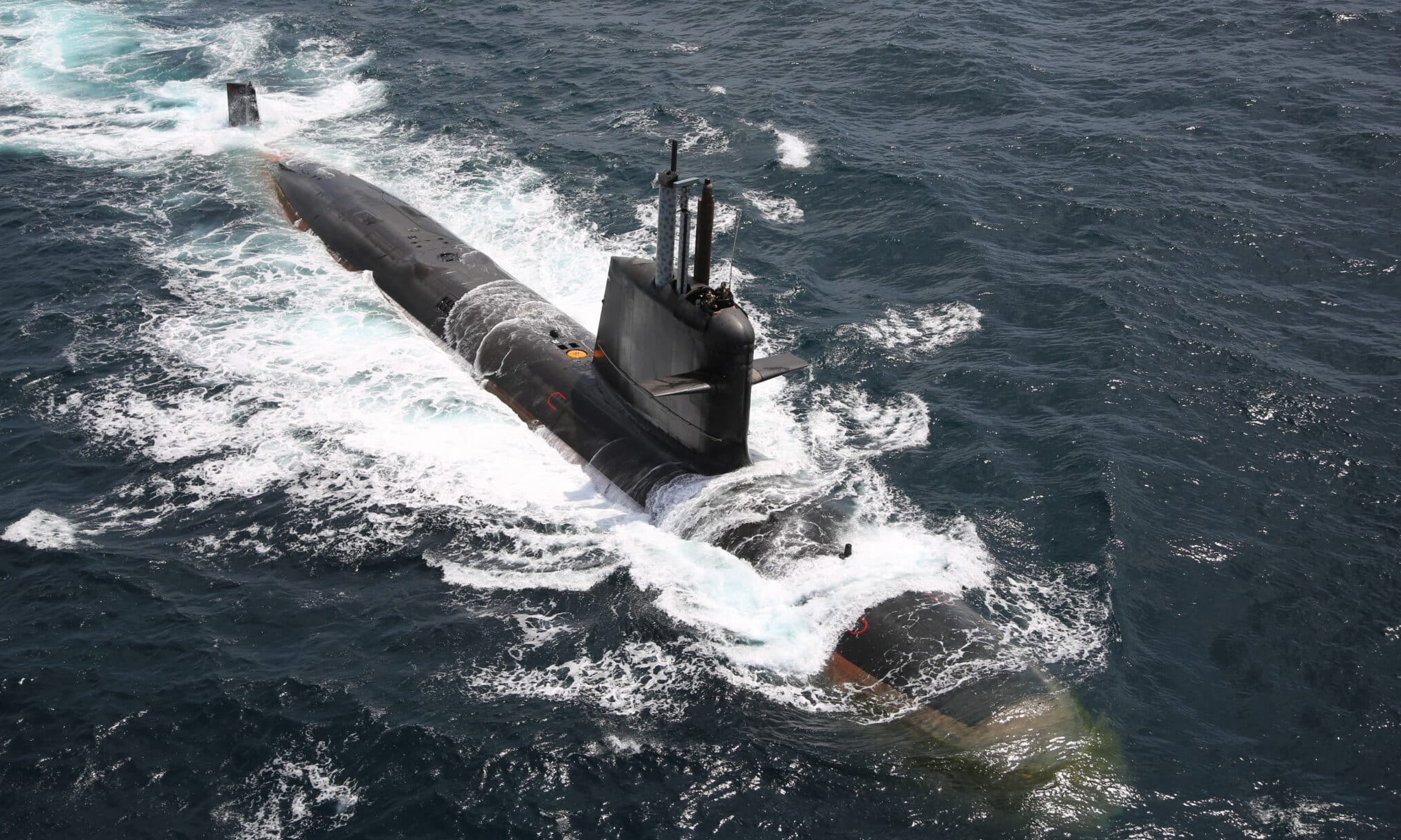
India
Mazagon Dock Shipbuilders Limited (MDL) and Germany's ThyssenKrupp Marine Systems (TKMS) are in the final stages of negotiations for India’s ₹43,000 crore Project-75I, a landmark defence initiative aimed at strengthening the Indian Navy’s submarine fleet with six advanced stealth submarines equipped with Air-Independent Propulsion (AIP) systems. Project-75I: A Boost to Underwater Capabilities Project-75I is a strategic program designed to deliver cutting-edge conventional submarines that offer enhanced stealth, endurance, and operational flexibility. A key feature of these submarines is the incorporation of AIP technology, which allows vessels to remain submerged for extended periods without surfacing to recharge batteries, thereby reducing vulnerability and increasing mission effectiveness. This deal holds particular importance as the Indian Navy seeks to upgrade its aging fleet of submarines, ensuring it remains a formidable force in the Indo-Pacific region. MDL-TKMS Partnership: Combining Expertise The collaboration between MDL, a premier Indian shipbuilder with decades of experience in constructing submarines, and TKMS, a global leader in submarine technology, is expected to bring together advanced German engineering and Indian shipbuilding capabilities. This synergy aims to produce highly advanced submarines tailored to the unique operational requirements of the Indian Navy. The submarines will feature: Air-Independent Propulsion (AIP) Systems: Allowing the vessels to operate underwater for significantly longer durations, enhancing stealth and efficiency. Advanced Combat Systems: Equipped with modern sonar, navigation, and communication technologies to provide superior situational awareness and combat capabilities. High-Endurance Design: Enabling extended operational range to conduct diverse missions in different maritime conditions. Focus on Indigenous Content: In alignment with the Aatmanirbhar Bharat initiative, the project emphasizes the integration of Indian-made components and systems to boost self-reliance in defence manufacturing. Delivery and Strategic Impact The first submarine under Project-75I is expected to be delivered within seven years of signing the contract, with subsequent submarines to follow in a phased timeline. This is a critical timeline as the Indian Navy faces an urgent need to replace its older vessels to maintain operational readiness in an increasingly contested maritime environment. The geopolitical landscape in the Indo-Pacific region has made maritime security a top priority for India. These submarines, with their enhanced stealth and combat capabilities, will play a crucial role in safeguarding India's interests, deterring potential adversaries, and ensuring stability in the region. Significance for India’s Defence Industry Beyond strengthening the Navy, the ₹43,000 crore deal is expected to generate significant economic activity within the country. By emphasizing local manufacturing, the project will stimulate India’s defence sector, create jobs, and pave the way for future technological advancements. In conclusion, Project-75I marks a defining moment in India's journey towards modernizing its naval forces and achieving greater self-reliance in defence production. With MDL and TKMS poised to deliver state-of-the-art submarines, this deal represents a bold step forward in ensuring India’s maritime security in the 21st century.
Read More → Posted on 2025-01-26 14:16:43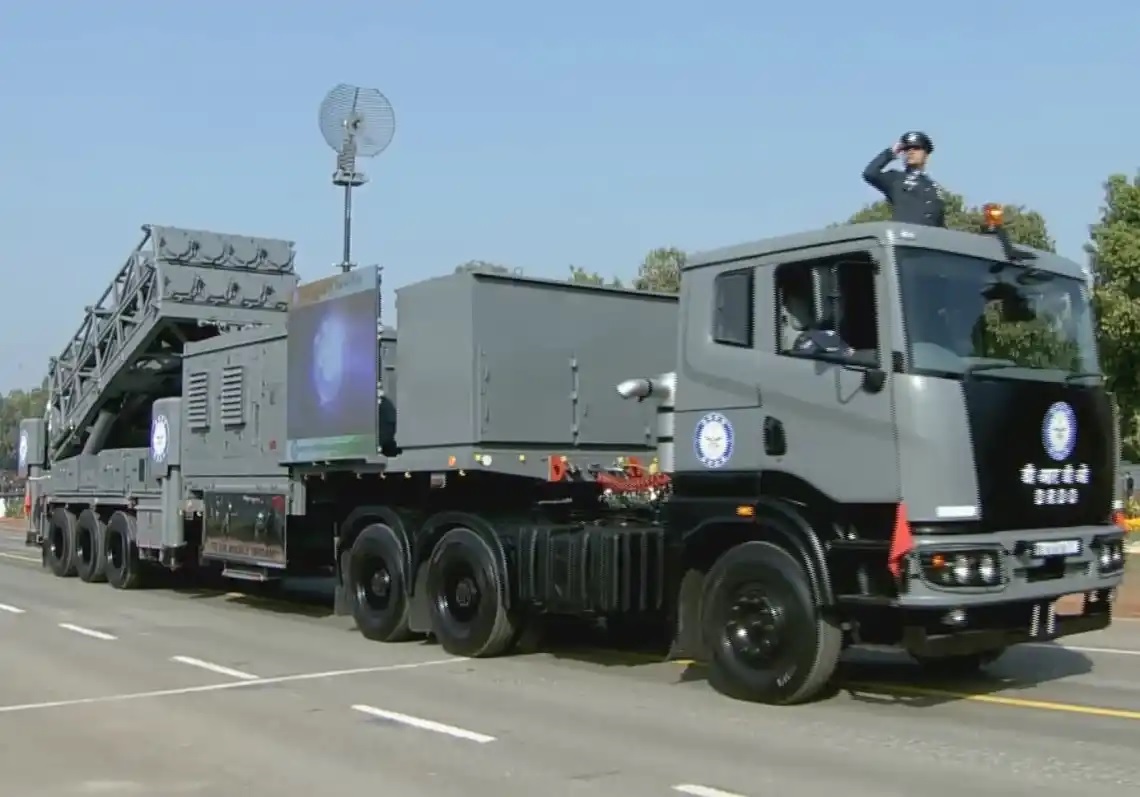
India
As India prepares to celebrate its 76th Republic Day on January 26, 2025, the Indian Air Force (IAF) has taken significant measures to bolster air defense around the National Capital Region (NCR). With a heightened focus on ensuring the security of the skies during the grand parade, the IAF has deployed advanced surface-to-air missile (SAM) systems, including the formidable Medium Range Surface to Air Missile (MRSAM). MRSAM: A Game-Changer in Air Defense The MRSAM, a joint development by India’s Defence Research and Development Organisation (DRDO) and Israel Aerospace Industries (IAI), is at the forefront of this deployment. Designed to counter a wide range of aerial threats, the system boasts an interception range of 70 to 80 kilometers. It features cutting-edge radar technology capable of tracking and engaging multiple targets simultaneously, including fighter jets, unmanned aerial vehicles (UAVs), and cruise missiles. Inducted into the IAF in 2021, the MRSAM has become a critical component of India's air defense architecture. This advanced system operates as part of a layered air defense network, working in tandem with other missile systems and radar installations. Its precision and reliability are essential in safeguarding high-profile events like the Republic Day celebrations, where the airspace becomes a focal point for both ceremonial fly-pasts and potential threats. A Multi-Layered Approach to Security In addition to the MRSAM, the IAF has deployed other air defense assets to ensure comprehensive coverage. These include close-range air defense systems like the Akash missile system and advanced radar platforms for continuous surveillance. The deployment of these systems reflects a multi-layered strategy, ensuring that any unauthorized aerial activity can be detected, tracked, and neutralized before posing a threat. The air defense operation also involves meticulous coordination with civil aviation authorities. With the Republic Day parade attracting significant air traffic, including ceremonial fly-pasts by the IAF’s fighter jets, helicopters, and transport aircraft, effective airspace management is crucial. The integration of civil and military air traffic management ensures that security measures do not disrupt normal operations while maintaining an impenetrable shield over the event. Operational Readiness and National Pride The heightened security measures highlight the IAF’s operational readiness and technological prowess. Beyond providing safety, the deployment of systems like the MRSAM showcases India’s progress in defense innovation. The collaboration between DRDO and IAI underscores India’s growing capabilities in developing indigenous defense technologies, even as it partners with global leaders to refine its arsenal. The Republic Day celebrations are a moment of national pride, where India’s military strength and cultural heritage take center stage. The IAF’s air defense measures, coupled with the awe-inspiring aerial displays, reflect the nation’s commitment to safeguarding its sovereignty while celebrating its unity and progress. As millions of citizens tune in to witness the festivities, the sight of India’s advanced air defense systems quietly operating in the background serves as a powerful reminder of the country’s determination to protect its skies and its people.
Read More → Posted on 2025-01-26 14:12:51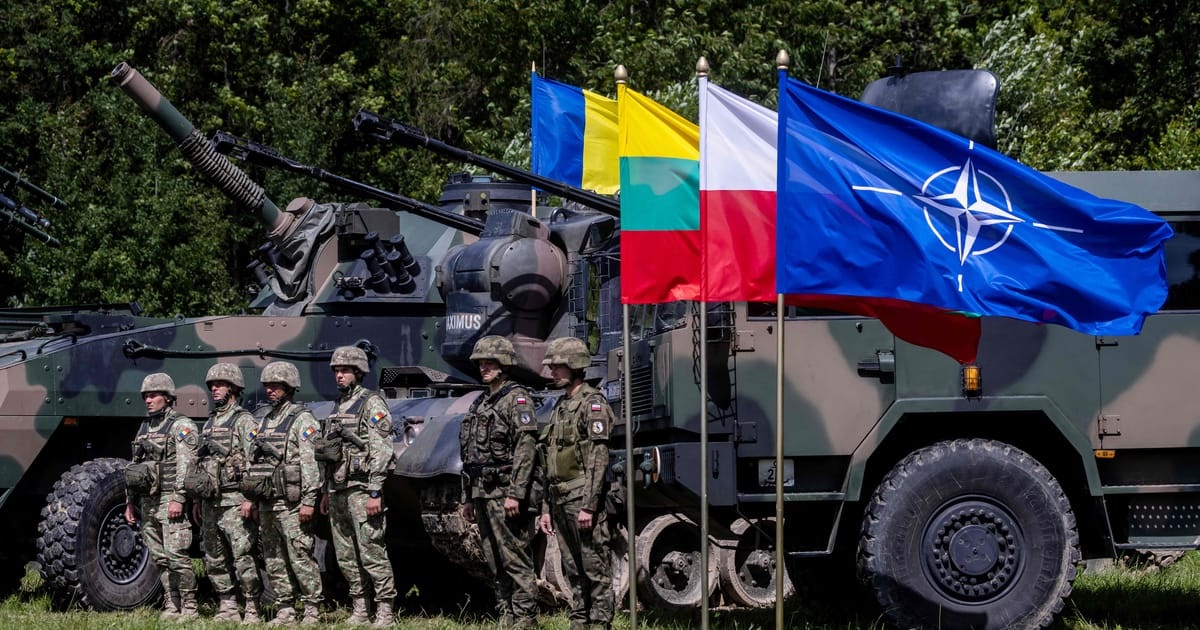
World
On January 17, the U.S. Army executed a significant military logistics operation at the Port of Gdynia in Poland, underscoring its commitment to NATO's collective defense. The operation involved offloading approximately 250 pieces of heavy military equipment, including M1 Abrams tanks, howitzers, and Humvees, transported via the Logistics Naval Vessel Cape Texas as part of the Reception, Staging, and Onward Movement (RSOM) mission. This operation was one of many such missions conducted annually across strategic ports in the Baltic, Black, and Mediterranean Seas to ensure the readiness of U.S. and allied forces in Europe. RSOM serves as the backbone of logistical support for the U.S. Army’s European missions, enabling the seamless movement of personnel, vehicles, and other essential equipment to areas of operation. Strategic Importance of the Mission The RSOM mission in Poland not only supports the rotational deployment of U.S. forces but also includes the transfer of military equipment under foreign military sales agreements. Chief Warrant Officer 2 Dustin Van Fleet, mobility officer for the 839th Transportation Battalion, highlighted the dual objectives of the mission, which directly strengthen NATO's operational capacity and the U.S.-Polish military partnership. The logistical process involves a coordinated network of seaports, commercial ground transportation, and railways. This infrastructure is essential for the delivery of military resources to key positions across Europe. In recent years, the U.S. Army's 21st Theater Sustainment Command has handled over 500,000 tons of equipment—equivalent to the resources of nine brigade combat teams—through similar operations. Major Michelle Su, the RSOM mission commander, emphasized the strategic significance of such efforts. “These missions are a critical first step in ensuring that deployed units are properly equipped to execute their objectives in the region,” she stated. Poland’s Role as a NATO Hub Poland’s ports, particularly Gdynia and Gdansk, play a pivotal role in these operations. Located on the Baltic Sea in northern Poland, these ports are strategic gateways for military and commercial logistics. The Port of Gdansk, recognized as one of Europe’s top ten commercial ports and the largest EU port on the Baltic Sea, is integral to NATO’s logistical framework. The ongoing deployment of the 1st Armored Brigade Combat Team, 3rd Infantry Division, further solidifies the U.S. Army’s rotational presence in Europe under Operation Atlantic Resolve. This initiative, established after Russia’s annexation of Crimea in 2014, aims to reinforce NATO’s eastern flank, deter potential threats, and demonstrate the alliance’s unwavering unity. Strengthening NATO’s Eastern Flank The significance of the U.S. military presence in Poland extends beyond logistics. It serves as a visible demonstration of NATO’s collective resolve amid ongoing geopolitical challenges, including Russia’s aggressive posturing in the region. Poland, a steadfast NATO member, has become a crucial ally in securing Europe’s eastern frontier. The deployment also reflects broader U.S. efforts to reassure NATO allies and deter adversaries. As tensions persist in Eastern Europe, missions like these not only enhance interoperability among NATO forces but also fortify defense capabilities across the alliance. This operation underscores the enduring commitment of the U.S. Army to ensuring the security of Europe and the operational readiness of NATO forces. By leveraging Poland’s strategic infrastructure and deepening bilateral ties, the mission exemplifies the critical role of partnerships in maintaining stability in the region.
Read More → Posted on 2025-01-26 14:09:37
India
India is closely monitoring the increasing military cooperation between Bangladesh and Pakistan, a development that has raised alarm bells in New Delhi. This heightened engagement comes against the backdrop of a visit by a high-level delegation from Pakistan's Inter-Services Intelligence (ISI) to Dhaka. The delegation, led by Maj Gen Shahid Amir Afsar, the ISI’s Director General of Analysis, has signaled a renewed effort to bolster ties between the two countries. Adding to India’s concerns, a Bangladeshi military delegation recently visited Pakistan, meeting with senior officials, including the chiefs of Pakistan’s Army, Navy, and Air Force. This visit highlights an upward trajectory in military cooperation, with Bangladesh also slated to participate in Pakistan’s upcoming naval exercise "Aman" next month, its first involvement in over a decade. The Ministry of External Affairs (MEA) has issued a strong statement on the matter. MEA spokesperson Randhir Jaiswal reiterated India’s vigilance and readiness to act if any activities jeopardize national security. "India will take all appropriate steps necessary to safeguard its interests," he said. While emphasizing India’s commitment to maintaining cordial relations with Bangladesh, the spokesperson underscored the need to be proactive about any potential threats. Rising Regional Tensions The increasing camaraderie between Dhaka and Islamabad is occurring amidst political turbulence in Bangladesh. The interim government, led by Nobel Laureate Muhammad Yunus, has faced criticism over growing unrest and allegations of violence against minorities. This instability has not only strained India-Bangladesh relations but also opened doors for Pakistan to deepen its ties with Dhaka. For India, these developments are worrisome given the historical and geopolitical context of the region. The two countries share a complex past, and the emerging Bangladesh-Pakistan alignment is perceived as a direct challenge to India’s strategic interests. The strengthening of their ties could have far-reaching implications for the security dynamics of South Asia, particularly for India’s north-eastern states, which share a porous border with Bangladesh. India’s Strategic Calculations Analysts believe that Pakistan’s overtures toward Bangladesh are part of a broader strategy to counterbalance India’s regional influence. For Islamabad, closer military and diplomatic relations with Dhaka offer an opportunity to reassert its presence in South Asia. For Bangladesh, these ties may serve as a way to diversify its foreign policy and military partnerships amid domestic challenges. India, however, views this evolving dynamic as a threat. New Delhi has already stepped up its border security measures and intelligence operations to monitor developments closely. The Indian government is also engaging with Dhaka to reinforce bilateral ties and address shared security concerns. A Delicate Balance While India remains committed to fostering friendly relations with Bangladesh, it is equally determined to protect its national security. The evolving ties between Bangladesh and Pakistan underscore the shifting geopolitical landscape in South Asia, compelling India to remain vigilant and proactive. New Delhi’s approach highlights its dual strategy of diplomacy and deterrence—working to strengthen bonds with its neighbors while ensuring that any potential threats are met with decisive action. As these developments unfold, the region’s stability will hinge on how India navigates this delicate balance between regional cooperation and national security.
Read More → Posted on 2025-01-26 14:07:15
World
Former U.S. President Donald Trump has reignited the conversation around America’s military aid to Israel, claiming that a "lot of things" ordered and paid for by Israel are now being delivered under his influence. This statement came through a post on Trump’s social media platform, Truth Social, where he implied that certain military supplies previously withheld by President Joe Biden’s administration, including 2,000-pound bombs, are now en route to Israel. The background to this claim traces back to 2023, when President Biden’s administration halted shipments of such powerful munitions to Israel amid escalating tensions in Gaza. The decision was driven by concerns that Israel's potential large-scale ground operations in densely populated areas could lead to catastrophic human casualties and widespread devastation. At the time, Biden openly warned against actions that could result in what he described as "great human tragedy." Despite these concerns, the dynamics have shifted in recent months. As of late 2024, Israel and Hamas have been observing a fragile truce following the devastating war that erupted in October 2023. The ceasefire led to several exchanges of hostages and prisoners between the two sides, offering a glimmer of hope for stability in the region. However, the mention of new arms deliveries could further strain this delicate balance. Prominent Israeli journalist Barak Ravid reported that Trump had intervened to lift Biden’s hold on the 2,000-pound bombs, directing the U.S. Department of Defense to release them. Although Trump did not specify the type of weapons in his post, his close ties to Israel during his presidency lend weight to the claim. Trump often touted himself as Israel's strongest ally, with Israeli Prime Minister Benjamin Netanyahu repeatedly echoing this sentiment. The Trump-Netanyahu relationship, however, has experienced its ups and downs. After congratulating Biden on his 2020 election victory—a move Trump interpreted as a betrayal—Netanyahu briefly fell out of favor with the former president. Still, the recent statements by Trump suggest an effort to reaffirm his staunch support for Israel, especially as he eyes a potential return to the White House in the 2024 elections. The release of these bombs comes at a time when U.S. military assistance to Israel is under increased scrutiny, particularly as the international community keeps a close watch on the humanitarian toll of conflicts in the Middle East. Whether the resumption of these shipments will heighten tensions or strengthen Israel's defensive posture remains to be seen. This development adds a new layer of complexity to the U.S.-Israel relationship and underscores the ever-evolving interplay between geopolitics, military strategy, and humanitarian concerns.
Read More → Posted on 2025-01-26 14:00:54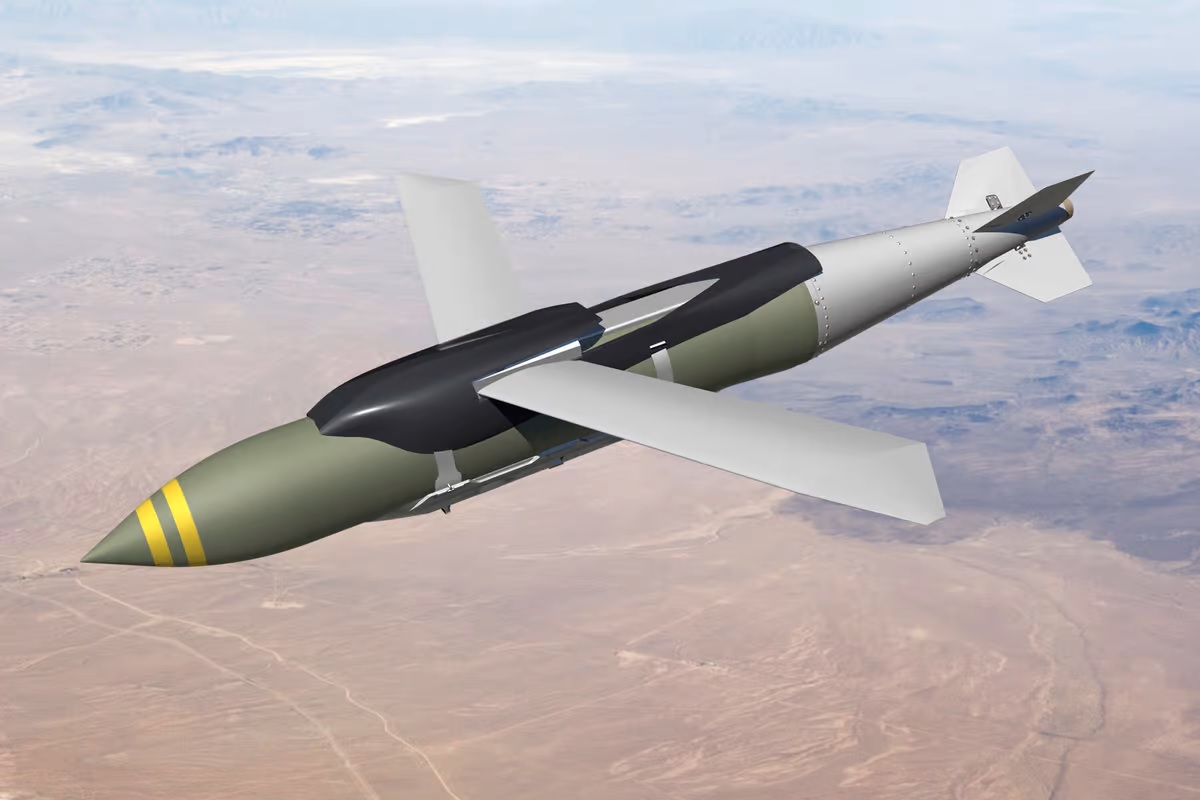
India
The Indian Air Force (IAF) has firmly established a significant 4:1 advantage over the Pakistan Air Force (PAF) in precision-guided munitions (PGMs) and stand-off weapons (SOWs). This dominance stems from India’s robust investments in indigenous production, acquisitions from global partners, and the strategic integration of cutting-edge platforms like the Rafale fighter jets and the BrahMos supersonic cruise missile. Modern Warfare and the Role of PGMs Precision-guided munitions and stand-off weapons are indispensable in contemporary air combat. They enable air forces to engage targets with pinpoint accuracy from a safe distance, minimizing risks to pilots and aircraft. The IAF has built a diversified arsenal of PGMs, encompassing a variety of air-to-ground and air-to-air missiles, glide bombs, and smart munitions. These capabilities allow for unmatched flexibility, enabling the IAF to undertake diverse operations ranging from surgical strikes to long-range interdiction missions. The Arsenal Advantage India's defence modernization efforts have been pivotal in achieving this edge. The indigenous development of weapons like the DRDO’s Smart Anti-Airfield Weapon (SAAW) and BrahMos-A cruise missile has fortified India's firepower. Additionally, collaborations with international defence giants have added significant depth to the IAF's capabilities. The Rafale jets, equipped with SCALP cruise missiles and Hammer precision-guided munitions, further enhance India’s ability to deliver high-impact strikes. Other key systems like Israel's Spice-2000 guided bombs and Russia’s air-launched munitions complement the IAF's extensive inventory. In stark contrast, Pakistan relies heavily on Chinese-supplied munitions and a more limited stockpile of PGMs. While the PAF’s JF-17 Thunder has been upgraded to deploy these munitions, the scale and sophistication of its arsenal lag far behind that of the IAF. The limited availability of advanced munitions and reliance on external suppliers constrains Pakistan's ability to sustain high-intensity operations over extended periods. Strategic Implications of the 4:1 Advantage The IAF’s numerical and technological superiority in PGMs translates into several strategic advantages. First, it allows India to maintain a credible deterrence posture, signaling to adversaries that any provocation could result in precise, overwhelming retaliation. Second, the enhanced strike capability enables the IAF to dominate contested airspaces, conduct pre-emptive strikes, and neutralize enemy defences effectively. Moreover, India’s focus on indigenous production through initiatives like the Make-in-India program ensures a steady supply of munitions, even during prolonged conflicts. This self-reliance reduces vulnerability to disruptions in foreign supply chains, a significant challenge for Pakistan given its dependency on Chinese and limited domestic manufacturing. Reinforcing Regional Stability The IAF's munitions advantage not only secures India’s airspace but also strengthens its position as a stabilizing force in the region. The capability to execute precision strikes with minimal collateral damage aligns with India’s doctrine of responsible defence. Furthermore, this superiority allows the IAF to dictate operational tempos in conflict scenarios, ensuring that India retains the upper hand in any potential escalation. Conclusion India’s 4:1 edge in precision-guided munitions over Pakistan underscores the IAF’s dominance in the skies. This advantage, built on a foundation of technological innovation, strategic acquisitions, and self-reliance, ensures India’s readiness to address evolving threats. By continuously modernizing its arsenal and fostering indigenous defence production, India is not only safeguarding its sovereignty but also cementing its role as a regional powerhouse capable of ensuring lasting stability.
Read More → Posted on 2025-01-26 13:57:37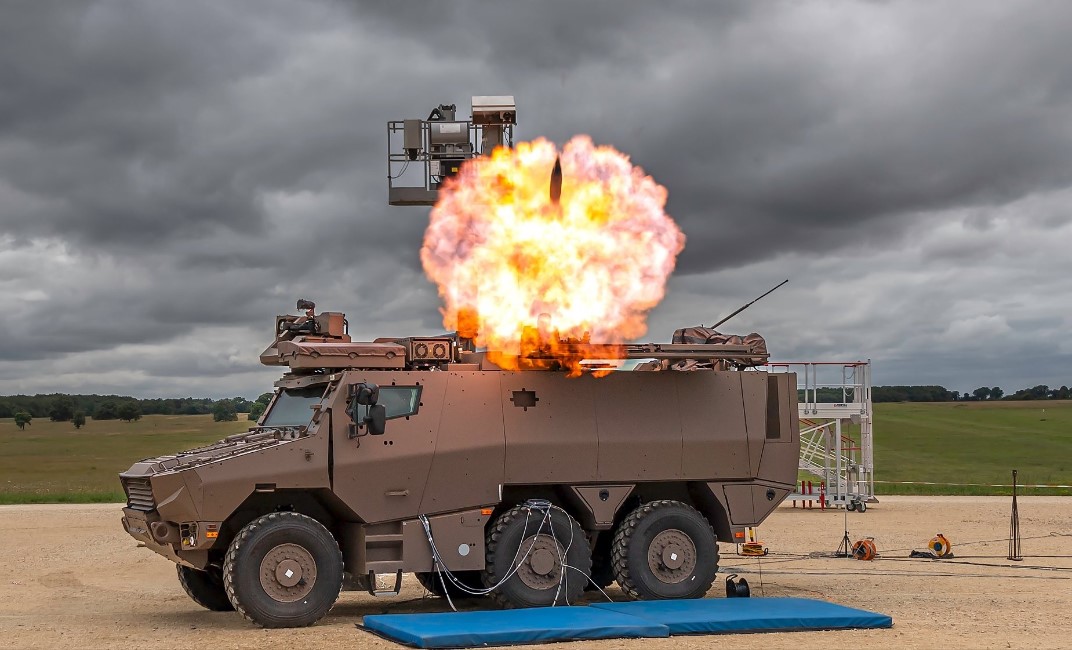
World
The French Army has taken a significant step forward in modernizing its artillery capabilities with the delivery of its first Griffon MEPAC (Mortier Embarqué Pour l’Appui au Contact) mobile mortar system. This highly sophisticated vehicle, equipped with a 120mm semi-automatic mortar, represents the next generation of indirect fire support for the French armed forces. This delivery is part of an ambitious procurement plan by the French Ministry of Armed Forces to acquire 54 such vehicles by 2028. Planned Deliveries and Evaluation Following the delivery of the initial Griffon MEPAC, the French Army is set to receive 10 additional units later this year. The remaining 43 systems will be supplied incrementally by the end of 2028. The initial batch will undergo rigorous technical and operational evaluations to assess its performance in real-world conditions. These evaluations will also help fine-tune tactical deployment strategies and ensure seamless integration into existing artillery regiments. Deployment Across Artillery Regiments Once fully operational, the Griffon MEPAC systems will be distributed across eight artillery regiments, each regiment forming a battery of six vehicles. These vehicles will significantly enhance the firepower and flexibility of the French Army’s artillery units, enabling rapid and accurate fire support in dynamic battlefield environments. Notably, France is not the only nation to invest in this cutting-edge system. The Belgian Army has also placed an order for 24 Griffon MEPAC vehicles, signaling international confidence in its advanced capabilities. Key Features of the Griffon MEPAC The Griffon MEPAC is a six-wheeled armoured vehicle designed for mobility, protection, and versatility. Weighing 24.5 tonnes, it is powered by a robust 400-horsepower six-cylinder Renault Trucks turbodiesel engine, providing the durability needed for challenging terrains and battlefield scenarios. At its core lies the 120mm 2R2M mortar, capable of firing up to 10 rounds per minute with an effective range of 13 kilometers. Future advancements in ammunition technology are expected to extend this range to 15 kilometers. This firepower is complemented by advanced systems such as: ATLAS Fire Control System: For precise targeting and efficient fire coordination. Automatic Aiming System: Ensuring rapid and accurate positioning of the mortar. Thales Inertial Navigation System: Enhancing situational awareness and deployment efficiency. For self-defence, the Griffon MEPAC is equipped with a roof-mounted remote-controlled 7.62mm machine gun, offering protection against threats during both transit and stationary operations. Crew and Battlefield Advantages The Griffon MEPAC is operated by a crew of four, who benefit from advanced onboard technology designed to maximize operational effectiveness. The vehicle’s enclosed design ensures crew safety, while its advanced fire control and navigation systems enable quick response times in combat scenarios. Strategic Implications The induction of the Griffon MEPAC into the French Army signals a major upgrade in its artillery capabilities, emphasizing precision, mobility, and versatility. As the French armed forces continue to modernize their arsenal, the Griffon MEPAC is set to play a pivotal role in enhancing battlefield support and operational flexibility. With deliveries continuing through the decade, this system promises to bolster France’s standing as a leader in advanced military technology, while its adoption by allied nations like Belgium underscores its global appeal.
Read More → Posted on 2025-01-26 13:54:13Search
Top Trending in 24 Hours
-
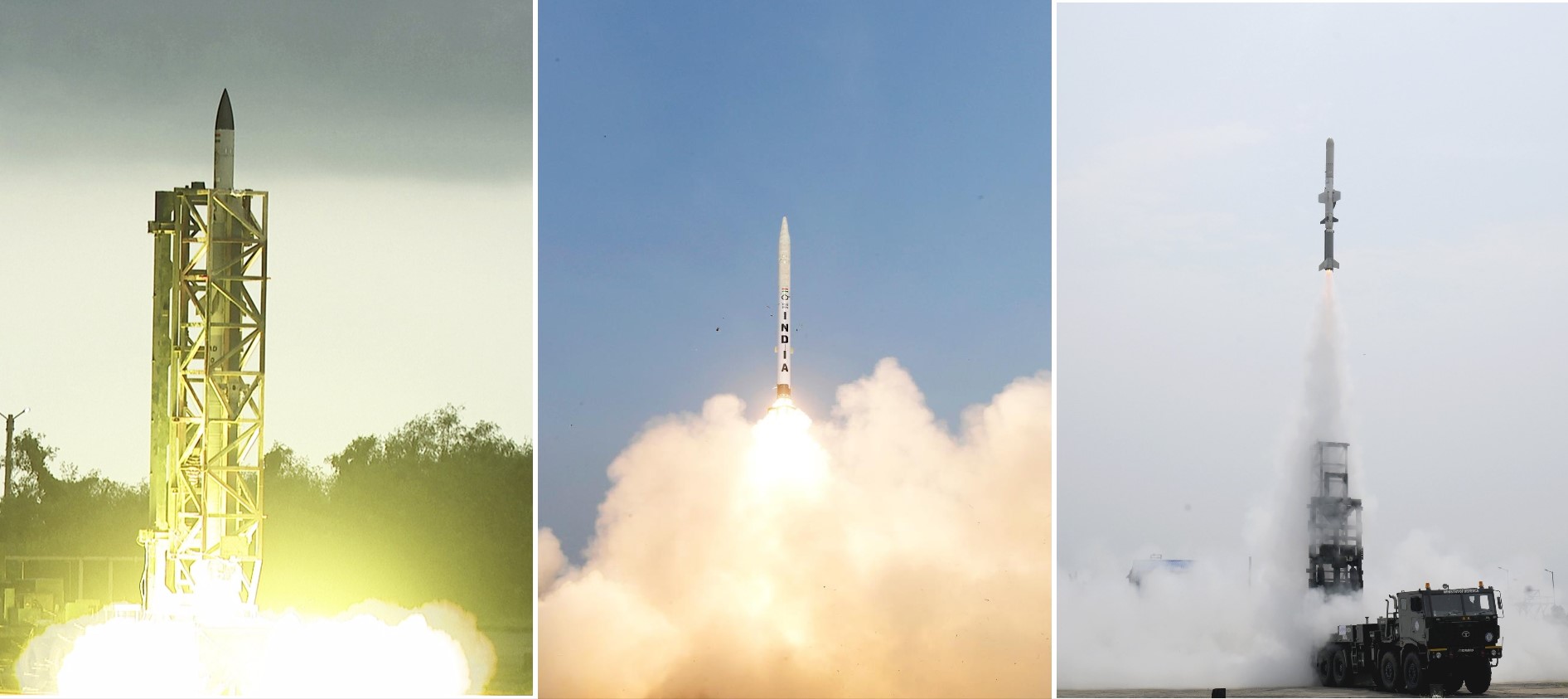 India Successfully Conducts AD-1, AD-2 Interceptor Tests and Maiden NASM-MR Flight Trial
-
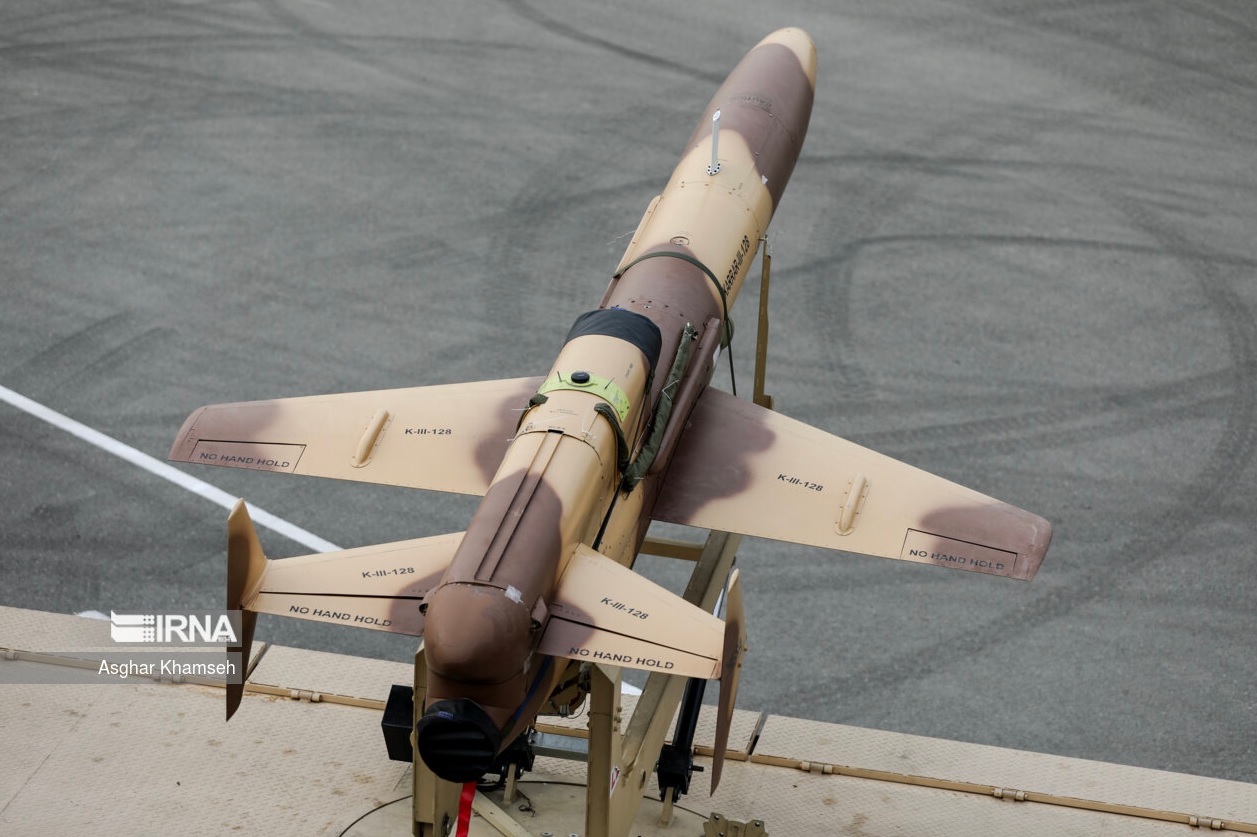 Russia Launches 1,400 Jet-Powered Drones in 2026 as Strike Tactics Evolve to Challenge Ukraine's Air Defenses
-
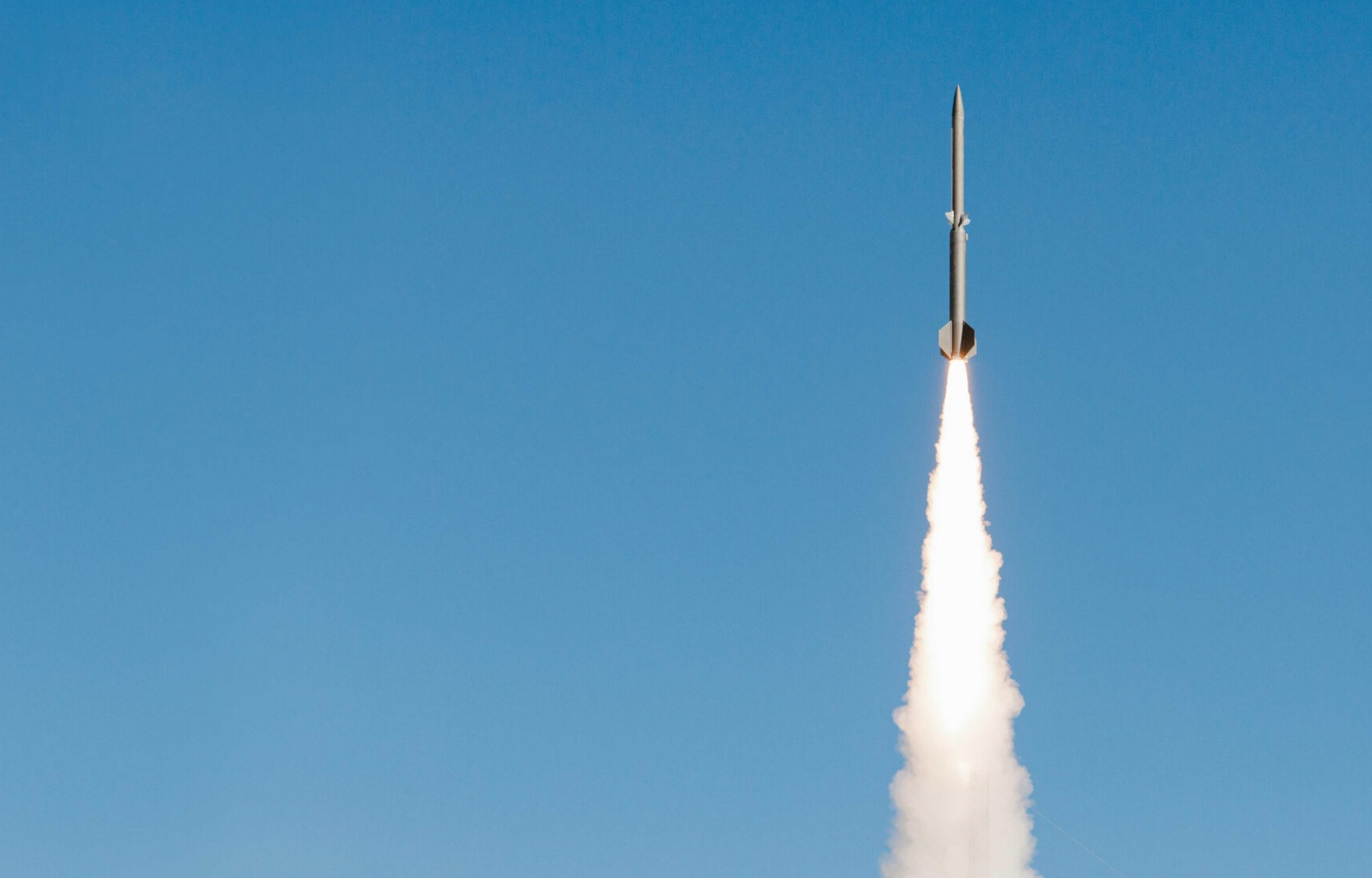 U.S Navy Orders 50 Blackbeard Hypersonic Missiles in New $23.4 Million Contract
-
 UAE Denies Reports of Releasing Up to $20 Billion in Funds to Iran Amid Regional De-Escalation Efforts
-
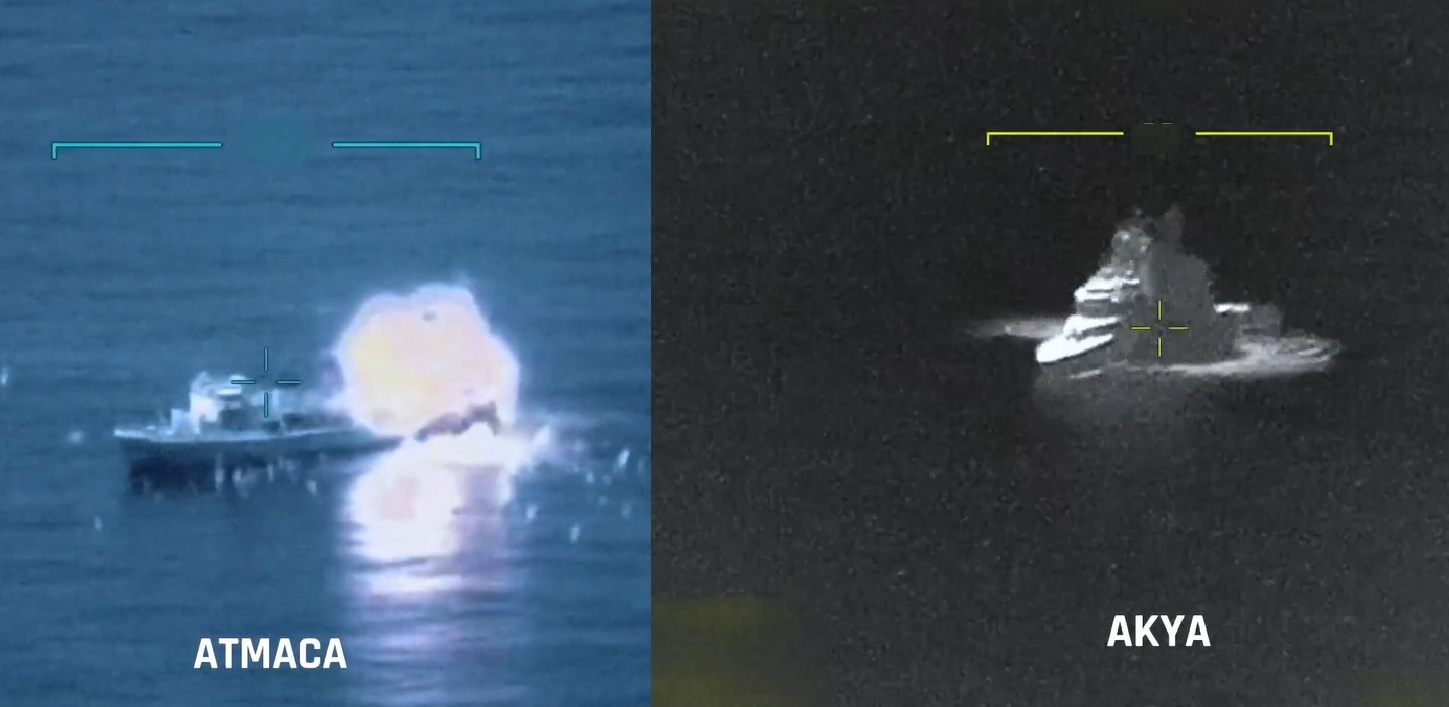 Turkey Navy Successfully Tests AKYA Torpedo and ATMACA Missile During Major Denizkurdu-II Naval Exercise
-
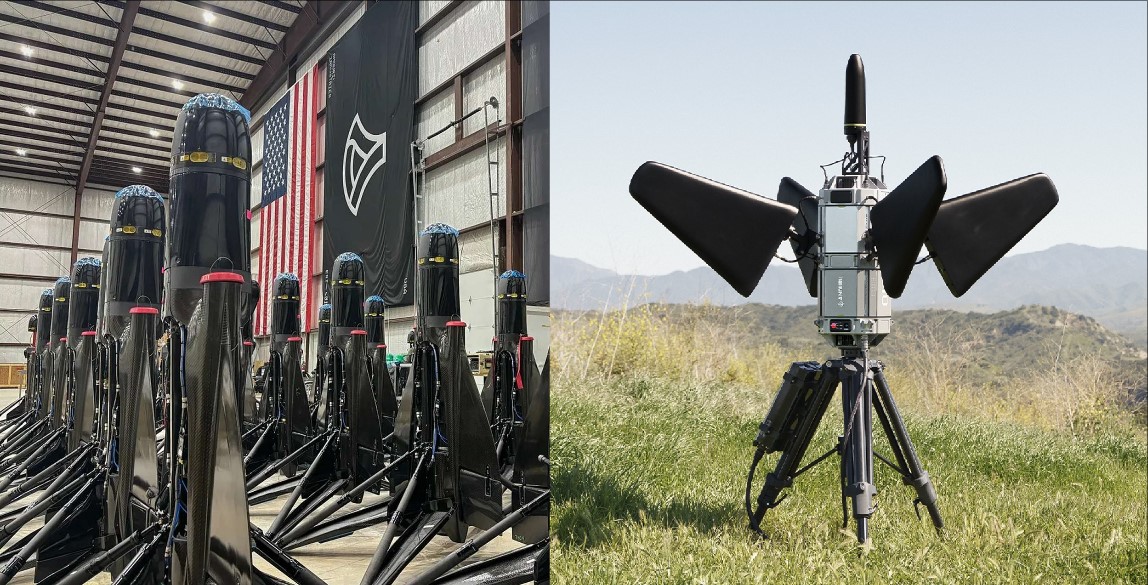 U.S. Approves $1.98 Billion Sale of Anduril AI-Powered Counter-Drone Systems to Kuwait
-
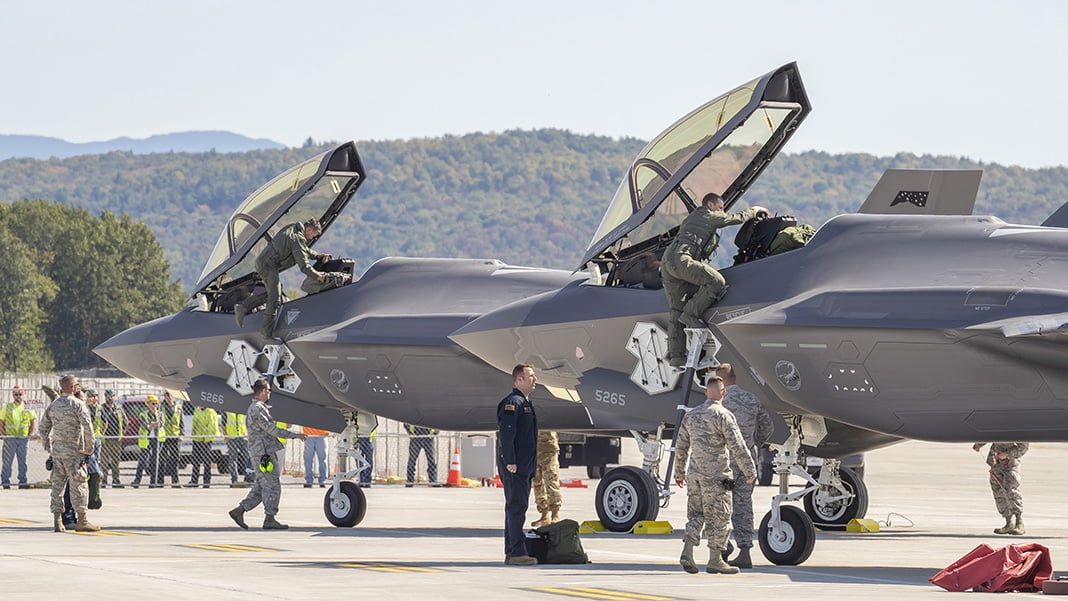 F-35 Fleet Readiness Falls to 25% Amid Parts Shortages and Software Delays: GAO Report
-
 Anduril Wins $363 Million CBP Contract to Deploy Over 200 Extended Range AI Surveillance Towers
Top Trending in 4 Days
-
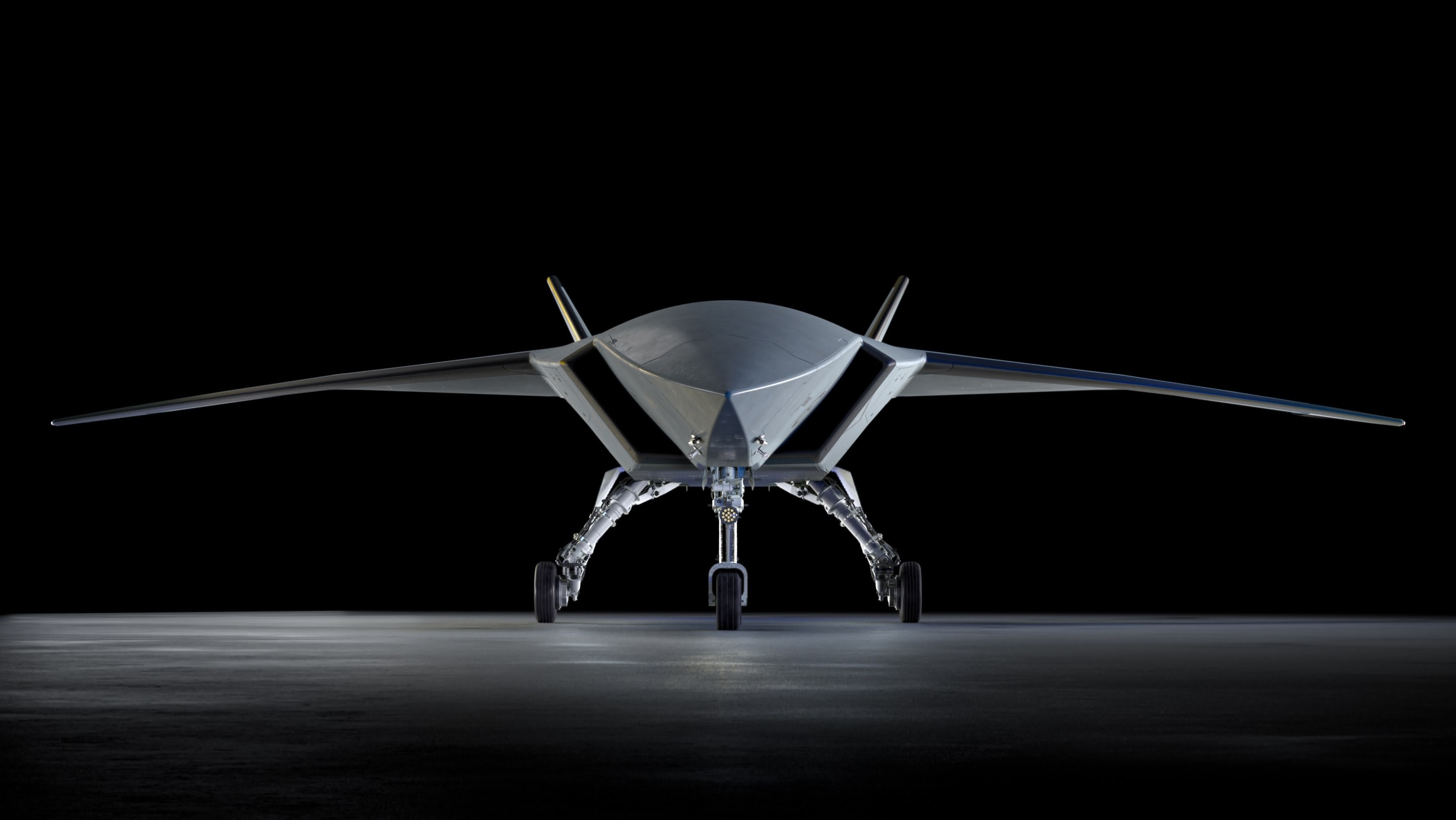 Boeing Introduces New MQ-28 Ghost Bat Upgrades with Increased Range, Payload and Weapons Capacity at ILA Berlin 2026
-
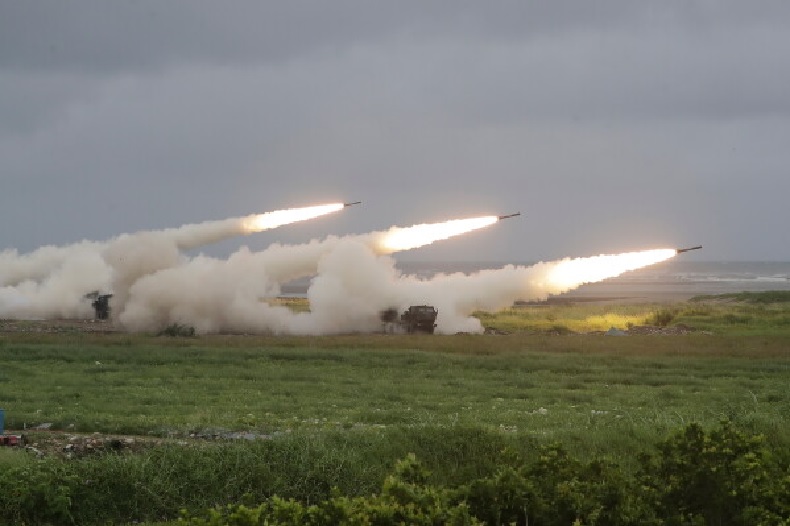 Taiwan Conducts First Live-Fire of HIMARS Rockets From West Coast During Invasion Defense Drill
-
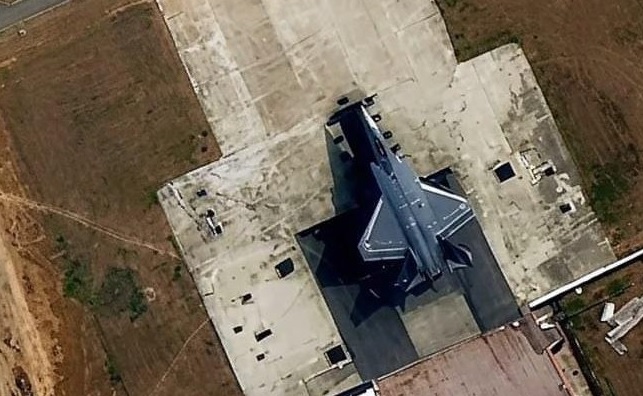 AMCA Airframe Spotted at DRDO’s ORANGE Facility for Radar Cross-Section Testing
-
 Iranian Media Leaks 14-Point U.S.-Iran Peace Framework Amid Ongoing Negotiations
-
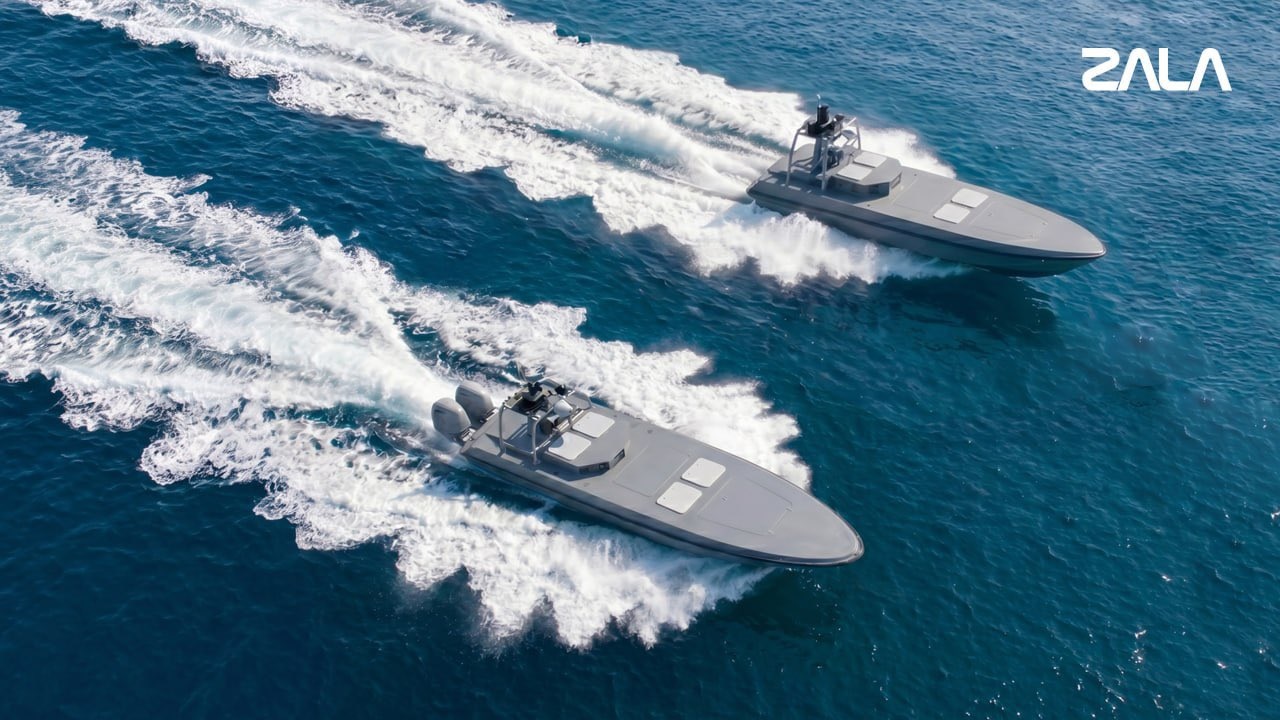 Russian Defense Firm ZALA Unveils KAMA Unmanned Surface Vessel Family at FLOT-2026 Naval Exhibition
-
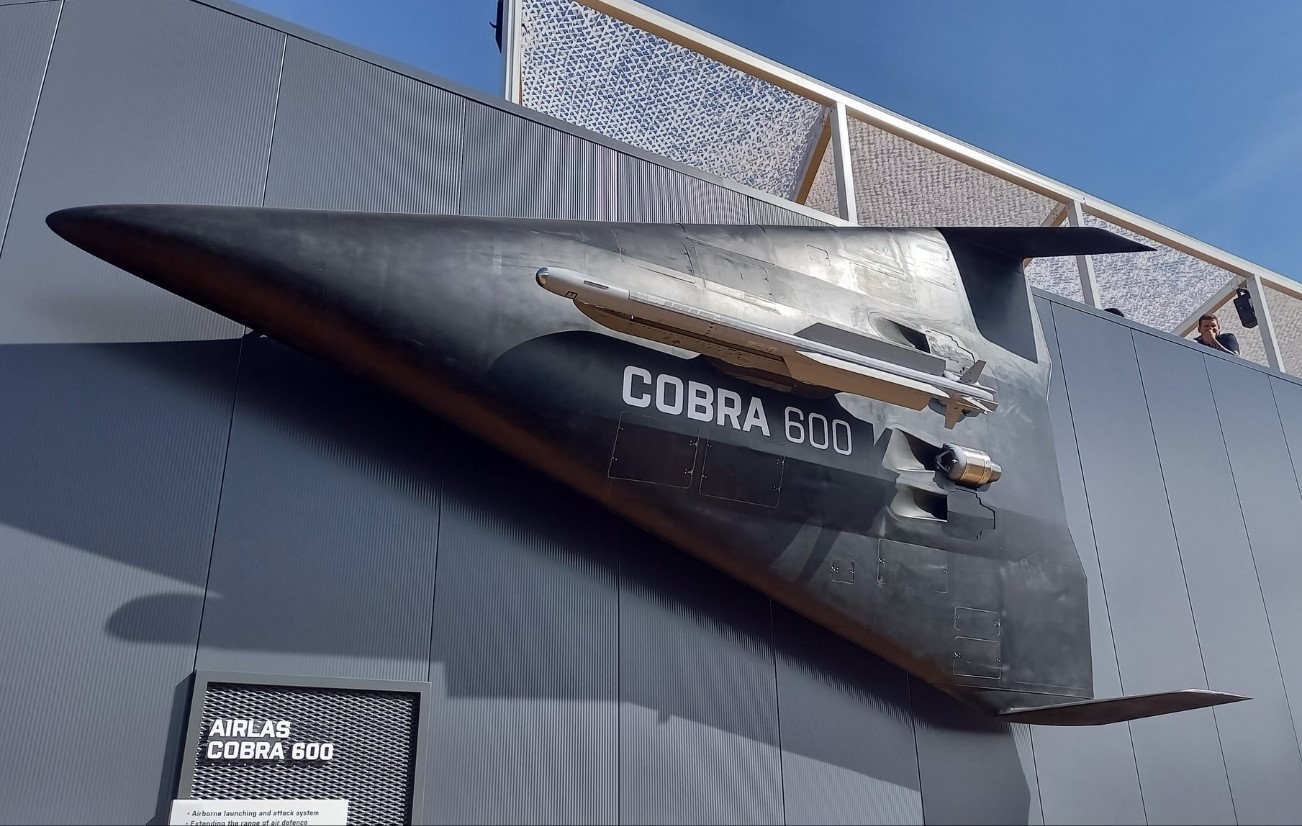 Diehl Defence Unveils IRIS-T Armed Cobra 600 Air Defense Drone at ILA Berlin 2026
-
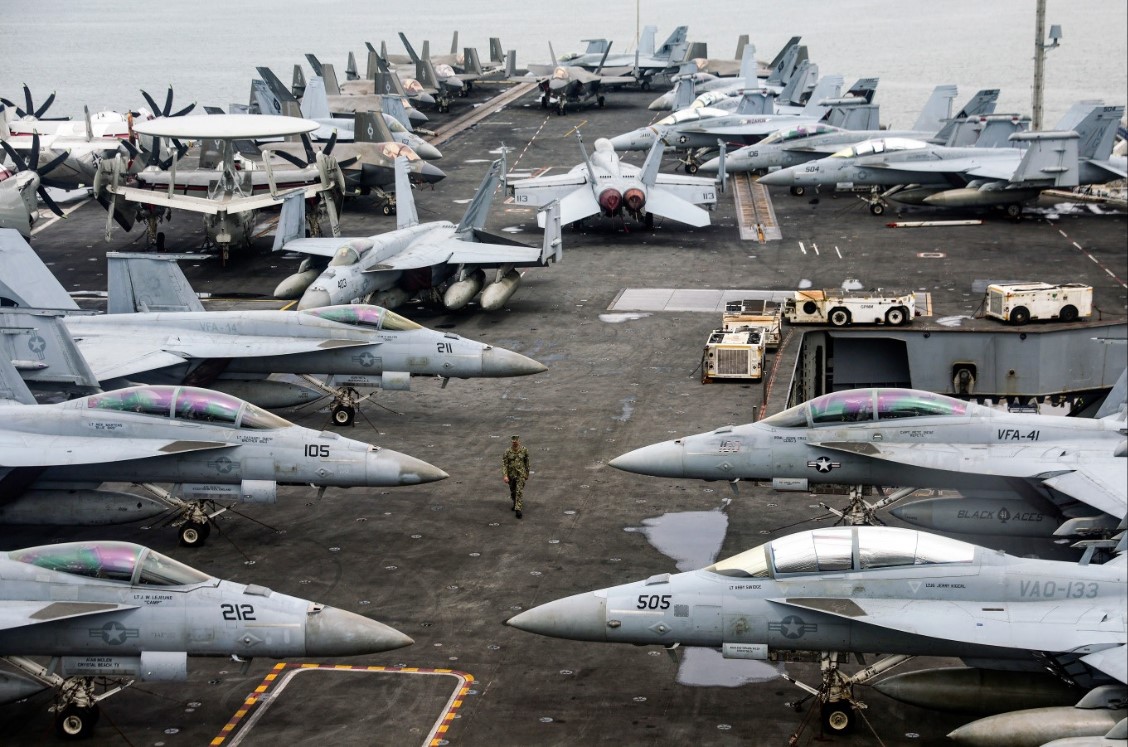 US Plans Significant Reduction of Fighter Jets and Warships for NATO Operations in Europe
-
 U.S Aircraft Carrier USS Theodore Roosevelt Departs San Diego for Major RIMPAC 2026 Naval Exercise
