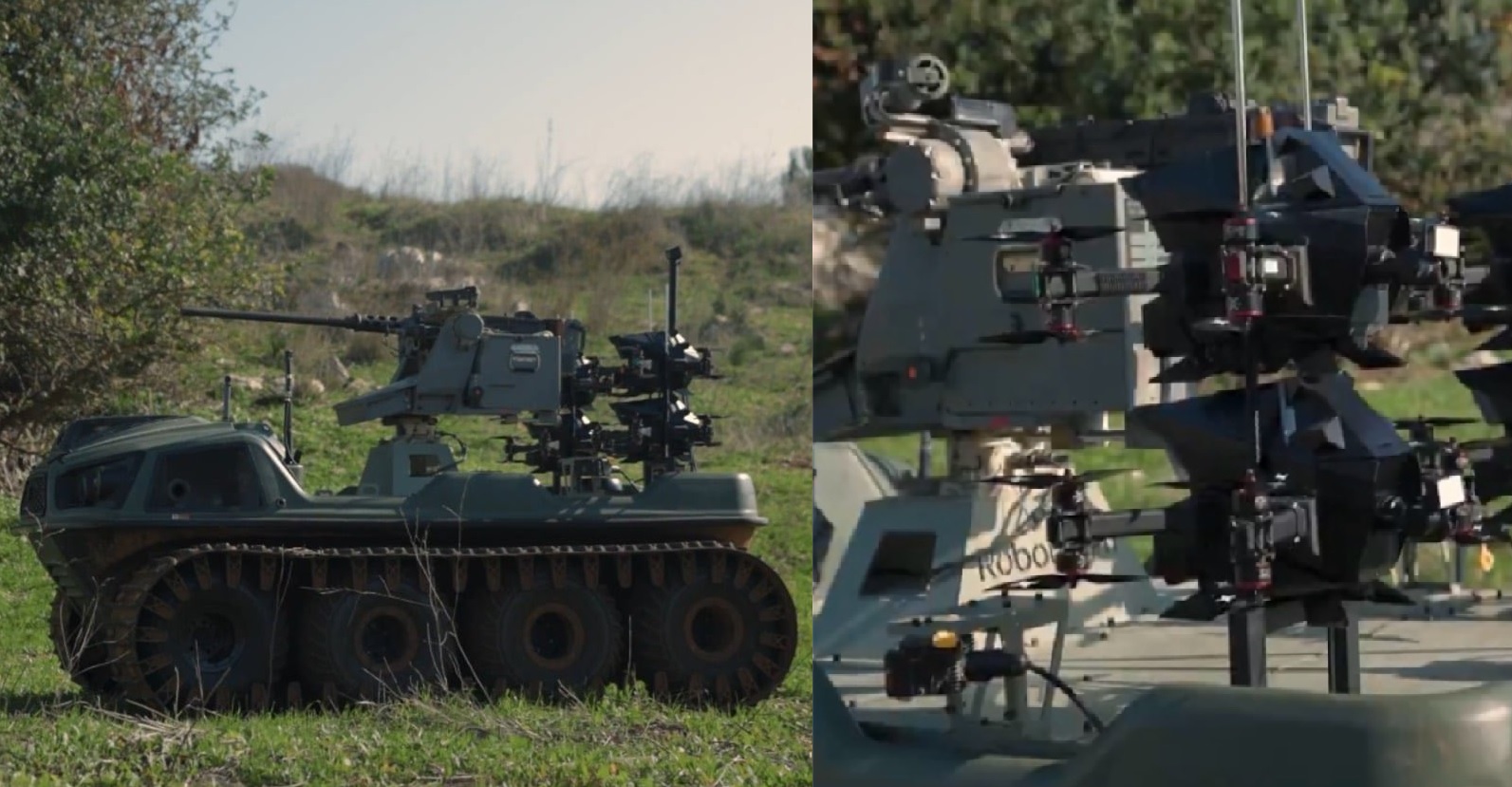
WEST PALM BEACH, Florida — May 16, 2026 : Ondas Holdings has unveiled “Iron-Wave,” a modular robotic warfare architecture designed to integrate unmanned ground vehicles (UGVs), autonomous aerial drones, intelligence, surveillance and reconnaissance (ISR) systems, and counter-unmanned aerial systems (C-UAS) into a unified command-and-control network.
The system, announced on May 16, 2026, represents the company’s latest effort to expand its autonomous military technology portfolio and address operational challenges associated with large-scale deployment of unmanned systems in modern combat environments.
Centralized Control for Multi-Domain Operations
Iron-Wave is built around a centralized command hub capable of coordinating multiple robotic and autonomous platforms simultaneously. According to the company, the architecture allows a reduced number of operators to manage distributed unmanned assets across wider operational areas, addressing one of the primary limitations of current unmanned ground vehicle deployments.
Conventional UGV operations often require at least one dedicated operator per vehicle, limiting operational scalability and reducing manpower efficiency. Ondas stated that Iron-Wave’s centralized operational model is intended to enable coordinated robotic operations with fewer personnel while improving battlefield coverage and response times.
The architecture incorporates secure communications systems, onboard power infrastructure, operational management software, and AI-assisted command-and-control technologies designed to support multi-domain missions in contested environments.
The system is built around a mobile robotic ground platform paired with a containerized remote operations unit intended for rapid deployment and sustained frontline support. The mobile infrastructure is designed to allow combat units to deploy autonomous systems closer to operational areas while maintaining centralized mission coordination.
Modular Design and Mission Flexibility
Iron-Wave uses a modular system-of-systems architecture rather than functioning as a single fixed-configuration platform. The design enables military operators to swap mission payloads and sensors depending on operational requirements instead of deploying separate specialized vehicles for individual mission types.
According to Ondas, the modular approach is intended to reduce logistical complexity, improve operational flexibility, and allow faster adaptation to changing battlefield conditions.
The architecture integrates robotic ground systems, ISR payloads, autonomous aerial systems, electronic warfare tools, advanced sensing technologies, and AI-supported battlefield management software into a unified operational framework.
Integrated ISR and Autonomous Reconnaissance Capabilities
A major component of Iron-Wave is its ability to support intelligence, surveillance, and reconnaissance missions in contested operational environments.
The system can deploy advanced sensors and ISR payloads designed to extend situational awareness and reduce direct exposure of personnel to battlefield threats. By integrating autonomous reconnaissance systems with ground robotics, operators can conduct surveillance, route monitoring, target identification, and perimeter security missions remotely.
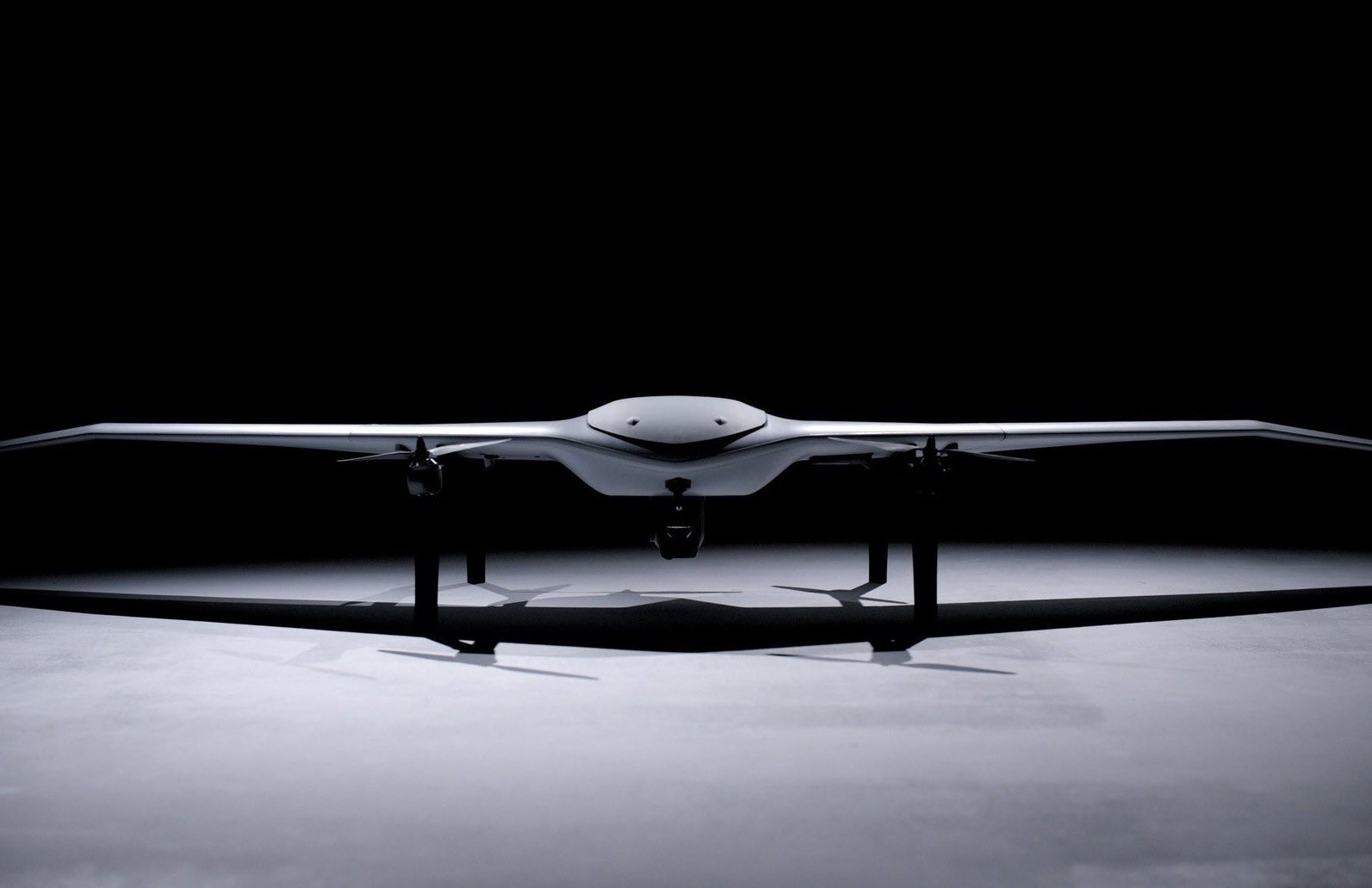
The broader Ondas Autonomous Systems ecosystem integrated into Iron-Wave includes platforms such as the Optimus autonomous ISR drone system and tactical robotic vehicles developed by Roboteam Ltd.
Counter-Drone Integration
Iron-Wave also incorporates counter-unmanned aerial system capabilities intended to address the increasing use of drones in modern warfare.
The architecture is designed to integrate Ondas’ Iron Drone Raider interceptor system, an autonomous counter-UAS platform capable of detecting, tracking, and neutralizing hostile drones. The interceptor uses radar guidance, computer vision technologies, and artificial intelligence-assisted target identification to engage aerial threats.
According to the company, the Iron Drone Raider employs a net-based kinetic interception mechanism and operates without relying on GPS guidance or radio-frequency jamming, reducing interference risks for nearby friendly systems and communications networks.
The integration of mobile counter-drone protection within a robotic ground architecture is intended to reduce the operational burden on dismounted soldiers responsible for local air defense while simultaneously managing frontline combat tasks.
Expansion of Ondas Autonomous Systems Portfolio
Iron-Wave forms part of Ondas’ broader strategy to develop integrated air-and-ground autonomous warfare technologies through its expanding network of subsidiaries and acquisitions.
The company’s autonomous systems portfolio includes American Robotics, Airobotics, Sentrycs, and Rotron Aerospace. These companies provide aerial autonomy systems, counter-UAS technologies, propulsion systems, and tactical robotics that form part of the integrated Iron-Wave framework.
Ondas stated that the development reflects operational lessons observed in recent conflicts, particularly the war in Ukraine and ongoing military operations across the Middle East and Africa, where commercial and military drones have become increasingly prominent in reconnaissance and strike operations.
The company said demand for mobile autonomous systems and deployable counter-drone capabilities has increased significantly as militaries seek to reduce personnel exposure in high-intensity combat zones while expanding battlefield automation and multi-domain coordination capabilities.
According to Ondas, initial Iron-Wave systems were delivered to combat units during the first quarter of 2026 and are currently operational with multiple military organizations. The company did not disclose customer identities, production numbers, contract values, pricing information, or broader deployment timelines at the time of the announcement.
——— End of Article ———