Defense News - The Missile Defense Agency (MDA) is under congressional pressure to expedite the development of interceptors capable of countering hypersonic weapons, as outlined in the recently passed fiscal 2024 National Defense Authorization Act. Contrary to the agency initial estimates of delivering a Glide Phase Interceptor (GPI) capable of intercepting hypersonic missiles by the early 2030s, Congress mandates that the program achieve initial operational capability by the end of 2029.
This directive requires the MDA not only to demonstrate the interceptor efficacy in countering hypersonic weapons through tests but also to deploy and field a minimum of 12 GPIs by the specified deadline. The legislation further stipulates that the program must attain full operational capability by the end of 2032, with a subsequent requirement for the Pentagon to deploy "not fewer than 24" GPIs by the end of 2040.
To enhance this initiative, Congress has allocated an additional $225 million in funding, supplementing the agency fiscal year 2024 request of $209 million for hypersonic defense development. The legislation also empowers MDAs director to enter into cooperative development agreements with international partners, opening the possibility of collaboration with countries such as Japan, akin to the cooperative effort for the Navy’s SM-3 Block IIA program.
Raytheon Technologies and Northrop Grumman, both participating in an MDA-led competition, are individually developing hypersonic weapons interceptors, each having received approximately $61 million in funding to date.
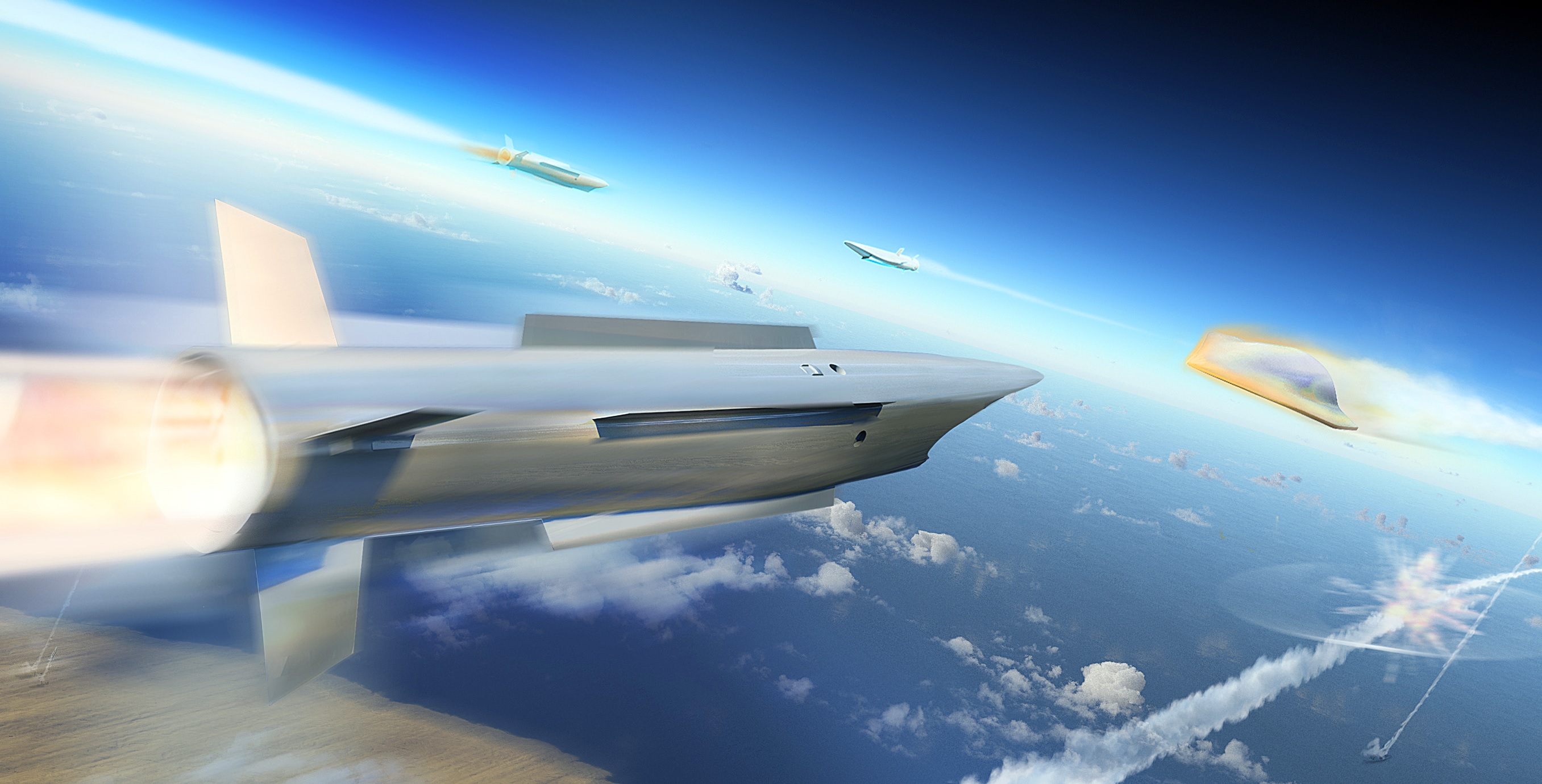
Designing interceptors capable of thwarting hypersonic missiles, which can travel at speeds exceeding five times the speed of sound and maneuver during the glide phase of flight, poses significant challenges. These interceptors are intended to be integrated into the U.S. Navy Aegis Ballistic Missile Defense destroyers, utilizing the standard vertical launching system and modified Baseline 9 Aegis Weapon System to detect, track, control, and engage hypersonic threats.
The urgency to develop effective hypersonic defense measures stems from the progress made by adversaries such as Russia and China, who are advancing in this domain. Noting the potential security risks, experts emphasize the need for the United States to accelerate its hypersonic defense efforts. Despite allocating approximately $4 billion annually to catch up in offensive hypersonics, the U.S. dedicates a comparatively modest sum of around $250 million per year, less than 10% of the offensive budget, to hypersonic defense.
——— End of Article ———