PICATINNY ARSENAL, N.J. — June 05, 2026 : The U.S. Army has fully released and standardized the new Mortars App for all mortar units, completing a modernization effort that replaces two legacy fire control systems with a single application running on commercial Android devices.
Developed by engineers at the U.S. Army Combat Capabilities Development Command (DEVCOM) Armaments Center at Picatinny Arsenal, the app became the standard fire control software for the M32A2 mortar fire control system in March 2026.
Replacing Legacy Fire Control Systems
For more than two decades, Army mortar crews relied on two separate systems for fire control operations. The Mortar Fire Control Software (MFCS), introduced in 2003, was primarily used by heavy and mounted mortar units, while the Lightweight Handheld Mortar Ballistics Computer (LHMBC), fielded in 2004, supported light and dismounted crews through a dedicated handheld device.
While both systems provided reliable ballistic calculations, maintaining separate software architectures created increasing challenges. Updates and bug fixes had to be applied to both systems independently, while the software remained tied to aging hardware platforms that were becoming more difficult to sustain.
Development of a New Fire Control Framework
The effort to modernize mortar fire control began in 2015 after the U.S. Marine Corps requested an Android-based version of the LHMBC. Attempts to adapt the legacy software proved inadequate, leading engineers at the Weapons and Software Engineering Center (WSEC) to develop the Common Fire Control Framework, a modular and device-agnostic architecture designed to support current and future fire control applications.
Active development of the Mortars App began in 2020. Version 3.0 was completed ahead of schedule in 2023 and made available for download, while Version 4.0 completed formal testing in January 2024. The MFCS received its final update later that year before being phased out. By March 2026, the app had achieved full release and clearance for Army-wide standardization.
Consolidating Capabilities on Android Devices
The Mortars App combines the functions of both MFCS and LHMBC into a single software package operating on commercial Samsung Android phones and tablets. The transition reduces the amount of hardware soldiers must carry, lowers replacement costs, and simplifies logistics and training requirements across mortar units.
The application performs the ballistic calculations required for mortar operations, including factors such as range, azimuth, charge, ammunition type, meteorological data, and ballistic characteristics.
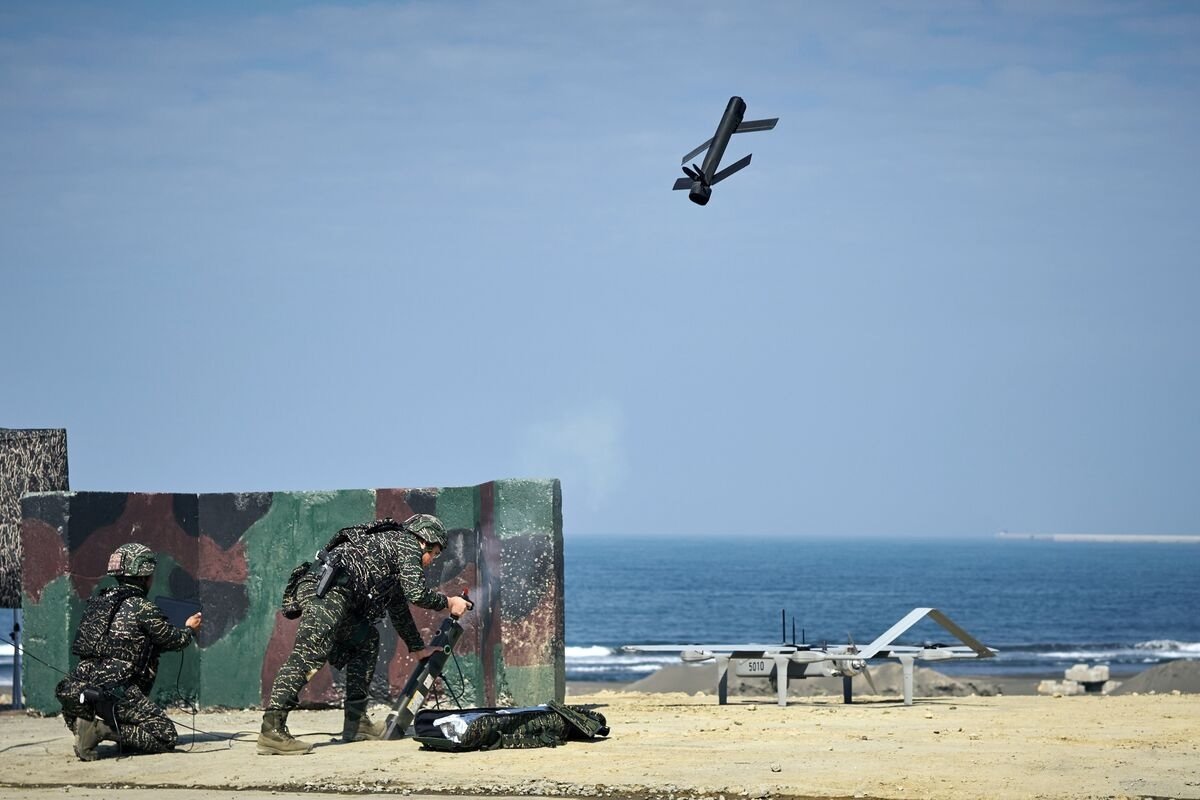
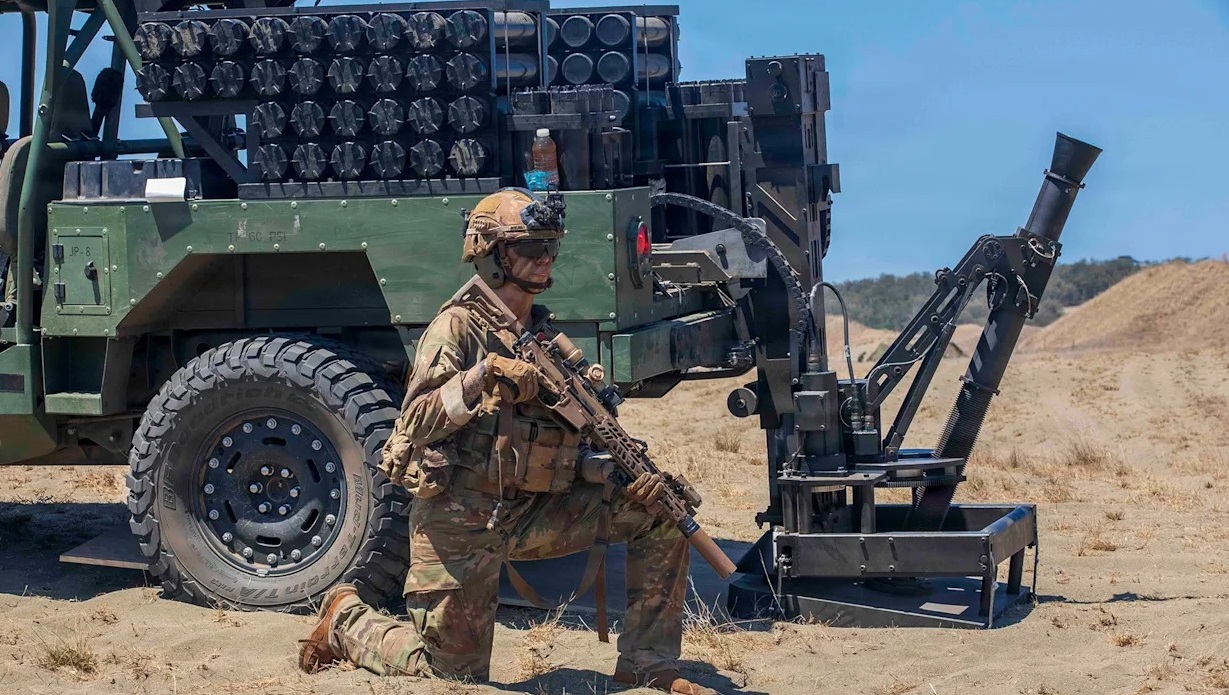
Mortars remain a key indirect fire support asset for infantry units. The M120 120 mm mortar, the heaviest mortar in the Army’s dismounted inventory, can deliver a 13.6-kilogram (30-pound) projectile to ranges of approximately 7.2 kilometers (4.5 miles), providing commanders with immediate fire support capability.
Fielding and Soldier Feedback
The 82nd Airborne Division, which had extensive experience with the legacy MFCS, adopted the new application with minimal training and provided feedback during implementation. According to Army officials, soldiers have responded positively to the software, citing its modern interface and familiar workflow.
“We created the solution that had such an impact on the Directorate and Soldiers, and were able to provide something modern, user friendly and responsive,” said Julia Gustafson, software project lead for the Mortars App at the DEVCOM Armaments Center.
Supporting Future Modernization
Army officials said the Common Fire Control Framework eliminates many of the limitations associated with earlier systems. Because the architecture is not tied to a specific device or operating system, the software can be adapted to future platforms without requiring a complete redevelopment effort.
The development team is already working on additional enhancements, with the modernized architecture expected to support faster updates and future fire control capabilities across the force.
——— End of Article ———