ISTANBUL — May 7, 2026 : Turkish defence company Pasifik Teknoloji has signed a framework export contract for the supply of 101,035 unmanned systems to an officially undisclosed country, according to a company announcement released on May 5. While the Turkish firm did not identify the customer, defence industry sources familiar with the agreement confirmed that the buyer is Pakistan.
The deal is among the largest publicly disclosed drone export agreements concluded by a Turkish defence manufacturer and marks Pasifik Teknoloji’s first announced defence export contract.
The procurement package is centred on a large-scale order for 100,000 MERKUT FPV kamikaze drones and also includes 10 ALPIN unmanned helicopters, 25 DUMRUL mini unmanned helicopters developed by Titra Technology, 500 DELİ tactical kamikaze drones, and 500 KORGAN autonomous ground support and surveillance units.
Pasifik Teknoloji did not disclose the financial value of the agreement or provide a delivery schedule. In its regulatory filing, the company described the customer only as a “friendly and allied” country. Pakistani authorities have not officially commented on the reported acquisition.
Pakistan Expands Unmanned Warfare Inventory
Defence sources stated that the procurement forms part of Pakistan’s broader effort to expand and replenish its unmanned warfare inventory following losses sustained during Operation Sindoor in May 2025.
During the operation, Pakistan deployed large numbers of Turkish-origin attack drones against Indian targets. Indian air defence systems reportedly intercepted and destroyed all incoming drones before they could inflict damage on operational positions, according to Indian military reporting, satellite imagery assessments released after the conflict, and findings verified by multiple independent sources.
The latest acquisition reflects Pakistan’s continued emphasis on loitering munitions, FPV strike drones, and autonomous battlefield systems intended for future high-intensity operations.
The agreement also highlights the expanding defence relationship between Turkey and Pakistan, particularly in the unmanned systems sector. The two countries have previously cooperated on drone programmes and defence-industrial initiatives, while discussions regarding local assembly and production facilities inside Pakistan have continued in recent years.
MERKUT FPV Drone Forms Bulk of the Package
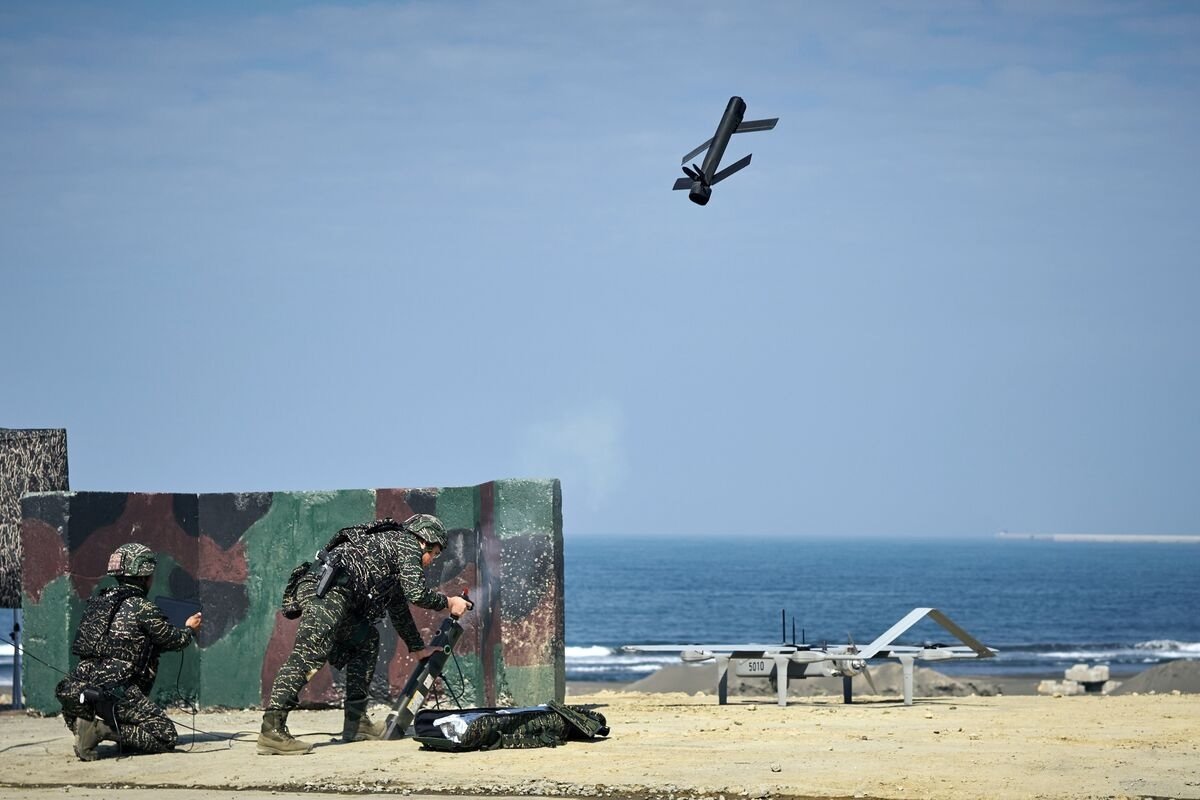
The MERKUT FPV kamikaze drone represents the largest component of the agreement by volume, accounting for 100,000 units under the framework contract.
Designed for short-range strike operations and attrition-based drone warfare, the MERKUT system reportedly offers a flight endurance of 20 to 30 minutes and an operational communication range of up to 8 kilometres.
The drone is equipped with thermal imaging systems for day and night operations under varying weather conditions. It also incorporates a high-security fuse mechanism and an automated proximity detonation feature, allowing the warhead to detonate without requiring direct operator input at impact.
According to released specifications, the detonation distance can be adjusted between approximately 20 centimetres and 5 metres depending on operational requirements. The warhead uses guided fragmentation munitions containing roughly 950 impact elements intended to increase effectiveness against personnel and lightly protected targets.
The size of the order suggests a focus on large-scale deployment of low-cost FPV drones designed to saturate enemy air defences and maintain sustained battlefield pressure during prolonged operations.
Pasifik Teknoloji has positioned the MERKUT platform within the volume-production segment of the global drone market, targeting cost-effective attrition warfare capability.
ALPIN Platform Adds Heavy-Lift VTOL Capability
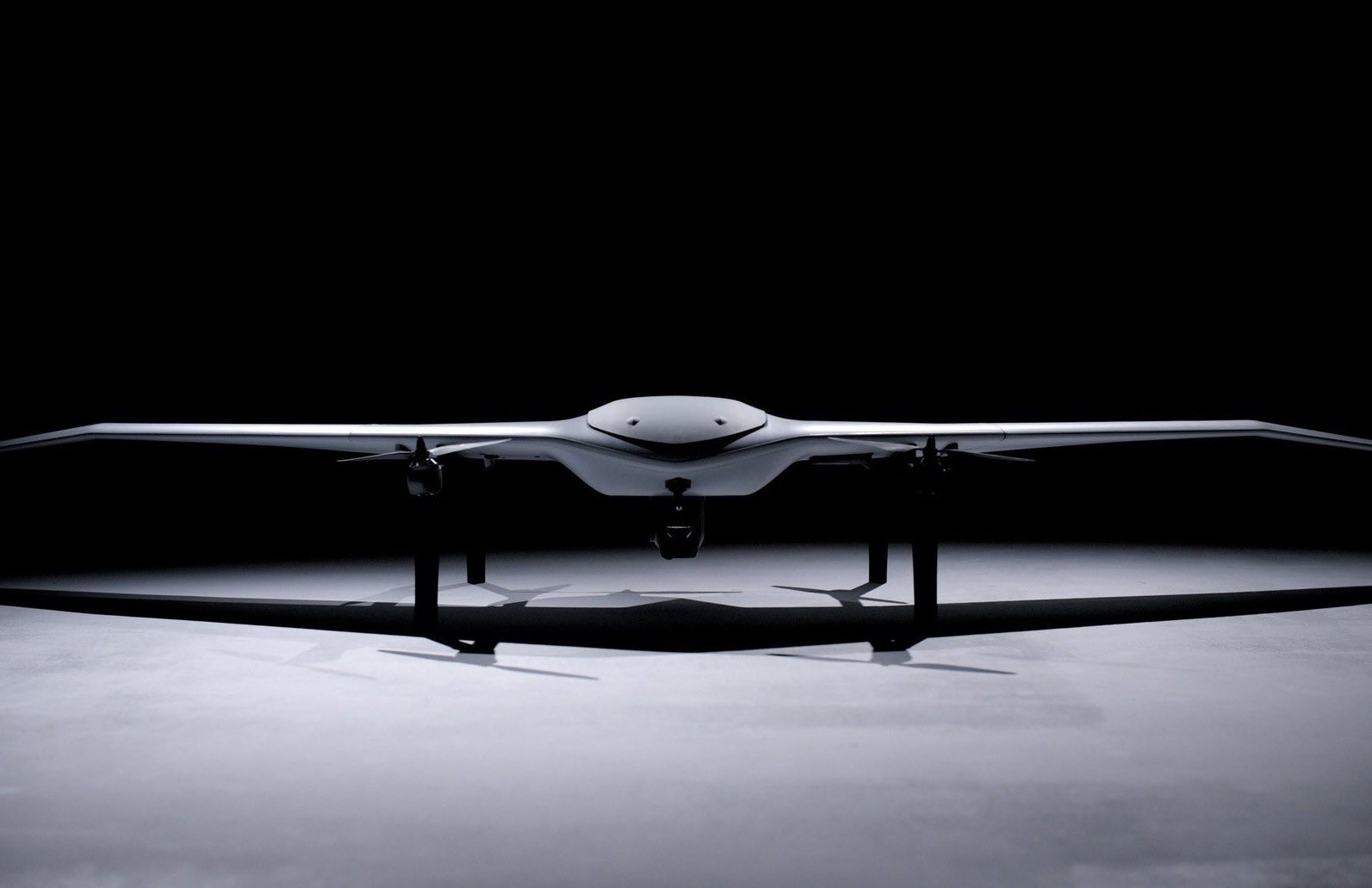
The package also includes 10 ALPIN unmanned helicopters, a heavy-lift vertical take-off and landing (VTOL) platform capable of fully automatic mission execution.
The ALPIN system can carry payloads of up to 200 kilograms, including fuel, and reportedly offers endurance exceeding nine hours with a control radius of approximately 200 kilometres.
Equipped with thermal and night-vision cameras, the platform is designed to support logistics resupply, casualty evacuation, surveillance, intelligence collection, and weapons transport missions without requiring prepared runways or conventional aviation infrastructure.
The helicopter is intended to provide operational flexibility in remote and contested operational environments.
DUMRUL Mini Helicopter Supports Tactical Missions
The framework agreement further includes 25 DUMRUL mini armed unmanned helicopters developed by Titra Technology.
The electrically powered platform is designed with a low acoustic signature and supports reconnaissance, surveillance, and short-range precision strike missions. The DUMRUL system has a payload capacity of up to 8 kilograms, a flight endurance of approximately 120 minutes, and an operational ceiling of 4,000 metres.
According to technical specifications, the platform operates within a control radius of around 20 kilometres and can be equipped with 60mm and 81mm mortar rounds as well as laser-guided mini-munitions.
The system is intended for tactical battlefield operations requiring low visibility and precision engagement capability.
DELİ and KORGAN Systems Expand Multi-Domain Operations
In addition to the helicopter and FPV drone systems, the contract includes 500 DELİ tactical kamikaze drones and 500 KORGAN autonomous ground support and surveillance units.
The DELİ platform is a fixed-wing loitering munition intended for tactical strike operations and is designed to complement the larger FPV drone fleet with additional precision attack capability.
The KORGAN autonomous ground units form the terrestrial component of the package and are intended to reduce personnel exposure in forward operational areas while supporting reconnaissance, surveillance, and autonomous ground operations.
The inclusion of both aerial and ground unmanned systems indicates a broader focus on integrated multi-domain unmanned warfare operations combining strike, reconnaissance, logistics, and autonomous support capabilities within a unified operational framework.
Framework Structure Allows Future Expansion
Pasifik Teknoloji stated that the agreement has been structured as a framework contract, allowing phased deliveries and the possibility of future expansion orders. No production or delivery timeline has been released publicly.
Neither the company nor Pakistani officials have disclosed whether the systems will be delivered directly from Turkey or assembled locally under future industrial cooperation arrangements.
Turkey and Pakistan have steadily expanded defence cooperation across the naval, aerospace, and unmanned systems sectors over the past decade. Pakistan’s recent procurement activity indicates continued investment in autonomous warfare capabilities and low-cost precision strike systems as part of broader military modernisation efforts.
——— End of Article ———