ANKARA — May 9, 2026 : Turkey is advancing its “Blue Homeland” (Mavi Vatan) doctrine to expand maritime influence across a strategic corridor stretching from the Aegean Sea to the Horn of Africa and the Red Sea, combining naval deployments, defence partnerships and energy exploration initiatives to strengthen its position in surrounding waters.
The doctrine, first developed in 2006 by Turkish naval officers including Rear Admiral Cem Gürdeniz and Admiral Cihat Yaycı, defines Turkey’s claimed territorial waters, continental shelf and exclusive economic zone (EEZ) across the Black Sea, Aegean Sea and Eastern Mediterranean. Turkish officials estimate the doctrine covers nearly 462,000 square kilometres of maritime territory.
Turkey does not recognise some provisions of the United Nations Convention on the Law of the Sea (UNCLOS) that grant full EEZ rights to islands. Ankara instead argues that maritime boundaries should be based primarily on continental shelf principles linked to mainland coastlines, a position that has led to disputes with Greece and Cyprus in the Eastern Mediterranean.
Naval Expansion and Military Exercises
The Blue Homeland doctrine has become a central component of Turkey’s defence and foreign policy strategy since gaining greater political prominence after 2016. Ankara conducts annual “Mavi Vatan” naval exercises to demonstrate operational capabilities across multiple maritime regions.
The latest exercise, “Mavi Vatan 2026,” was held from April 3 to April 9 across the Black Sea, Aegean Sea and Eastern Mediterranean. The drills involved approximately 15,000 military personnel, 120 naval vessels and 50 aircraft.
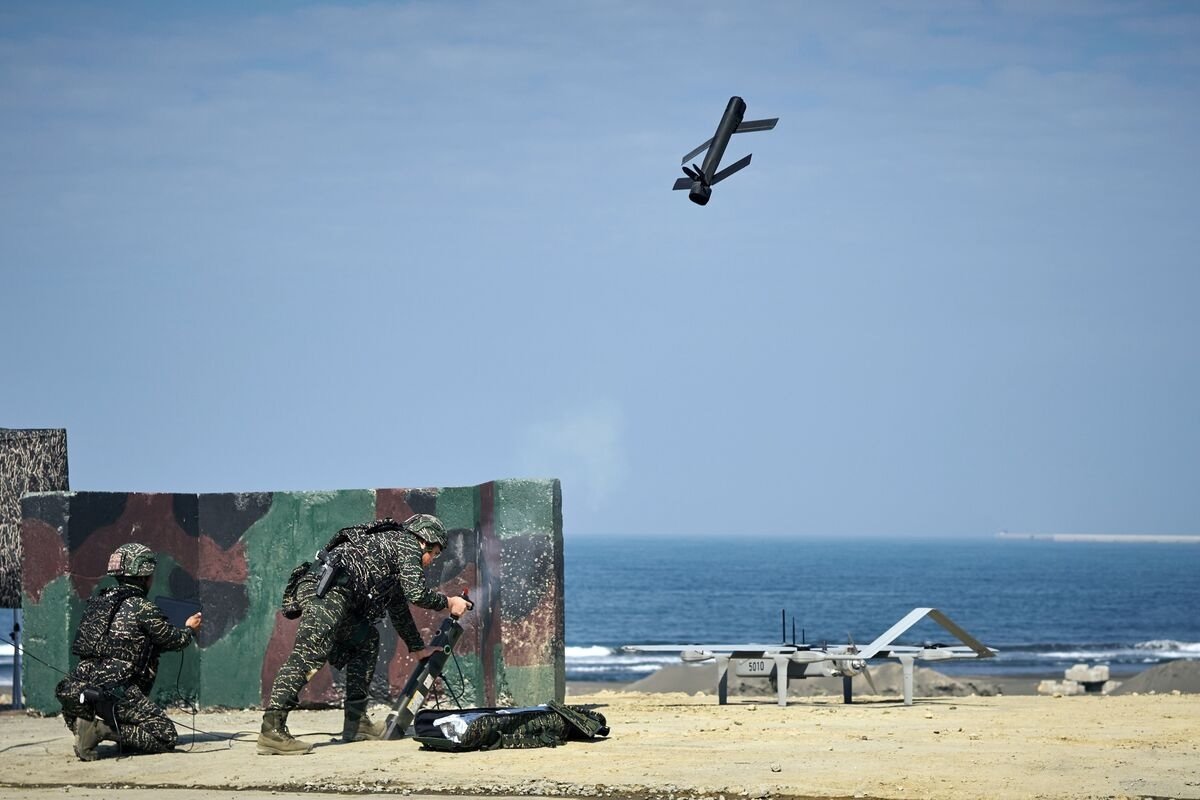
Turkish forces carried out simultaneous naval and air operations, including live-fire exercises, unmanned aerial vehicle missions and unmanned surface vehicle operations designed to test command-and-control coordination across different theatres.
Expansion Toward the Red Sea and Horn of Africa
Turkey has also expanded its strategic reach beyond the Mediterranean into the Red Sea, Gulf of Aden and Horn of Africa.
In January 2026, the Turkish Parliament approved a one-year extension of naval deployments in the Gulf of Aden, Arabian Sea and Somali territorial waters, effective from February 10. The mandate grants President Recep Tayyip Erdogan authority to determine the scale, timing and location of naval operations without requiring additional parliamentary approval.
Ankara maintains a military training base and military academy in Somalia and has strengthened defence and maritime cooperation agreements with Mogadishu. Turkish authorities have also announced plans to begin offshore oil and natural gas exploration off Somalia’s coast in 2026 following ongoing seismic surveys.
Turkey’s regional security network additionally includes military cooperation agreements with Libya and a forward-operating military base in Qatar. Ankara also remains engaged in reconstruction and stabilisation efforts in Syria while closely monitoring developments in Yemen.
Eastern Mediterranean Energy Competition
A major component of the Blue Homeland strategy involves securing access to offshore energy resources in the Eastern Mediterranean.
Turkey signed a maritime boundary memorandum of understanding with Libya’s former Government of National Accord in 2019, extending Turkey’s claimed EEZ into areas overlapping with Greek and Cypriot claims. The agreement intensified maritime disputes in the region and increased tensions surrounding offshore energy exploration activities.
Turkish officials argue that control over maritime transit routes and access to natural gas reserves are critical for national energy security and economic development, particularly as Turkey remains heavily dependent on imported energy supplies.
Regional Response and Strategic Impact
Turkey’s maritime strategy has drawn criticism from Greece, Cyprus, the European Union and several NATO members, which argue that Ankara’s claims challenge established maritime boundaries and violate international law.
Greece and Cyprus maintain that islands are entitled to full maritime zones under UNCLOS and reject Turkey’s interpretation of continental shelf boundaries.
Israel has also raised concerns regarding overlapping interests in Eastern Mediterranean gas fields and infrastructure projects, including the EastMed pipeline initiative involving Israel, Greece, Cyprus and Egypt.
In response to Turkey’s expanding maritime posture, Greece, Cyprus, Israel and Egypt have increased cooperation in energy exploration and regional defence coordination.
The growing competition has contributed to repeated diplomatic disputes and naval stand-offs during Turkish seismic surveys and military exercises in contested waters. Analysts say the tensions have also complicated regional energy export projects and created additional pressure within NATO due to disputes between alliance members Greece and Turkey.
Turkey continues to integrate the Blue Homeland doctrine into long-term defence planning and foreign policy through naval deployments, bilateral agreements and energy exploration initiatives aimed at strengthening its influence across critical maritime routes linking the Black Sea, Eastern Mediterranean and Red Sea regions.
——— End of Article ———