ANKARA — March 13, 2026 : NATO air and missile defense assets deployed in the eastern Mediterranean intercepted a third Iranian ballistic missile after it entered Turkish airspace early Friday, according to the Turkish Ministry of National Defense. The latest incident marks the third interception of an Iranian ballistic projectile over Turkey in less than ten days.
Turkish authorities stated that the missile was neutralized by NATO defensive systems shortly after crossing into the country’s southern airspace. Warning sirens were activated at Incirlik Air Base, a major NATO facility hosting U.S. personnel and aircraft, as well as in the southeastern Turkish city of Batman.
The interception occurred over Adana Province, close to key NATO military installations. No casualties or damage were reported following the incident.
Timeline of Missile Interceptions
The March 13 interception follows two earlier incidents involving Iranian ballistic missiles that crossed into Turkish airspace during the past week.
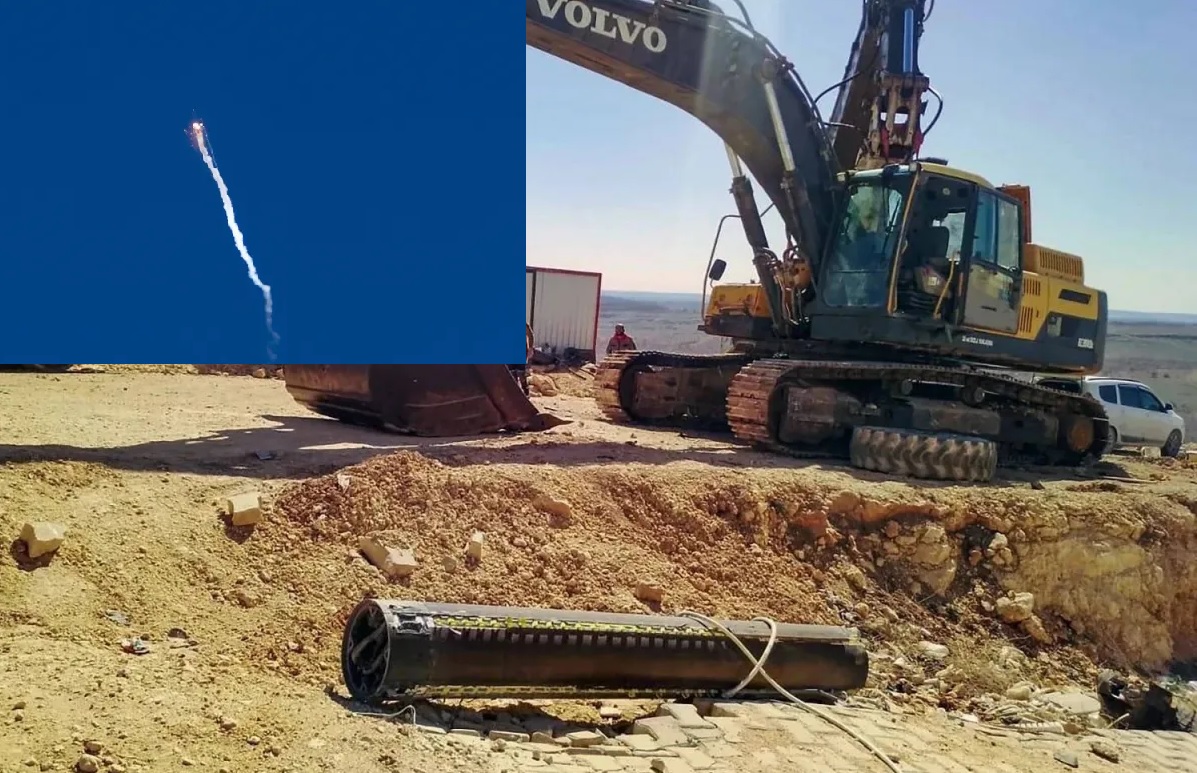
March 4 — Hatay Province : The first missile was intercepted near Dörtyol in the coastal province of Hatay Province after traveling through Iraqi and Syrian airspace. The engagement involved a Arleigh Burke-class destroyer from the United States Navy, which launched a RIM-161 Standard Missile 3 interceptor. A MIM-104 Patriot battery operated by Spanish Armed Forces stationed in Turkey also contributed to the defense. Debris from the destroyed missile fell in the surrounding area.
March 9 — Gaziantep Province : A second ballistic missile was intercepted over Gaziantep Province in southern Turkey. Missile fragments landed in open fields and no casualties were reported. The inland trajectory of the projectile raised concerns among Turkish defense officials that the violations could not be attributed solely to border navigation errors.
March 13 — Adana Province : The third missile entered Turkish airspace before being intercepted by NATO missile defense systems. The interception occurred near Incirlik Air Base, triggering air raid sirens across nearby areas. Turkish authorities confirmed that the projectile was destroyed before reaching populated locations.
Turkish Government Response
The Turkish government has issued multiple diplomatic protests following the incidents. After the first missile interception on March 4, Ankara summoned the Iranian ambassador for an explanation.
Turkish President Recep Tayyip Erdoğan also held a phone conversation with Iranian President Masoud Pezeshkian, stating that violations of Turkish airspace “cannot be excused for any reason whatsoever.” Erdoğan described the incidents as “wrong and provocative steps” and warned that Turkey would take necessary measures to protect its sovereignty.
Following the latest interception, Turkish Foreign Minister Hakan Fidan again raised the issue with Iranian officials and requested clarification from Tehran, calling the airspace violation unacceptable.
Iranian authorities have previously denied targeting Turkey and have not acknowledged that the missiles were directed toward Turkish territory.
NATO Defensive Measures
In response to the repeated incidents, NATO has reinforced missile defense coverage across southern Turkey.
Additional Patriot missile defense units have been deployed to Malatya Province to protect the Kurecik Radar Base, an important early-warning facility that feeds tracking data into NATO’s ballistic missile defense network.
Spanish Patriot batteries remain deployed near Incirlik Air Base, while U.S. naval vessels operating in the eastern Mediterranean continue to provide additional ballistic missile interception capability.
NATO spokesperson Allison Hart confirmed that alliance systems carried out the interceptions and stated that NATO “remains vigilant and stands firm in its defense of all Allies.”
Strategic Context
The missile interceptions have taken place during a period of broader regional military tensions involving Iran, the United States, and Israel. Turkish officials have emphasized that the country’s priority remains the protection of national airspace while avoiding escalation.
Despite three confirmed airspace violations, Turkey has not invoked Article 5 or Article 4, both of which could trigger formal alliance consultations or collective defense measures.
Instead, Ankara has maintained a diplomatic approach while continuing to strengthen defensive capabilities with NATO support.
Defense officials in Turkey and NATO member states continue to monitor the missile activity and trajectories closely. While no casualties or major damage have resulted from the three incidents, the repeated interceptions have prompted sustained reinforcement of NATO’s missile defense posture in the region.
——— End of Article ———