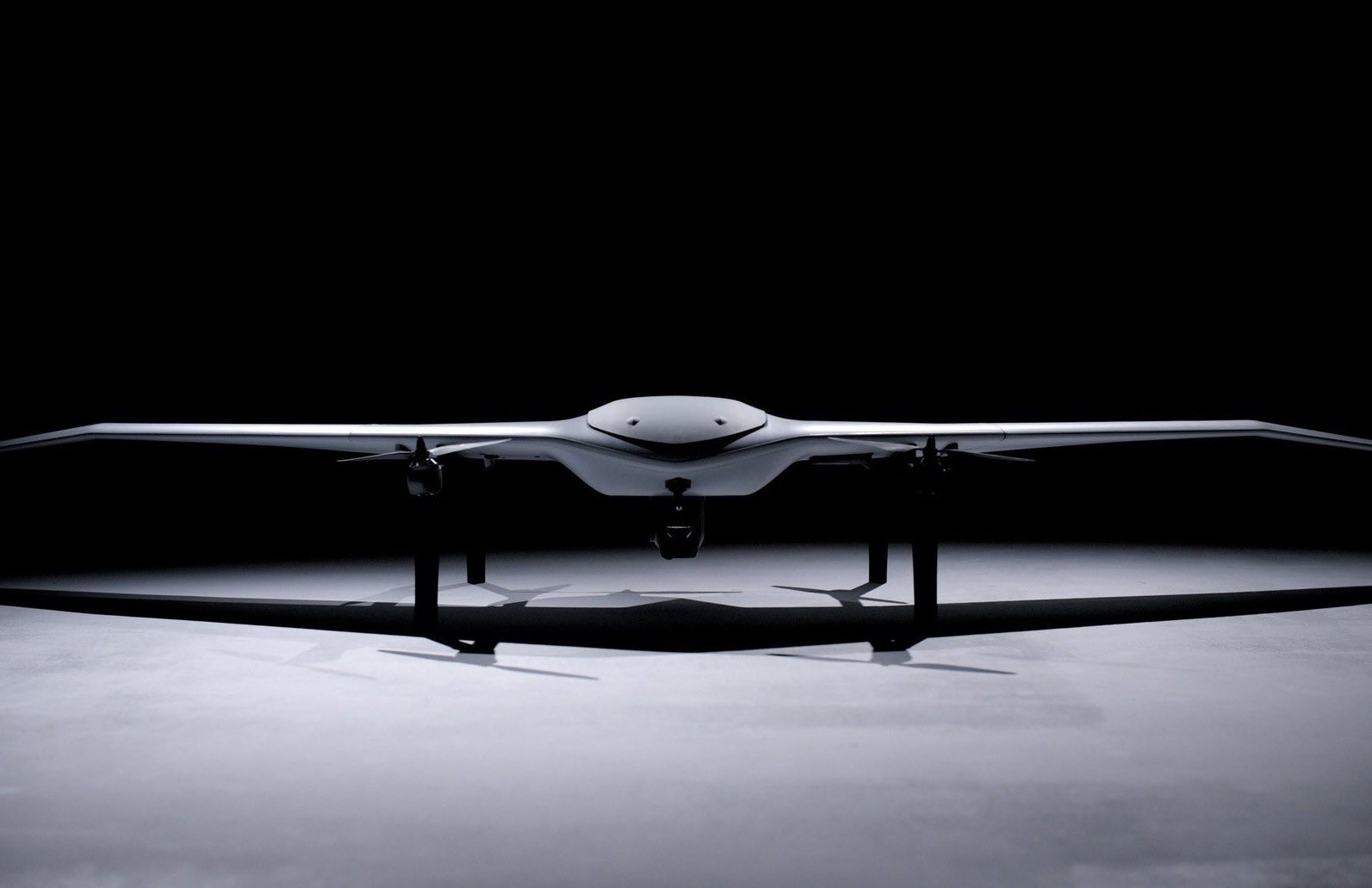
BOSTON — May 14, 2026 :The U.S. Army has selected the Rogue 1 loitering munition system developed by Teledyne FLIR Defense for the Low Altitude Stalking and Strike Ordnance (LASSO) programme, the company announced on 13 May 2026.
Under the agreement, Teledyne FLIR Defense will deliver up to 130 Rogue 1 systems and related components to the Army for testing and evaluation beginning in summer 2027. The contract carries a two-year performance period and supports the Army’s ongoing effort to equip Infantry Brigade Combat Teams with man-portable precision strike systems capable of operating beyond line of sight.
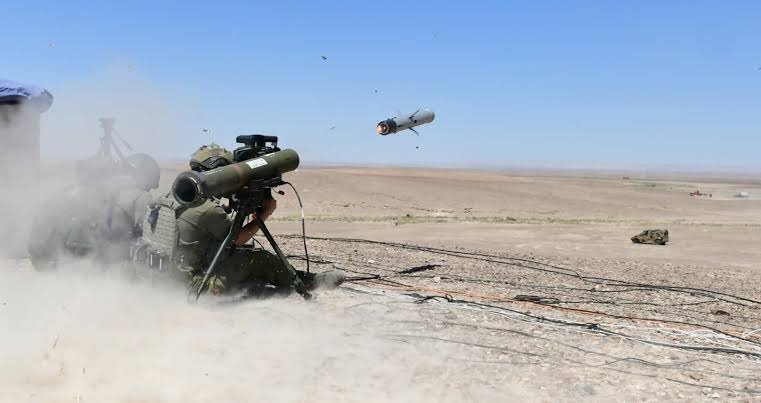
The LASSO programme is intended to provide dismounted infantry units with a ground-launched uncrewed aerial system carrying a lethal payload for long-range precision strikes against armoured vehicles, soft-skinned targets and enemy personnel while minimising collateral damage in complex operational environments.
Man-Portable Precision Strike System
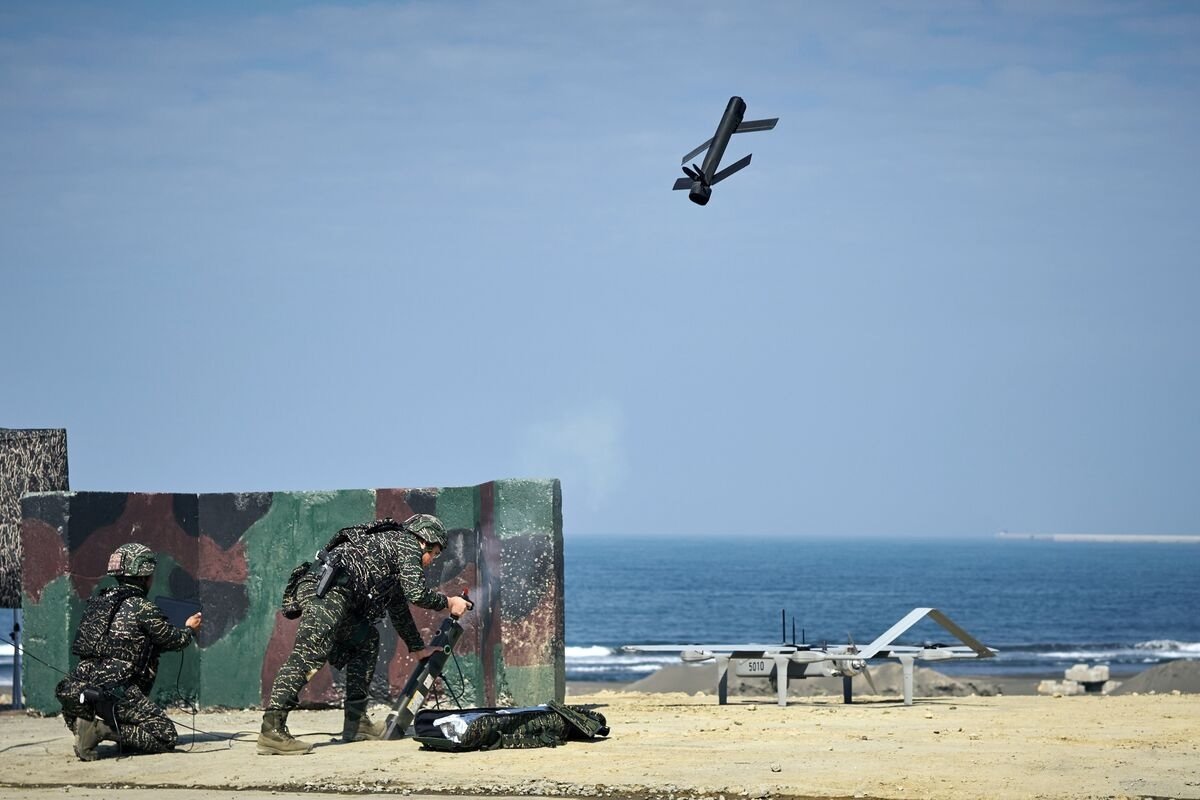
Rogue 1 is a vertical takeoff and landing loitering munition designed for rapid deployment without requiring a dedicated launcher or vehicle transport. The complete system weighs approximately 10 pounds (4.5 kilograms) and is carried in a single launch tube, enabling operation by a single soldier.
The electric-powered platform has an endurance of more than 30 minutes, burst speeds exceeding 70 mph (113 km/h) and an operational range of over 12 miles (20 kilometres). The system was developed for use in communication- and GPS-denied environments and incorporates hardened encrypted datalinks, image-matching navigation technology and alternative visual and thermal navigation modes.
The drone is equipped with electro-optical sensors and FLIR Boson 640+ thermal imaging cameras for day and night reconnaissance missions. According to the company, the gimballed payload integrates the targeting sensors directly with the warhead system to improve strike accuracy against moving and stationary targets.
Modular Payloads and Recoverable Design
Rogue 1 supports multiple mission-specific payloads, including an Explosively Formed Penetrator warhead for engaging heavily armoured vehicles, a directional blast-fragmentation payload for soft targets and inert payloads for training operations.
A notable feature of the platform is its recoverability. The munition incorporates a mechanical interrupt fuzing system that allows operators to safely disengage and recover the drone if a mission is aborted or operational conditions change. The warhead can be defused in flight, allowing the system to be reused in future missions.
Integration With Black Hornet Nano-Drone
Dr. JihFen Lei, president of Teledyne FLIR Defense and senior vice president of Teledyne’s Defense and Aerospace Group, stated that Rogue 1 was developed to meet the Army’s requirements for precision and autonomous strike capability.
Lei added that the system can be integrated with the company’s Black Hornet nano-drone in a combined reconnaissance and strike configuration. In this arrangement, the miniature reconnaissance drone identifies and tracks targets before Rogue 1 is launched to conduct the attack.
Expanding U.S. Military Adoption
The Army’s LASSO selection represents the third major U.S. military adoption of the Rogue 1 platform since its launch in spring 2024. The loitering munition has already been fielded by U.S. Special Operations Command under the Ground Organic Precision Strike Systems programme and by the U.S. Marine Corps through the Organic Precision Fires-Light programme.
The contract further expands Teledyne Technologies Incorporated presence in the defence unmanned systems sector amid growing demand for portable precision strike capabilities across U.S. military modernisation programmes.
——— End of Article ———