
Space & Technology
ISRO and JAXA, the Indian Space Agency and Japan Space Agency, have joined forces for an upcoming lunar exploration endeavor scheduled for launch in 2026. Termed the Lunar Polar Exploration Mission (Lupex) and Chandrayaan-4, this collaborative effort stems from an Implementation Arrangement signed by ISRO in December 2017, focusing on pre-phase A and phase A studies. The feasibility report, completed in March 2018, emerged from a collaborative initiative with the Japan Aerospace Exploration Agency, with the primary goal of investigating water sources on the Moon, initially identified by ISRO Chandrayaan-1 mission through observational data.The Chandrayaan-4 mission aims to deploy an unmanned lunar lander and rover to investigate the southern pole region of the Moon. The H3 launch vehicle, currently in construction by the Japan Aerospace Exploration Agency, will facilitate the launch of Chandrayaan-4. The H3 Launch Vehicle boasts a payload capacity of 4,000 kg to Sun-synchronous orbit (SSO), 7,900 kg to Geostationary Transfer Orbit (GTO), and 28,300 kg to low Earth orbit. Employing liquid-propellant rockets with strap-on solid rocket boosters, the first launch attempt on March 7, 2023, unfortunately, resulted in failure, with a cost per launch estimated at $50 million.Chandrayaan-4 total payload mass for the mission, comprising the lander and rover, is expected to be 350 kg, and the mission duration is slated for six months. The rover will carry diverse payloads from JAXA and ISRO, featuring a 1.5-meter drill designed to explore the lunar surface. This drill will heat lunar material, measuring changes in mass while identifying volatiles within the material. The mission overarching objective is to assess the actual quantity of water in the Moon south pole region through a combination of observational data, in situ experiments, and ground truth data. This comprehensive study aims to inform future lunar colonies, determining the extent to which water can be sourced locally on the Moon versus being transported from Earth.
Read More → Posted on 2023-11-14 16:37:50
Space & Technology
Aevum, a US-based provider of comprehensive space logistics and autonomous launch services for both government and commercial customers, is developing Ravn X, a next-generation Autonomous Launch Vehicle (AuLV). The Ravn launch vehicle concept was introduced by the founder, Jay Skylus, in 2011, marking the inception of a groundbreaking project.Designed to efficiently transport satellites to space, Ravn X stands out as the world largest unmanned aircraft system by mass and the only small launch vehicle built from the ground up with reusability in mind. With a remarkable turnaround time of just 180 minutes and zero risk to human lives, Ravn X caters to the demands of time-sensitive missions.The AuLV is specifically crafted to carry payloads ranging from 100 to 500 kilograms to low Earth orbit, making it a versatile option for launching various payloads, including satellites, scientific instruments, and small spacecraft. Its dimensions include a length of 80 feet, a wingspan of 60 feet, and a gross takeoff weight of 24,948 kilograms. Capable of reaching speeds of 925 km/h and ascending to an altitude of 60,000 feet, Ravn X exemplifies cutting-edge technology in the field of space transportation.Powered by a hybrid rocket engine utilizing jet fuel and liquid oxygen, Ravn X follows a three-stage launch sequence. The first stage, completely autonomous and reusable, elevates the payload to an altitude of 60,000 feet. Subsequent rocket stages, also powered by the same engine, propel the payload to low Earth orbit, where it is precisely placed. Notably, Ravn X achieves a 70% reusability of the complete system, with expectations to increase this figure to 95% in the future.The launch infrastructure for Ravn X involves a 1-mile long runway and an 8,000 ft² hangar dedicated to satellite lift operations. Anticipated to be operational in 2023, Ravn X is designed to serve both government and commercial customers. Aevum has already secured a contract with the US Space Force, with Ravn X slated for its first mission—the ASLON-45 mission, a $5 million contract testing the company capability to launch a payload in 24 hours or less.Aevum involvement in the Orbital Services Program-4, a Department of Defense initiative utilizing the commercial launch market for small payloads, further underscores the significance of Ravn X in advancing space launch capabilities. The company was one of eight entities awarded a $986 million indefinite delivery, indefinite quantity contract, reaffirming its pivotal role in shaping the future of autonomous launch services.
Read More → Posted on 2023-11-14 16:22:18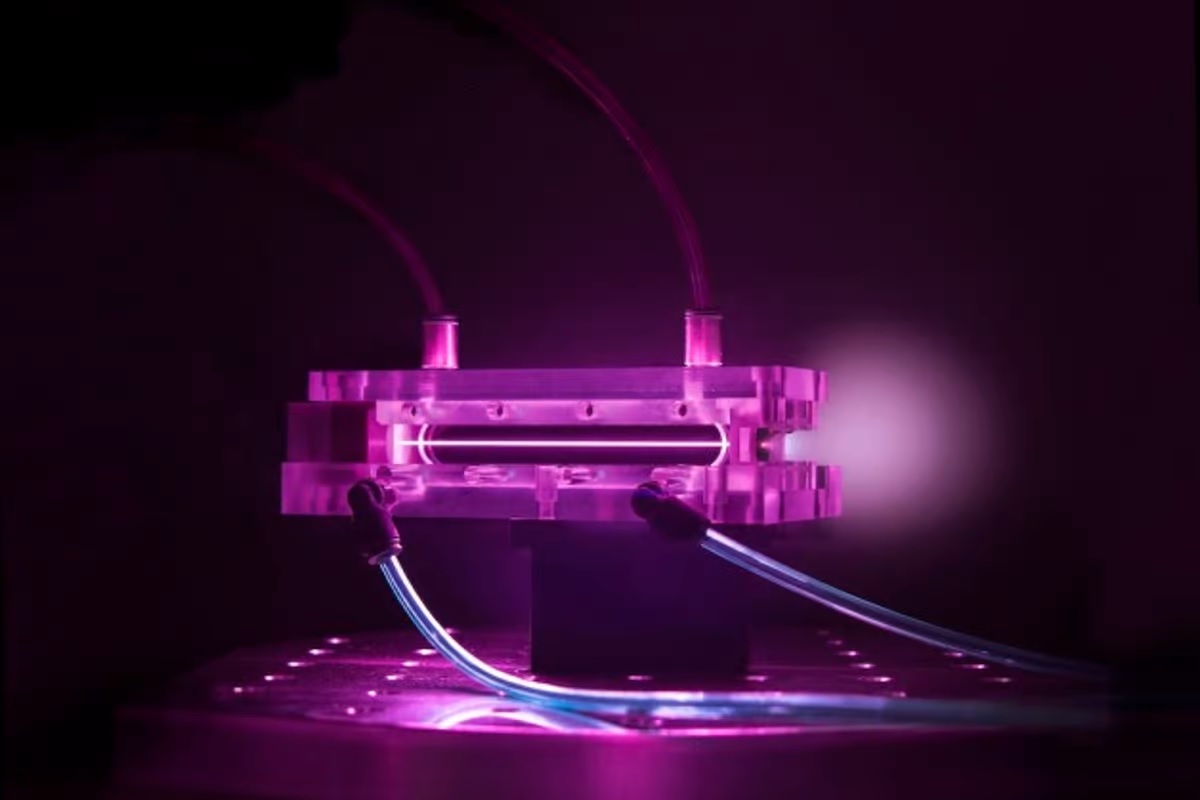
Space & Technology
Scientists recently fired up the world smallest particle accelerator for the first time. The tiny technological triumph, could open the door to a wide range of applications, including using the teensy particle accelerators inside human patients. This particle accelerator is known as a nanophotonic electron accelerator. Nanophotonic electron accelerator is the world smallest particle accelerator. which is developed by researchers at the Friedrich-Alexander University of Erlangen-Nuremberg (FAU) in Germany. It is so small that it can fit on a coin. They can accelerate electrons to energies of up to 40.7 keV, which is enough to penetrate thin materials.It consists of a small microchip that houses an even smaller vacuum tube made up of thousands of individual "pillars." Researchers can accelerate electrons by firing mini laser beams at these pillars. NEAs are much smaller and less expensive than traditional particle accelerators, and they are also more efficient. According to the National Nanotechnology Institute, the inside of the tiny tunnel is only around 225 nanometers wide.Nanophotonic electron accelerator tube is approximately 0.02 inch means (0.5 millimeter) long, which is 54 million times shorter than the 27 kilometers long ring that makes up CERN Large Hadron Collider in Switzerland the world largest and most powerful particle accelerator, which has discovered a range of new particles including the Higgs boson or God particle, ghostly neutrinos, the charm meson and the mysterious X particle. The Large Hadron Collider uses more than 9,000 magnets to create a magnetic field that accelerates particles to around 99.9% of the speed of light. The Nanophotonic electron accelerator also creates a magnetic field, but it works by firing light beams at the pillars in the vacuum tube; this amplifies the energy in just the right way, but the resulting energy field is much weaker. The electrons accelerated by Nanophotonic electron accelerator only have around a millionth of the energy that particles accelerated by the Large Hadron Collider have . Nanophotonic electron accelerator are still in their early stages of development, but they have the potential to revolutionize a wide range of fields, including medicine, materials science, security, and electronics. The researchers believe they can improve the NEA design by using alternative materials or stacking multiple tubes next to one another, which could further accelerate the particles. Still, they will never reach anywhere near the same energy levels as the big colliders.Here are some potential applications of NEA: Medicine: NEA could be used to develop new cancer treatments and medical imaging devices. For example, NEA could be used to deliver targeted radiation therapy to tumors or to develop new types of contrast agents for MRI scans Materials science: NEA could be used to study new materials and develop new manufacturing processes. For example, NEA could be used to study the properties of new materials or to develop new methods for etching and depositing materials. Security: NEAs could be used to develop new security screening and detection devices. For example, NEAs could be used to develop new types of X-ray scanners or to detect explosives and other hazardous materials. Electronics: NEAs could be used to develop new types of electronic devices, such as faster and more energy-efficient transistors. NEAs are a promising new technology with the potential to have a major impact on society.
Read More → Posted on 2023-11-01 19:00:56Search
Top Trending in 24 Hours
-
 Two Injured in Bahrain After Iranian Attacks; Iran Claims Strike on US Patriot Radars
-
 Russian Corvette Merkury Almost Certainly Destroyed in Benghazi Port Explosion
-
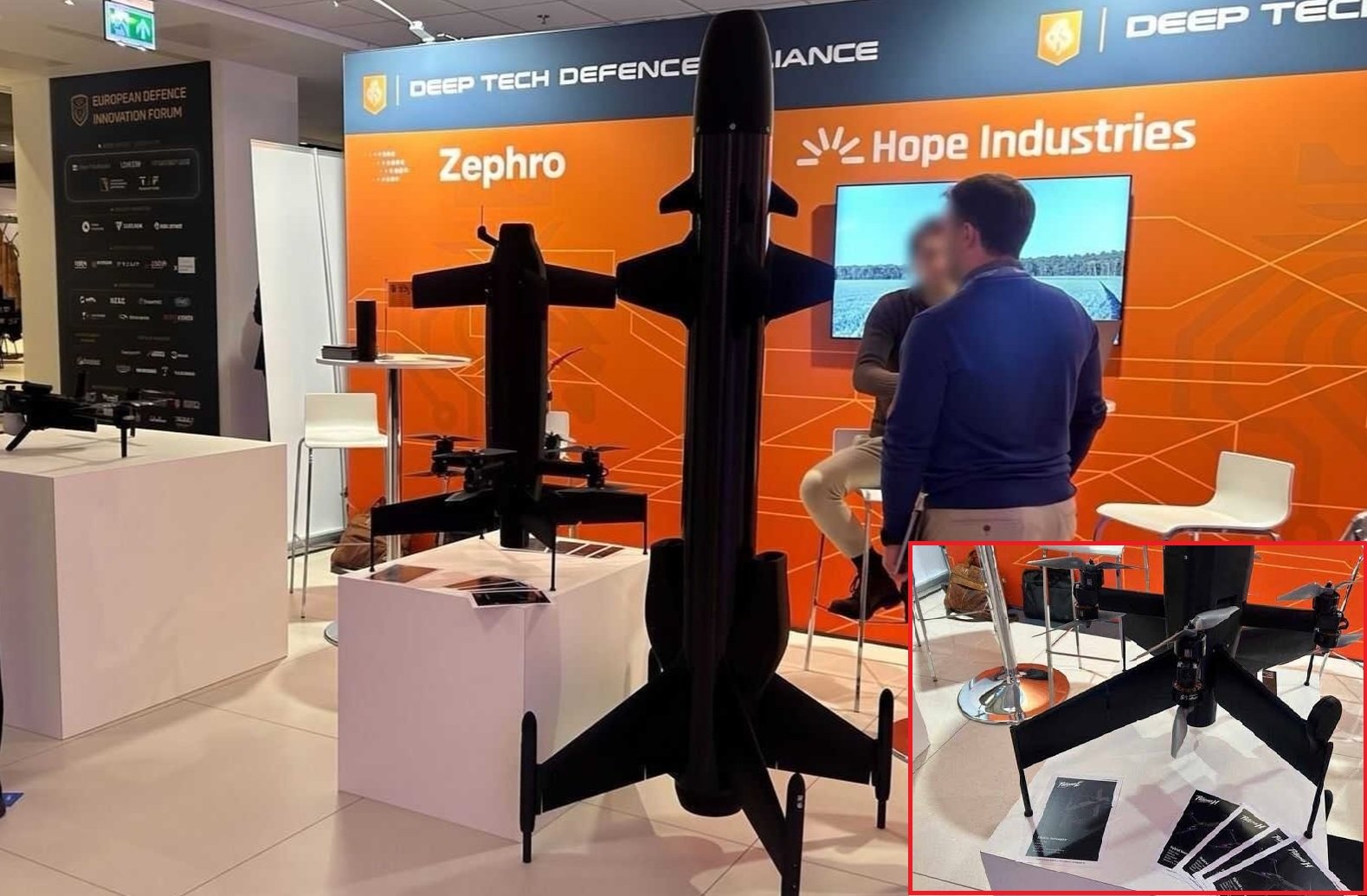 Dutch Company Hope Industries Unveils 800 km/h Patronus Interceptor Drones to Counter Shahed Threats
-
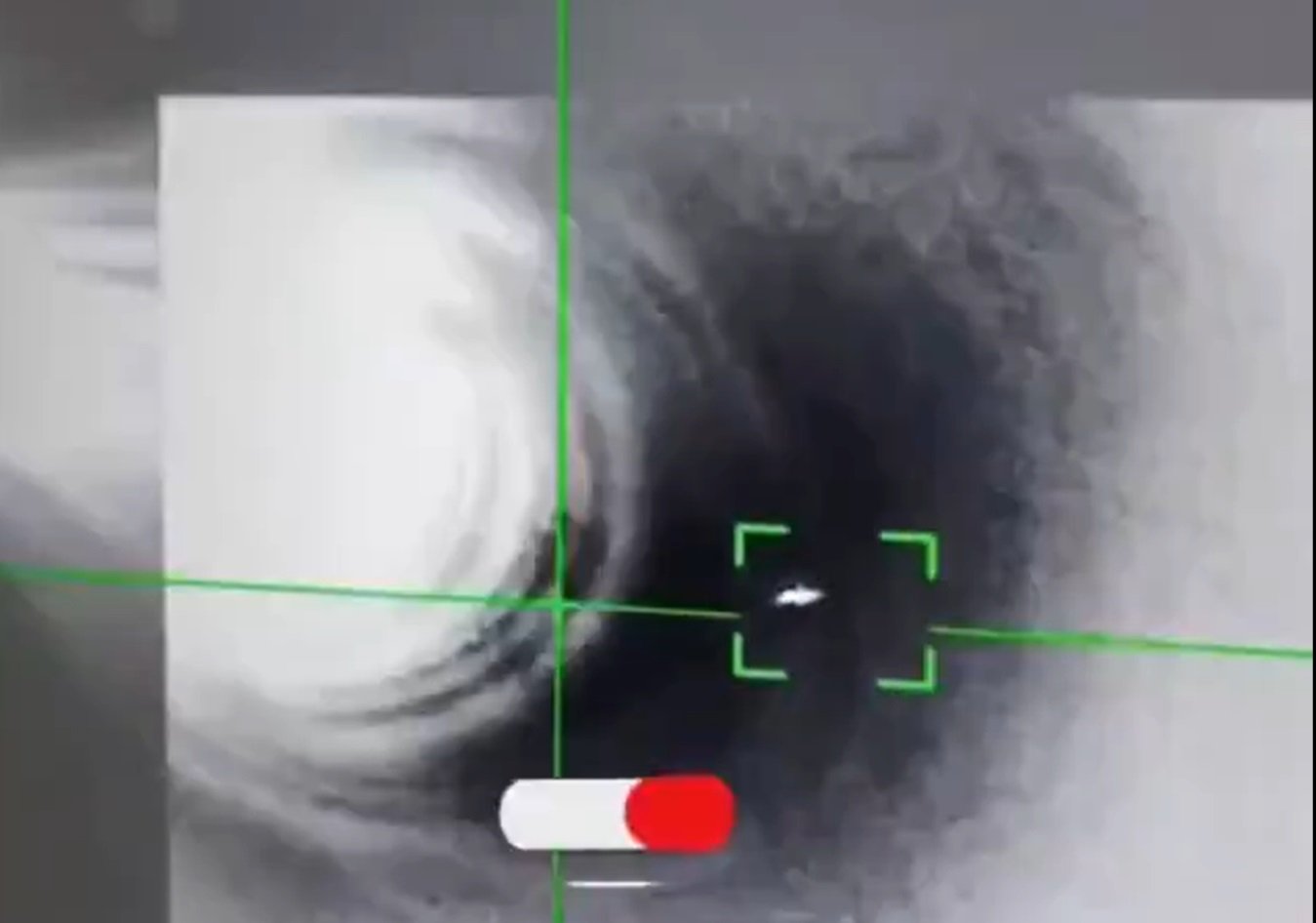 Iran Releases Air Defence Footage Claiming Engagement Against US F-16 Over Persian Gulf; CENTCOM Denies Attack
-
 Senate Panel Proposes $1.84 Billion Cut to US Navy’s Trump-Class Battleship Program
-
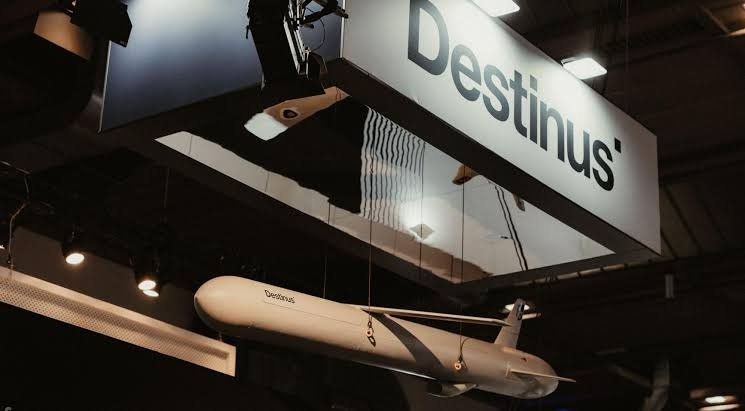 Netherlands Targets 40% Defence Industry Growth by 2030 as Destinus Missiles Gain Attention
-
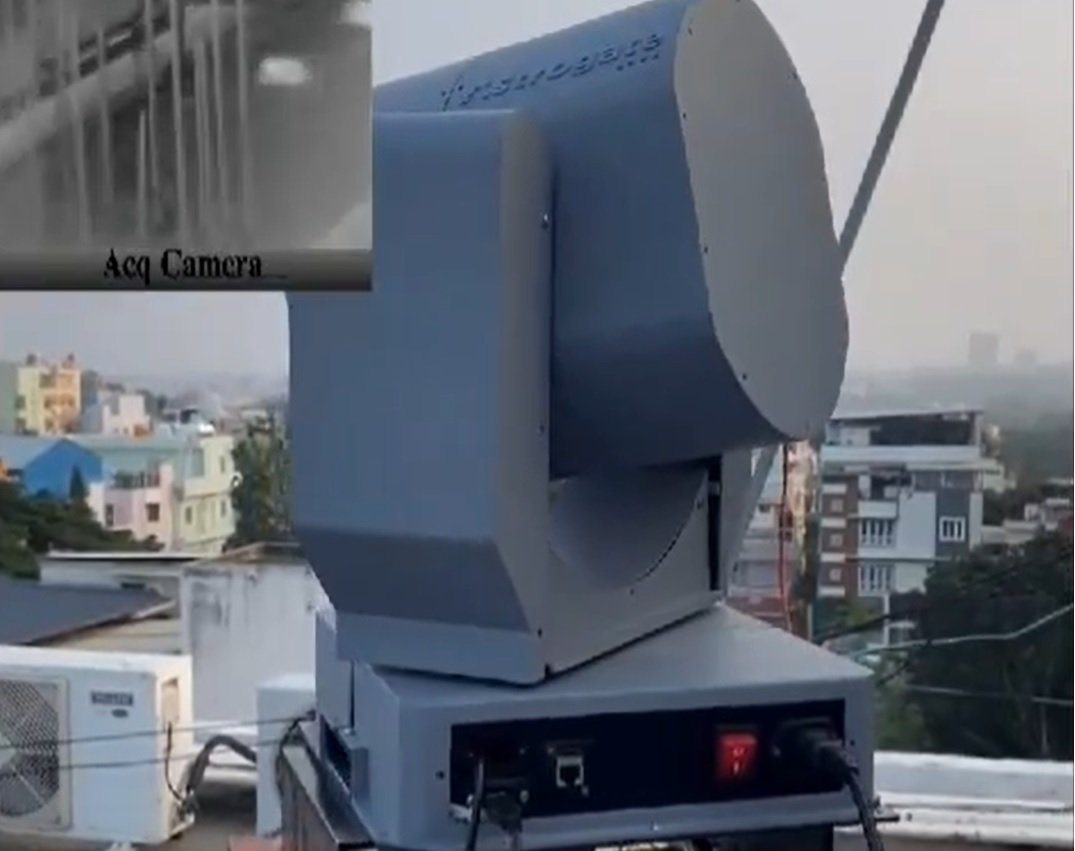 Astrogate Labs Tests Tracking System for 10 Gbps Mobile Laser Communication Terminal
-
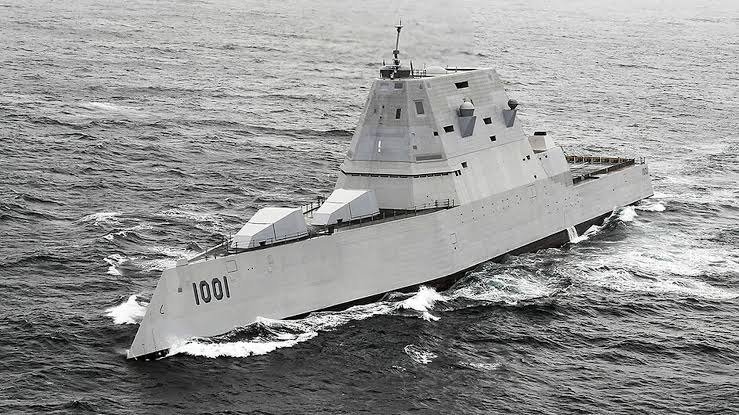 US Navy Schedules 2028 Hypersonic Missile Upgrade for Zumwalt-class Destroyer USS Michael Monsoor
Top Trending in 4 Days
-
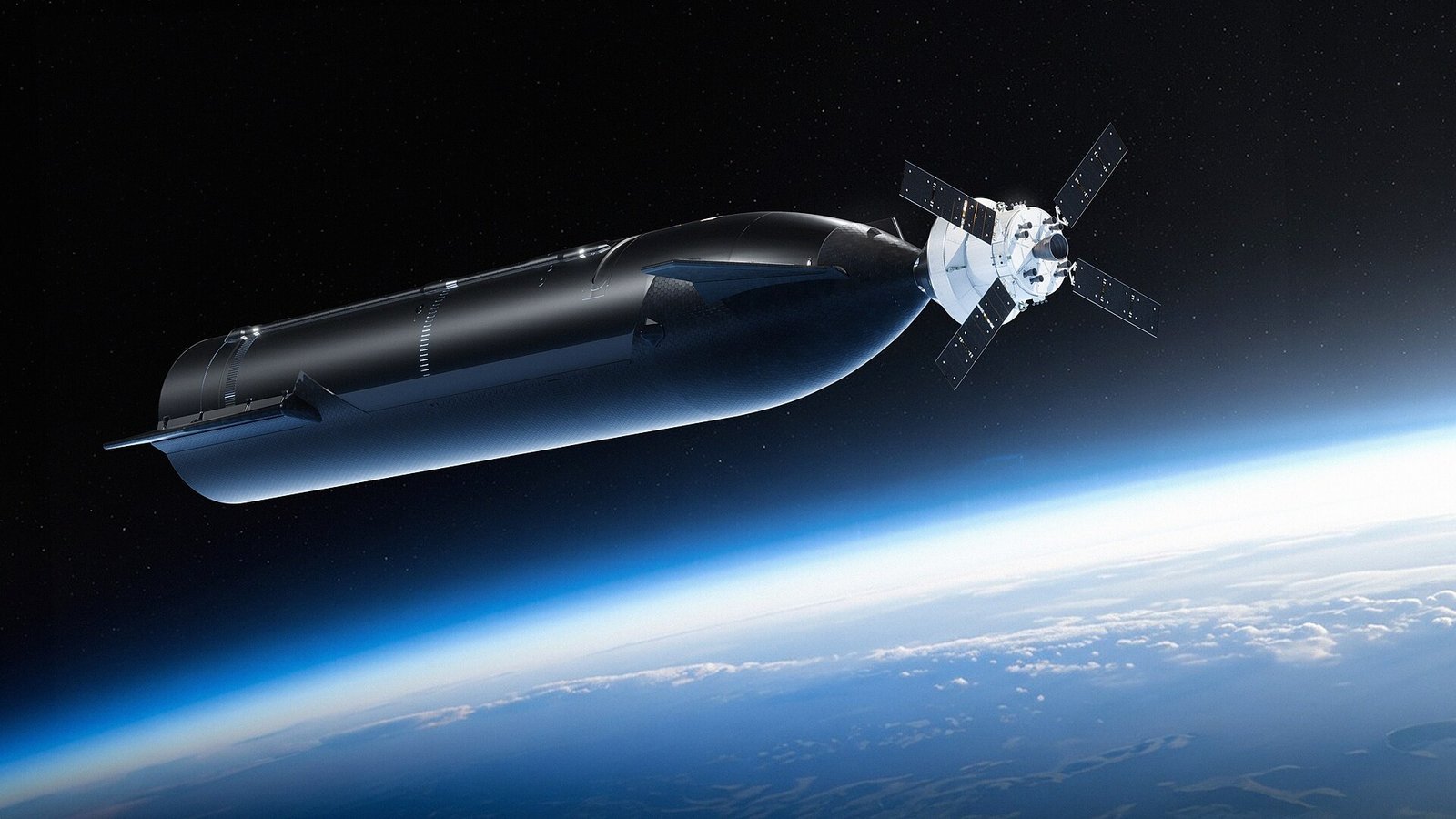 NASA's Orion Spacecraft Needs Major Modifications to Fly Backward with SpaceX Starship
-
 Iran Positions Oil Tankers at Kharg Island Amid Plans to Challenge US Naval Blockade
-
Two Injured in Bahrain After Iranian Attacks; Iran Claims Strike on US Patriot Radars
-
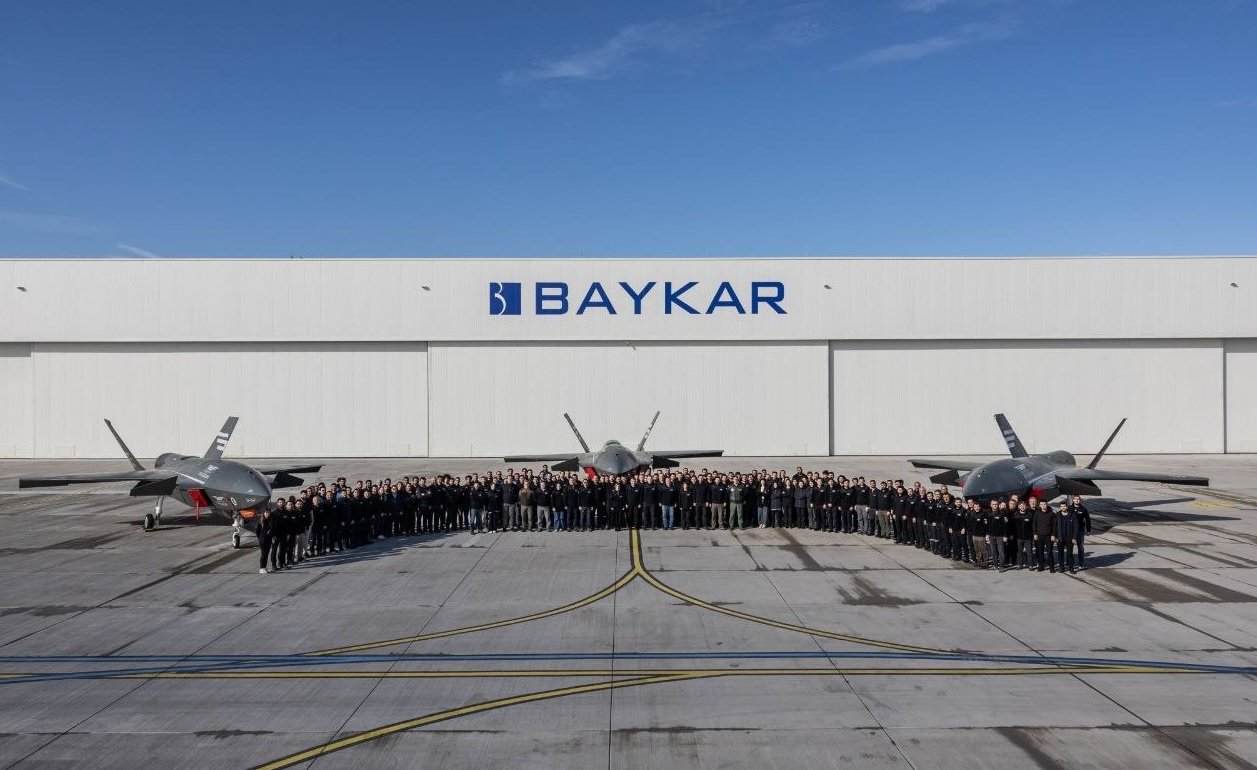 Baykar Delivers First Three Kizilelma Unmanned Fighter Jets to Turkish Forces
-
 Denmark's Parliament Unanimously Approves US-Greenland Defence Deal with 109–0 Vote, Restricting Russian and Chinese Military Presence
-
Russian Corvette Merkury Almost Certainly Destroyed in Benghazi Port Explosion
-
 IAF Issues RFI for 500 Indigenous ISR Drones for Surveillance and Electronic Intelligence, with Six-Hour Endurance
-
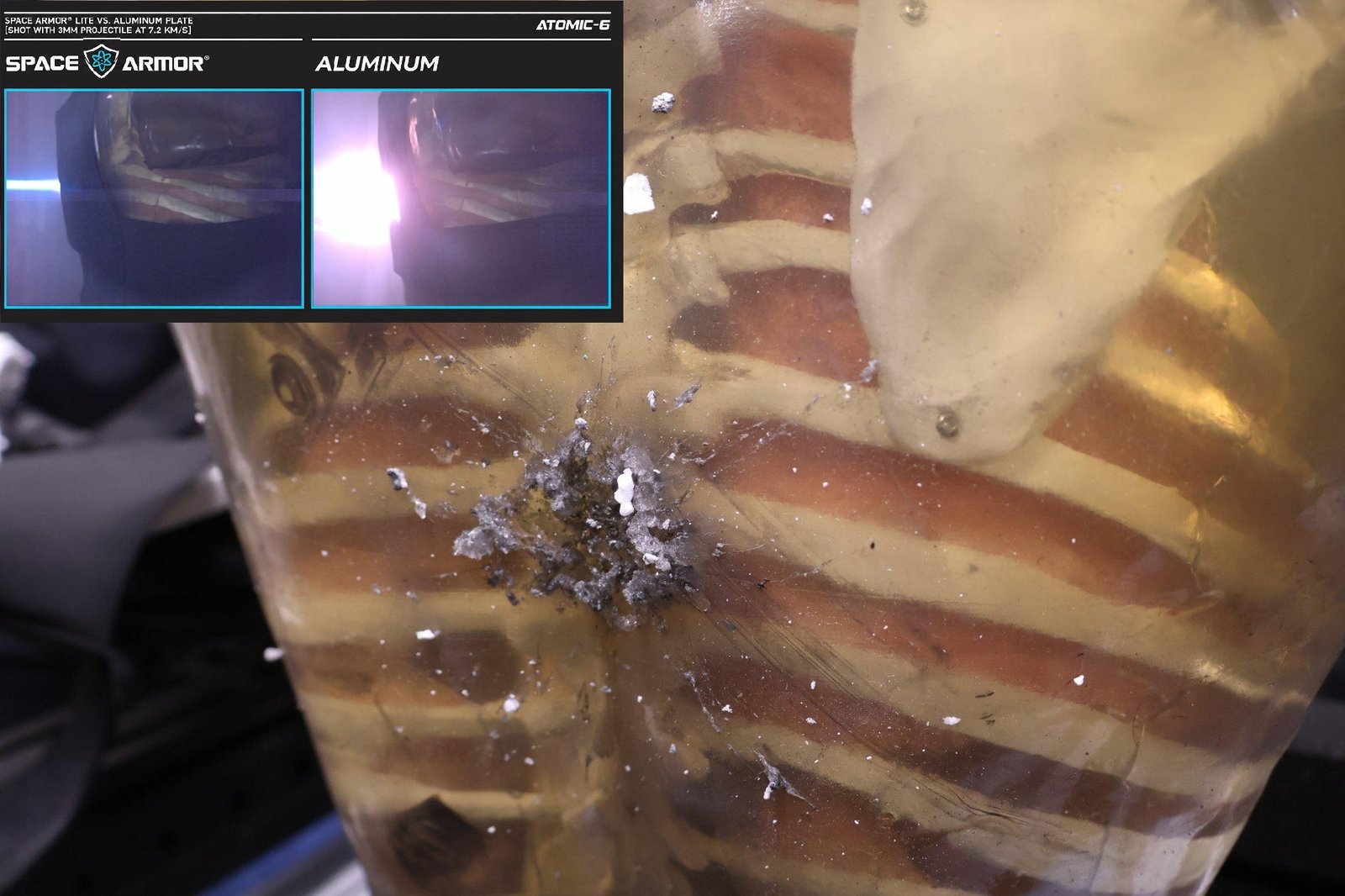 Atomic-6 Tests Composite Armor Against 16,100 MPH Space Debris for Astronaut Protection