
Space & Technology
OneWeb India has been granted authorization by the Indian National Space Promotion and Authorization Center (IN-SPACe) to launch Eutelsat OneWeb commercial satellite broadband services in India. This marks a significant milestone as OneWeb India becomes the first organization to receive such authorization, according to a statement by Eutelsat OneWeb, a low earth orbit (LEO) satellite operator and part of the Eutelsat Group.IN-SPACe, the government agency responsible for regulating space activities in India, is the authority behind this authorization. The approval allows Eutelsat OneWeb to initiate commercial connectivity services once the government allocates the necessary spectrum, as mentioned in the statement.Sunil Bharti Mittal, Chairman of Bharti Group and Vice-President (Co-Chair) of the Board of Directors of Eutelsat Group, expressed satisfaction with the approval, stating that it aligns with India goal of providing internet connectivity for all and supports the vision of Digital India outlined by the Honrable Prime Minister. Mittal mentioned that Eutelsat OneWeb is prepared to launch its satellite broadband services upon receiving the final spectrum authorization.Cyril Dujardin, Co-General Manager of Connectivity at Eutelsat Group, emphasized the company readiness to deliver high-speed connectivity to even the most remote locations in India. Having completed their low earth orbit (LEO) constellation the previous year, Eutelsat OneWeb is well-positioned to provide essential connectivity services to businesses across India.The approval adds to Eutelsat OneWeb established presence in the Indian market, where OneWeb India already holds licenses from the Department of Telecommunications to offer broadband services using satellite connectivity.AK Bhatt, Director General of the Indian Space Association (ISpA), welcomed the IN-SPACe authorization for OneWeb India, highlighting that it positions the company as the first to receive such approval. Bhatt expressed optimism that the government would soon decide on satellite spectrum allocation, paving the way for the next generation of satellite communications in India.Additionally, Eutelsat OneWeb has secured in-principle approval to establish and operate two gateways in Gujarat and Tamil Nadu. These gateways are expected to provide high-speed, low-latency internet connectivity to customers across India once the satellite services are rolled out.It worth noting that other major players, including Amazon, Reliance Jio satcom unit, and Elon Musk Starlink, are also seeking approvals to launch their commercial broadband-from-space services in India. IN-SPACe, GMPCS licenses, and spectrum allocation from the Department of Telecommunications are essential requirements for any entity offering satellite communication services in the country. While licenses and approvals make companies eligible to provide services, the actual allocation of spectrum is pending a government decision on the mechanism. The Eutelsat OneWeb group, formed through the merger of two satellite operators, boasts a comprehensive fleet of 37 geostationary satellites and an LEO constellation of over 600 satellites, making it the first fully integrated GEO-LEO satellite operator.
Read More → Posted on 2023-11-22 04:38:02
Space & Technology
On Wednesday, North Korea asserted its successful launch of a spy satellite into orbit, marking its third attempt this year and underscoring its commitment to establishing a space-based surveillance system amid ongoing tensions with the United States.Independently confirming North Korea claim proved challenging, yet the launch was expected to draw strong condemnation from the U.S. and its allies. The United Nations prohibits North Korea from engaging in satellite launches, viewing them as disguises for testing missile technology.According to North Korea space authorities, the Malligyong-1 satellite was placed into orbit on Tuesday night using a space launch vehicle. The statement highlighted leader Kim Jong Un direct observation of the launch and suggested that the spy satellite would enhance North Korea preparedness in response to perceived hostile military actions by rivals, with plans for additional launches in the near future.South Korea and Japan reported detecting the launch, prompting Japan to issue a J-Alert missile warning for Okinawa. South Korea military maintained readiness in close collaboration with the U.S. and Japan.Japanese Prime Minister Fumio Kishida condemned the launch, emphasizing that, despite North Korea labeling it a satellite, the use of ballistic missile technology violated U.N. Security Council resolutions, posing a serious threat to safety.North Korea pursuit of spy satellites aligns with leader Kim Jong Un goal of modernizing weaponry to counter perceived U.S. threats. Earlier launch attempts this year had faced technical difficulties, with the latest success potentially influenced by Russian technological assistance, as suggested by South Korean officials.Reports of a potential arms transfer deal between North Korea and Russia, involving conventional arms supplied by North Korea to replenish Russia ammunition stock, raised concerns. Both nations denied the allegations, which, if true, would violate U.N. bans on weapons trading with North Korea.The launch, seen as part of North Korea strategy prioritizing military capabilities, raised questions about the satellite actual reconnaissance functions and the extent of Russia involvement. Analysts suggested a shift in North Korea focus from diplomacy with the U.S. to closer alignment with Russia and China.North Korea persistent missile tests, nearing 100 since the previous year, aimed to establish a reliable nuclear weapons arsenal targeting the U.S. and its allies. The successful satellite launch hinted at advancements in missile capabilities, with implications for intercontinental ballistic missiles (ICBMs).South Korea hinted at the possible suspension of a 2018 inter-Korean agreement to reduce tensions, resuming aerial surveillance and firing exercises if North Korea proceeded with the launch. The U.S., South Korea, and Japan urged North Korea to cancel the launch, with Russia and China blocking Security Council responses to previous violations.Kim Jong Un sister criticized the U.N. Security Council as a political appendage of the U.S., accusing it of discriminatory actions. Previous satellite launches by North Korea had faced technical issues, and the Malligyong-1 satellite capability for military reconnaissance remained a subject of debate among experts.Despite uncertainties, Kim Jong Un expressed the need for multiple satellites to enhance observation capabilities. Additionally, Kim aimed to introduce advanced weapons, including mobile ICBMs, nuclear-powered submarines, and multi-warhead missiles, potentially leveraging an expanded arsenal for concessions in future diplomatic negotiations.In response, the U.S. and South Korea increased military exercises, showcasing strength with deployments such as the USS Carl Vinson aircraft carrier and its battle group to a South Korean port on Tuesday.
Read More → Posted on 2023-11-22 04:14:00
Space & Technology
In the pursuit of fossil fuels beneath northeastern France surface, scientists have stumbled upon a substantial reservoir of hydrogen, marking it as one of the largest caches of "white hydrogen" ever identified, estimated to range from 6 to 250 million metric tons, as reported by CNN.White hydrogen, also referred to as "natural," "gold," or "geologic" hydrogen, is a naturally occurring gas in the Earth crust and is recognized as a promising clean energy source.Discovery of White Hydrogen:Jacques Pironon and Phillipe De Donato, both directors of research at France National Centre of Scientific Research, uncovered this phenomenon while assessing methane levels in the subsoils of the Lorraine mining basin. Initially encountering low concentrations of hydrogen a few hundred meters down, the levels dramatically increased to 14% at 1,100 meters and 20% at 1,250 meters. This study unveiled a colossal reservoir of hydrogen, marking it as one of the most significant deposits of white hydrogen ever found.Nature and Utility of White Hydrogen:White hydrogen, a naturally occurring gas in the Earth crust, is a relatively recent discovery for scientists. Though hydrogen is the most abundant element in the universe, it usually exists combined with other molecules. Discovered in 2018 in a Mali well producing 98% hydrogen gas, deposits of white hydrogen have been identified globally, including in the US, eastern Europe, Russia, Australia, and now France. It believed that there could be tens of billions of tons of white hydrogen worldwide.Hydrogen is hailed as a potential clean energy source for various industries, such as aviation, shipping, and steel-making. When burned, hydrogen only produces water, making it a more environmentally friendly energy source compared to solar or wind energy.Significance of the Discovery:Traditionally, scientists believed that substantial quantities of hydrogen could only be produced in laboratories. Different types of hydrogen were categorized by colors based on their origin. For example, "gray" hydrogen is derived from methane gas, "brown" from coal, and "blue" hydrogen is similar to gray but with captured emissions. The eco-friendliest is "green" hydrogen, produced using renewable energy to split water. White hydrogen, being potentially abundant and untapped, emerges as a source of clean-burning energy without the need for energy-intensive processes. Moreover, the discovery proves that hydrogen can be found naturally.The clean energy source is not only environmentally friendly but also cost-effective, with the estimated cost of white hydrogen being around $1 per kilogram, in contrast to green hydrogen, which costs about $6 per kilogram, according to CNN.Global Hydrogen Use:Hydrogen is already integrated into new initiatives exploring green energy. For instance, Australia-based Gold Hydrogen is drilling in South Australia, targeting spots with high concentrations of hydrogen discovered in the state archives in the 1920s.In the US, companies like Koloma and Natural Hydrogen Energy are developing methods to extract hydrogen more efficiently using proprietary technologies and AI. Koloma has secured $91 million from investors, including Breakthrough Energy Ventures founded by Bill Gates, while Natural Hydrogen Energy completed a hydrogen borehole in Nebraska in 2019 with plans for new wells.
Read More → Posted on 2023-11-21 17:01:37
Space & Technology
In a groundbreaking discovery, astronomers studying Venus have directly identified atomic oxygen in the planet daytime atmosphere, a revelation that sheds light on the intricate dynamics of the Venusian atmosphere and its circulation patterns. While atomic oxygen had been previously detected on Venus nightside, this new daytime observation offers valuable insights, according to physicist Heinz-Wilhelm Hübers and his team from the German Aerospace Center.Venus, often dubbed Earth twin due to similarities in mass and composition, presents a stark contrast with its inhospitable environment. Shrouded in thick clouds primarily composed of carbon dioxide, Venus experiences extreme surface temperatures of around 464 degrees Celsius, accompanied by acid rain showers. The planet atmosphere exhibits rapid rotation, with winds reaching speeds exceeding 700 kilometers per hour—far surpassing Earth highest recorded wind speed.Scientists are intrigued by the stark differences between Venus and Earth, and delving into the mysteries of Venus could potentially unravel the evolutionary paths of these two neighboring planets. Questions about whether Venus diverged from a similar trajectory as Earth or was inherently different from the outset linger.Exploring the Venusian atmosphere, particularly through the study of atomic oxygen, offers a pathway to understanding the distinctions between Venus and Earth. Unlike the molecular oxygen we breathe (O2), atomic oxygen consists of lone oxygen atoms and is highly reactive, bonding easily with other atoms. On Earth, atomic oxygen is abundant at high altitudes, generated through the photodissociation of molecular oxygen.Similar processes are thought to occur on Venus, where sunlight triggers the photodissociation of carbon dioxide molecules, yielding atomic oxygen and carbon monoxide. As these atoms migrate to Venus nightside, they recombine into carbon dioxide, causing the planet to glow. The unique aspect of the recent discovery is the direct observation of atomic oxygen on the dayside of Venus.The research, conducted using data collected by the Stratospheric Observatory for Infrared Astronomy (SOFIA), revealed atomic oxygen at 17 locations on Venus—seven on the dayside, nine on the nightside, and one at the terminator. Concentrations peaked at an altitude of approximately 100 kilometers, situated between two dominant atmospheric circulation patterns on Venus.This newfound insight positions atomic oxygen as an untapped resource for investigating the transitional zone in Venus atmosphere. The researchers anticipate that future observations, especially near specific points on Venus, will provide a more detailed understanding of this peculiar region and support upcoming space missions to the planet.In the broader context of planetary atmospheres, comparing measurements of atomic oxygen in Earth and Mars atmospheres with those of Venus could contribute to enhancing our understanding of the divergent atmospheric compositions of these celestial bodies. The exploration of Venus, with its unique atmospheric characteristics, holds the promise of unlocking valuable clues about the evolution and divergence of planetary atmospheres within our solar system.
Read More → Posted on 2023-11-21 07:07:24
Space & Technology
Over the span of more than a decade, an Indian hack-for-hire group, Appin Software Security, engaged in extensive espionage, surveillance, and disruptive activities targeting the U.S., China, Myanmar, Pakistan, Kuwait, and other nations.Originally established as an educational startup providing offensive security training programs, Appin Security Group concurrently conducted covert hacking operations since at least 2009, as revealed in a comprehensive analysis by SentinelOne. The group activities came to light in May 2013 when ESET disclosed a series of cyber attacks on Pakistan involving information-stealing malware, attributed to a cluster known as Hangover (also identified as Patchwork or Zinc Emerson). Notably, evidence indicates that Appin owns and controls the infrastructure linked to Hangover.SentinelOne analysis suggests that Appin targeted high-profile individuals, governmental organizations, and businesses entangled in specific legal disputes. Despite the group operations appearing at times informal and technically crude, their impact proved substantial, influencing global affairs. Reuters obtained non-public data, exposing Appin involvement in large-scale data theft attacks against political leaders, international executives, sports figures, and others. In response, Appin has denied any connection to the hack-for-hire business.A key service offered by Appin was the "MyCommando" tool, allowing customers to log in, view and download campaign-specific data, communicate securely, and choose from various task options, ranging from open-source research to social engineering and trojan campaigns.The revelation that Appin targeted China and Pakistan suggests the involvement of an Indian-origin mercenary group in state-sponsored attacks. The group was also identified as the creator of the macOS spyware known as KitM in 2013.SentinelOne findings further indicate domestic targeting, with Appin attempting to steal login credentials of email accounts belonging to Sikhs in India and the U.S. The group used various tactics, including leveraging a California-based freelancing platform (formerly Elance, now Upwork) to purchase malware from external developers, alongside developing an in-house collection of hacking tools.Appin tenacity is underscored by its reliance on a vast infrastructure for data exfiltration, command-and-control, phishing, and decoy site setup. Additionally, the group utilized spyware and exploit services from private vendors such as Vervata, Vupen, and Core Security.In light of recent developments, the global landscape of hack-for-hire activities is being scrutinized, exemplified by the sentencing of Israeli private investigator Aviram Azari, who operated a hack-for-hire scheme using mercenary hackers in India. The scheme aimed to manipulate court battles through spear-phishing attacks, gaining unauthorized access to victims accounts and stealing sensitive information. Azari was sentenced to nearly seven years in federal prison for computer intrusion, wire fraud, and aggravated identity theft.
Read More → Posted on 2023-11-20 16:45:01
Space & Technology
Europe finds itself lagging behind China and India in the ongoing space race, prompting concerns among experts about its future access to space. The European Space Agency (ESA) had set an ambitious target to launch a return cargo mission to the International Space Station (ISS) by 2028, but this objective is now in jeopardy. China and India have established substantial leads in space exploration, outpacing Europe, and continue to pour significant investments into their respective space programs.Industry insiders are urging Europe to take decisive action to keep pace with its competitors. They advocate for a substantial increase in funding for the ESA and a stronger commitment from European governments to collaborate on space initiatives.Described as being at a "crossroads," Europe faces the risk of falling behind if immediate action is not taken, according to experts. The ESA current annual budget stands at approximately €7 billion, a mere fraction of the financial resources allocated by China and India to their space endeavors. China estimated space budget is around €30 billion per year, while India allocates approximately €10 billion annually.To narrow the gap, Europe is advised to boost its space budget to around €20 billion per year. This increase would enable the ESA to invest in cutting-edge technologies and enhance its capabilities.Collaboration among European governments on space projects is also emphasized. The ESA, currently operating on a voluntary basis, faces challenges as member states are not consistently willing to share technology or funding. Overcoming these obstacles is crucial for Europe to retain its leadership in space exploration.Beyond financial concerns, Europe confronts a shortage of skilled workers in the space industry. The ESA estimates a need to hire an additional 20,000 engineers and scientists by 2030 to meet its goals.Europe challenges in the space industry are not unique, as the United States also grapples with keeping pace with China. Technical issues and budget cuts have plagued the U.S. space program in recent years, adding to the uncertainties surrounding the future of space exploration.In this competitive landscape, the countries that invest the most and collaborate effectively are poised to emerge as leaders in the ongoing space exploration endeavors.
Read More → Posted on 2023-11-20 03:17:05
Space & Technology
Meta Platforms announced on Saturday that it is redistributing its Responsible AI team members across various departments within the company, emphasizing their continued commitment to addressing potential harms associated with artificial intelligence.According to a spokesperson from Meta, the parent company of Facebook, the decision is aimed at bringing the Responsible AI team closer to the development of core products and technologies. The majority of team members will transition to working on generative AI, actively contributing to ongoing initiatives related to responsible AI development and usage across Meta platforms.Additionally, some team members will be integrated into AI infrastructure projects. Meta stated that these changes are part of the company ongoing efforts to prioritize and invest in the safe and responsible development of AI. The spokesperson highlighted that these adjustments will enhance Meta ability to scale and meet future needs in the rapidly evolving landscape of artificial intelligence.The move comes after The Information initially reported on the restructuring. In October, Meta introduced generative artificial intelligence tools, designed to enable advertisers to generate content such as image backgrounds and diverse variations of written text.Meta existing AI product lineup features notable components such as the language model "Llama 2" and an AI chatbot known as Meta AI, capable of generating text responses and producing photo-realistic images. The company remains committed to advancing these technologies while ensuring their responsible and ethical use.
Read More → Posted on 2023-11-19 03:57:50
Space & Technology
On Saturday, SpaceX achieved significant milestones in the development of its Starship rocket during its second test flight, marking a momentous step forward for Elon Musk space exploration company.Taking off from SpaceX Texas facility at around 8 a.m. ET, the Starship rocket soared for over seven minutes, successfully detaching from its booster before a deliberate mid-flight destruction initiated by the onboard system. Notably, no individuals were on board for this test flight.John Insprucker, SpaceX principal integration engineer, noted that the Automated Flight Termination System on the second stage appeared to trigger late in the burn, leading to the loss of data from the second stage. The intentional destruction, a safety measure in rockets, occurred at an altitude of approximately 148 kilometers, nearly half the orbit of the International Space Station.The planned trajectory involved flying Starship most of the way around Earth, with a re-entry into the atmosphere and a splashdown off the coast of Kauai, Hawaii. Despite the premature end to the flight, SpaceX deemed it an "incredibly successful day."Following the incident, the Federal Aviation Administration (FAA) announced its standard mishap investigation into the flight. This regulatory procedure is customary after rocket launch failures, and corrective actions may be required before SpaceX can proceed with another Starship launch. The FAA confirmed no injuries or property damage during the incident.NASA Administrator Bill Nelson acknowledged SpaceX progress, stating, "Spaceflight is a bold adventure demanding a can-do spirit and daring innovation. Today test is an opportunity to learn—then fly again."Starship, standing as the tallest and most powerful rocket ever launched, consists of the 397-foot-tall fully stacked Starship atop the 232-foot-tall Super Heavy booster. The system, designed for reusability, utilizes liquid oxygen and liquid methane, requiring over 10 million pounds of propellant for launch.The Starship system holds strategic importance for NASA lunar exploration plans, with SpaceX securing a multibillion-dollar contract to deploy Starship as a crewed lunar lander as part of the Artemis moon program. The company envisions spending approximately $2 billion on Starship development this year.During this second flight attempt, SpaceX aimed to exceed the nearly four-minute flight of the initial launch, reach space, and showcase improvements to ground infrastructure and rocket design. Upgrades were implemented to address engine issues and communication delays experienced in the debut attempt back in April.
Read More → Posted on 2023-11-18 17:25:19Space & Technology
As per NASA officials, the launch of the NASA-ISRO Synthetic Aperture Radar (NISAR) is scheduled for the first quarter of 2024 after undergoing initial tests, with a focus on vibration-related assessments. Phil Barela, the NASA NISAR Project Manager, mentioned during a media briefing, "ISRO is projecting the first quarter of next year. So, I mean, that is ready."The NISAR mission, a collaborative effort between NASA and ISRO, aims to monitor Earth evolving ecosystems, dynamic surfaces, and ice masses. It will offer valuable insights into biomass, natural hazards, sea level rise, groundwater, and various other applications.NISAR is designed to observe the Earth land and ice-covered surfaces globally with a regularity of every 12 days on ascending and descending passes. This means it will capture data on average every 6 days throughout its baseline 3-year mission.In this partnership, NASA contributions include the mission L-band synthetic aperture radar (SAR), a high-rate telecommunication subsystem for scientific data GPS receivers, a solid-state recorder, and a payload data subsystem. On the other hand, ISRO will provide the satellite bus, an S-band synthetic aperture radar (SAR), the launch vehicle, and associated launch services. The collaboration is poised to enhance our understanding of Earth various facets through advanced remote sensing capabilities.
Read More → Posted on 2023-11-18 04:06:23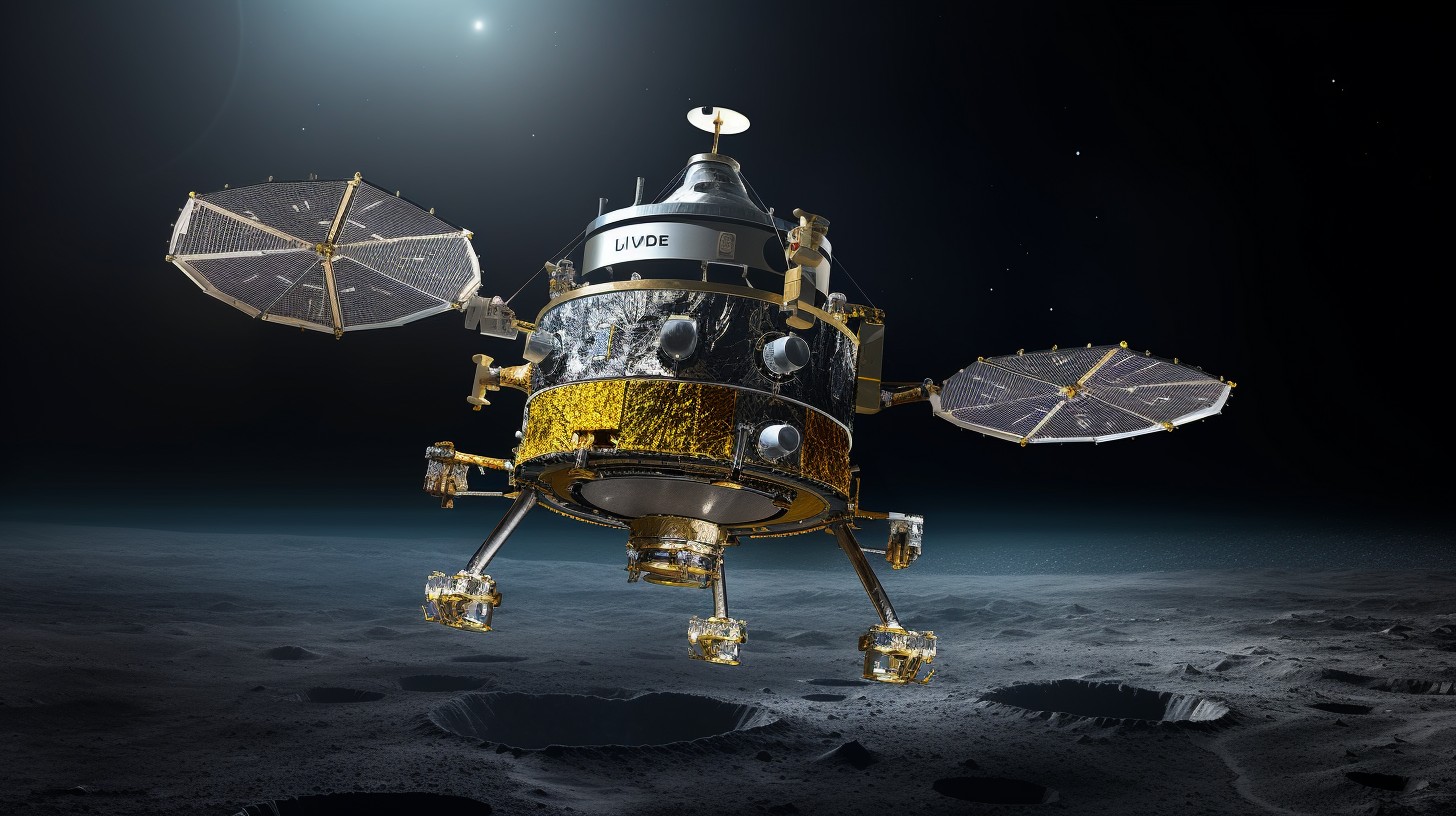
Space & Technology
In the wake of the successful soft-landing of the Chandrayaan-3 lander on the Moon, the Indian Space Research Organisation (ISRO) has shifted its focus to two upcoming lunar exploration missions. Nilesh Desai, Director of the Space Applications Centre (SAC/ISRO) in Ahmedabad, provided insights into these ambitious projects—LuPEx and Chandrayaan-4.Addressing a gathering during the 62nd foundation day celebration of the Indian Institute of Tropical Meteorology in Pune, Desai highlighted the objectives of the missions. LuPEx aims to land substantial 350 kg landers on the 90-degree (darker side) of the moon, employing precise landing technology for observational purposes. In contrast, Chandrayaan-4 is designed for a sample return mission.Desai expressed the challenges and advancements involved in these missions, particularly emphasizing the goal of achieving a precise landing on the rim of a crater at a 90-degree angle with a 350 kg rover. Comparing it to the previous Chandrayaan-3 mission, he emphasized the increased complexity and duration, with the forthcoming mission lasting for seven lunar days, equivalent to almost 100 earth days.Regarding Chandrayaan-4, Desai revealed plans for a lunar sample return mission. The mission involves landing on the lunar surface and returning with soil and rock samples. The landing process is similar to Chandrayaan-3, but with a unique twist—the central module will return after docking with the orbiting module, separating near the earth atmosphere, and the re-entry module will bring back lunar samples.Desai shed light on the technical aspects, mentioning the need for two launch vehicles to accommodate the four modules (Transfer module, Lander Module, Ascender Module, and Re-entry module). The Re-entry and Transfer modules would be parked in lunar orbit, while the Ascender Module would descend to collect the lunar sample. Desai assured that the plans are currently on paper, and ISRO is actively working on the required technology.Presently, ISRO is gearing up for its next collaborative space venture with the Japanese space agency, JAXA, named LuPEX (Lunar Polar Exploration). The successful soft landing of Chandrayaan-3 marked a significant achievement for India, making it the fourth country, after the US, China, and Russia, to successfully land on the moon surface.Following the Chandrayaan-3 mission, India also launched its maiden solar mission, Aditya-L1, on September 2. The spacecraft has undergone successful maneuvers, escaping Earth influence and progressing in its journey. With these milestones, ISRO is advancing its capabilities and setting ambitious goals for lunar exploration in the coming years.
Read More → Posted on 2023-11-17 14:44:15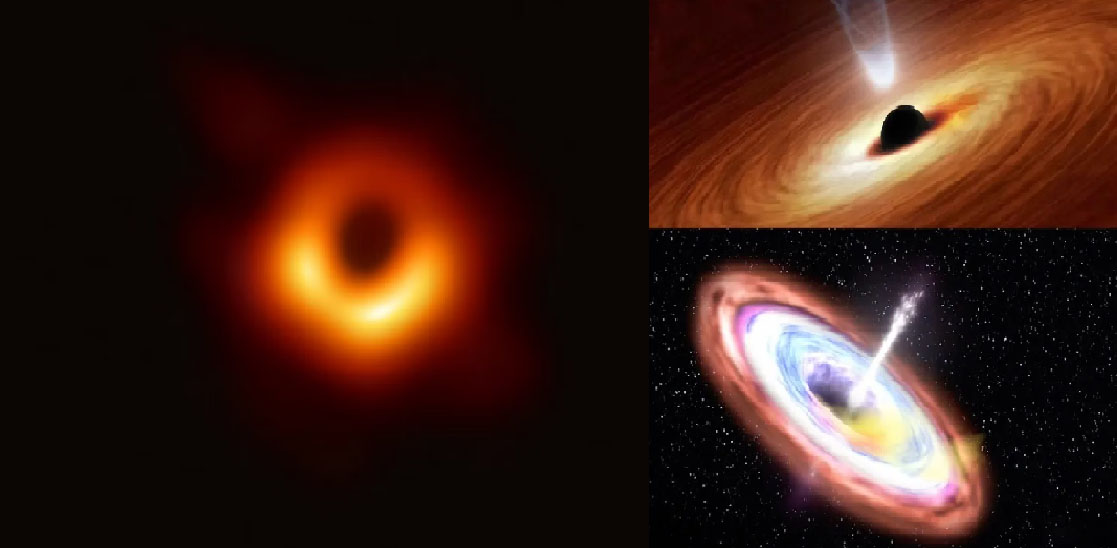
Space & Technology
In a groundbreaking development, scientists from the Indian Institute of Technology, Guwahati (IIT Guwahati), in collaboration with the UR Rao Satellite Centre of the Indian Space Research Organisation, have successfully detected polarized emissions from a black hole source located beyond our Milky Way Galaxy. This significant achievement was made possible through the application of X-ray polarimetry, a specialized observational technique.Professor Santabrata Das, from the Department of Physics at IIT Guwahati, explained the uniqueness of X-ray polarimetry in identifying the origin of radiation near black holes. The focus of their study was on LMC X-3, a binary star system comprised of a black hole and a "normal" star that surpasses the Sun in terms of temperature, size, and mass. This celestial system is situated in a satellite galaxy of our Milky Way, approximately 200,000 light-years away from Earth.LMC X-3 has been under observation since its discovery in 1971, with various satellites capturing its phenomena. The emitted X-rays from LMC X-3 are remarkably potent, being 10,000 times more powerful than those from the Sun. When these intense X-rays interact with the surrounding material near black holes, particularly through scattering, they undergo changes in polarization characteristics, such as degree and angle. This alteration aids researchers in comprehending the gravitational forces at play and how matter is drawn towards black holes.Dr. Anuj Nandi, a scientist from the UR Rao Satellite Centre, ISRO, highlighted that intense gravitational fields can polarize the emitted light from black holes. The observations suggest that LMC X-3 likely hosts a black hole with a low rotation rate, surrounded by a slim disc structure responsible for the polarized emissions.The findings of this groundbreaking study have been published in the Monthly Notices of the Royal Astronomical Society Letters, providing a new avenue for investigating and understanding the nature of astrophysical black hole sources. The research was funded by the Science and Engineering Research Board (SERB) under the Department of Science and Technology in India.
Read More → Posted on 2023-11-17 14:25:05
Space & Technology
ISRO and JAXA, the Indian Space Agency and Japan Space Agency, have joined forces for an upcoming lunar exploration endeavor scheduled for launch in 2026. Termed the Lunar Polar Exploration Mission (Lupex) and Chandrayaan-4, this collaborative effort stems from an Implementation Arrangement signed by ISRO in December 2017, focusing on pre-phase A and phase A studies. The feasibility report, completed in March 2018, emerged from a collaborative initiative with the Japan Aerospace Exploration Agency, with the primary goal of investigating water sources on the Moon, initially identified by ISRO Chandrayaan-1 mission through observational data.The Chandrayaan-4 mission aims to deploy an unmanned lunar lander and rover to investigate the southern pole region of the Moon. The H3 launch vehicle, currently in construction by the Japan Aerospace Exploration Agency, will facilitate the launch of Chandrayaan-4. The H3 Launch Vehicle boasts a payload capacity of 4,000 kg to Sun-synchronous orbit (SSO), 7,900 kg to Geostationary Transfer Orbit (GTO), and 28,300 kg to low Earth orbit. Employing liquid-propellant rockets with strap-on solid rocket boosters, the first launch attempt on March 7, 2023, unfortunately, resulted in failure, with a cost per launch estimated at $50 million.Chandrayaan-4 total payload mass for the mission, comprising the lander and rover, is expected to be 350 kg, and the mission duration is slated for six months. The rover will carry diverse payloads from JAXA and ISRO, featuring a 1.5-meter drill designed to explore the lunar surface. This drill will heat lunar material, measuring changes in mass while identifying volatiles within the material. The mission overarching objective is to assess the actual quantity of water in the Moon south pole region through a combination of observational data, in situ experiments, and ground truth data. This comprehensive study aims to inform future lunar colonies, determining the extent to which water can be sourced locally on the Moon versus being transported from Earth.
Read More → Posted on 2023-11-14 16:37:50
Space & Technology
Aevum, a US-based provider of comprehensive space logistics and autonomous launch services for both government and commercial customers, is developing Ravn X, a next-generation Autonomous Launch Vehicle (AuLV). The Ravn launch vehicle concept was introduced by the founder, Jay Skylus, in 2011, marking the inception of a groundbreaking project.Designed to efficiently transport satellites to space, Ravn X stands out as the world largest unmanned aircraft system by mass and the only small launch vehicle built from the ground up with reusability in mind. With a remarkable turnaround time of just 180 minutes and zero risk to human lives, Ravn X caters to the demands of time-sensitive missions.The AuLV is specifically crafted to carry payloads ranging from 100 to 500 kilograms to low Earth orbit, making it a versatile option for launching various payloads, including satellites, scientific instruments, and small spacecraft. Its dimensions include a length of 80 feet, a wingspan of 60 feet, and a gross takeoff weight of 24,948 kilograms. Capable of reaching speeds of 925 km/h and ascending to an altitude of 60,000 feet, Ravn X exemplifies cutting-edge technology in the field of space transportation.Powered by a hybrid rocket engine utilizing jet fuel and liquid oxygen, Ravn X follows a three-stage launch sequence. The first stage, completely autonomous and reusable, elevates the payload to an altitude of 60,000 feet. Subsequent rocket stages, also powered by the same engine, propel the payload to low Earth orbit, where it is precisely placed. Notably, Ravn X achieves a 70% reusability of the complete system, with expectations to increase this figure to 95% in the future.The launch infrastructure for Ravn X involves a 1-mile long runway and an 8,000 ft² hangar dedicated to satellite lift operations. Anticipated to be operational in 2023, Ravn X is designed to serve both government and commercial customers. Aevum has already secured a contract with the US Space Force, with Ravn X slated for its first mission—the ASLON-45 mission, a $5 million contract testing the company capability to launch a payload in 24 hours or less.Aevum involvement in the Orbital Services Program-4, a Department of Defense initiative utilizing the commercial launch market for small payloads, further underscores the significance of Ravn X in advancing space launch capabilities. The company was one of eight entities awarded a $986 million indefinite delivery, indefinite quantity contract, reaffirming its pivotal role in shaping the future of autonomous launch services.
Read More → Posted on 2023-11-14 16:22:18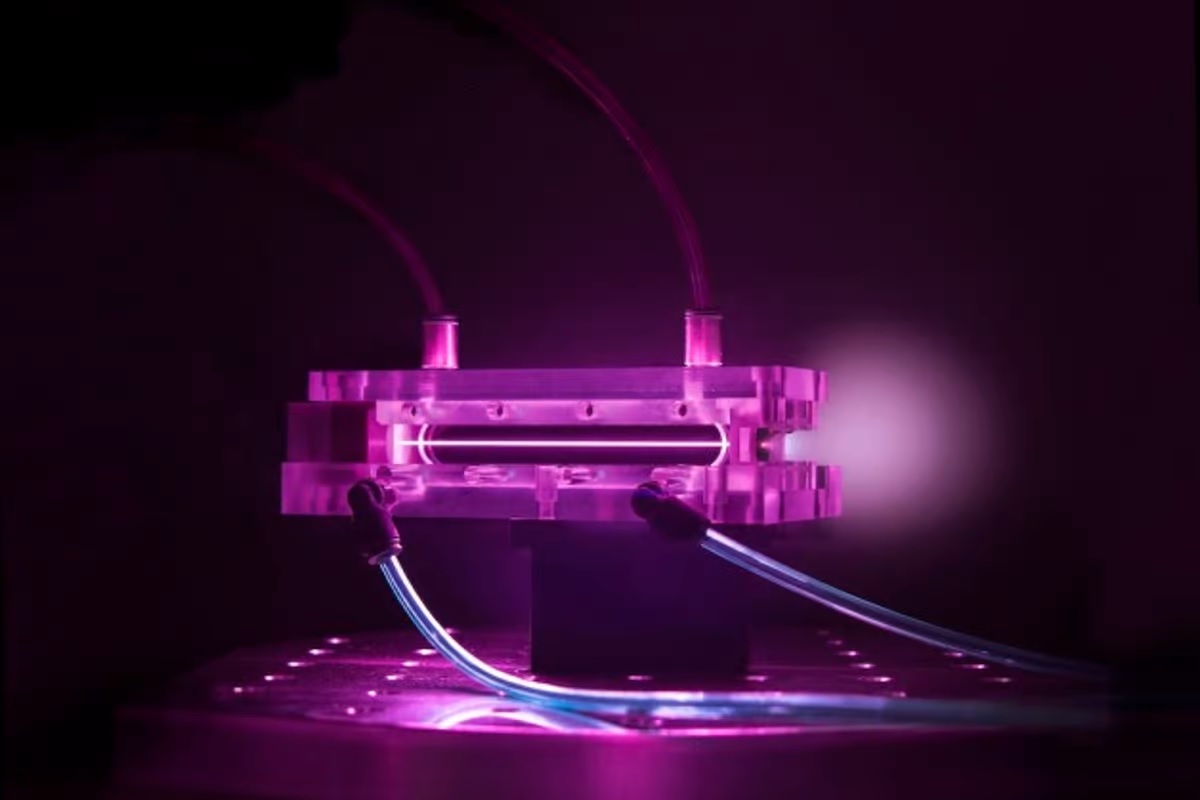
Space & Technology
Scientists recently fired up the world smallest particle accelerator for the first time. The tiny technological triumph, could open the door to a wide range of applications, including using the teensy particle accelerators inside human patients. This particle accelerator is known as a nanophotonic electron accelerator. Nanophotonic electron accelerator is the world smallest particle accelerator. which is developed by researchers at the Friedrich-Alexander University of Erlangen-Nuremberg (FAU) in Germany. It is so small that it can fit on a coin. They can accelerate electrons to energies of up to 40.7 keV, which is enough to penetrate thin materials.It consists of a small microchip that houses an even smaller vacuum tube made up of thousands of individual "pillars." Researchers can accelerate electrons by firing mini laser beams at these pillars. NEAs are much smaller and less expensive than traditional particle accelerators, and they are also more efficient. According to the National Nanotechnology Institute, the inside of the tiny tunnel is only around 225 nanometers wide.Nanophotonic electron accelerator tube is approximately 0.02 inch means (0.5 millimeter) long, which is 54 million times shorter than the 27 kilometers long ring that makes up CERN Large Hadron Collider in Switzerland the world largest and most powerful particle accelerator, which has discovered a range of new particles including the Higgs boson or God particle, ghostly neutrinos, the charm meson and the mysterious X particle. The Large Hadron Collider uses more than 9,000 magnets to create a magnetic field that accelerates particles to around 99.9% of the speed of light. The Nanophotonic electron accelerator also creates a magnetic field, but it works by firing light beams at the pillars in the vacuum tube; this amplifies the energy in just the right way, but the resulting energy field is much weaker. The electrons accelerated by Nanophotonic electron accelerator only have around a millionth of the energy that particles accelerated by the Large Hadron Collider have . Nanophotonic electron accelerator are still in their early stages of development, but they have the potential to revolutionize a wide range of fields, including medicine, materials science, security, and electronics. The researchers believe they can improve the NEA design by using alternative materials or stacking multiple tubes next to one another, which could further accelerate the particles. Still, they will never reach anywhere near the same energy levels as the big colliders.Here are some potential applications of NEA: Medicine: NEA could be used to develop new cancer treatments and medical imaging devices. For example, NEA could be used to deliver targeted radiation therapy to tumors or to develop new types of contrast agents for MRI scans Materials science: NEA could be used to study new materials and develop new manufacturing processes. For example, NEA could be used to study the properties of new materials or to develop new methods for etching and depositing materials. Security: NEAs could be used to develop new security screening and detection devices. For example, NEAs could be used to develop new types of X-ray scanners or to detect explosives and other hazardous materials. Electronics: NEAs could be used to develop new types of electronic devices, such as faster and more energy-efficient transistors. NEAs are a promising new technology with the potential to have a major impact on society.
Read More → Posted on 2023-11-01 19:00:56Search
Top Trending in 24 Hours
-
 European Union Pays €7.88 Billion for Russian LNG in 2026 as Imports Rise Despite Sanctions
-
 Trump Announces Agreement with Russia to Supply Millions of Tonnes of Diesel to US and Global Markets
-
 Russia Unveils DF-3 Gadyuka Reusable Interceptor Drone Designed to Counter 20 UAVs per Sortie
-
 U.S. Army’s AI Warfare Push Faces Challenges During California Desert Exercise
-
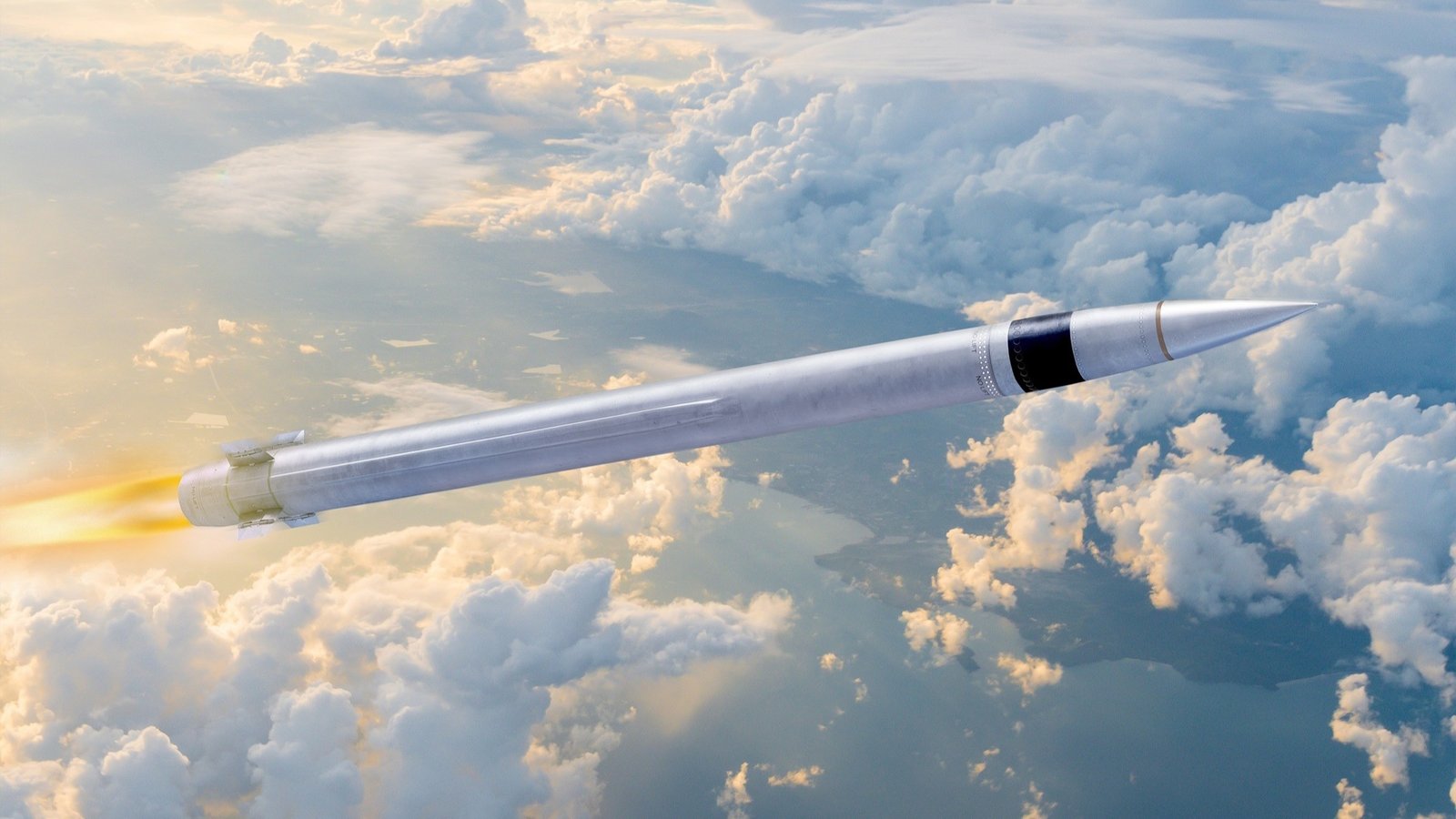 Lockheed Martin Unveils PAC-3 Edge Interceptor to Counter Hypersonic Threats for U.S. Army
-
 IAF Chief Clarifies No US Offer for F-35 Jets, Russian Su-57 Proposal Awaits Government Decision
-
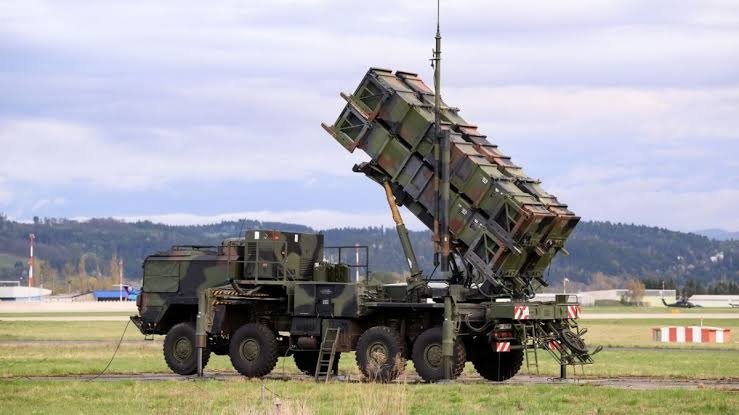 NATO and EU Urge Greece and Spain to Transfer Expiring Patriot Missiles to Ukraine
-
 Overland AI Unveils IBEX Autonomous Ground Vehicle for U.S. Marine Corps
Top Trending in 4 Days
-
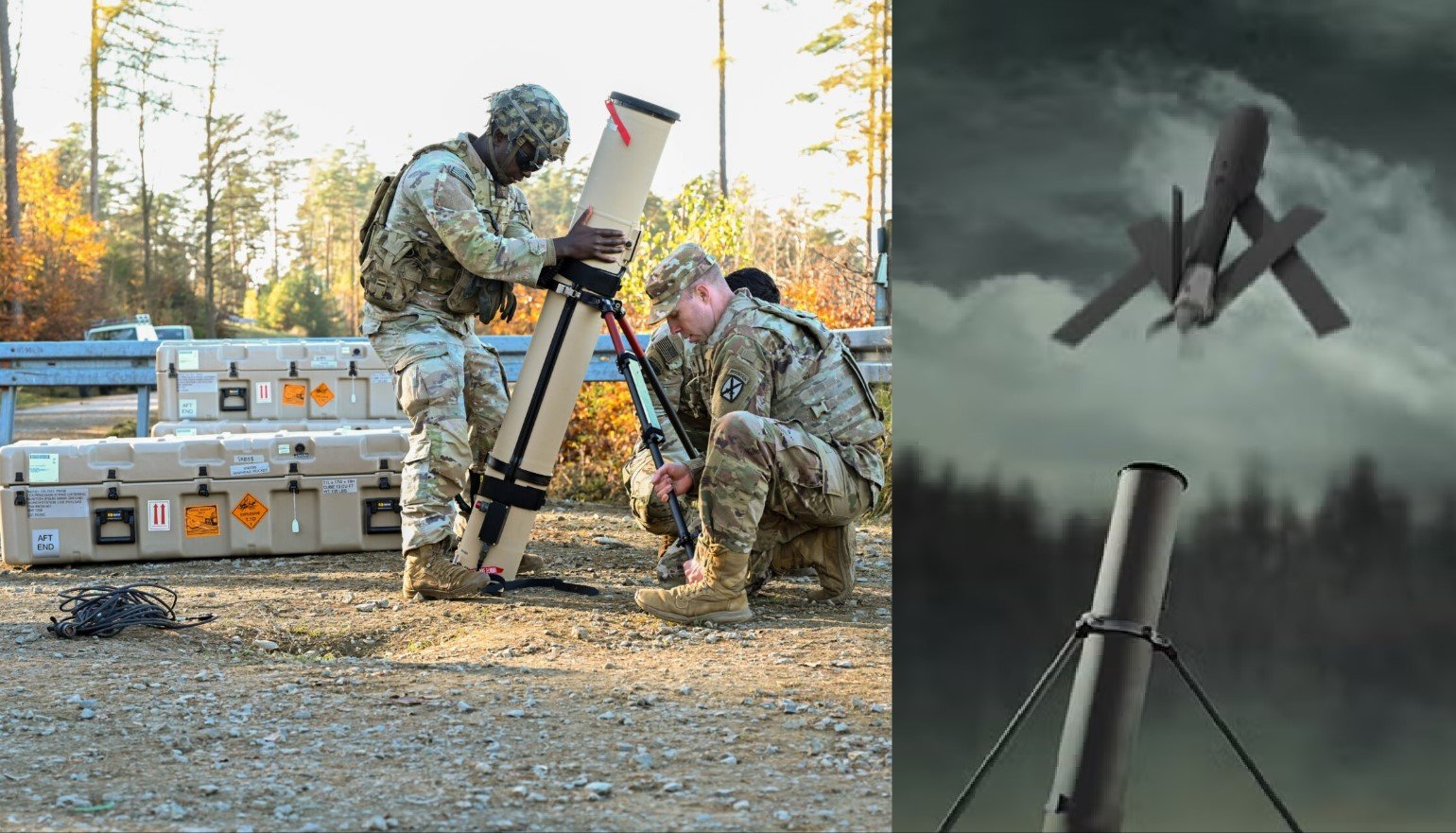 Lithuania Receives First Batch of U.S.-Made Switchblade 600 Loitering Munitions
-
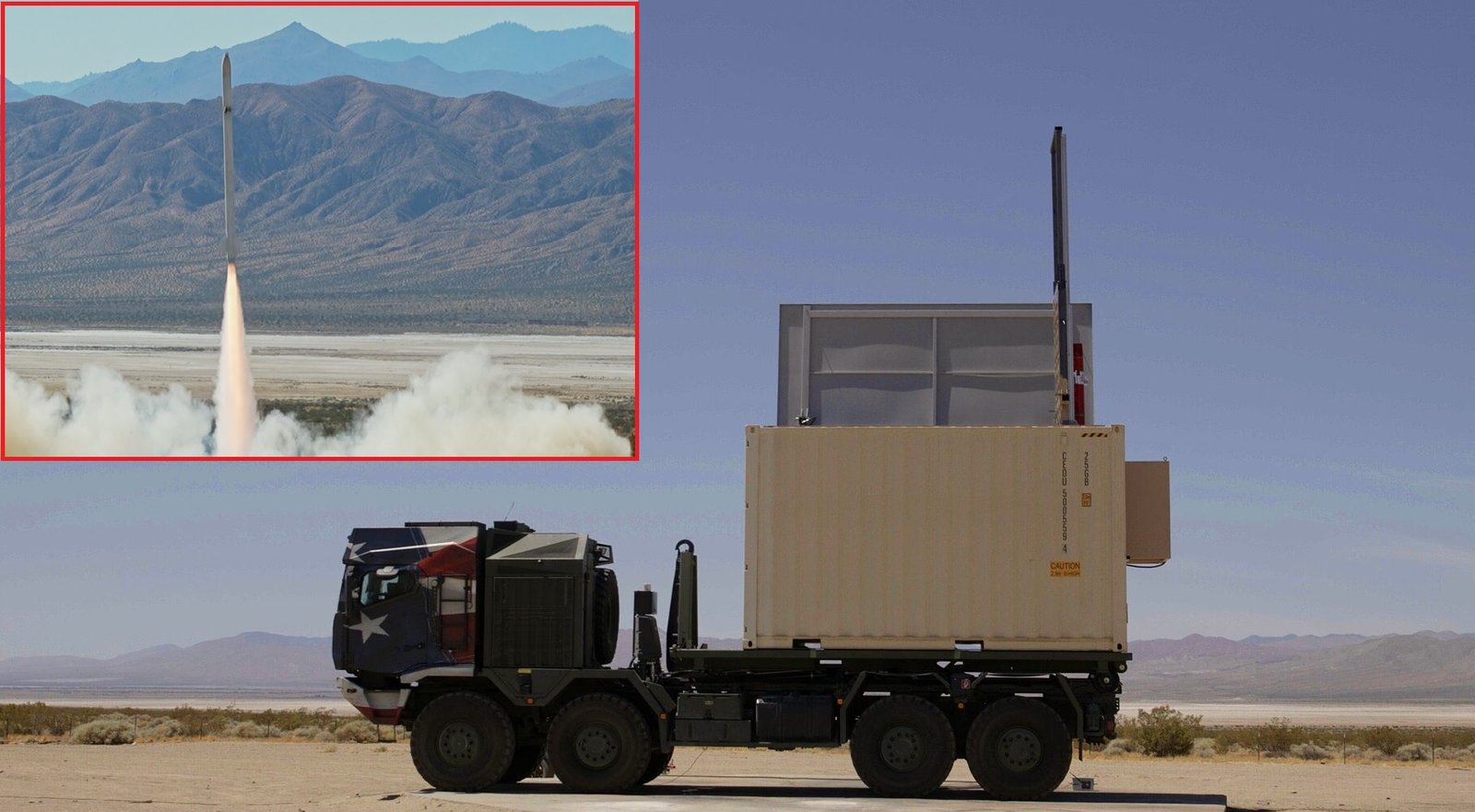 Furientis Secures $25 Million Funding and Department of War Contract for 100-Mile Interceptor
-
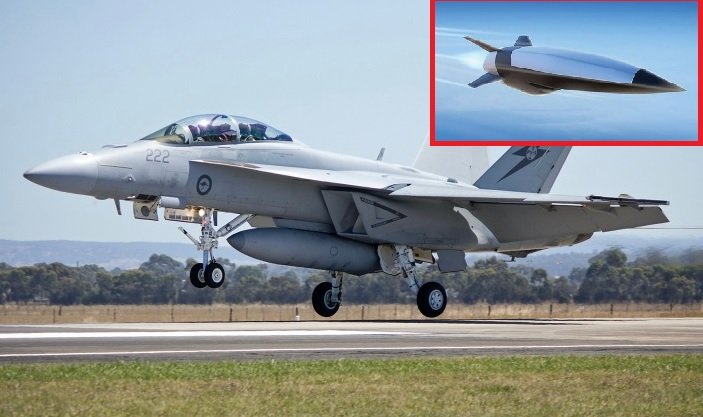 U.S. Air Force Conducts First Hypersonic Attack Cruise Missile Test in Australia
-
 Polish Satellite Images Reveal Likely Nuclear Reactor Compartments on China’s New Aircraft Carrier
-
 Raytheon Wins Up to $6.3 Billion Contract for SM-3 Block IB Interceptors
-
 Pakistan Denies Report of PAF Strikes on Houthis as Mecca Defence Pact Is Activated
-
 Anduril to Build $6.6 Billion Software-Defined Shipyard in Maryland for Virginia-Class Submarine Components
-
 Thales Australia and 3ME Technology Unveil BladeHAUL XL-UGV at Land Forces 2026