BERLIN — May 9, 2026 : Russian Ambassador to Germany Sergey Nechaev has stated that Moscow has no intention of attacking NATO or any member state of the alliance, while warning that any attack on Russia by NATO would trigger a serious response.
In remarks published on May 8, Nechaev dismissed claims that Russia is preparing for war with NATO, calling such speculation unfounded.
“No one is planning to attack NATO,” Nechaev said, adding that suggestions Russia intends to go to war with NATO countries are “nonsense.”
At the same time, the Russian ambassador warned that if NATO were to attack Russia, “it will be serious,” reflecting Moscow’s continued opposition to NATO’s military posture in Europe.
Criticism of European Military Preparations
Nechaev criticised what he described as the growing militarisation of Europe and the lack of political dialogue between Russia and European countries. He pointed to discussions in German political and defence circles that reference the possibility of a future conflict with Russia around 2029–2030.
According to the ambassador, such reports are creating concern in Russia and are negatively affecting relations between Moscow and Berlin. He said the developments do not support efforts toward a peaceful settlement of the conflict in Ukraine.
German defence planning has increasingly focused on long-term military preparedness. General Carsten Breuer, Chief of Defence of the Bundeswehr, has previously stated that Germany must be prepared for a potential Russian threat by 2029. Germany has also been developing a national wartime preparedness strategy known as “OPLAN DEU,” aimed at strengthening readiness in the event of a major NATO-related conflict.
Concerns Over Weapons Deliveries to Ukraine
The ambassador also criticised continued Western military assistance to Ukraine, describing ongoing weapons deliveries as part of a broader process of militarisation across Europe.
Nechaev’s remarks come amid continuing diplomatic tensions between Russia and Germany over Berlin’s support for Kyiv. In April 2026, Germany’s Foreign Ministry summoned the Russian ambassador following statements and actions from Russian officials that German authorities viewed as threats directed at targets on German territory.
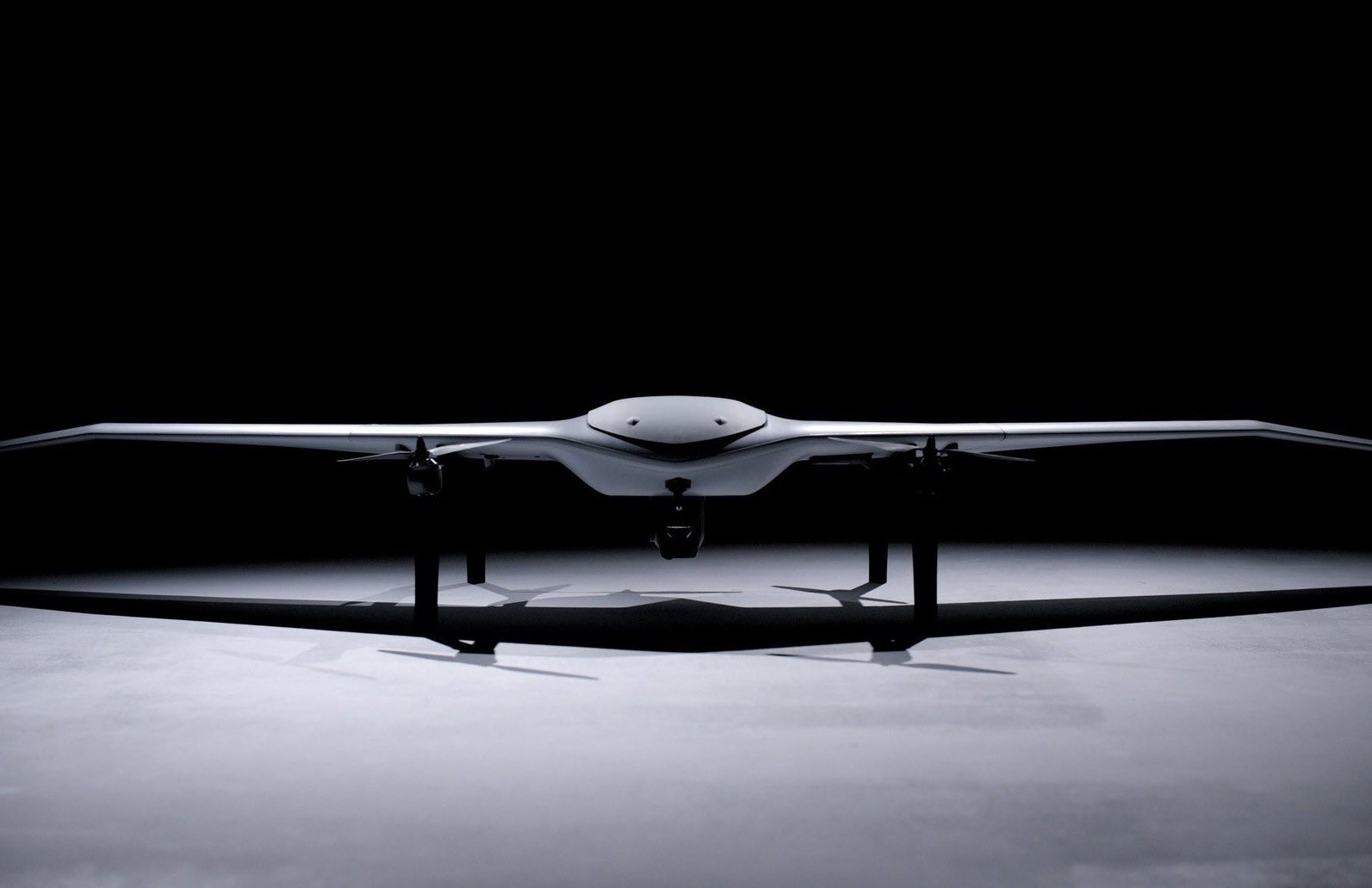
The diplomatic dispute followed reports linked to Russia’s publication of information concerning European companies involved in the production of military drones and equipment supplied to Ukraine.
Statements Circulated in Russian Media
Russian state media and social media platforms widely circulated Nechaev’s latest comments. Some reports were accompanied by archival footage showing Russian naval exercises and military drills involving Russia and China.
Nechaev has served as Russia’s ambassador to Germany since 2018. His latest statements reflect Moscow’s broader diplomatic position regarding NATO expansion, European defence policies, and Western military support for Ukraine.
——— End of Article ———