BYDGOSZCZ, Poland — May 12, 2026 : Poland’s state-owned defense conglomerate Polska Grupa Zbrojeniowa (PGZ) has signed agreements with American defense companies General Dynamics Ordnance and Tactical Systems and Paramount Enterprises International Inc. to establish domestic assembly and future production capabilities for Hydra 70mm rockets in Poland.
The agreements were signed through PGZ subsidiary Nitro-Chem S.A. and are aimed at creating a production and logistics hub for the Hydra 70 rocket system at the company’s facility in Bydgoszcz. The project forms part of Poland’s broader strategy to expand domestic ammunition manufacturing capacity and strengthen supply chain resilience for future military operations.
Under the first phase of the initiative, Hydra 70 rockets will be assembled in Poland using components supplied directly by General Dynamics. Later phases are expected to transition toward full domestic manufacturing, with Polish suppliers and additional PGZ subsidiaries gradually integrated into the production chain.
The Polish Ministry of National Defense is expected to become the primary customer for the rockets, although PGZ officials have indicated that future exports to allied countries are also being considered.
Linked to Apache Helicopter Acquisition
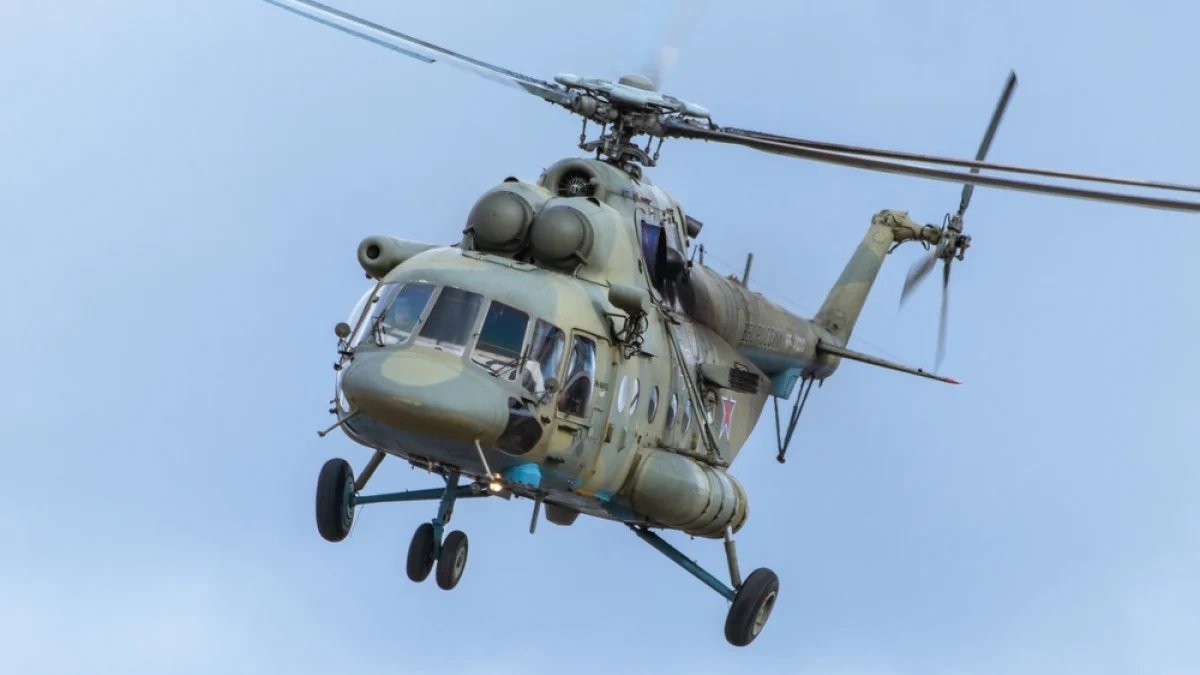
The program is closely connected to Poland’s acquisition of 96 Boeing AH-64E Apache Guardian attack helicopters from the United States under a multi-billion-dollar Foreign Military Sales agreement finalized with Washington. The Hydra 70 is a standard air-to-ground munition used by the Apache platform, and local production is intended to ensure a secure and sustainable ammunition supply for the future fleet.
Poland has accelerated military modernization programs following Russia’s 2022 invasion of Ukraine, with particular emphasis on expanding domestic production of ammunition and precision-guided weapons.
Multi-Role Operational Use
PGZ President Adam Leszkiewicz stated that the Hydra 70 rockets are expected to support multiple operational roles across the Polish Armed Forces.
According to Leszkiewicz, the rockets will arm Poland’s future Apache helicopter fleet while the guided APKWS variant will also serve as a cost-effective counter-drone interceptor for the SAN air defense system. He additionally noted that Ukrainian aircraft are currently employing Hydra rockets against Russian attack drones and suggested that Poland’s Air Force may consider adopting similar operational concepts in the future as a lower-cost alternative to more expensive missile systems.
The combination of helicopter armament, air defense integration, and potential aviation applications is expected to create significant long-term production demand for the system.
Hydra 70 and APKWS Capabilities
The Hydra 70 is a 2.75-inch (70mm) fin-stabilized unguided rocket family powered by the Mk 66 solid-propellant rocket motor. In its standard configuration, the rocket is designed for use against soft targets and lightly armored vehicles from helicopters and fixed-wing aircraft.
The rocket’s operational flexibility is expanded through the Advanced Precision Kill Weapon System (APKWS), developed by BAE Systems. The APKWS adds a laser-guidance section between the rocket motor and warhead, converting the standard unguided rocket into a precision-guided munition capable of engaging point targets, including unmanned aerial vehicles.
The guidance kit uses Distributed Aperture Semi-Active Laser Seeker technology integrated into deployable control canards, allowing the rocket to strike targets with improved accuracy while remaining significantly less expensive than dedicated anti-air or anti-armor missiles.
Expanding Domestic Defense Production
Poland currently allocates approximately 4.3 percent of its GDP to defense spending, making it one of NATO’s highest military spenders relative to economic output. The government has increasingly prioritized local ammunition and weapons production after observing the high ammunition consumption rates seen during the war in Ukraine.
The Hydra 70 production initiative is expected to support Poland’s long-term objective of reducing dependence on foreign wartime supply chains while strengthening the country’s domestic defense-industrial base for sustained high-intensity military operations.
——— End of Article ———