LONDON — May 9, 2026 : A leaked classified document prepared by Russia’s Main Intelligence Directorate (GRU) has revealed a proposal to supply Iran with thousands of advanced fiber-optic guided drones, long-range satellite-guided unmanned systems, and specialized operator training intended to strengthen Tehran’s military capabilities in the Persian Gulf.
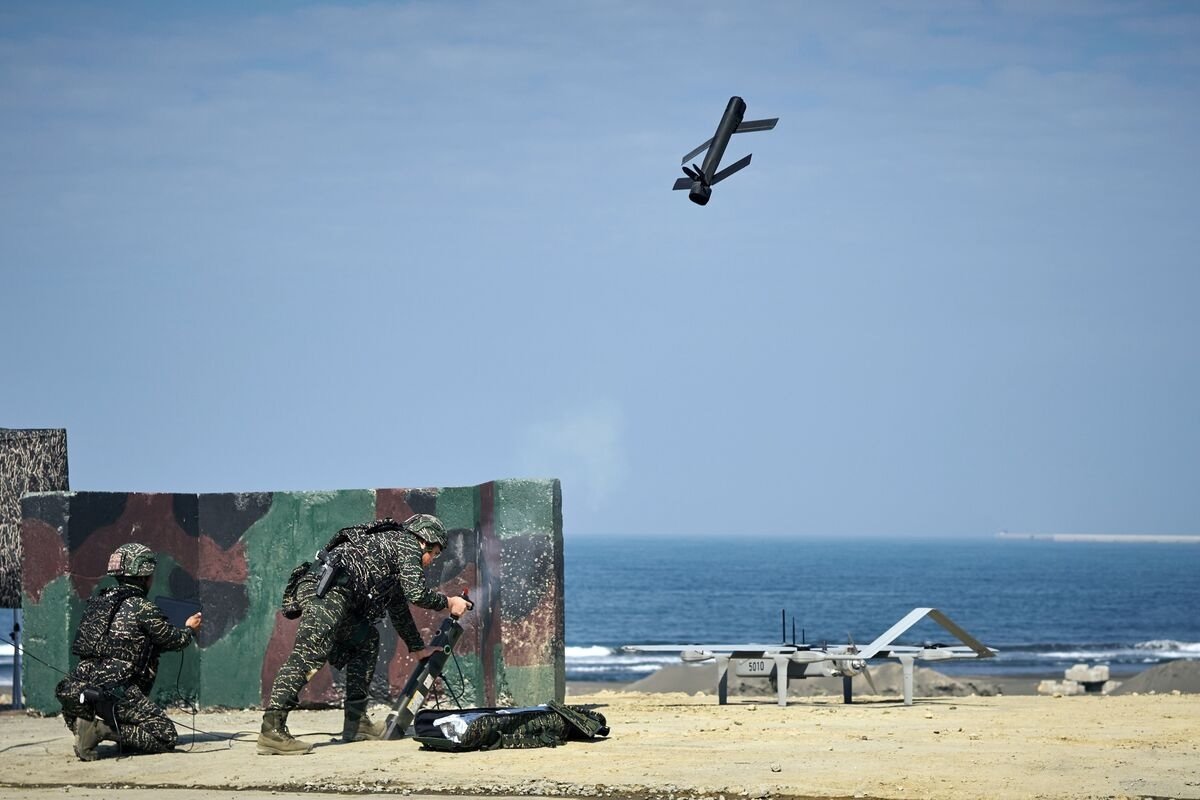
The confidential 10-page document, obtained by The Economist and reported on May 7-8, outlines plans for the transfer of 5,000 short-range fiber-optic First-Person-View (FPV) drones similar to systems Russian forces have extensively deployed during operations in Ukraine. The proposal also includes an unspecified number of longer-range drones equipped with satellite guidance technology, with reports indicating the possible integration of Starlink-like communication terminals.
Fiber-Optic Drones Designed to Bypass Electronic Warfare
According to the leaked files, the short-range drones would rely on fiber-optic cables rather than conventional radio-frequency communications. As the drones operate, they spool out a physical cable that maintains a direct connection between the operator and the aircraft, allowing continuous transmission of control signals and live video feeds.
Because the systems do not depend on radio frequencies, they are resistant to traditional electronic warfare measures such as signal jamming and interference. Military analysts note that this technology has become increasingly important in Ukraine, where both Russian and Ukrainian forces have heavily relied on electronic warfare systems to disrupt conventional drones.
Russian forces have used similar models, including the “Prince Vandal of Novgorod” (KVN) fiber-optic drone, in contested operational environments. Reports indicate such systems can conduct precision strikes at distances ranging from 15 to 30 kilometers while maintaining stable communications in heavily jammed areas.
Long-Range Systems and Satellite Guidance
In addition to the fiber-optic FPV drones, the proposal includes longer-range unmanned systems equipped with satellite-based navigation and communication systems. The document does not specify the exact number or models involved, though references in the files suggest the possible use of Starlink-like satellite communication terminals to maintain connectivity during operations.
The leaked material reportedly contains six diagrams and a regional map showing Iranian coastal areas and islands in the Persian Gulf, including locations near the Strait of Hormuz and Kharg Island.
Training Program for Iranian Operators
The GRU proposal also details a structured training and recruitment program intended to prepare Iranian personnel to operate both the short-range and long-range drone systems.
One recruitment option outlined in the document involves selecting candidates from among the estimated 10,000 Iranian students currently studying at Russian universities. Additional recruits would reportedly be drawn from other vetted communities considered politically reliable.
According to the proposal, all candidates would undergo background investigations and loyalty screening before receiving specialized instruction on drone operations, targeting procedures, and system maintenance.
The recruitment strategy aligns with recent reports that Russian universities and affiliated institutions have offered financial incentives, academic leave, and career opportunities to students participating in drone warfare programs or assisting in the production of attack munitions linked to the war in Ukraine.
Focus on Potential Persian Gulf Operations
The leaked assessment frames the proposed drone transfers as part of efforts to help Iran counter potential United States military operations in the Persian Gulf.
The document specifically references scenarios involving attempts to reopen the Strait of Hormuz or conduct amphibious operations targeting strategic assets such as Kharg Island. According to the GRU assessment, slow-moving amphibious landing ships could be vulnerable to coordinated drone attacks launched from concealed coastal positions located between 15 and 30 kilometers from their targets.
The Strait of Hormuz, which measures roughly 30 kilometers wide at several points, falls within the operational range described for the proposed fiber-optic drone systems.
Military analysts say the introduction of large numbers of fiber-optic drones into the Gulf region could force naval planners to reassess existing escort and defensive strategies. Standard electronic warfare systems used by naval vessels are primarily designed to disrupt radio-controlled threats and may have limited effectiveness against drones operating through physical fiber-optic links.
Expanding Russia-Iran Military Cooperation
The leaked GRU document represents one of the clearest reported examples of expanding military cooperation between Moscow and Tehran involving advanced drone warfare technology.
Iran has previously supplied Russia with Shahed-series drones that have been used extensively during operations in Ukraine. In return, Russia has increased military and technical cooperation with Iran across several defense sectors.
The proposal was reportedly prepared for presentation to Iranian officials as part of broader discussions aimed at strengthening bilateral defense ties.
It remains unclear whether Iran formally accepted the proposal or whether any drone transfers, operator training, or deployments have already taken place.
——— End of Article ———