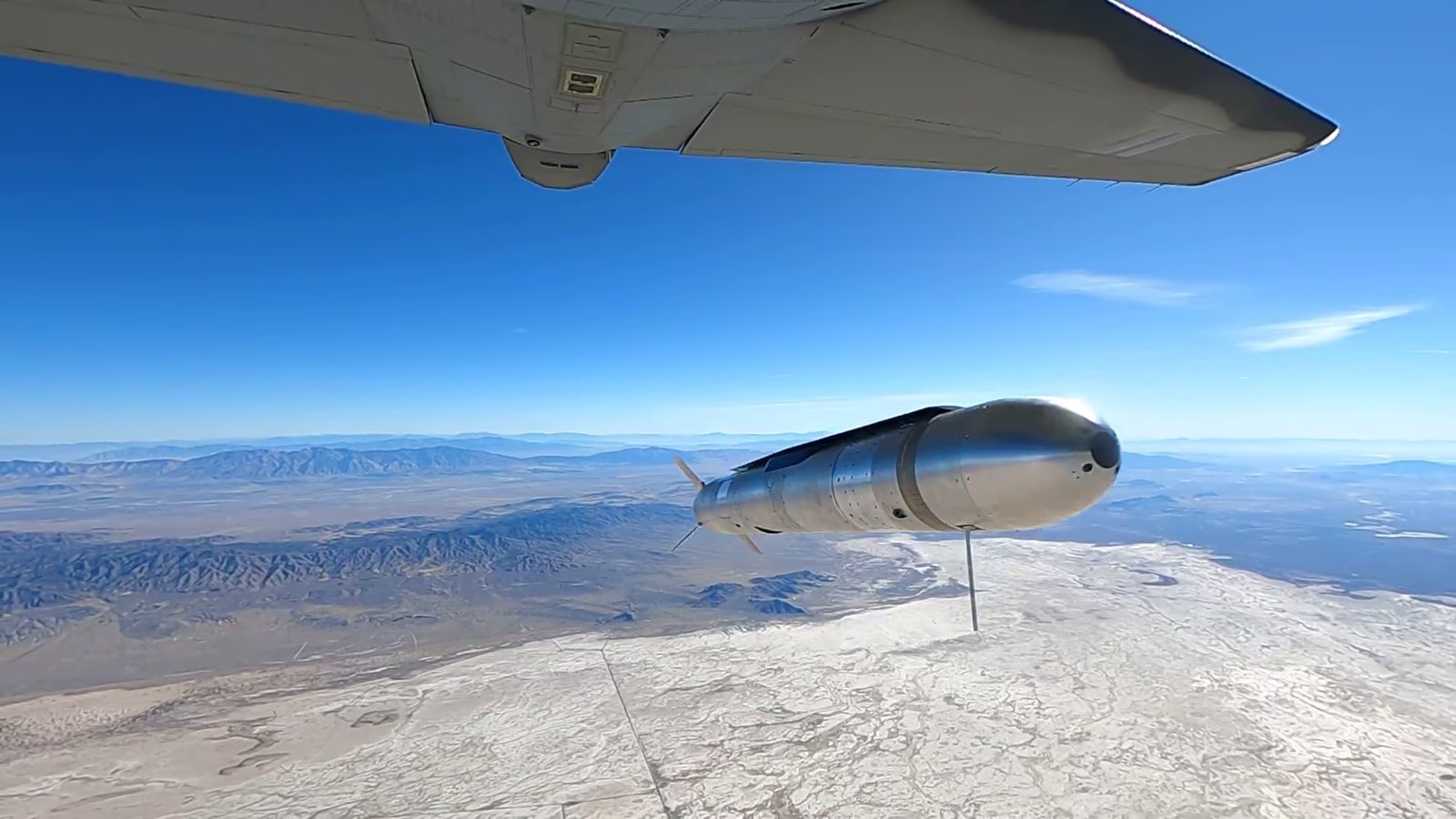
NATIONAL HARBOR, Md. — U.S. Air Force Special Operations Command (AFSOC) has confirmed that the AGM-190A Havoc Spear small cruise missile meets requirements for broader operational use across special operations and conventional aircraft.
The decision follows a spring 2026 combat evaluation conducted with U.S. Africa Command (AFRICOM). During the assessment, an AC-130J Ghostrider launched two AGM-190A missiles in a test configuration from ramp-mounted launch tubes against two separate stationary ground targets in AFRICOM's area of responsibility. Both missiles successfully struck their designated targets. Further details of the operation were not released.
“Havoc Spear’s range and capabilities expand standoff options, giving commanders a versatile tool to neutralize threats without putting platforms or personnel in immediate danger,” said Lt. Gen. Mike Conley, AFSOC commander.
AFRICOM commander Gen. Dagvin Anderson said the successful assessments support ongoing efforts to disrupt terrorist networks in Africa and provide capabilities alongside U.S. partners.
Rapid Development and Production
U.S. Special Operations Command (USSOCOM) led procurement of the missile through a Cooperative Research and Development Agreement (CRADA) with Leidos. The weapon was originally developed under the project name Black Arrow.
The program moved from design through testing and combat evaluation in less than three years, compared with the five-to-seven-year timeline typical of similar acquisition programs.
AFSOC director of strategic plans, programs and requirements Col. Robert Johnston said the command is using more agile modernization pathways and industry partnerships to deliver capabilities faster.
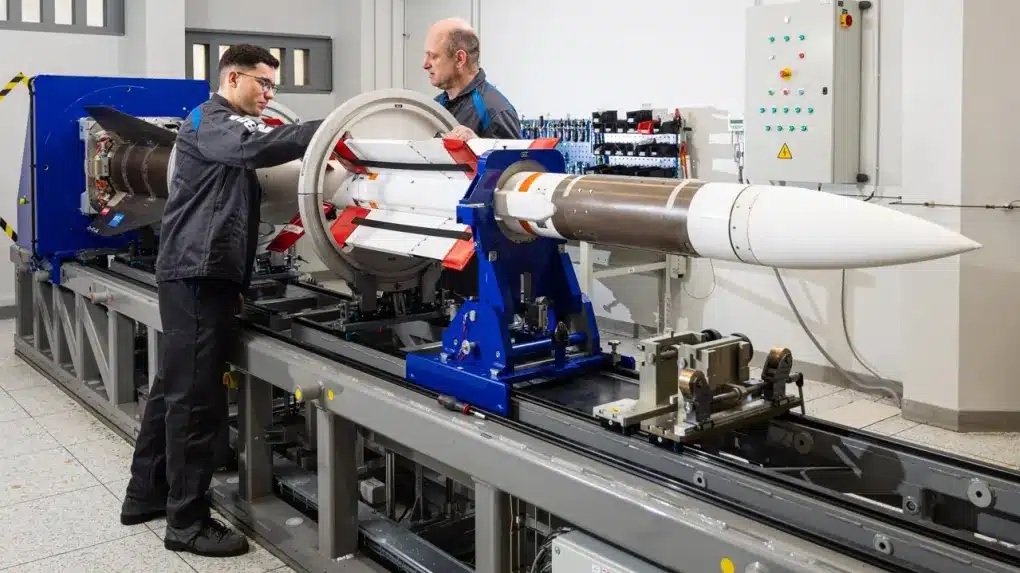
The AGM-190A is a 200-pound-class weapon with a demonstrated standoff range of more than 400 nautical miles, or about 460 miles (740 km), in earlier testing from a C-130. It uses a modular hardware design and open-system software for different mission requirements.
On July 8, 2026, USSOCOM awarded Leidos an initial $27.2 million production contract. About 45 missiles from the initial production order are expected to begin delivery in fall 2027. The current low-rate initial production cost is approximately $600,000 per missile, with a target of about $250,000 to $350,000 at full-rate production.
Leidos said its manufacturing base in Huntsville, Alabama, can be expanded to produce up to 15,000 missiles annually if required.
Wider Aircraft Integration
AFSOC plans to integrate the AGM-190A across additional aircraft, including MC-130J platforms and conventional Air Force aircraft capable of carrying pylon-mounted weapons.
The missile can be launched through ramp launch tubes, external wing pylons and palletized drops. AFSOC also intends to align the weapon with the Air Force's Family of Affordable Mass Missiles (FAMM) initiative, with the goal of supporting larger purchases and reducing production costs.
In the near term, AFSOC aircrews will focus on tactical training and weapons integration. Development teams are also evaluating non-kinetic electronic warfare and specialized reconnaissance variants using the missile's modular airframe.
The AGM-190A forms part of AFSOC's Enhanced Precision Effects effort. The name Havoc Spear was selected by Secretary of the Air Force Troy Meink during a November 2025 visit to AFSOC headquarters, while the official AGM-190A designation was assigned in early 2026.
——— End of Article ———