LONDON — May 14, 2026 : The United Kingdom has signed a contract worth nearly £1 billion (approximately $1.35 billion) for the procurement of 72 RCH 155 wheeled self-propelled howitzers for the British Army, the Ministry of Defence announced on May 13, 2026. The acquisition is intended to restore Britain’s close support artillery capability following the transfer of AS90 artillery systems to Ukraine, while also supporting domestic defence manufacturing and sustaining more than 500 jobs across the country.
The contract was awarded by the Organisation for Joint Armament Cooperation (OCCAR) on behalf of the British Army to ARTEC GmbH, a joint venture between KNDS and German defence manufacturer Rheinmetall. Deliveries are scheduled to begin in 2028, with the Ministry of Defence aiming to achieve a minimum deployable operational capability before the end of the decade.
Replacement for AS90 Fleet
The procurement replaces the British Army’s AS90 self-propelled howitzers, which served as the Army’s primary close support artillery system for more than 30 years before being donated to Ukraine in 2023. The transfer created a temporary capability gap within the Army’s artillery force structure, with the UK currently operating 14 Swedish-designed Archer artillery systems as an interim solution.
Lieutenant General Simon Hamilton, Deputy Chief of the General Staff, said the UK had accepted operational risk in order to support Kyiv during the early stages of the war.
“Britain answered the call for aid by providing artillery systems to Ukraine at the outbreak of the war. We knew the risk — the gap in our warfighting capability — that this would present,” Hamilton stated.
“The success of bringing the RCH 155 onto contract to develop our 155mm Close Support Artillery requirement, in collaboration with Germany, marks the first significant milestone in replenishing this capability.”
Mobility and Automated Firepower
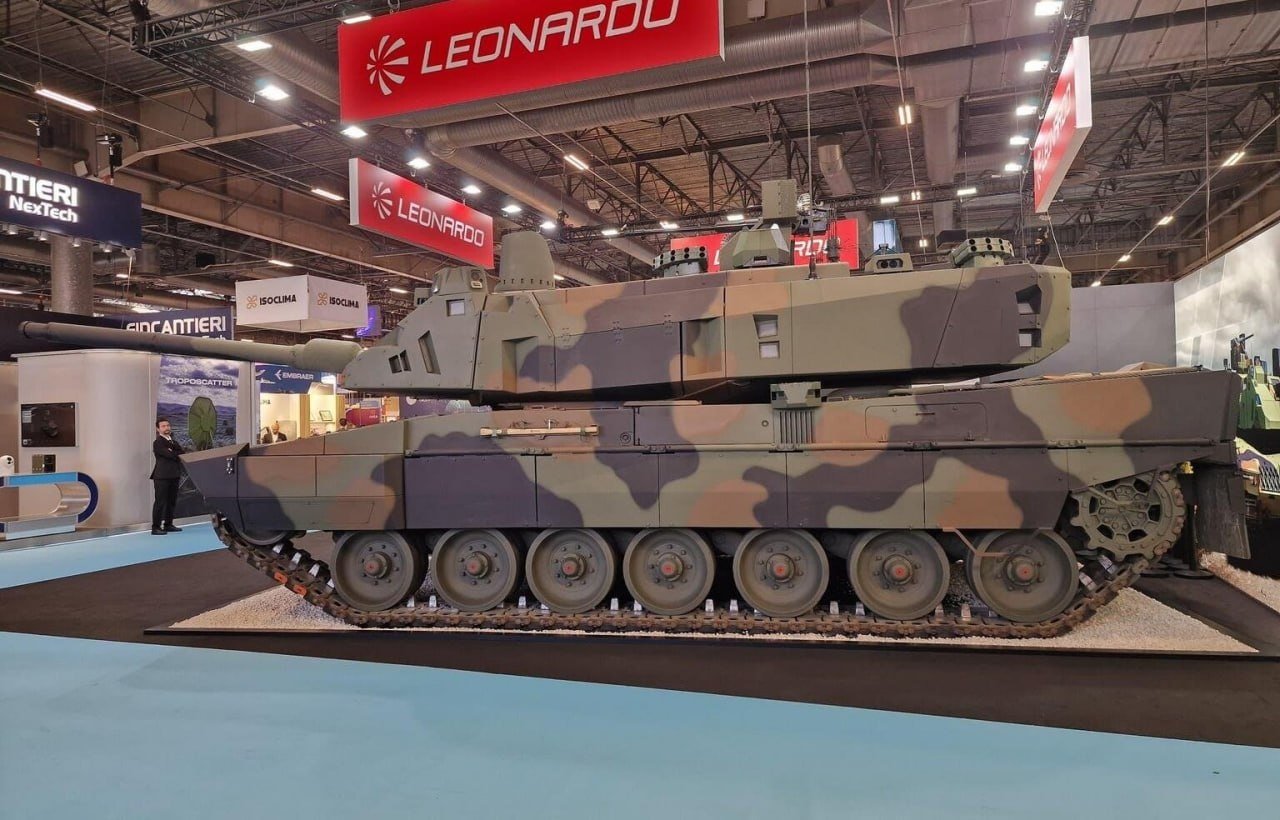
The RCH 155 represents a significant shift from the tracked AS90 platform, integrating the Artillery Gun Module (AGM) onto the Boxer 8x8 wheeled chassis. The configuration provides improved operational mobility, with the vehicle capable of reaching road speeds of up to 100 kilometres per hour and travelling approximately 700 kilometres without refuelling.
The system was designed with lessons drawn from the war in Ukraine, where static artillery positions have become increasingly vulnerable to counter-battery radars, drones and precision-guided munitions. The RCH 155 is able to fire and rapidly reposition within seconds, reducing exposure to enemy fire.
Unlike conventional self-propelled howitzers requiring crews of four or five personnel, the RCH 155 can be operated by two soldiers from a protected crew compartment using an automated control interface. The turret can engage targets in any direction without repositioning the vehicle.
The howitzer is capable of firing up to eight rounds per minute and can strike targets at distances of up to 70 kilometres when using extended-range guided ammunition. Standard unguided 155 mm artillery rounds generally achieve ranges between 30 and 40 kilometres. The platform is also compatible with NATO-standard precision-guided projectiles.
The Boxer-based system has a combat weight of under 39 tonnes and shares logistical commonality with other Boxer armoured vehicles already in British Army service. The vehicle is also designed for high tactical mobility, including the ability to cross trenches up to two metres wide and climb vertical obstacles measuring 0.8 metres.
UK Industrial Production and Job Support
Domestic industrial participation formed a central requirement of the programme. Rheinmetall will manufacture the weapon systems, including the barrel, breech, recoil system and trunnions, at its large-calibre production facility in Telford. The site will use British steel supplied by Sheffield Forgemasters, which received more than £420 million in UK government investment last year.
Meanwhile, KNDS UK will manufacture Boxer drive modules at its facility in Stockport, supporting domestic armoured steel fabrication and vehicle production capabilities.
The programme is expected to support approximately 100 jobs in Telford, 100 jobs in Stockport, and an estimated 300 additional positions across the wider UK defence supply chain.
The contract builds upon a £52 million Early Capability Demonstrator agreement signed in December 2025 and a £53 million long-lead item contract awarded earlier in 2026 to prepare industrial production capacity ahead of the full procurement decision.
UK-Germany Defence Cooperation
The programme also fulfills key commitments under the UK-Germany Trinity House Agreement, a bilateral defence cooperation pact signed in October 2024 aimed at strengthening interoperability between British and German armed forces within NATO.
UK Defence Secretary John Healey said the procurement would support both military readiness and the British defence industry.
“This major investment is defence delivering for the battlefield and for Britain’s economy,” Healey stated.
“By securing next-generation artillery with Germany, not only are we rearming to strengthen NATO against growing Russian aggression but also creating highly skilled jobs here in Britain.”
German Defence Minister Boris Pistorius said the programme would improve operational integration between NATO allies while modernising artillery capabilities.
“The RCH 155 will significantly enhance the artillery’s firepower, safety and flexibility,” Pistorius said.
“Together with the United Kingdom, we are demonstrating that we take interoperability within NATO seriously and are putting it into practice.”
——— End of Article ———