BENGALURU, India — May 9, 2026 : Bengaluru-based autonomous logistics startup Airbound has unveiled a new ultra-lightweight autonomous VTOL (vertical take-off and landing) drone designed to reduce delivery costs and improve last-mile logistics operations across healthcare and commercial sectors.
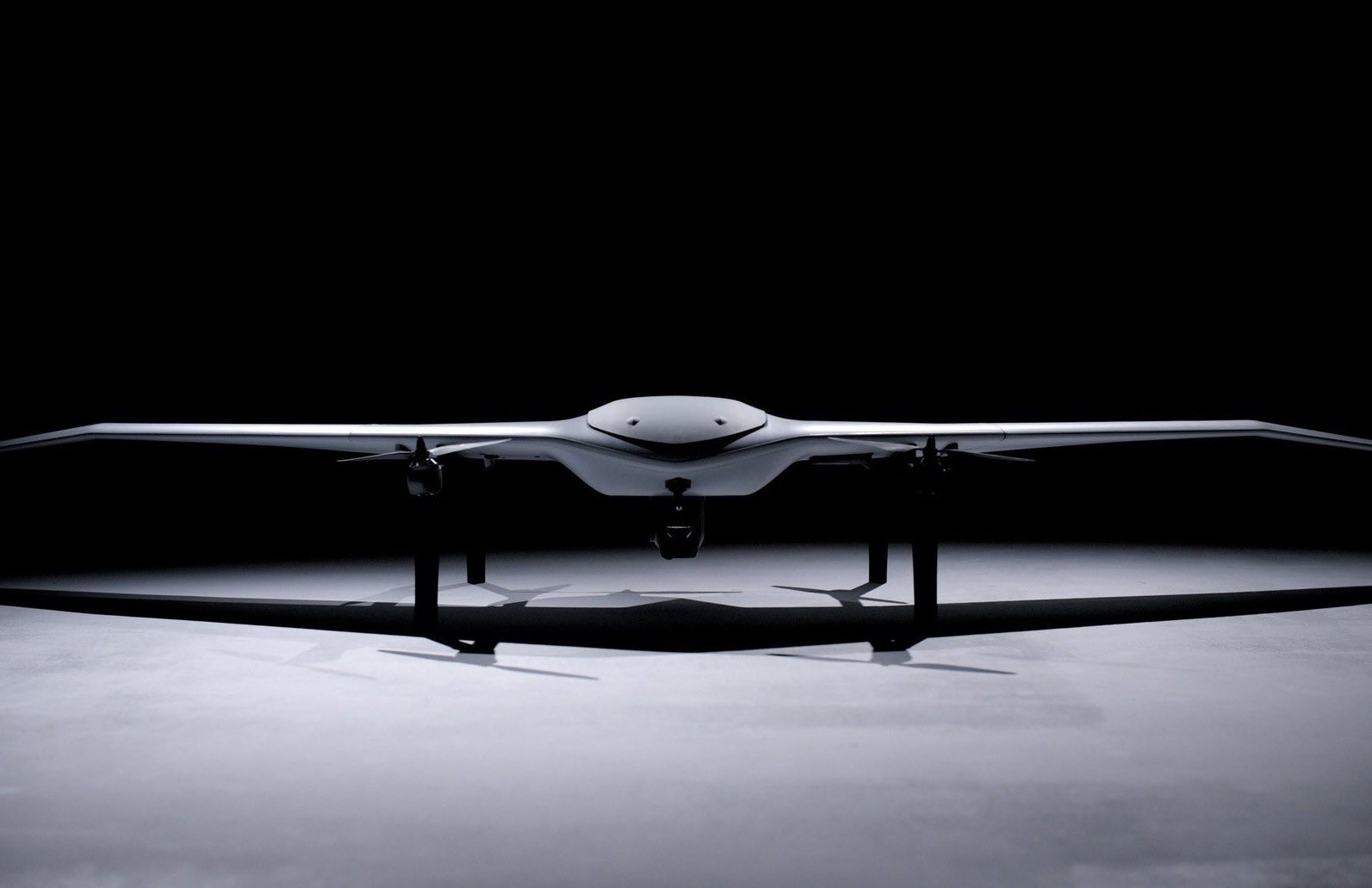
The aircraft, known as the TRT drone, combines vertical take-off capability with fixed-wing forward flight. The drone launches vertically like a helicopter and transitions mid-air into airplane-style cruise flight, eliminating the need for runways or launchpads. Airbound said the platform has been developed for zero-infrastructure delivery operations.
The TRT drone uses a blended-wing-body tailsitter design and is manufactured primarily from carbon fibre composites and structural foams. According to the company, the proprietary structure is six times lighter and 2.2 times stiffer than conventional drone frames. The drone’s core skeletal frame weighs approximately 350 grams, while the aircraft’s total all-up weight is 2.5 kilograms.
The drone can carry payloads of nearly 1 kilogram and travel up to 40 kilometres on a single charge. It operates at a cruise speed of around 60 kilometres per hour and features a 1.4-metre wingspan. Airbound said the aircraft achieves a lift-to-drag ratio of 12 and operates at approximately 60 decibels, allowing quieter operations compared to traditional multi-rotor drones. The drone can fly at altitudes of up to 400 feet in compliance with aviation regulations.
The company stated that the aerodynamic blended-wing-body configuration provides nearly four times the efficiency of standard quadcopter drones. The aircraft operates autonomously using onboard sensors and navigation systems capable of adapting to wind and weather conditions. Its nose cone incorporates Kevlar material to ensure GPS and radio signals remain unobstructed during flight operations.
Founded by Naman Pushp, Airbound focuses on developing autonomous delivery aircraft engineered and manufactured in India. The startup said its approach prioritises weight reduction, material efficiency, and aerodynamic performance to lower logistics costs. The company estimates the drone’s energy consumption cost at around 10 paise per kilometre and is targeting delivery costs below ₹5 per shipment.
Airbound is currently conducting a medical logistics pilot programme with Narayana Health in Bengaluru. Since January 2026, the company has completed more than 700 flights with a zero-failure record as part of the partnership.
Under the programme, the drones transport diagnostic samples and medical supplies between Narayana Health’s Chandapura Clinic and a central laboratory in Electronic City. Each flight carries up to 40 diagnostic samples along a 4-kilometre aerial route. The drone network currently supports up to 20 flights daily, compared with three or four daily transfers previously conducted through road-based courier services.
Following the pilot operations, Airbound plans to establish a permanent aerial logistics corridor for Narayana Health and expand similar medical drone delivery infrastructure to additional cities, including Kolkata.
To support expansion plans, Airbound recently secured $8.65 million in seed funding led by Lachy Groom of Physical Intelligence. The funding round also included participation from Humba Ventures and Lightspeed Venture Partners, along with senior executives from Tesla, SpaceX, and Anduril.
The latest investment brings the company’s total funding to $10.4 million. Airbound said the capital will be used to scale manufacturing capacity, expand its workforce, and support broader deployment of autonomous delivery operations across India.
——— End of Article ———