MOSCOW — May 29, 2026 : Afghanistan’s Taliban-led government is set to receive Man-Portable Air-Defense Systems (MANPADS) and broader aerial defense systems from Russia under a newly signed military-technical cooperation agreement, marking a further expansion of security ties between Moscow and Kabul.
The security pact was formalized on May 27 during an international security forum held in the Moscow region. The agreement was signed by Sergei Shoigu, Secretary of Russia’s Security Council, and Mawlawi Mohammad Yaqub, Afghanistan’s Taliban Defense Minister. While initial public statements following the summit did not disclose the exact inventory to be transferred, the agreement includes the supply of MANPADS and additional aerial defense systems intended to strengthen Afghanistan’s air defense infrastructure.
Military-technical cooperation agreements generally include arms transfers, defense licensing, training, maintenance support, technical assistance, and military technology exchange. Officials have not disclosed the types, quantities, or delivery schedule of the systems to be supplied.
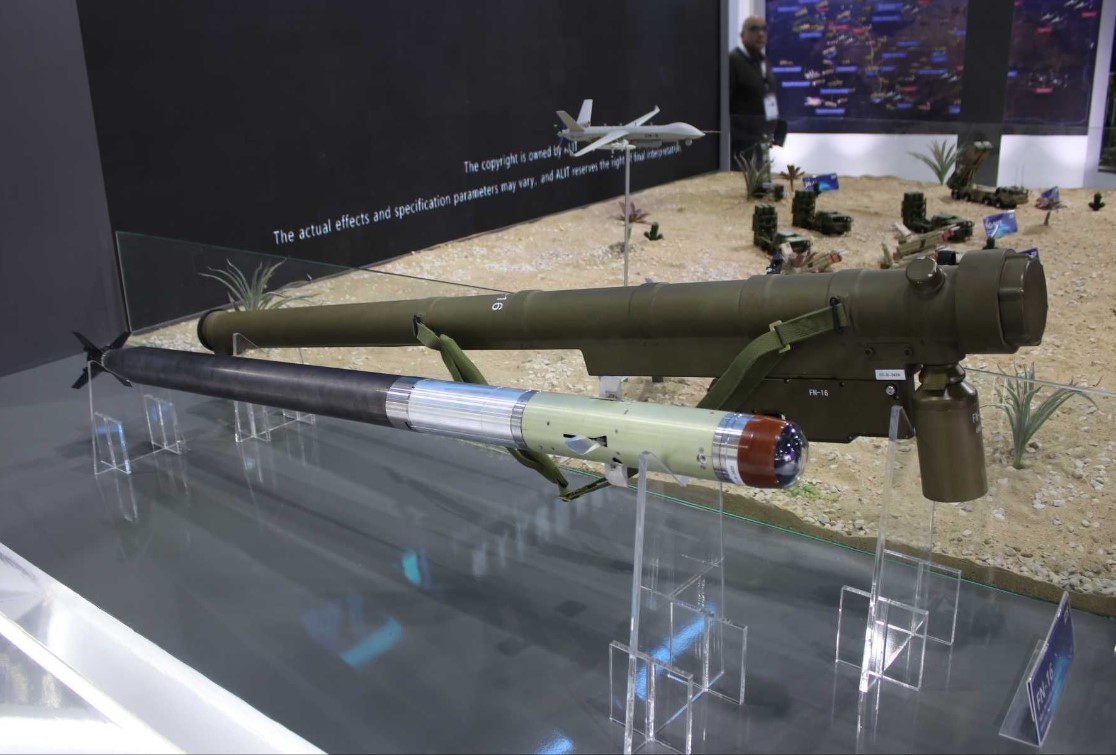
The inclusion of MANPADS—lightweight, shoulder-fired surface-to-air missile systems designed to engage low-flying aircraft—represents a significant enhancement of Afghanistan’s existing anti-aircraft capabilities. Prior to the agreement, Taliban forces largely relied on aging Soviet-era systems and military equipment inherited after the withdrawal of U.S. and NATO forces in 2021, including older stocks of FIM-92 Stinger and SA-24 Igla-S systems.
Taliban officials had previously expressed interest in acquiring Russian-made air defense systems to improve national airspace control and strengthen aerial defense capabilities. In 2024, Taliban representatives publicly discussed plans to procure Russian equipment for air defense and reconnaissance support.
The pact also reflects expanding diplomatic relations between the two governments. Russia removed the Taliban from its domestic list of banned terrorist organizations in 2025 and became the first country to formally recognize the Taliban administration as Afghanistan’s legitimate government in July 2025.
During discussions at the Moscow security forum, Shoigu highlighted threats posed by ISIS-affiliated militant groups and other armed factions operating in Afghanistan, emphasizing shared concerns over regional stability and security along Central Asia’s southern flank.
Defense analysts note that practical factors may influence implementation. Russia’s defense export capacity continues to face pressure from domestic military requirements linked to the ongoing war in Ukraine and the effects of Western sanctions. Early phases of the agreement are expected to focus on aerial defense systems, technical training, maintenance support, and operational integration for Taliban security forces.
The agreement is expected to strengthen Afghanistan’s ability to secure key infrastructure, airspace monitoring, and ground operations, while reflecting Kabul’s efforts to expand international defense partnerships outside Western frameworks.
——— End of Article ———