
India
The Indian Navy has recently revealed significant details about the PGLRSAM (Potential Guided Long Range Surface-to-Air Missile) interceptor system, a cutting-edge missile currently under development by the Defence Research and Development Organisation (DRDO). This advanced missile system is set to revolutionize the air defense capabilities of India’s frontline warships, offering a formidable shield against a broad spectrum of aerial threats.The PGLRSAM represents a substantial leap in missile technology, boasting a range of over 250 kilometers—more than double that of the existing MR-SAM (Medium Range Surface-to-Air Missile) interceptors deployed on Indian warships. This expanded range is a critical enhancement, allowing the Navy to detect, track, and engage hostile aircraft, drones, and missiles at much greater distances. The extended reach of the PGLRSAM will significantly bolster the defensive perimeter of Indian vessels, providing a crucial layer of protection in increasingly contested maritime environments.One of the most striking aspects of the PGLRSAM is its impressive speed, with the missile expected to achieve velocities up to Mach 7. This high-speed capability ensures that the missile can quickly respond to and neutralize fast-moving threats, including supersonic and hypersonic missiles. The PGLRSAM’s speed and range make it a versatile and powerful asset in the Navy’s arsenal, capable of countering even the most advanced airborne threats.A standout feature of the PGLRSAM is its Anti-ASBM (Anti-Ship Ballistic Missile) capabilities. This advanced feature is particularly noteworthy as it addresses a growing threat in naval warfare—ballistic missiles designed specifically to target ships. The inclusion of Anti-ASBM technology signifies a strategic enhancement in the Navy’s ability to defend its assets against a diverse array of missile threats, ensuring that Indian warships remain resilient in the face of evolving challenges.The development of the PGLRSAM draws on the expertise and technologies from the Indian Air Force’s Project Khusha, which is focused on creating advanced missile systems for the protection of critical airspace. By leveraging the innovations from Project Khusha, the PGLRSAM is being adapted to meet the specific demands of naval warfare. This cross-domain technology transfer underscores the DRDO’s commitment to providing the Indian Navy with the most sophisticated defense systems available.Currently, the PGLRSAM is in the fabrication stage, with the DRDO overseeing its progress. Testing for the missile is anticipated to begin later this year or in early 2025. These trials will be crucial in validating the missile’s performance and ensuring it meets the rigorous standards required for naval operations. Successful tests will pave the way for the PGLRSAM’s integration into the Navy’s fleet, both on existing warships and future vessels.The PGLRSAM’s vertical launch capability allows for seamless integration into the Navy’s current missile defense architecture, complementing the existing MR-SAM systems. This layered defense approach, combining the MR-SAM and PGLRSAM, will provide a comprehensive shield against a wide range of threats, from short-range missiles to long-range ballistic projectiles.As the PGLRSAM moves closer to operational deployment, it promises to be a cornerstone of the Indian Navy’s defensive strategy. With its extended range, high-speed intercept capabilities, and advanced Anti-ASBM features, the PGLRSAM will ensure that India’s warships are among the best-protected in the world, capable of withstanding the most sophisticated aerial assaults. This missile system is not just a technological upgrade; it is a strategic game-changer, poised to secure the Indian Navy’s dominance in the maritime domain for years to come.
Read More → Posted on 2024-09-02 12:56:21
India
In a strategic move to bolster its preparedness along the Line of Actual Control (LAC) with China, the Indian Army is expanding and upgrading its firing ranges in forward areas, particularly in the north-eastern region. This expansion aims to ensure that Indian forces remain battle-ready in these sensitive and high-altitude zones, a critical necessity given the ongoing tensions along the border. Expansion of Firing Ranges in Forward AreasThe Indian Army's Quartermaster General (QMG) branch is spearheading the effort to acquire and develop additional firing ranges in forward areas. These ranges are crucial for the Army to conduct regular training exercises, ensuring that troops are well-prepared for any potential conflict. The new facilities will be situated in high-altitude regions, including Arunachal Pradesh, close to the LAC.Last year, the Arunachal Pradesh government allocated land to the Army at Mandala and Kamrala, near Yangtse in Tawang. These areas are strategically significant, as they were the site of the December 2022 face-off between Indian forces and the Chinese People’s Liberation Army (PLA). Located at an elevation of 10,000 feet, these new ranges will provide the Army with the necessary terrain and conditions to simulate real-world combat scenarios.Strategic Shifts and ModernizationIn addition to the expansion in the north-east, the Army is also making strategic shifts in other regions. For instance, the firing range at Ayodhya will be relocated due to its proximity to the flight path of a new airport. The decision underscores the Army's commitment to maintaining operational safety and adapting to the country's infrastructural developments.Currently, the Indian Army operates 24 notified firing ranges across the country, with six located in the Jammu and Kashmir and Ladakh regions. These areas have been focal points of military activity due to their proximity to both China and Pakistan. However, some ranges have been decommissioned or relocated due to developmental needs or safety concerns, such as the Netarhat field firing range, which has been inactive since 1993. Green Initiatives and Sustainability EffortsAs part of its broader modernization efforts, the Indian Army is also embracing green technologies and sustainable practices. The QMG branch is pushing for the adoption of green fuels and green building norms, aligning with the government's initiative to make India carbon neutral. This includes the introduction of electric and green hydrogen-operated buses at the Army Headquarters and the planned establishment of a green hydrogen plant in partnership with NTPC. This plant will power the military garrison at Chushul, a critical location along the LAC in Ladakh, and fuel green hydrogen buses in Leh.The Army is also transitioning to Ethanol 20 and BS VI fuels, ensuring that its vehicles are capable of operating in the rugged and often harsh terrains of the border regions. A senior Army officer highlighted that the data and experience gained from using green fuels would be instrumental in advancing research and development for military trucks and combat vehicles.In addition to these efforts, the Army has committed to making all 306 military stations across the country landfill-free within the next five years, drawing inspiration from award-winning municipal practices in Indore. This initiative is part of a broader effort to align military practices with the best industry standards and promote environmental sustainability. Solar Energy Projects and Green Building StandardsThe Indian Army has also made significant strides in harnessing solar energy to power its operations. A total of 68 solar projects have been established, including one at the Siachen Base Camp, the world's highest battlefield. These projects not only reduce the Army's reliance on conventional energy sources but also contribute to its sustainability goals.Moreover, the upcoming Thal Sena Bhawan, the new Army headquarters building, is being constructed with green norms and has been awarded the GRIHA 4+ rating, which is a testament to its adherence to sustainable building practices. ConclusionThe Indian Army's efforts to expand its firing ranges and embrace sustainable practices reflect a dual focus on enhancing battle readiness and contributing to national environmental goals. As tensions along the LAC persist, these developments underscore the Army's commitment to maintaining a robust defense posture while also advancing its modernization agenda.
Read More → Posted on 2024-09-02 08:53:53
India
Hyderabad-based Apollo Micro Systems Ltd. has secured a crucial contract worth Rs. 5.73 crores to develop and supply an advanced Rocket Guided Bomb specifically designed for Anti-Submarine Warfare (ASW). This achievement marks a significant milestone for the company, highlighting its expanding role in India's defense sector and its capabilities in developing sophisticated weaponry.The Rocket Guided Bomb (RGB) being developed under this contract is a critical addition to the Indian Navy's arsenal. Designed to be launched in salvos from naval vessels, the RGB is a potent weapon in the ongoing effort to neutralize underwater threats. With submarines posing a persistent challenge in modern naval warfare, the development of such a weapon system is essential for maintaining maritime security.What sets this particular bomb apart is its integration of advanced guidance systems and propulsion technologies. These systems ensure that the RGB can precisely target and engage submarines, even in challenging underwater conditions. The use of modern propulsion technologies also enhances the bomb's range and speed, making it a formidable tool against enemy submarines. Apollo Micro Systems' success in securing this contract is a testament to its expertise in cutting-edge technology and engineering. The company has already established itself as a key player in the Indian defense industry, providing innovative solutions for various critical defense applications. This contract further cements its position, demonstrating its capability to take on complex projects that require both precision and reliability.Beyond its immediate significance, this contract also opens doors for Apollo Micro Systems to explore the development of similar weapon systems for air, land, and sea operations. The technology and expertise gained through this project could potentially lead to a new generation of guided bombs and missiles, tailored to meet the diverse needs of modern warfare.The award of this contract is also reflective of India's broader efforts to modernize its defense infrastructure. With a growing focus on indigenization and self-reliance in defense production, companies like Apollo Micro Systems are playing a vital role in ensuring that India remains at the forefront of military innovation. The development of the Rocket Guided Bomb is just one example of how Indian companies are contributing to the nation's defense capabilities, ensuring that its armed forces are equipped with the best possible tools to protect its interests.In conclusion, Apollo Micro Systems' Rs. 5.73 crore contract for the development of an Anti-Submarine Warfare Rocket Guided Bomb is not just a win for the company but a significant step forward for India's defense sector. With its advanced technology and precise engineering, this new weapon system promises to enhance the Indian Navy's ability to counter submarine threats, contributing to the broader goal of strengthening India's maritime security.
Read More → Posted on 2024-09-01 15:31:36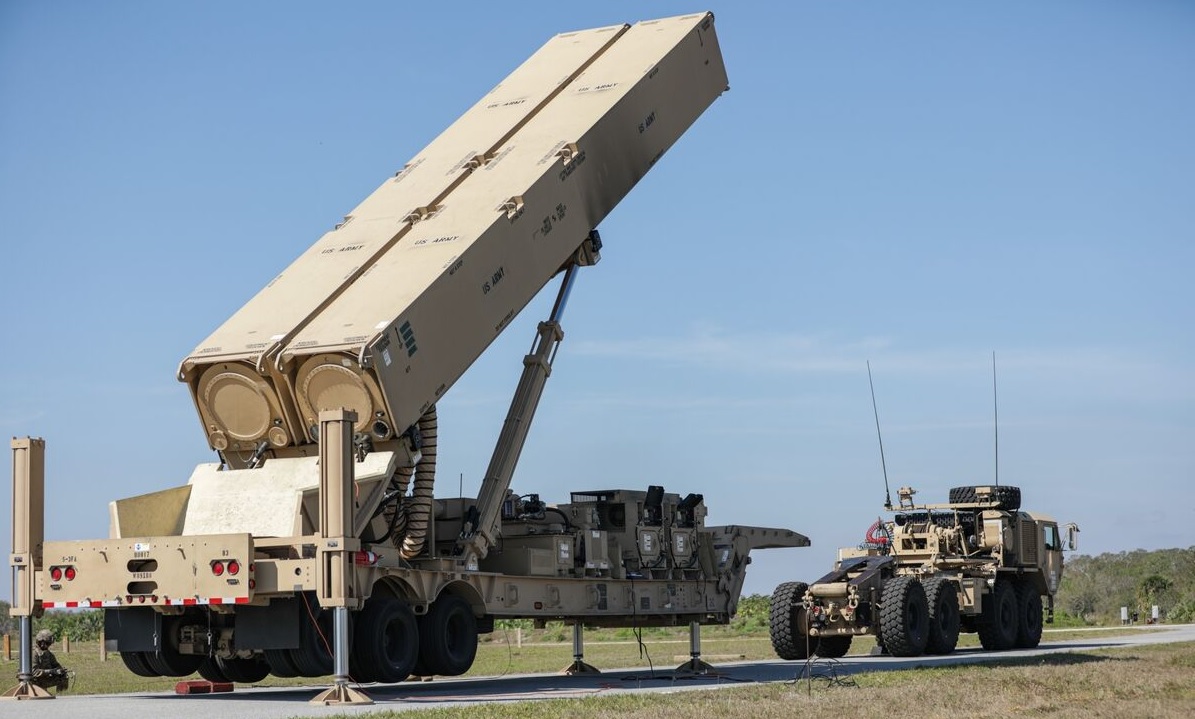
World
In a groundbreaking demonstration of military prowess, the U.S. Army's Long-Range Hypersonic Weapon (LRHW) Battery made its debut in Bamboo Eagle 24-3, an intense eight-day joint exercise primarily led by the U.S. Air Force. This marks the first time land-based hypersonic fires have been integrated into an exercise dominated by airpower, showcasing a significant leap in multi-domain operations.The exercise, which spanned various locations across the United States, involved over 3,000 service members from four branches of the U.S. military, including participants from the Royal Air Force and Royal Australian Air Force. The primary objective of Bamboo Eagle was to enhance readiness across all domains—land, air, and sea—while fostering seamless cooperation among U.S. military branches and international allies. U.S. Air Force Lt. Col. Alex Rich, Operations Director at Nellis Air Force Base's 57th Wing, emphasized the importance of such exercises, stating, "Bamboo Eagle is all about making sure we’re ready for any situation. It’s crucial that we collaborate across services and learn from each other’s capabilities. This helps us build a unified force that’s prepared to face any challenge."The LRHW Battery, commanded by U.S. Army Lt. Col. Benjamin Blane and part of the 1st Multi-Domain Task Force (MDTF), played a pivotal role in the exercise. The battery's participation highlighted the growing strategic importance of land-based hypersonic weapons in modern warfare. "The strong demand from our partners to integrate our capabilities into their operations validates the pivotal role land-based fires have in theater," noted Lt. Col. Blane, underscoring the broader military interest in this advanced technology.The hypersonic battery, known as Bravo Battery, 5th Battalion, 3rd Field Artillery Regiment, showcased exceptional adaptability and resilience throughout the exercise. The unit had previously demonstrated its capabilities in the U.S. Navy-led Resolute Hunter exercise, and this experience proved invaluable in Bamboo Eagle. The unit successfully deployed equipment and personnel over 1,000 miles across three states, a feat that was particularly challenging due to extreme weather conditions.Despite these challenges, the hypersonic battery maintained high operational readiness and participated in every iteration of the exercise. U.S. Army Capt. Jennifer Lee, commander of Bravo Battery, highlighted the operational insights gained from integrating land-based fires with Air Force operations. "Integrating our land-based fires with Air Force operations provided a unique testing ground for our capabilities and offered invaluable lessons from our Air Force counterparts," she remarked.The LRHW, part of the U.S. military's broader hypersonic weapons program, is designed to deliver precision strikes at speeds exceeding Mach 5, making it nearly impossible for adversaries to intercept. The weapon's speed and maneuverability make it a critical asset in modern warfare, capable of engaging targets with unprecedented speed and accuracy. The LRHW is part of the Pentagon's push to maintain a technological edge over potential adversaries, particularly as nations like Russia and China continue to develop their own hypersonic capabilities.The successful integration of the LRHW in Bamboo Eagle 24-3 is a clear indication of the U.S. military's commitment to advancing its hypersonic weapons capabilities. As these weapons become increasingly central to modern warfare, exercises like Bamboo Eagle will be crucial in ensuring that the U.S. and its allies remain prepared for the challenges of tomorrow.
Read More → Posted on 2024-09-01 15:29:24
World
In a significant escalation of the ongoing conflict between Russia and Ukraine, the Russian Defense Ministry announced that its air defenses had intercepted and destroyed 158 Ukrainian drones in a single night. This marks one of the largest drone assaults by Ukraine since the war began, highlighting the intensifying nature of the conflict.The drone attack, which unfolded overnight, saw Russian defenses engage a widespread aerial assault across multiple regions. According to official reports, the drones were intercepted over 15 different regions, showcasing the breadth and scale of Ukraine's offensive. Among the downed drones, two were intercepted over Moscow, with debris from one of them causing a fire at an oil refinery in the capital, according to Moscow Mayor Sergei Sobyanin. This incident underscores the growing reach of Ukrainian drone operations, which have increasingly targeted sites far beyond the front lines.The Kursk region, which borders Ukraine, bore the brunt of the assault, with 46 drones intercepted. The region has been a focal point in recent weeks as Ukrainian forces have made significant incursions, marking the largest invasion of Russian territory since World War II. Other regions affected by the drone attack include Bryansk, Voronezh, and Belgorod, which have also seen a surge in Ukrainian military activity. In total, 34 drones were shot down over Bryansk, 28 over Voronezh, and 14 over Belgorod.Notably, drones were intercepted not only in regions adjacent to Ukraine but also deeper within Russian territory. A drone was downed in the Tver region, northwest of Moscow, and another in the Ivanovo region, northeast of the capital. These incidents highlight the expanding reach of Ukrainian drone operations, which are increasingly pushing into the heart of Russia.This latest drone offensive by Ukraine is part of a broader strategy to disrupt Russian logistics and military operations. Ukrainian forces have been targeting key infrastructure, including oil refineries and terminals, in an effort to slow down the Kremlin's military advance. The frequency and intensity of these drone strikes have increased since the beginning of the year, reflecting Ukraine's determination to bring the fight to Russian soil.While Russia was dealing with the drone assault, its Defense Ministry announced that Russian forces had taken control of the towns of Pivnichne and Vyimka in Ukraine's Donetsk region. The capture of these towns is part of Russia's broader objective to gain full control over the eastern region, a critical goal for the Kremlin. Russian troops are now closing in on Pokrovsk, a key logistics hub for Ukrainian defenses in the area.Meanwhile, in Ukraine, the conflict continued unabated. The Ukrainian air force reported that it had shot down eight out of 11 drones launched by Russia overnight. In the Sumy region, one person was killed and four others wounded in shelling, while in the Kharkiv region, five people were reported injured. The city of Kharkiv itself was hit by Russian shelling, damaging a shopping center, a sports facility, and residential buildings, leaving six more people wounded.As the war drags on, both sides are increasingly turning to drone technology to gain an edge, bringing the conflict to new and unexpected fronts. The latest developments signal a dangerous escalation, with Ukraine showing its capability to strike deep into Russian territory and Russia continuing its relentless push into eastern Ukraine. The situation remains fluid, with both sides locked in a battle of attrition that shows no signs of abating.
Read More → Posted on 2024-09-01 15:27:51
India
External Affairs Minister S. Jaishankar recently addressed the evolving dynamics between India and China, candidly describing China as a "unique problem" for the world, not just for India. Speaking at the ET World Leaders Forum, Jaishankar articulated a perspective that resonates with global sentiment, highlighting that many nations, including major powers like the United States and European countries, are increasingly entangled in debates about China's role in the global order.Jaishankar's remarks shed light on the complexities of China's rise, especially in the context of its unique political and economic systems. He pointed out that the world had, for decades, turned a blind eye to the nature of Chinese production. This oversight, according to Jaishankar, allowed China to gain an outsized advantage in global trade, contributing to the significant trade deficits that countries, including India, now face. He emphasized that this isn't solely an Indian issue but a broader "China problem" that many countries are grappling with today.The minister's observations come against a backdrop of rising tensions between India and China, particularly in the wake of the 2020 Galwan Valley clash in Ladakh. This conflict, which resulted in casualties on both sides, marked a significant deterioration in India-China relations. Since then, both nations have maintained a heavy military presence along the Line of Actual Control (LAC), with ongoing negotiations failing to fully resolve the standoff.Jaishankar also addressed the broader implications of China's growing influence, pointing to the United States and Europe's heightened focus on China. He noted that China is at the center of many economic and national security debates in these regions, reflecting a global shift in how countries view their relationships with Beijing.In his discussion, Jaishankar didn't limit his focus to China. He also touched on India's complex relationships with its other neighbors, including Pakistan and Bangladesh. He acknowledged that dealing with neighboring countries, especially in a region as politically volatile as South Asia, requires navigating changes in governments and the political debates that naturally arise in democratic societies. He particularly noted that India's approach must adapt to these shifts, especially when they are disruptive.On Pakistan, Jaishankar made it clear that the era of "uninterrupted dialogue" is over, referencing the significant policy shifts following the abrogation of Article 370, which granted special status to Jammu and Kashmir. He indicated that India's future relations with Pakistan will be contingent on the actions and decisions made by Islamabad, reinforcing that any progress would be met with corresponding reactions from New Delhi.As for Bangladesh, Jaishankar highlighted the importance of finding common ground and mutual interests, particularly in light of the political changes that can impact bilateral relations. He stressed the need for India to be prepared for both organic and disruptive changes in the political landscape of its neighbors, suggesting a pragmatic approach to diplomacy in the region.Jaishankar's remarks offer a glimpse into India's foreign policy strategy, one that is increasingly shaped by the challenges posed by China's ascent and the shifting dynamics in South Asia. His candid assessment underscores the importance of adapting to new realities in global geopolitics, where traditional alliances and rivalries are being redefined.
Read More → Posted on 2024-09-01 15:26:15
India
In a significant advancement for maritime defense, the Indian Navy is set to deploy high-explosive pre-fragmented (HEPF) shells on its AK-630 naval guns, enhancing its capability to counter the rising threat of swarm drones. These advanced munitions, designed to engage multiple aerial targets simultaneously, mark a crucial step forward in protecting naval assets from increasingly sophisticated drone attacks.The HEPF shells, developed indigenously by the Armament Research and Development Establishment (ARDE) under the Defence Research and Development Organisation (DRDO), are specifically tailored for use in modern naval warfare. Each shell carries a 1kg explosive payload and, upon detonation, disperses around 600 metal shrapnels at a blistering speed of 850 meters per second. This rapid dispersal creates a lethal cloud with a radius of up to five kilometers, capable of neutralizing multiple drones in one strike. The inclusion of such a high-density shrapnel pattern ensures that even the most agile of swarm drones find it nearly impossible to evade destruction.The AK-630 gun, a close-in weapon system (CIWS) already deployed across various Indian naval vessels, is well-suited to accommodate these advanced shells. The system, known for its rapid-fire capability and precision, can deliver up to 5,000 rounds per minute, making it a formidable defense mechanism against fast-moving aerial threats. The integration of HEPF shells into this platform significantly boosts the Navy’s ability to protect its vessels, especially in high-risk zones such as the Gulf of Aden and the Indian Ocean Region, where drone attacks have become a growing concern.The Indian Navy’s decision to adopt the HEPF shell comes in response to the evolving nature of aerial threats, particularly the use of swarm drones by adversaries. These drones, often deployed in large numbers, can overwhelm traditional defense systems, making them a serious threat to naval operations. By deploying HEPF shells, the Navy ensures that it has a reliable countermeasure to these tactics, capable of engaging multiple targets simultaneously and with high effectiveness.The development of the HEPF shell was a collaborative effort between ARDE and the Indian Navy, with the Navy providing crucial technical inputs throughout the process. Extensive trials were conducted to validate the shell’s performance, ensuring it met the stringent operational requirements of the Navy. The successful completion of these trials has paved the way for the mass production of these shells, with production documents already handed over to the Naval Armament Inspectorate. This move allows the Navy to place orders based on its operational needs, ensuring a steady supply of these critical munitions.In addition to its primary role in countering drone threats, the HEPF shell also enhances the Navy’s overall firepower, providing an effective solution against a range of aerial and surface threats. The versatility of the AK-630 gun, combined with the advanced capabilities of the HEPF shell, ensures that the Indian Navy is well-prepared to face the challenges of modern maritime warfare.As drone technology continues to evolve, the Indian Navy’s proactive approach in adopting advanced countermeasures like the HEPF shell demonstrates its commitment to maintaining a robust defense posture. This development not only strengthens the Navy’s ability to protect its assets but also serves as a testament to India’s growing capabilities in defense technology and indigenous weapon systems.
Read More → Posted on 2024-09-01 15:23:59
World
In a significant development on the front lines, Ukrainian troops successfully intercepted and downed a mysterious new type of Russian jet-powered drone. This UAV, which was shot down on August 30, has sparked considerable intrigue among military analysts due to its unfamiliar design and purpose.This incident occurred during a recent wave of drone attacks by Russia on Ukraine. Unlike the typical drones used in combat, this particular UAV was a new entrant on the battlefield, previously unknown to both the public and experts. Its appearance marked the first time such a drone had been observed in action, raising questions about Russia's evolving military technology.The drone itself is described as jet-powered and designed with a “flying wing” configuration, a design often associated with stealth aircraft. The sleek, tailless structure of the flying wing design is known for its ability to reduce radar cross-section, making the aircraft harder to detect. This suggests that the drone was possibly intended to evade radar detection, a crucial capability in modern warfare. Despite this advanced design, the UAV appeared to lack any weaponry or reconnaissance equipment, leading experts to speculate about its intended use.One theory is that the drone was deployed as a decoy to test and expose Ukrainian air defenses. Without any sophisticated surveillance systems or weapons, the drone may have been a sacrificial target, intended to draw out Ukrainian anti-aircraft systems and reveal their locations. By using such a rudimentary and possibly experimental model, Russian forces could gather valuable intelligence on Ukrainian defensive capabilities without risking their more advanced assets.The craftsmanship of the drone has also drawn attention. Ukrainian military officials noted that the UAV appeared rudimentary and exhibited several flaws, suggesting it was not a product of Russia’s high-end defense factories. This has led to further speculation that the drone might be an experimental prototype, hastily constructed for testing purposes rather than full-scale deployment.Military analysts are now closely examining the wreckage to understand more about the drone's capabilities and origins. The absence of sophisticated equipment hints at a different kind of warfare strategy, where psychological and tactical deception plays a significant role. This downed drone, while not a direct threat in terms of firepower, represents a new challenge for Ukrainian forces as they adapt to the unpredictable and evolving tactics of the Russian military.This event underscores the ongoing technological arms race in the conflict, with both sides continuously adapting and deploying new strategies and tools. The appearance of this mysterious drone on the battlefield is a reminder of the complexities of modern warfare, where not every threat is immediately apparent, and some may be hidden in plain sight, waiting to be uncovered.
Read More → Posted on 2024-09-01 15:18:45
Space & Technology
Viasat, a leading global satellite communications provider, is set to change the way passengers experience air travel in India by partnering with the Indian Space Research Organisation (ISRO). This collaboration is focused on delivering in-flight internet connectivity across Indian airspace, addressing a long-standing gap where domestic flights currently lack connectivity and international flights must disable their internet services upon entering Indian skies.The key to this groundbreaking development lies in ISRO's upcoming GSAT-20 satellite, scheduled for launch towards the end of the year. GSAT-20 is not just any satellite; it's a high-throughput satellite (HTS) designed to transmit data at significantly higher rates than traditional communication satellites. With its advanced Ka-band frequency, GSAT-20 can provide extensive coverage and high-speed internet, making it an ideal solution for the demands of in-flight connectivity.Viasat, which has a strong track record of delivering reliable satellite communications in some of the most challenging environments, is leveraging GSAT-20’s capabilities to offer seamless internet services to passengers on both domestic and international flights within Indian airspace. The partnership taps into Viasat’s expertise, which has already proven effective in connecting remote areas and supporting the Indian armed forces with robust communication networks.The introduction of GSAT-20 will mark a significant leap forward in the quality and availability of in-flight internet services over India. This satellite, with its ability to handle large volumes of data, will enable passengers to enjoy high-speed internet throughout their flight, regardless of their location in Indian airspace. This is a considerable improvement over the current scenario, where connectivity often drops after takeoff, leaving passengers without internet for the duration of their flight.The implications of this partnership extend beyond just improved passenger experience. Airlines will be able to offer a more competitive service, meeting the growing expectations of modern travelers who see constant connectivity as a necessity rather than a luxury. Furthermore, this development could open up new revenue streams for airlines through in-flight entertainment, e-commerce, and other internet-based services.From ISRO's perspective, the GSAT-20 satellite finds a critical application in enhancing the country's aviation infrastructure. The satellite’s success in this role could also bolster ISRO's position as a key player in the global satellite communication market, showcasing its capability to support complex, high-demand applications.Once operational, Viasat’s service, powered by GSAT-20, will transform Indian airspace into a zone of uninterrupted connectivity, providing a more enjoyable and productive experience for millions of passengers each year. This initiative is set to position India as a leader in in-flight connectivity, keeping pace with the demands of a digitally connected world.
Read More → Posted on 2024-09-01 15:14:14
World
Balochistan, a region often overlooked in international discourse, continues to grapple with severe human rights violations. The recent call for justice by Baloch rights activist Mahrang Baloch has brought renewed attention to the plight of two missing journalists, Asif Baloch and Rashid Baloch, who have been missing for six years. The families of these journalists, along with supporters, have been relentlessly seeking answers, staging protests, and demanding the immediate release of their loved ones.Mahrang Baloch, a prominent voice in the Baloch rights movement, recently shared a heartbreaking image on social media. The photograph shows a woman, holding pictures of her two brothers, Asif and Rashid, who she alleges were forcefully detained by Pakistani forces. This powerful image is a stark reminder of the anguish faced by countless families in Balochistan, who have been left in the dark about the fate of their loved ones.In a poignant post on X (formerly Twitter), Mahrang Baloch expressed the unbearable pain of a sister who, instead of celebrating her brothers' birthdays, must spend each year protesting and holding placards in a desperate attempt to find them. Her words resonate deeply with many in the region: "What can be more painful for a sister than to spend the day of her enforced disappearance every year instead of celebrating her brothers' birthdays, a protest and a placard in hand that represents a year's worth of pain and suffering? The increase is done, but the brothers do not come back!"The situation in Balochistan has reached a critical point, with the Human Rights Council of Balochistan strongly condemning the ongoing harassment, detention, and enforced disappearances of journalists and social activists by Pakistani forces. In a statement, the organization highlighted the recent abduction of journalist Hayat Khan Khetran, along with Asif Baloch and Hayat Shah Baloch, members of the Barkhan Youth Union. These individuals were reportedly summoned by the Frontier Corps (FC) in Barkhan before they vanished without a trace. Their current whereabouts remain unknown, adding to the growing list of enforced disappearances in the region.The plight of the Baloch people has not gone unnoticed by international human rights organizations. The Baloch Yakjehti Committee marked Enforced Disappearance Day on August 30 with a call to the global community. They urged the world to stand in solidarity with the Baloch people and to combat the crime of enforced disappearances. The committee's message was clear: the international community must take a stand against these gross human rights violations and defend the universal rights of individuals everywhere.The families of Asif and Rashid Baloch, alongside other victims of enforced disappearances, have vowed to continue their protests until justice is served. On Saturday, Mahrang Baloch announced that the families would stage a protest in front of the Quetta Press Club, raising their voices against this inhumane practice.The ongoing crisis in Balochistan underscores the urgent need for international attention and intervention. The stories of Asif and Rashid Baloch are just two among many, but they represent the larger struggle for human rights in the region. As the protests continue, the demand for the release of these journalists grows louder, echoing the cries of countless families who seek only one thing: the safe return of their loved ones.
Read More → Posted on 2024-09-01 15:12:23
India
India’s ambitious plans for developing indigenous fighter jets, such as the Advanced Medium Combat Aircraft (AMCA) and Tejas MkII, hinge on advanced materials and cutting-edge technology. At the heart of this mission is Mishra Dhatu Nigam Limited (MIDHANI), a state-owned enterprise specializing in metallurgical and material science innovations. Under the leadership of Dr. Sanjay Kumar Jha, MIDHANI is poised to play a critical role in powering India’s future combat aircraft by developing and supplying the high-performance materials needed for these engines.One of MIDHANI’s key collaborations is with the Gas Turbine Research Establishment (GTRE), which is spearheading the development of a new 110kN thrust engine designed for the AMCA. This engine is expected to be a game-changer in India’s defence capabilities, providing the power and efficiency needed for the next generation of stealth fighters. MIDHANI’s role in this collaboration involves developing advanced materials that can withstand the extreme temperatures and stresses encountered in such high-performance engines.The expertise that MIDHANI brings to the table is not just theoretical but has been proven in practice. For instance, the company has already developed five critical materials for the Dry Kaveri engine program, a project aimed at creating an indigenous jet engine for India’s combat aircraft. The success in developing these materials demonstrates MIDHANI’s deep understanding of advanced metallurgy and its ability to innovate in the field of material science.Beyond the AMCA, MIDHANI is also involved in the development of the Tejas MkII fighter jet. The Tejas MkII will be powered by the GE F-414 engine, which will be locally manufactured by Hindustan Aeronautics Limited (HAL) with substantial Transfer of Technology (ToT) from GE, amounting to an impressive 80%. MIDHANI is set to supply the materials and components necessary for this local production, further cementing its role as a cornerstone of India’s defence manufacturing ecosystem.Dr. Jha has emphasized the strategic importance of developing indigenous capabilities in defence technology, particularly in the context of material science. By focusing on local production and reducing dependency on foreign suppliers, MIDHANI is enhancing India’s national security and promoting self-reliance—a key objective for the nation as it seeks to establish itself as a global leader in defence technology.Moreover, MIDHANI’s potential partnerships with global aerospace giants like Safran, GE, and Rolls-Royce could bring in additional cutting-edge technology and expertise, further boosting India’s capabilities in indigenous engine development. These collaborations are not just about acquiring technology; they are about building the capacity to innovate and produce advanced materials domestically, ensuring that India remains at the forefront of defence technology.As India continues to advance its fighter jet programs, MIDHANI’s role will become increasingly important. The company’s commitment to innovation in material science is not just about supporting current projects like the AMCA and Tejas MkII; it’s about laying the foundation for the future of India’s defence industry. With MIDHANI’s expertise, India is well on its way to achieving technological self-sufficiency in the crucial domain of defence engine development.
Read More → Posted on 2024-09-01 15:09:02
World
Recent leaks have given the world an intriguing look at China's latest naval innovation: a new stealth corvette that marks a leap forward for the People’s Liberation Army Navy (PLAN). The images, which surfaced on social media, show a vessel that stands out due to its advanced design and stealth capabilities.This newly unveiled warship appears to be a successor to the Type 056 corvettes, also known as the Jiangdao-class. The design of the vessel indicates it is a next-generation model, intended to offer significant enhancements over its predecessors. The stealth features are particularly noteworthy; the corvette boasts a sleek, angular design that helps minimize its visibility on radar and other detection systems. This design approach focuses on reducing optical, infrared, acoustic, and radar signatures, which is crucial for maintaining stealth in potentially hostile environments.Experts like Andreas Rupprecht suggest that this new corvette might be more than just a new addition to China’s fleet. Its advanced design and features could indicate that it is intended as a test platform for new technologies. This theory aligns with the vessel's high-tech appearance and its potential role in evaluating future naval innovations. Another possibility is that this corvette could be part of an export order, though details about any potential buyers remain undisclosed.The leaked images provide a valuable glimpse into China’s naval modernization efforts. While official details about the ship are scarce, these images highlight the PLAN's commitment to advancing its naval capabilities and maintaining a strategic edge in maritime operations. The corvette’s advanced stealth features and design represent a significant step in China's quest to enhance its naval power and operational effectiveness.
Read More → Posted on 2024-08-31 15:42:11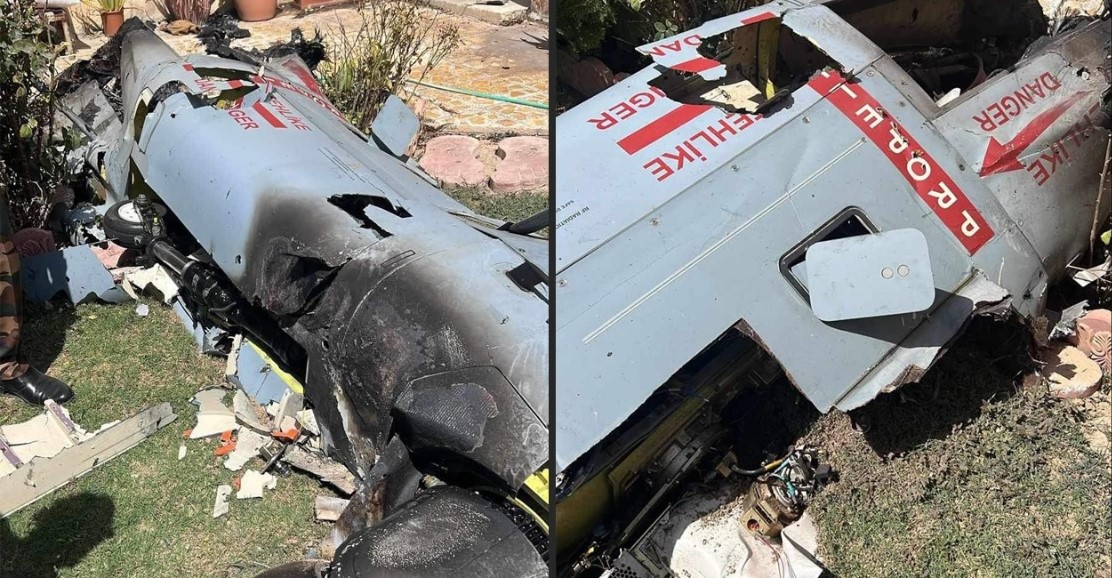
World
In a dramatic development near Kirkuk, Iraq's military successfully downed a Turkish Aksungur unmanned combat aerial vehicle (UCAV) on Thursday. The Aksungur, a medium-altitude, long-endurance drone developed by Turkish Aerospace Industries (TAI), is known for its advanced surveillance and combat capabilities. This incident has significant implications, especially given the current state of relations between Iraq and Turkey.The Aksungur drone, which is equipped for both reconnaissance and offensive operations, was reportedly involved in surveillance activities in the oil-rich region surrounding Kirkuk. This area is strategically important, not only because of its oil resources but also due to its proximity to regions where Kurdish militant activity is prevalent.The downing of the drone comes at a sensitive time for Iraq-Turkey relations. The two countries share a long border frequently crossed by members of the Kurdistan Workers' Party (PKK), a Kurdish militant group that has been involved in an ongoing conflict with Turkey. The PKK operates mainly from bases in northern Iraq, particularly in the mountainous regions controlled by the semi-autonomous Kurdistan Regional Government (KRG).This incident follows a recent visit by Turkish President Recep Tayyip Erdoğan to Iraq on April 22, which was intended to mend ties and strengthen cooperation between the two nations. During the visit, both countries expressed a desire to collaborate more closely on counterterrorism efforts, particularly targeting the PKK.The downed Aksungur drone highlights the ongoing tension between Iraq and Turkey over military operations in the region. Iraq has frequently criticized Ankara's cross-border military actions, arguing that they infringe upon its sovereignty. Turkey, however, maintains that such operations are crucial for its national security, aimed at neutralizing threats from the PKK.In response to the incident, Öncü Keçeli, a spokesperson for the Turkish Foreign Ministry, affirmed that Turkey is working with Iraq to understand the circumstances surrounding the drone's downing. Keçeli underscored the importance of continued dialogue between the two nations, stressing their joint commitment to addressing security challenges in the region despite this setback.This episode serves as a reminder of the complex dynamics in the Middle East, where geopolitical interests and regional security concerns often intersect in unpredictable ways. The collaboration between Iraq and Turkey remains crucial as they navigate these challenges and seek to maintain stability in a volatile region.
Read More → Posted on 2024-08-31 15:40:35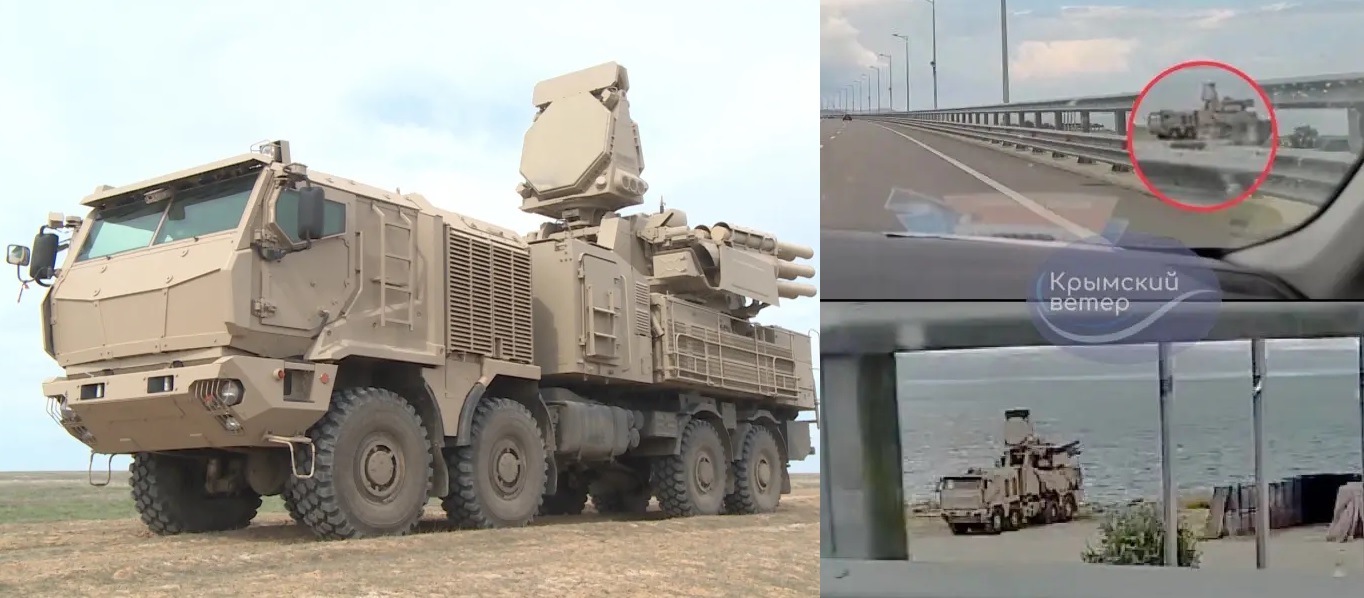
World
In a strategic move, Russia has recently deployed a rare and advanced variant of the Pantsir air defense system on the Crimean Bridge, also known as the Kerch Strait Bridge. This critical infrastructure, which connects mainland Russia to the annexed Crimean Peninsula, has now been equipped with the Pantsir-S1M system to enhance its defensive capabilities.The deployment was first highlighted by images shared on the Telegram channel “Crimean Wind,” which revealed the system's placement on the bridge. Satellite imagery confirms that the Pantsir-S1M has been stationed there for at least a month, suggesting a deliberate long-term strategy to safeguard this crucial route from potential Ukrainian attacks.The specific model of the Pantsir deployed is the Pantsir-S1M, a rare export variant that features several enhancements over standard models. This particular version is mounted on a KamAZ-53958 chassis and is distinguished by its desert camouflage paint, a feature that sets it apart from the more common models. The Pantsir-S1M was previously showcased at the Victory Parade in Tula and at the “Army” forum, indicating its unique status.The Pantsir-S1M boasts several advanced tactical and technical specifications. It includes an increased range and altitude capability for engaging aerial threats compared to its predecessors. The system can use two types of missiles: the 57E6M-E and the 57E6-E, which are integral to the Pantsir-S1 family. Designed for versatile air defense, the Pantsir-S1M can protect against a range of threats, including aircraft, helicopters, cruise missiles, tactical ballistic missiles, and precision-guided munitions. Its role is critical in defending both small military sites and larger administrative-industrial areas, especially during large-scale aerial assaults.The strategic placement of the Pantsir-S1M on the Crimean Bridge underscores Russia's emphasis on safeguarding key infrastructure amid ongoing regional tensions.
Read More → Posted on 2024-08-31 15:38:12
World
In a grim revelation, more than 66,000 Russian soldiers have reportedly died in the ongoing war in Ukraine, according to estimates from Mediazona, an independent Russian news outlet. This staggering figure highlights the intense and deadly nature of a conflict that Russia officially refers to as a "special military operation."Mediazona, in collaboration with the BBC's Russian Service, has been meticulously compiling a list of confirmed soldier deaths, drawing on open-source data from official reports, media accounts, and satellite images of cemeteries. This list, which includes names of the deceased, is an attempt to provide a more accurate picture of the human cost of the war, which has often been downplayed or obscured by official Russian channels.As of August 30, Mediazona has identified 66,471 Russian soldiers who have been killed in Ukraine. This marks a significant increase of over 4,600 names in just the past four weeks, a surge that the organization attributes not to recent battlefield developments, but rather to a backlog of death reports that are only now being confirmed.The distribution of these casualties is not uniform across Russia. The southern republic of Bashkortostan, which has a significant Muslim population, has suffered the highest number of deaths, with 2,578 confirmed fatalities. The dead also span a wide range of ages, but the most represented age group is 33-35 years, accounting for nearly 6,900 deaths.One of the more disturbing aspects of this report is the high number of prisoners among the dead. More than 12,000 of those killed were inmates who had been promised freedom in exchange for fighting on the front lines. However, Mediazona notes that the recruitment of prisoners has slowed recently, suggesting a possible shift in Russian military tactics or a waning pool of willing participants.Despite these figures, the true death toll is likely higher. Mediazona and the BBC rely on publicly available information, which means many deaths go unrecorded, particularly in regions with limited media coverage or where families may be reluctant to report the loss of a loved one.The Russian government has been notably silent on the issue of military casualties. The last official figure provided by the Russian Ministry of Defense was in September 2022, when it reported 5,937 soldiers killed—a number that contrasts starkly with the independent estimates. Even as the war drags on, Russian President Vladimir Putin has maintained that nearly 700,000 Russian soldiers are actively engaged in Ukraine, a figure that underscores the scale of Russia's military commitment to the conflict.In contrast, Ukrainian President Volodymyr Zelensky has stated that 31,000 Ukrainian soldiers have died since the war began, a number that reflects the heavy toll the conflict has taken on both sides.The ongoing investigation by Mediazona and the BBC serves as a sobering reminder of the war's devastating human cost. As the conflict continues with no end in sight, the number of casualties is likely to keep rising, further deepening the tragedy of this war.
Read More → Posted on 2024-08-31 15:34:50
World
In a decisive move to combat the growing menace of cybercrime, India is launching a dedicated Cyber Commando force. This elite unit, consisting of 350 highly trained personnel, is being established as part of a broader strategy to safeguard the nation’s digital infrastructure. With cybercrime losses in India estimated to reach ₹7,488 crore this year alone, the formation of this specialized force marks a significant step towards bolstering the country’s cybersecurity defenses.The Cyber Commando unit will draw its ranks from various state police forces, with members undergoing rigorous training at some of India’s premier institutions. These include the Indian Institutes of Technology (IITs), Indian Institutes of Information Technology (IIITs), and the Sardar Vallabhbhai Patel National Police Academy. The curriculum will cover advanced topics such as digital forensics, cyber threat intelligence, and defensive and offensive cyber operations. This is to ensure that these commandos are not only capable of responding to cyberattacks but also proactive in preventing them.The force is set to be officially commissioned next month, with a launch event planned for September 10th, where Union Home Minister Amit Shah is expected to interact with the newly inducted commandos. This initiative is part of the Ministry of Home Affairs' (MHA) 100-day action plan, underscoring the urgency with which the government is addressing cyber threats.The formation of the Cyber Commando force comes at a time when India is witnessing an unprecedented surge in cybercrime. According to recent data from the MHA, cybercriminals have stolen ₹7,488.6 crore from Indian citizens in 2023 alone. The states of Maharashtra and Telangana have been particularly affected, with losses exceeding ₹990.7 crore and ₹759.1 crore, respectively. These figures highlight the pressing need for a dedicated force that can tackle these sophisticated and evolving threats.In addition to the Cyber Commando force, the MHA is rolling out several other initiatives aimed at enhancing the country’s cyber defenses. These include the Samanvaya Joint Management Information System and the Cyber Fraud Mitigation Centre (CFMC). These platforms are designed to improve coordination between various agencies and provide real-time responses to cyber threats.The establishment of the Cyber Commando force is not just about responding to immediate threats. It’s also about preparing India for the future. As the country continues its digital transformation, the risks associated with cyber vulnerabilities will only increase. By investing in specialized training and cutting-edge technology, the government is positioning India to confront these challenges head-on.The Cyber Commando force will serve as a national resource, ready to defend the country’s critical information and communication technology (ICT) infrastructure. Their mission will include not just responding to cyberattacks but also conducting in-depth investigations into cybercrimes, ensuring that perpetrators are brought to justice.As India takes these bold steps to secure its digital future, the message is clear: the government is fully committed to protecting its citizens and businesses from the growing threat of cybercrime. The launch of the Cyber Commando force is a significant milestone in this ongoing effort, signaling a new era of enhanced cybersecurity in India.
Read More → Posted on 2024-08-31 15:32:56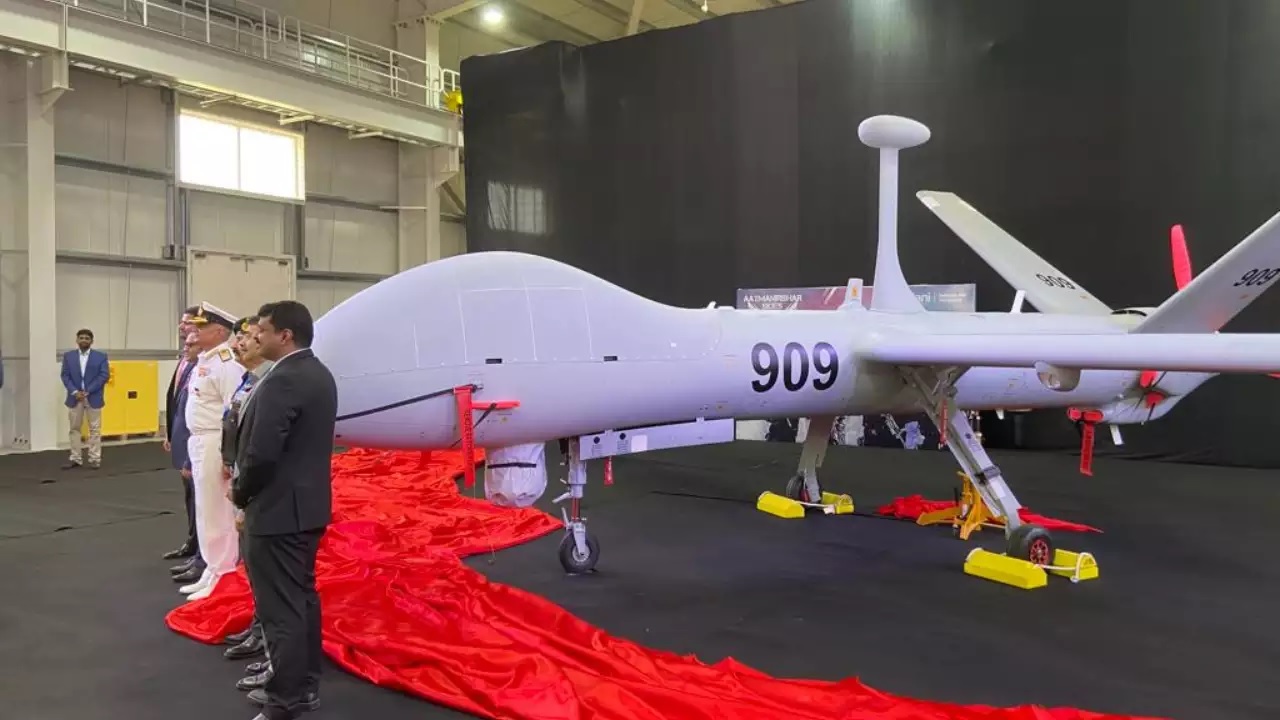
India
The Indian Army is on the brink of enhancing its surveillance capabilities with the upcoming deployment of Drishti-10 Medium Altitude Long Endurance (MALE) UAVs. Recent images from Adani Defence have revealed that these advanced drones, known as the Drishti-10 Starliner, are in their final preparation stages, signaling an imminent handover to the Army.Initially, the deployment of these drones was scheduled for May, but an unspecified delay pushed back their delivery. Despite this setback, the arrival of the Drishti-10 UAVs at the Bhatinda base is now expected soon. This deployment will be crucial for the Indian Army, especially in bolstering surveillance operations along the sensitive western border with Pakistan.The Drishti-10 UAVs are being procured under emergency provisions, a testament to their strategic importance. These provisions, which require at least 60% indigenous content, align with the Indian government's "Make in India" initiative, emphasizing the nation's commitment to self-reliance in defense manufacturing.The Drishti-10 Starliner is not just another UAV; it's a sophisticated platform designed for high-endurance surveillance missions. With its advanced electro-optical and infrared sensors, the drone can operate in diverse weather conditions, providing the Army with real-time intelligence and enhancing situational awareness. The MALE classification means that these drones can fly at medium altitudes for extended periods, making them ideal for continuous monitoring of India's borders.These UAVs are expected to play a pivotal role in the Indian Army's modernization efforts. As threats evolve, the need for advanced surveillance systems becomes increasingly critical. The Drishti-10 Starliner, with its state-of-the-art technology, will enable the Army to maintain a vigilant watch over critical areas, enhancing national security.In addition to surveillance, the Drishti-10 UAVs are likely to be integrated into a broader network of intelligence, surveillance, and reconnaissance (ISR) assets. This integration will allow for seamless communication and data sharing between different branches of the military, ensuring a coordinated response to any potential threats.The Indian Army's acquisition of the Drishti-10 UAVs is a significant step forward in its quest to modernize its forces and improve its operational capabilities. As these drones enter service, they will undoubtedly become a cornerstone of India's defense strategy, providing the Army with the tools it needs to effectively monitor and protect the nation's borders.
Read More → Posted on 2024-08-31 15:30:08
World
In a startling revelation, former US National Security Advisor Lt. Gen. H.R. McMaster has pulled back the curtain on Pakistan's Inter-Services Intelligence (ISI) and its deep-rooted connections with terrorist organizations. McMaster's insights, detailed in his latest book *At War with Ourselves: My Tour of Duty in the Trump White House*, offer a sobering look at the challenges he faced during his tenure, particularly in curbing the flow of US aid to Pakistan, a country he describes as complicit in harboring and supporting terrorists.Under the Trump administration, a key priority was to halt all security aid to Pakistan until it ceased providing safe havens for terrorist groups operating in Afghanistan and beyond. President Donald Trump was vocal in his disdain for the perceived duplicity of Pakistan, famously tweeting on New Year's Day that the United States had been "foolishly" giving Pakistan billions in aid, only to receive "lies & deceit" in return.Despite Trump's clear directives, McMaster encountered significant resistance from within the US government. Both the State Department and the Pentagon were hesitant to cut off aid, fearing potential repercussions. One of the most striking examples of this internal struggle occurred when then-Defense Secretary Jim Mattis planned to deliver a military aid package to Islamabad, including over $150 million worth of armored vehicles. This move was in direct contradiction to the South Asia strategy Trump had approved, which called for a suspension of all aid except in very limited circumstances.McMaster recounts how he had to intervene personally to stop the aid package from being delivered. He convened a high-level meeting that included Mattis, CIA Deputy Director Gina Haspel, and other senior officials to underscore the importance of adhering to the president's policy. The discussion highlighted the deep-seated concerns within the administration about Pakistan's ongoing support for terrorist organizations, which were not only undermining US efforts in Afghanistan but also posing a direct threat to American and coalition forces.The ISI's involvement with terrorist groups was further exposed during a hostage crisis in Pakistan, which McMaster cites as undeniable proof of the agency's complicity. The timing of Pakistan’s actions, such as the release of Hafiz Saeed—the mastermind behind the 2008 Mumbai attacks—on the eve of Mattis’s visit to Islamabad, seemed almost calculated to mock US efforts to curb terrorism. This blatant disregard for international norms and US demands only served to reinforce the perception that Pakistan, and particularly its intelligence agency, was playing a double game.Despite these revelations, McMaster found it difficult to get the State Department and the Pentagon to fully comply with Trump’s directives. The internal resistance was so strong that it became a significant obstacle to implementing the administration’s broader South Asia strategy, which aimed to recalibrate the US-Pakistan relationship in light of the latter’s duplicitous actions.McMaster's book provides a candid account of the bureaucratic inertia that often stymied efforts to hold Pakistan accountable. His experience highlights the complexities of foreign policy, where even clear directives from the highest levels of government can be undermined by competing interests and concerns about unintended consequences.The former NSA’s revelations about Pakistan’s ISI are a stark reminder of the challenges the US has faced in its fight against terrorism. While the Trump administration may have been more vocal and decisive in its approach, the struggle to hold Pakistan accountable for its actions remains a contentious issue that continues to shape US foreign policy in the region.
Read More → Posted on 2024-08-31 15:28:15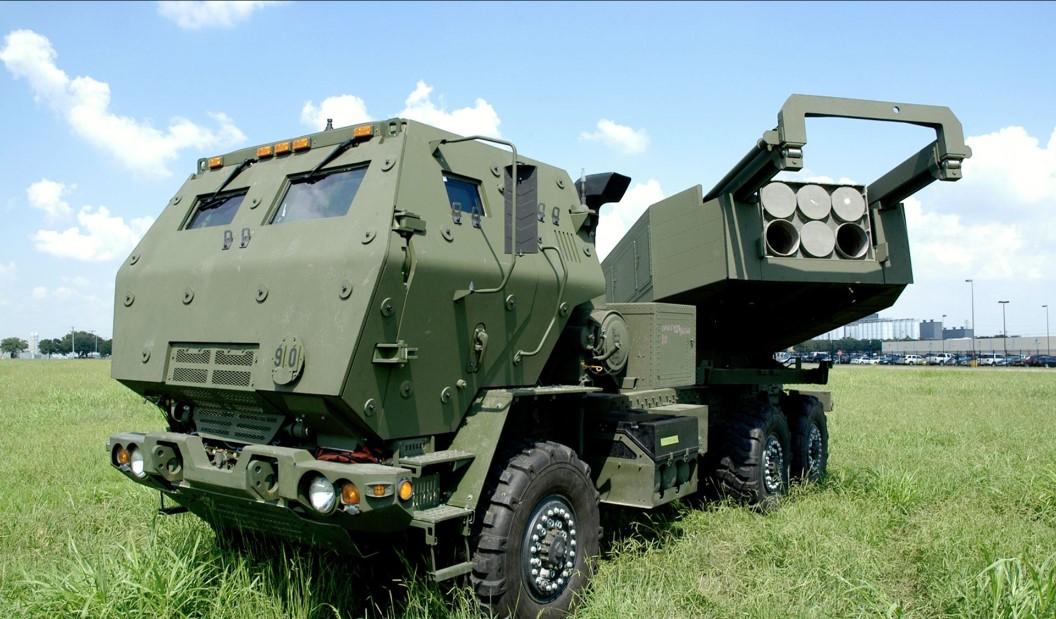
World
The United States has given the green light for the sale of M142 High Mobility Artillery Rocket Systems (HIMARS) to Croatia, marking a significant development in the defense relationship between the two nations. The deal, valued at an estimated $390 million, underscores Croatia's commitment to enhancing its military capabilities amidst rising security concerns in Europe.The HIMARS system, produced by Lockheed Martin, is a highly versatile and mobile rocket artillery system that has gained a reputation for its effectiveness in modern warfare. The sale to Croatia includes eight HIMARS launchers, which are capable of firing a variety of munitions, including the M30A2 and M31A2 guided artillery rockets. These rockets are designed for precision strikes, making them ideal for targeting enemy positions with minimal collateral damage.The M142 HIMARS is known for its rapid deployment and accuracy, features that are crucial for modern battlefield scenarios. The system can launch multiple rockets in quick succession and then relocate swiftly, making it difficult for adversaries to counterattack. The M30A2 and M31A2 rockets, included in the package, are particularly notable for their advanced guidance systems, which ensure high accuracy over long distances. These rockets have been used effectively in various conflicts, demonstrating their reliability and precision.In addition to the hardware, the package also includes a comprehensive suite of equipment, training, and logistical support. This ensures that the Croatian Armed Forces will be fully equipped to operate and maintain the HIMARS systems effectively. The training component is essential, as it will provide Croatian military personnel with the skills needed to maximize the system's capabilities in both offensive and defensive operations.This sale is not just about hardware; it's about enhancing Croatia's overall defense posture. As a NATO member, Croatia's acquisition of HIMARS aligns with broader alliance efforts to bolster deterrence and defense capabilities in Europe, particularly in the face of growing regional tensions. The HIMARS system will significantly enhance Croatia's artillery capabilities, providing a flexible and powerful tool for responding to a wide range of threats.Lockheed Martin, one of the world's leading defense contractors, will be the primary supplier for this deal. The company's track record with the HIMARS system has been proven in various military engagements, and its role in this sale reaffirms its position as a key partner in international defense. The deal is expected to strengthen the strategic partnership between the United States and Croatia, as well as contribute to regional stability by enhancing the defensive capabilities of a key NATO ally.In summary, the US approval of the HIMARS sale to Croatia represents a significant step forward in the country's military modernization efforts. With advanced rocket artillery systems like HIMARS, Croatia is better equipped to face the challenges of modern warfare, while also reinforcing its role within NATO. This deal not only enhances Croatia's defense capabilities but also underscores the importance of US-Croatian military cooperation in maintaining security in the region.
Read More → Posted on 2024-08-31 15:25:36
World
In a recent and significant exchange, Pakistan Prime Minister Shehbaz Sharif held a meeting with Professor Muhammad Yunus, the Chief Advisor of Bangladesh's interim government, recognizing and applauding his remarkable contributions to the socio-economic fabric of Bangladesh. This interaction, which took place on August 30, underscores the respect and admiration Sharif holds for Yunus, particularly in light of the challenging circumstances currently facing Bangladesh.In a post shared on social media platform X, Sharif expressed his heartfelt sentiments, saying, "I spoke with Professor Muhammad Yunus, Chief Adviser, Government of the People's Republic of Bangladesh, this morning." He further elaborated on his conversation with Yunus, offering congratulations on Yunus’s new role while lauding his extensive work in improving Bangladesh’s socio-economic conditions. Muhammad Yunus, a Nobel laureate and globally renowned economist, has long been celebrated for his pioneering work in microfinance, which has lifted millions out of poverty in Bangladesh. His efforts have not only earned him international recognition but also positioned him as a key figure in Bangladesh's socio-economic development. His leadership in the interim government, especially during these trying times, seems to have further solidified his reputation as a visionary committed to the welfare of his people.Sharif's praise comes at a particularly tumultuous time for Bangladesh. The country has been grappling with political instability following the resignation of former Prime Minister Sheikh Hasina on August 5. The resignation, which was spurred by intense student-led protests that evolved into a broader anti-government movement, has left Bangladesh in a state of uncertainty. The interim government, led by Yunus and backed by the Bangladesh Army, has been working to restore order amidst widespread lawlessness and violence, which has included targeted attacks on minority communities, particularly Hindus.In their discussion, Sharif also extended his sympathies to Yunus regarding the devastating floods that have recently struck Bangladesh. The floods have exacerbated the country's already fragile state, with large swathes of the population affected, particularly in the eastern regions bordering India. The Ministry of External Affairs (MEA) of India clarified that the opening of the Dumbur dam upstream of the Gumti River in Tripura was not responsible for the flooding in Bangladesh, attributing the deluge to unusually heavy rains in the region.Despite the challenges, the meeting between Sharif and Yunus signals a willingness on both sides to strengthen bilateral ties. Sharif noted the deep historical, cultural, and religious connections between Pakistan and Bangladesh, expressing his eagerness to build closer cooperation between the two nations. This move could mark a new chapter in Pakistan-Bangladesh relations, potentially paving the way for enhanced collaboration in various sectors, including trade, education, and disaster management.The conversation between Sharif and Yunus, while focused on immediate concerns, also hinted at a broader, long-term vision for regional stability and prosperity. As Bangladesh navigates through its current crisis, the support and solidarity extended by neighboring nations like Pakistan could play a crucial role in shaping the country's future trajectory.
Read More → Posted on 2024-08-31 15:23:04Search
Top Trending in 24 Hours
-
 Unitree Unveils H2-X ‘Kung Fu Legend: Guardian’ Humanoid Robot for Security and Rescue
-
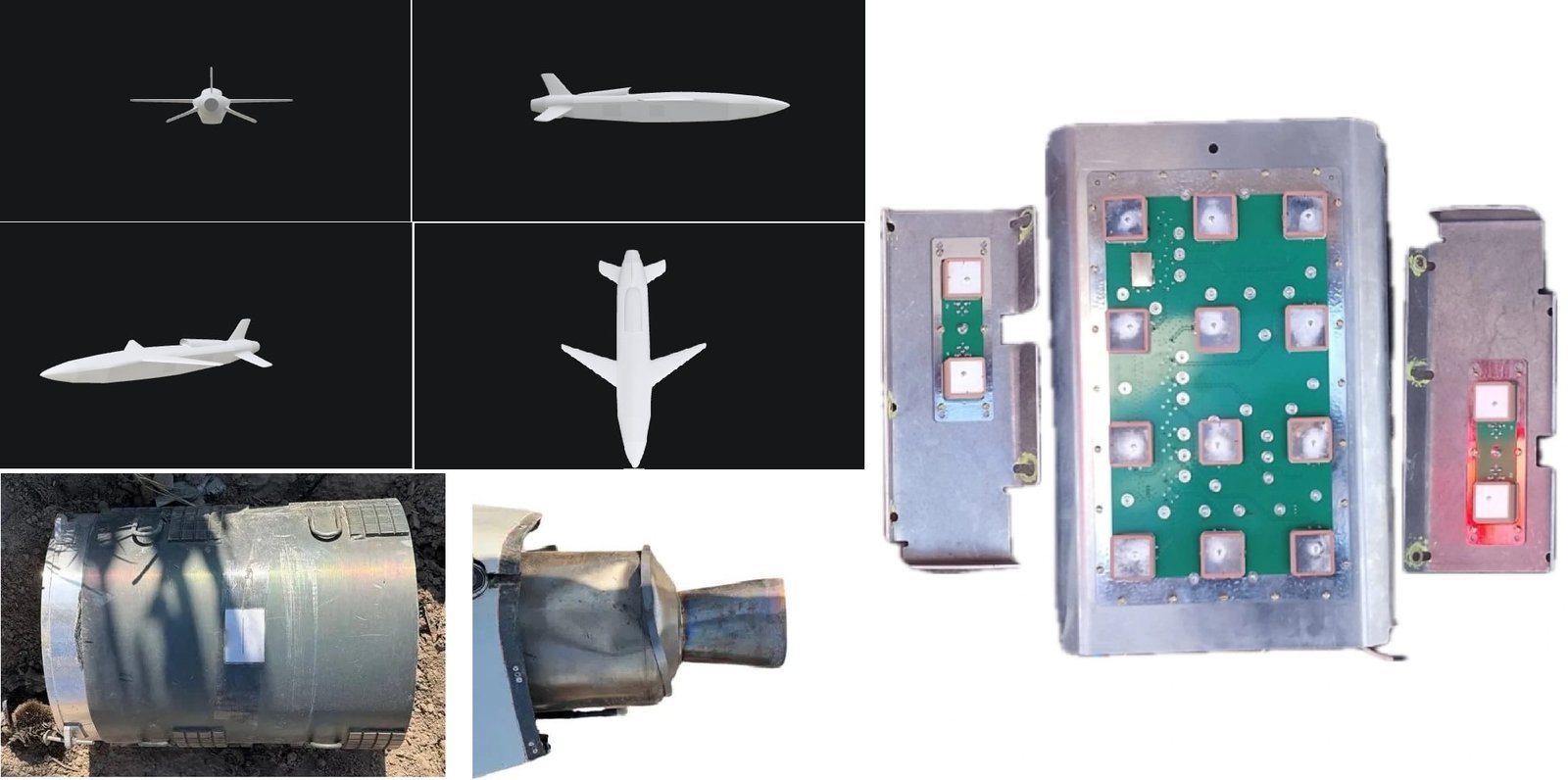 Ukraine Reveals Technical Details of Russia’s New Filin Cruise Missile
-
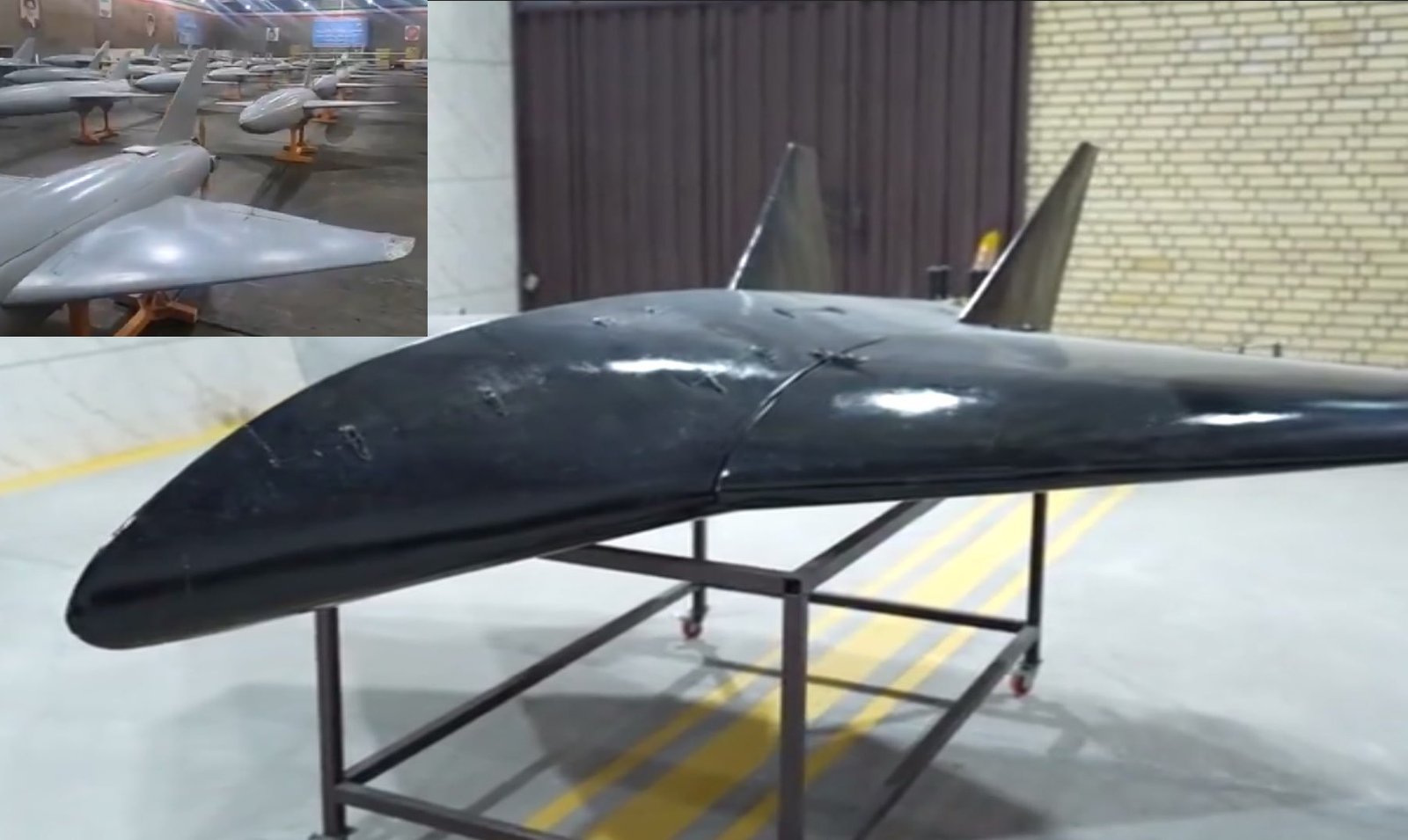 Iran Showcases Upgraded Arash-3 Drone with 100 kg Warhead, AI Targeting and GPS-Independent Navigation
-
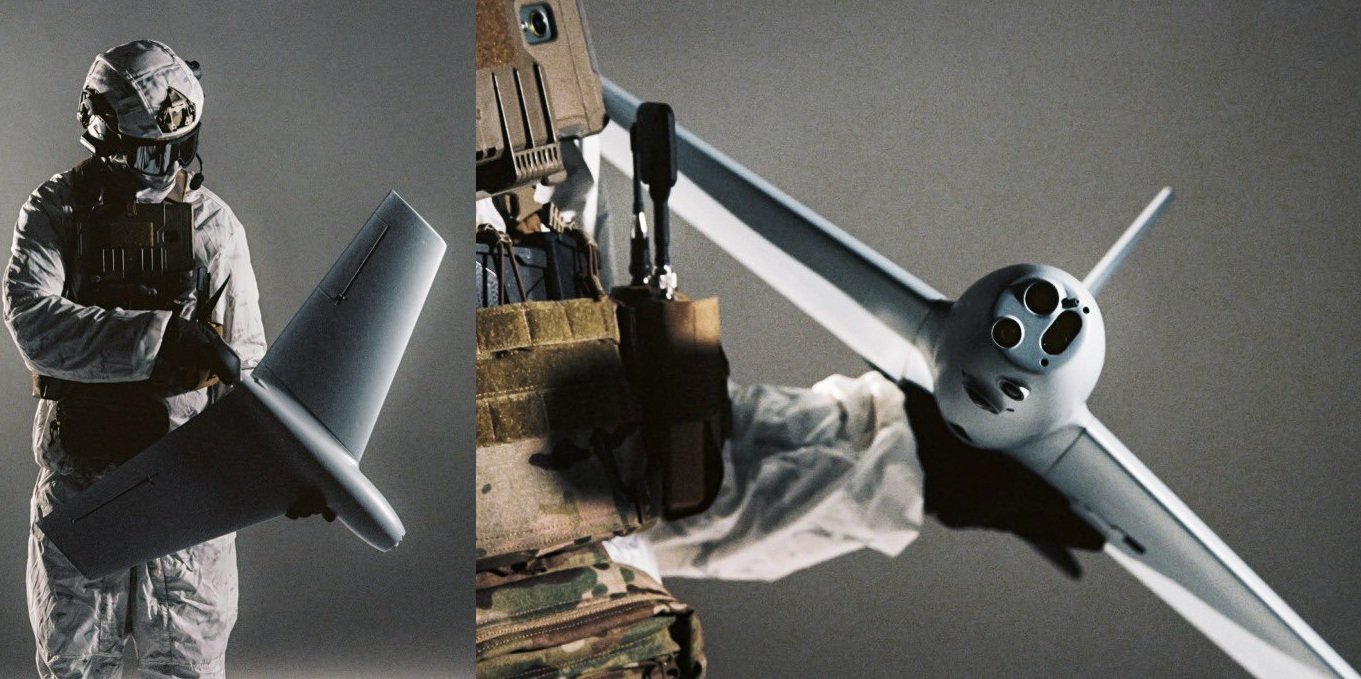 US Firm Heaviside Unveils 2.3-Kg TYR Loitering Munition With 40-Km Range at AUSA 2026
-
 U.S. Air Force Tests SpaceX Starfall Capsule for Rapid Global Military Cargo Delivery
-
 Voyant Demonstrates Satellite-Free Navigation Technology for UK Ministry of Defence
-
 General Dynamics Unveils PERCH 2.0 Drone System for Abrams Tanks and Stryker Vehicles
-
 Exail Wins Major Contract to Equip Entire Fleet of Uncrewed Surface Vessels with Marins Inertial Navigation Systems
Top Trending in 4 Days
-
 NASA Sets New Artemis Milestones as SpaceX and Blue Origin Target Moon Landings in 2027–2028
-
 US Weighs Strikes on Iran’s Kharg Island Oil Hub Ahead of Midterm Elections
-
 U.S. Air Force Awards HII Subsidiary Enlighten IT $332.8 Million Cyber Defense Contract
-
 U.S. Navy Awards HII $99.1 Million Contract Modification for Zumwalt-class Destroyer USS Lyndon B. Johnson Sea Trials
-
 Four NASA Volunteers Mark One Year in Simulated Mars Habitat
-
 Australia Unveils Ghost Shark Autonomous Submarine’s Mine, Drone and Logistics Capabilities
-
 L3Harris Opens ‘Arsenal of Freedom’ Rocket Motor Plant in Arkansas to Double Production Capacity
-
 Russia Reportedly Offers Su-35 Fighters and S-400 Air Defence System to Protect Tehran
