
India
In an impressive feat of logistics, Express Global Logistics (EXG), a member of the Worldwide Project Consortium (WWPC) in India, has successfully completed a high-stakes transportation project, moving over 3700 tons of nuclear power equipment from China to southern India in a record time of 21 days. This operation marks a significant milestone in the ongoing expansion of a nuclear power plant.The journey began at Lushun Port in China, from where the equipment was shipped via break bulk ocean transport to Tuticorin Port in India. The shipment, comprising 36 pieces totaling 3708 freight tons, included equipment with maximum dimensions of 9 meters in length, 5.6 meters in width, and 5.7 meters in height, with individual pieces weighing up to 59 tons. The equipment was transported using heavy-duty multi-axle trailers, ensuring its safe and timely arrival at the designated site.The logistics operation was carefully planned and executed, overcoming challenges such as vessel space shortages and geopolitical issues. Priority berthing and direct sailing were secured to ensure the swift transit of the cargo. The entire ocean transport phase was completed in just 21 days, demonstrating EXG’s efficiency and expertise in handling large-scale and sensitive shipments.Upon reaching Tuticorin Port, the equipment underwent import customs clearance and port handling before being transported overland to the final destination. The 250-kilometer journey from the port to the job site utilized a combination of heavy-duty and low-bed multi-axle trailers, ensuring the safe delivery of the oversized and heavy equipment.A spokesperson for EXG praised the team's meticulous planning and execution. Despite the challenging conditions, the company’s ability to adapt and meet the client's specific requirements was instrumental in the success of this project. The efficient handling of such a large volume of heavy and oversized equipment highlights EXG's commitment to excellence in logistics and its capacity to tackle complex projects under demanding circumstances.
Read More → Posted on 2024-08-29 14:58:15
India
India is set to mark a significant milestone today with the commissioning of its second nuclear-powered submarine, INS Arighat. This event, to be held in Visakhapatnam, will be graced by Defence Minister Rajnath Singh and top military officials, signaling a major step forward in India's naval capabilities.INS Arighat, stretching 112 meters in length and displacing 6,000 tonnes, is set to enhance India's naval prowess alongside its predecessor, INS Arihant. Both submarines share the same size and displacement, but INS Arighat boasts notable upgrades that make it a more formidable asset. While maintaining the same dimensions as INS Arihant, INS Arighat can carry a greater number of K-15 missiles. These missiles, each capable of being equipped with nuclear warheads, have a range of 750 kilometers, providing substantial strike capability.The submarine has been fully operational since early August, following extensive trials and upgrades. It is powered by an 83-megawatt pressurized light-water reactor, which allows it to remain submerged for prolonged periods, unlike conventional diesel-electric submarines that need to surface or "snorkel" frequently for battery recharging.INS Arighat represents a significant advancement in India's strategic capabilities. As part of India's nuclear triad, it strengthens the country's ability to launch nuclear strikes from sea, land, and air. This triad includes land-based Agni ballistic missiles and aircraft like the Sukhoi-30MKI, Mirage-2000, and Rafale, which are capable of delivering nuclear bombs from the air.The commissioning of INS Arighat is a crucial step in India's efforts to bolster its sea-based nuclear deterrent. Currently, India is working on two more ballistic missile submarines under the Advanced Technology Vessel (ATV) project. The next in line, INS Aridhaman, is expected to be commissioned next year. This 7,000-tonne submarine will be equipped with K-4 missiles, which have a range of 3,500 kilometers, further enhancing India's strategic reach.India's nuclear-powered submarine fleet, while advancing, still lags behind major nuclear powers like the United States, Russia, and China. China, for instance, operates six Jin-class SSBNs equipped with JL-3 missiles with a range of 10,000 kilometers, alongside six nuclear-powered attack submarines. The United States has a substantial fleet of 14 Ohio-class SSBNs and 53 attack submarines. In response to these global dynamics, India is also exploring a ₹40,000 crore project to develop two new 6,000-tonne attack submarines. These "hunter-killer" submarines, armed with torpedoes and various missiles, are expected to be finalized in the coming years.The commissioning of INS Arighat not only marks a significant upgrade in India's naval capabilities but also underscores the nation's commitment to maintaining a robust and credible nuclear deterrent.
Read More → Posted on 2024-08-29 14:23:37
World
Taiwan’s recent military exercise, known as the Sky Horse drills, has brought to light significant concerns regarding the performance of US-supplied anti-tank weapons. During the exercise, the Taiwanese military fired seventeen BGM-71 TOW 2A missiles, but only seven of these hit their intended targets. This disappointing result has prompted a re-evaluation of the weapon system's effectiveness in combat scenarios.The BGM-71 TOW (Tube-launched, Optically-tracked, Wire-guided) missile system is a cornerstone of anti-tank warfare, renowned for its long service history and deployment in various conflicts worldwide. The TOW 2A variant, used by Taiwan in this exercise, is equipped with a tandem warhead designed to defeat modern armored threats, including those with reactive armor. Despite its advanced design, the recent exercise highlighted a troubling accuracy issue that could impact Taiwan’s defense strategy, especially as tensions in the region remain high.The Ministry of National Defense (MND) was quick to clarify that the exercise aimed to familiarize soldiers with the weapon system rather than test the missiles' performance. However, the low success rate of the TOW missiles has not gone unnoticed. The ministry has announced plans to hold an evaluation meeting to discuss the possible causes behind the poor performance and to determine whether the issue lies with the missiles themselves, the training of the operators, or a combination of both.One of the primary concerns raised was the potential failure of the munitions. According to Major General Liu Sheen-mo, some missiles failed to acquire targets properly, while others dropped prematurely, suggesting that munition failure might have played a role in the exercise's outcome. This raises questions about the reliability of the TOW 2A missiles, especially as Taiwan awaits the delivery of 1,700 TOW 2B missiles, a more advanced variant expected by the end of the year. The TOW 2B is designed to attack armored vehicles from above, where their armor is weakest, and its effectiveness will be critical in ensuring Taiwan’s defensive capabilities.Another factor that might have contributed to the low accuracy is the operators' familiarity with the system. Lt. Gen. Chen Chien-Yi, the Army Chief of Staff, noted that more than half of the soldiers participating in the drills had never operated the anti-tank missiles before. This inexperience could have led to mishandling or errors in the launch process, further reducing the success rate. Chen expressed hope that experienced military personnel would mentor their less experienced counterparts, ensuring better handling of the weapon system in future exercises.Despite the disappointing results, the MND assured that no soldiers would be penalized for the weapon system’s performance during the exercise. The focus now shifts to understanding the root causes of the issues observed and making necessary adjustments before the new batch of missiles arrives. Taiwan’s military is keen on maintaining a robust defense posture, and ensuring the reliability of its weapon systems is a crucial part of that strategy.As Taiwan continues to bolster its defenses amid increasing regional tensions, the reliability of its military hardware is of paramount importance. The upcoming evaluation meeting will be a critical step in addressing the shortcomings observed during the Sky Horse drills and ensuring that Taiwan’s armed forces are fully prepared for any potential threat.
Read More → Posted on 2024-08-29 14:18:20
World
Slovakia is making a significant leap in its air defence capabilities with the recent approval to purchase six mobile air defence systems from Israel. This decision, backed by a financial commitment of EUR 554.3 million, reflects the country’s growing focus on securing its airspace amidst evolving regional security challenges. Although the official announcement did not specify the exact system being acquired, it is widely believed that Slovakia will be enhancing its defence arsenal with the Israeli Barak MX mobile medium-range air defence system, developed by Israel Aerospace Industries (IAI).The Barak MX system is a versatile and highly advanced air defence platform, designed to counter a wide spectrum of aerial threats, including aircraft, helicopters, drones, and missiles. What sets the Barak MX apart is its modularity and adaptability, allowing it to be integrated into various operational environments, whether on land or at sea. This makes it an ideal choice for Slovakia as it looks to replace its ageing defence systems.Currently, Slovakia relies on the medium-range 2K12 KUB system, a Soviet-era technology that has served the country for decades but is now outdated and at the end of its operational life. The introduction of the Barak MX system will mark a significant upgrade, bringing Slovakia’s air defence capabilities in line with modern standards.The Barak MX system is equipped with advanced radar and missile technology, providing enhanced accuracy and range. It can detect and engage multiple targets simultaneously, offering robust protection against saturation attacks. Additionally, the system’s open architecture allows for seamless integration with existing defence infrastructure, ensuring a smooth transition from the old to the new system.This move comes after a controversial decision by a previous Slovak government to donate the country’s S-300 air defence system to Ukraine. While this gesture was intended to support Ukraine in its ongoing conflict, it left Slovakia with a critical gap in its national defence. The current administration has been vocal in its criticism of this decision, arguing that it compromised the country’s ability to protect its own airspace. The acquisition of the Barak MX systems is seen as a strategic move to not only fill this gap but to significantly bolster Slovakia’s air defence capabilities.In summary, Slovakia’s decision to invest in the Israeli Barak MX air defence system represents a crucial step towards modernizing its military infrastructure. With the integration of this state-of-the-art system, Slovakia is poised to enhance its national security and maintain a robust defence posture in the region.
Read More → Posted on 2024-08-29 14:15:57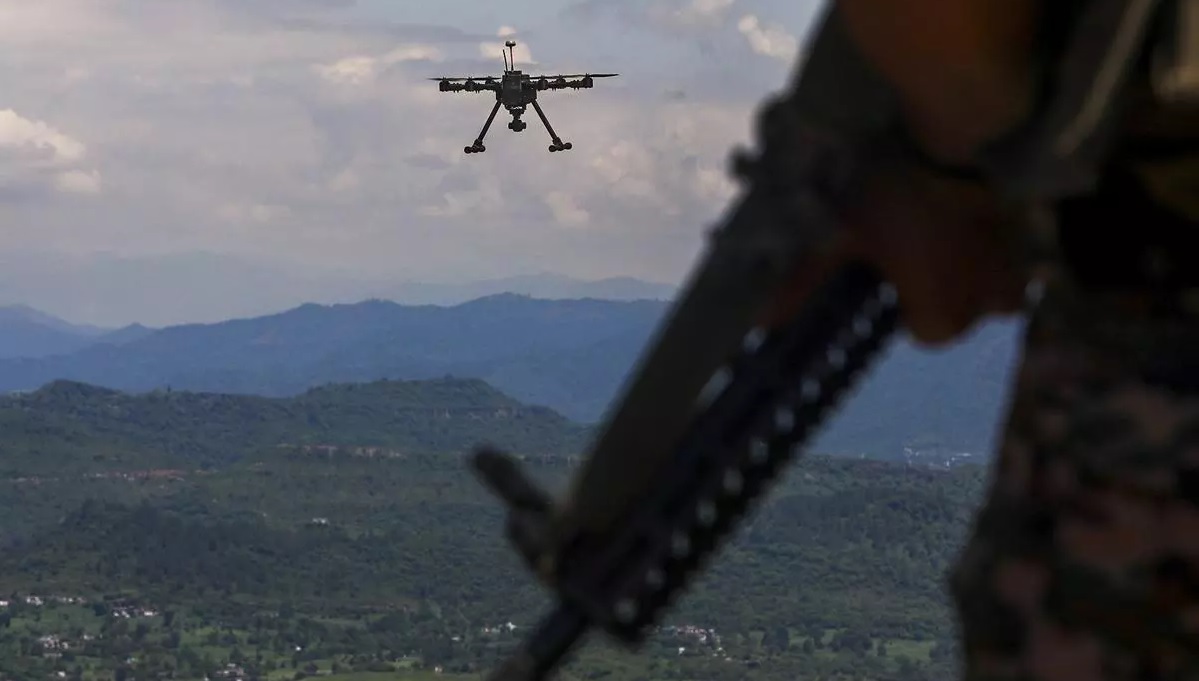
India
India's Ministry of Defence (MoD) has taken a decisive step in its ongoing efforts to safeguard national security by imposing a strict ban on the use of Chinese components in military drones. This move comes amid growing concerns over potential security vulnerabilities linked to Chinese-made parts, particularly in the context of escalating tensions between India and China.On June 25, the Ministry’s Department of Defence Production (DDP) issued a directive to key industry associations, including FICCI, Assocham, and the Society of Indian Defence Manufacturers (SIDM). The letter warned against the use of Chinese parts in military drones, explicitly mentioning companies like Dhaksha Unmanned Systems Pvt. Ltd., Sky Industries, and Garuda Aerospace Pvt. Ltd., which supply drones to the Indian Defence Forces.Industry Response: Reassurance Amidst ScrutinyThe MoD’s directive has sparked reactions from the affected companies. Dhaksha Unmanned Systems was quick to refute any claims of using Chinese components in its drones. A company spokesperson stated, “We do not use any Chinese components in our defense drones, and such claims are unsubstantiated.” The company has provided the Defence Ministry with documentation to prove its compliance with sourcing regulations, underscoring its commitment to the ‘Make in India’ initiative.Similarly, Garuda Aerospace's Chief Operating Officer, Dr. Vijayakumar Rajarathinam, clarified that no formal accusations have been made against their company regarding the integration of Chinese parts. He emphasized that Garuda Aerospace strictly adheres to government regulations, ensuring their drones meet all security standards. Dr. Rajarathinam suggested that the MoD's notice is likely a precautionary measure rather than an indication of specific wrongdoing.Security Concerns: The Bigger PictureThe MoD's ban on Chinese components in military drones is part of a broader strategy to mitigate national security risks. India's reliance on foreign technology, especially from countries with which it shares contentious borders, has raised alarms. Drones, increasingly crucial to India’s military operations, are particularly vulnerable to cyber threats, espionage, and other security breaches if equipped with compromised components.Intelligence officials have expressed concerns that Chinese-made parts could jeopardize critical military functions, including communication systems, camera operations, and software security. These concerns are not new; India has been gradually phasing out the use of Chinese components in sensitive military equipment since 2020, following a series of border clashes with China.The Challenge of Developing Indigenous TechnologyIndia's ambition to build a self-reliant defense sector faces significant hurdles, particularly in drone manufacturing. The country’s dependency on Chinese components has complicated efforts to develop indigenous alternatives. Transitioning to non-Chinese suppliers has driven up production costs, creating challenges for domestic manufacturers.For instance, Sameer Joshi, founder of Bengaluru-based NewSpace Research and Technologies, highlighted that a large portion of the supply chain, up to 70%, was previously reliant on Chinese goods. Shifting away from these sources has resulted in substantial cost increases, which could slow down India's defense projects.Despite these challenges, the Indian government is committed to advancing its drone capabilities. In the 2023-24 fiscal year, it allocated 1.6 trillion rupees ($19.77 billion) for military modernization, with 75% reserved for domestic industry. However, the difficulty in finding non-Chinese components has delayed key projects like the indigenous Medium Altitude Long Endurance (MALE) drone platform, Tapas. Looking Ahead: Balancing Security with CostExperts argue that India must be prepared to bear higher costs to establish a robust domestic manufacturing ecosystem. The MoD's recent actions reflect the urgent need for secure and reliable components in military drones, emphasizing that national security cannot be compromised.As India continues to navigate the complex landscape of defense manufacturing, the government’s focus remains on reducing dependency on foreign technology, particularly from adversarial nations like China. The emphasis on self-reliance and security in drone manufacturing underscores India’s broader strategic objectives, ensuring the integrity of its defense capabilities in an increasingly uncertain world.
Read More → Posted on 2024-08-29 14:10:19
India
In a bold move to enhance its defense capabilities, the Indian Army is exploring the use of shotguns as an unconventional yet effective anti-drone weapon system. This initiative was recently showcased by the Southern Command during its annual field firing exercise, reflecting the Army's continuous adaptation to modern warfare challenges.The increasing prevalence of drones in combat zones has necessitated innovative countermeasures. Traditional anti-drone systems, while effective, can be expensive and require significant infrastructure. The Indian Army's interest in shotguns stems from the weapon's simplicity, affordability, and ease of use, making it a practical choice for close-combat scenarios. Unlike more sophisticated systems, shotguns can be quickly deployed by ground troops, providing an immediate response to the threat posed by small, fast-moving drones.This tactic isn't entirely novel. The conflict in Ukraine has seen Russian forces employing shotguns to counter fixed-wing drones effectively. These drones, often used for reconnaissance or small-scale attacks, are challenging to target with conventional firearms due to their size and speed. However, the spread pattern of shotgun pellets increases the likelihood of hitting and disabling these drones at close range, making shotguns a surprisingly effective tool in the anti-drone arsenal.The Indian Army's exploration of this tactic underscores a broader trend in military strategy: the need to stay ahead of emerging threats through constant innovation. As drone technology continues to evolve, becoming more advanced and accessible, traditional defense mechanisms may no longer suffice. The use of shotguns represents a low-tech solution to a high-tech problem, exemplifying how militaries worldwide are rethinking their approaches to modern combat.Shotguns, typically seen as weapons for close-quarters battle, are now being repurposed to address one of the 21st century's most pressing challenges—drone warfare. Their ability to fire a spread of projectiles increases the chance of striking small, agile drones, which are difficult targets for precision weapons. Moreover, shotguns can be equipped with specialized ammunition, such as birdshot or buckshot, to optimize their effectiveness against different types of drones.In the context of the Indian Army, this innovation is particularly significant. The military faces diverse security challenges, from border skirmishes to counter-insurgency operations, where the threat of drone attacks is ever-present. By incorporating shotguns into their anti-drone strategy, the Army is not only enhancing its defensive toolkit but also demonstrating a commitment to practical, on-the-ground solutions that can be quickly implemented.The implications of this approach extend beyond the Indian Army. As drone warfare becomes increasingly common, other militaries may also consider adopting similar tactics. The adaptability of shotguns, combined with their cost-effectiveness, makes them an attractive option for armed forces looking to bolster their anti-drone capabilities without significant financial investment.In conclusion, the Indian Army's exploration of shotguns as a close-combat anti-drone solution highlights the dynamic nature of modern warfare. It reflects a broader trend of leveraging existing technologies in new ways to address emerging threats. As the battlefield continues to evolve, such innovations will be crucial in maintaining a strategic edge. The Army's willingness to experiment with unconventional methods like these ensures that it remains prepared for the complexities of contemporary combat.
Read More → Posted on 2024-08-29 14:03:37
World
In a significant leap toward the future of naval aviation, Shield AI, a California-based defense technology company, has partnered with the US Navy to demonstrate an artificial intelligence-enabled pilot system using the Kratos BQM-177A subsonic aerial target. This collaboration aims to enhance autonomous systems that could play a pivotal role in future unmanned operations.The BQM-177A, a subsonic aerial target designed primarily for the US Navy's anti-ship missile defense systems, was chosen for this trial due to its relatively low unit cost and flight hour expense. This made it an ideal candidate for rapid testing and development of Shield AI's proprietary software, "Hivemind." This AI-driven system is designed to control unmanned aerial vehicles (UAVs) with a high degree of autonomy, potentially reducing the need for human intervention in complex or dangerous scenarios.During the trial, data was collected from both simulation-based and real-world tests. The focus was on creating a "comprehensive and continuous feedback loop" that would help fine-tune the AI systems. This feedback loop is crucial in ensuring that the AI can make decisions that are not only accurate but also adaptable to changing conditions in real-time, a necessity for any operational deployment in future naval aviation.The BQM-177A itself is a versatile platform, capable of simulating various threats to naval forces. It can replicate anti-ship cruise missiles and other potential dangers, making it an invaluable tool for training and development. The recent test, facilitated under a contract awarded to Shield AI in March, was conducted in partnership with the US Navy's Strike Planning and Execution program (PMA-281) and Aerial Targets program (PMA-208). The success of this test lays the groundwork for further trials and developments.The trial's success is seen as a foundational step in integrating AI into naval aviation. Capt. Jerick Black, Program Manager for PMA-281, emphasized that this effort not only validates the current technology but also offers a scalable solution that could benefit the entire naval aviation community. The initiative ensures that the US Navy remains at the forefront of technological innovation, especially in developing autonomous systems that could redefine the future of warfare.Looking ahead, another technical demonstration is scheduled for late 2025, which is expected to further advance the AI piloting concept. This upcoming trial will likely build on the insights gained from the recent BQM-177A test, pushing the boundaries of what autonomous systems can achieve in a military context.Shield AI's work with the BQM-177A is part of a broader portfolio of autonomy projects with the US Department of Defense. The company recently demonstrated its Hivemind software on two Kratos MQM-178 Firejet aircraft, showcasing the system's ability to operate multiple UAVs autonomously. Additionally, Shield AI secured a $198.1 million contract to supply V-BAT vertical takeoff and landing systems to the US Coast Guard, highlighting the versatility and growing demand for their AI-driven solutions.In another significant development, Shield AI teamed up with the US Air Force to test the swarming capability of three V-BATs in a wildfire surveillance scenario, further demonstrating the potential of AI in managing complex tasks. The company also revealed a collaboration with Kratos to integrate their AI pilot with the XQ-58 Valkyrie, an unmanned aerial system designed for combat scenarios, intended for use by US and allied forces.These developments underscore the growing importance of AI in modern military operations. As Shield AI continues to refine its technology, the possibilities for AI-driven unmanned systems in naval and aerial warfare seem almost limitless. The recent tests with the BQM-177A are just the beginning of what could be a revolutionary shift in how the military approaches aerial combat and surveillance.
Read More → Posted on 2024-08-29 14:01:22
India
Armenia is strategically expanding its defense capabilities by seeking advanced drones and medium-range surface-to-air missiles from India. This move is a calculated response to ongoing tensions with Azerbaijan, reflecting Armenia's efforts to modernize its military and secure its airspace amid regional security challenges.Armenia has already made significant strides in bolstering its air defense. A key acquisition in this effort is the **Akash-1S Air Defence System**, a sophisticated system developed by India that can target and neutralize aircraft up to 30 kilometers away. This system is designed to provide a robust shield against aerial threats, making it a cornerstone of Armenia’s defense strategy. Despite this acquisition, reports suggest that India has yet to deliver the Akash-1S system, with the first shipments expected to begin next year. In addition to the Akash-1S, Armenia is exploring further purchases to enhance its defensive capabilities. The country is particularly interested in two other advanced Indian systems: the **MR-SAM (Medium-Range Surface-to-Air Missile)** and the **Akash-NG (Next Generation)** system.The MR-SAM, a joint development by India and Israel, is already in production and offers reliable air defense capabilities. This missile system is designed to intercept and destroy incoming threats at medium ranges, providing a comprehensive layer of protection. Its established production line and immediate availability make it an attractive option for Armenia, which seeks to bolster its defenses quickly and effectively.The Akash-NG, on the other hand, represents the latest evolution of the Akash missile system. It features advanced technology and improved performance, including better accuracy and longer range compared to its predecessor. However, the Akash-NG is still in the pipeline, with its availability potentially delayed due to pending orders from the Indian military. Armenia’s interest in the Akash-NG reflects its desire to integrate cutting-edge technology into its defense arsenal, but it will likely wait for the system to become available before making a final decision.Armenia’s defense strategy is not just about acquiring these systems; it also involves rigorous technical evaluations. Once the Akash-1S is delivered, Armenian military officials plan to conduct thorough assessments of both the MR-SAM and Akash-NG systems. This will ensure that the chosen system aligns with Armenia’s specific defense needs and provides optimal protection against potential threats from Azerbaijan.The choice between the MR-SAM and Akash-NG is likely to be influenced by factors such as availability, performance, and the ability to integrate these systems into Armenia’s existing military infrastructure. Early indications suggest that the MR-SAM may be the preferred option, primarily due to its immediate availability and proven reliability.Armenia's decision to source advanced defense systems from India is a significant shift in its procurement strategy. By diversifying its sources of military hardware, Armenia is not only strengthening its defense against Azerbaijan but also building closer ties with India. This collaboration is expected to deepen as both countries explore further opportunities for cooperation in the defense sector.The move to secure advanced drones and missile systems from India underscores Armenia's commitment to enhancing its national security in the face of regional threats. As Armenia continues to modernize its military, these acquisitions will play a crucial role in safeguarding its sovereignty and maintaining stability in the region.
Read More → Posted on 2024-08-29 13:57:28
India
India has once again underscored its firm position on the recent turmoil in West Asia, specifically the devastating terror attacks on Israel that took place on October 7. In a clear and emphatic statement, India called for the immediate and unconditional release of all Israeli hostages, while also advocating for a ceasefire in the region.This stance was reiterated during the 17th India-Israel Foreign Office Consultations held in New Delhi. The meeting, led by India's Foreign Secretary Vikram Misri and Israel's Director General of the Ministry of Foreign Affairs, Yaakov Blitshtein, served as a platform for both nations to discuss the current situation and the broader dynamics of their strategic partnership.India's call for the release of hostages was not just a diplomatic formality; it was a reflection of its deep concern over the escalating violence in the region. Misri made it clear that India strongly condemns the terror attacks on Israel, which have not only shaken the Middle East but have also had global repercussions. The discussions between the two nations also touched on the importance of continued humanitarian assistance and the need for all parties to adhere to international humanitarian law.The talks in New Delhi weren't limited to the immediate crisis. Both sides took the opportunity to review their bilateral relationship, exploring ways to enhance cooperation in key areas such as technology, agriculture, transportation, and connectivity. This is significant, given that India and Israel have developed a robust partnership over the years, marked by collaboration across various sectors.India's position on the Israel-Palestine conflict remains consistent. While New Delhi has condemned the attacks on Israel, it also continues to support a negotiated two-state solution, envisioning a peaceful coexistence between a sovereign Palestine and Israel. This balanced approach highlights India's commitment to both supporting its strategic partner, Israel, and advocating for a peaceful resolution to long-standing conflicts.The Israeli side expressed appreciation for India's stance, with Israel's new Ambassador to India, Reuven Azar, describing the discussions as "fruitful" and expressing satisfaction with the shared perspectives on regional and bilateral issues. This sentiment of mutual respect and cooperation further solidifies the bond between the two nations, especially during challenging times.As the situation in West Asia remains tense, India's call for restraint, dialogue, and diplomacy serves as a reminder of the importance of peaceful conflict resolution in an increasingly volatile world.
Read More → Posted on 2024-08-29 13:55:23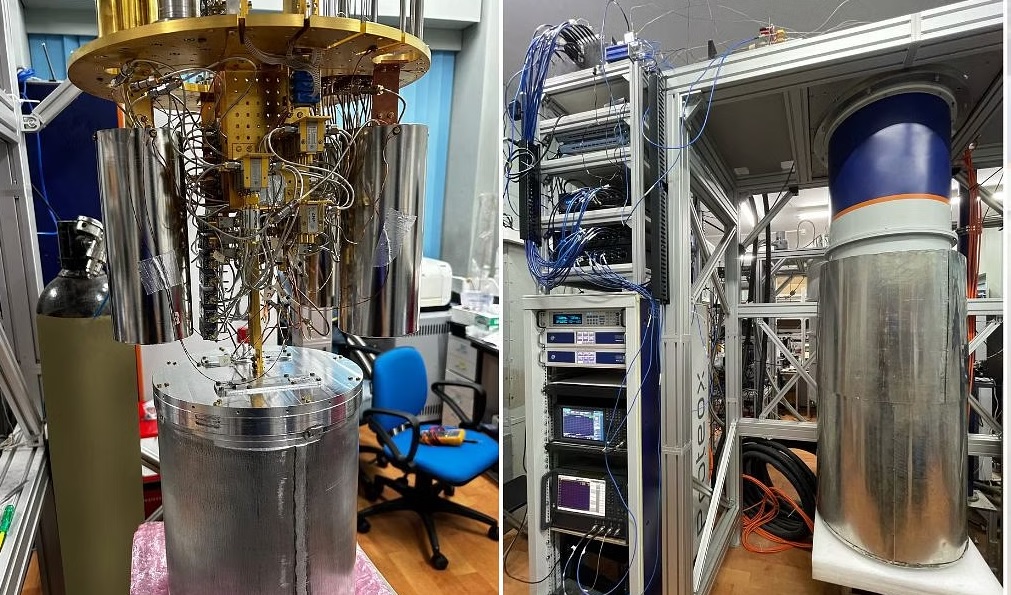
Space & Technology
In a groundbreaking development for India's quantum computing ambitions, scientists from the DRDO Young Scientists Laboratory for Quantum Technologies (DYSL-QT) in Pune and the Tata Institute of Fundamental Research (TIFR) in Mumbai have successfully tested a 6-qubit quantum processor. This achievement marks a significant milestone in the country’s pursuit of advanced quantum computing capabilities, potentially revolutionizing the future of computing, cryptography, and data processing.The 6-qubit processor, based on superconducting circuit technology, was tested end-to-end at TIFR's Colaba campus in Mumbai. This complex process involved submitting a quantum circuit via a cloud-based interface, executing the program on the quantum hardware, and then retrieving the computed results through the cloud. The successful completion of these steps demonstrates the maturity of the technology and the collaborative efforts between DYSL-QT, TIFR, and Tata Consultancy Services (TCS), which provided the cloud interface for the quantum hardware.The qubits, the fundamental units of quantum computation, were meticulously designed and fabricated at TIFR. Unlike classical bits that are binary, qubits can exist in multiple states simultaneously due to the principles of quantum mechanics, enabling quantum computers to perform complex calculations at unprecedented speeds. The quantum processor developed by these Indian scientists utilizes a novel ring-resonator design, a unique approach that enhances the coherence time and stability of qubits, which are critical factors for the reliable operation of quantum computers.The control and measurement apparatus for the quantum processor was assembled using a combination of commercially available off-the-shelf electronics and custom-programmed development boards, showcasing an innovative blend of accessible technology and bespoke solutions. This intricate setup was designed by the DYSL-QT scientists, underscoring their expertise and the cutting-edge nature of this project.With the successful testing of this 6-qubit quantum processor, the team is now focused on optimizing the system’s performance. This optimization phase is crucial for refining the technology and ensuring its readiness for broader applications. Plans are already underway to make this quantum processor accessible for educational purposes, research initiatives, and as a testbed for analyzing superconducting quantum devices. This opens up new possibilities for students, researchers, and industry experts to engage with quantum technology in a meaningful way, fostering innovation and potentially leading to new breakthroughs in the field.Looking ahead, the next major goal for the team is to scale up the number of qubits, a challenge that involves not just technical advancements but also considerations of resource allocation, development time, and commercial viability. Scaling up the qubit count is essential for building more powerful and practical quantum computers that can handle a wider range of applications. The successful development and deployment of such quantum computers could revolutionize industries such as pharmaceuticals, materials science, cryptography, and artificial intelligence by solving problems that are currently intractable for classical computers.This achievement by DRDO and TIFR scientists not only puts India on the map of quantum computing research but also paves the way for future advancements that could have global implications. As the world races towards the next frontier in computing, India’s progress in quantum technology is a testament to the country’s growing capabilities in cutting-edge scientific research and innovation.
Read More → Posted on 2024-08-29 13:51:32
India
India is setting its sights high with an ambitious plan to have the first prototype of its indigenous 5.5 generation fighter jet ready by 2028. This project, centered around the Advanced Medium Combat Aircraft (AMCA), marks a significant leap in the country’s defense capabilities. Designed to be a stealthy, high-performance aircraft, the AMCA is expected to serve as a cornerstone of India's future air superiority.The AMCA project, spearheaded by the Defence Research and Development Organisation (DRDO) in collaboration with the Indian Air Force (IAF), aims to push the boundaries of modern combat aviation. At approximately 27 tonnes, the AMCA will not only be a heavyweight in terms of its physical mass but also in terms of the firepower it will bring to the battlefield. The aircraft is designed to carry a wide array of weapons in a concealed internal bay, a feature that enhances its stealth capabilities by minimizing radar cross-section. This configuration will allow the AMCA to engage in a variety of missions while remaining undetected by enemy radar systems.The development of the AMCA is more than just a technological endeavor; it is a strategic imperative for India. With the geopolitical landscape in Asia becoming increasingly complex, India needs an advanced fighter jet that can ensure its air force remains at the cutting edge of aerial warfare. The AMCA, with its 5.5 generation capabilities, is designed to meet these needs. It will likely incorporate advanced avionics, next-generation radar systems, and sophisticated electronic warfare suites, making it a formidable asset in both offensive and defensive operations.One of the key challenges in the AMCA's development is the production of its engine. The success of the project hinges on the timely development and integration of a powerful engine that can meet the demanding performance requirements of a 5.5 generation fighter jet. If the engine production and other related activities proceed as planned, officials anticipate that the first prototype could be rolled out by 2028. However, developing such an advanced aircraft is a complex task that will require at least six to seven years of rigorous testing and refinement before it can be fully operational.The AMCA project is not an isolated effort. It is part of a broader strategy by India to enhance its indigenous defense manufacturing capabilities. Alongside the AMCA, the roadmap for the Light Combat Aircraft (LCA) Mark 2 was also discussed in recent meetings. The LCA Mark 2, a 4.5 generation fighter jet, was initially expected to be ready by early 2025. However, its development has faced delays due to funding issues and challenges related to engine procurement. The LCA Mark 2 will be powered by advanced GE-414 engines, which are expected to be a significant upgrade over the GE-404 engines used in the earlier LCA variants.The AMCA project also involves selecting a development-cum-production partner, which will likely include a consortium of public and private sector companies. This collaborative approach is intended to leverage the strengths of both sectors, ensuring that the AMCA is not only a technological marvel but also a cost-effective solution for India’s defense needs.Mass production of the AMCA is expected to commence by 2035, by which time the aircraft will likely be at the forefront of India’s air defense strategy. This timeline aligns with India’s broader defense modernization efforts, which aim to equip the IAF with the most advanced technology available.As India continues to invest in indigenous defense capabilities, the development of the AMCA represents a bold step forward. By 2028, if all goes according to plan, India could very well have one of the most advanced fighter jets in the world, capable of holding its own against any global adversary. This project underscores India's commitment to self-reliance in defense, ensuring that its air force remains prepared for the challenges of future warfare.
Read More → Posted on 2024-08-28 17:01:13
Space & Technology
On August 18, 2024, ISRO marked a significant milestone in its remote sensing capabilities with the successful initiation of the GNSS-Reflectometry (GNSS-R) instrument onboard the EOS-08 satellite. This advanced instrument represents a new frontier in how we observe and interpret Earth’s surface, offering a resource-efficient method to gather critical environmental data.GNSS-Reflectometry is a novel remote sensing technique that leverages signals from Global and Regional Navigation Satellite Systems (GNSS/RNSS), such as GPS and India's NavIC. Instead of relying on traditional, dedicated transmitters, GNSS-R captures signals that are naturally reflected off various Earth surfaces—ranging from oceans to agricultural lands and rivers. These reflected signals are then collected by a precision receiver housed within the satellite, which orbits the Earth at an altitude of 475 kilometers.This mode of sensing is particularly noteworthy for its efficiency. The GNSS-R instrument, developed by the Space Applications Centre (SAC-ISRO) in Ahmedabad, is India’s first space-borne precision receiver of its kind. It is lightweight, requires minimal power, and its compact size makes it ideal for deployment in large constellations, potentially allowing for faster and more comprehensive global coverage. The system operates by collecting ground-reflected GNSS signals, analyzing their power, and interpreting other signal characteristics. This data is then used to derive crucial scientific information, such as soil moisture levels, surface inundation, and ocean surface wind and wave measurements.The collected raw data is processed at the National Remote Sensing Centre (NRSC-ISRO) in Shadnagar, Hyderabad. Here, sophisticated algorithms and data processing software, developed by SAC-ISRO, are employed to generate multiple levels of data products. The primary outputs of this processing are Delay-Doppler Maps (DDMs), which provide a visual representation of the reflected signals. These DDMs are then used to calculate parameters like reflectivity and Normalized Bistatic Radar Cross-Section (NBRCS), which are essential for retrieving various scientific parameters.The instrument’s resolution capabilities are impressive. Over oceans, it can provide data with a resolution of 15 km x 15 km, while over land, it offers an even finer resolution of better than 1 km x 1 km. This makes it particularly valuable for detailed environmental monitoring. The first land data collected by the GNSS-R instrument was over the Sahara Desert, using a high-resolution mode that outperforms similar sensors like the contemporary CYGNSS. The data, processed to assess soil moisture levels, yielded results well within the expected range. A subsequent dataset from the Amazon Rainforest, acquired on August 21, was used to generate surface inundation maps, demonstrating the instrument’s sensitivity to features as narrow as sub-kilometer river widths.The instrument also began gathering ocean data on August 19, starting with a section of the Pacific Ocean. This data was crucial for assessing ocean surface conditions, such as wind speed and significant wave height. Once again, the results were consistent with expectations, affirming the instrument’s accuracy and reliability.While the GNSS-R instrument is still in its calibration and validation phase, these early results highlight its immense potential. Its ability to provide high-resolution, reliable data with minimal resource consumption positions it as a powerful tool for a wide range of scientific studies and practical applications, from agricultural monitoring to climate research and disaster management. As ISRO continues to refine and expand its capabilities, the GNSS-Reflectometry instrument on EOS-08 is set to become a cornerstone of India’s space-based remote sensing efforts.
Read More → Posted on 2024-08-28 16:59:27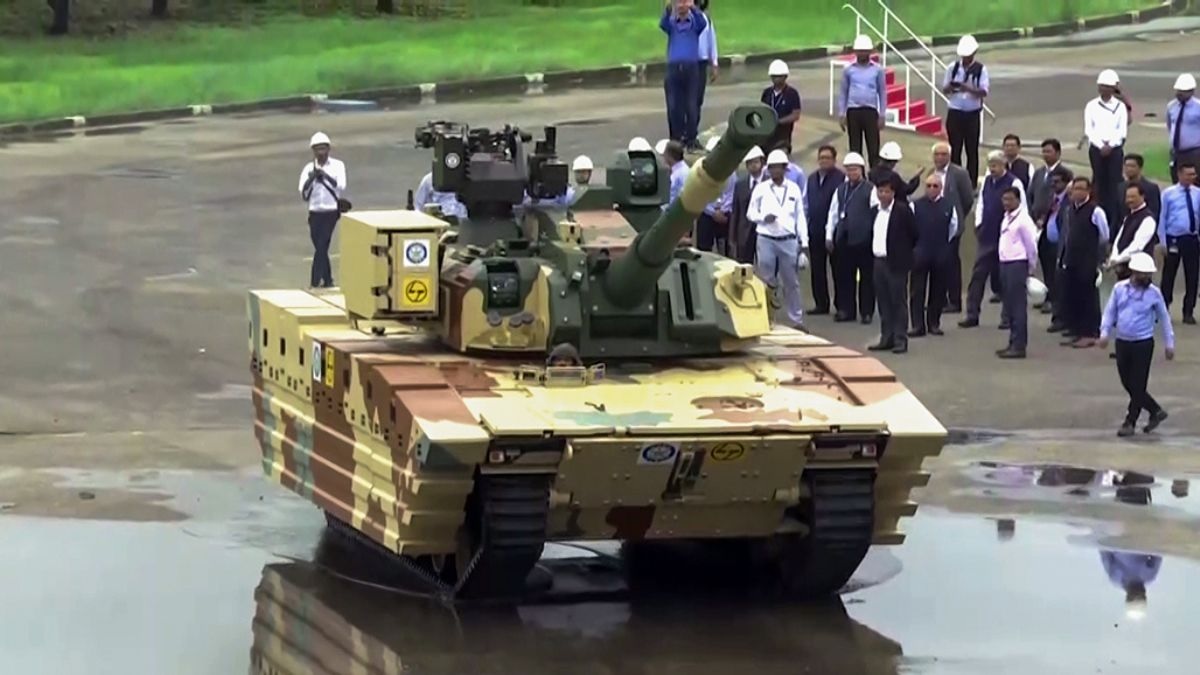
India
The Indian Army's ambitious Project Zorawar is steadily advancing towards its goal of developing a cutting-edge light tank tailored for India's unique and challenging terrains. Named after the legendary General Zorawar Singh, the "Zorawar Light Tank" is expected to be ready for induction by 2027, marking a significant leap in the Army's operational capabilities, especially in high-altitude regions.The Vision Behind Project ZorawarThe Zorawar Light Tank is being developed under the collaboration between the Defence Research and Development Organisation (DRDO) and Larsen & Toubro (L&T). This joint effort is taking shape at L&T's Hazira facility in Gujarat, where the tank is being designed to be lightweight yet packed with powerful features. The need for such a tank became evident in the context of the ongoing strategic requirements along India's borders, particularly in the Himalayan region, where the harsh terrain and climatic conditions demand a more versatile and agile vehicle than the conventional heavier tanks.Comprehensive Trials for a Challenging EnvironmentTo ensure that the Zorawar Light Tank is up to the task, the DRDO has laid out a rigorous trial schedule. These trials are crucial in fine-tuning the tank's performance across a variety of extreme conditions. Summer Trials: These trials are designed to test the tank's endurance in the scorching heat, ensuring that it remains operational in high temperatures without compromising on performance. Winter Trials: The tank's capabilities in freezing temperatures will be evaluated during these trials. The focus is on ensuring that the Zorawar Light Tank can operate efficiently even in the severe cold, which is critical for deployments in areas like Ladakh. High Altitude Trials: Perhaps the most critical of all, these trials will assess the tank's performance in mountainous terrains. Given the strategic importance of India's northern borders, the Zorawar Light Tank must demonstrate reliable functionality in the rarefied air and rugged conditions of high altitudes.Specifications and CapabilitiesWhile the full specifications of the Zorawar Light Tank remain classified, some details have surfaced that highlight its advanced capabilities. The tank is expected to weigh around 25 tons, significantly lighter than traditional main battle tanks like the T-90 or Arjun. This reduced weight is critical for mobility in difficult terrains.The Zorawar Light Tank will likely be equipped with a high-power-to-weight ratio, providing it with excellent acceleration and agility. It is also expected to feature a modern fire control system, advanced targeting mechanisms, and a main gun capable of firing a variety of ammunition types, including anti-tank guided missiles (ATGMs). Additionally, the tank will be protected by modular armor, offering a balance between protection and weight.Strategic ImpactThe induction of the Zorawar Light Tank into the Indian Army is anticipated to significantly enhance the Army's capability to respond swiftly and effectively in areas where heavier tanks would struggle, particularly in high-altitude zones like the Himalayan borders. The tank's design allows it to be airlifted easily, facilitating rapid deployment in critical areas.With approximately 350 units planned for procurement, the Zorawar Light Tank will provide a much-needed boost to the Indian Army's mobility and firepower. Its ability to operate across diverse terrains, from deserts to mountains, ensures that the Army is well-prepared for any potential conflicts in the region.A Path to InductionAs of now, the internal development trials are expected to conclude within the next 12-18 months. Once these are completed, the Zorawar Light Tank will be handed over to the Indian Army for user trials. If all goes according to plan, full-scale production and deployment should follow, with the first units ready for induction by 2027.Project Zorawar represents a significant step forward in India's defense capabilities, ensuring that the Indian Army remains well-equipped to handle the challenges of modern warfare, particularly in the demanding environments of high-altitude regions.
Read More → Posted on 2024-08-28 16:54:12
Space & Technology
Air Force Secretary Frank Kendall's emphasis on securing U.S. space assets is putting immense pressure on the Air Force and Space Force budgets, as the Department of Defense grapples with the growing costs of maintaining space superiority. Since unveiling his seven mission priorities, or "operational imperatives," two years ago, Kendall has consistently stressed the critical importance of building a resilient space architecture—a task that is proving to be both complex and costly. The Strategic Imperative of Space ResilienceIn his March 2022 speech, Kendall identified space resilience as the most impactful of his operational imperatives. He highlighted the essential role that space-based capabilities, such as GPS, satellite communications, and intelligence collection, play in U.S. military operations. With adversaries like China and Russia increasingly capable of targeting these assets, Kendall argued that ensuring their security is vital for the survival and effectiveness of U.S. terrestrial forces.The creation of the U.S. Space Force in 2019 was a key step toward strengthening the military's focus on space. However, Kendall's push to prioritize space resilience means that the Space Force's budget needs to expand significantly to meet these growing demands. "We’ve only begun to define, and have not yet fully resourced, the space systems we will need to secure the nation," Kendall said, emphasizing the need for a much larger budget to develop the necessary capabilities.Budget Constraints and Growing NeedsDespite steady increases in funding since the Space Force's establishment, Kendall believes the current budget is insufficient. The Space Force's budget has nearly doubled over the past five years, reaching approximately $30 billion. However, this increase largely reflects the consolidation of space-related missions from other branches of the military rather than new investments in cutting-edge technology.For fiscal year 2025, the Space Force's budget is expected to decline slightly due to constraints imposed by the Fiscal Responsibility Act, which caps defense spending. This projected flat budget over the next five years contrasts sharply with the growing threats in space and the increasing demands from combatant commanders for space-based capabilities.General Michael Guetlein, Vice Chief of Space Operations, echoed Kendall's concerns, warning that the Space Force's ability to respond to crises could be compromised without additional funding. "We are maxing out our budget today and seeing a flat-line budget in the DoD. It’s got to change," Guetlein stated, adding that the current capability gap between the U.S. and its adversaries could reverse if investments in space do not increase.The High Stakes of Space InvestmentTodd Harrison, a defense budget expert and senior fellow at the American Enterprise Institute, reinforced the urgency of boosting the Space Force's budget. He noted that the service is attempting to enter new mission areas, such as missile tracking and space-based data transport, which will require substantial financial resources. The Space Development Agency's plan to purchase hundreds of satellites for these missions is just one example of the costly projects that lie ahead.However, securing additional funding may prove challenging. The House Appropriations Committee has proposed cutting the Space Force's FY25 budget request by about $900 million, while the Senate's funding legislation would reduce it by around $1 billion. Without a significant increase in funding, the Space Force may be forced to make difficult trade-offs, potentially sacrificing some capabilities to fund others. Building a Resilient Space ArchitectureAs the Space Force continues to advocate for more funding, it is also working to define the optimal mix of satellites and other capabilities needed to adapt to emerging threats in space. This process, led by the Space Warfighting Analysis Center (SWAC), has been ongoing since 2021 and involves creating a long-term force structure for the next 10 to 15 years.The SWAC's efforts have resulted in a plan for fielding offensive and defensive systems, known as counterspace weapons, though most details remain classified. These capabilities could include cyber and electronic warfare systems, as well as kinetic weapons designed to protect U.S. space assets.Looking ahead, the Space Force plans to submit its first objective force design in the fall of 2025, which will outline near- and long-term funding needs. This design will be updated every five years to reflect changes in the threat environment and other factors. The Path ForwardAs Secretary Kendall's operational imperatives continue to guide the Air Force and Space Force's strategy, the challenge of securing sufficient funding for space resilience will remain a central issue. The creation of the Space Futures Command, responsible for implementing the force design, underscores the importance of this mission.While the path forward is fraught with budgetary challenges, the need to protect U.S. space assets from emerging threats is undeniable. As Kendall and other leaders push for increased investment, the decisions made in the coming years will shape the future of U.S. military operations in space and beyond.
Read More → Posted on 2024-08-28 10:50:50
India
The Royal Thai Air Force (RTAF) has announced its decision to replace its aging fleet of F-16A/B fighter jets with the Saab Gripen E/F, marking a significant victory for the Swedish aerospace company in a competitive bidding process. The selection, which came after ten months of deliberation, is part of Thailand's broader strategy to modernize its air combat capabilities and enhance national defense.A Rigorous Selection ProcessThe decision to go with the Gripen E/F was made by a service committee that evaluated various contenders, including the Lockheed Martin F-16 Block 70/72. The committee concluded that the Gripen E/F best met the strategic needs of the Thai Air Force. However, the decision still requires approval from the Thai government before a formal contract can be signed.The RTAF's white paper, released earlier this year, outlines the procurement of 12-14 new fighter jets as part of this modernization effort. The initial phase involves the purchase of four Gripen E/F aircraft within a budget of 19 billion baht (approximately $560 million) between fiscal years 2025 and 2029. These jets will be deployed to the 102 Squadron based in Korat, northeastern Thailand, replacing F-16s that have been in service since the 1980s and are set to retire in 2028.aab's Strategic AdvantageSaab's Gripen E/F was chosen over the F-16 Block 70/72, marking a significant win for the Swedish manufacturer. The RTAF's familiarity with the Gripen platform played a crucial role in this decision. In 2008, Thailand purchased twelve Gripen C/D models, which have since been upgraded under a contract signed in January 2021. Robert Björklund, head of Saab's Gripen campaign in Thailand, emphasized the reliability and versatility of the Gripen platform, noting its wide range of weapon options, including the highly effective RBS15 anti-ship missile. While the final package details are yet to be decided, it is expected that Saab will offer additional capabilities, such as the MBDA Meteor missiles, in its proposal. Economic and Technological ConsiderationsIn addition to the aircraft's capabilities, the selection process was heavily influenced by technology transfer and offset commitments. Thailand's defense procurement policy emphasizes the importance of these elements to develop its domestic defense industry. Saab's proposal likely included provisions for upgrading Thailand's two Erieye airborne early-warning aircraft, which are scheduled for radar replacements between FY2026 and FY2029. However, funding for this upgrade has not yet been secured.The decision to select the Gripen E/F also reflects Thailand's broader long-term strategy. The RTAF has outlined plans for additional fighter acquisitions, including a second batch of 12-14 aircraft to replace the F-5E/Fs from FY2031-2035 and a third project to replace more F-16A/Bs from FY2037-2046. Looking AheadAs Thailand moves forward with its defense modernization, the selection of the Saab Gripen E/F is a key step in enhancing its air combat capabilities. The new aircraft will provide the RTAF with advanced technological capabilities, ensuring that it remains a formidable force in the region.Pending government approval, this decision will not only strengthen Thailand's military but also foster closer ties with Sweden and Saab, as the two nations collaborate on technology transfer and defense industry development.
Read More → Posted on 2024-08-28 10:38:01
Space & Technology
PTC Industries Ltd, a prominent name in the titanium industry, has made a strategic leap forward by acquiring a state-of-the-art Hot Rolling Mill. This move is set to enhance the company's ability to produce aerospace-grade titanium alloys, a critical material in both defense and aerospace sectors.The newly acquired Hot Rolling Mill will be seamlessly integrated into PTC's upcoming Strategic Materials Technology Complex in Lucknow. This facility is situated within the Uttar Pradesh Defence Industrial Corridor (UPDIC), underscoring its strategic importance. The complex will serve as a hub for producing titanium alloy ingots and billets, which are essential inputs for the Hot Rolling Mill.This acquisition marks a significant step in PTC's journey toward achieving full vertical integration within the titanium alloy sector. By incorporating the Hot Rolling Mill, PTC will now offer an extensive range of products including titanium alloy ingots, billets, bars, rods, castings, plates, and sheets. This expansion is particularly noteworthy for its impact on the production of thinner titanium sheets. These sheets are crucial for applications in aerospace engineering, such as aircraft wings, as well as in marine engineering and corrosion-resistant components for ships.The Strategic Materials Technology Complex in Lucknow is set to become a global leader in titanium recycling and remelting. PTC Industries is investing substantially in advanced technology and infrastructure to uphold the highest quality standards in its production processes. This new facility will not only cater to the increasing demand for high-performance titanium alloys but also drive innovation and sustainability in the industry.The acquisition of the Hot Rolling Mill signifies a pivotal moment for PTC Industries Ltd, reinforcing its position as a key player in the titanium sector and expanding its capacity to meet the evolving needs of the aerospace and defense industries.
Read More → Posted on 2024-08-27 15:52:54
India
The Philippine Air Force (PAF) is on the brink of a significant decision in its ambitious Multi-Role Fighter (MRF) program, with a hefty budget of $1.04 billion set aside for the acquisition of up to 12 new fighter jets. As the PAF moves closer to finalizing its choice, it appears that the Indian Tejas Mk1A, offered by Hindustan Aeronautics Limited (HAL), is not in the running for this deal.The MRF project, which was initially slated for an earlier launch, faced delays due to the COVID-19 pandemic. With the project now back on track, the PAF's focus has shifted toward selecting between the Saab Gripen E and the American F-16 V Viper. These two aircraft are highly regarded in the international arena, known for their advanced features and operational reliability.The Saab Gripen E stands out with its versatile capabilities and cost-effectiveness. It offers advanced avionics, superior electronic warfare systems, and a range of weapons options, making it a strong contender for modern air forces. The Gripen E's ability to perform in various combat scenarios and its relatively low operational costs make it an attractive option for the PAF.On the other hand, the F-16 V Viper, an upgraded variant of the renowned F-16 Fighting Falcon, is also a top choice. The F-16 V features advanced radar systems, including the AESA (Active Electronically Scanned Array) radar, and enhanced avionics. Its proven track record in various air forces around the world, combined with its robust performance and support infrastructure, solidifies its position as a favored candidate.Despite the promising features of the Tejas Mk1A, including its design optimized for naval operations and the potential integration of the BrahMos-NG air-launched cruise missile, it seems the aircraft has not garnered the same level of interest from the PAF. HAL has not yet addressed this development, leaving the status of their bid uncertain.As the PAF nears a decision, the Gripen E and F-16 V remain the primary contenders, reflecting the Air Force's priorities and strategic needs in its quest to modernize its fleet.
Read More → Posted on 2024-08-27 15:47:53
World
Ukraine's military has made significant strides in the ongoing conflict, with General Oleksandr Syrskyi, the head of Ukraine's army, announcing that Ukrainian forces have taken control of nearly 500 square miles (around 1,300 square kilometers) of Russia's Kursk region. The operation, which began three weeks ago, marks one of the most substantial cross-border incursions by Ukrainian forces since the start of the war. This unexpected advance has drawn global attention, intensifying concerns over regional stability and the broader risks of escalation.The Kursk operation is not just a strategic victory for Ukraine but a psychological one as well, forcing Russia to divert troops and resources from other critical fronts. According to Syrskyi, Ukraine’s success in this region is forcing Russia to thin its defenses elsewhere. “They are attempting to establish a ring of defense around our offensive forces and are preparing for counterattacks,” Syrskyi remarked. The Ukrainian general’s statements, which include the capture of 594 Russian soldiers, have yet to be independently verified but reflect the high stakes and fluid nature of this conflict.One of the most pressing concerns arising from the fighting in the Kursk region is its proximity to critical infrastructure, particularly the Kursk Nuclear Power Plant. International Atomic Energy Agency (IAEA) chief Rafael Grossi, who visited the plant recently, highlighted the growing risks. “There is now a genuine danger of a nuclear incident here,” Grossi stated, citing several drone attacks on the plant’s facilities. While Grossi emphasized that the plant is still operating "in a mode very close to normal," the potential for catastrophic consequences remains a concern as combat rages nearby.The Ukrainian offensive in Kursk has caused widespread disruption, with reports indicating that around 130,000 civilians have been evacuated from the region. Despite this, Ukrainian President Volodymyr Zelenskyy has denied that Russia is pulling significant forces from other vital battle zones, particularly the Donetsk region in eastern Ukraine. Instead, he claimed that Ukraine’s advance in Kursk is hampering Russian efforts to capture territory in the neighboring Sumy and Kharkiv regions, crucial areas that have seen intense fighting since the beginning of the war.Russia, however, disputes Ukraine's narrative. The Russian Defense Ministry claims that Ukrainian forces have suffered heavy casualties, with approximately 6,600 troops killed or wounded and more than 70 tanks destroyed. These figures remain unverified, but they illustrate the high cost of this latest phase of the conflict.Ukraine’s military successes come as the country endures a renewed wave of Russian missile and drone attacks. In the past two days alone, Russia has launched a barrage of strikes targeting energy infrastructure across Ukraine. Ukrainian officials reported that Monday’s attacks involved over 100 missiles and an equivalent number of drones. The strikes left several regions, including Kyiv, struggling with power outages and damaged energy facilities. Zelenskyy has condemned these attacks as "crimes against humanity" and has reiterated calls for Western allies to provide long-range weaponry capable of striking targets deep inside Russia.The international response has been swift, with President Joe Biden calling the Russian attacks "outrageous" and emphasizing that the U.S. is prioritizing air defense systems for Ukraine. In addition, efforts are underway to provide Ukraine with critical energy equipment to repair its infrastructure. Meanwhile, Russian officials maintain that their strikes are aimed at disabling military-industrial sites supporting Ukraine’s war effort.The conflict’s escalation into the Kursk region has raised the stakes for both sides, introducing new uncertainties in a war that continues to defy predictions. As the situation evolves, the world watches closely, with concerns that the battle over Kursk could have far-reaching consequences, both militarily and diplomatically.
Read More → Posted on 2024-08-27 15:45:12
India
In a notable diplomatic exchange, Russia and India engaged in discussions about the ongoing Ukraine conflict shortly after Indian Prime Minister Narendra Modi's visit to Kyiv. On August 26, Russian Deputy Foreign Minister Mikhail Galuzin met with Vinay Kumar, India’s Ambassador to Russia, to outline Moscow’s stance on the conflict. According to a statement from the Russian Embassy in India, the conversation took place in a "trusting and constructive atmosphere," with both sides addressing key international and bilateral issues.This diplomatic interaction came just days after PM Modi's historic visit to Ukraine on August 23, the first by an Indian prime minister since India and Ukraine established diplomatic relations in 1992. The visit underscored India's consistent stance of advocating peace and diplomacy as the solution to the ongoing conflict. During his meeting with Ukrainian President Volodymyr Zelenskyy, PM Modi reiterated India's position, emphasizing that India "has never been neutral" and has always been on the side of peace.Modi also conveyed India's readiness to contribute actively to efforts aimed at resolving the conflict, highlighting that dialogue and diplomacy are essential to achieving lasting peace. This message aligns with India’s established approach to global conflicts, where it consistently advocates for negotiation and non-violence over military solutions.The Russia-Ukraine conflict, which began in 2022, has placed India in a delicate diplomatic position, balancing its historical ties with Moscow and its growing global role as a proponent of peace. India’s consistent calls for dialogue have allowed it to engage both Russia and Ukraine, maintaining open channels of communication with both parties.Galuzin’s meeting with the Indian ambassador served as a reminder of Russia’s strategic interest in keeping India informed about its perspective on the conflict. As the statement from the Russian Embassy highlighted, Moscow once again reiterated its "principled position" on the Ukraine issue, reflecting the importance Russia places on aligning with India amidst shifting global dynamics.Prior to this, PM Modi also visited Russia in early August, where he met President Vladimir Putin. During that meeting, Modi emphasized that the path to resolving the Ukraine crisis lies not on the battlefield but at the negotiating table. Both leaders have maintained regular communication throughout the conflict, underscoring the significance of the India-Russia relationship despite the international pressure to take sides.As the conflict drags on, India continues to carve out a unique role, neither fully aligning with Western sanctions against Russia nor ignoring Ukraine’s plight. Instead, it has positioned itself as a mediator, promoting dialogue as the most viable route to ending the war. PM Modi’s recent engagements in both Russia and Ukraine reflect this balancing act, showing India’s determination to play a constructive role in global peace efforts without being swayed by geopolitical pressures.This nuanced approach reflects India’s growing influence on the world stage and its commitment to being a voice of reason and stability in an increasingly polarized world.
Read More → Posted on 2024-08-27 15:41:44
India
India’s defense procurement plans have taken a significant hit due to the ongoing conflict between Russia and Ukraine, leading to the cancellation of a crucial deal for acquiring 10 KA-31 Airborne Early Warning and Control (AEW&C) helicopters from Russia. The $520 million deal, intended to bolster the capabilities of India’s newest aircraft carrier, INS Vikrant, has been shelved as geopolitical tensions complicate both financial transactions and the timely delivery of military equipment.The KA-31 helicopters are vital for enhancing the Indian Navy’s early warning capabilities. Designed to detect aerial and surface threats, these helicopters are equipped with advanced radar systems capable of monitoring a 200 km radius. The early warning system is crucial for the defense of naval assets, providing real-time data that allows for a swift response to potential threats. India, which already operates 14 of these helicopters, had planned to add 10 more to its fleet to support INS Vikrant and other warships, ensuring comprehensive maritime security.However, the escalating war in Ukraine has created a host of challenges for the deal. The international sanctions imposed on Russia have severely impacted its defense industry, particularly in terms of financial transactions and supply chain stability. India, which has long depended on Russian military hardware, found itself struggling to navigate the complexities of these sanctions. Efforts to find alternative payment methods or secure exemptions have so far proven unsuccessful.Moreover, there are growing concerns about Russia's capacity to fulfill its defense contracts amidst its military commitments in Ukraine. The strain on Russia’s defense production, combined with the logistical difficulties caused by the war, has cast doubt on its ability to deliver the KA-31 helicopters in a timely manner, if at all. This uncertainty has forced India to reconsider its procurement strategy, leading to the cancellation of the deal.The situation is further complicated by broader concerns over other critical defense systems that India has sourced from Russia. For instance, the delivery schedule of the S-400 Triumf air defense missile systems, a key component of India’s air defense strategy, is also under scrutiny. While India received the first of the five S-400 units in December 2021, the ongoing conflict and sanctions have raised doubts about the timely delivery of subsequent units. Although some training equipment and simulators have arrived, the full deployment of the system remains in question.India’s reliance on Russian military equipment, which constitutes a significant portion of its arsenal, is now under the spotlight. The Ukraine war has underscored the risks of dependency on a single supplier, particularly one that is embroiled in a major international conflict. As a result, India is likely to accelerate its efforts to diversify its defense procurement, looking towards other international partners and boosting its indigenous defense manufacturing capabilities.In summary, the cancellation of the KA-31 helicopter deal marks a significant setback for India’s naval capabilities and highlights the broader challenges faced by the country’s defense procurement strategy in the wake of the Russia-Ukraine conflict. With the future of several key defense projects now uncertain, India is at a critical juncture in redefining its military acquisition policies to ensure that its defense forces remain well-equipped and prepared for emerging threats.
Read More → Posted on 2024-08-27 15:37:33Search
Top Trending in 24 Hours
-
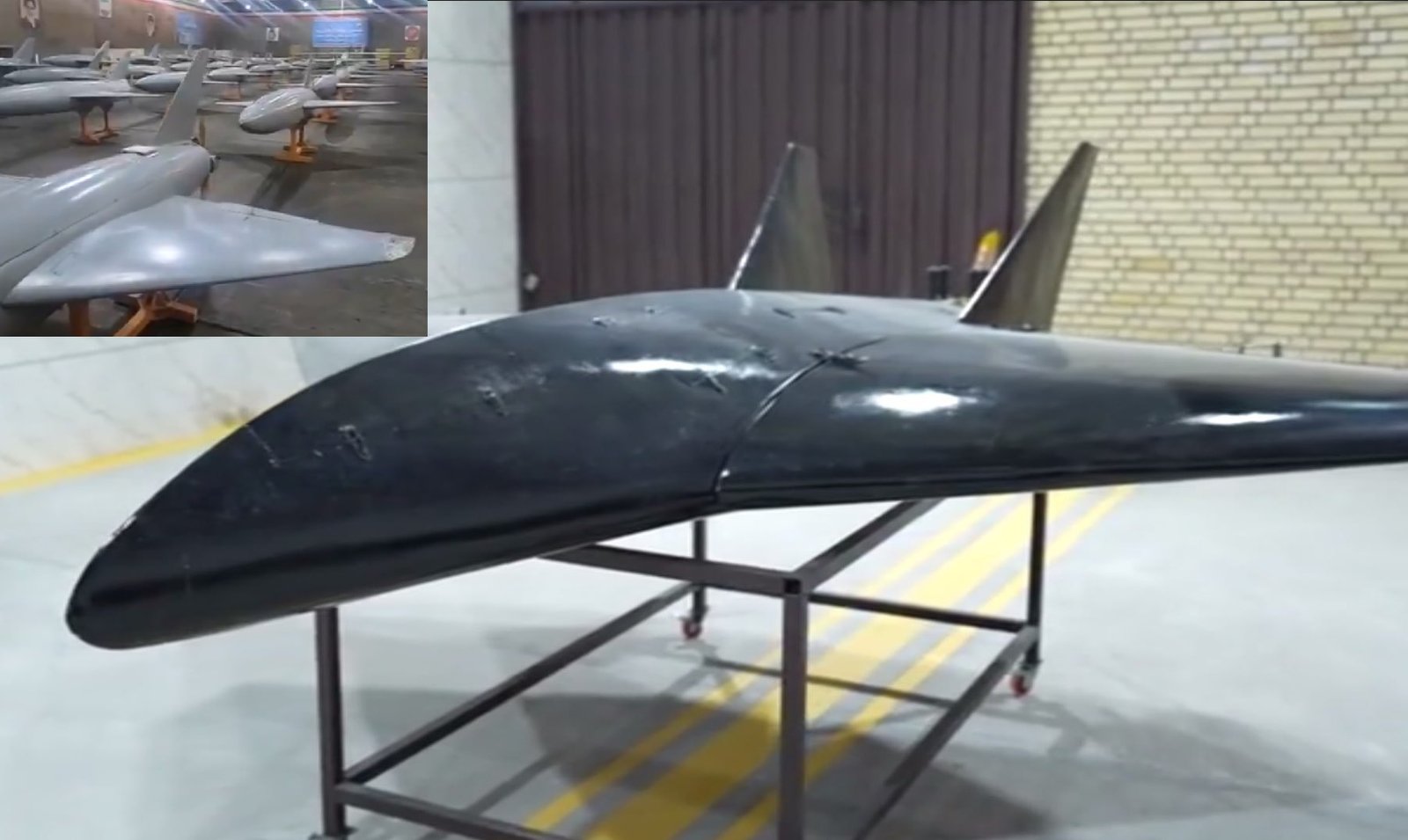 Iran Showcases Upgraded Arash-3 Drone with 100 kg Warhead, AI Targeting and GPS-Independent Navigation
-
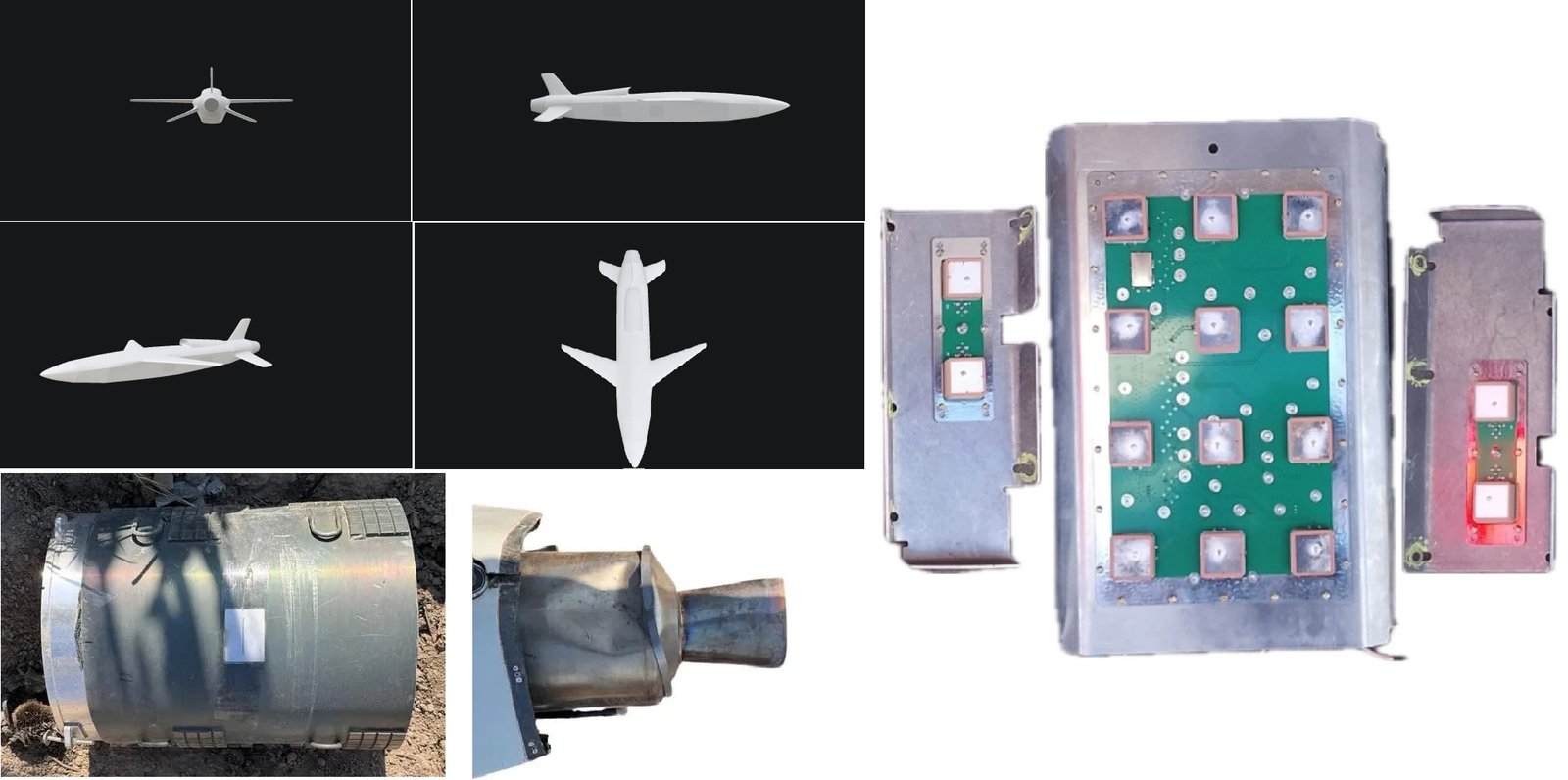 Ukraine Reveals Technical Details of Russia’s New Filin Cruise Missile
-
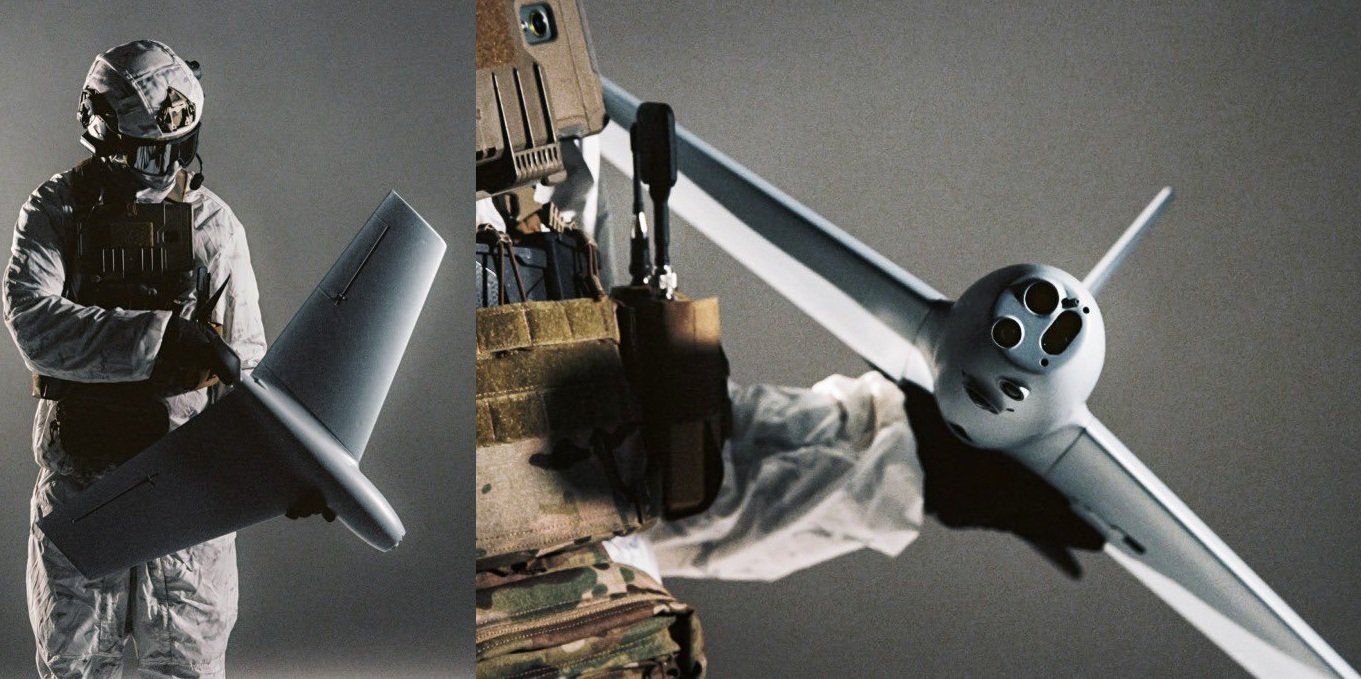 US Firm Heaviside Unveils 2.3-Kg TYR Loitering Munition With 40-Km Range at AUSA 2026
-
 Unitree Unveils H2-X ‘Kung Fu Legend: Guardian’ Humanoid Robot for Security and Rescue
-
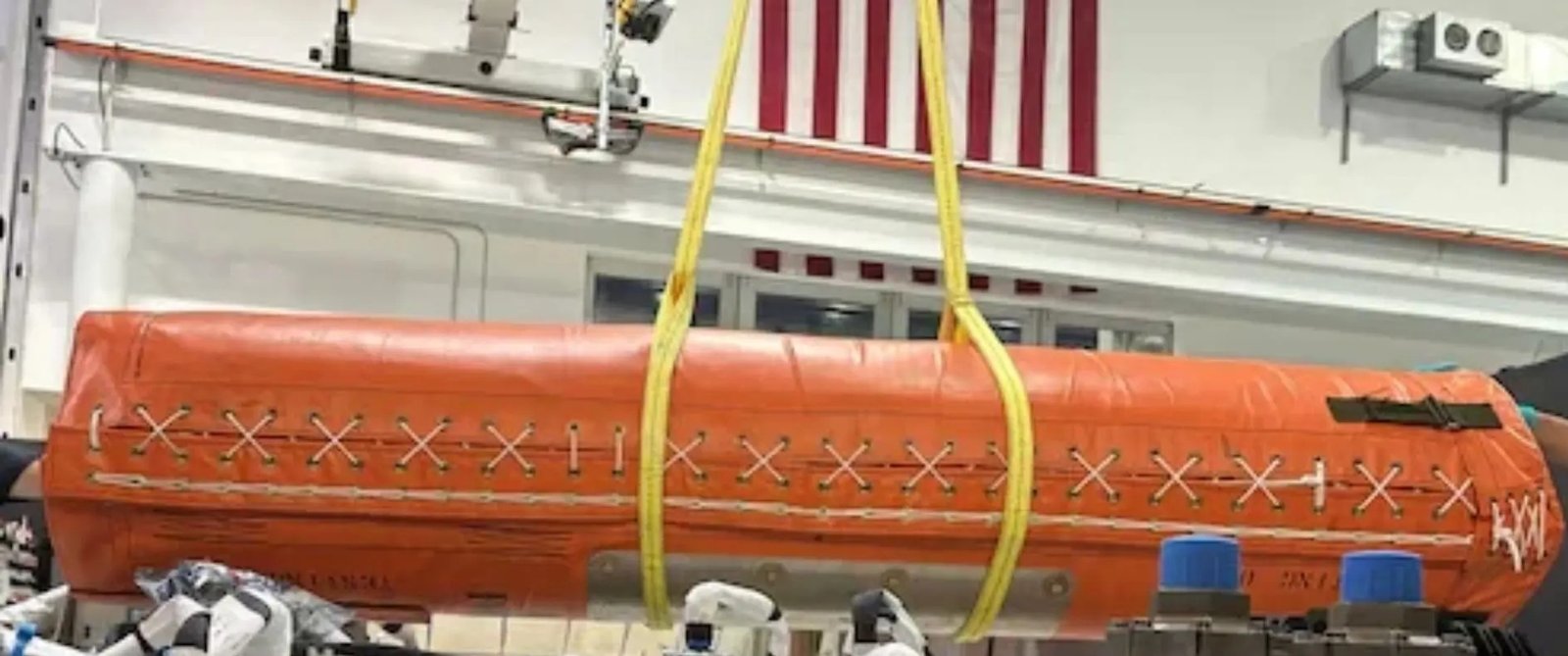 U.S. Air Force Tests SpaceX Starfall Capsule for Rapid Global Military Cargo Delivery
-
 Voyant Demonstrates Satellite-Free Navigation Technology for UK Ministry of Defence
-
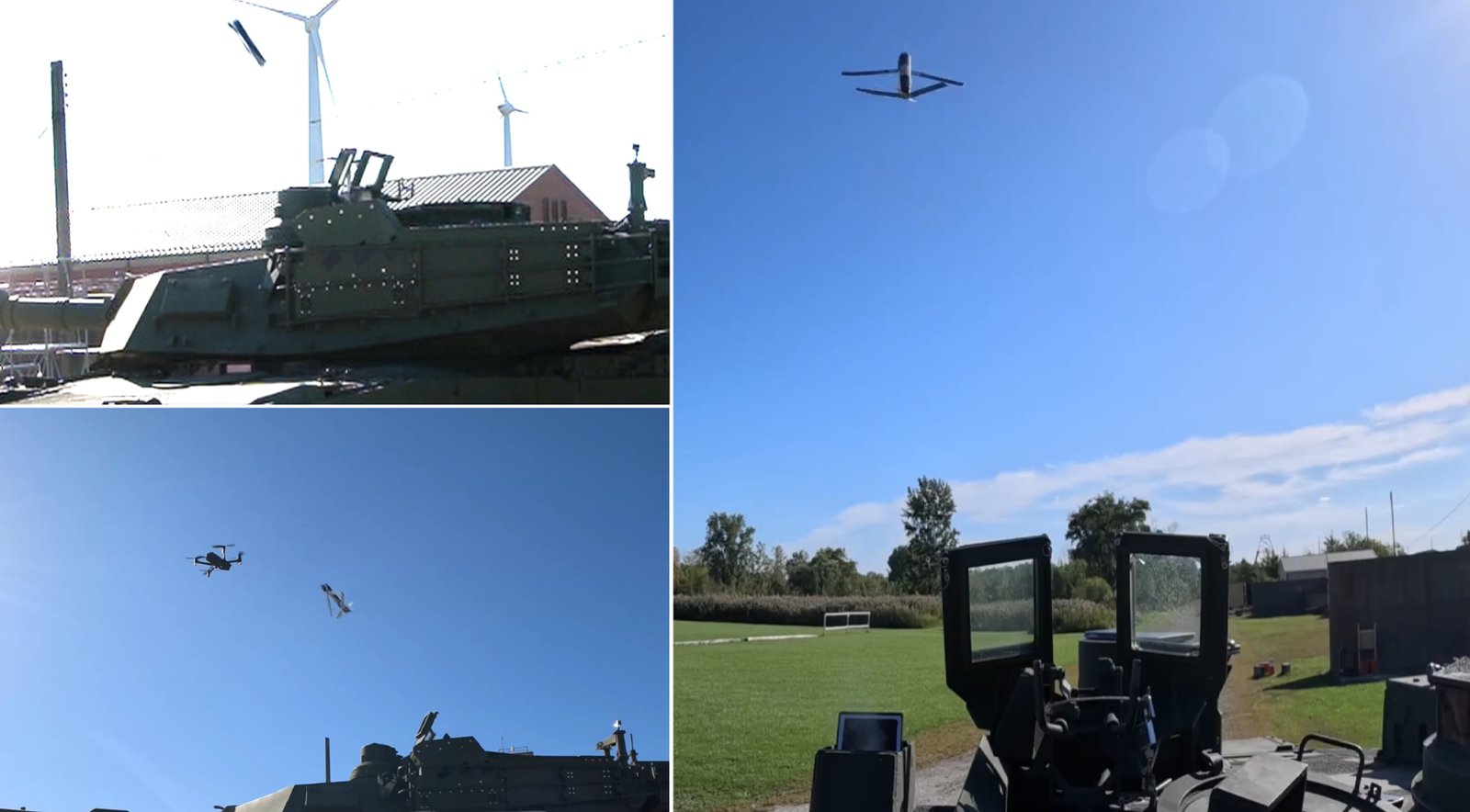 General Dynamics Unveils PERCH 2.0 Drone System for Abrams Tanks and Stryker Vehicles
-
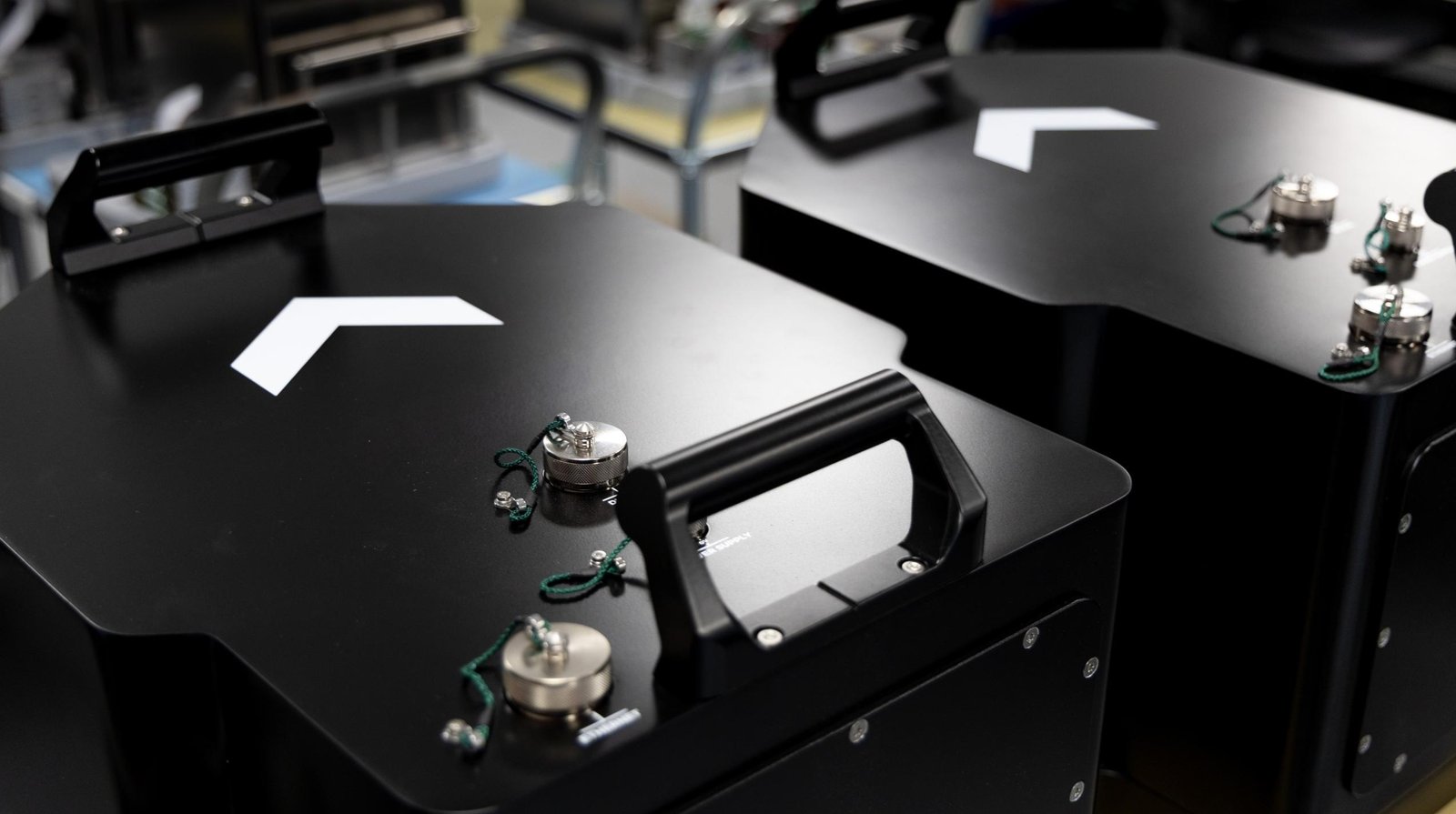 Exail Wins Major Contract to Equip Entire Fleet of Uncrewed Surface Vessels with Marins Inertial Navigation Systems
Top Trending in 4 Days
-
 NASA Sets New Artemis Milestones as SpaceX and Blue Origin Target Moon Landings in 2027–2028
-
 US Weighs Strikes on Iran’s Kharg Island Oil Hub Ahead of Midterm Elections
-
 U.S. Air Force Awards HII Subsidiary Enlighten IT $332.8 Million Cyber Defense Contract
-
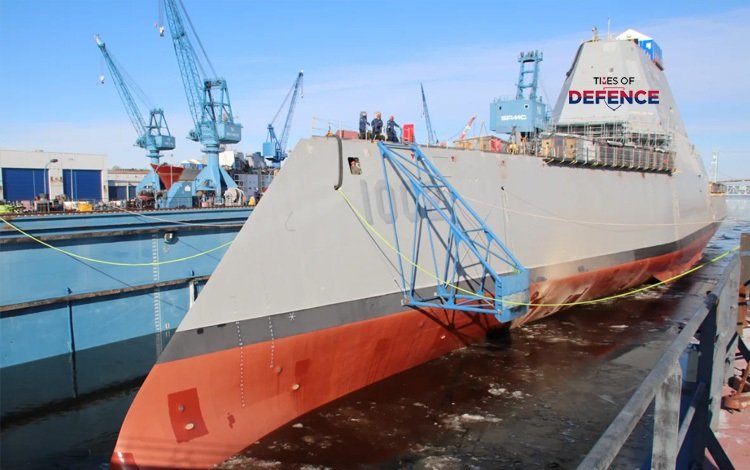 U.S. Navy Awards HII $99.1 Million Contract Modification for Zumwalt-class Destroyer USS Lyndon B. Johnson Sea Trials
-
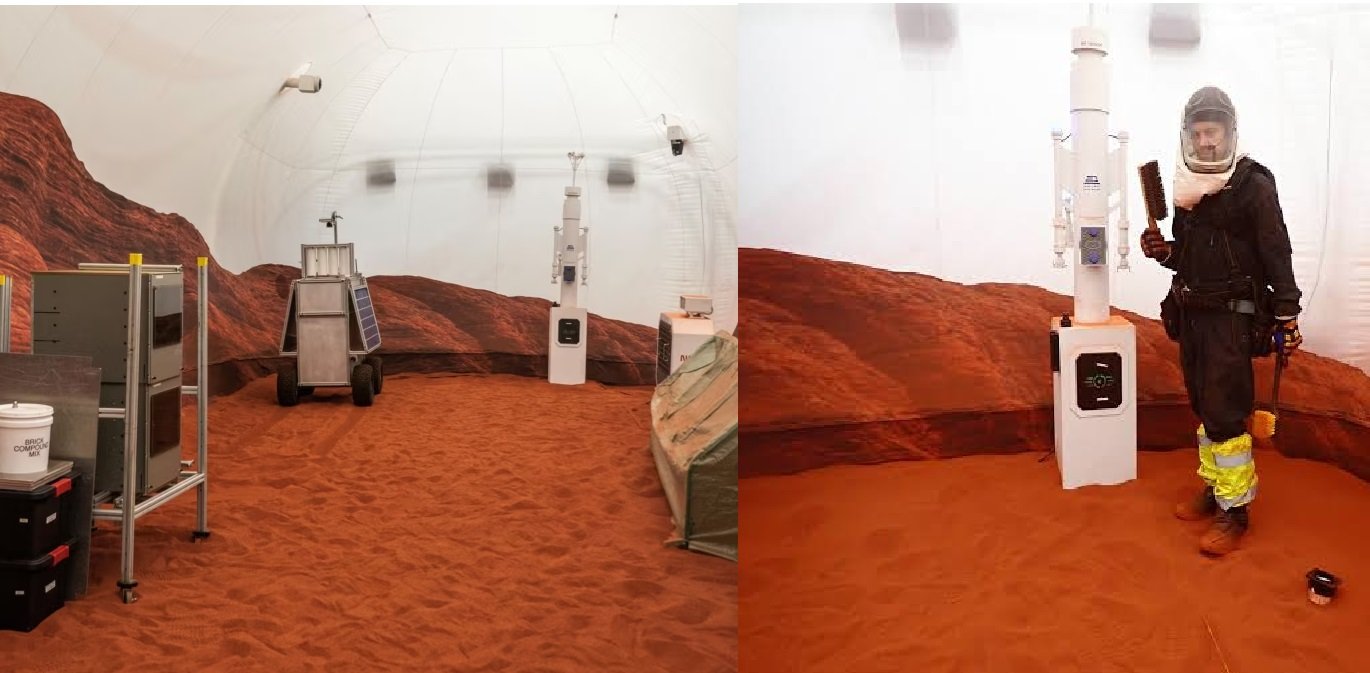 Four NASA Volunteers Mark One Year in Simulated Mars Habitat
-
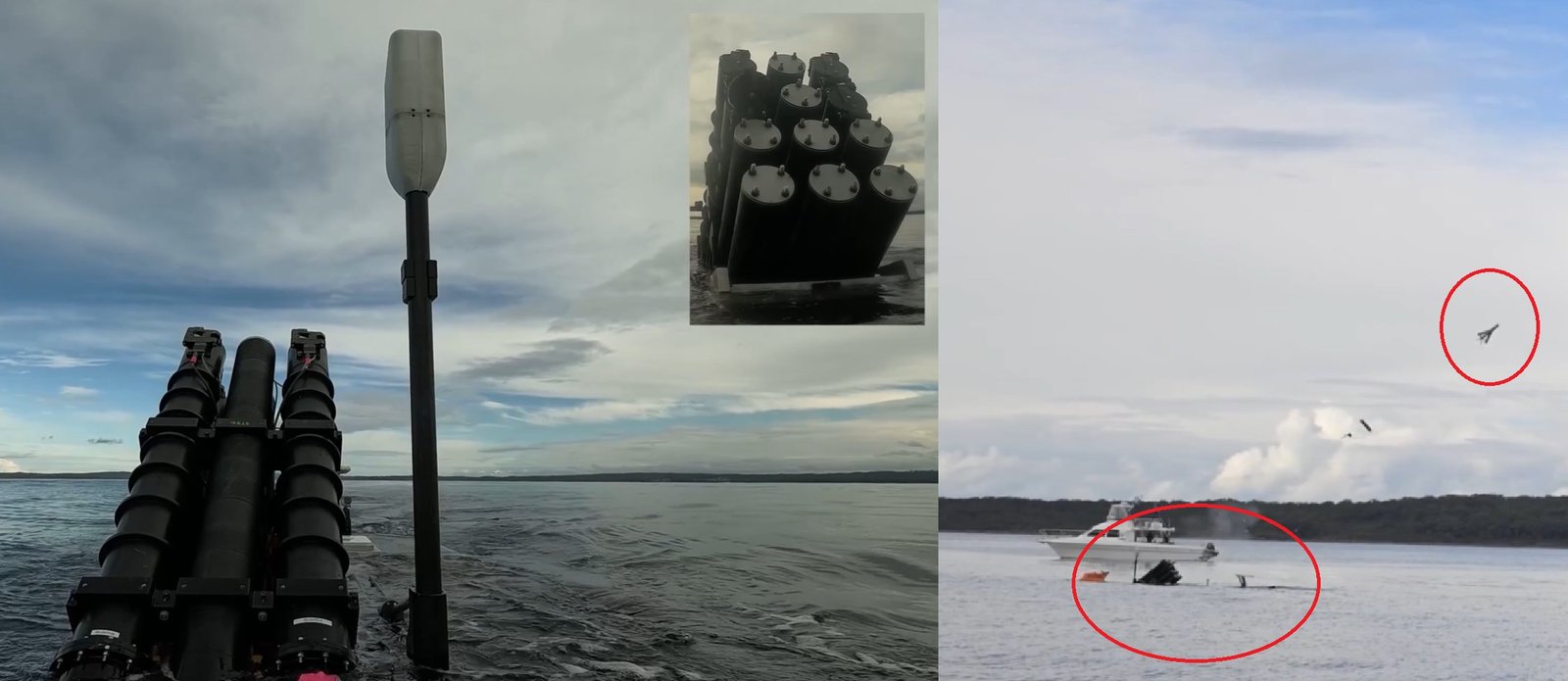 Australia Unveils Ghost Shark Autonomous Submarine’s Mine, Drone and Logistics Capabilities
-
 L3Harris Opens ‘Arsenal of Freedom’ Rocket Motor Plant in Arkansas to Double Production Capacity
-
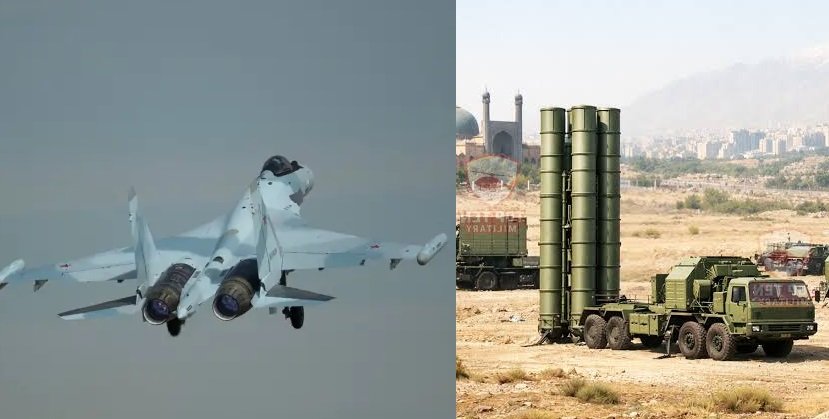 Russia Reportedly Offers Su-35 Fighters and S-400 Air Defence System to Protect Tehran
