India
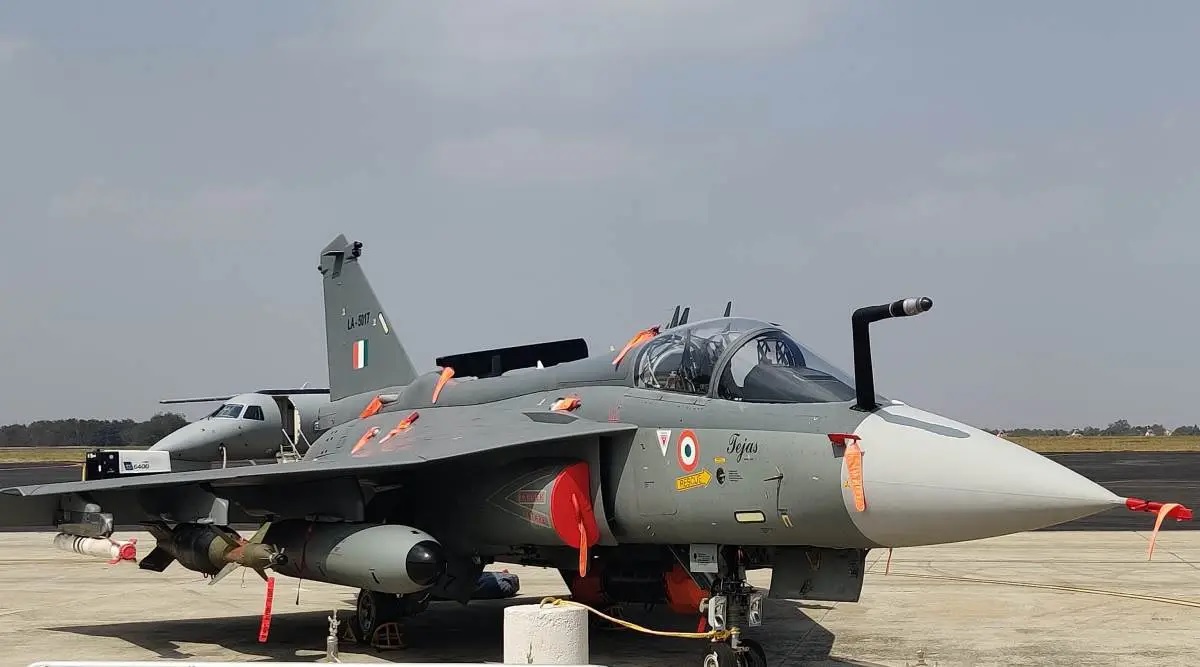
India’s ambition to accelerate the production of its indigenous Tejas Light Combat Aircraft (LCA) has found a new champion in renowned defense analyst Bharat Karnad. In his latest column, Karnad emphasizes a bold strategy to ramp up the annual production rate of Tejas jets to 144, a figure that would not only meet but potentially exceed the Indian Air Force’s (IAF) needs within a mere three years. His proposal focuses on sharing the crucial source codes of the Tejas with private sector giants like L&T, Tata, and Mahindra Aerospace, aiming to break India's long-standing dependency on foreign military equipment.Karnad, a Senior Fellow at the Centre for Policy Research, suggests that the Indian government take immediate and strategic steps to empower the private sector in the defense manufacturing ecosystem. He argues that by allowing private firms access to the Tejas source code—currently held by the National Aerospace Laboratories (NAL) and the Defence Research and Development Organisation (DRDO)—India can vastly enhance production efficiency and capability. The rationale is clear: HAL, despite its engineering expertise and track record, has faced bottlenecks in scaling production to meet the IAF’s urgent demands. HAL’s current output is far below the necessary rate to ensure India’s defense readiness, particularly as geopolitical tensions continue to simmer.Karnad's proposal doesn’t stop at code-sharing. He advocates for substantial government incentives, including tax holidays for companies willing to establish multiple production lines for the Tejas 1A and future models like the Advanced Medium Combat Aircraft (AMCA). By enticing private sector involvement, Karnad envisions the creation of a robust, multi-tiered production infrastructure that not only delivers the 144 jets annually but also creates a defense manufacturing ecosystem capable of scaling up to meet future demands, including potential exports.The Tejas Mk1A, the upgraded variant, comes with advanced radar systems like the AESA radar, Beyond Visual Range (BVR) missile capabilities, and modern electronic warfare systems. Karnad argues that private firms, with their vast experience in managing large-scale production and supply chains, can bring much-needed efficiency and innovation to the table. He highlights the capabilities of companies like Tata and Mahindra Aerospace, both of which have already shown prowess in aerospace manufacturing, and suggests that their involvement could revolutionize the production process.The urgency of accelerating Tejas production is underscored by the fact that the global aerospace industry is evolving rapidly. With 6th generation combat aircraft already in development around the world, India cannot afford to fall behind. The Tejas, while a solid 4.5-generation platform, must be produced and fielded in larger numbers if India hopes to maintain its defense edge and reduce its reliance on costly foreign imports like the Rafale jets. Karnad’s plan could also position India to compete in the global aerospace market, potentially transforming the country from a buyer into a producer and exporter of cutting-edge military technology.Leadership changes at Hindustan Aeronautics Limited (HAL) also add to the urgency of Karnad’s call to action. As Dr. DK Sunil prepares to take over as the new head of HAL, Karnad is hopeful that fresh leadership will be more receptive to collaboration with the private sector. He points to the lessons of the past, where HAL’s underutilization of indigenous designs, such as the HF-24 Marut, led to missed opportunities. Today, with a much more mature defense industry and a wealth of talent in the private sector, Karnad believes the time is ripe for HAL to recognize its limitations and join hands with industry leaders to achieve the nation’s defense production goals.Ultimately, Karnad’s vision is one where India stands on its own as a self-reliant aerospace power. By reducing its dependency on foreign equipment, India can ensure its strategic autonomy and secure its borders more effectively. But this will only be possible if the government acts decisively to integrate the private sector into its defense production plans, offering both the access and the incentives needed to scale up production quickly.Karnad’s proposal represents more than just a production goal; it is a roadmap for India to realize its full potential in the aerospace industry. The Tejas program, already a symbol of national pride, could soon become the cornerstone of India’s defense manufacturing renaissance—if the government heeds the call.
Read More → Posted on 2024-09-07 15:17:53
Secrets/Mystery
In a groundbreaking discovery, Chinese scientists using the world’s most powerful ionospheric radar have detected equatorial plasma bubbles appearing over Egypt’s iconic pyramids in Giza, as well as the remote Midway Islands in the Pacific, at almost the same time. This unusual phenomenon, captured by China’s Low Latitude Long Range Ionospheric Radar (LARID), marks a significant leap in our understanding of the Earth's upper atmosphere and its effects on communication systems.Plasma bubbles, a mysterious weather phenomenon occurring in low-latitude regions, are caused by the sudden depletion of charged particles in the ionosphere. These bubbles can wreak havoc on modern technology, particularly GPS systems and satellite communications, with the potential to disrupt signals for hundreds of kilometers. What makes these bubbles even more intriguing is their ability to grow to enormous sizes—hundreds of kilometers in diameter—making their detection crucial for future communication and defense technologies.China's LARID, constructed on Hainan Island in 2022, has now made it possible to detect these plasma bubbles from astonishing distances of up to 9,600 kilometers (nearly 6,000 miles). This radar has brought unprecedented clarity to the observation of these elusive formations. For the first time, on November 4-6 last year, plasma bubbles triggered by a solar storm were clearly tracked by the radar, reaching as far as North Africa and the central Pacific, with the pyramid region of Egypt being one of the detection sites.The radar's sophisticated technology, operating between 8-22 MHz and featuring 48 transceiver antennas split between two subsystems, allows it to bounce high-powered electromagnetic waves between the ionosphere and the Earth’s surface. When these waves hit plasma bubbles, part of the signal is reflected back, making it possible for scientists to monitor the size, movement, and impact of the bubbles in real-time.Although similar radar systems exist, China's LARID is the first of its kind capable of monitoring plasma bubbles on such a large scale. It represents a technological leap, especially considering the challenges posed by Earth’s curvature, which makes it difficult for conventional radars to observe targets beyond the horizon. By applying cutting-edge signal coding and geophysical simulation models, Chinese researchers were able to improve LARID's detection range from an initial 3,000 kilometers to over 9,600 kilometers within just six months.The ramifications of this discovery go beyond simple atmospheric science. Plasma bubbles can severely affect satellite communications, which are critical for both civilian and military applications. In fact, these bubbles have long been a subject of interest for global military forces, including the U.S. Navy, due to their potential to disrupt modern warfare communication systems. By further refining the capabilities of LARID and possibly constructing additional radars in other low-latitude regions, China aims to achieve seamless, real-time monitoring of plasma bubbles across the globe.Although the radar itself is designed for scientific observation and cannot detect military targets like aircraft, similar over-the-horizon radar technology has already been adopted by China’s military. These radars are reportedly capable of detecting stealth aircraft such as the U.S. F-22 fighter jet, thanks to the long wavelengths emitted by the radar, which stealth coatings on aircraft have difficulty absorbing.This cutting-edge research and the super-radar network that China is proposing could reshape our understanding of equatorial plasma bubbles and their wide-reaching impact on modern communication systems. It also underscores China's growing prowess in space and atmospheric research, positioning the country as a key player in global scientific advancements. With the potential for further discoveries and even more advanced radar technology on the horizon, China’s efforts in this field are set to push the boundaries of what’s possible in both atmospheric research and strategic defense.
Read More → Posted on 2024-09-07 15:14:30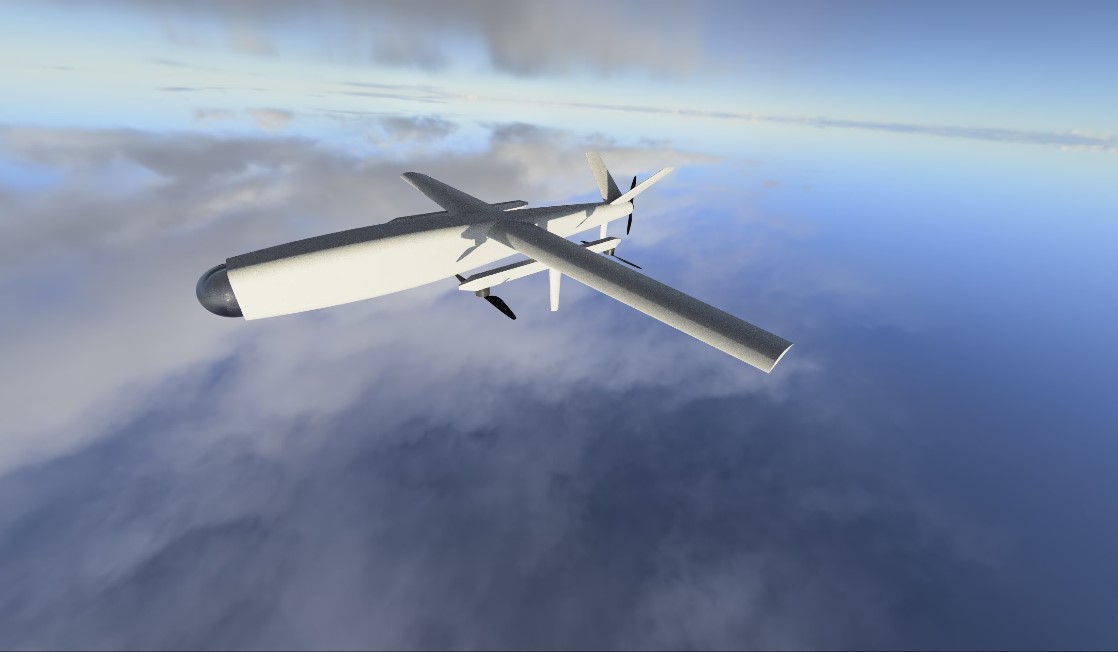
India
Flying Wedge Defence & Aerospace (FWDA), a rising Indian company founded by Suhas Tejaswini, has made waves in the defence sector with its recent announcement. The company revealed its ambitious plan to develop an unmanned aerial vehicle (UAV) capable of taking on Pakistan's advanced fighter jets, specifically the F-16 and JF-17 Thunder. This bold statement has sparked widespread interest and speculation, as success in this venture could transform the future of air combat for India.The challenge of building a UAV with such advanced capabilities is monumental. Pakistan’s F-16 fighter jets, purchased from the United States, are known for their agility, firepower, and battlefield prowess. Meanwhile, the JF-17 Thunder, developed in collaboration with China, is a versatile multi-role fighter that Pakistan has actively used in its air force. Creating an unmanned system capable of neutralizing these aircraft demands cutting-edge technology, precise engineering, and significant financial investment. However, the strategic benefits of succeeding would give India a tremendous advantage in the skies.FWDA’s vision to create a combat UAV emphasizes India’s growing focus on self-reliance in defence technology. Historically, India has imported a large percentage of its defence equipment, but recent years have seen a push toward domestically produced systems. Flying Wedge’s project aligns perfectly with the Indian government's "Make in India" initiative, which aims to position the country as a global hub for defence production.While Tejaswini did not commit to a specific timeline for the UAV's development, the announcement itself is a clear signal of India’s ambition to stay ahead in the evolving landscape of aerial warfare. A UAV capable of dogfighting with fighter jets like the F-16 and JF-17 would not only boost India’s defensive capabilities but could also pave the way for exporting such high-tech systems to other countries.The complexity of developing such a UAV cannot be understated. It will likely incorporate stealth technology, high-speed propulsion, advanced missile systems, and sophisticated radar or sensor suites. It’s expected that the UAV will be equipped with beyond-visual-range (BVR) air-to-air missiles, similar to the ones found on India's existing fighter jets like the Sukhoi Su-30MKI or the Tejas. These missiles would allow the UAV to strike enemy aircraft from a distance, neutralizing threats before they even enter close combat range.Another crucial feature will be the UAV's artificial intelligence (AI) systems. Modern air combat is increasingly dependent on data processing and decision-making at lightning speeds. AI-driven autonomous systems could allow the UAV to analyze enemy movements, react faster than a human pilot, and engage with multiple targets simultaneously.Tejaswini’s announcement has naturally raised the question of how FWDA’s UAV will stack up against Pakistan's F-16s and JF-17s. These are battle-proven aircraft with a strong track record. Pakistan’s F-16s are especially formidable, equipped with advanced radar and missile systems. However, a well-designed UAV could have several advantages, including greater endurance (as unmanned systems don’t need to return to base as often), higher G-force tolerances (since there’s no human pilot to protect), and the ability to swarm opponents using multiple drones at once.The implications of FWDA’s UAV could be game-changing for India’s defence capabilities. A successful system would not only allow India to counter threats from Pakistan but could also serve as a deterrent against other regional powers. Furthermore, it would underscore India’s growing prominence in the global aerospace and defence sectors.As the world watches FWDA's progress, the next few years will be critical for the company. If Flying Wedge Defence & Aerospace can turn this vision into reality, India’s aerial combat strategies might never be the same.
Read More → Posted on 2024-09-07 15:07:09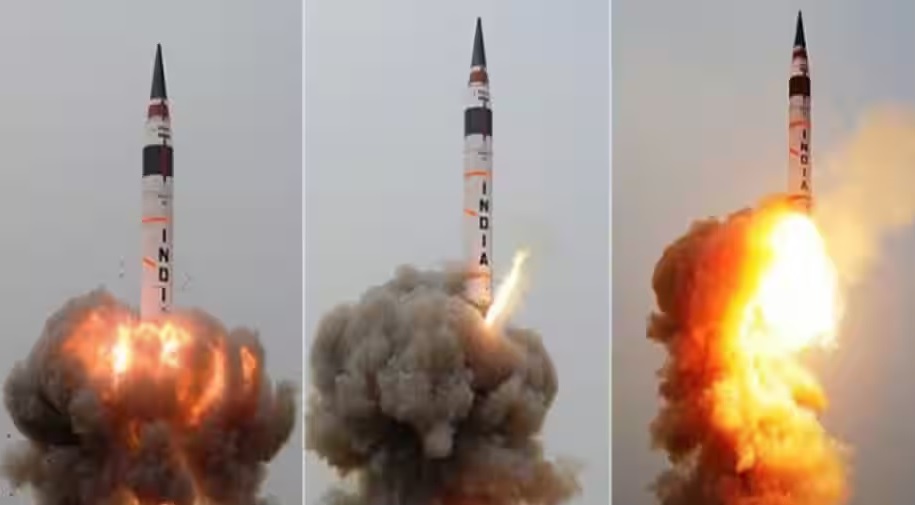
India
India's defence capabilities took a significant leap forward on September 6, 2024, when the Ministry of Defence successfully test-fired the Agni-IV Intermediate-Range Ballistic Missile (IRBM) from the Integrated Test Range in Chandipur, Odisha. This launch marks yet another milestone in India’s strategic missile program, as the Agni-IV plays an integral role in the country's nuclear deterrence posture.The Agni-IV is not just another addition to India’s arsenal; it symbolizes technological advancement and a strategic necessity in an ever-evolving geopolitical landscape. With a range of up to 4,000 kilometers, the missile provides India the capability to strike high-value targets across significant distances, enhancing its ability to deter threats from both China and Pakistan. This missile is a cornerstone of India's nuclear strategy, which revolves around maintaining credible minimum deterrence.Technical Specifications: A Technological MarvelAgni-IV, often regarded as a superior upgrade to the Agni-II missile, boasts advanced technology designed to ensure accuracy, flexibility, and resilience. The missile is a two-stage solid-fuelled weapon with a length of approximately 20 meters and weighs around 17,000 kilograms. Its development represents an evolution from its predecessor, allowing India to expand its strategic reach and improve precision.One of the standout features of Agni-IV is its solid propulsion system. The first stage of the missile, with a diameter of 1.2 meters, uses maraging steel, a specially treated alloy that gives the missile both strength and durability. The first stage generates 710 kilonewtons (kN) of thrust. The second stage, which has a narrower diameter of about 1 meter and is made from carbon-fiber composites, produces an average thrust of 39.5 kN. This combination allows the missile to maintain a precise trajectory while traveling at supersonic speeds.Agni-IV employs advanced guidance technologies, notably an inertial navigation system with ring laser gyroscopes. These systems allow the missile to maintain its course even in challenging flight conditions. Additionally, its flex nozzle control (FNC) thrust vectoring system ensures stable flight orientation. What makes Agni-IV even more impressive is its accuracy, with a circular error probable (CEP) of less than 100 meters at its maximum range of 4,000 kilometers, a remarkable achievement for such a long-range missile.The Role of Agni-IV in India's Defence StrategyThe Agni-IV missile is central to India’s strategic deterrence doctrine, which is rooted in the principle of "credible minimum deterrence." This doctrine emphasizes maintaining a nuclear arsenal sufficient to deter adversaries without seeking an arms race. By showcasing the Agni-IV’s capabilities, India reinforces its commitment to safeguarding national security through strategic, yet defensive, means.Agni-IV is capable of carrying both conventional and nuclear payloads, with a maximum payload capacity of 1,000 kilograms. This versatility allows India to deploy the missile in various operational scenarios. The missile is also designed to be road-mobile, which increases its survivability against preemptive strikes. This mobility ensures that India’s nuclear forces can remain operational even in times of heightened threat, adding an extra layer of deterrence.India’s focus on credible deterrence becomes particularly important in the context of the country's complex relationships with neighboring nuclear powers like China and Pakistan. The Agni-IV's range is tailored to target key installations within these nations, making it a vital part of India's strategic calculus. Moreover, the missile's ability to carry strategic nuclear warheads ensures that India retains the capacity to retaliate effectively in the event of a nuclear strike, thus discouraging potential adversaries from initiating conflict.The Future of Agni-IV: Enhancing DeterrenceThe successful launch of the Agni-IV missile demonstrates India's growing technological prowess and its dedication to maintaining a credible defence system. The Strategic Forces Command (SFC), which manages India’s nuclear arsenal, conducts regular tests to ensure the missile's reliability and operational readiness. The SFC, a tri-services command, reports directly to the Prime Minister's Office, reflecting the importance of this missile in India’s national security strategy.As geopolitical tensions continue to simmer in the Indo-Pacific region, the Agni-IV provides India with a vital tool for maintaining stability and peace. By enhancing its long-range missile capabilities, India signals to the world that it is prepared to defend its sovereignty and interests while adhering to a policy of restraint.In conclusion, the Agni-IV Intermediate-Range Ballistic Missile is more than just a weapon. It represents India’s commitment to peace through strength, ensuring that potential adversaries are deterred from aggressive actions. The missile’s advanced technology, long-range capability, and nuclear payload options make it a critical component of India’s strategic defence and its efforts to secure long-term regional stability.
Read More → Posted on 2024-09-07 14:58:48
World
Russia's military has received a fresh batch of the T-90M Proryv (Breakthrough) main battle tanks, adding to its formidable ground forces. These new tanks, delivered by Uralvagonzavod (UVZ), a prominent Russian manufacturer, come at a crucial time when Russia is actively deploying its latest military hardware on the front lines, particularly in Ukraine.Touted by President Vladimir Putin as “the best tanks in the world,” the T-90M is currently Russia’s most advanced tank in operation. It features a host of upgrades compared to its predecessors, designed to increase both its survivability and offensive capabilities. At the heart of these improvements is a modern electronic warfare suite capable of countering drones, a growing threat on today's battlefields. In addition, the tank boasts reactive armor and a new composite armor system that enhances its defenses against anti-tank guided missiles.One of the standout features of the T-90M is its increased battlefield resilience. With cutting-edge technologies, the tank reduces its visibility to enemy forces, making it harder to detect and target. Its turret is also protected by Relikt explosive reactive armor (ERA), which is designed to detonate upon impact, neutralizing incoming projectiles, including armor-piercing rounds and high-explosive anti-tank missiles.The T-90M is powered by a V-92S2F 12-cylinder diesel engine, delivering a robust 1,130 horsepower, allowing the tank to reach speeds of up to 60 km/h. Its 125mm smoothbore gun, capable of firing a range of munitions, including high-velocity armor-piercing rounds and anti-tank guided missiles, gives it significant firepower against a variety of battlefield threats. Additionally, its fire control system has been modernized with a panoramic sight and thermal imaging, allowing for effective engagement of targets day or night.Despite these impressive upgrades, the T-90M has faced some challenges in combat. Approximately 107 of these tanks have reportedly been destroyed in Ukraine, with a few even being captured by Ukrainian forces in working condition. This has led to criticism from some Western analysts, who argue that the T-90M retains certain vulnerabilities from older Soviet-era tanks like the T-72 and T-80, particularly regarding its crew protection and internal ammunition storage.However, Alexander Potapov, the General Director of UVZ, remains confident in the tank’s abilities. He praised the factory workers for their role in strengthening Russia's defense capabilities, drawing parallels to the World War II-era slogan “Everything for the front—everything for victory.” The sentiment reflects the importance Russia places on its armored fleet in modern warfare, where tanks play a pivotal role in ground operations.Despite battlefield losses, the T-90M continues to be a critical component of Russia's military strategy. Its combination of advanced weaponry, defensive measures, and electronic warfare capabilities makes it a formidable opponent. Whether these tanks can maintain their reputation as the best in the world, however, will depend on their continued performance in the complex and rapidly evolving battlefields of modern warfare.
Read More → Posted on 2024-09-07 14:54:20
World
Germany is stepping up its military support for Ukraine, announcing the delivery of 12 additional Panzerhaubitze 2000 self-propelled howitzers. The move was confirmed by German Defence Minister Boris Pistorius during the Ukraine Contact Group meeting at the US Ramstein Air Base. This latest assistance comes as Ukraine continues to resist Russian aggression, particularly in the heavily contested Donetsk region.Out of the 12 howitzers, six are set to arrive in Ukraine before the end of this year, while the remaining six are expected in 2025. The total cost for the package is estimated at around €150 million. The Panzerhaubitze 2000 (or PzH 2000) has already proven its value on the battlefield, offering both advanced technology and powerful firepower. Known for its impressive firing range of up to 30 kilometers, the PzH 2000 is designed to deliver precision strikes with minimal exposure to enemy fire. It has an automated loading system that allows rapid-firing capabilities, with the ability to launch three rounds in just nine seconds or ten rounds in less than a minute.This is not Germany’s first shipment of PzH 2000 units to Ukraine. Earlier, Berlin sent 14 of these artillery systems, making this new batch a significant reinforcement to Kyiv's defensive and offensive operations. The German howitzers have been highly regarded by Ukrainian forces for their durability and accuracy, especially in prolonged combat situations. This additional hardware is expected to provide a boost to Ukrainian artillery efforts, particularly as the conflict in eastern Ukraine shows no signs of abating.Ukrainian President Volodymyr Zelensky, who participated in the opening session of the Ramstein meeting, made an impassioned plea for more military aid. He emphasized the necessity for increased firepower to repel Russian forces, especially in hotspots like Donetsk, where intense fighting continues.As Ukraine receives these additional artillery systems, it is clear that Germany remains committed to supporting the country in its battle for sovereignty. The PzH 2000 is a formidable asset, equipped with advanced targeting systems and capable of firing high-precision ammunition, including GPS-guided shells, which enhance its operational effectiveness. The vehicle is also heavily armored, providing protection for its crew during combat, and can operate in various terrain conditions, making it well-suited for the complex battlefield environment Ukraine currently faces.Germany’s decision to supply more of these howitzers underscores a broader trend among Western allies to bolster Ukraine’s defense capabilities, ensuring the country remains resilient against continued Russian advances. As the war continues to evolve, artillery systems like the Panzerhaubitze 2000 are expected to play a crucial role in shaping the outcome of future engagements.
Read More → Posted on 2024-09-07 14:51:40
India
Sansera Engineering, a prominent Indian precision engineering firm, has secured a significant contract to supply critical components for the Airbus A220 door program. This partnership, facilitated through a deal with Dynamatic Technologies, showcases the rising prominence of Indian manufacturers in the highly competitive global aerospace market. It further underlines India's growing influence in high-precision aerospace manufacturing, a sector that has historically been dominated by a few key players in Europe and North America.The contract involves Sansera Engineering producing intricate structural parts for the Airbus A220 aircraft's doors. These components are essential to the aircraft's structural integrity, ensuring that the doors meet the stringent safety, reliability, and performance standards expected in the aerospace industry. Airbus, known for setting the bar high in terms of precision and quality, relies on manufacturers like Sansera Engineering to deliver components that adhere to strict guidelines and enhance the aircraft's overall efficiency.The Airbus A220 itself is a marvel of modern aviation, popular among airlines for its fuel efficiency, advanced technology, and enhanced passenger comfort. It is designed for shorter to medium-range flights and can carry between 100 and 150 passengers. One of the most attractive features of the A220 is its lightweight design, which contributes to lower fuel consumption, helping airlines reduce operational costs and lower their environmental impact. The door components produced by Sansera will be part of this cutting-edge aircraft, ensuring the doors are both lightweight and robust, contributing to the overall performance of the plane.Sansera Engineering's state-of-the-art facilities, equipped with the latest manufacturing technologies, will be instrumental in delivering the precision required for this project. The company has a long history of producing high-precision components for industries such as automotive, aerospace, and defense. Its skilled workforce, combined with advanced technology, positions Sansera to meet the rigorous demands of Airbus, further strengthening India's capabilities as a global aerospace supplier.This contract with Dynamatic Technologies, a leading supplier of complex aerospace components, not only expands Sansera's footprint in the aerospace industry but also reinforces India's growing role in the global supply chain. Indian manufacturers have increasingly become key players in major international aircraft programs, and this partnership is a testament to the country's engineering prowess and ability to meet global standards.The collaboration between Sansera Engineering and Dynamatic Technologies is also expected to drive innovation within India's aerospace sector, providing a platform for further advancements in manufacturing technologies. With more Indian companies securing contracts from global giants like Airbus, the country's aerospace industry is poised for significant growth, opening up new opportunities for both domestic and international partnerships.In conclusion, Sansera Engineering's contract to supply Airbus A220 door components is a major step forward for both the company and the broader Indian aerospace industry. It highlights India's capability to produce world-class aerospace components and positions Indian manufacturers as vital players in the global aerospace supply chain. As Indian firms continue to establish themselves in this competitive sector, partnerships like this will help drive the country's ambition to become a leading force in aerospace manufacturing.
Read More → Posted on 2024-09-07 14:49:14
India
India has taken a significant leap in bolstering its nuclear deterrence capabilities with the commissioning of INS Arighat, its newest nuclear-powered ballistic missile submarine (SSBN). With a range of advancements over its predecessor, INS Arihant, the INS Arighat represents not only cutting-edge technology but also a remarkable achievement in India’s push for self-reliance in defense production.INS Arighat, commissioned by Defence Minister Rajnath Singh, is part of India’s strategy to secure its maritime and strategic interests with a second SSBN. Unlike INS Arihant, which entered service in 2018 with missiles capable of reaching targets up to 750 kilometers, INS Arighat comes equipped with missiles boasting a far superior range of over 3,500 kilometers. This extended range vastly enhances India’s ability to strike distant targets, providing a much stronger deterrent against potential adversaries.The submarine’s missile capability is backed by indigenous technology, with nearly 70% of its systems and components being designed, manufactured, and integrated in India. This is a key achievement under India’s ‘Make in India’ initiative, as the country aims to reduce its dependency on foreign technology, particularly in critical defense platforms. The development of INS Arighat involved extensive collaboration between Indian scientists, engineers, defense personnel, and local industries, marking a significant advancement in the nation’s naval capabilities.The submarine’s design builds on the experience gained from INS Arihant, but INS Arighat incorporates numerous improvements. It is larger, capable of carrying more weapons, and features superior stealth characteristics, making it harder to detect by enemy forces. Additionally, its reactor design allows for longer patrol durations, which means it can remain submerged for extended periods, providing a more enduring nuclear deterrent.INS Arighat is powered by a pressurized water reactor (PWR), which uses highly enriched uranium as fuel. The reactor allows the submarine to operate at great depths, improving its survivability and making it less vulnerable to detection. Coupled with its ballistic missile capabilities, this makes Arighat a cornerstone of India's nuclear triad, ensuring that India can launch nuclear strikes from land, air, and sea.With INS Arighat now in active service and a third SSBN expected to join the fleet soon, India’s submarine-launched ballistic missile (SLBM) force is rapidly evolving into a formidable shield. These submarines not only enhance India's second-strike capability—a key component of nuclear deterrence—but also signal to the world that India is a self-sustaining military power.Defence Minister Rajnath Singh emphasized the national pride associated with INS Arighat, praising the dedication and ingenuity behind its construction. The project, which required years of research, development, and precision engineering, has elevated India into a small group of nations capable of independently developing such sophisticated platforms.With a combination of technological innovation, strategic firepower, and indigenous development, INS Arighat symbolizes a new chapter in India’s maritime defense. Its induction significantly strengthens the nation’s ability to protect its interests in the Indian Ocean and beyond, solidifying its role as a regional power and a key player on the global stage. As India continues to expand its SSBN fleet, it’s clear that INS Arighat will play a pivotal role in maintaining strategic balance and safeguarding the country’s security.
Read More → Posted on 2024-09-07 14:46:08
India
The Indian Army has made a significant leap in modern warfare by inducting the Krushna Unmanned Ground Vehicle (UGV), a highly advanced autonomous system designed by Club First, a Jaipur-based robotics company. This move reflects the Army’s growing focus on utilizing unmanned systems to strengthen its surveillance, reconnaissance, and logistical support capabilities, especially in challenging terrains and hostile environments.The Krushna UGV stands out for its versatility and the range of cutting-edge technologies it incorporates. Built to support a wide variety of missions, the vehicle is particularly useful for stealth operations, thanks to its silent operation capabilities. This feature is crucial for maintaining secrecy during sensitive missions, making it an invaluable tool for covert operations along borders or in hostile regions.One of the UGV's standout features is its advanced thermal and day/night camera, which boasts an impressive range of up to 4 kilometers. This allows the vehicle to conduct long-range surveillance, providing real-time visual data to military personnel even in low-light or difficult weather conditions. Whether patrolling India's rugged borders or keeping an eye on remote outposts, the Krushna UGV provides high-resolution, all-weather reconnaissance, drastically reducing the risk to human soldiers.What makes the Krushna UGV even more sophisticated is its dual-mode operation system. It can be remotely controlled, giving operators precise command over its movements, but it also features autonomous navigation capabilities powered by GPS waypoint technology. This allows the vehicle to traverse difficult terrain, such as mountainous or forested regions, without direct human intervention. The autonomous mode is particularly useful for long-range missions, where human control might be difficult or unsafe.In addition to its technical prowess, the Krushna UGV is designed to withstand India’s diverse and often harsh environmental conditions. From extreme heat in deserts to freezing temperatures in high-altitude regions, the vehicle is equipped to maintain functionality in environments that would typically challenge conventional military equipment.The induction of this unmanned vehicle is part of a broader shift within the Indian Army toward incorporating more advanced AI and robotics into its operational toolkit. As India continues to face security challenges across its borders, especially with tensions in the northern and western frontiers, technologies like the Krushna UGV are becoming essential in bolstering the Army’s surveillance and rapid response capabilities.Beyond reconnaissance, the Krushna UGV has the potential to be used in logistical roles as well. With minor adjustments, it can be deployed for transporting supplies, equipment, or even injured soldiers in conflict zones. This flexibility enhances the Army's operational efficiency while simultaneously reducing the exposure of personnel to dangerous situations.The Krushna UGV’s introduction marks a significant advancement in India’s defense strategy, demonstrating how unmanned systems can complement traditional forces. As this technology continues to evolve, it is likely that we will see more applications for UGVs like Krushna in the future, from border patrols to disaster response and humanitarian missions. In essence, it not only strengthens India’s defense but also represents a broader vision of a tech-enabled future for the country’s armed forces.By adopting the Krushna UGV, the Indian Army is taking a proactive step toward ensuring that its personnel are supported by cutting-edge technology, making the force more resilient and capable of responding to the demands of modern warfare.
Read More → Posted on 2024-09-07 14:43:12
Space & Technology
In a significant milestone for China's space ambitions, a mysterious reusable space plane returned to Earth on September 6, 2024, after spending an impressive 268 days in orbit. The landing occurred at the Jiuquan Satellite Launch Center, nestled in the remote deserts of northwest China, marking the end of its third mission. The spacecraft had originally launched from the same facility aboard a Long March 2F rocket on December 14, 2023, and remained shrouded in secrecy throughout its time in space.This mission is a significant step in China’s long-term goal of developing reusable space technologies, but much about the plane’s design, purpose, and capabilities remains classified. The official Chinese state media outlet Xinhua has referred to the project as one that will "pave the way for more convenient and affordable round-trip methods for the peaceful use of space." However, outside of these vague statements, China has not provided further details about the craft’s missions or technological features.While the exact nature of its tasks in orbit remains unclear, observations made by global satellite trackers indicate that the space plane performed some noteworthy maneuvers. It appears that the craft deployed a small object into orbit, reminiscent of its previous mission when it released a similar object. Jonathan McDowell, an astronomer with the Harvard-Smithsonian Center for Astrophysics, speculated that this object could be either a subsatellite or hardware deployed before the spacecraft’s return to Earth. This kind of activity, particularly the release of an object in orbit, suggests that the space plane has multifaceted capabilities.Additionally, the space plane carried out what is known as rendezvous and proximity operations (RPO), according to a report from SpaceNews. These operations allow spacecraft to approach and potentially interact with other satellites. Such maneuvers are critical for space missions that involve the repair or maintenance of aging or malfunctioning satellites. They also have significant military implications, as countries, including China, may be developing these techniques to interfere with adversary satellites in the event of space-based conflict. RPO could enable the space plane to either disable or manipulate other satellites without ground intervention, a capability that many global powers are now exploring for potential defense purposes.Though China has been tight-lipped about the true extent of the space plane's capabilities, comparisons can be drawn to the United States' X-37B, a reusable space plane developed by Boeing that has completed several classified missions. Both the X-37B and China’s space plane are believed to test new technologies and gather intelligence from space, but precise details of these missions remain confidential.This reusable space plane is a crucial element in China’s broader ambitions for space dominance. It reflects China’s rapid advancements in space technology, with a focus on making space missions more cost-effective and versatile. The ability to launch, retrieve, and reuse spacecraft could make space exploration more sustainable and accessible for China, setting the stage for future developments such as space tourism, satellite deployment, or even lunar exploration.The return of the space plane after such a long-duration mission raises questions about its performance and any breakthroughs achieved during its time in orbit. While China has been reticent in revealing specifics, the mission's success underscores the country's growing expertise in space exploration, edging closer to its goal of becoming a global space leader.The mystery surrounding this space plane may be deliberate, but one thing is clear: China's space program is advancing at a rapid pace, and its ambitions are only growing. The lessons learned from this mission may open the door to a new era of space exploration—one where spaceplanes regularly orbit Earth, performing a range of missions that, for now, remain behind the curtain of secrecy.
Read More → Posted on 2024-09-06 15:15:17
World
The Netherlands is making a significant move to bolster its military capabilities by ordering two more Anti-Submarine Warfare Frigates (ASWF) and six additional NH90 NFH helicopters. These acquisitions are part of a broader effort outlined in the country's 2024 Defence Memorandum, a comprehensive plan to prepare the nation for potential conflicts that are becoming increasingly likely in today's geopolitical landscape.The decision to expand the military fleet comes in response to the growing instability across Europe and beyond. As the Dutch Ministry of Defence (MoD) put it, "There is war on the European continent and unrest in the world. The Netherlands can also become involved in an armed conflict." The memorandum emphasizes the need for a more resilient defense force, ready to defend Dutch territory and its NATO allies, while deterring potential threats.Preparing for Worst-Case ScenariosThe Defence Memorandum lays out four critical scenarios that could severely impact Dutch national security:1. A direct attack on NATO2. Covert and hybrid attacks combining military and non-military means3. Rising tensions between China and its neighbors, leading to a conflict between China and the United States4. Unrest and conflict along the borders of EuropeThese scenarios are seen as interconnected, meaning multiple threats could arise simultaneously, compounding the risks for the Netherlands. The Dutch MoD is particularly concerned about the possibility of Russia launching an attack on NATO, triggered by "shadowy, elusive attacks" that destabilize the region.In response, the Dutch government has pledged an additional €2.4 billion to strengthen its armed forces. This funding will not only go towards enhancing the Royal Netherlands Navy and Air Force but also towards improving recruitment and retention within the military. The strategic goal is to increase resilience and ensure the Netherlands is well-equipped for any eventuality.Naval Strength: New Frigates and HelicoptersA significant portion of the new defense budget will be allocated to expanding the Royal Netherlands Navy's capabilities. Two more Anti-Submarine Warfare Frigates will be added to the fleet, bringing the total to four. These frigates are designed to address NATO's growing demand for long-term anti-submarine warfare (ASW) capabilities, particularly in the European seas, Atlantic Ocean, Arctic, and even the Indo-Pacific region.The importance of these frigates extends beyond just ASW missions. They will also be capable of providing defense against ballistic and cruise missiles, as well as conducting precision strikes. The Dutch Navy sees these versatile ships as essential for maintaining long-term deployments across multiple strategic regions.Moreover, the six additional NH90 NFH helicopters will bolster the maritime helicopter fleet, increasing the Royal Netherlands Navy’s ability to support both maritime and amphibious operations. These helicopters, already known for their versatility, will play a crucial role in supporting long-term deployments by providing enhanced surveillance, anti-submarine capabilities, and logistical support. Their ability to be deployed with naval vessels or for marine missions further strengthens the navy's operational flexibility.Strengthening the Entire Defense EcosystemThis expanded investment in military hardware is not limited to the navy. The Royal Netherlands Army will acquire 46 new Leopard 2A8 Main Battle Tanks, with an option for six more. Meanwhile, the Royal Netherlands Air Force will receive six additional F-35A fighter jets, expanding its fleet and improving its ability to engage in various combat scenarios.The 2024 Defence Memorandum stresses the importance of innovation and the integration of unmanned technologies, particularly in naval operations. As the threat landscape evolves, the Netherlands is positioning itself to not only meet current challenges but to innovate and adapt to future threats.A Broader European Defense StrategyThe Netherlands' defense buildup reflects a wider trend across Europe, as countries increase military spending and modernize their forces in the wake of growing tensions with Russia and rising geopolitical uncertainty in regions like the Indo-Pacific. As a NATO member, the Netherlands' enhanced capabilities will also contribute to collective security across the alliance.In conclusion, by expanding its naval and air capabilities, the Netherlands is taking proactive steps to "prepare for the worst." These investments, along with the strategic framework outlined in the Defence Memorandum, ensure the Dutch military is better equipped to meet the demands of an increasingly volatile global landscape. The country’s defense policy highlights the importance of both deterrence and preparedness, signaling to potential adversaries that the Netherlands is ready to defend itself and its allies.
Read More → Posted on 2024-09-06 15:11:06
World
The Australian Army recently conducted successful trials of the Vegvisir situational awareness solution on its retrofitted M113 armored personnel carriers (APCs). The trial explored how this cutting-edge, mixed-reality technology can enhance battlefield awareness and vehicle management, particularly in unmanned and optionally-manned scenarios. This shift reflects the growing global trend to modernize military vehicles by upgrading aging platforms rather than scrapping them—a strategy that extends the lifespan of once-outdated equipment like the M113.The Vegvisir solution, developed by the Estonian-Croatian startup, provides an immersive experience for operators, combining 360-degree vision and real-time data with ultra-low latency. The system is made up of vehicle-mounted cameras and thermal sensors paired with an immersive headset. This setup gives operators a bird’s-eye view of their surroundings, allowing them to navigate complex environments and avoid threats more effectively. The system also includes features like bitrate limitation for each camera and custom driving aid lines, helping operators make precise decisions in the heat of battle. The trials allowed Australian Army personnel to manage a fleet of unmanned vehicles from a single control hub, testing the Vegvisir Remote variant designed for unmanned or optionally-manned vehicles. The Vegvisir Core version, on the other hand, is tailored for fully manned vehicles, providing a flexible solution for a variety of battlefield scenarios. One of the standout advantages of the Vegvisir system is its ability to integrate seamlessly with older, converted platforms like the M113 APC, proving that even decades-old equipment can be updated for modern warfare.The M113, once a staple of many military forces, is a tracked armored personnel carrier first developed in the 1960s. Its original design allowed it to carry up to 11 soldiers and a crew of two, making it versatile in various battlefield roles. However, with the advent of newer and more advanced vehicles, the M113 has gradually been phased out in many countries. The Vegvisir trials, however, demonstrate a new direction—rather than discarding the M113s, they can be retrofitted with modern tech to serve unmanned or optionally-manned roles.This technological leap represents a massive cost-saving opportunity for the Australian military and others worldwide. As Vegvisir’s CEO Ingvar Parnamae pointed out, there are hundreds of thousands of aging armored platforms across the globe. Repurposing them with modern technology like the Vegvisir system could provide a significant return on investment for defense budgets.The Australian Army’s decision to trial the Vegvisir system is a sign of their commitment to modernizing their military capabilities. The ability to control fleets of unmanned vehicles, monitor network quality in real-time, and utilize mixed-reality overlays could be a game-changer in future combat scenarios, especially as the nature of warfare continues to evolve with advancements in technology.Vegvisir's success in these trials suggests the system could soon be a staple in the global defense sector, particularly for countries looking to maximize the efficiency of their existing military assets without the need for an entirely new fleet of vehicles. The Australian Army is positioning itself at the forefront of this shift, leveraging technology to transform how its vehicles operate on the battlefield.
Read More → Posted on 2024-09-06 15:07:56
India
In response to a growing wave of militant drone attacks in Manipur, the Indian government has authorized the use of anti-drone guns by paramilitary forces. This critical decision follows a significant incident on September 1st, where militants, suspected to be from the Kuki group, used sophisticated drones to carry out an attack on Border Security Force (BSF) personnel and Manipur Police in the Koutruk area of Imphal West. The attackers reportedly used the drones to drop RPGs (rocket-propelled grenades), a tactic not previously seen in the conflict-ridden state.The deployment of anti-drone technology is part of the Centre's urgent measures to counter this novel threat. While such anti-drone systems have already been in use by the BSF along India’s western border with Pakistan, the recent attacks in Manipur mark the first time drones have been used in the region with such deadly precision. The Centre's quick response aims to prevent the situation from escalating further.The BSF, Assam Rifles, and other paramilitary units stationed in Manipur will be the first to receive these anti-drone guns, which are specifically designed to jam drone signals and disable them mid-flight. These guns have proven effective in countering threats from drones carrying explosives, reconnaissance equipment, or smuggling contraband across sensitive areas. According to officials, these anti-drone guns can neutralize targets within a range of up to 1-2 kilometers, depending on the terrain and the type of drone being targeted. In Manipur, the initial deployment will focus on key locations prone to militant activities, creating a layered security net.Experts believe this technological shift by militants signals a dangerous new chapter in Manipur's conflict, as the use of drones for dropping explosives is more commonly seen in conventional warfare. In recent years, non-state actors have increasingly employed drones in regions like Syria, Ukraine, and Iraq, where drones have been repurposed as inexpensive, effective tools for delivering bombs or conducting surveillance. The fact that such tactics are now being utilized in Manipur underscores the escalating complexity of the insurgency.The Assam Rifles, known for its expertise in counter-insurgency operations in the northeastern region, has been specifically instructed to begin deploying its anti-drone guns in vulnerable zones. Meanwhile, the state government has been directed to accelerate the procurement of additional units. This effort will involve deploying the technology in a way that maximizes coverage, including the creation of “drone-free zones” around key security installations and civilian areas.Manipur Police have emphasized the highly technical nature of these attacks, which require significant expertise to operate the drones and deploy explosives accurately. In their statement, the police assured the public that authorities are closely monitoring the situation and have the capability to respond to future incidents. The state government has also called for more training and readiness among security personnel to handle this emerging threat.The Centre’s decision to arm forces in Manipur with anti-drone technology is seen as a significant step in adapting to the evolving tactics of militants. With drones now being used as offensive weapons, ensuring the safety of both security forces and civilians has become an urgent priority. As the situation develops, experts anticipate further upgrades in the region’s counter-drone defenses to match the increasing sophistication of militant strategies. This swift action by the Centre highlights the growing importance of drone warfare in internal security matters and the need for cutting-edge technology to defend against these new-age threats.
Read More → Posted on 2024-09-06 15:00:43
World
In a significant milestone for naval defense, the UAE's EDGE Group has signed a strategic partnership contract with the Brazilian Navy to advance the development of Brazil's National Anti-Ship Missile (MANSUP). The collaboration, which includes Brazil's smart weapons specialist SIATT, is set to complete the missile's development by 2025, marking a major step forward in both countries' defense capabilities.The MANSUP missile, also known as the "Missil Antinavio Nacional de Superfície," is designed to bolster Brazil's naval power, particularly in the face of modern maritime threats. Under this new contract, EDGE Group and SIATT are tasked with not only finalizing the missile's design but also ensuring its seamless integration into the Brazilian Navy's Tamandaré-class stealth frigates. These next-generation frigates, which are being constructed with advanced radar evasion capabilities, will benefit significantly from the MANSUP's precision and long-range strike ability.What makes this agreement particularly noteworthy is its provision for the development of an extended-range version of the missile, known as the MANSUP-ER. This variant is expected to push the boundaries of the missile's strike capabilities, enabling the Brazilian Navy to target vessels at much greater distances. The MANSUP-ER’s inclusion in Brazil’s naval arsenal will not only modernize its fleet but also provide a critical edge in maritime defense, particularly in strategic zones like the South Atlantic.Beyond missile development, this partnership will have a profound impact on Brazil's defense industry and economy. EDGE Group CFO Rodrigo Torres emphasized that this program is more than just a defense collaboration. The contract will catalyze the construction of new factories and create job opportunities, providing a major boost to Brazil’s industrial base. In São Paulo, for example, SIATT is set to expand its manufacturing capabilities, further cementing the city’s role as a hub for advanced military technology production.This project represents a deeper integration between Brazil and the UAE’s defense industries. The collaboration also signals a strategic alignment between the Brazilian Navy and the UAE Ministry of Defence, as EDGE Group is not only set to deliver MANSUP to Brazil but is also planning to offer this technology to the UAE. This cross-border defense synergy exemplifies a growing trend of international partnerships to share cutting-edge military technologies.From a technical perspective, the MANSUP missile boasts several features designed to provide a tactical advantage in naval engagements. While the final specifications are still under refinement, previous versions of the missile have been designed with a range of up to 70 kilometers, high subsonic speeds, and a powerful warhead capable of disabling or destroying large enemy vessels. The extended-range version, MANSUP-ER, is expected to surpass these capabilities, although exact performance details remain classified. In addition, the missile’s guidance system is expected to include both radar and GPS-assisted navigation, ensuring accuracy even in challenging maritime conditions.The signing ceremony, attended by high-ranking officials from both the Brazilian Navy and EDGE Group, underscores the importance of this collaboration. Admiral Edgar Luiz Siqueira Barbosa, the Director General of Naval Material for the Brazilian Navy, and other senior military figures expressed their optimism about the impact this partnership will have on Brazil’s naval defense strategy. The Tamandaré-class frigates, once equipped with the MANSUP missile system, will become a key element in protecting Brazil’s coastal waters and economic zones.This strategic partnership between EDGE Group, SIATT, and the Brazilian Navy is the latest in a series of defense collaborations aimed at enhancing military capabilities while fostering economic growth. With the MANSUP missile nearing its final development stage, Brazil and the UAE are positioning themselves as key players in the global defense industry. By 2025, the MANSUP-equipped Tamandaré frigates will stand as a testament to this powerful partnership.
Read More → Posted on 2024-09-06 14:57:33
India
In a significant move to bolster security cooperation between Israel and India, a seminar held in Delhi from September 2 to 4 saw nine prominent Israeli defence companies presenting advanced technologies designed to neutralize the rising threat of drones. Organized in collaboration with various Israeli and Indian defence and industrial bodies, the event highlighted the growing concern over the role of drones in modern warfare, intelligence gathering, and criminal activities.The seminar was a platform for security and economic representatives from Israel’s Ministry of Defense, along with attaches and officials from India’s Ministry of Defence and key defence industry players from both nations. The focus was on combating the versatile and potent nature of drone technology, which is increasingly being employed for surveillance, precise attacks, and even weapon delivery. The ability of drones to gather intelligence and execute highly targeted strikes has made them a formidable tool for both military and criminal actors. As a result, the demand for cutting-edge counter-drone solutions has never been higher.Throughout the event, the participating Israeli companies shared their extensive operational experience, showcasing a range of technologies aimed at detecting, identifying, and neutralizing drone threats. Companies like D-Fend Solutions, Septier, and Sentrycs unveiled Cyber Radio Frequency (CRF)-based systems that can not only detect and locate drones but also neutralize them effectively. These systems provide a non-kinetic solution to drone threats, avoiding physical damage by using radio frequencies to jam or take control of rogue drones.Meanwhile, Smart Shooter demonstrated its advanced fire control systems that allow small arms to intercept drones with precision. This intelligent targeting technology transforms regular firearms into highly effective anti-drone tools, enhancing the ability of security forces to counter even the most agile UAVs (unmanned aerial vehicles).In the realm of artificial intelligence and automation, ThirdEye Systems showcased its AI-driven vision and robotics systems that can detect and identify drones as well as small aircraft. These systems use advanced computer vision algorithms, which can distinguish between different types of aerial threats, providing a higher level of accuracy in high-stakes situations.Heavyweights of the Israeli defence sector, such as ELTA Systems, Rafael, Elbit Systems, and Skylock, displayed sophisticated solutions integrating sensors, radars, electronic warfare (EW), and communication systems. These technologies are designed to create a multi-layered defence strategy, where drones can be detected, tracked, and neutralized through a combination of radar, EW jamming, and communication interception.One of the key aspects of the seminar was the exploration of business synergies between Indian and Israeli companies. The event facilitated over 150 business meetings, creating opportunities for partnerships that could bring Israeli expertise in counter-drone technology to India's growing defence market. Notably, these collaborations are not limited to military applications. The growing threat of drones in civilian airspace—ranging from smuggling operations to potential terrorist attacks—has spurred interest in deploying these solutions for civil defence as well.The seminar also included site visits to prominent Indian entities, providing the Israeli delegation with an opportunity to gain a deeper understanding of the unique challenges India faces in its fight against drones. As India continues to modernize its defence infrastructure, particularly along its borders, these collaborations with Israeli companies could prove instrumental in addressing current and future drone-related threats.According to Natasha Zangin, Economic Counsellor at the Israeli Embassy, the seminar is a testament to the high regard in which Israeli homeland security technologies are held in India. The event has sparked significant interest from both public and private sectors, and Israeli companies are keen to forge partnerships that could enhance the security apparatus of both nations. Zangin emphasized that the Israeli government will continue to support its defence companies in building stronger relationships with Indian counterparts, fostering mutual benefits in terms of security and economic cooperation.As drone technology evolves and becomes more accessible, the need for effective countermeasures is paramount. Events like this seminar not only highlight the innovative solutions being developed but also underline the importance of international collaboration in addressing shared security challenges.This seminar marked an important milestone in the growing defence relationship between India and Israel, and as more advanced counter-drone systems become integrated into India’s security infrastructure, the partnership is poised to deliver tangible results in securing airspace and critical installations across the region.
Read More → Posted on 2024-09-06 14:53:58
Space & Technology
The successful launch of the Airbus-built Sentinel-2C satellite from Kourou, French Guiana, marks a pivotal moment for Earth's environmental monitoring. Launched aboard a Vega rocket, this satellite is the third in the Copernicus Sentinel-2 constellation and is designed to replace Sentinel-2A, which is set to retire. Positioned in a low Earth orbit at 780 km, Sentinel-2C will soon enter operational service after a series of initial tests and commissioning.Sentinel-2C is an integral part of the European Union’s Copernicus programme, aimed at providing high-resolution imagery for monitoring various environmental and human activities. Copernicus, managed by the European Commission in collaboration with the European Space Agency (ESA), plays a key role in observing Earth's changing landscapes, helping tackle global challenges such as climate change, natural disasters, and sustainable land use.The Sentinel-2C satellite, like its predecessors Sentinel-2A and 2B, carries a high-resolution multispectral imager. This cutting-edge technology enables the satellite to capture optical images across 13 spectral bands, ranging from the visible to the short-wave infrared spectrum. These images are crucial for a wide range of applications, including agriculture, forestry, land use, and water quality monitoring. With a pixel resolution of 10, 20, or 60 meters, depending on the spectral band, and a wide swath of 290 km, the satellite ensures comprehensive coverage of Earth's land surfaces and coastal waters every five days.One of the most striking aspects of Sentinel-2C is its ability to capture vast amounts of data—up to 1.5 terabytes per day. This data is compressed, formatted, and stored using one of the most advanced Mass Memory and Formatting units currently in space. It is then transmitted to ground stations via a high-speed laser link known as the EDRS SpaceDataHighway, in addition to the traditional X-band link. This ensures that vital information is relayed quickly and efficiently for processing and analysis.Marc Steckling, Head of Earth Observation at Airbus, emphasized the importance of the Sentinel-2C launch, stating, “This launch gives the world another important sensor to monitor our changing planet and provides crucial continuity since the first Sentinel-2 satellite launch in 2015.” With Sentinel-2A nearing retirement, Sentinel-2C will ensure the continuation of vital Earth observation services.In addition to its technological prowess, the Sentinel-2 mission is designed for optimal global coverage. The constellation operates with two identical satellites flying in tandem, but positioned 180° apart in the same orbit. This configuration allows them to capture data from large islands, inland and coastal waters, and all land surfaces every five days. The ability to revisit the same location so frequently is essential for applications like tracking changes in vegetation, detecting natural disasters such as floods and wildfires, and even monitoring glaciers and snow cover.The Sentinel-2 satellites are essential for monitoring land use changes, urban sprawl, and environmental degradation. They provide real-time data on soil sealing, agricultural productivity, deforestation, and much more. These capabilities not only help scientists and environmental agencies but also assist humanitarian efforts by providing valuable information in the aftermath of natural disasters like landslides or floods.Sentinel-2C’s successful launch ensures that the Copernicus programme can continue to deliver high-quality, up-to-date imagery of Earth. This continuity is vital for researchers, governments, and organizations that rely on accurate environmental data for decision-making, crisis management, and policy development.In summary, the Airbus-built Sentinel-2C satellite is set to become a cornerstone in Earth's environmental monitoring efforts. By replacing Sentinel-2A and working alongside Sentinel-2B, it will ensure that the Copernicus programme can continue providing critical data for years to come. As the world faces increasing environmental challenges, the Sentinel-2 mission stands as a testament to the power of space technology in supporting sustainability and addressing global issues.
Read More → Posted on 2024-09-06 14:49:39
India
The Indian Navy’s latest investment in the P17B frigates is generating considerable attention due to their hefty price tag. Each of these advanced warships will cost $1.19 billion, a striking 50% increase over their predecessors, the P15B destroyers. While this sharp rise in cost has sparked debate, a closer look at the specifications and capabilities of the P17B frigates reveals several factors that justify the price hike.The P17B frigates are the next evolution of the Indian Navy's frontline combat ships, succeeding the Nilgiri-class frigates. Designed with cutting-edge technologies, these frigates are expected to bolster India's maritime defense significantly. While the exact configuration of the P17B remains classified, defense analysts predict substantial improvements in armament and combat systems, making them a force to be reckoned with in the region.One of the major reasons behind the price increase is the advanced weaponry expected on these frigates. The P17B frigates will likely feature at least 48 vertical launch cells capable of deploying Long-Range Surface-to-Air Missiles (LRSAMs). These missiles could have ranges exceeding 250 kilometers, providing the ships with a far more extended reach and greater offensive and defensive capabilities compared to their predecessors. Additionally, the frigates are expected to carry more robust anti-submarine warfare (ASW) systems, including advanced sonar and torpedo defense systems.The sophisticated sensor and radar packages that the P17B is projected to include further contribute to the cost. These ships will likely be equipped with state-of-the-art multi-function radars, enhancing their ability to detect and engage multiple aerial, surface, and subsurface threats simultaneously. The enhanced electronic warfare (EW) systems on board are also expected to provide superior countermeasures against enemy missiles and radar.Beyond the firepower, a significant portion of the $1.19 billion per unit cost is allocated to ensuring the ships’ operational lifespan. The cost of base and depot spares for the frigates' entire 20 to 25-year service life accounts for around 15-20% of the total cost. This long-term investment ensures that the ships will remain in peak operational condition throughout their lifespan, reducing the need for costly mid-life upgrades.In comparison to other classes of frigates, such as the Talwar-class, which are significantly cheaper, the P17B’s higher cost is tied to its enhanced technological profile. These ships are designed to play a critical role in the Indian Navy’s long-term strategy to maintain maritime dominance, especially in the Indian Ocean Region. Their advanced capabilities make them more versatile and potent, capable of handling a wide array of threats, from missile attacks to submarine engagements.While the $1.19 billion per ship may seem steep, the cost reflects the Navy’s commitment to equipping itself with the best technologies available to address emerging threats in the region. In an era of rapid technological advancements in naval warfare, the P17B frigates will ensure that the Indian Navy remains at the forefront of regional maritime security.Ultimately, these frigates are a strategic investment in the future of India's naval power. Though the higher price tag has sparked discussions, the capabilities and technological advancements embedded in the P17B frigates represent a crucial step forward in safeguarding the nation's maritime interests.
Read More → Posted on 2024-09-06 14:46:53
India
Polish defence major WB Group is making waves in the Indian market with its strategic push to establish a long-term presence and production capabilities. Piotr Wojciechowski, President-CEO of WB Group, underscored India's significance, calling it both a massive market and an essential industrial partner. Having already delivered their Warmate loitering munitions to the Indian Army, WB Group is looking at deeper engagement, investments, and expanding its portfolio in India.The relationship between WB Group and India is evolving beyond just sales. The company has set up a joint venture, WB Electronics India Pvt. Ltd., to spearhead its production activities. According to Wojciechowski, India is an attractive location for the group due to its highly educated talent pool and resource availability, a contrast to the challenges of finding skilled talent in Poland. The company is planning to leverage India's "Make in India" initiative, aligning with the country's ambition of local manufacturing and self-reliance in the defence sector.WB Group’s investment in India isn’t just limited to the Warmate systems. The company is keen on expanding its product line in India, which includes software-defined radios and the FlyEye UAV—both of which have been rigorously tested in the war in Ukraine. The FlyEye UAV, touted as one of the best in the world, complements the Warmate by extending its range to 100 km when controlled through aerial surveillance. These systems, fully compatible with NATO standards, add to the appeal for countries looking to modernize their arsenals with cutting-edge, interoperable technology.Indian armed forces have already shown immense interest in WB Group’s offerings, especially under the Emergency Procurement (EP) route. In recent years, India has fast-tracked the acquisition of drones, loitering munitions, and counter-drone systems to bolster its military capabilities. Under the latest EP-4 scheme, the Indian Army concluded over 70 procurement projects, valued at ₹11,000 crore, while the Indian Air Force signed contracts worth around ₹8,137 crore. This surge in demand for advanced technology presents a golden opportunity for WB Group, which is already benefiting from the Indian Army’s use of Warmate drones in the challenging conditions of the Indian subcontinent.Since its founding in 1997, WB Group has expanded to encompass 20 companies employing 250,000 people. While the company initially focused on communication systems and electronics, its unmanned aerial systems (UAVs), particularly the Warmate and FlyEye, have gained significant attention in recent years. The company reported a substantial increase in demand for the Warmate system since 2021, with deliveries surpassing 5,000 units. The success of these drones, particularly in war-torn Ukraine, has cemented WB Group’s reputation as a leading player in the global defence industry.In India, WB Group’s future ambitions go beyond just local sales. CEO Wojciechowski is clear in his vision: the production facilities they plan to establish in India will not only cater to domestic needs but also serve WB Group’s global supply chain. By sourcing components such as composites, electronics, and software from India, the company aims to position India as a key supplier for its global operations. Ashish Sharma, CEO of WB Electronics India, emphasized the company’s commitment to local manufacturing and collaboration with Indian industry and academia, further underscoring the long-term nature of WB Group’s presence in India.Europe, too, remains an essential market for WB Group, especially as countries ramp up their defence spending following Russia’s invasion of Ukraine in 2022. Poland, WB Group’s home country, is allocating a significant portion of its GDP (around 4-4.5%) to modernize its military, and WB Group is currently focused on meeting domestic demand. However, Wojciechowski stressed that exports, especially to markets like India, will play a crucial role in the company’s long-term growth.As India continues to scale up its military capabilities, the collaboration with WB Group signals a critical shift towards enhanced self-reliance in defence manufacturing. WB Group’s wide-ranging expertise in communication, reconnaissance, unmanned systems, and modernisation of military vehicles aligns well with India’s current needs and future ambitions. With plans to integrate Indian talent and resources into their global operations, WB Group is positioning itself as a significant player in India’s defence ecosystem.
Read More → Posted on 2024-09-06 14:43:06
India
India’s defense capabilities are set to receive a significant boost with the development of the SASTRA radar by Bharat Electronics Limited (BEL). This advanced Long Range Radar (LRR) boasts a range of over 2000 kilometers and is designed to track conventional aircraft, unmanned aerial vehicles (UAVs), and even stealth aircraft, known for their low Radar Cross Section (RCS). The SASTRA radar stands poised to transform India’s air defense by providing unparalleled early warning and situational awareness, making it a critical asset in countering modern aerial threats.What makes the SASTRA radar particularly noteworthy is its ability to detect stealth aircraft, which have traditionally been difficult to track due to their advanced RCS reduction technologies. Stealth aircraft, such as the American F-35 or the Chinese J-20, are engineered to evade radar detection, thus giving adversaries a considerable edge in modern air combat. However, the SASTRA radar is equipped with cutting-edge radar technology, potentially using frequency-hopping and multiple radar bands to pick up faint signatures from these stealthy targets, ensuring they are not entirely invisible to Indian defenses.The project, initially conceptualized by the Defence Research and Development Organisation (DRDO), has now moved into its fabrication phase under BEL's stewardship. Developmental trials are expected to take place soon, signaling the final stretch towards its deployment. This radar’s reach of over 2000 kilometers allows it to monitor vast regions, providing India with strategic depth when it comes to early detection of potential aerial threats. Its impressive range means that India can monitor not only its own airspace but also detect incursions from neighboring regions well in advance.SASTRA is believed to share DNA with the Long Range Tracking Radar (LRTR) developed for India’s Ballistic Missile Defence (BMD) program. This connection suggests that the radar is not limited to conventional air defense but could also serve a dual purpose by tracking ballistic missile threats. Its high-resolution tracking capability makes it a formidable tool in any layered defense system, whether monitoring missile launches or high-altitude reconnaissance UAVs.Given the rising use of drones and UAVs in warfare, such as their role in recent conflicts in the Middle East and Eastern Europe, the SASTRA radar's capacity to detect smaller, slower-moving aerial platforms like UAVs adds another layer of security to India’s defense infrastructure. Whether it's high-speed, stealthy aircraft or low-altitude drones, the radar's comprehensive coverage ensures that it can track a wide range of threats.Moreover, the radar’s design likely incorporates sophisticated algorithms for tracking fast-moving targets, advanced signal processing to filter out background noise, and the ability to operate in varied terrain, from mountains to deserts. These specifications are crucial for India, given the country’s diverse geography and the need for systems that can operate efficiently in different environments. Whether at high altitudes near the Himalayas or along the expansive coastline, the SASTRA radar will be a critical part of India’s defense network.As the world moves toward stealth-based combat platforms and UAV swarm technologies, India’s development of SASTRA comes at a crucial time. It underscores the nation's intent to protect its airspace with the latest technology, staying ahead of evolving threats. The radar, with its advanced detection capabilities, will ensure that India remains vigilant and prepared against stealthy and conventional threats alike, helping safeguard the nation's borders and beyond.The SASTRA radar is not just an enhancement of India’s air defense; it represents a leap forward in the country’s ability to maintain continuous surveillance over a vast area. Its deployment will significantly augment India’s air defense network, providing a reliable shield against hostile air incursions while giving the military the critical time needed to respond to emerging threats.
Read More → Posted on 2024-09-06 14:34:10
India
=India and Brunei have taken a significant step in deepening their bilateral ties, with Prime Minister Narendra Modi and Sultan Hassanal Bolkiah expanding cooperation in critical areas such as space technology, LNG supplies, and strategic security. During Modi's landmark visit to Brunei, the two nations emphasized the need for collaboration in satellite development, maritime security, and sustainable growth, sending a subtle but clear message about maintaining stability and peace in the Indo-Pacific region.Prime Minister Modi's visit marked the first bilateral visit by an Indian prime minister to Brunei. The two leaders underscored the importance of their 40-year-old diplomatic relations by elevating them to a higher partnership level. In his speeches and statements, Modi pointedly emphasized India's "policy of development, not expansionism," a veiled reference to China’s increasing assertiveness in the region, particularly in the South China Sea.Space cooperation emerged as a key highlight of the visit. India and Brunei renewed an important memorandum of understanding (MoU) that ensures ongoing collaboration in satellite development, remote sensing, and the training of space scientists. The existing telemetry, tracking, and command station established by the Indian Space Research Organisation (ISRO) in Brunei since 2000 plays a critical role in monitoring India’s satellite launches, especially those aimed eastward. Modi expressed his deep appreciation to Brunei for hosting the ground station, a testament to the country’s unique role in India's space missions.As space technology continues to be a crucial area for India's future, the renewed MoU strengthens the bond between ISRO and Brunei’s technical expertise, setting the stage for further advancements in satellite applications, data analysis, and remote sensing technology. The cooperation is not only scientific but also strategic, highlighting Brunei's contribution to India’s space ambitions in the region.Energy security was another focal point of the talks, as both nations discussed long-term cooperation in the supply of liquefied natural gas (LNG). With India’s growing domestic energy demand, securing stable LNG supplies is of paramount importance. Brunei, a key producer of LNG in Southeast Asia, could be a reliable partner for India in this sector. Although bilateral trade has seen fluctuations in recent years—particularly after a decline in India’s crude oil imports from Brunei—the potential for a long-term LNG agreement could reinvigorate economic exchanges between the two countries.Beyond energy and space, Modi and Sultan Bolkiah addressed a broad spectrum of areas for enhanced collaboration. These included fintech, cyber-security, pharmaceuticals, health, agri-industries, and the defence sector. Cooperation in defence, particularly training and capacity building, was also high on the agenda, reinforcing India's growing role as a security partner in Southeast Asia. They agreed to work on curbing terrorism, pledging to ensure that no country harbours terrorists or allows its land to be used for terrorism-related activities.An interesting development from the visit was the announcement by Royal Brunei Airlines that it would begin direct flights from Bandar Seri Begawan, Brunei’s capital, to Chennai in November. This new connectivity is expected to foster stronger people-to-people links, boost tourism, and facilitate more vibrant trade exchanges between the two nations.As India and Brunei celebrate four decades of diplomatic relations, both countries appear committed to pushing forward on multiple fronts—whether it’s in space, energy, security, or trade. Modi’s visit to Brunei symbolizes a new era of cooperation, marked by a shared vision for a peaceful and prosperous Indo-Pacific region. This strengthening of ties between the two nations fits well into India's larger "Act East" policy, which seeks to deepen engagements with Southeast Asian countries.After concluding his visit to Brunei, Modi traveled to Singapore, where additional agreements are expected to be signed, including an important MoU on creating a semiconductor ecosystem, further strengthening India's technological and industrial standing in the region.
Read More → Posted on 2024-09-05 15:48:39Search
Top Trending in 24 Hours
-
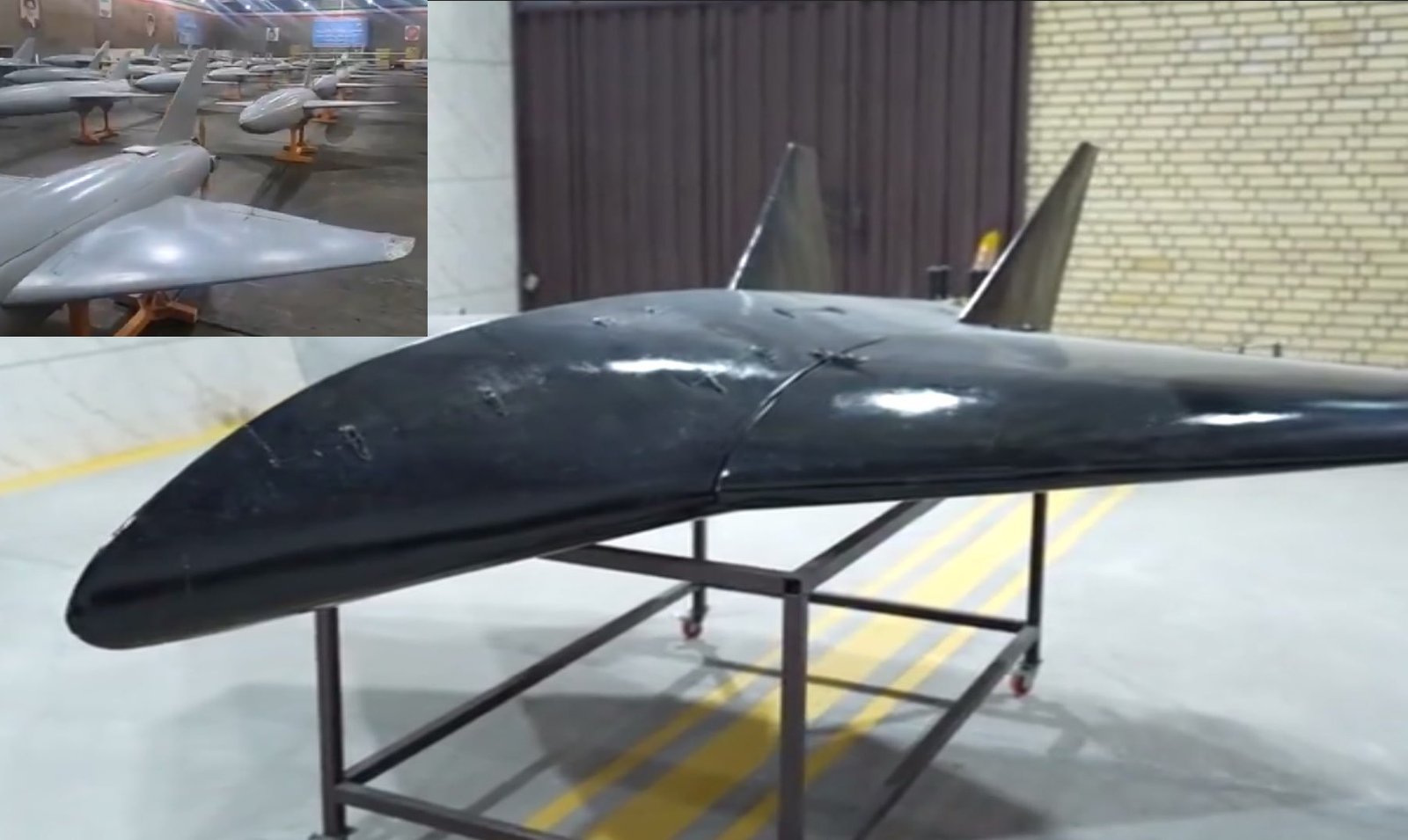 Iran Showcases Upgraded Arash-3 Drone with 100 kg Warhead, AI Targeting and GPS-Independent Navigation
-
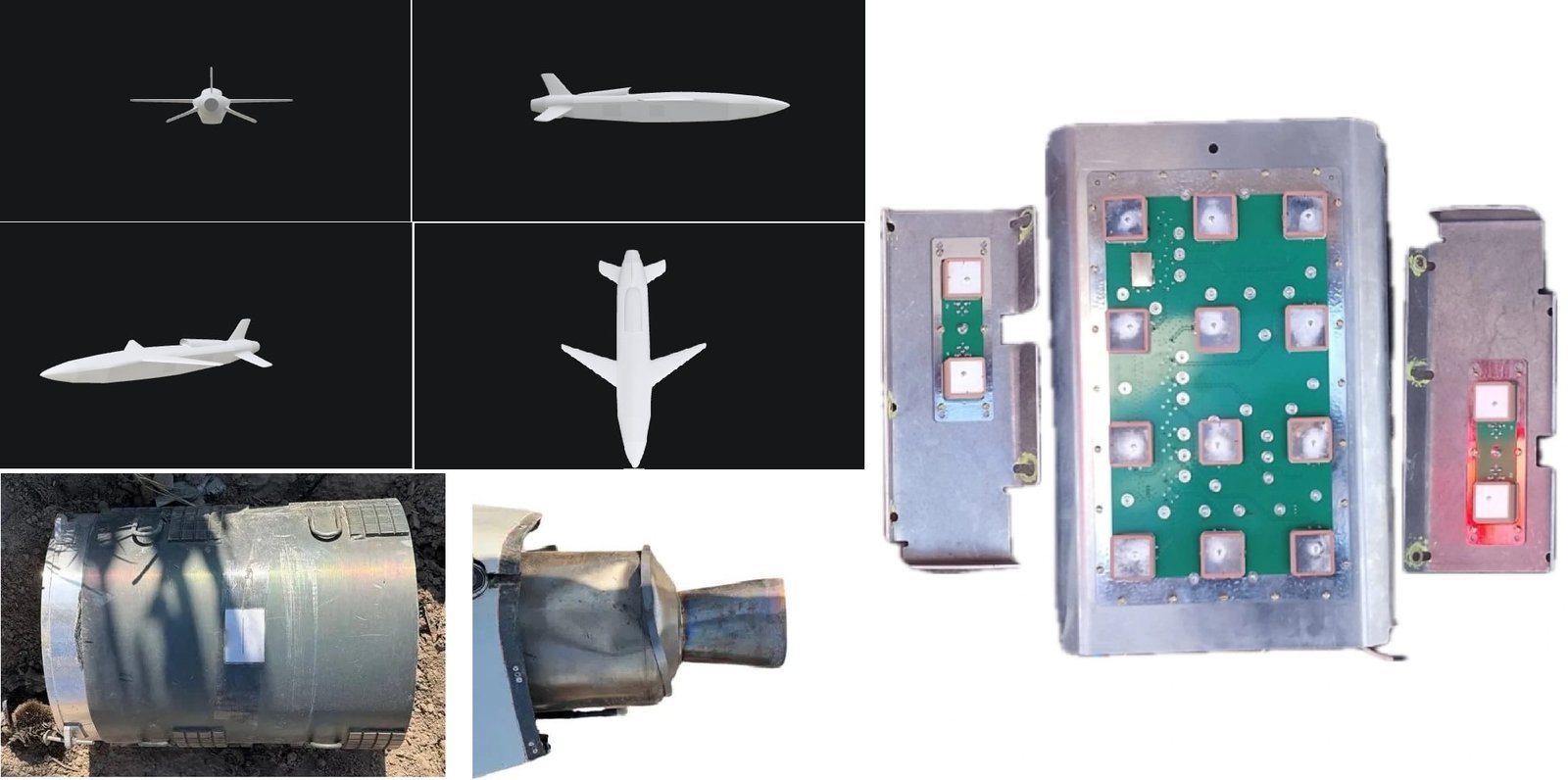 Ukraine Reveals Technical Details of Russia’s New Filin Cruise Missile
-
 Unitree Unveils H2-X ‘Kung Fu Legend: Guardian’ Humanoid Robot for Security and Rescue
-
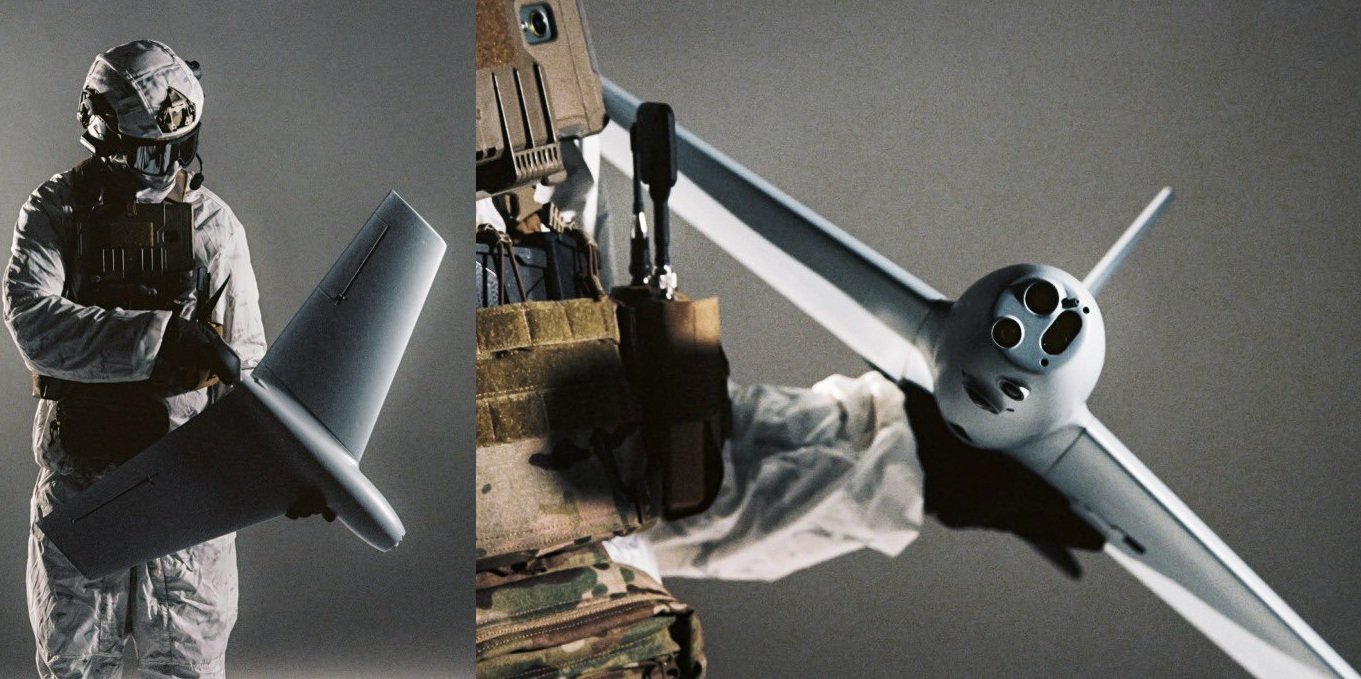 US Firm Heaviside Unveils 2.3-Kg TYR Loitering Munition With 40-Km Range at AUSA 2026
-
 U.S. Air Force Tests SpaceX Starfall Capsule for Rapid Global Military Cargo Delivery
-
 Voyant Demonstrates Satellite-Free Navigation Technology for UK Ministry of Defence
-
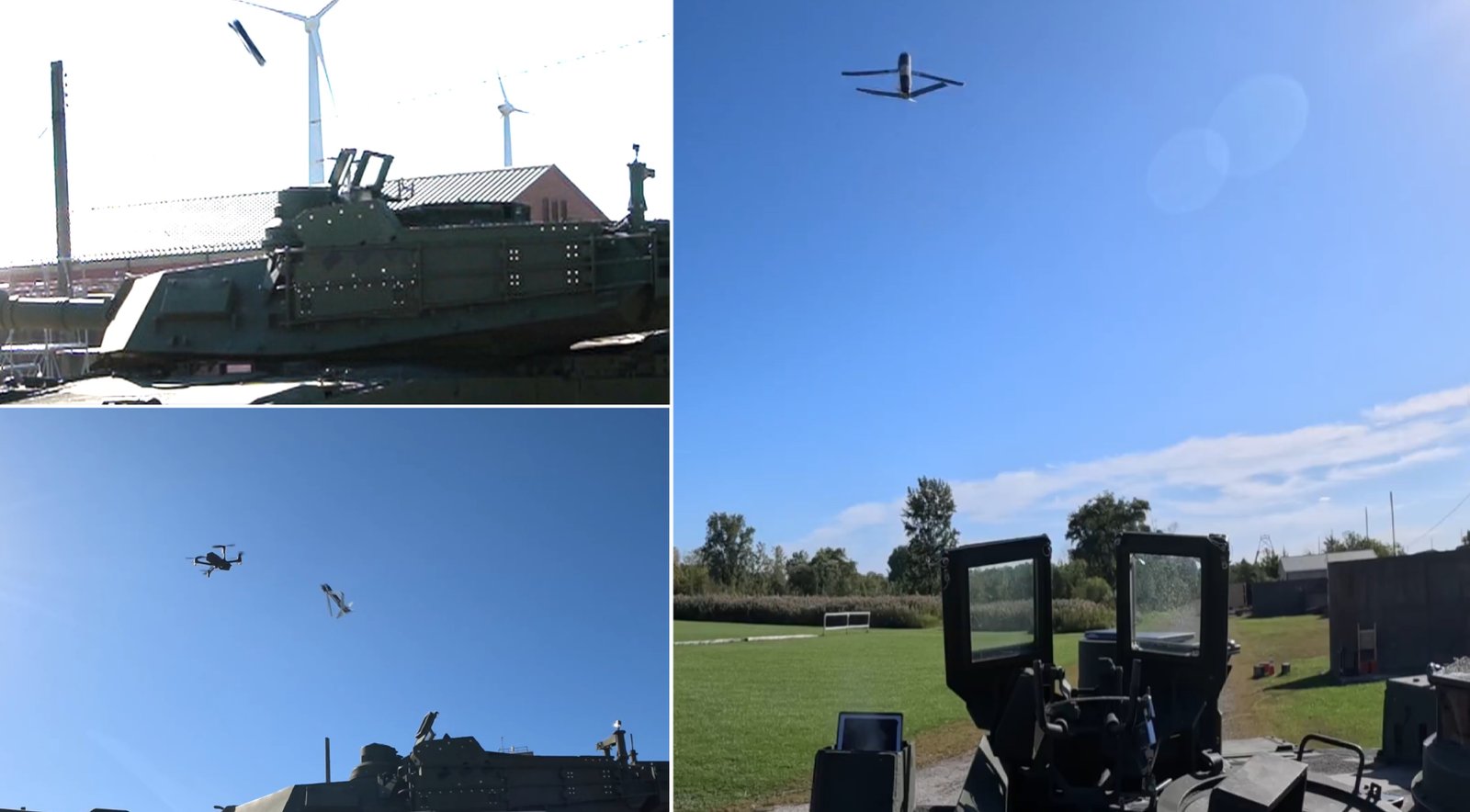 General Dynamics Unveils PERCH 2.0 Drone System for Abrams Tanks and Stryker Vehicles
-
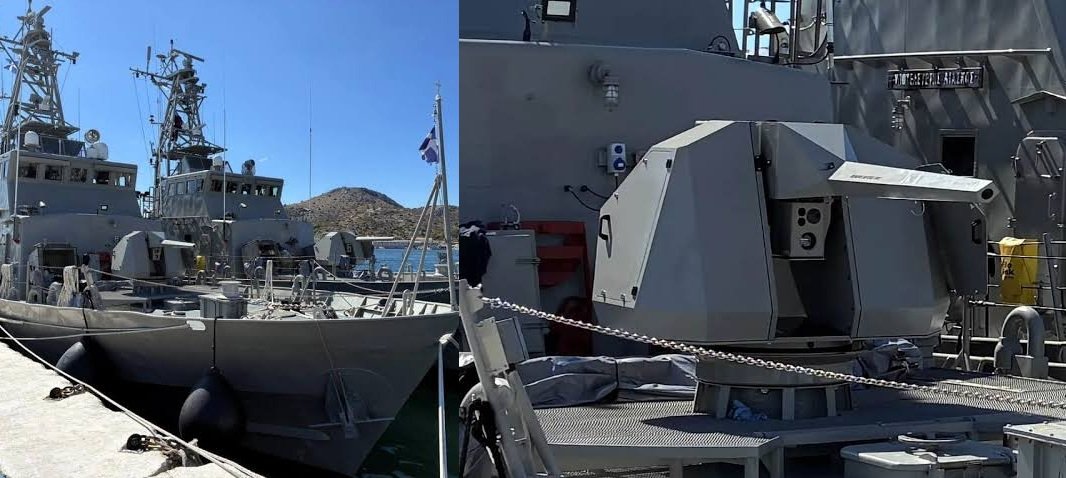 MSI Defense Integrates LIONFISH 20mm Guns on Former US Coast Guard Cutters for Greek Navy
Top Trending in 4 Days
-
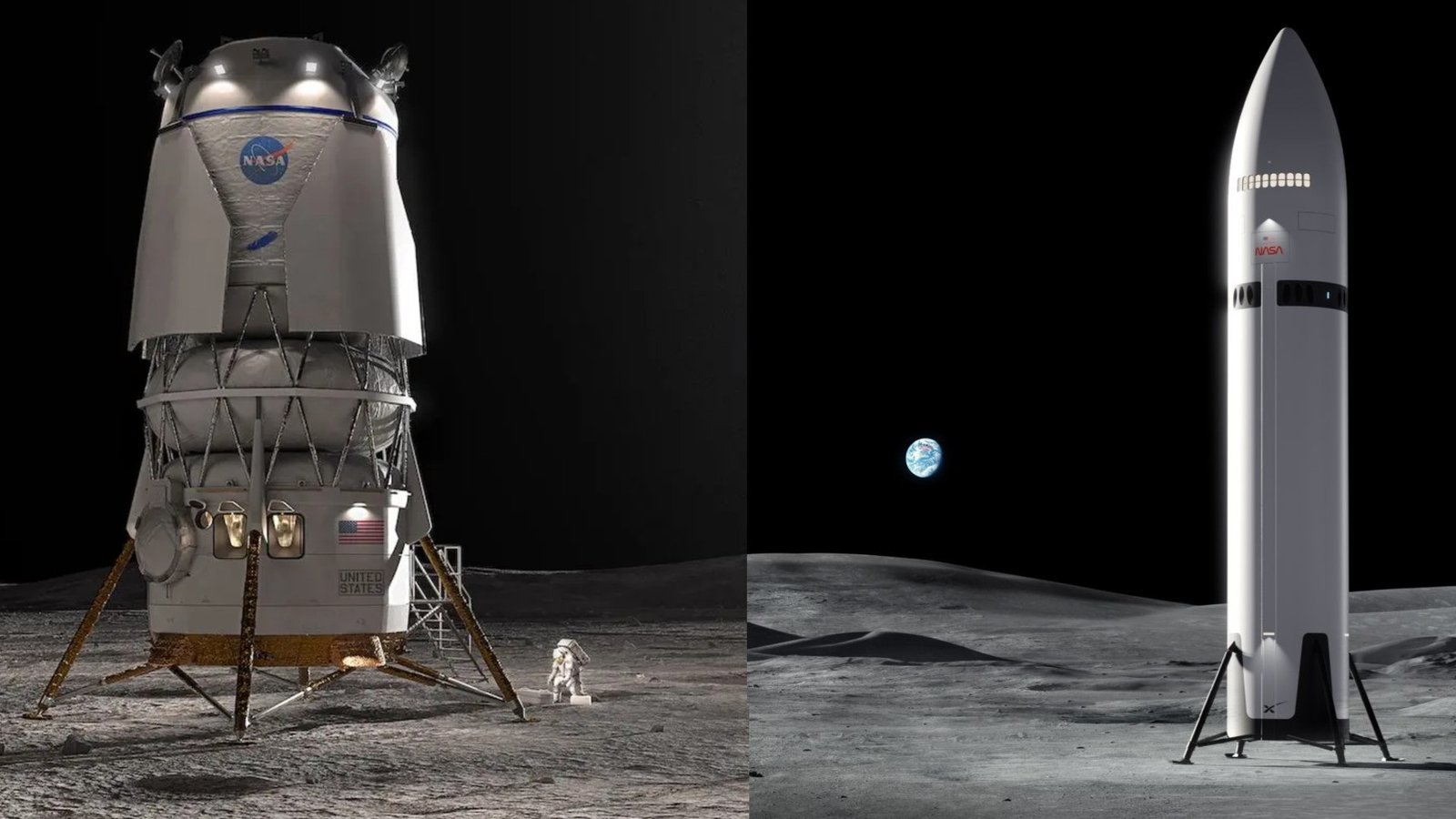 NASA Sets New Artemis Milestones as SpaceX and Blue Origin Target Moon Landings in 2027–2028
-
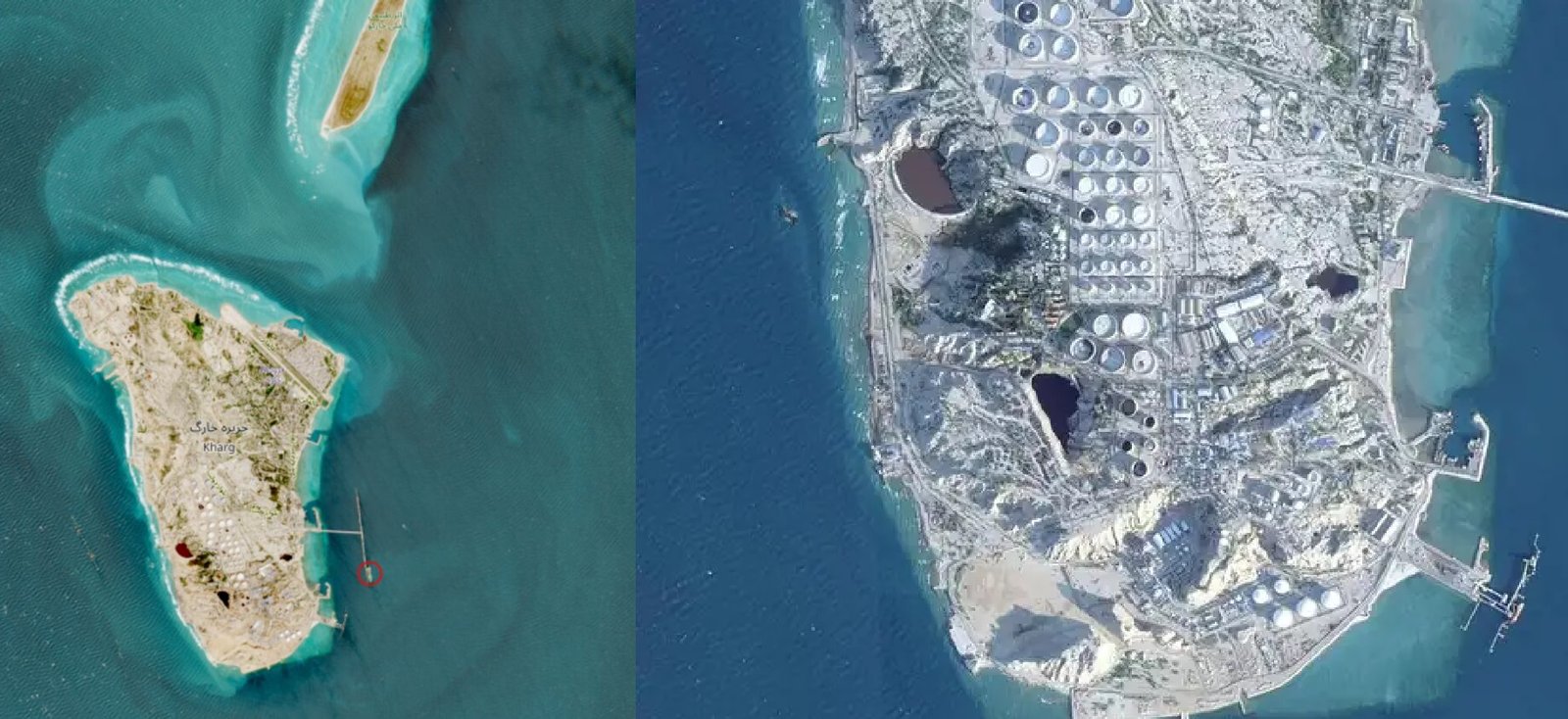 US Weighs Strikes on Iran’s Kharg Island Oil Hub Ahead of Midterm Elections
-
 U.S. Air Force Awards HII Subsidiary Enlighten IT $332.8 Million Cyber Defense Contract
-
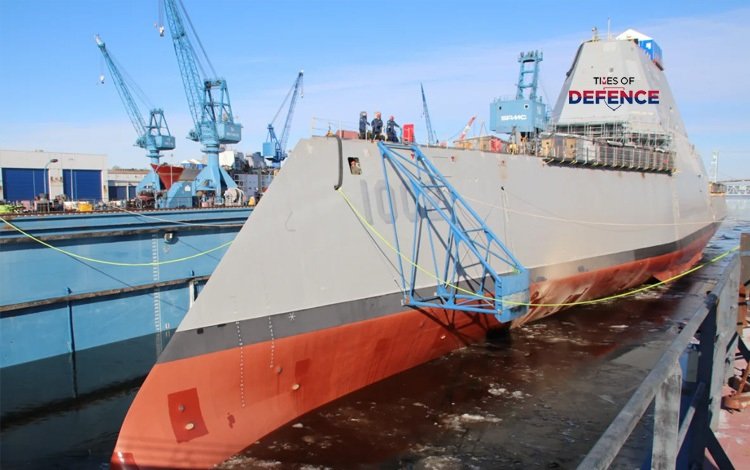 U.S. Navy Awards HII $99.1 Million Contract Modification for Zumwalt-class Destroyer USS Lyndon B. Johnson Sea Trials
-
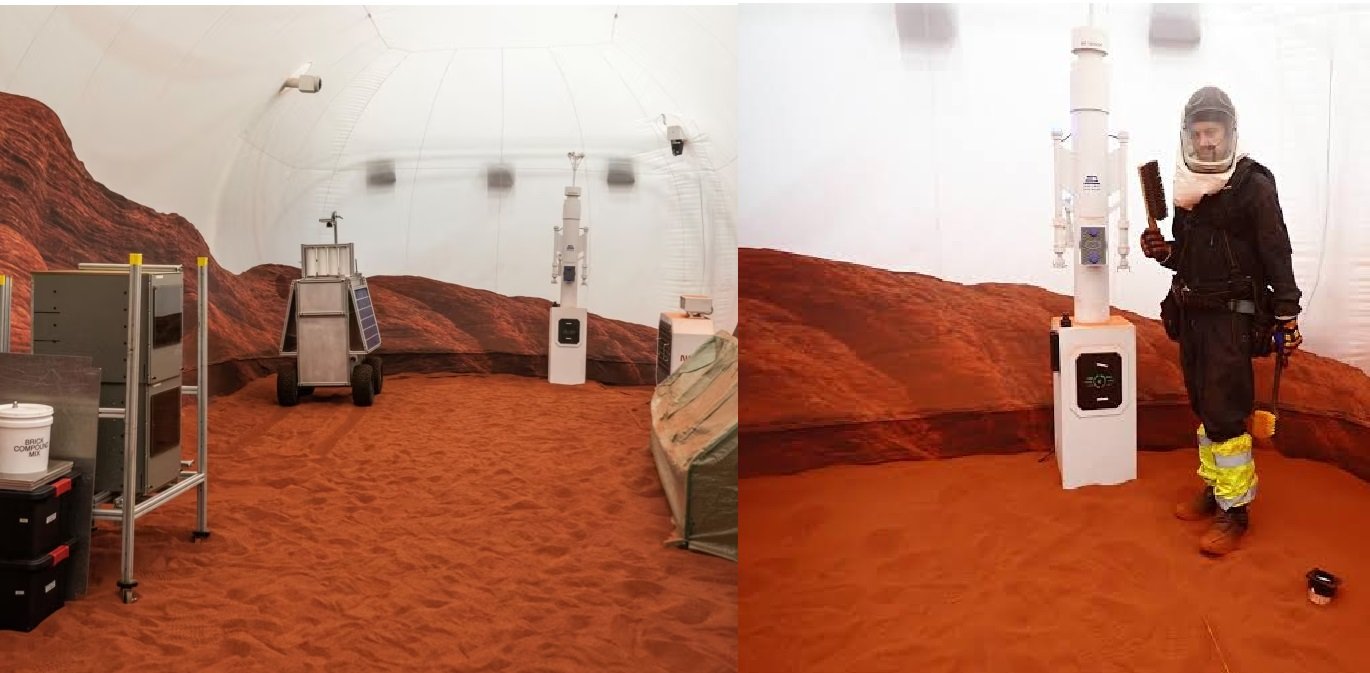 Four NASA Volunteers Mark One Year in Simulated Mars Habitat
-
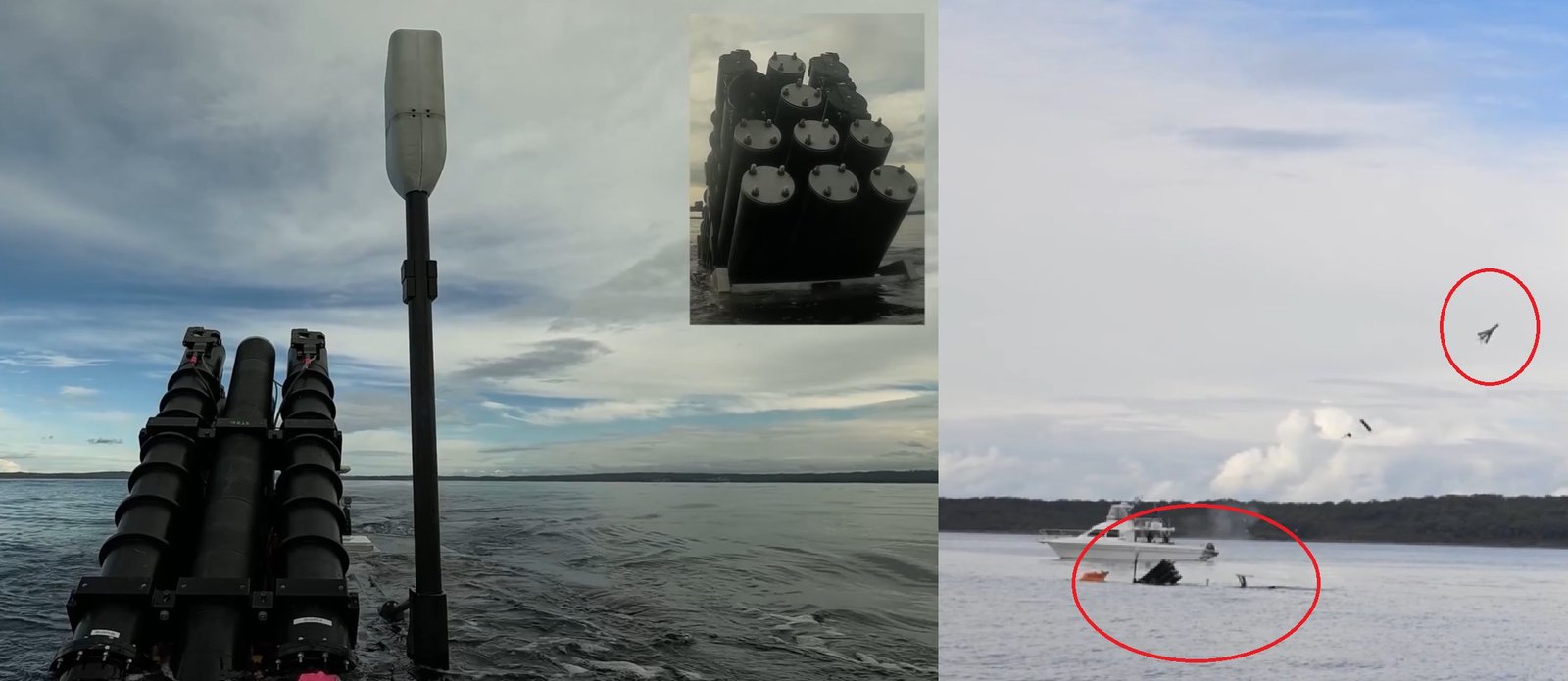 Australia Unveils Ghost Shark Autonomous Submarine’s Mine, Drone and Logistics Capabilities
-
 L3Harris Opens ‘Arsenal of Freedom’ Rocket Motor Plant in Arkansas to Double Production Capacity
-
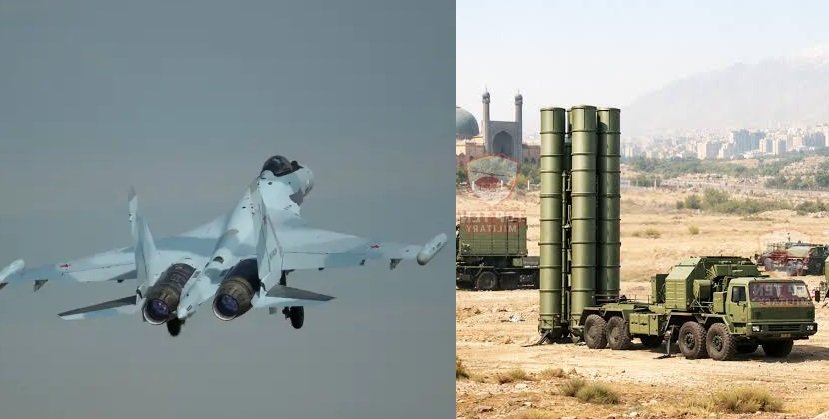 Russia Reportedly Offers Su-35 Fighters and S-400 Air Defence System to Protect Tehran
