World
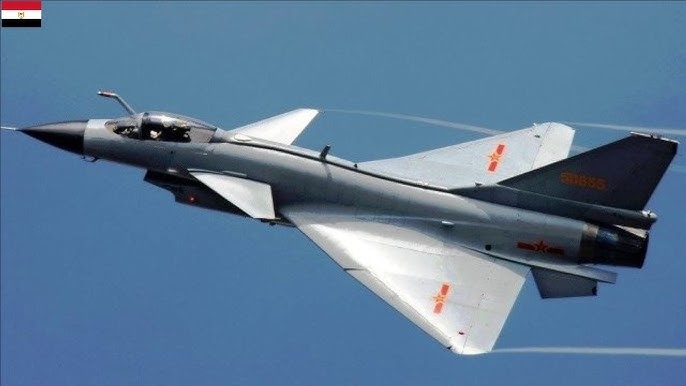
Egypt is making a bold shift in its defense strategy by replacing its aging fleet of US-made F-16 fighter jets with China's J-10C "Vigorous Dragon," marking a significant step in diversifying its military suppliers. Reports suggest that Cairo's decision to opt for the Chinese fighter jets comes after declining to upgrade its fleet with newer US aircraft due to restrictions placed by the United States over concerns about Egypt’s human rights record and its involvement in regional conflicts.The Egyptian Air Force has relied on F-16s since the 1980s, but these jets are now considered obsolete in modern warfare. They are equipped with outdated avionics and limited by the AIM-7P Sparrow missiles, a weapon system that no longer meets contemporary standards. Egypt's inability to upgrade these systems or acquire more advanced weaponry due to US restrictions has left the fleet lagging behind other regional powers.Enter China's J-10C, a fourth-generation multirole fighter jet that represents a major leap in combat capability for Egypt. The J-10C, designed and manufactured by China's Chengdu Aircraft Industry Group, offers Egypt a versatile aircraft capable of both air-to-air combat and ground strikes. It boasts high maneuverability and is equipped with advanced avionics and weapons systems, such as the PL-10 short-range missile and the PL-15, a beyond-visual-range air-to-air missile with impressive range and accuracy. These modern capabilities provide Egypt with the tools needed to defend against modern aerial threats and perform complex strike missions, ensuring that its air force remains competitive in a region where aerial superiority is crucial.The decision to purchase the J-10C also signals a broader geopolitical shift for Egypt. By turning to China, Egypt is reducing its reliance on the West, particularly the US, for its military needs. This move is in line with other countries in the Middle East and Africa that are seeking alternatives to the economic and political dominance of Western powers. Cairo's shift toward China and other non-Western allies could provide more favorable terms in military procurement without the strings often attached by Western governments.Egypt's interest in the J-10C follows Pakistan's acquisition of the same aircraft in 2022, making Egypt the second international customer for the J-10C. The fighter jets were showcased at the Egypt International Air Show, held from September 3 to 5, 2024, at El Alamein International Airport, further cementing Egypt's pivot towards Chinese military technology.This shift coincides with Egypt's recent membership in the BRICS group of emerging economies, which includes China, Russia, and India, among others. Joining BRICS aligns Egypt more closely with the Global South and opens up new opportunities for economic and military cooperation beyond the traditional Western powers. Alongside nations like Iran, the UAE, and Ethiopia, Egypt's inclusion in BRICS suggests a reorientation of its foreign policy and military alliances, driven by a desire to secure more favorable investment and defense procurement options.In summary, Egypt's decision to replace its US-made F-16s with China's J-10C fighter jets represents a strategic realignment that reflects both military necessity and broader geopolitical trends. The acquisition of these advanced Chinese aircraft offers Egypt a significant upgrade in aerial combat capabilities, while also positioning the country to reduce its dependence on the West and explore new alliances with emerging global powers.
Read More → Posted on 2024-09-10 15:50:29
India
The Bengaluru Rameshwaram Cafe bombing, which shook the city in March 2024, was orchestrated by two ISIS-linked radicals, according to a detailed chargesheet filed by the National Investigation Agency (NIA). The explosion left nine people injured and caused significant damage to the cafe, but the NIA's investigation has unveiled a deeper and more disturbing conspiracy.The key figures involved, Mussavir Hussain Shazib and Abdul Matheen Ahmed Taaha, both hailing from Karnataka's Shivamogga district, were dedicated ISIS operatives. According to the NIA, these men were not just involved in the bombing, but had previously plotted to flee to ISIS-held territories in Syria, a move known as "Hijrah," where they intended to join the terror organization. Their journey into radicalism began years earlier when they became involved with the now-busted Al-Hind ISIS module in India.Shazib and Taaha were on the run for nearly three years, successfully evading law enforcement after the Al-Hind module was dismantled in 2020. However, their fugitive status ended when they were arrested in West Bengal, 42 days after the Rameshwaram Cafe attack. Shazib, as the investigation revealed, was the one who planted the improvised explosive device (IED) in the cafe.The NIA's investigation pointed out that these radicals were not working in isolation. They were deeply embedded in a network of operatives and sympathizers. Among their close associates were two other accused: Maaz Muneer Ahmed and Muzammil Shareef. These men were similarly indoctrinated into ISIS’s ideology and played significant roles in aiding the conspiracy. All four have been charged under various sections of the Indian Penal Code (IPC), Unlawful Activities (Prevention) Act (UAPA), Explosive Substances Act, and the Prevention of Destruction and Loss of Property (PDLP) Act.What makes this case more alarming is the NIA’s revelation that the Rameshwaram Cafe bombing was not their first attempt at orchestrating an attack. Earlier in January 2024, the group had plotted to bomb the BJP state office in Malleshwaram, Bengaluru, on a highly symbolic day — the Pran Pratishtha ceremony of the Ram Mandir in Ayodhya. However, that attack was unsuccessful, leading them to carry out the cafe blast as a backup plan.In a sophisticated twist, the NIA also discovered that Shazib and Taaha were receiving funds through cryptocurrencies. Their handler, who is still being investigated, sent them funds via crypto channels, which were then converted into regular currency using peer-to-peer (P2P) platforms on Telegram. This financial support enabled them to continue their operations and maintain their hideouts while plotting further attacks.The radicals had also acquired fake Indian SIM cards and bank accounts, which they used to carry out their activities discreetly. Some of these fraudulent identities were sourced from the dark web, showcasing the sophisticated methods used by the group to stay under the radar. Additionally, Taaha's ties to prominent terror operatives deepened their involvement in the global jihadist network. He was introduced to Mohammed Shaheed Faisal, an absconder in the Lashkar-e-Taiba Bengaluru conspiracy case, and through him, connected with leaders of the ISIS South India wing.As the NIA’s investigation continues, it is clear that this group of radicals posed a serious threat not only to Bengaluru but to India’s broader national security. Their connections to international terror networks, the use of cryptocurrencies, and the coordinated nature of their plots underscore the evolving threat of terrorism in the digital age.This case stands as a stark reminder of the persistent threat of radicalization, especially among vulnerable youth. The NIA has highlighted the importance of disrupting these terror cells early, as the potential for destruction grows more severe with each passing day.
Read More → Posted on 2024-09-10 15:46:12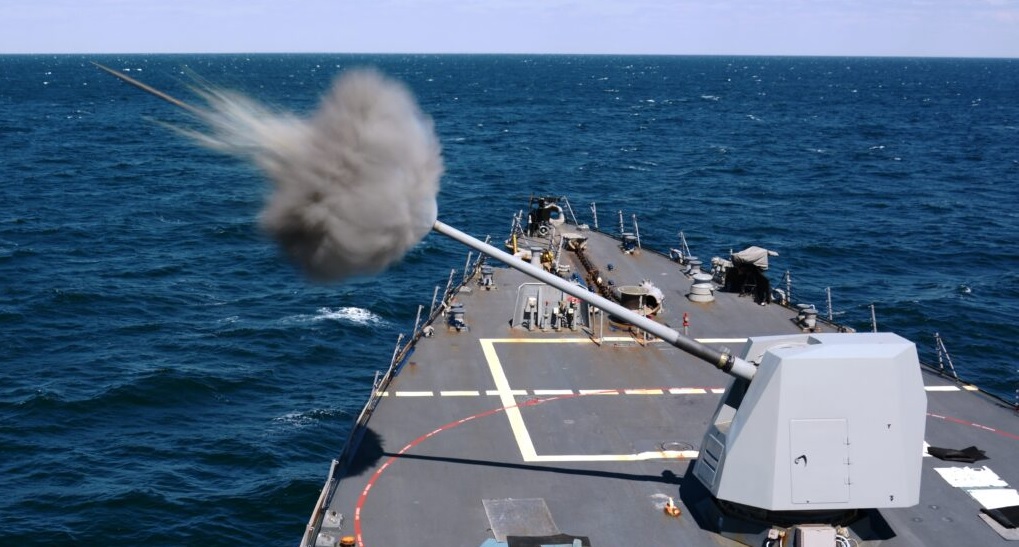
World
In a significant milestone for the Royal Navy, the first of the next-generation Type 26 frigates, HMS Glasgow, has been equipped with the Mk45 Mod 4A Medium Calibre Gun, marking the beginning of a new era in naval warfare for the UK. This advanced 5-inch gun, which replaces the long-serving Mk8 4.5-inch naval gun, represents a leap forward in technology, firepower, and adaptability, setting the stage for the Royal Navy's future fleet.HMS Glasgow is the lead ship in the new City-class frigates, designed to replace the aging Type 23 frigates and provide the Royal Navy with cutting-edge anti-submarine warfare capabilities. These frigates are being constructed on the River Clyde in Scotland, with seven other sister ships to follow. While primarily designed to hunt submarines, the City-class frigates are also highly versatile. With modular mission bays, they can be adapted to deploy drones, mine-hunting systems, and even raiding equipment for special forces operations. In more traditional naval roles, the Mk45 Mod 4A gun will deliver devastating firepower against enemy land positions.The Mk45 Mod 4A is a modern iteration of a gun already in use by the U.S. Navy and allied navies such as those of Australia, Japan, and New Zealand. With over 280 installations on warships worldwide, this proven system has been updated to meet the evolving demands of 21st-century naval warfare. The Royal Navy's decision to install this gun on the Type 26 frigates reflects its commitment to aligning with NATO allies, both in terms of technology and operational interoperability.One of the most notable features of the Mk45 Mod 4A is its automation. In contrast to the manually-loaded Mk8 gun, the new system is equipped with an automatic shell-handling system, a major enhancement for safety and efficiency. This system draws inspiration from the technology used in the U.S. Navy’s Zumwalt-class destroyers, allowing shells to be pulled from a deep magazine to a 20-round "ready to use" magazine, which feeds the gun during engagements. In case of system failure, manual loading is still an option, but the automation vastly reduces the workload on sailors and minimizes the risk of injury during combat operations.The gun itself is capable of firing shells weighing up to 31.5 kilograms at speeds between 823 and 1,051 meters per second (roughly 2.5 to 3 times the speed of sound). This incredible velocity enables the Mk45 to engage a wide variety of targets, from enemy positions on land to fast-moving aerial drones and small attack boats. Crucially, firing shells is significantly more cost-effective than launching missiles, making the Mk45 a more economical option for neutralizing threats in certain scenarios.At present, the gun on HMS Glasgow is still without its barrel, awaiting final installation. However, once fully operational, it is expected to be a game-changer for the Royal Navy. Not only does the Mk45 Mod 4A enhance firepower, but its increased reliability—boasting an availability rate of 99.6% in other navies—makes it one of the most dependable systems in modern naval warfare.Beyond the firepower, the safety and operational advantages are significant. The automated shell-handling system eliminates the need for sailors to manually transport heavy shells, reducing physical strain and the dangers posed by moving machinery and loud noises during gunfire. This advancement ensures that the Royal Navy’s gunnery operations are not only more efficient but also safer for the crew.The installation of the Mk45 Mod 4A on HMS Glasgow took place at BAE Systems’ Scotstoun facility, a key step in the broader outfitting of the Type 26 frigates. According to Neil Stevenson, Type 26 Weapons Group Leader at Defence Equipment and Support, this milestone showcases the cutting-edge technology that the Royal Navy will rely on in the coming decades: "The Mk45 Mod 4 is a proven, effective weapon that incorporates the latest technologies for today’s multi-mission warships."As HMS Glasgow continues its construction and outfitting, the installation of this advanced weapon system is just the beginning. The Type 26 frigates are expected to serve the Royal Navy well into the 2030s and beyond, providing a versatile platform capable of addressing a wide range of threats. Whether it’s submarine hunting, drone defense, or delivering firepower to enemy shores, the Mk45 Mod 4A is set to be a crucial component of the Royal Navy’s future fleet.
Read More → Posted on 2024-09-09 16:20:31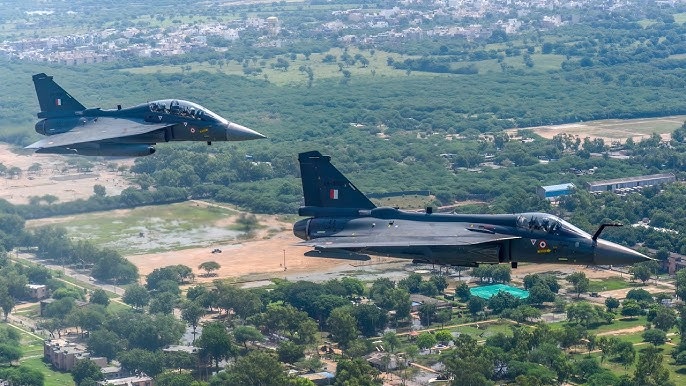
India
In a significant milestone for India's defense aviation, the Vice Chiefs of all three armed forces—Air Marshal A.P. Singh, Vice Admiral Krishna Swaminathan, and Lieutenant General N.S. Raja Subramani—took to the skies in the indigenous Light Combat Aircraft (LCA) Tejas in Jodhpur. This marked the first time such a high-profile trio participated in a joint flying exercise aboard the Tejas. The historic event unfolded during the multilateral exercise "Tarang Shakti," hosted at Jodhpur Air Force Station, which is part of a larger effort to boost India’s defense capabilities and global partnerships.The exercise, which runs from August 29 to September 15, 2024, includes participation from air forces of eight countries, with an additional 16 nations sending observers. This makes "Tarang Shakti" the largest multinational military exercise ever hosted by the Indian Air Force (IAF). The exercise aims to enhance interoperability between participating forces, an essential factor in modern warfare, where joint operations with allied nations are increasingly becoming the norm.The highlight of the day came when the Vice Chiefs took off in the LCA Tejas, an aircraft that symbolizes India's growing prowess in aerospace technology. Air Marshal A.P. Singh flew the single-seater version of the LCA Tejas, showcasing the agility and power of this compact fighter. Meanwhile, Vice Admiral Krishna Swaminathan and Lieutenant General N.S. Raja Subramani experienced the twin-seater trainer variant, which is designed for training purposes but retains much of the combat capabilities of its single-seater counterpart.The LCA Tejas is India's indigenously designed, lightweight, and multi-role fighter aircraft developed by Hindustan Aeronautics Limited (HAL). It is equipped with advanced avionics, a glass cockpit, and a fly-by-wire control system, making it a nimble yet potent platform for modern air combat. Capable of carrying a range of precision-guided munitions, the Tejas can be armed with air-to-air missiles like the R-73 and Derby, as well as air-to-ground weapons such as laser-guided bombs. It also boasts an impressive top speed of Mach 1.8, allowing it to engage threats at high altitudes with precision and efficiency.This event not only emphasized the LCA Tejas' operational capabilities but also served as a confidence booster for India’s indigenous defense manufacturing sector. The fact that the Vice Chiefs themselves flew the aircraft is a testament to the level of trust placed in Indian-made technology. It also underscores India’s goal of reducing its dependence on foreign imports and moving toward self-reliance in defense production.Adding to the significance of "Tarang Shakti" is the defense expo slated to take place from September 12 to 14. India will use this platform to showcase its indigenously manufactured weapons, aircraft, and other military assets to potential buyers and partners from friendly nations. The expo is part of India's broader strategy to increase defense exports, highlighting the global market potential of Indian-manufactured military equipment.The joint participation of Vice Chiefs from all three services during a major international exercise reflects a united and modernized Indian military. As the global defense landscape evolves, India’s indigenous platforms like the LCA Tejas are poised to play an increasingly vital role, both within its armed forces and in international defense markets.In conclusion, this landmark event at Jodhpur not only demonstrated the operational capabilities of the LCA Tejas but also emphasized India's growing clout in global defense collaborations. By leading such initiatives, the Indian military is positioning itself as a key player in shaping future multilateral defense exercises, further enhancing India’s strategic presence on the world stage.
Read More → Posted on 2024-09-09 16:16:12
India
In a major boost to India’s maritime defense, the Indian Navy has received two newly built anti-submarine warfare (ASW) vessels, INS Mulki and INS Malpe. These vessels, designed and constructed by Cochin Shipyard Limited (CSL), mark a significant addition to the country’s fleet of ASW shallow watercraft, bringing the total number to five. The induction of these vessels signals a deeper commitment to securing India’s coastal waters and safeguarding its maritime interests against emerging threats.The ASW vessels, part of an ongoing project aimed at enhancing the Navy's anti-submarine capabilities, are specifically designed for operations in shallow waters. Measuring 78 meters in length with a breadth of 11 meters, these vessels displace around 900 tons at full load. They are equipped with cutting-edge technology, capable of reaching speeds up to 25 knots, making them both agile and powerful in coastal operations.What sets these vessels apart is their versatility. Primarily built for anti-submarine warfare, they are also adept at conducting a range of operations, including mine-laying, sub-surface surveillance, low-intensity maritime missions, and search and rescue operations. Their impressive armament includes lightweight torpedoes, anti-submarine rockets, and a close-in weapon system (CIWS) for defense against aerial threats. Additionally, the vessels are fitted with remote-controlled guns, enabling them to engage in precise strikes in littoral combat scenarios.The launch of INS Mulki and INS Malpe reflects India’s growing self-reliance in defense production. Cochin Shipyard has been at the forefront of this transformation, building state-of-the-art vessels that meet international standards. This expansion of the Navy’s ASW fleet not only strengthens India’s ability to detect and neutralize underwater threats but also enhances the country's maritime surveillance capabilities in coastal areas where submarine activity is harder to monitor.The launch ceremony, held at Cochin Shipyard, was attended by notable dignitaries, including Vice Admiral V. Srinivas, the Flag Officer Commanding-in-Chief of the Southern Naval Command, and Cochin Shipyard’s Chairman and Managing Director, Madhu S. Nair. Smt. Vijaya Srinivas, wife of Vice Admiral Srinivas, officially launched the vessels, underscoring the significance of the event for India’s naval community.These ASW shallow watercraft symbolize a broader push by the Indian Navy to modernize its fleet with indigenously produced ships. They form part of India’s strategic approach to securing its vast coastline, which spans over 7,500 kilometers, and ensuring the safety of its exclusive economic zone (EEZ). With the addition of INS Mulki and INS Malpe, India is better equipped to maintain maritime stability and counter potential threats, particularly in a time when submarine activity in the Indian Ocean region is on the rise.As India continues to prioritize self-reliance in defense, the successful construction and commissioning of these vessels highlight the role of indigenous shipyards in strengthening the nation's military capabilities. The induction of these advanced ASW vessels represents not just a tactical advantage but also a symbol of India's growing influence and preparedness in regional maritime defense.
Read More → Posted on 2024-09-09 16:12:25
India
PTC Industries, through its subsidiary Aerolloy Technologies Limited, has achieved a significant milestone by developing cutting-edge technology for manufacturing Single Crystal and Directionally Solidified castings. These advanced casting techniques are critical for producing high-performance blades and vanes used in aero-engines and industrial gas turbines. The breakthrough in this technology puts PTC among a select few companies globally that possess the capability to manufacture such highly specialized components, with PTC being the only company in India to have achieved this feat.This development takes place at PTC’s manufacturing facility in Lucknow and has far-reaching implications, especially for sectors that demand extreme precision and high-temperature resistance, such as aerospace and defense. The blades and vanes produced using this technology are vital components in the "hot section" of aero-engines, where operating temperatures can exceed 2500°C. The ability to produce castings with microstructures like Single Crystal (which has no grain boundaries) or Directionally Solidified (with aligned grains) gives these components superior strength and durability in such harsh environments.Aero-engines and industrial gas turbines rely on these airfoils (blades and vanes) to operate efficiently at high temperatures while enduring immense rotational forces. Traditional metal alloys would fail under these conditions, but Single Crystal and Directionally Solidified castings allow the creation of components with unmatched resistance to thermal and mechanical stress. These airfoils also feature complex internal hollow cooling passages, which further enhance their performance and cooling efficiency.What makes this achievement by PTC Industries even more significant is that this technology has been closely guarded by global leaders in only three or four countries. The ability to manufacture these advanced metallurgical components domestically marks a major leap for India’s industrial capabilities. PTC Industries’ development of this indigenous capability also aligns with its broader mission of achieving technological parity with global competitors.In addition to its importance for civil applications like industrial gas turbines, PTC’s advancement in this field is expected to play a pivotal role in the defense sector. The company has already entered into a developmental contract with the Defense Research and Development Organization’s (DRDO) Gas Turbine Research Establishment (GTRE) to supply critical components for India’s combat aircraft engine development program.This breakthrough also highlights the significance of advanced manufacturing techniques for national security and strategic independence. By becoming self-reliant in the production of Single Crystal and Directionally Solidified components, India reduces its dependency on foreign suppliers for critical technologies used in high-performance engines, giving the country a competitive edge both industrially and militarily.In summary, PTC Industries’ development of Single Crystal and Directionally Solidified casting technology represents a major leap in India's industrial capabilities, especially in sectors like aerospace and defense. This achievement not only positions the company as a global leader in advanced metallurgical manufacturing but also significantly enhances India’s strategic self-sufficiency in critical technologies.
Read More → Posted on 2024-09-09 16:10:38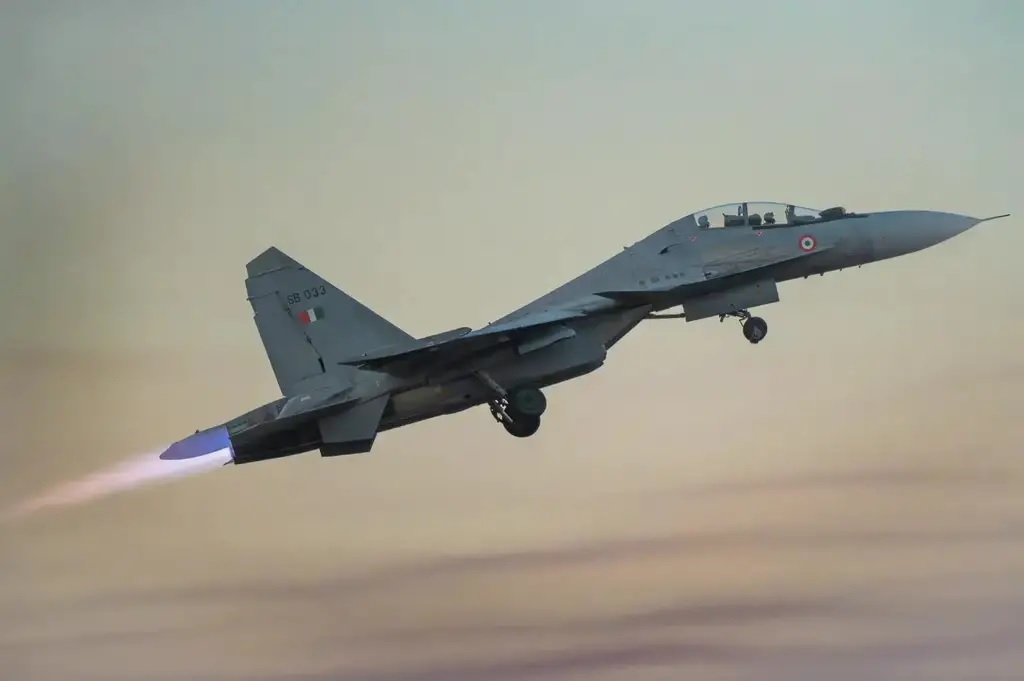
India
In a strategic move to strengthen India’s defense capabilities and promote domestic manufacturing, the Ministry of Defence (MoD) signed a major contract with Hindustan Aeronautics Limited (HAL) today for the procurement of 240 AL-31FP aero engines. Valued at over ₹26,000 crore, this deal is a crucial step in maintaining the combat readiness of the Indian Air Force’s (IAF) Su-30MKI fleet, a key component of India’s air defense.The contract, signed in New Delhi in the presence of Defence Secretary Giridhar Aramane and Chief of the Air Staff, Air Chief Marshal VR Chaudhari, highlights India's push for self-reliance in defense production. These engines, specifically designed to power the formidable Su-30MKI aircraft, will be manufactured at HAL's Koraput Division, known for its expertise in producing high-performance jet engines. The Su-30MKI itself is a highly maneuverable multirole air superiority fighter, built under license from Russia, and is the backbone of the IAF’s aerial combat capabilities.The AL-31FP engine, which is a variant of the Russian AL-31F, is a critical component for the Su-30MKI. It offers afterburner thrust in excess of 27,000 pounds-force, which enables the fighter jet to achieve high speeds, with a maximum speed of Mach 2 at altitude. Additionally, the engine is equipped with thrust-vectoring nozzles, giving the aircraft enhanced agility and maneuverability, especially in close combat scenarios.Under the contract, HAL will produce 240 of these engines over the next eight years at a planned rate of 30 engines per year. The engine manufacturing process is not only aimed at meeting the IAF’s operational needs but also at enhancing India’s domestic production capabilities. HAL intends to increase the indigenous content of the engines significantly, from 54% at the start of the program to 63% by its completion. This initiative aligns with the government’s broader ‘Atmanirbhar Bharat’ or self-reliant India initiative, aimed at reducing dependency on foreign imports in critical sectors like defense.The Koraput Division of HAL, where these engines will be produced, has been a key player in India’s aerospace industry for decades. Over the years, HAL has built significant expertise in the production, maintenance, and overhaul of the AL-31FP engines, which are known for their reliability and performance under diverse combat conditions. As part of this contract, HAL plans to collaborate with several micro, small, and medium enterprises (MSMEs) as well as companies from both the public and private sectors, further boosting India’s defense manufacturing ecosystem.What sets this contract apart is its long-term vision for self-sufficiency. HAL’s increased focus on indigenous content means that India will not only be able to produce these engines domestically but also service and maintain them within the country. This marks a crucial shift in India’s defense strategy, as it reduces dependency on foreign suppliers for spare parts and engine overhauls, ensuring that the Su-30MKI fleet remains operational and combat-ready at all times.The Su-30MKI, equipped with these engines, is known for its versatile roles, including air-to-air combat, air interdiction, and ground attack missions. With a range of 3,000 kilometers and a capability to carry a wide variety of weapons, the aircraft is indispensable for India's defense strategy, particularly in patrolling vast airspaces and responding to any threats along the country’s borders.This contract is a significant milestone in India’s journey toward defense self-reliance, and the involvement of HAL’s Koraput Division in the production of these engines is a testament to the country's growing technical expertise in the aerospace sector. As the production begins, it is expected to provide a major boost to India's defense industry, further cementing the country’s status as a regional military power.By enhancing indigenous capabilities and maintaining a strong fighter jet fleet, India is taking a critical step toward securing its skies, ensuring the operational readiness of the Su-30MKI, and reinforcing the nation's defense posture in the region.
Read More → Posted on 2024-09-09 16:08:16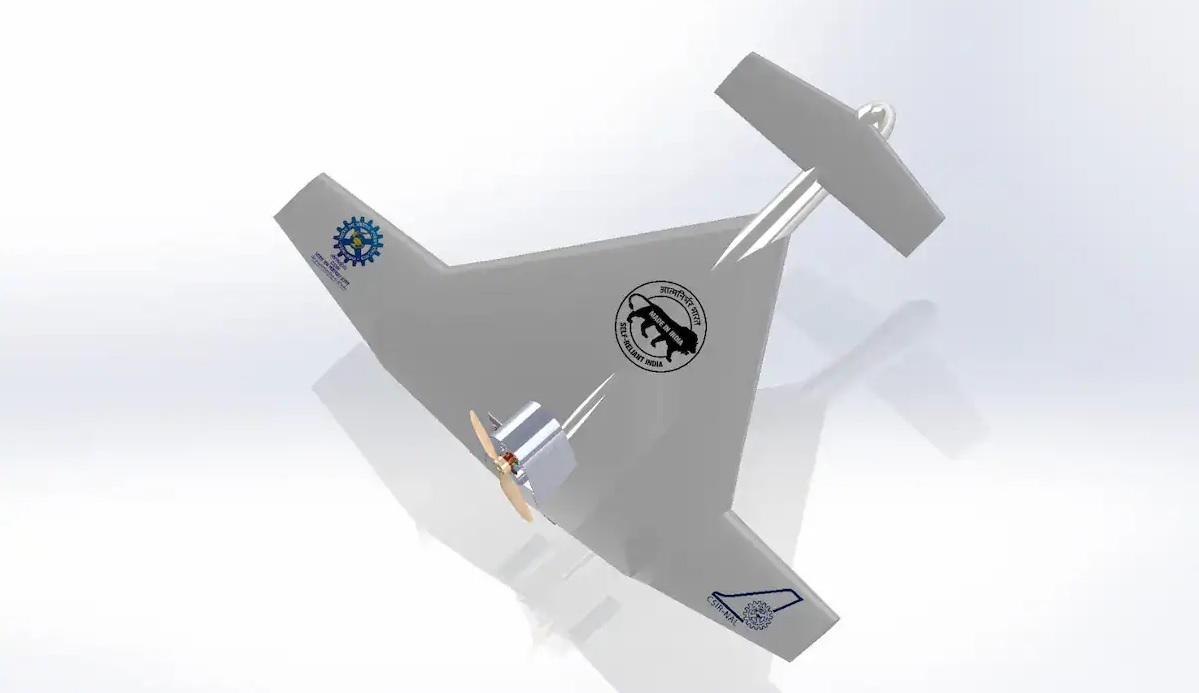
India
The National Aerospace Laboratories (NAL) has set its sights on advancing India's defense capabilities with an ambitious project involving the development of a 150kg loitering munition (LM) UAV. This indigenous drone is designed for precision strikes and high-level surveillance, combining cutting-edge technology with tactical versatility. To achieve this, NAL is inviting private sector participation to collaborate in the development, manufacturing, and commercialization of the UAV, marking a significant step in India’s push towards self-reliance in defense technologies.The project, with an estimated cost of ₹102 crore, demonstrates NAL's deep commitment, with the laboratory contributing ₹64 crore. The joint venture aims to build 10 prototypes of this loitering munition, which will be key in bolstering India's aerial strike and surveillance capabilities. What sets this UAV apart is its ability to linger over potential targets, waiting for the perfect moment to strike, making it a game-changing weapon in modern warfare.At the heart of this UAV is a powerful 30hp Wankel engine developed in-house by NAL. This engine is engineered for efficiency and reliability, ensuring that the drone can cover vast distances with an impressive endurance of 6-9 hours. The UAV boasts a range of 900 kilometers and a service ceiling of 5,000 meters, making it capable of operating in diverse environments. Its ability to carry a 15 kg warhead, in addition to other payloads such as advanced sensors, positions it as a versatile tool for both offensive and intelligence-gathering missions.To enhance its surveillance capabilities, the UAV will feature a cutting-edge Electro-Optical/Infrared (EO/IR) sensor gimbal. This sensor system allows for high-resolution imaging and tracking, even in low-light or challenging weather conditions. Additionally, the UAV will be equipped with a 200-kilometer line-of-sight communications link, enabling seamless real-time data transmission between the drone and ground control stations. One of the standout features of this UAV is its ability to navigate in GPS-denied environments. In today’s warfare, GPS signals can be easily jammed or disrupted, rendering many systems ineffective. However, NAL’s UAV will be designed to operate independently of GPS signals, ensuring continued functionality even in electronic warfare scenarios. The stealth design elements of the UAV further reduce its detectability, giving it a tactical edge in enemy airspace.NAL’s invitation to the private sector isn’t just about development. The chosen partner will have a pivotal role in the design, testing, and refinement phases of the project. Upon successful completion, this partner will have the first right to manufacture, market, and provide after-sales support for the UAV. Essentially, the collaboration offers a significant business opportunity for private players to enter a growing defense market where loitering munitions are gaining global importance.Loitering munitions are increasingly seen as a more efficient alternative to traditional missiles and aircraft in modern warfare. These drones can hover over enemy territory, collecting intelligence and waiting for the right time to attack, which makes them both flexible and deadly. Their ability to perform both reconnaissance and strike roles in a single mission has made them invaluable in conflict zones around the world.The project has already attracted attention, with a pre-bid conference set for September 23, 2024. Interested parties have until October 22, 2024, to submit their technical offers. This development could reshape India's defense landscape, offering a highly sophisticated aerial platform capable of precision strikes, surveillance, and overcoming electronic warfare challenges.This joint venture signifies a new era in India's defense innovation, where public-private collaboration can lead to technological advancements that not only strengthen national security but also position India as a significant player in the global defense market.
Read More → Posted on 2024-09-09 16:05:56
Space & Technology
SpaceX's ambitious plans to colonize Mars are edging closer to reality. According to SpaceX founder and CEO Elon Musk, the company is setting its sights on launching Starship missions to Mars as early as 2026. This timeline marks a significant milestone in humanity’s quest to become a multiplanetary species.Elon Musk recently outlined these plans on social media, stating that the initial missions will be uncrewed. These test flights will focus on validating the Starship's capability to land safely on Mars. If successful, crewed missions could follow within four years, leveraging the roughly 26-month intervals during which Earth and Mars align favorably for interplanetary travel.The Starship system is a marvel of engineering. It features two main components: the Super Heavy booster and the Starship spacecraft. Together, they form a towering rocket system approximately 400 feet (122 meters) tall. The Super Heavy booster, which is the first stage, and the 165-foot-tall (50 meters) upper-stage Starship are crafted from stainless steel, a material chosen for its durability and resistance to extreme temperatures.Starship's design is revolutionary, boasting a thrust of 16.7 million pounds at launch—nearly double that of NASA's Space Launch System (SLS) used for the Artemis missions. Unlike the SLS, which is expendable, the Starship is engineered for full reusability. SpaceX's plan includes landing the Super Heavy booster back on the launch pad for quick refurbishment, significantly reducing turnaround time between missions.Musk’s vision extends beyond just reaching Mars. He aims for a rapid expansion in flight frequency and ultimately envisions establishing a self-sustaining city on Mars within about 20 years. He argues that achieving a multiplanetary presence will dramatically enhance the survival prospects of human consciousness, reducing our dependency on a single planet.SpaceX’s progress towards these goals will be closely watched by space enthusiasts and experts alike. The upcoming Mars missions represent a bold step forward in space exploration, pushing the boundaries of what humanity can achieve.
Read More → Posted on 2024-09-08 15:50:12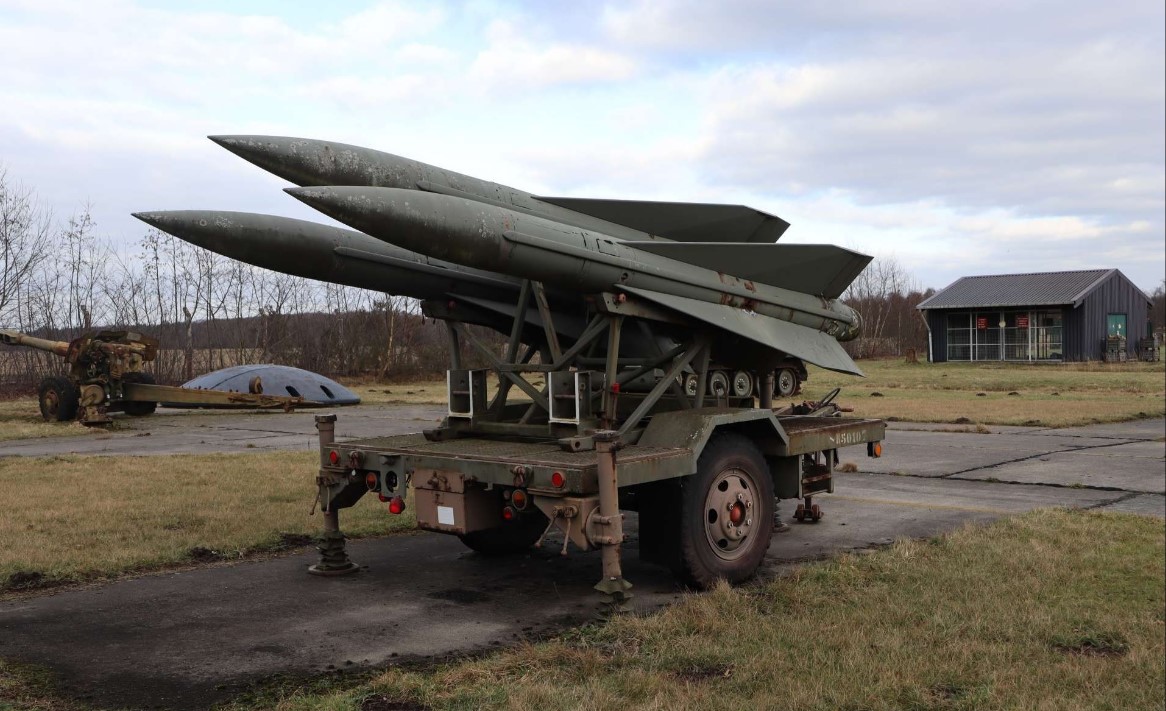
World
Ukraine has recently showcased the effectiveness of the vintage MIM-23 HAWK air defense system in intercepting Russian cruise missiles and one-way attack drones. Despite being a Cold War-era technology, first deployed by the U.S. Army in 1959, the HAWK system is making a significant impact in protecting Ukrainian cities and infrastructure from aerial threats.The HAWK’s resurgence on the battlefield began when Spain transferred six launchers to Ukraine in the fall of 2023. Along with these launchers, 64 Ukrainian personnel underwent intensive training to operate the system. As the Russian missile campaign escalated, other NATO allies, including the United States, also contributed additional HAWK units to Ukraine's air defense capabilities. The decision to deploy this system was strategic, despite its age, and it has turned out to be a pivotal tool in countering Russian missile strikes.One reason for the HAWK's effectiveness lies in its modernization. Ukraine is primarily using the Improved HAWK Phase III variant, which boasts upgraded radar, missile tracking systems, and fire control technology. This variant allows Ukrainian forces to engage threats with high precision. Since its deployment, one HAWK unit has reportedly taken down 14 Russian cruise missiles and 40 Iranian-made Shahed drones, which are often used in kamikaze attacks.The HAWK system, with a range of 45 kilometers, is particularly effective against low- to medium-altitude threats, including drones and cruise missiles. Its phased-array radar and semi-active radar homing guidance ensure accurate missile tracking, even in challenging environments. Ukrainian defense experts, such as Taras Chmut, have praised its performance on platforms like X (formerly Twitter), where they highlighted how well both the HAWK and the Soviet-era S-125M systems are performing in air defense roles.The MIM-23 HAWK has a long combat history, having been used in various conflicts across the Middle East and beyond. While its technology dates back over six decades, western analysts estimate its success rate at 85%. Ukrainian forces, benefiting from modern training and advanced targeting methods, believe that the HAWK is even more effective under their operation, potentially achieving higher success rates.The reintroduction of the HAWK system into active conflict not only reflects Ukraine’s innovative use of available resources but also highlights the enduring value of legacy defense technologies. As Russian missile attacks continue, the HAWK has proven to be a reliable and effective shield, playing a vital role in Ukraine's broader air defense strategy. By integrating this vintage system into their modern defenses, Ukraine has shown that even decades-old equipment, when properly maintained and upgraded, can be a crucial asset in contemporary warfare.
Read More → Posted on 2024-09-08 15:41:45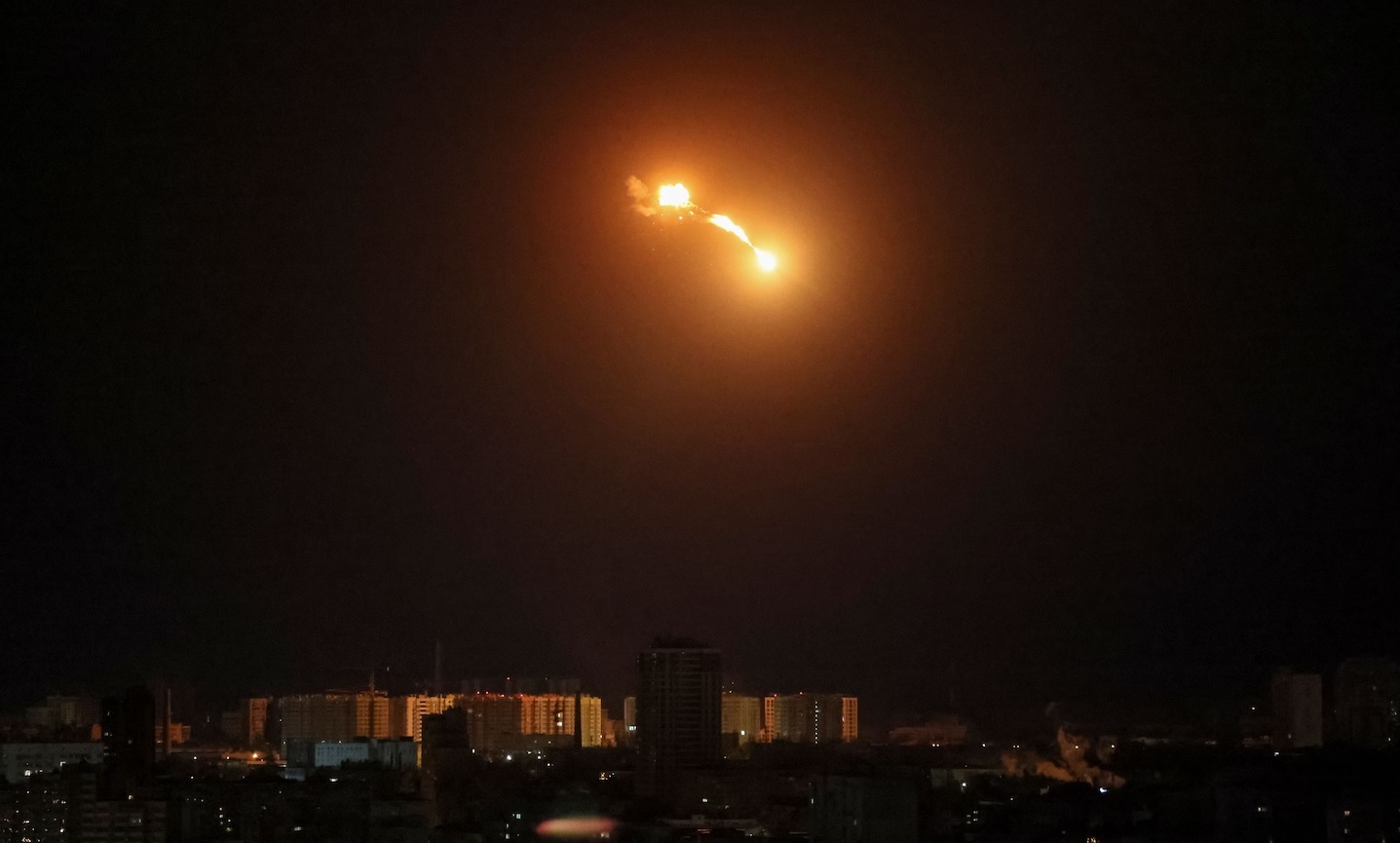
World
Russia's military has pushed forward in eastern Ukraine, claiming significant territorial gains, while Ukrainian forces and cities face intensified Russian air strikes. The conflict, now stretching into its third year, is reaching new levels of escalation with both nations ramping up their offensive strategies.On Sunday, Russian forces announced they had advanced in the Donetsk region, a vital part of Moscow’s objective to fully control eastern Ukraine’s Donbas. Moscow claimed to have captured the village of Novohrodivka, a small but strategic settlement located about 20 kilometers from the logistics hub of Pokrovsk. This move marks Russia’s most substantial territorial gain since early in the war, signaling a shift in momentum after months of intense fighting.As Russia intensified its offensive in the east, deadly air strikes continued to wreak havoc across Ukrainian territory. In the northern city of Sumy, a Russian air strike killed two people and injured four others, including two children. Sumy, located near Ukraine’s border with Russia, has been a hotspot for cross-border clashes as Ukrainian forces continue their efforts to push Russian troops back. Ukrainian authorities condemned the attack, citing it as yet another example of Russia’s indiscriminate violence against civilians.Further south, in the Donetsk region, a Russian rocket strike on a village near the front lines killed two women in their gardens. The regional prosecutor’s office reported that the attack used cluster munitions, a weapon that has been widely criticized for its devastating impact on civilians.Russia’s advances in the Donetsk region come as Kyiv launched its own offensive across the Russian border in the western Kursk region earlier in August. This Ukrainian counter-offensive is aimed at forcing Russia to redeploy its forces away from eastern Ukraine. Despite Ukraine's efforts, Moscow has escalated its attacks, making advances toward its larger goal of capturing the entire Donbas region.Russian President Vladimir Putin recently reiterated his commitment to capturing the Donbas, claiming that Ukraine’s ongoing Kursk offensive had inadvertently helped Moscow achieve its objectives. The Russian military’s success in capturing Novohrodivka is seen as part of this broader push.Meanwhile, Ukrainian President Volodymyr Zelensky has been urging Western allies to provide Kyiv with more advanced weapons to strike targets deeper inside Russia. Zelensky highlighted the scale of Russia’s recent aerial campaign, which has included over 800 guided bombs, 300 Shahed drones, and more than 60 missiles targeting Ukrainian cities and infrastructure. His calls for increased Western military support include lifting restrictions on using longer-range missiles, which could allow Ukraine to target Russian airfields and logistics hubs more effectively.One of Zelensky’s key points is that targeting Russian military installations inside Russia itself is necessary to halt the relentless aerial bombardment of Ukrainian cities. Kyiv has already carried out limited retaliatory strikes, including a drone attack on an ammunition depot in Russia’s Voronezh region. Ukrainian forces have also targeted Russian oil depots and refineries, crippling key supply chains that fuel Russia’s war machine.Despite these efforts, Russia has launched some of its deadliest strikes in recent weeks. A missile strike on a military education facility in Poltava last week has now claimed 58 lives, as some of the wounded succumbed to their injuries. In Lviv, a rare strike on the western city, far from the frontlines, left seven people dead last week.Ukraine’s leaders continue to emphasize their right to defend against Russian aggression, citing Article 51 of the United Nations Charter, which permits a nation to protect itself from attack. Kyiv insists that any restrictions on targeting Russian military assets within Russia’s borders only hinder Ukraine’s ability to stop further Russian aggression.As the war escalates, the international community watches closely, with the conflict's trajectory increasingly uncertain. With Russia making strides in eastern Ukraine and Ukraine pushing for more advanced retaliatory capabilities, the war shows no signs of slowing down. The stakes are higher than ever, with both nations locked in a deadly battle for control over the future of Ukraine.
Read More → Posted on 2024-09-08 15:39:00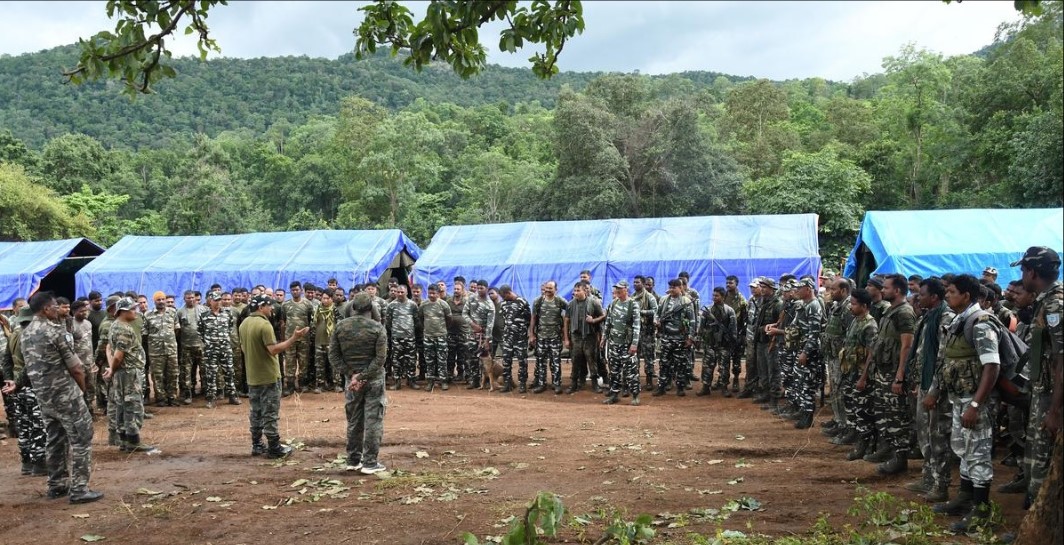
World
In a major move to counter the lingering threat of Naxalism in Chhattisgarh, the Central Reserve Police Force (CRPF) has deployed over 4,000 troops to the violence-stricken Bastar region. This strategic action is part of the Indian government's intensified efforts to eradicate Left Wing Extremism (LWE) by March 2026. The campaign, endorsed by Union Home Minister Amit Shah, reflects the government’s determination to bring an end to the decades-long Maoist insurgency that has plagued the country’s central and eastern states.The CRPF has withdrawn four battalions—three from Jharkhand and one from Bihar—where Naxal activity has decreased significantly in recent years. These battalions, comprising the 159, 218, 214, and 22 units, will now focus on Chhattisgarh’s most volatile zones. Bastar, particularly the districts of Dantewada and Sukma, has remained a hotspot for Naxal operations, making it the central theater for the upcoming decisive battle.The CRPF, the nation’s lead internal security force, has built a network of forward operating bases (FOBs) over the past few years, securing key regions and enabling developmental initiatives to follow. However, setting up these bases in remote areas is risky, with frequent ambushes and improvised explosive device (IED) attacks by Naxal militants. To support these new deployments, the CRPF has bolstered its forces with armored vehicles, UAVs (unmanned aerial vehicles), and dog squads to navigate and secure these “no-go” areas.One of the biggest challenges facing the security forces in Chhattisgarh is the hostile terrain of south Bastar, where Maoist militants often employ guerrilla tactics, taking advantage of the dense forests and difficult-to-access regions. These areas, located near the tri-junction border of Odisha, Andhra Pradesh, and Telangana, have proven to be strongholds for Naxal fighters.The CRPF has also activated its CoBRA (Commando Battalion for Resolute Action) units in these operations, reinforcing efforts to eliminate militant hideouts. These elite units, trained in jungle warfare, have been critical in previous anti-Naxal campaigns, and their role is expected to be pivotal in the upcoming actions.However, this military push goes beyond just boots on the ground. The government has emphasized that infrastructure, particularly roads and helipads, will play a critical role in ensuring the success of these operations. Improved logistical capabilities are essential for maintaining the new positions in remote areas, allowing for faster troop movement, supply deliveries, and medical evacuations when necessary.The Bastar region has long been the most dangerous zone for anti-Naxal operations, with security forces suffering heavy casualties over the years. Yet, the overall Naxal violence across the country has declined by more than 50% in the past decade. Between 2004 and 2014, India saw over 16,000 Naxal-related incidents; this number dropped to 7,696 in the following decade under Prime Minister Narendra Modi’s government. Deaths due to Maoist violence have also seen a sharp decline—from 6,568 during 2004-14 to 1,990 in 2014-24.While the government is optimistic about meeting the 2026 deadline, senior officials acknowledge that continuous resource support—both in terms of technology and manpower—will be crucial to maintaining momentum. Helicopter and drone support, in particular, are essential to cover the vast, rugged terrains where Naxals operate.The CRPF’s top leadership is determined to lead the charge in this final push. Having already deployed around 40 battalions in Chhattisgarh, including the newly arrived troops, the force is now more committed than ever to hammering the "last nail in the coffin" of Left Wing Extremism. Recent operations have led to the deaths of over 150 Naxal militants in 2024 alone, a sign that the intensified efforts are already showing results.With the Indian government setting its sights on a March 2026 deadline, this massive redeployment of CRPF troops marks a critical juncture in the fight against Naxalism. If successful, it will not only bring an end to one of the country’s longest-standing insurgencies but also pave the way for peace and development in the affected regions.
Read More → Posted on 2024-09-08 15:34:56
India
India’s role as a potential mediator in the ongoing Russia-Ukraine conflict is gaining global attention, with National Security Advisor (NSA) Ajit Doval heading to Moscow this week to engage in critical discussions aimed at resolving the crisis. Doval's visit follows the diplomatic groundwork laid by Prime Minister Narendra Modi, who has taken personal initiative in mediating between Russia and Ukraine over the past months.PM Modi's approach has been a delicate balancing act. He visited both Moscow and Kyiv in July and August, respectively, holding meetings with Russian President Vladimir Putin and Ukrainian President Volodymyr Zelensky. His efforts underscore India’s unique position—trusted by both Russia and Ukraine—as a possible mediator in the conflict. During these trips, Modi underscored the importance of diplomacy and peaceful dialogue, aligning with India’s longstanding position of advocating for non-violent resolutions to global conflicts.After his visit to Ukraine, Modi made a follow-up phone call to Putin on August 27. According to a statement from the Russian Embassy, Modi briefed Putin about his discussions with Zelensky and reaffirmed India’s dedication to bringing a political and diplomatic solution to the conflict. It was during this call that the idea of sending NSA Ajit Doval to Moscow was discussed and agreed upon.The upcoming Moscow visit is part of a broader effort by India to play a key role in facilitating peace talks between Russia and Ukraine. Doval's trip coincides with his participation in the BRICS NSA meeting, where top security officials from Brazil, Russia, India, China, and South Africa, along with new BRICS members including Saudi Arabia, the UAE, and Iran, will convene ahead of the annual BRICS Summit in Kazan. While the official agenda includes BRICS security matters, sources indicate that Doval's primary focus in Moscow will be on the Ukraine conflict. There are expectations that bilateral talks will also take place, notably with his Chinese counterpart, Wang Yi. The involvement of multiple global powers like China and Brazil adds another layer to the complexity of the negotiations. However, India remains in a unique position, being seen as a neutral player with strong relationships with both Russia and the West.Doval's visit also comes on the heels of international recognition of India's potential role as a mediator. Italian Prime Minister Giorgia Meloni, during a meeting with Ukrainian President Zelensky at the Ambrosetti Forum in Italy, noted that countries like India and China could play pivotal roles in resolving the Ukraine conflict. This sentiment was echoed by President Putin, who, during the Eastern Economic Forum in Vladivostok, acknowledged the efforts of countries like India in offering a "helping hand" toward peace.India's diplomatic strategy in this conflict has been clear: maintain good relations with both Russia and Ukraine, while advocating for peace through dialogue. Modi’s outreach, coupled with Doval’s forthcoming Moscow visit, reflects India's deep commitment to finding a peaceful resolution. As world leaders watch closely, India's role in the peace talks could significantly shape the future trajectory of the conflict in Ukraine.
Read More → Posted on 2024-09-08 15:22:59
India
India is set to make a major leap in its naval capabilities with the integration of an indigenously developed Air Independent Propulsion (AIP) system into its Scorpene-class submarines. The news, announced by Dr. Samir V Kamat, Chairperson of the Defence Research and Development Organisation (DRDO), marks a key milestone for the Indian Navy and the country’s defense technology. By 2026, the first of these advanced AIP systems will be fitted on the INS Kalvari, a Scorpene-class submarine, boosting its operational capabilities significantly.The AIP system is a game-changer for conventional diesel-electric submarines. Typically, these submarines need to surface or snorkel regularly to recharge their batteries, making them vulnerable to detection. However, with an AIP system in place, a submarine can stay submerged for much longer, greatly enhancing its stealth. This capability is especially important in naval operations where the element of surprise and extended endurance are critical.India's AIP system has been under development at the Naval Materials Research Laboratory (NMRL) in Ambernath. The technology represents years of meticulous research by a small yet dedicated team of scientists. Dr. Kamat emphasized this during his speech at the convocation of the Defence Institute of Advanced Technology (DIAT) in Pune. The successful development of this technology puts India among an elite group of countries that have mastered this advanced capability, joining the likes of the United States and France.Technologically, India's AIP system is based on a Phosphoric Acid Fuel Cell (PAFC) design, which generates power through an electrochemical reaction between hydrogen and oxygen. This fuel-cell-based system produces no emissions, making it quieter than conventional diesel engines, a key asset in maintaining stealth during underwater operations. Moreover, the PAFC AIP system does not require moving parts like traditional engines, reducing the risk of mechanical failure and improving reliability in long missions.The AIP system will be integrated into the Indian Navy's Scorpene-class submarines, starting with INS Kalvari, during its next refit cycle in 2026. This retrofit will extend the submarine's underwater endurance by several weeks, compared to the few days that conventional diesel-electric submarines can typically manage. Given the importance of submarines in maritime strategy, especially in the Indian Ocean Region (IOR), this upgrade comes at a crucial time. With growing geopolitical tensions in the region, India’s enhanced naval stealth capabilities will provide it with a strategic edge.During the convocation at DIAT, where 271 students, including officers from the Indian Armed Forces, graduated, Dr. Kamat highlighted how critical this technology is to India’s goal of self-reliance in defense. He stressed that developing these cutting-edge systems in-house strengthens India’s sovereignty and reduces dependency on foreign technology.Dr. Kamat’s address also touched on the broader defense challenges India faces in a rapidly evolving world. He underscored the importance of adapting to new technologies, including quantum communications, artificial intelligence, and advanced sensing, areas where DIAT has been making strides. In an increasingly multipolar world, India must not only keep pace but lead in critical defense innovations to maintain a strong military presence globally.The upcoming integration of AIP technology into the Indian Navy’s fleet is a testament to India’s growing defense capabilities and its commitment to innovation. It marks another step towards the country’s goal of becoming a leading player in the global defense arena, both in terms of technological prowess and military strategy. As India continues to enhance its naval power with indigenous technologies like the AIP system, it solidifies its position as a formidable force in the Indian Ocean and beyond.
Read More → Posted on 2024-09-08 15:17:39
World
In a significant move to strengthen Ukraine's military capabilities, the United Kingdom has committed to providing 650 Lightweight Multirole Missiles (LMM) as part of a larger £162 million air defence package. This pledge, announced by UK Defence Secretary John Healey during the Ukraine Defence Contact Group (UDCG) meeting at Ramstein Air Base in Germany, represents another milestone in the UK's ongoing support for Ukraine amidst the ongoing conflict with Russia.The LMM, also known as the "Martlet," is a versatile missile system developed by Thales. Designed primarily for air defence, it can be launched from helicopters, ships, and ground-based platforms, making it a valuable asset in Ukraine’s efforts to counter a wide range of threats. The LMM boasts an impressive dual-mode seeker that uses both laser guidance and infrared technology, allowing it to engage fast-moving aerial and ground targets with precision. This flexibility makes it a suitable tool for Ukraine’s air defence, especially in countering drones, helicopters, and low-flying aircraft.John Healey emphasized that this commitment is part of a broader strategy to accelerate aid deliveries to Ukraine, urging other allies to do the same. The first batch of these missiles is expected to be delivered by the end of this year, reflecting the urgency with which the UK and its allies view the need for enhanced military support to Ukraine. This follows discussions between Healey and Ukraine's Defence Minister, Rustem Umerov, where both nations agreed on the need to expedite these critical supplies.This defence package not only includes the LMM systems but also an additional £300 million worth of artillery ammunition, underscoring the breadth of the UK’s aid to Ukraine. The artillery rounds are expected to arrive in Ukraine by the end of the year, supporting its ground forces in the continuing effort to repel Russian advances.This ongoing commitment by the UK demonstrates a broader international strategy to help Ukraine maintain its defensive posture while pressuring Russia diplomatically and economically. The delivery of these advanced missile systems marks a significant upgrade to Ukraine’s current air defence network, offering enhanced protection for critical infrastructure and military positions. The LMM’s lightweight design, coupled with its precision capabilities, makes it an ideal choice for Ukraine, as it can be quickly deployed and integrated into various combat scenarios.The UK’s provision of these missiles sends a clear message to both Ukraine and its adversaries: the international community is committed to ensuring Ukraine has the tools necessary to defend itself. As the conflict in Ukraine continues, this latest aid package from the UK will likely play a crucial role in shaping the trajectory of the war.
Read More → Posted on 2024-09-08 15:13:08
India
Russia's bold vision to power future lunar bases with a nuclear plant has captured the attention of two of the world's space exploration heavyweights—India and China. This plan, spearheaded by Rosatom, the Russian state nuclear energy corporation, seeks to develop a nuclear power station on the Moon, potentially revolutionizing lunar exploration and habitation. Alexey Likhachev, head of Rosatom, recently revealed that both India and China are interested in collaborating on this groundbreaking project.The idea behind Russia's lunar nuclear power plant is to create an energy source capable of generating up to half a megawatt of electricity. This power would be essential to sustain the infrastructure and operations of a lunar base, an endeavor that Russia and China have been working on since May 2024. According to Likhachev, Roscosmos, Russia’s space agency, plans to complete and deploy the plant by 2036. This timeline would coincide with the broader efforts to establish a long-term human presence on the Moon.For India, this project offers an enticing opportunity to join the race in building a permanent lunar presence. After the success of its Chandrayaan missions, India's space agency ISRO has been looking for deeper collaborations that would elevate its standing in the global space community. The lunar nuclear power plant offers India the chance to leap forward in space technology while contributing to a significant international project.China’s interest in this initiative comes as no surprise given its growing space ambitions. After landing its Chang'e lunar missions and planning future manned explorations, China has made it clear that the Moon is a focal point of its space aspirations. By collaborating with Russia on the lunar power plant, China aims to secure its place in the next phase of space exploration and development.The significance of this project extends far beyond mere energy generation. The lunar nuclear power plant is seen as a cornerstone for more extensive operations on the Moon, including scientific research, mineral extraction, and the establishment of lunar habitats. The ability to generate reliable energy on the Moon could make it a stepping stone for more ambitious missions, including manned missions to Mars.The international collaboration between Russia, China, and potentially India marks an era of joint space exploration efforts, where the geopolitical divides of the past give way to cooperation in one of humanity's most exciting frontiers. The prospect of a nuclear-powered lunar base serves as a testament to the technological strides being made in the space sector and highlights the growing importance of energy solutions that can support extraterrestrial missions.As these three nations work together, the implications are vast—not only for space exploration but for technological advancements that could have applications back on Earth. Whether it’s developing safer and more efficient nuclear energy systems or pushing the boundaries of robotics and AI in hostile environments, the benefits of these lunar projects may ripple through many sectors.The race to the Moon is no longer about who gets there first, but about who can build the future on its surface. With India, China, and Russia expressing interest in making a nuclear-powered lunar base a reality, we may be closer than ever to witnessing human outposts beyond Earth.
Read More → Posted on 2024-09-08 15:09:16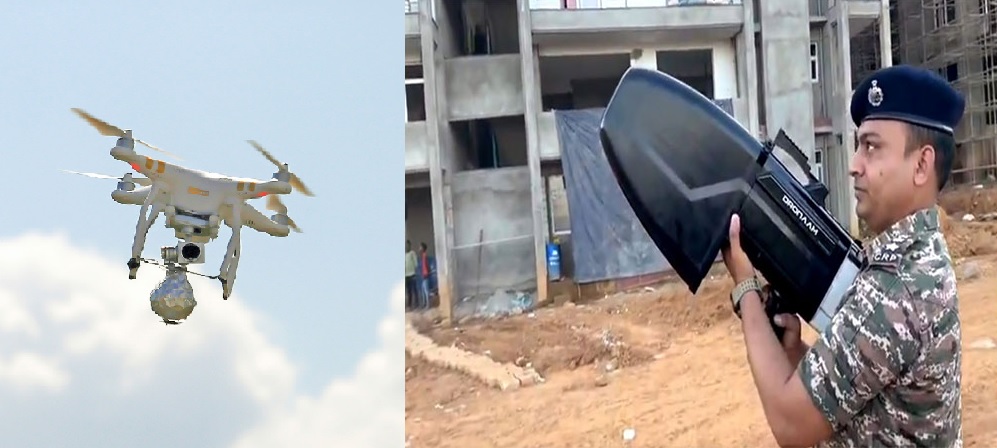
India
In the midst of escalating violence and drone-related threats, security forces in Manipur have begun deploying advanced anti-drone systems to safeguard the state. As attacks from militant groups increase, with drones playing a pivotal role, the Assam Rifles (AR) and the Central Reserve Police Force (CRPF) have taken proactive steps to combat these dangers by introducing cutting-edge technology to neutralize potential aerial threats.The deployment of anti-drone systems comes in response to rogue drone sightings in the state, where militants have reportedly used drones and long-range rockets to launch attacks on civilian areas. In recent weeks, these attacks have caused significant damage, killing civilians and intensifying the already fragile security situation.The Assam Rifles has positioned several anti-drone systems in the fringe areas of the state to detect and neutralize any unauthorized drones. These systems are designed to intercept and disable drones through various technologies, including jamming their communications or taking control of them mid-flight. This defensive strategy not only helps in monitoring hostile drone activity but also serves as a deterrent against further attacks.In addition to the AR's deployment, the CRPF has tested its own anti-drone systems, handing them over to forces on the ground for immediate use. The force is also in the process of bringing more anti-drone guns into the state to supplement existing measures. These guns are portable and can disrupt drone operations by targeting their radio frequencies or GPS systems, rendering the drones inoperative.The Manipur police, recognizing the growing threat posed by these aerial devices, have also initiated the procurement of their own anti-drone systems. This move is part of a broader effort to strengthen security and minimize the risk of drone-assisted militant operations. The police are particularly focused on enhancing security in vulnerable regions, where militant groups have carried out frequent strikes using both drones and long-range weapons.A recent incident in Bishnupur district underscored the gravity of the situation. Kuki militants launched rockets into civilian areas, killing a 78-year-old man and injuring several others. In the wake of this attack, Manipur police reported the destruction of three bunkers, a clear indication of the growing intensity of the conflict. Senior police officials, including the Inspector General of Police (IGP) and Deputy Inspector General (DIG), swiftly visited the affected areas to assess the situation and plan countermeasures.These attacks have prompted a series of combing operations by the police and other security forces in both the hill and valley regions. The operations, which cover a range of 3-5 kilometers, are aimed at neutralizing militants and dismantling their infrastructure. Key checkpoints, known as ‘nakas,’ have also been strengthened to monitor the movement of individuals and prevent further militant activity.Manipur's Inspector General of Police (Intelligence), K Kabib, provided additional details on the security efforts, noting that three bodies of suspected militants were recovered after a firefight in Jiribam district. The situation remains tense, with security forces working closely to prevent further loss of life.Alongside these ground operations, the deployment of anti-drone systems marks a significant shift in the security landscape of Manipur. The technology is part of a broader strategy to combat modern militant tactics, which increasingly rely on drones for reconnaissance, smuggling, and launching attacks. By intercepting drones before they can be used to carry out missions, security forces are aiming to reduce the effectiveness of militant operations in the state.In response to the rising violence, authorities have also imposed prohibitory orders, restricting gatherings and the carrying of arms to prevent further unrest. Security personnel have intensified their patrolling along National Highways 37 and 2, ensuring the safe movement of essential goods through the region.The situation in Manipur remains complex, with ongoing efforts by the police and military to stabilize the state and counter drone-related threats. As more anti-drone systems arrive, it is hoped that these measures will help restore peace and security to a region that has seen significant turmoil in recent months.
Read More → Posted on 2024-09-08 15:01:40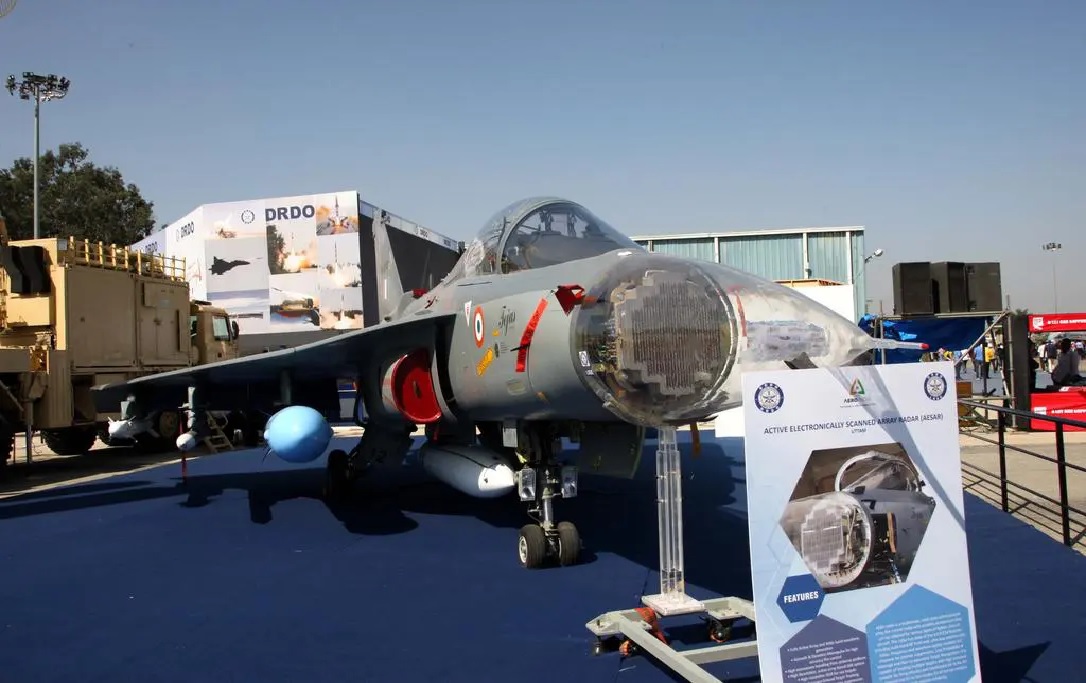
India
The Defence Acquisition Council (DAC) is likely to reject the Defence Research and Development Organisation’s (DRDO) proposal to integrate its indigenously developed Active Electronically Scanned Array (AESA) radar, called 'Uttam,' into the Rafale-M fighters. This decision, which has caught attention due to its implications for India’s "Make in India" initiative, primarily stems from concerns over high costs and significant delays in integration, according to a recent report by Hindustan Times.The Indian Navy has an urgent need to expand its fleet of Rafale-M fighters to strengthen its air combat capabilities, especially with the commissioning of the INS Vikrant aircraft carrier and the aging of its current MiG-29K fleet. While the DRDO's 'Uttam' radar has shown promise in other platforms like the Tejas MkII and is even being considered for upgrades to the MiG-29K, the complexities surrounding its integration into the Rafale-M have raised red flags.The 'Uttam' radar, an advanced AESA system, is designed to offer superior tracking, targeting, and electronic warfare capabilities. AESA radars are highly coveted for their ability to simultaneously track multiple targets and perform complex missions, such as electronic jamming and precise missile guidance, which gives them an edge over traditional radars. The 'Uttam' radar, under development by DRDO, has been seen as a significant leap forward in India’s indigenous defense technology landscape.However, integrating a new radar into an existing aircraft like the Rafale-M is no small feat. The process would require extensive testing, software integration, hardware adjustments, and aircraft certification, all of which take time and substantial financial investment. The Rafale-M already comes equipped with the battle-proven RBE2 AESA radar, which has been thoroughly tested and is fully integrated with the aircraft’s combat systems. Given the current timeline pressures and the need for a reliable solution, the DAC appears to be leaning toward retaining the RBE2 radar system instead of opting for the still-developing 'Uttam' radar.Another factor weighing heavily on the DAC's decision is the cost. Developing and integrating a new radar system could lead to budget overruns and push delivery timelines beyond acceptable limits, which would strain the Navy’s plans for immediate force enhancement. The Rafale-M’s RBE2 radar, being a proven system, offers a reliable solution with no additional development costs or delays. Thus, while the DRDO’s 'Uttam' radar would align with India’s broader goal of indigenization, the immediate needs of the Navy seem to be taking precedence.Despite this potential setback, DRDO’s efforts with the 'Uttam' radar are far from over. The radar continues to progress as part of the Tejas MkII program and is slated to play a crucial role in the future modernization of the MiG-29K fleet. The rejection of its integration into the Rafale-M is likely more a matter of timing and operational urgency than a reflection on the radar’s technical capabilities.In this context, the decision to prioritize the RBE2 radar on Rafale-M fighters provides the Navy with an off-the-shelf, high-performance radar system that can be delivered within a reasonable timeframe. Meanwhile, DRDO can focus on refining the 'Uttam' radar for future platforms, which could eventually see deployment on a wider scale across India’s defense forces.This move by the DAC illustrates the fine balance India must strike between pushing for indigenous defense technologies and meeting its immediate military requirements. The Indian Navy, with its growing strategic responsibilities, requires quick solutions to maintain operational readiness, particularly as it looks to modernize its air capabilities in the face of regional threats.
Read More → Posted on 2024-09-08 14:46:44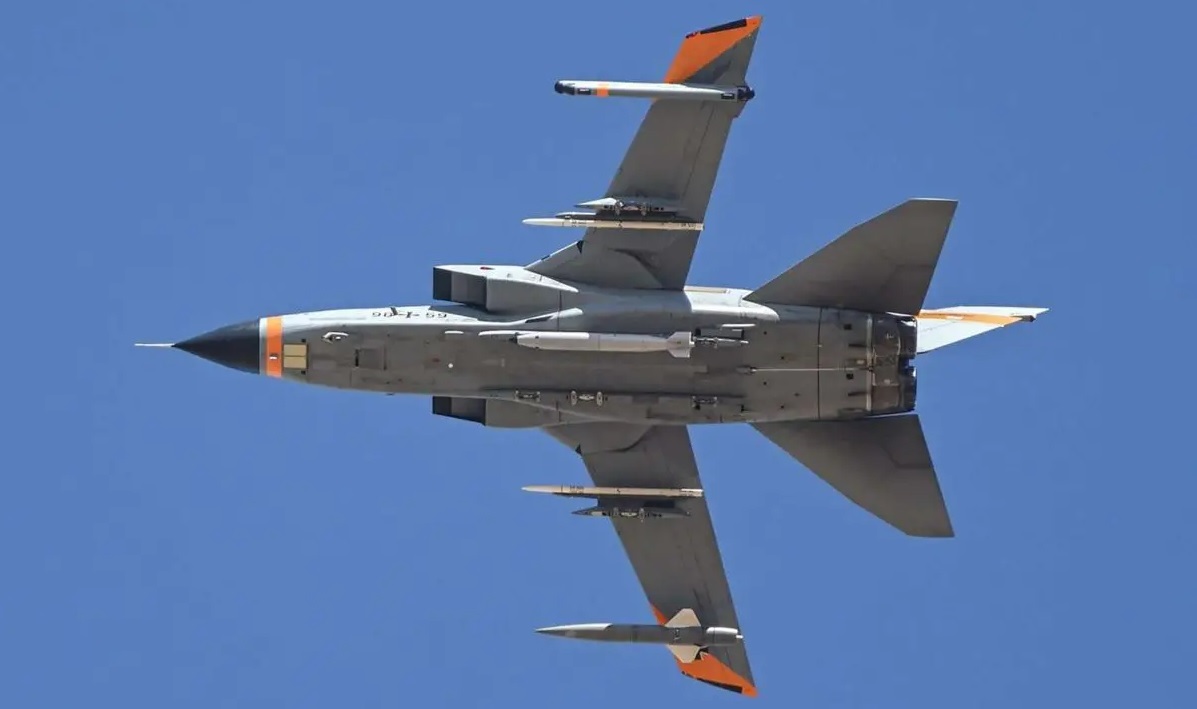
World
Recently, two German Tornado fighter jets were spotted at Edwards Air Force Base in California, drawing significant attention due to their cargo—a B61-12 nuclear bomb trainer. This sighting, shared on social media by user TaskForce23, highlights Germany's active role in NATO’s nuclear strategy.The B61-12 bomb is a modern variant of the B61 family, distinguished by its adjustable explosive yields, which can reach up to 50 kilotons of TNT. For perspective, the bombs dropped on Hiroshima and Nagasaki in 1945 had yields of 15 and 25 kilotons, respectively. The version seen at Edwards was a trainer model, designed for non-explosive training purposes.Sören Schmelz, a spokesperson for the German Bundeswehr Procurement Office, explained that these jets were in the U.S. as part of the "Silent Companion 24" campaign. "Both aircraft are currently in the U.S. for testing, which took place at Edwards Air Force Base, while instrumentation was conducted at the Tonopah Test Range in Nevada," Schmelz said. The aircraft are expected to return to Germany between September 11 and 13.The Tornado jets, Germany’s current platform for nuclear delivery under NATO's nuclear sharing arrangements, are set to be replaced by the F-35 in the near future. This testing is a key aspect of Germany’s contribution to NATO's nuclear deterrence strategy, ensuring the country's readiness and compliance with its obligations within the alliance, especially in light of escalating global tensions.This demonstration not only underscores Germany's commitment to NATO's nuclear posture but also reflects the ongoing evolution and testing of nuclear capabilities within the alliance.
Read More → Posted on 2024-09-07 15:24:21
India
In a historic admission, Pakistan Army Chief General Asim Munir has officially confirmed the involvement of Pakistani military forces in the Kargil War of 1999. This acknowledgment, made during a recent Pakistan Army Day event, marks a significant shift from previous official positions. While notable figures such as Lt Gen (retd) Shahid Aziz, former President Pervez Musharraf, and former Prime Minister Nawaz Sharif had previously acknowledged the military's role, it was typically done outside of their official capacities or after leaving office.General Munir's statement sheds light on the long-held but previously unacknowledged truth of Pakistan's military engagement in the conflict. "The Pakistani army has always faced its adversaries with courage and resilience, be it in 1948, 1965, 1971, or during the 1999 Kargil War," Munir stated, highlighting the sacrifices made by thousands of soldiers. His comments underline the army's ongoing commitment to defending the nation, honoring those who have given their lives in the past and continue to serve today.The Kargil War, which erupted in May 1999, saw Pakistani forces crossing the Line of Control (LoC) and occupying strategic positions in the Kargil district of Ladakh. Initially mistaken for insurgents, these infiltrators were soon identified as Pakistani soldiers. The Indian Army faced intense fighting as it sought to reclaim these high-altitude positions. By July 26, 1999, Indian forces had succeeded in pushing the Pakistani troops back, marking the end of the conflict. The war resulted in significant casualties, with India reporting 527 soldiers killed and 1,363 wounded, while Flight Lieutenant K Nachiketa became the sole prisoner of war.The extreme conditions in Kargil played a critical role in the conflict's intensity. Located around 200 kilometers northeast of Srinagar and 230 kilometers west of Leh, Kargil sits at an elevation of 2,676 meters (8,780 feet), with nearby Dras reaching 3,300 meters (10,800 feet) and surrounding peaks soaring to 5,500 meters (18,000 feet). The region's harsh climate, characterized by temperatures as low as -30 degrees Celsius during winter, compounded the difficulties faced by the soldiers. The cold not only affected their physical well-being but also caused mechanical failures in equipment, necessitating extra effort to maintain functionality.The rugged terrain of Kargil, with its steep and challenging landscape, provided significant cover to the entrenched Pakistani forces, making it even more difficult for the Indian Army to dislodge them. In response, the Indian military adapted its tactics and equipment to the high-altitude environment. Improved acclimatization strategies and advanced cold-weather gear were developed. The use of the Bofors gun, which proved effective in the thin air, played a crucial role in the conflict. Small unit tactics combined with extensive artillery fire became central to overcoming the enemy's strong defensive positions.This recent acknowledgment by General Munir not only clarifies a critical historical aspect of the Kargil War but also highlights the ongoing significance of the military's role in Pakistan's national defense. The candid admission adds depth to our understanding of the conflict and its impact on both military strategy and historical narratives.
Read More → Posted on 2024-09-07 15:21:11Search
Top Trending in 24 Hours
-
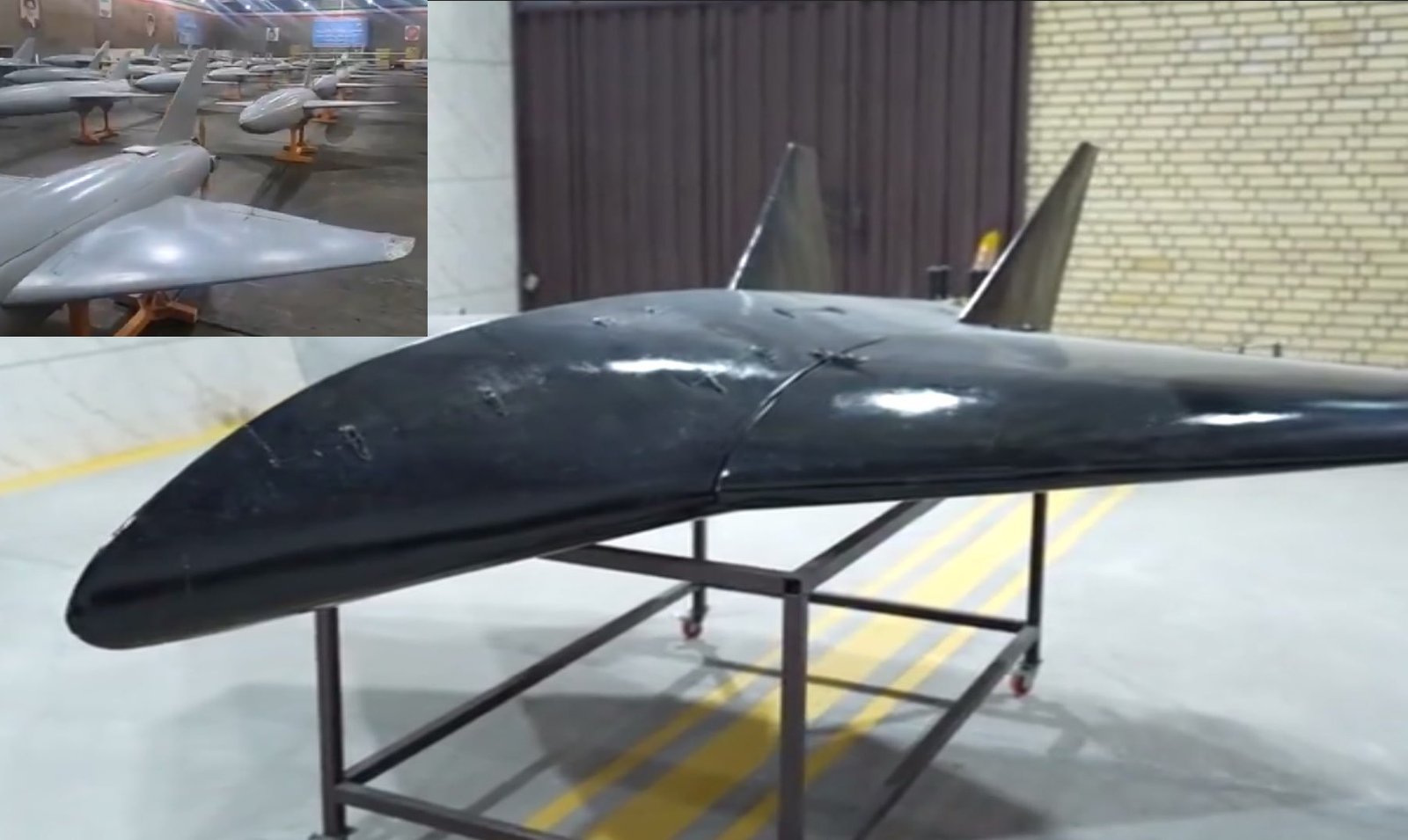 Iran Showcases Upgraded Arash-3 Drone with 100 kg Warhead, AI Targeting and GPS-Independent Navigation
-
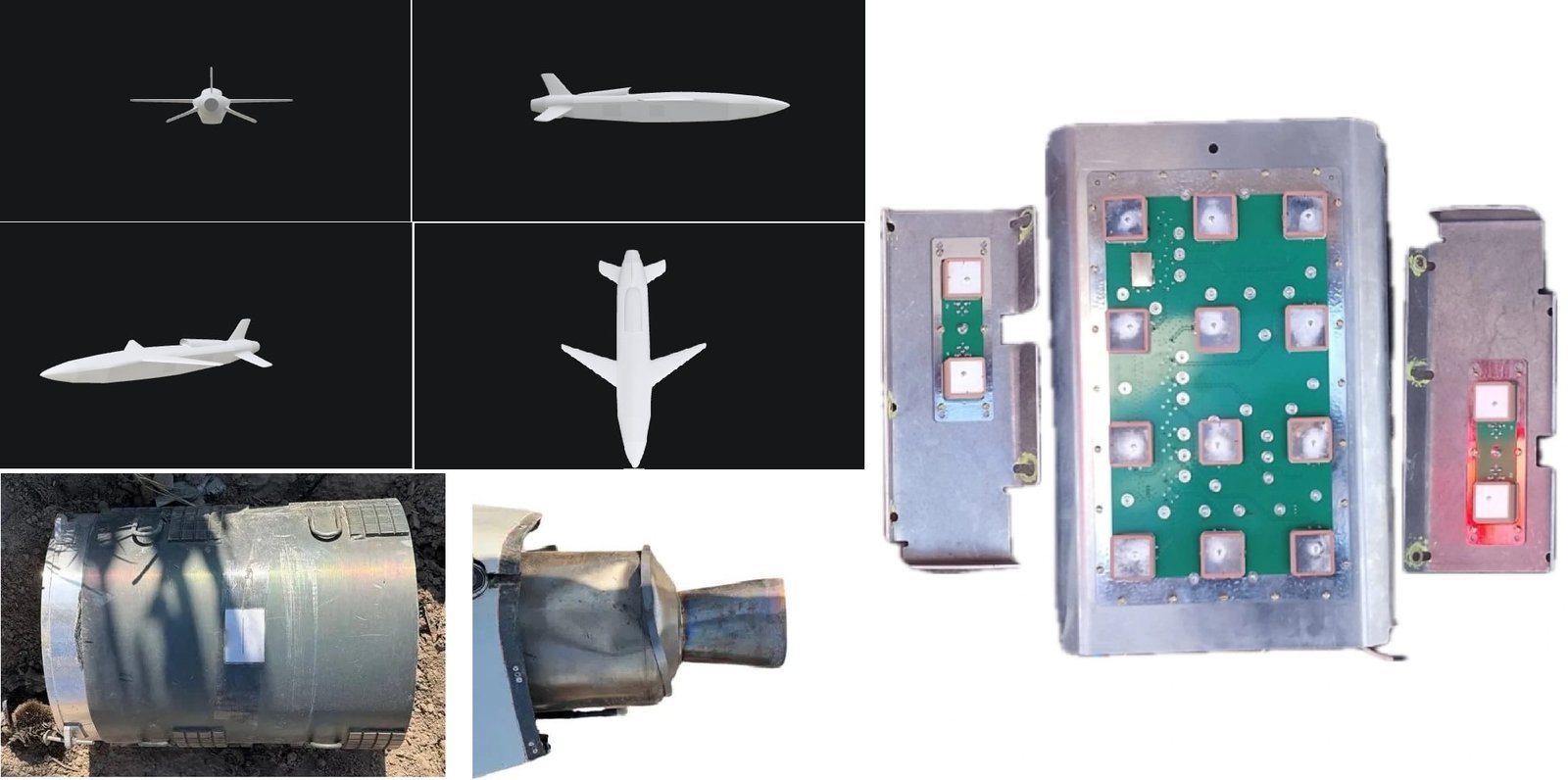 Ukraine Reveals Technical Details of Russia’s New Filin Cruise Missile
-
 Unitree Unveils H2-X ‘Kung Fu Legend: Guardian’ Humanoid Robot for Security and Rescue
-
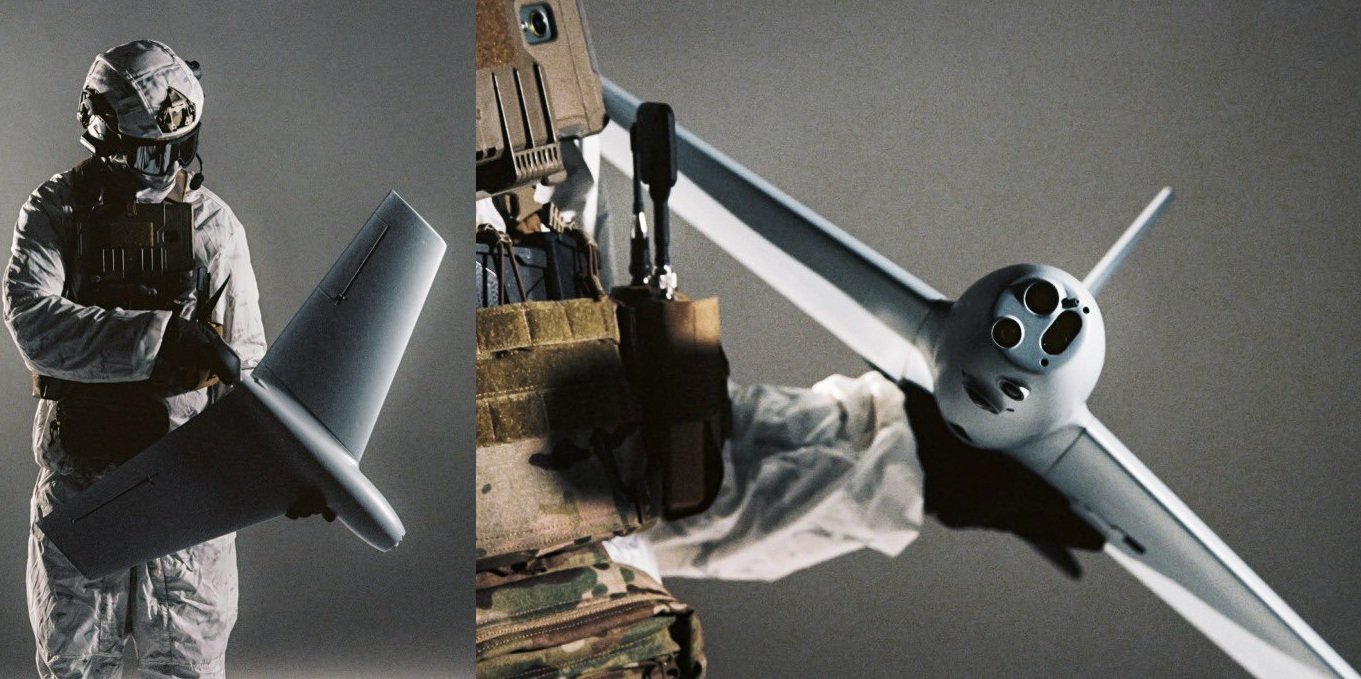 US Firm Heaviside Unveils 2.3-Kg TYR Loitering Munition With 40-Km Range at AUSA 2026
-
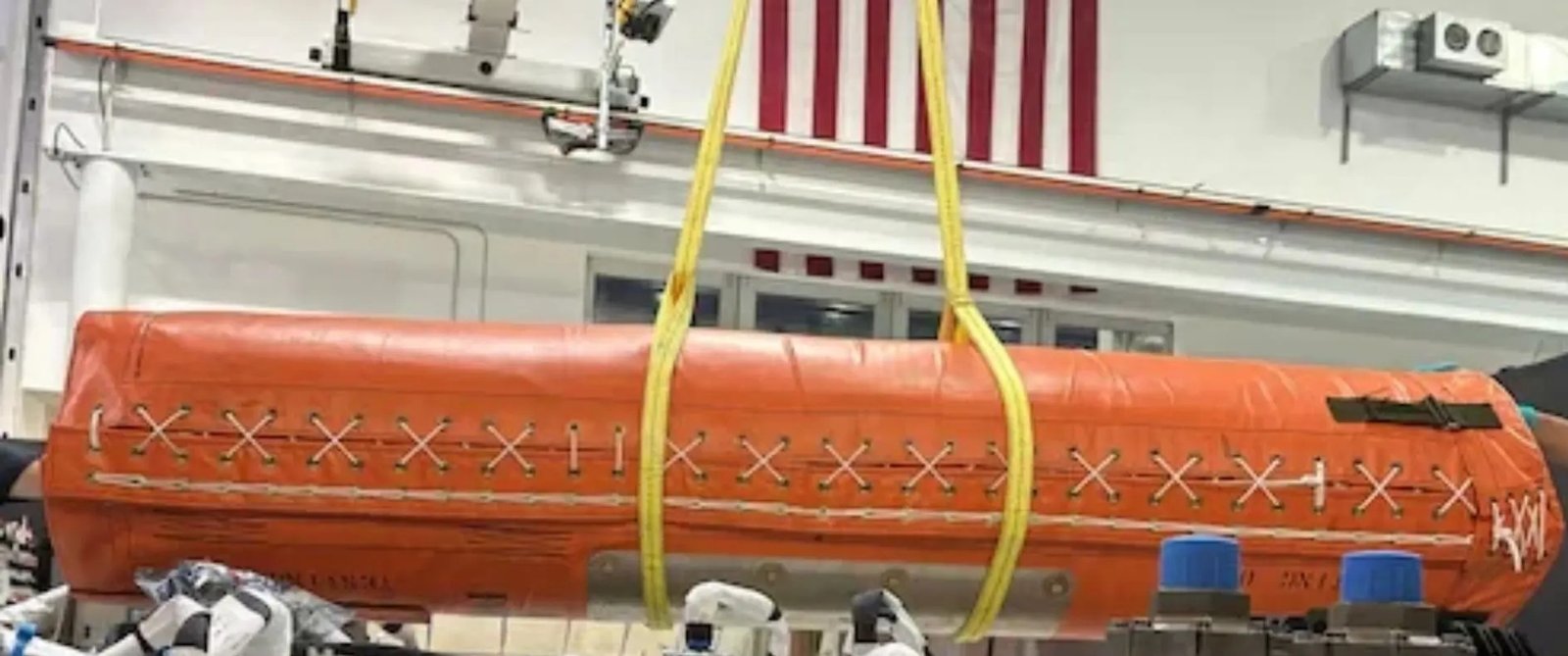 U.S. Air Force Tests SpaceX Starfall Capsule for Rapid Global Military Cargo Delivery
-
 Voyant Demonstrates Satellite-Free Navigation Technology for UK Ministry of Defence
-
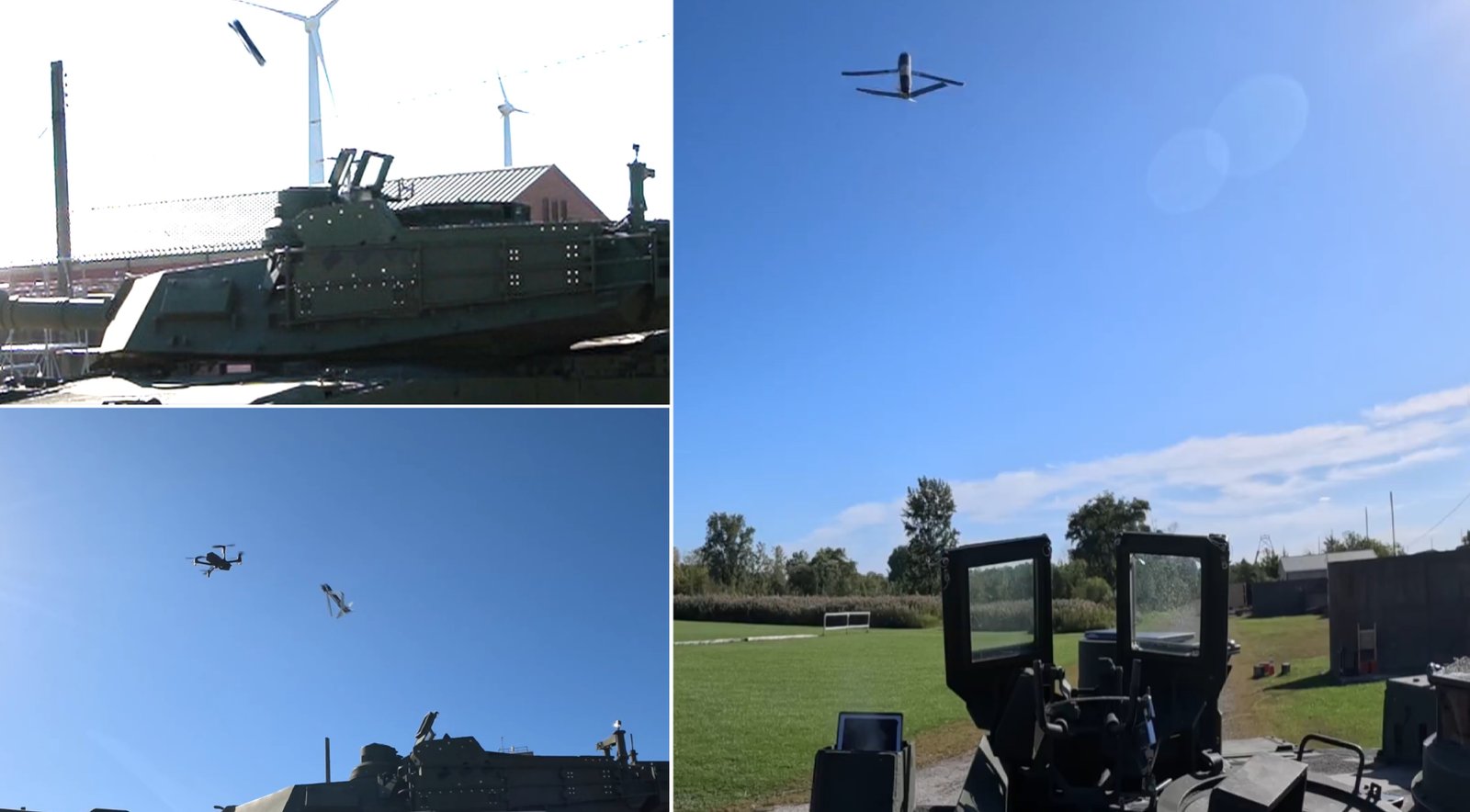 General Dynamics Unveils PERCH 2.0 Drone System for Abrams Tanks and Stryker Vehicles
-
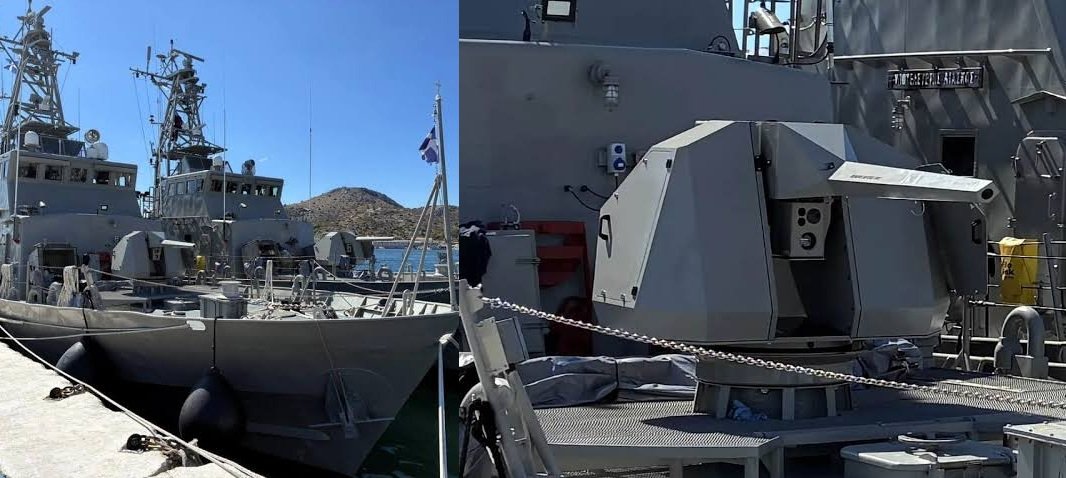 MSI Defense Integrates LIONFISH 20mm Guns on Former US Coast Guard Cutters for Greek Navy
Top Trending in 4 Days
-
 NASA Sets New Artemis Milestones as SpaceX and Blue Origin Target Moon Landings in 2027–2028
-
 US Weighs Strikes on Iran’s Kharg Island Oil Hub Ahead of Midterm Elections
-
 U.S. Air Force Awards HII Subsidiary Enlighten IT $332.8 Million Cyber Defense Contract
-
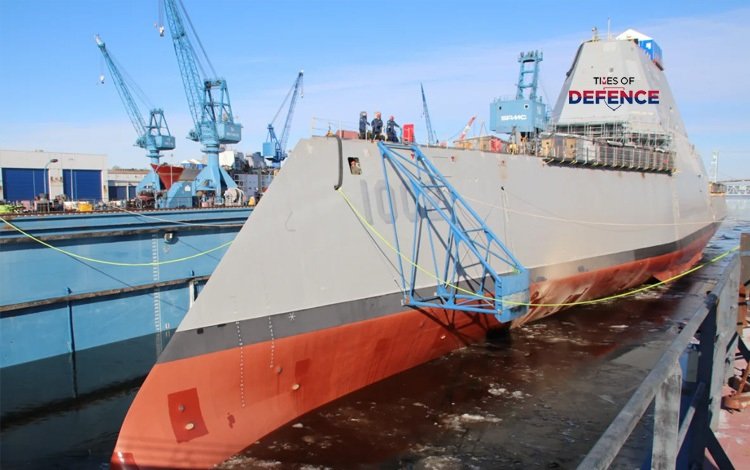 U.S. Navy Awards HII $99.1 Million Contract Modification for Zumwalt-class Destroyer USS Lyndon B. Johnson Sea Trials
-
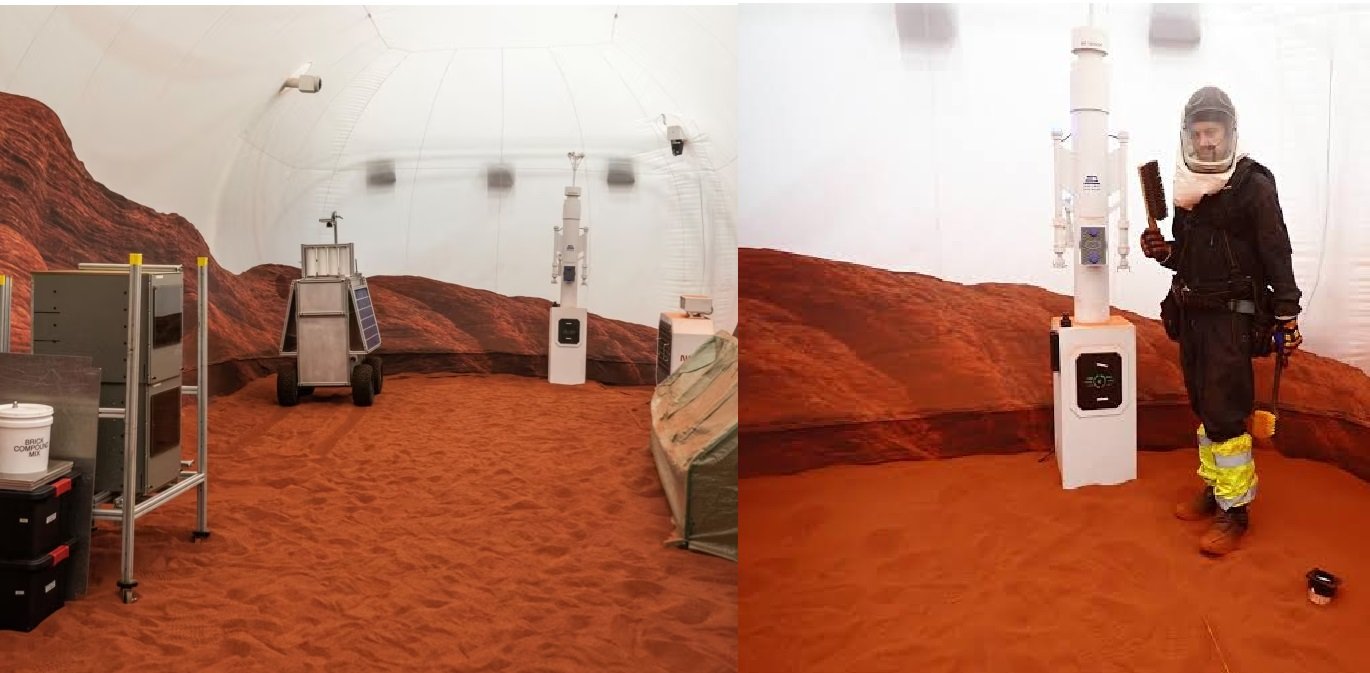 Four NASA Volunteers Mark One Year in Simulated Mars Habitat
-
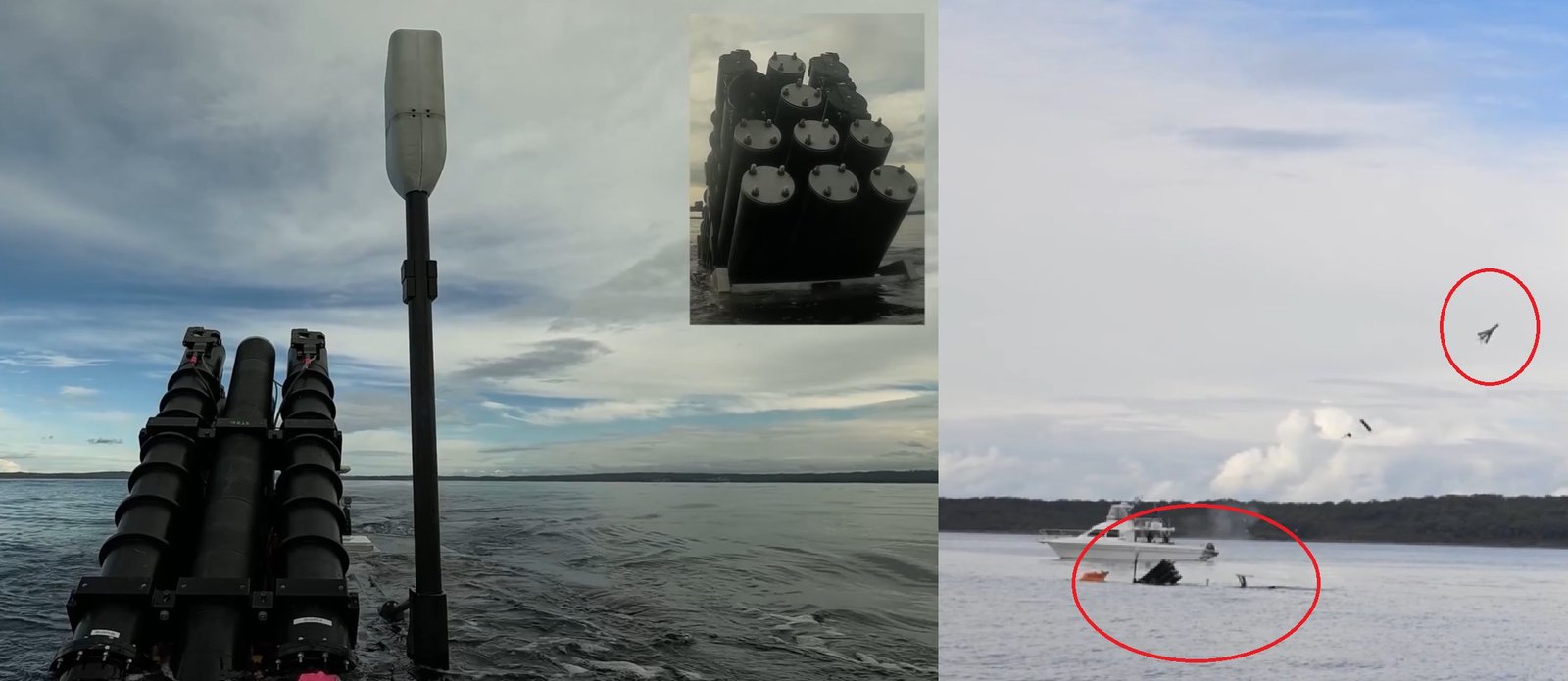 Australia Unveils Ghost Shark Autonomous Submarine’s Mine, Drone and Logistics Capabilities
-
 L3Harris Opens ‘Arsenal of Freedom’ Rocket Motor Plant in Arkansas to Double Production Capacity
-
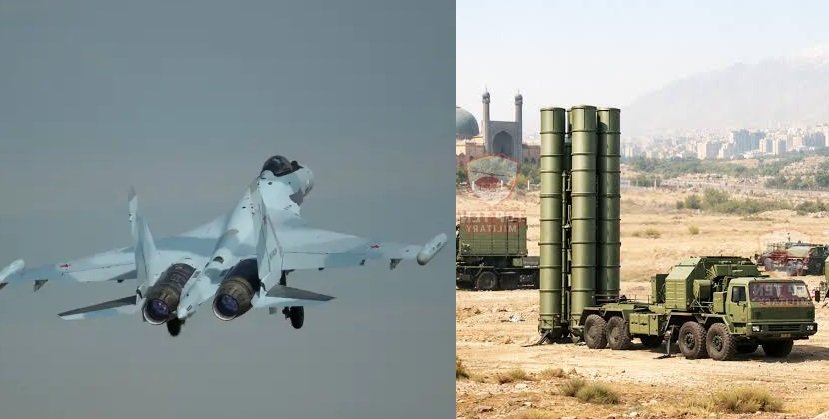 Russia Reportedly Offers Su-35 Fighters and S-400 Air Defence System to Protect Tehran
