
India
India is actively exploring a strategic partnership with Japan to co-develop advanced jet engine technology for its upcoming Advanced Medium Combat Aircraft (AMCA), a fifth-generation stealth fighter designed to bolster the Indian Air Force's capabilities. The AMCA Program: A Vision for Indigenous Air Superiority The AMCA represents India's ambition to develop a state-of-the-art stealth multirole combat aircraft. Spearheaded by the Aeronautical Development Agency (ADA) and the Defence Research and Development Organisation (DRDO), with Hindustan Aeronautics Limited (HAL) as a key partner, the AMCA is envisioned to perform a variety of missions, including air superiority, ground attack, and electronic warfare. The program aims to roll out prototypes by 2028, with mass production anticipated to commence by 2035. The Engine Challenge: Seeking High-Thrust Solutions A critical component of the AMCA's success lies in its propulsion system. The initial prototypes are set to use General Electric F414 engines, providing 98 kN of thrust. However, for the production variants, India seeks a more powerful engine in the 110-130 kN thrust range to achieve desired performance metrics such as supercruise capability and enhanced maneuverability. Japan's IHI XF9 Engine: A Promising Candidate In this context, India's proposal to collaborate with Japan on aero engine development gains significance. The IHI XF9 engine, developed by Japan's Acquisition, Technology & Logistics Agency (ATLA) and IHI Corporation, emerges as a strong contender. The XF9 prototype delivers 11 tons (approximately 107 kN) of military thrust and 15 tons (around 147 kN) with afterburner. Notably, the engine's design allows for scalability, with future iterations targeting up to 20 tons (196 kN) of thrust, aligning well with the AMCA's requirements. Strategic Implications: Strengthening Indo-Pacific Defense Ties Beyond technical compatibility, this proposed collaboration underscores the deepening defense ties between India and Japan. Both nations share strategic interests in maintaining stability and security in the Indo-Pacific region. A joint venture on engine development would not only enhance India's indigenous capabilities but also signify a commitment to collaborative defense innovation. Challenges Ahead: Navigating Export Controls and Technology Transfer While the prospects are promising, several challenges need to be addressed. Japan's stringent export controls, rooted in its pacifist constitution, could pose hurdles in transferring sensitive defense technology. However, Japan has shown increased flexibility in recent years, participating in international defense projects like the Global Combat Air Programme (GCAP) alongside the United Kingdom and Italy. Successful collaboration will require careful negotiation to align with both countries' regulatory frameworks and strategic objectives. Conclusion: A Step Towards Self-Reliance and Regional Stability India's interest in the Japanese XF9 engine for the AMCA program represents a strategic move towards achieving self-reliance in defense technology and enhancing its air combat capabilities. By potentially partnering with Japan, India not only seeks to overcome existing technological challenges but also aims to reinforce its role as a key player in ensuring regional security in the Indo-Pacific.
Read More → Posted on 2025-05-17 16:03:15
India
In a remarkable demonstration of air defence prowess, the Indian Army and Air Force successfully neutralised more than 600 drones launched by Pakistan during Operation Sindoor, which took place on May 7 and continued for several days. The operation was initiated to counter a series of hostile drone incursions along the western borders, with the Indian defence forces showcasing a swift and highly coordinated response. A Robust Multi-Layered Defence System To counter the relentless drone waves, India mobilised over 1,000 air defence gun systems and around 750 short and medium-range surface-to-air missile systems. This rapid deployment marked a transformation from a peace posture to full operational readiness, resulting in a comprehensive multi-layered air defence network. The coordinated efforts not only safeguarded critical military and civilian infrastructure but also dispelled the notion of drone supremacy. A senior Army Air Defence (AAD) officer remarked that the operation was a testament to the synergy between Indian soldiers, indigenous technology, and rigorous training. Pakistan's Strategy and Its Failure The drone attack from Pakistan was aimed at overwhelming India’s integrated air defence grid, gathering real-time intelligence, and targeting strategic assets, population centres, and even places of worship. However, the strategy fell flat as India’s readiness, bolstered by consistent ammunition and missile reserves maintained over the last five years, ensured that the enemy's objective remained unattainable. Indian forces strategically handled the air defence system deployment, choosing not to activate all radar systems at once. They refrained from using high-end AD systems like the Russian S-400 and Barak-8 MR-SAM against low-value drone targets, instead opting for legacy systems such as the L-70 anti-aircraft guns, ZU-23 mm twin-barrel guns, and upgraded Schilka. These older yet reliable systems, often underrated in the modern warfare landscape, proved to be highly effective against low-flying and hard-to-detect drones. Indigenous Technology on the Frontline India’s indigenous Akash Air Defence missile systems played a critical role during the operation, particularly against more significant threats such as armed UAVs and Turkish Byker Yiha III kamikaze drones. With an interception range of 25 km, Akash proved to be a formidable shield against aerial threats. Additionally, the Indian Army employed six nodes of the new Akashteer air defence control and reporting systems, which seamlessly integrated with the Indian Air Force’s IACCS (Integrated Air Command and Control System). This digital backbone offered real-time situational awareness and precise command-and-control capabilities, empowering commanders to neutralise aerial threats efficiently. A Turning Point in Air Defence Readiness Operation Sindoor has been hailed as a significant milestone in India’s air defence readiness. The sheer scale of engagement, the rapid speed of deployment, and the unprecedented level of integration between sensors, weapons, and control systems demonstrated India's ability to tackle emerging aerial threats. Through effective coordination and the robust integration of legacy and modern air defence assets, India has not only showcased its capability to defend its skies but also delivered a clear message about the preparedness of its armed forces. Operation Sindoor stands as a pivotal moment that highlights the effectiveness of indigenous solutions and the unwavering spirit of Indian defenders.
Read More → Posted on 2025-05-17 15:56:56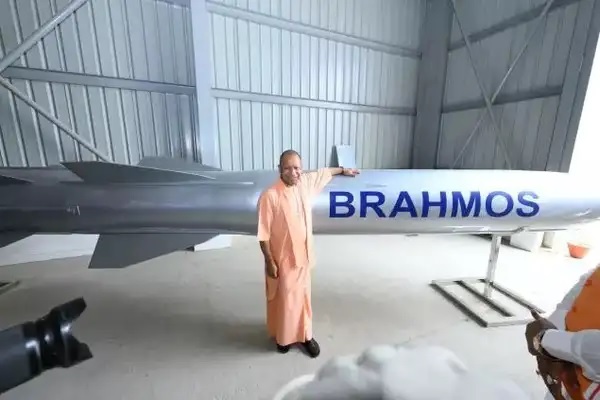
India
India has inaugurated a state-of-the-art BrahMos NG (Next Generation) supersonic cruise missile manufacturing facility in Lucknow, Uttar Pradesh. This development marks a significant stride in bolstering the nation's defense capabilities and promoting indigenous military production. Facility Overview The newly established BrahMos Aerospace Integration and Testing Facility spans over 200 acres in Lucknow's Sarojininagar area. Constructed at an investment of ₹300 crore, the facility is a pivotal component of the Uttar Pradesh Defence Industrial Corridor, an initiative aimed at enhancing India's self-reliance in defense manufacturing. Production Capacity Initially, the facility is set to produce between 80 to 100 BrahMos missiles annually, with plans to scale up production to 100–150 units per year. This increased output is expected to meet both domestic requirements and potential export demands. BrahMos NG: A Technological Leap The BrahMos NG is a lighter and more compact variant of the original BrahMos missile, weighing approximately 1,290 kg compared to the earlier 2,900 kg. This reduction in weight allows for greater versatility, enabling deployment from a wider range of platforms, including lighter fighter aircraft such as the HAL Tejas and Dassault Rafale. The missile maintains a top speed of Mach 2.8 and a range of up to 400 km, ensuring rapid and precise strike capabilities. Strategic Significance The inauguration of this facility underscores India's commitment to enhancing its defense infrastructure amid regional security challenges. By increasing the production of advanced missiles like the BrahMos NG, India aims to strengthen its deterrence capabilities and reduce dependency on foreign weapon systems. Economic and Employment Impact Beyond its strategic importance, the facility is poised to contribute significantly to the local economy. It is expected to generate direct employment for approximately 500 engineers and technicians, with additional indirect job opportunities arising in ancillary industries. This aligns with the broader objectives of the Uttar Pradesh Defence Industrial Corridor to stimulate economic growth and technological advancement in the region. The establishment of the BrahMos NG manufacturing facility in Lucknow represents a milestone in India's journey toward defense self-reliance. It not only enhances the nation's military capabilities but also fosters economic development and technological innovation, reinforcing India's position as a key player in the global defense landscape.
Read More → Posted on 2025-05-16 15:50:31
India
In a significant move to bolster national security, the Indian government has proposed an unprecedented ₹50,000 crore increase to its defence budget. This decision comes in the aftermath of Operation Sindoor, a strategic military response to the tragic Pahalgam terror attack on April 22, 2025, which claimed the lives of 26 civilians. With this supplementary allocation, India's total defence budget for the fiscal year 2025–26 is set to surpass ₹7 lakh crore, marking the highest ever for any ministry and constituting approximately 13% of the national budget. The additional funds are earmarked for enhancing research and development, procuring advanced weaponry, replenishing ammunition reserves, and acquiring cutting-edge military platforms. Operation Sindoor showcased India's military prowess and technological advancement. The Indian Air Force executed precision strikes on nine terror camps located in Pakistan and Pakistan-occupied Kashmir, successfully neutralizing threats without crossing international borders. The operation demonstrated India's capability to conduct non-contact warfare, utilizing long-range missiles, smart weapons, unmanned systems, and sophisticated electronic warfare techniques. Indigenous defence systems played a pivotal role in the operation. The Akash missile defence system and the Bhargavastra counter-drone system were instrumental in creating a robust, layered air defence network, comparable to Israel's Iron Dome. These systems effectively neutralized retaliatory drone and missile attacks, underscoring the effectiveness of India's domestically developed technology. The success of Operation Sindoor has reinforced the government's commitment to self-reliance in defence manufacturing. Defence Minister Rajnath Singh emphasized the importance of indigenous production, highlighting that dependence on foreign equipment can compromise national security. This stance is further supported by the record ₹1.27 lakh crore achieved in indigenous defence production in the fiscal year 2023–24 and ambitious targets to boost defence exports to ₹50,000 crore by 2029. The proposed budget increase reflects a strategic pivot towards technological self-reliance and enhanced military readiness. It aims to strengthen India's defence capabilities amid ongoing regional security challenges, ensuring that the nation remains prepared to address any future threats decisively.
Read More → Posted on 2025-05-16 15:44:23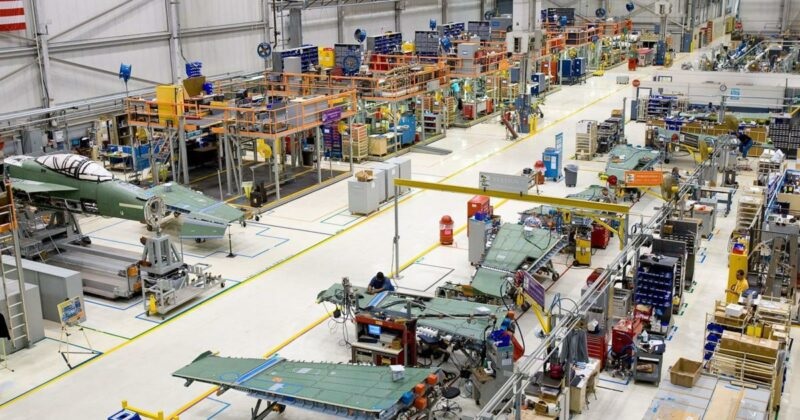
World
Boeing has announced a significant increase in the production of its F-15EX fighter jets, with a total of 90 aircraft currently in the pipeline. The company is targeting a consistent production rate of two aircraft per month by the end of 2026, marking a substantial boost in manufacturing efficiency. The production surge follows recent improvements in factory operations, which have significantly reduced the need for rework. This has enabled more streamlined manufacturing processes and the timely delivery of aircraft to the U.S. Air Force. Boeing has already commenced delivery from the second production lot of F-15EX aircraft to the Air National Guard. Meanwhile, the third and fourth production lots are currently in various stages of assembly at the St. Louis manufacturing facility. A key part of Boeing’s strategy to optimize production is the “Cut the CoRRS” initiative. This approach aims to minimize rework and maximize quality, supported by daily “Quality Power Hour” meetings where team members proactively address emerging issues. The F-15EX is a modernized version of the legacy fighter jet, designed to enhance the U.S. Air Force’s combat capabilities. Equipped with advanced technology, it is built to handle diverse combat scenarios while maintaining air superiority. Among its advanced features, the F-15EX can carry up to 12 AIM-120 Advanced Medium-Range Air-to-Air Missiles. It also has the potential to carry hypersonic weapons, ensuring the aircraft’s ability to adapt to evolving threats. By increasing production and enhancing efficiency, Boeing aims to meet the Air Force’s demand for this advanced fighter jet. The production improvements mark a crucial step toward sustaining the aircraft’s operational relevance in modern combat environments.
Read More → Posted on 2025-05-16 15:34:24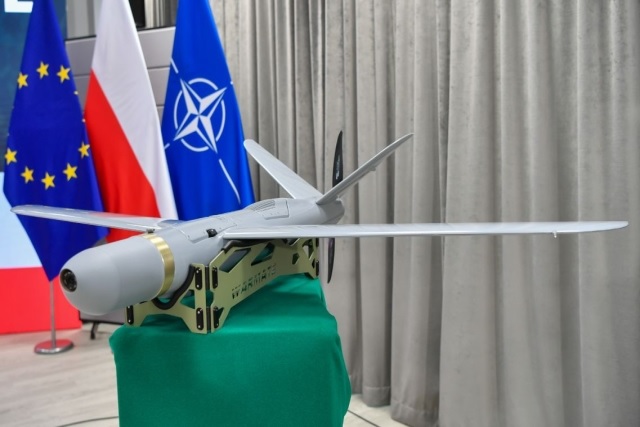
World
In a major step to enhance its battlefield capabilities, Poland has announced the purchase of 10,000 Warmate kamikaze drones from local defense manufacturer WB Group. This large-scale acquisition is one of the biggest drone deals in Europe and reflects Poland’s growing emphasis on modern, unmanned warfare systems amid rising regional tensions. The Warmate drones, also known as loitering munitions, are a type of suicide drone designed to hover over a battlefield, locate a target, and then destroy it in a precision strike. Under the contract, WB Group will deliver these drones in batches of 1,000 units at a time, with the final delivery expected by 2035. The order covers the latest configuration of the Warmate system, equipped with upgraded technology and versatile warhead options. Once delivered, the drones will serve two main roles within the Polish Army. Some will be assigned as portable, standalone systems carried by unmounted troops, giving small units the ability to conduct reconnaissance and strike missions independently. Others will be integrated with military vehicles, providing a mobile launch capability for rapid-response attacks during armored operations. Polish defense officials stated that these drones are intended to identify and eliminate a range of battlefield threats, including light armored vehicles, enemy personnel positions, and fortified posts. Their ability to be quickly deployed and accurately guided makes them a valuable asset for both defensive and offensive missions. About the Warmate Loitering Munition The Warmate is a compact and efficient loitering munition. It measures 1.1 meters in length with a wingspan of 1.6 meters, and has a takeoff weight of just 6 kilograms. Despite its small size, it can carry various types of warheads, including standard high-explosive and thermobaric payloads capable of dealing with different targets. Powered by an electric motor, the drone operates at an altitude of up to 300 meters and can reach speeds of 150 kilometers per hour. Its operational range allows it to strike targets as far as 30 kilometers from its launch point, providing frontline troops with extended reach against enemy positions without putting soldiers at risk. Poland’s Focus on Drone Warfare This ambitious procurement aligns with Poland's broader strategy to modernize its military, especially in the area of unmanned aerial systems. With growing concerns over security in Eastern Europe, the Polish armed forces have prioritized acquiring advanced technologies that can enhance their surveillance and precision-strike capabilities. Interestingly, the Warmate drone has already proven its effectiveness in various conflict zones, where loitering munitions have emerged as game-changers on the modern battlefield. Their ability to loiter in the sky, silently monitor the battlefield, and strike high-value targets when opportunities arise makes them especially valuable in asymmetric and high-intensity conflicts. Conclusion Poland’s decision to purchase 10,000 Warmate kamikaze drones marks a significant milestone in the country's defense modernization program. It not only boosts the Polish Army’s combat effectiveness but also highlights the growing importance of drone warfare in Europe’s future military landscape. As deliveries continue over the next decade, these loitering munitions will play a key role in strengthening Poland’s defensive and offensive operations.
Read More → Posted on 2025-05-16 15:32:21
India
In a major revelation, former Pakistani Air Marshal Masood Akhtar has confirmed that a key Airborne Warning and Control System (AWACS) aircraft was destroyed during a series of precision missile strikes carried out by India on May 9-10. The operation, known as Operation Sindoor, was launched by India in response to the deadly April 22 terror attack in Pahalgam and subsequent Pakistani drone strikes targeting Indian civilian areas. AWACS Destroyed at Bholari Airbase Speaking in a video interview, Air Marshal Akhtar detailed how the Indian military launched multiple BrahMos missiles, which ultimately struck the Bholari airbase, located near Islamabad. According to him, four missiles were launched in succession. While Pakistani pilots tried to scramble and secure their aircraft, the relentless missile barrage proved too much. “The fourth one hit the hangar at Bholari airbase, where one of our AWACS was standing. It was damaged,” Akhtar admitted, underlining the severity of the attack. AWACS aircraft are the eyes and ears of any modern air force. Equipped with powerful radar and communication systems, they play a critical role in detecting enemy aircraft, coordinating air missions, and guiding interceptors in real time. The loss of such an asset is a major strategic setback for Pakistan. India’s Coordinated Precision Strikes India’s missile campaign was not limited to one location. According to official statements, Indian forces struck 11 key military installations across Pakistan within a span of just three hours. These included bases at Rafiqui, Chaklala, Rahim Yar Khan, Sukkur, Sialkot, Chunian, Pasrur, Murid, Skardu, Jacobabad, and Bholari. Satellite imagery released afterward confirmed extensive damage to hangars, radar systems, and ammunition storage sites. This marked the first instance of successful strikes on airbases of a nuclear-armed country. Air Marshal AK Bharti of India noted, “We could have targeted more assets, but we chose to send a message—hit hard, but with restraint to avoid full-scale escalation.” One of the more high-profile strikes also destroyed a Lashkar-e-Taiba command center in Muridke—showcasing India’s precision in identifying and eliminating terror infrastructure. Chinese Systems Fail to Protect Pakistan Pakistan’s air defences, largely supplied by China, failed to intercept any of the incoming Indian missiles. Despite possessing HQ-9 air defence systems and advanced Chinese PL-15 missiles, none of these systems were able to prevent the strikes. The J-10C fighter jets, also of Chinese origin, failed to scramble in time or effectively counter the threat. This operational failure has sparked renewed doubts about the effectiveness of Chinese military hardware. It is not the first time such concerns have emerged. In 2022, the Pakistan Navy faced significant issues with its Chinese-made F-22P frigates. The vessels, which were expected to bolster naval capability, suffered from malfunctioning radar systems and underperforming engines. The lack of adequate maintenance support and the recurring nature of faults in Chinese defence systems have created growing anxiety within the Pakistani military establishment. Economic Pressure Driving Pakistan’s Military Choices Pakistan’s increasing dependence on Chinese military hardware is largely driven by its strained economy. With limited access to Western defence markets and a constant need to upgrade ageing systems, Pakistan has turned to China for more affordable options. Chinese defence deals often come with generous loans, flexible payment terms, and political alignment. However, this shift has come at a cost. Multiple reports, including a past study by the RAND Corporation, have pointed out the recurring faults in Chinese arms supplied to nations like Myanmar, Nigeria, and even Venezuela. These countries faced delays, technical failures, and costly overhauls—patterns now seen in Pakistan as well. A Message Delivered with Precision India’s Operation Sindoor was not just a military retaliation—it was a calibrated strategic message. The destruction of the AWACS aircraft and other military installations exposed Pakistan’s vulnerabilities and highlighted India’s precision-strike capability. It also signaled a shift in India’s strategic posture: one of decisiveness, deterrence, and control. As Air Marshal Bharti summed it up, “We could have destroyed more, but we chose restraint. That’s real power.” Meanwhile, the Pakistani Air Force’s failure to protect its critical assets, despite heavy investments in Chinese systems, may trigger a reassessment of its military procurement strategy—and how much it can really rely on its allies in times of crisis.
Read More → Posted on 2025-05-16 15:29:16
World
In May 2025, a significant escalation unfolded between India and Pakistan, marked by a large-scale drone offensive that brought Turkey's covert involvement into sharp focus. The operation, known as Operation Sindoor, revealed the depth of military collaboration between Turkey and Pakistan, raising serious concerns about regional stability and international norms. A Coordinated Drone Assault On the nights of May 7 and 8, Pakistan launched an unprecedented aerial offensive against India, deploying approximately 300 to 400 drones across 36 locations along the western border, from Leh in Ladakh to Sir Creek in Gujarat. These drones targeted both military installations and civilian areas, aiming to infiltrate Indian airspace, test air defense systems, and gather intelligence. Forensic analyses of the downed drones identified them as Turkish-made Asisguard Songar models, designed for surveillance and precision strikes. Additionally, advanced Turkish drones like the Bayraktar TB2 and Akinci were reportedly utilized, enhancing the offensive's reach and effectiveness. Turkey’s Strategic Involvement Turkey's role extended beyond supplying drones. Reports indicate that Turkish military advisors and operatives were actively involved in planning and executing the drone strikes alongside Pakistani forces. This collaboration included real-time coordination and guidance of drone operations, marking a significant escalation in Turkey's military engagement in the region. In the days leading up to the conflict, six Turkish C-130 transport aircraft landed in Pakistan, raising suspicions of arms deliveries, although officially described as refueling missions. Moreover, the Turkish naval corvette TCG Buyukada docked at Karachi Port just before the conflict, an act perceived by Indian officials as aggressive posturing. India’s Robust Response India responded decisively to the drone incursions. The Indian Armed Forces employed both kinetic and non-kinetic methods to neutralize the aerial threats, successfully intercepting and destroying many of the drones. In retaliation, India launched targeted strikes on Pakistani air defense sites, including the destruction of a radar installation. The Indian Air Force also conducted precision strikes using BrahMos missiles, targeting key Pakistani military infrastructure. These actions underscored India's capability and readiness to counter aerial threats and protect its sovereignty. Diplomatic Fallout and Domestic Repercussions Turkey's involvement in the conflict led to significant diplomatic and domestic repercussions in India. The Indian government revoked the security clearance of Celebi Airport Services India, a Turkish firm operating at major Indian airports, citing national security concerns. Academic institutions also took action; Chhatrapati Shahu Ji Maharaj University in Kanpur terminated its Memorandum of Understanding with Istanbul University, emphasizing the importance of aligning international partnerships with national interests. Public sentiment mirrored these official actions, with widespread calls to boycott Turkish goods and services. Travel bookings to Turkey plummeted, and trade associations initiated campaigns against Turkish products, reflecting a nationwide stance against Turkey's perceived aggression. The events of May 2025 highlighted a complex web of international alliances and the evolving nature of modern warfare. Turkey's covert support for Pakistan's drone offensive against India not only intensified regional tensions but also reshaped diplomatic and economic relations. As nations navigate these challenges, the importance of transparency, adherence to international norms, and the pursuit of peaceful resolutions remains paramount.
Read More → Posted on 2025-05-16 15:23:37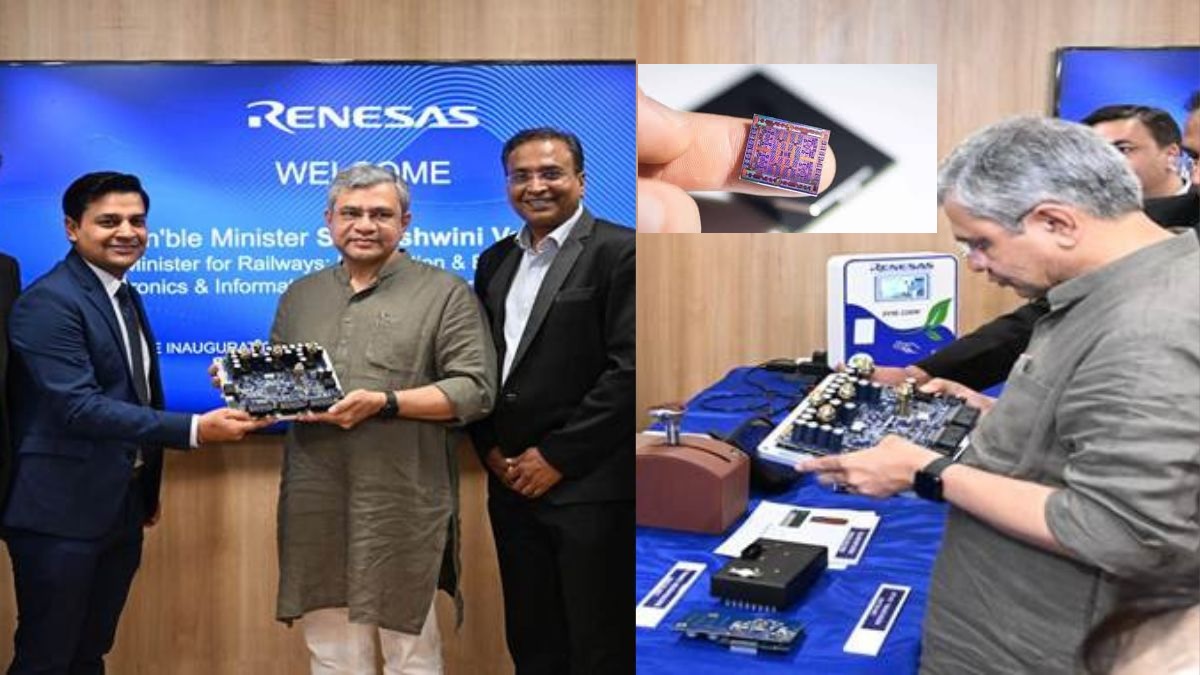
India
India has achieved a significant milestone in the semiconductor industry with the inauguration of its first 3-nanometer (3nm) chip design centres in Noida and Bengaluru. These state-of-the-art facilities, established by Renesas Electronics India Private Limited, were officially opened by Union Minister for Electronics & Information Technology, Railways, and Information & Broadcasting, Shri Ashwini Vaishnaw. This development marks India's entry into the advanced segment of chip design, positioning the country alongside global leaders in semiconductor innovation. Advancing to 3nm Technology The transition to 3nm chip design represents a significant technological advancement. Compared to previous generations like 7nm and 5nm, 3nm chips offer enhanced performance, reduced power consumption, and greater efficiency. These attributes are crucial for a wide range of applications, including smartphones, laptops, servers, medical devices, defense equipment, and automobiles. Minister Vaishnaw emphasized that this move sets a new standard in India's semiconductor capabilities. Strengthening the Semiconductor Ecosystem The Indian government is actively working to develop a comprehensive semiconductor ecosystem. This includes not only chip design but also fabrication, assembly, testing, marking, and packaging (ATMP), as well as the establishment of robust supply chains for equipment, chemicals, and gases. Global confidence in India's semiconductor vision is evident, with significant investments from companies like Applied Materials and Lam Research. Empowering Talent and Innovation To nurture a skilled workforce, the government has introduced a semiconductor learning kit aimed at enhancing practical hardware skills among engineering students. Over 270 academic institutions have already received advanced Electronic Design Automation (EDA) software tools under the India Semiconductor Mission. These institutions will now also receive hands-on hardware kits, integrating software and hardware learning to produce industry-ready engineers. This initiative is part of a broader strategy to invest in long-term talent development. Renesas' Commitment to India Renesas Electronics views India as a strategic cornerstone for its operations. The company is expanding its end-to-end semiconductor capabilities in the country, from architecture to testing. Through government-backed initiatives like the Chips to Startup (C2S) Program and the Design Linked Incentive (DLI) Scheme, Renesas supports over 250 academic institutions and numerous startups. The company's growing presence in India underscores its commitment to fostering innovation and contributing to the global semiconductor lifecycle. A Vision for Self-Reliance Minister Vaishnaw expressed gratitude to Prime Minister Shri Narendra Modi for prioritizing semiconductors as a strategic focus under the Aatmanirbhar Bharat vision. He highlighted that within just three years, India's semiconductor industry has evolved from a nascent stage to an emerging global hub. With the increasing demand for semiconductors across various sectors, this momentum is timely and positions India for sustainable growth in the industry. The inauguration of the 3nm chip design centres in Noida and Bengaluru signifies a pivotal step in India's journey towards technological self-reliance and global competitiveness in the semiconductor sector.
Read More → Posted on 2025-05-16 15:01:12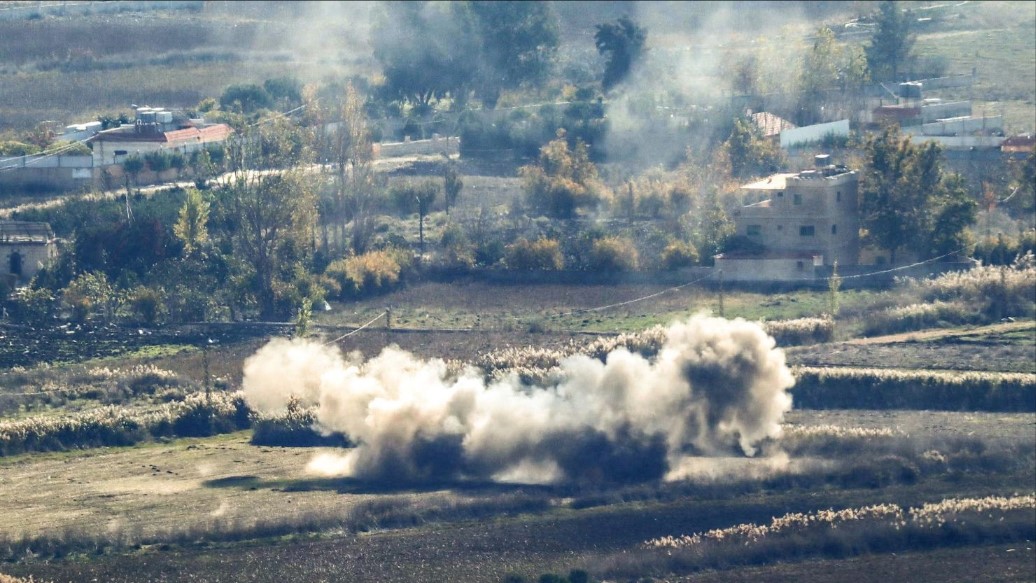
World
In a recent development, the Israeli military announced the elimination of a Hezbollah militant in southern Lebanon, marking the second such incident in as many days. The strike occurred in the Arnoun area, where the individual was reportedly attempting to re-establish Hezbollah's infrastructure. Lebanon's health ministry confirmed one fatality resulting from the drone strike targeting a vehicle on the Arnoun–Yahmor road. This action follows a similar operation the previous day, where Israel claimed to have neutralized a Hezbollah commander in the Qabrikha region. These events transpire despite a ceasefire agreement established on November 27, 2024, aimed at halting over a year of hostilities between Israel and Hezbollah. Ceasefire Terms and Ongoing Tensions The ceasefire, brokered with international support, stipulated that Hezbollah would withdraw its forces north of the Litani River, approximately 30 kilometers from the Israeli border, and dismantle military infrastructure in southern Lebanon. In return, Israel agreed to withdraw its troops from Lebanese territory. However, both parties have accused each other of violating the agreement. Israel contends that Hezbollah has not fully retreated beyond the Litani River and continues to maintain a presence in prohibited areas. Conversely, Hezbollah and the Lebanese government allege that Israel has not completed its troop withdrawal and has conducted operations within Lebanese territory. International Concerns and the Path Forward The United Nations Interim Force in Lebanon (UNIFIL) has expressed concern over the situation, urging both sides to adhere strictly to the ceasefire terms. UNIFIL has also called for the deployment of the Lebanese Armed Forces in the south to ensure stability and prevent further escalations. As tensions persist, the international community watches closely, emphasizing the importance of upholding the ceasefire to prevent a resurgence of conflict in the region. The situation remains delicate, with the potential for further incidents if the terms of the agreement are not fully implemented by all parties involved.
Read More → Posted on 2025-05-16 14:54:53
World
In a significant development, Russia and Ukraine have agreed to exchange 1,000 prisoners of war (POWs) each, marking the largest such swap since the onset of their conflict in 2022. This agreement emerged from the first direct peace talks between the two nations in over three years, held in Istanbul on May 16, 2025. The Russian delegation was led by Vladimir Medinsky, while Ukraine's team was headed by Defense Minister Rustem Umerov. The Istanbul meeting, facilitated by Turkish Foreign Minister Hakan Fidan, concluded without a formal ceasefire agreement. However, both sides committed to submitting detailed proposals for a potential ceasefire in the near future. Ukraine has advocated for a 30-day unconditional ceasefire and proposed a high-level meeting between Presidents Volodymyr Zelenskyy and Vladimir Putin. Russia has acknowledged the proposal but has not yet agreed to such a summit. Despite the absence of a comprehensive peace agreement, the prisoner exchange is viewed as a positive step toward de-escalation. Previous exchanges have been facilitated by international mediators, including the United Arab Emirates, and have involved smaller numbers of detainees. This latest agreement underscores a mutual willingness to engage in dialogue, even as significant differences remain. The ongoing conflict has resulted in substantial casualties and displacement. While the prisoner swap offers a glimmer of hope, both nations face challenges in reaching a lasting resolution. Continued international support and diplomatic efforts are essential to advancing peace and stability in the region.
Read More → Posted on 2025-05-16 14:43:09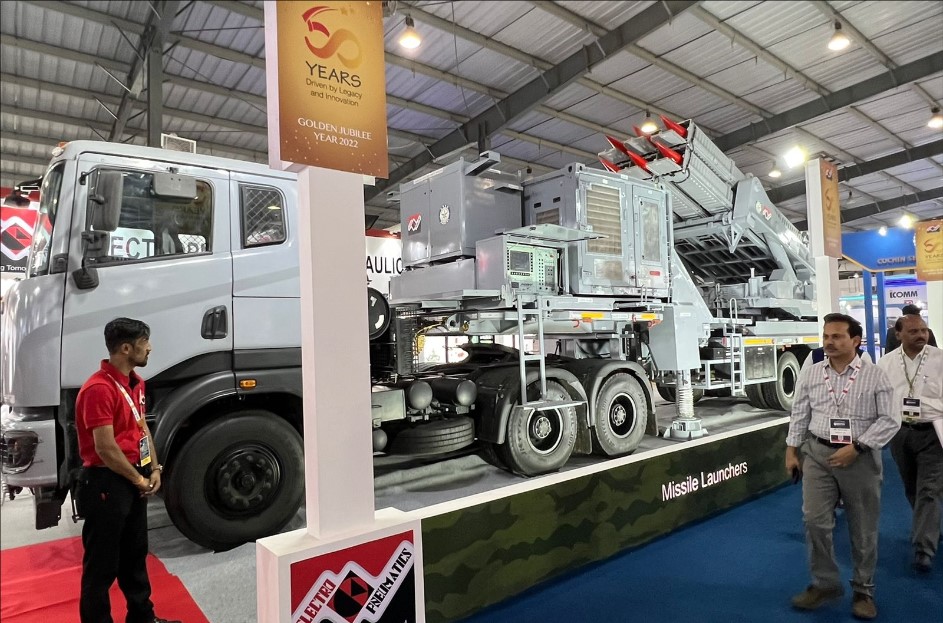
India
Armenia is preparing to take a major step in strengthening its military capabilities by expressing interest in acquiring India’s advanced Akash-NG (Next Generation) surface-to-air missile system. This move would make Armenia the first international customer of the Akash-NG once it enters production, building upon a fast-growing defence partnership between the two countries. Armenia’s Deepening Defence Ties with India In recent years, Armenia has emerged as one of the key buyers of Indian defence products. Back in 2022, the country signed a $720 million agreement for 15 Akash-1S missile systems. The first set of these air defence systems was delivered in November 2024, while the second batch is scheduled for delivery after July 2025. Besides Akash missiles, Armenia has also purchased Pinaka multi-barrel rocket launchers and 155mm artillery guns from India. These deals have not only strengthened Armenia’s military but have also positioned it as one of India’s top three defence export destinations, alongside the United States and France. Following the successful performance of the Akash-1S system, which uses indigenous seeker technology to intercept various aerial threats, Armenia is now eyeing the more powerful and advanced Akash-NG system. What Makes Akash-NG Special? The Akash-NG is a significant upgrade over its predecessors in India’s surface-to-air missile defence line-up. Developed by the Defence Research and Development Organisation (DRDO), this system offers several modern features that make it ideal for countering today’s aerial threats, including fighter jets, drones, cruise missiles, and precision-guided munitions. Key Specifications of Akash-NG: Range: 70-80 kilometres (compared to Akash-1S’s 25-30 km range) Altitude Coverage: From 30 meters to 14 kilometres Propulsion: Dual-pulse solid rocket motor, making it faster and lighter than earlier variants Radar: Active Electronically Scanned Array (AESA) Multi-Function Radar Seeker: Ku-band active radar seeker for accurate terminal guidance Reaction Time: Missile launch within 10 seconds of target detection Salvo Launch Capability: Can fire 3 missiles within 20 seconds Deployment Time: Less than 20 minutes from transport to firing position Multi-Target Engagement: Can simultaneously track and engage several threats High Resistance to Jamming: Designed to operate effectively in dense electronic warfare situations This next-generation system is also fully canisterised, which improves its mobility and operational flexibility in various terrains. Why is Armenia Interested? Armenia’s growing interest in Akash-NG comes in the aftermath of the 2020 Nagorno-Karabakh conflict, where the country faced significant challenges against drones and modern air threats, particularly from Turkish-made Bayraktar TB2 drones used by Azerbaijan. This conflict exposed gaps in Armenia’s air defence network. While the Akash-1S has helped close some of these gaps, its range is limited to 30 kilometres. The Akash-NG, with its nearly three times greater range and advanced targeting systems, would give Armenia a much stronger shield against potential aerial attacks and allow for a layered air defence strategy. Additionally, Armenia is keen to diversify its military suppliers. Historically, over 90% of its weapons came from Russia between 2011 and 2020. By sourcing modern systems from India, Armenia not only strengthens its military but also reduces dependency on any single supplier, especially at a time when regional geopolitics are shifting. When Will Akash-NG Be Ready? The Akash-NG is currently in its final development and testing stages. Production is expected to begin in 2026, although there could be minor delays due to ongoing user trials. The system was successfully tested in 2021 and has since shown promising results. Production will be undertaken by Bharat Dynamics Limited (BDL) and Bharat Electronics Limited (BEL), alongside private sector partners like Electropneumatics and Hydraulics India under India’s Development cum Production Partner initiative. Before being offered for export, the Akash-NG is expected to secure orders from India’s own armed forces, which is a standard practice for India’s indigenous defence systems. Regional and Geopolitical Impact Armenia’s possible acquisition of the Akash-NG would likely reshape military dynamics in the South Caucasus. Though defensive in nature, such systems are vital to protecting critical infrastructure, military bases, and cities from airborne threats. However, neighbouring Azerbaijan and its close ally Turkey may view this move with concern, especially at a time when peace talks remain sensitive following the recent conflict. The deal also signifies India’s growing role as a global defence supplier, willing to export advanced systems to countries dealing with complex security situations. For India, it’s a strategic leap, as defence exports play a growing role in its ambitions to become a self-reliant military power and a significant player in the global arms market. Conclusion Armenia’s expressed interest in becoming the first international customer of India’s Akash-NG air defence system marks an important milestone in the defence relationship between the two countries. It reflects Armenia’s efforts to modernise its military and secure its airspace while also highlighting India’s emergence as a trusted and capable defence exporter. As production of the Akash-NG nears its start, this partnership could set the stage for more such deals in the future — not just with Armenia, but with other nations looking for reliable, modern, and cost-effective air defence solutions.
Read More → Posted on 2025-05-16 14:37:25
India
India’s Defence Minister, Rajnath Singh, recently stirred a global conversation by questioning the security of Pakistan's nuclear weapons. Speaking to troops at the Badami Bagh Cantonment in Jammu and Kashmir, Singh voiced his concerns about Pakistan’s nuclear arsenal, referring to the country as an “irresponsible and rogue nation.” He called for Pakistan’s nuclear weapons to be brought under the supervision of the International Atomic Energy Agency (IAEA), raising speculation about whether India intends to mount a diplomatic effort to challenge Pakistan’s nuclear program. Why the IAEA Cannot Directly Control Pakistan's Nukes Despite the Defence Minister’s statement, the reality is more complex than it appears. The IAEA’s authority is primarily rooted in agreements related to the Nuclear Non-Proliferation Treaty (NPT). Countries that have signed the NPT, such as Iran, are subject to IAEA inspections and controls, especially if they develop nuclear weapons or engage in nuclear activities deemed non-compliant. However, Pakistan is not a signatory to the NPT and has developed its nuclear weapons independently of this treaty framework. As such, Pakistan has not committed to full-scope safeguards that would allow the IAEA to monitor or inspect its military nuclear sites. This effectively limits the IAEA’s role to inspecting only civilian nuclear activities in Pakistan—those that the country voluntarily places under scrutiny. For the IAEA to gain control or even supervisory power over Pakistan's nuclear arsenal, there would have to be either voluntary compliance from Pakistan or a legally binding resolution from the United Nations Security Council (UNSC). The Role of the United Nations and Geopolitical Realities The UNSC can, in theory, impose sanctions or demand international oversight of nuclear programs when it deems them a threat to global peace. However, this process is laden with political hurdles, particularly for a non-NPT state like Pakistan. Unlike Iran, which faced sanctions as an NPT member in violation of its commitments, Pakistan’s nuclear program exists entirely outside the NPT’s jurisdiction. Moreover, imposing sanctions or mandating IAEA supervision would require the support of at least nine of the 15 UNSC members, without a veto from any of the five permanent members—China, Russia, the United States, the United Kingdom, and France. Given Pakistan’s strategic relationship with China, it is highly likely that Beijing would block any resolution that directly challenges Pakistan’s nuclear sovereignty. Diplomatic Implications of Singh’s Remarks While Singh’s comments have sparked international debate, they do not indicate an immediate diplomatic move by India to formally challenge Pakistan's nuclear program at the IAEA or the UNSC. Nonetheless, his remarks reflect India’s long-standing concerns about nuclear security and the risks posed by Pakistan’s arsenal, particularly amid periods of heightened military tension. This latest exchange comes in the wake of a series of recent skirmishes along the Line of Control (LoC), where both nations conducted military strikes and counterstrikes earlier this month. Singh’s address also included a strong message on India’s commitment to defending its sovereignty, following a major anti-terror operation termed “Operation Sindoor.” A Global Question of Nuclear Safety Singh’s statement underscores a recurring question in international security: Should the global community intervene when a nation perceived as unstable or irresponsible possesses nuclear weapons? While the IAEA's current mandate limits its role, Singh’s call for supervision signals India's concerns and hints at potential diplomatic dialogues to address perceived threats posed by Pakistan’s nuclear capabilities. In the absence of a formal international mechanism to address this issue, Singh’s remarks seem more a diplomatic nudge than a concrete proposal. Yet, they reflect India’s strategic posture in a region where nuclear risk remains an ever-present concern.
Read More → Posted on 2025-05-15 17:40:35
World
HENSOLDT, a prominent German defense technology company, has been commissioned by the Federal Office of Bundeswehr Equipment, Information Technology and In-Service Support (BAAINBw) to upgrade the ASUL drone defense system. This initiative aims to bolster the German Armed Forces' capabilities in detecting, classifying, and neutralizing unmanned aerial systems (UAS) in real-time. Understanding the ASUL System ASUL, an acronym for "Abwehrsystem gegen unbemannte Luftfahrzeuge," is a modular counter-UAS (C-UAS) platform developed by ESG Elektroniksystem- und Logistik-GmbH, a subsidiary of HENSOLDT. Introduced in 2022, the system integrates various technologies to provide comprehensive protection against small drones, particularly those weighing up to 25 kilograms. Key components of the ASUL system include: Spexer2000 3D Radars: These high-resolution radars offer precise detection capabilities, especially against asymmetric threats. Z:NightOwl M Cameras: These cameras provide day and night vision, enhancing the system's ability to identify and track drones under various lighting conditions. ARDRONIS Radio Frequency Direction Finders: Developed by Rohde & Schwarz, these devices detect and locate the control signals of UAS, aiding in identifying the drone's operator. Remote-Controlled Jammers: These are capable of neutralizing drones by disrupting their control signals, effectively rendering them inoperative. The system is container-based, comprising two transportable units: a 10-foot container housing the detection equipment and a 20-foot container equipped with the jamming systems. The Upgrade Initiative Building upon operational experiences and technological advancements, HENSOLDT's upgrade of the ASUL system focuses on enhancing its performance to meet evolving threats. A significant aspect of this upgrade is the integration of the Elysion Mission Core, an AI-supported platform that merges data from multiple sensors in near real-time, providing operators with improved situational awareness and decision-making support. Daniela Hildenbrand, Head of Counter-UAS Solutions at HENSOLDT, emphasized the importance of scalable multi-sensor, multi-effector solutions that offer command and control superiority through the Elysion Mission Core. Operational Deployment and Future Outlook The ASUL system has been effectively deployed in various scenarios, including the 2015 G7 summit in Elmau, demonstrating its capability in real-world operations. The ongoing upgrades aim to ensure that the German Armed Forces remain equipped to counter the growing threat of uncooperative drones, thereby maintaining effective airspace security. HENSOLDT's commitment to innovation and its role as a pioneer in counter-UAS technology underscore its dedication to enhancing national defense capabilities through advanced sensor integration and software improvements.
Read More → Posted on 2025-05-15 17:36:45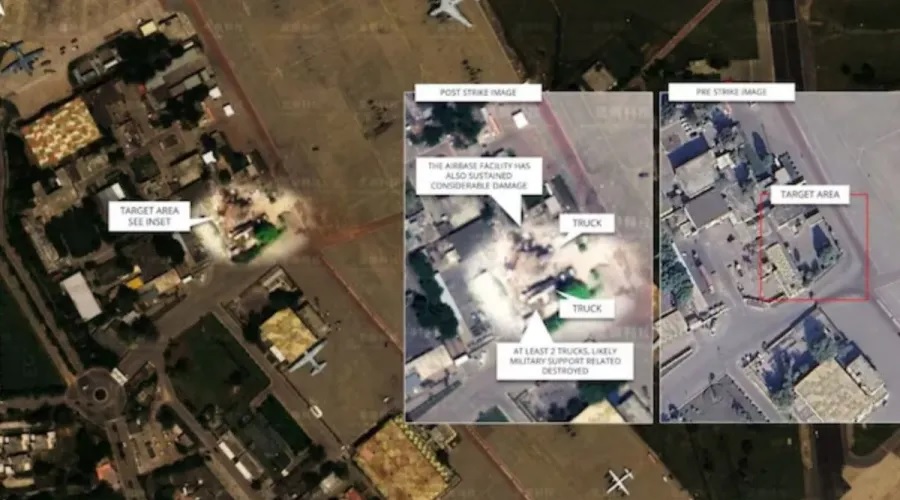
India
In a decisive military response, the Indian Air Force (IAF) launched Operation Sindoor on May 10, 2025, targeting key installations of the Pakistan Air Force (PAF). This operation was a direct retaliation to the terrorist attack in Pahalgam on April 22, which resulted in the loss of 26 Indian civilians. Strategic Execution and Targets Operation Sindoor was meticulously planned to minimize collateral damage while maximizing impact on Pakistan's military capabilities. The IAF employed advanced weaponry, including the BrahMos supersonic cruise missile, HAMMER, and SCALP missiles, to carry out precision strikes. Notably, this marked the first combat use of the BrahMos missile, renowned for its speed and accuracy. The operation targeted over a dozen PAF bases, including: Nur Khan (Chaklala, Rawalpindi): A critical base housing transport aircraft and AWACS systems. Satellite imagery indicated significant damage to runways and infrastructure. Rafiqui (Shorkot, Punjab): Hosting JF-17 and Mirage 5 squadrons, this base's runway sustained heavy damage, affecting rapid deployment capabilities. Murid (Chakwal, Punjab): Known for its drone fleet, including Bayraktar TB2s and Wing Loong IIs, the base's UAV infrastructure was reportedly neutralized. Sukkur (Bholari, Sindh): A newer base operating AWACS, F-16s and JF-17s, with satellite images confirming a direct hit on a quick-reaction alert hangar. Sialkot and Pasrur (Punjab): Forward operating bases near the Line of Control, with radar sites and air defense units destroyed. Chunian (Punjab): An operational base with disrupted radar and communication systems. Sargodha (Mushaf, Punjab): Housing the Central Air Command and nuclear-capable aircraft, the base suffered runway damage and asset losses. Skardu (PoK): A strategic northern base, with damage degrading Pakistan's surveillance and air operational capabilities. Jacobabad (Shahbaz, Sindh): Hosting F-16s and AW139 helicopters, with extensive damage to hangars and support areas. Rahim Yar Khan (Punjab): A forward base with its runway rendered non-operational due to a large crater. Impact on Pakistan's Air Force The strikes resulted in the destruction of approximately 20% of Pakistan's air force infrastructure. This includes damage to runways, hangars, command and control centers, and several fighter aircraft, such as JF-17 Thunders and F-16 Fighting Falcons. The loss of these assets significantly diminishes Pakistan's capacity to conduct offensive air operations. Technological and Strategic Prowess India's use of advanced indigenous weaponry and precision targeting showcased its technological and strategic capabilities. The operation demonstrated India's ability to conduct deep strikes into enemy territory with minimal collateral damage, reinforcing its position in the region. Aftermath and Ceasefire Following the extensive damage inflicted by Operation Sindoor, a ceasefire was declared on May 13, 2025. While both nations claimed victory, the operation underscored India's commitment to defending its sovereignty and responding decisively to acts of terrorism. Operation Sindoor stands as a testament to India's military precision and strategic planning. By targeting critical components of Pakistan's air force infrastructure, India delivered a significant blow to its adversary's offensive capabilities, reinforcing its stance against terrorism and aggression.
Read More → Posted on 2025-05-15 17:25:36
India
In May 2025, a sharp shift in Indian outbound travel patterns emerged as calls to boycott Turkey and Azerbaijan gained momentum. This movement was largely driven by public backlash against the two countries’ perceived support for Pakistan during recent border tensions with India. The slogan "nation first" has resonated widely, translating into concrete travel decisions as Indian tourists cancel or defer trips to these destinations. Surge in Cancellations and Booking Decline Travel platforms have reported a dramatic surge in cancellations and a steep drop in new bookings: Over 2,000 cancellations and rescheduling requests for trips to Istanbul and Baku were recorded within a single week, affecting travel plans over the next three months. Cleartrip reported a 260% increase in cancellations to Turkey and Azerbaijan in just seven days. MakeMyTrip saw bookings to these destinations fall by 60%, with cancellations rising by 250% over the same period. Yatra noted that more than 50% of holiday packages to these countries were cancelled since May 7. EaseMyTrip reported 22% cancellations for Turkey and 30% for Azerbaijan, reflecting a significant dip in travel sentiment. Although the 2,000+ cancellations represent less than 5% of all bookings to the two countries, the rapid escalation signals a broader shift in traveller sentiment, with many Indians opting to delay or redirect their trips in response to the geopolitical climate. Industry and Corporate Response The travel industry has responded robustly to the national mood: Major travel platforms such as MakeMyTrip, Cleartrip, and Yatra have issued advisories discouraging non-essential travel to Turkey and Azerbaijan, discontinued promotions, and suspended new bookings for these destinations. Industry bodies like the Travel Agents Association of India (TAAI) and the Travel Agents Federation of India (TAFI) have formally announced a halt in promoting or selling packages to these countries. Prominent travel entrepreneurs and state associations have echoed the sentiment, emphasizing that national security and dignity take precedence over business interests. Financial Impact The financial repercussions for Turkey and Azerbaijan are significant: In 2024, nearly 3.3 lakh Indians visited Turkey, spending an estimated $350–400 million (₹42.9 billion), while Azerbaijan welcomed 2.4 lakh Indian travellers, with Indian spending around ₹12,600 crores. Indian tourists are known for high-value travel, often spending ₹2.9–3.35 lakh per trip in Turkey and ₹1–1.25 lakh in Azerbaijan, particularly in luxury segments like destination weddings, corporate retreats, and MICE (Meetings, Incentives, Conferences, and Exhibitions). The sudden drop in Indian visitors is expected to hit these lucrative segments hard, with both countries facing the loss of millions in revenue from outbound Indian tourism. Flight Operations and Changing Preferences Despite the cancellations, direct flights between India and Turkey or Azerbaijan remain operational, though demand has plummeted. IndiGo and Turkish Airlines continue to run daily services to Istanbul, and IndiGo maintains the only direct connection to Baku. However, travel agencies report a sharp fall in new enquiries, with many travellers seeking refunds or rescheduling to other destinations. Indian tourists are now favouring alternative destinations, with Southeast Asian countries such as Thailand, Vietnam, Malaysia, Singapore, and Indonesia emerging as top choices due to their affordability and ease of travel. Georgia, Morocco, and Cambodia are also gaining popularity for their safety and accessibility. A Clear Message from Indian Tourists The boycott movement against Turkey and Azerbaijan has triggered a swift and significant downturn in Indian travel to these countries. With over 2,000 cancellations in a matter of days, a steep drop in bookings, and a strong industry-wide response, the financial and reputational impact on the tourism sectors of both nations is substantial. As Indian travellers pivot to alternative destinations, the message is clear: geopolitical considerations are now a decisive factor in shaping travel trends from one of the world’s fastest-growing outbound markets.
Read More → Posted on 2025-05-15 17:05:34
India
In a significant boost to India’s self-reliance in defence technology, the Defence Research and Development Organisation (DRDO) has successfully developed an indigenous seawater desalination technology specially designed for Indian warships. This new innovation promises to enhance the operational efficiency and safety of Indian naval forces patrolling coastal waters and far-off seas. What is Seawater Desalination? Desalination is the process of removing salts and other impurities from seawater to make it fit for drinking and other uses. For warships operating in the open sea for extended durations, the availability of fresh water is always a critical concern. Carrying large quantities of freshwater is not practical due to limited storage space. That’s why onboard desalination plants are essential. A Breakthrough with Indigenous Polymeric Membranes The new desalination technology has been developed by the Defence Materials Stores and Research and Development Establishment (DMSRDE), a DRDO laboratory based in Kanpur. The key feature of this system is a nanoporous multilayered polymeric membrane designed to function effectively under high pressure in seawater desalination systems. One of the biggest challenges in using desalination membranes onboard ships is their stability when exposed to chloride ions present in saline water. Prolonged exposure can weaken membranes and reduce their efficiency. The indigenous membranes developed by DRDO overcome this issue, ensuring both durability and long-term performance. Quick Development and Successful Trials Impressively, this advanced technology was developed in just eight months, addressing the urgent operational needs of the Indian Coast Guard (ICG). Initial technical trials were conducted on an existing desalination plant installed on an Offshore Patrolling Vessel (OPV) of the Coast Guard. The trials tested the safety, performance, and efficiency of the new membranes under real operating conditions at sea. The results were fully satisfactory, meeting all the critical parameters. The final operational clearance will be granted after 500 hours of continuous operational testing on the vessel. Specifications and Key Features Type: Nanoporous multilayered polymeric membrane Use: High-pressure seawater desalination Key Advantage: High resistance to chloride ions in saline water Operational Life: Under testing — designed for long operational hours at sea Development Time: Completed within 8 months Applications: Warships and Coast Guard vessels Potential for coastal community desalination plants after modifications This technology not only strengthens India’s naval capabilities but also holds potential for use in coastal areas where fresh water scarcity is a serious issue. A Step Towards Aatmanirbhar Bharat The successful development of this desalination technology reflects DRDO’s commitment to the vision of Aatmanirbhar Bharat (Self-Reliant India). It reduces dependence on foreign technology and adds to India’s growing list of indigenous defence innovations. Over the years, DRDO has been at the forefront of developing critical systems for the armed forces, including the Agni and Prithvi missile series, Tejas light combat aircraft, Pinaka multi-barrel rocket launcher, Akash air defence system, and various advanced radars, electronic warfare systems, and combat vehicles. With a network of 41 advanced laboratories and 5 Young Scientist Laboratories (DYSLs), DRDO is actively working across various fields such as aeronautics, armaments, engineering, life sciences, and naval systems. The indigenous seawater desalination technology marks another important milestone for India’s defence sector. It ensures uninterrupted fresh water supply for Indian warships, enhances operational sustainability, and strengthens India’s capability to independently develop and deploy critical defence systems tailored to its unique operational needs.
Read More → Posted on 2025-05-15 17:00:48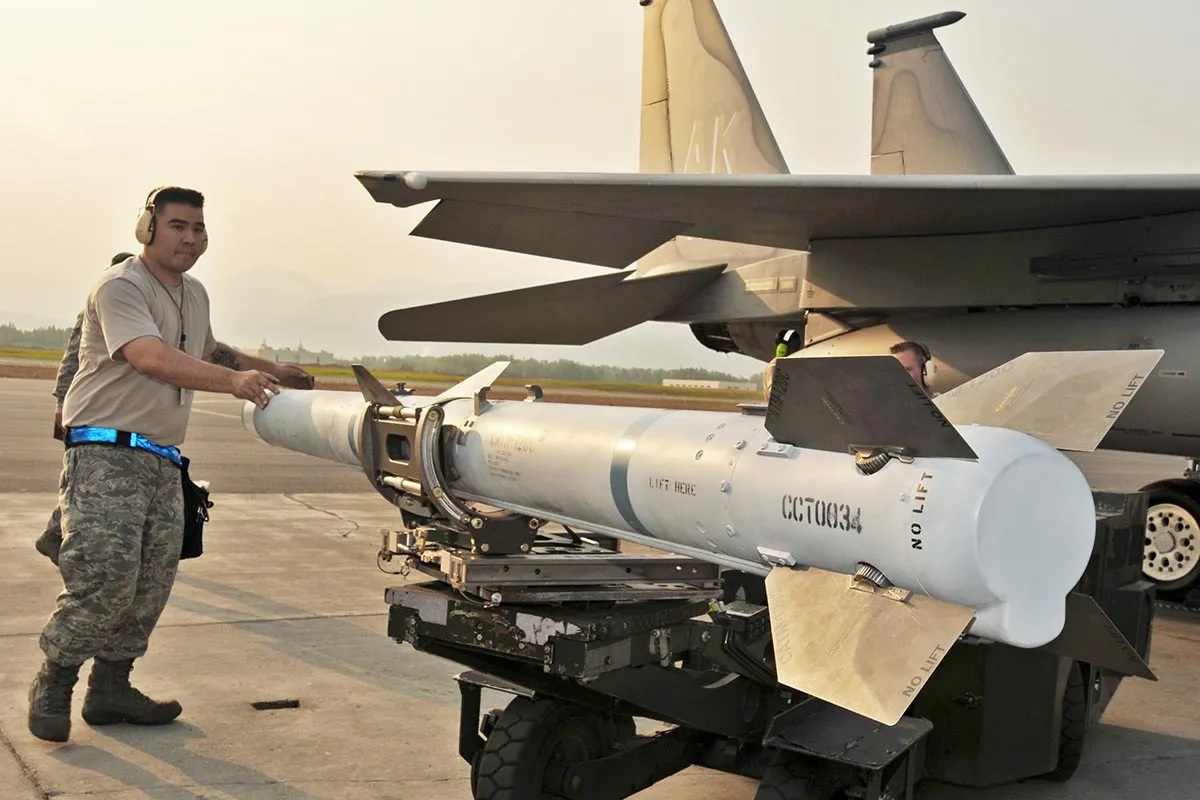
World
The U.S. State Department has approved a potential Foreign Military Sale to Türkiye, involving the latest AIM-120C-8 Advanced Medium-Range Air-to-Air Missiles (AMRAAM). The deal, valued at approximately $225 million, includes 53 AIM-120C-8 missiles, six guidance sections, and various support equipment. What Are AIM-120C-8 AMRAAM Missiles? The AIM-120C-8 is a modern air-to-air missile designed for beyond-visual-range engagements. It features active radar homing, allowing it to track and engage targets independently after launch. This "fire-and-forget" capability enables pilots to engage multiple threats simultaneously without continuous guidance. Details of the Sale In addition to the missiles and guidance sections, the package includes: AMRAAM containers and support equipment Common Munitions Built-in-Test Reprogramming Equipment (CMBRE) Spare parts, consumables, and accessories Repair and return support Weapons system support and software Classified software delivery Technical documentation Various logistical and technical services The principal contractor for this sale will be RTX Corporation, formerly known as Raytheon Technologies. Strategic Importance The U.S. State Department states that this sale aims to bolster the foreign policy and national security objectives of the United States. Enhancing Türkiye's air defense capabilities supports the security of a NATO ally that plays a significant role in maintaining political and economic stability in Europe. The integration of these missiles into Türkiye's armed forces is expected to be seamless, as they are compatible with existing platforms like the F-16 aircraft. The sale is not anticipated to alter the fundamental military balance within the region. This approved sale underscores the ongoing defense cooperation between the United States and Türkiye. By providing advanced missile technology, the U.S. supports its ally in enhancing its air defense capabilities, contributing to regional stability and mutual security interests.
Read More → Posted on 2025-05-15 16:19:36
India
In a significant move reflecting India's growing concerns over national security, the government has revoked the security clearance of Celebi Airport Services India Pvt. Ltd, a Turkish ground handling firm. The decision, taken by the Bureau of Civil Aviation Security (BCAS), is effective immediately and is rooted in heightened security apprehensions stemming from recent geopolitical developments. Diplomatic Tensions and Security Concerns The revocation follows a period of escalating diplomatic friction between India and Turkey. Tensions surged after Turkey openly backed Pakistan in the aftermath of the Pahalgam terror attack and India's subsequent Operation Sindoor. The situation further intensified when intelligence reports confirmed the deployment of Turkish-origin unmanned aerial vehicles (UAVs) by Pakistan during recent border conflicts. Indian authorities emphasized that this decision was driven by "concrete evidence of hostile technologies" being used against India, raising questions about the security of sensitive airport operations. Celebi’s Operations in India Celebi Airport Services, a significant player in India's aviation ground handling sector, managed operations at nine major airports, including Delhi, Mumbai, Bangalore, Hyderabad, Goa, Cochin, and Kannur. The company handled critical functions like passenger services, cargo and postal services, load control, flight operations, and warehouse management. At Mumbai airport alone, Celebi managed approximately 70% of the ground handling activities. Given the strategic nature of these operations, the clearance revocation marks a pivotal shift, especially considering the volume of airport traffic and the sensitivity of operations at these major hubs. The government's decision underscores its commitment to safeguarding national security, particularly amid increasing global security challenges. Strategic Realignment in Foreign Policy The cancellation is not just a security decision but also a reflection of India's evolving foreign policy. In response to Turkey's continued support for Pakistan, especially on issues like Kashmir, India has strategically realigned itself by strengthening ties with Turkey's regional adversaries such as Greece, Armenia, and Cyprus. Additionally, domestic campaigns urging boycotts of Turkish products and services have gained traction. What Lies Ahead? With Celebi's abrupt exit, the operational gap at the affected airports needs to be addressed swiftly. The government is expected to assign the ground handling responsibilities to other companies like AISATS and Bird Group temporarily, while new tenders may be floated to find a permanent replacement. This move is also seen as a way to mitigate any potential disruption in airport services and maintain seamless operations. The cancellation of Celebi's security clearance is a direct consequence of the current geopolitical climate, underscoring India's resolve to protect its strategic interests. As the government moves to reallocate ground handling operations, the decision also highlights a broader recalibration of India's diplomatic stance concerning countries perceived as threats to its national security.
Read More → Posted on 2025-05-15 16:16:21
World
In a bold and innovative experiment, the UK military has successfully launched first-person view (FPV) drones from a CH-47 Chinook helicopter. This tactical experiment is seen as a major leap in drone deployment, offering the Royal Air Force (RAF) a dynamic new capability for rapid and efficient missions in contested environments. A New Tactical Approach FPV drones are typically launched from static ground positions, requiring secure sites and time-consuming preparations. This conventional method not only limits flexibility but also exposes personnel to potential enemy fire. However, the latest UK military experiment has turned this approach on its head by deploying FPV drones mid-air from a moving helicopter. By launching drones directly from a Chinook helicopter, the RAF can bypass the usual challenges associated with ground-based operations. The CH-47 Chinook, known for its spacious cargo bay and rear ramp, proved to be an ideal platform for this aerial deployment, especially when operating from forward bases. Versatile and Efficient Operations One of the most significant advantages demonstrated during the experiment was the ability of FPV drones to perform multiple missions within a single flight. These drones are built for reconnaissance, electronic jamming, and even direct strikes against hostile targets. This means that instead of relying on multiple specialized platforms, a single FPV drone can take on several roles, significantly boosting operational efficiency. The airborne launch capability also means that FPV drones can be delivered directly into combat zones or behind enemy lines without risking ground troops. This innovative approach enhances the RAF's ability to conduct rapid and flexible operations, particularly in hostile environments where secure launch sites are scarce or heavily contested. Strategic Implications The UK military’s move toward FPV drone deployment from helicopters reflects a broader shift in modern warfare strategies. The RAF noted that the decision to embrace FPV drones stems from their demonstrated effectiveness in recent conflicts, the tactical advantages they bring to the battlefield, and their alignment with future defense strategies. Additionally, training personnel to operate these drones has proven to be rapid and efficient, making them an attractive option for modernizing the force. Looking ahead, the RAF envisions using Chinook-launched FPV drones for airborne swarming tactics, overwhelming enemy defenses, disrupting communication networks, or providing real-time intelligence without the typical logistical constraints. This groundbreaking experiment highlights the UK’s commitment to integrating cutting-edge technology into its tactical doctrine, setting a precedent for the future of drone warfare.
Read More → Posted on 2025-05-15 16:12:09Search
Top Trending in 24 Hours
-
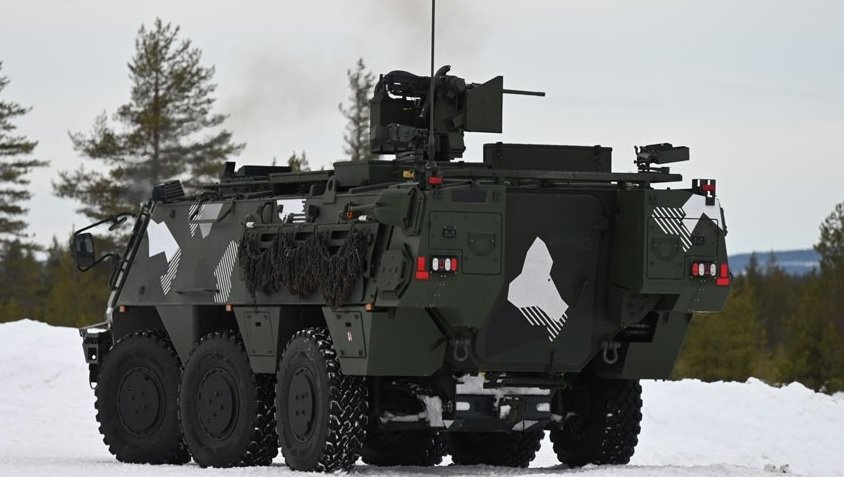 Kongsberg Wins $120 Million Contract for More Protector RS4 Systems for Canadian Army
-
 Lockheed Martin Demonstrates AI-Powered Sonar System With U.S. Navy at RIMPAC 2026
-
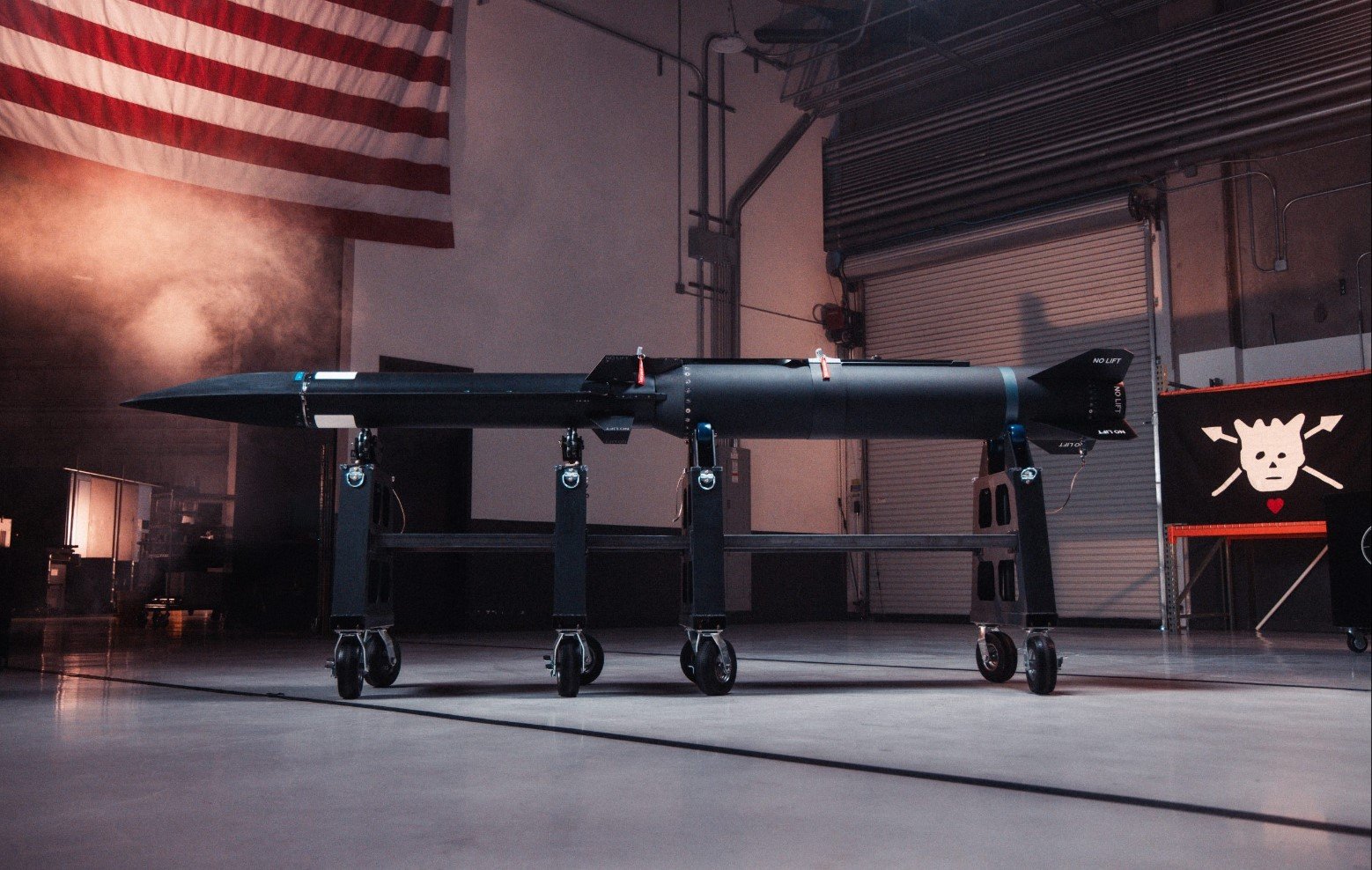 Castelion Secures $1 Billion Funding to Scale Production of Blackbeard Hypersonic Missile
-
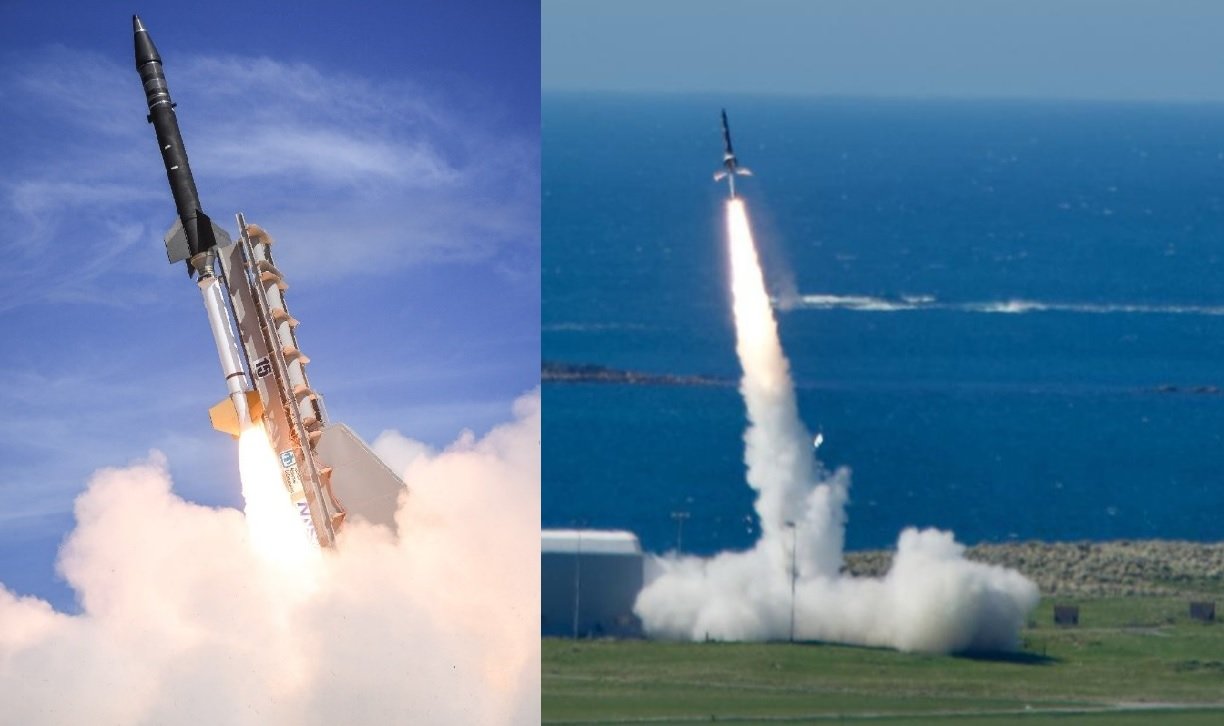 US Navy Launches ARAV-6 Missile Target During Multinational Pacific Dragon 2026 Exercise
-
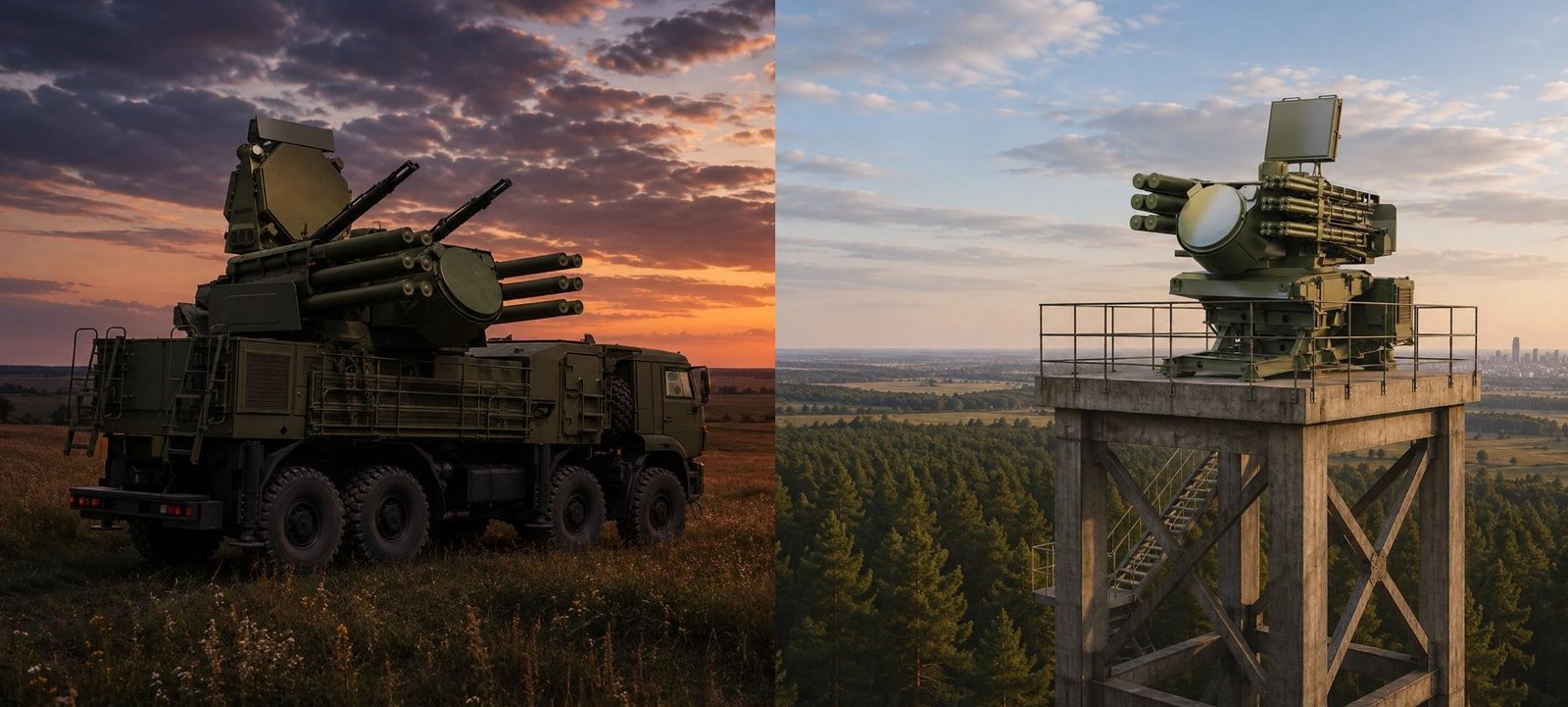 Russia Receives New Batch of Pantsir-S and Pantsir-SMD Air Defense Systems
-
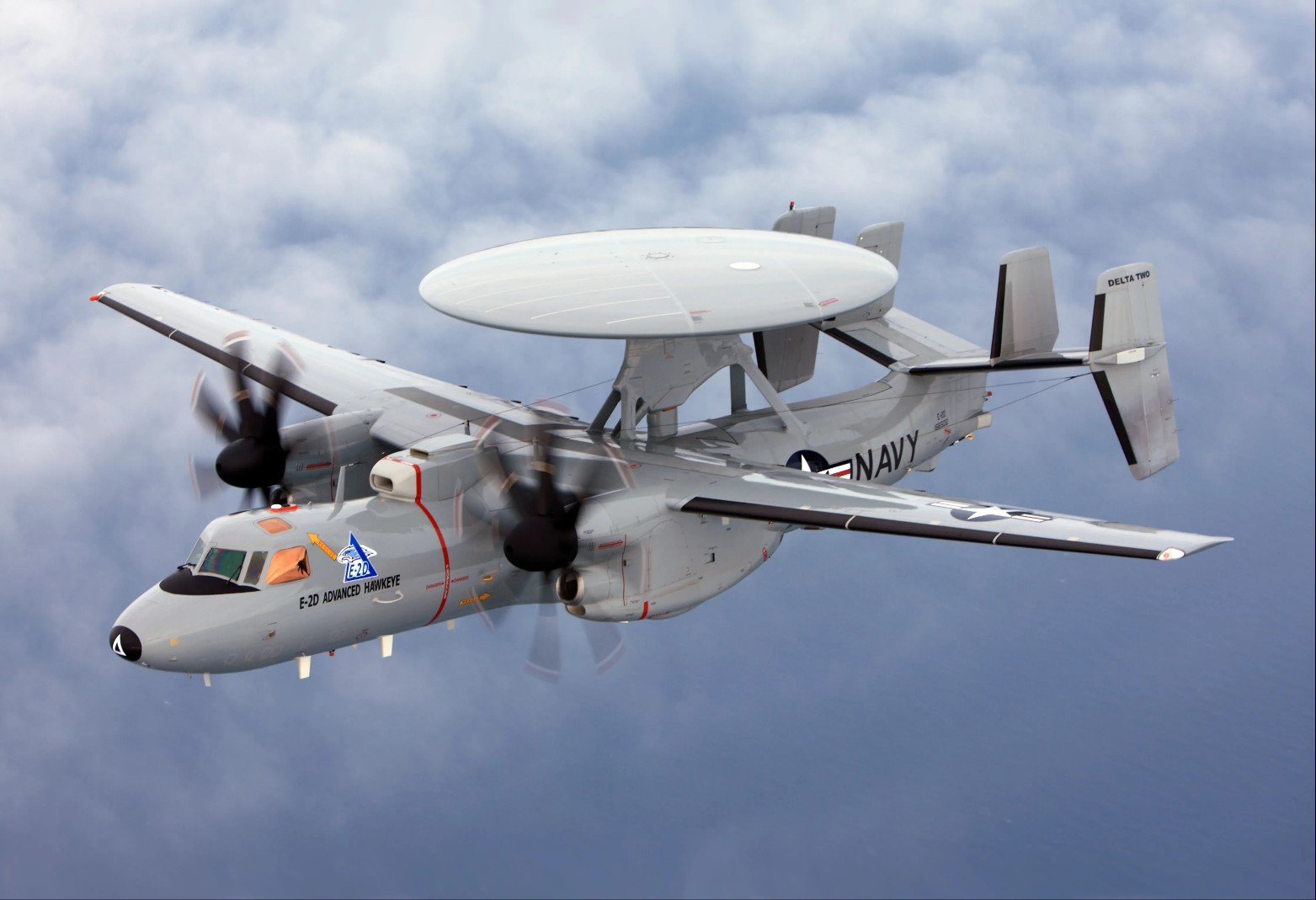 Northrop Grumman Clears Critical Design Review for E-2D Hawkeye Block II Upgrade
-
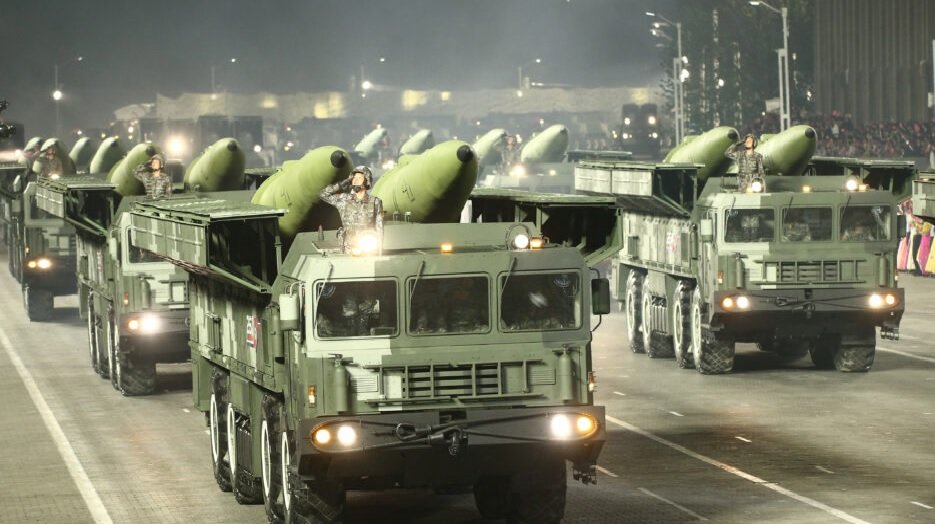 Russia Receives North Korean KN-30 Ballistic Missiles as Moscow Expands Its Missile Arsenal
-
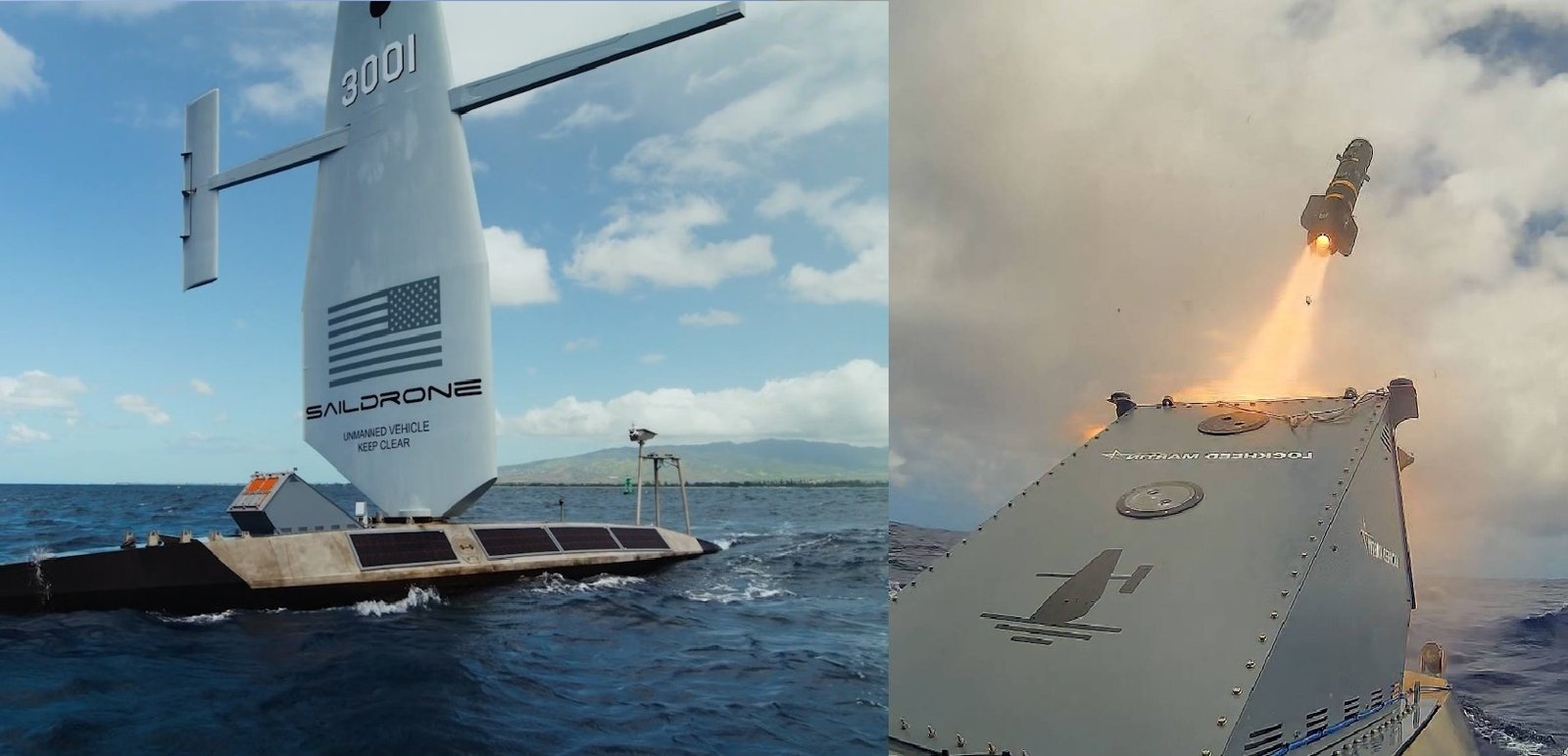 Saildrone and Lockheed Martin Successfully Fire Two JAGM Missiles in First Live-Fire Test from Unmanned Vessel at RIMPAC 2026
Top Trending in 4 Days
-
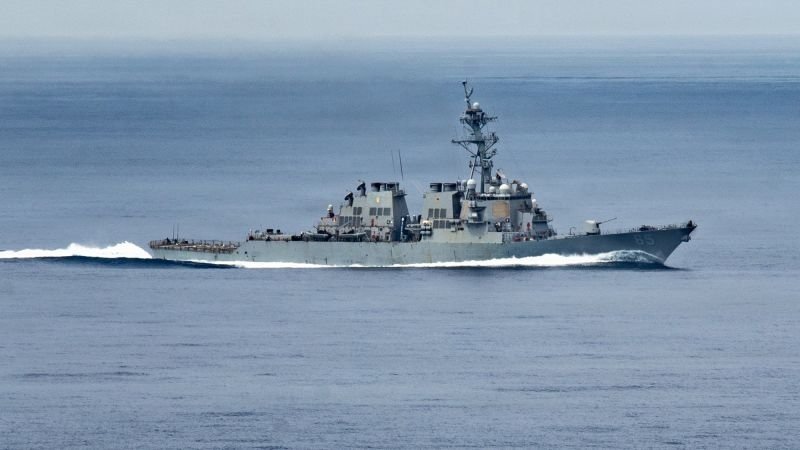 U.S. Navy Destroyer USS Benfold Spent Four Days Without Power in South China Sea After Generator Failure
-
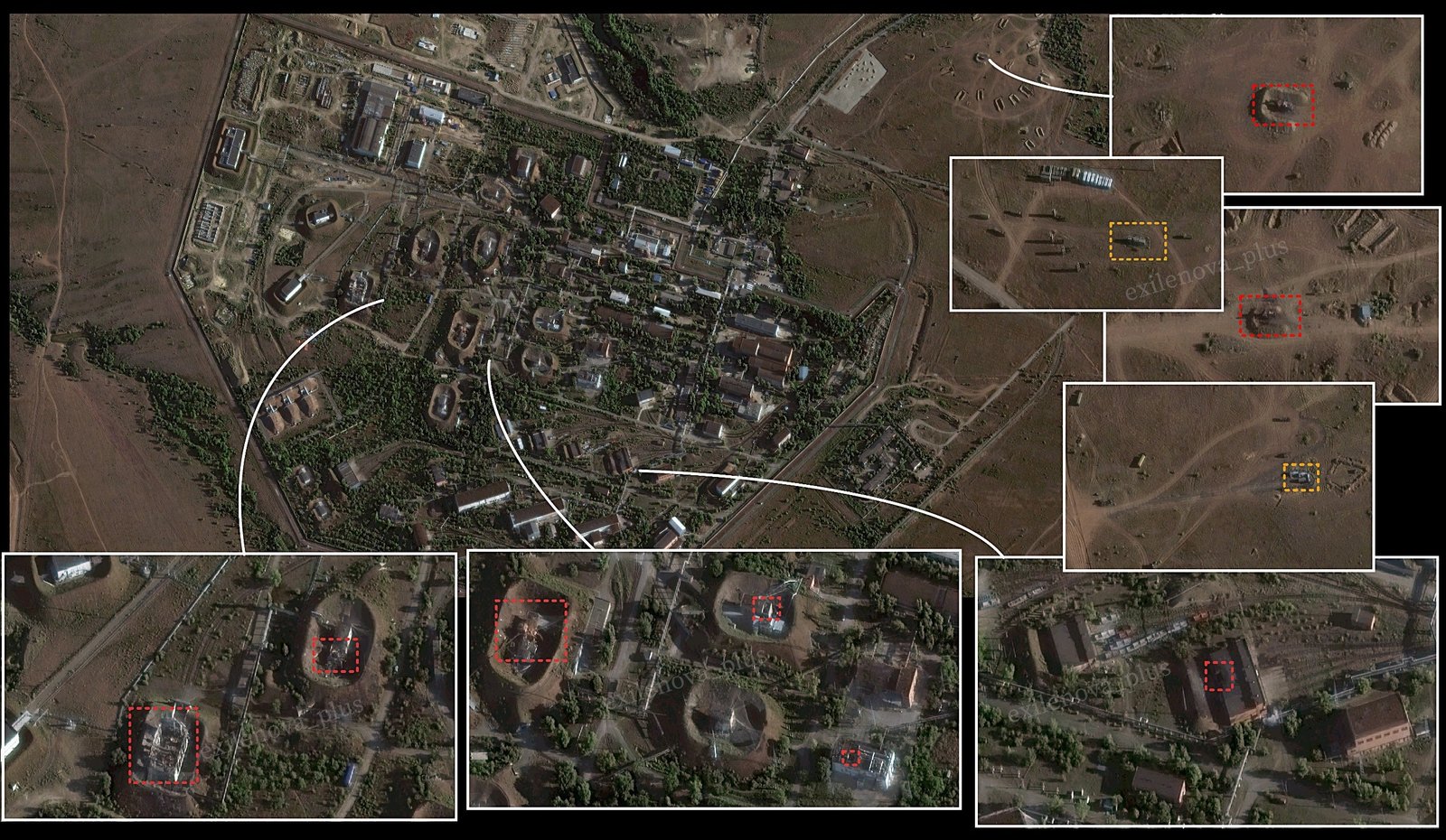 Satellite Images Show Ukrainian Drone Strike Hits Russian Rocket Fuel Plant and Air Defense Systems in Rostov Region
-
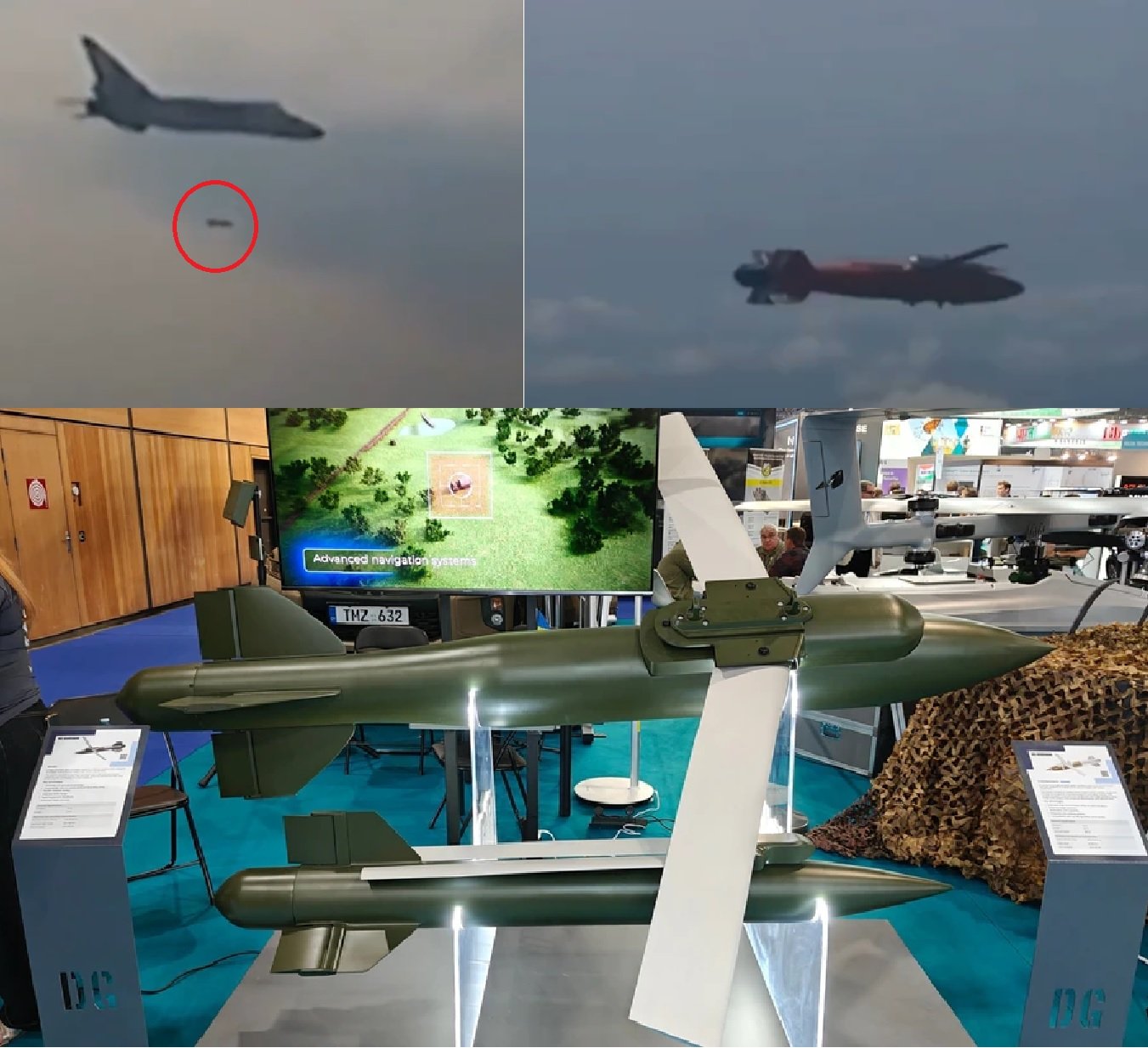 Ukraine Begins Procurement of Vyrivniuvach Guided Aerial Bomb
-
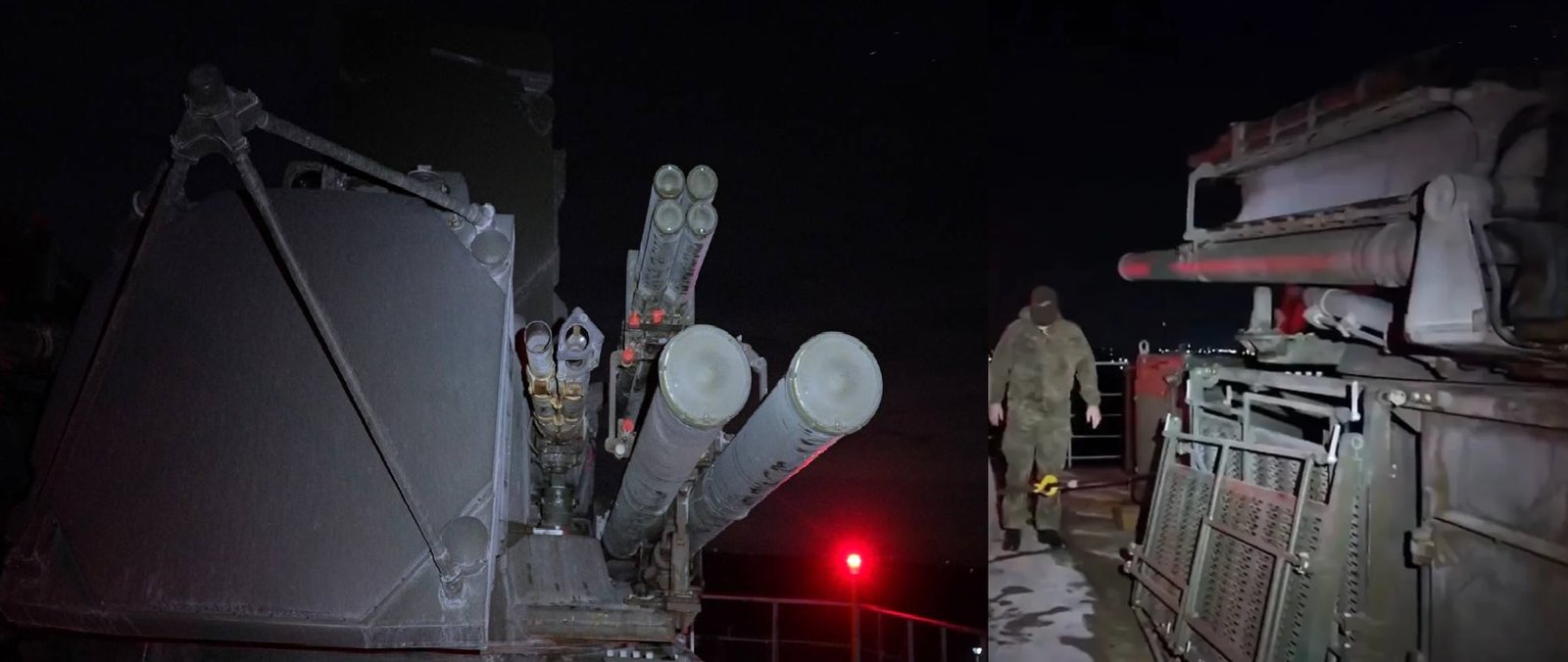 Russia Expands Moscow’s Anti-Drone Defense Network With Specialized 35-Meter Towers for Pantsir Systems
-
 U.S. Air Force Selects GE-Kratos F143 Engine as Second Engine Source for JASSM Missile
-
 Russia Develops 'Martian' Camera-Based Navigation Independent of GPS and Radio Signals for Drones
-
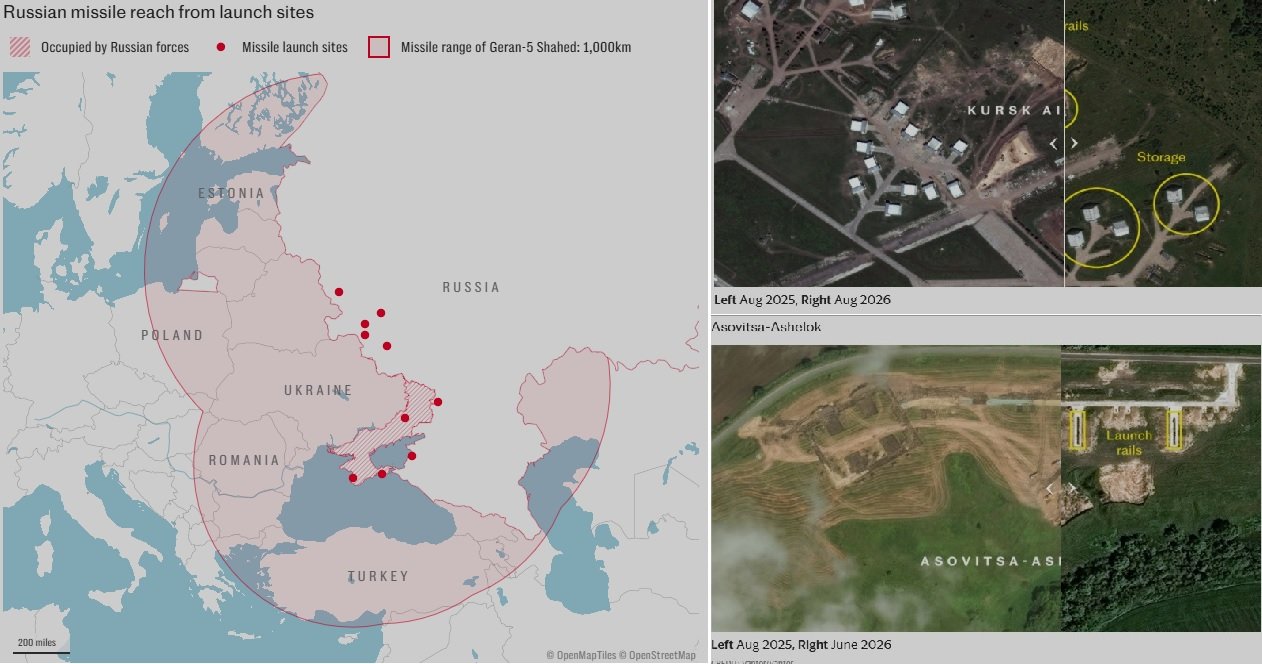 Russia Expands Drone Launch Network Near Ukraine and Belarus Borders, Putting NATO Territory Within Range
-
 Russia Warns UK of ‘Consequences’ Over British Drones Used by Ukraine in Strikes on Russian Territory
