
India
During a recent high-stakes military operation called Operation Sindoor, the Indian Armed Forces demonstrated how space technology has become a crucial part of modern warfare. This operation marked a significant chapter in India’s defense history, showcasing how indigenous space assets and international satellite resources can work together to strengthen national security. How Space Technology Played a Role In this carefully coordinated mission, India’s armed forces relied heavily on both domestic and international satellites for surveillance, intelligence gathering, reconnaissance, communication, and precision targeting. The integration of these technologies allowed commanders to plan and execute the operation with pinpoint accuracy and real-time updates from space. At the heart of this effort was ISRO (Indian Space Research Organisation), which provided valuable satellite data through its network of strategic and commercial space assets. Key Indian Satellites Involved 1️⃣ CARTOSAT Series:These high-resolution earth observation satellites provided detailed images and video feeds. Particularly, CARTOSAT-2C offered imagery with a sharp resolution of 0.65 metres, enabling military planners to identify targets, monitor enemy positions, and study terrain features with great clarity. This series has previously supported major missions, including the 2016 Surgical Strike. 2️⃣ RISAT Series:The Radar Imaging Satellite (RISAT) family proved essential in situations where weather or darkness might hamper visibility. Its radar-based imaging capability allowed continuous monitoring of enemy activities, troop movements, and strategic locations, both day and night, and in all-weather conditions. 3️⃣ GSAT Series:To ensure secure and uninterrupted communication between operational command centers and troops on the ground, the GSAT family of satellites played a vital role. These satellites provided encrypted communication links, enhancing coordination across different units and reducing the risk of data interception. Use of International and Commercial Satellites To increase the frequency and detail of surveillance, India also acquired commercial satellite data from global providers: Maxar Technologies, a US-based satellite imaging company, supplied high-resolution images at a faster rate than India’s own satellites could provide. This enabled near-real-time tracking of high-interest areas. Data from Sentinel satellites operated by Europe and another unnamed US-based commercial source further strengthened India’s multi-layered intelligence network. This approach solved one of the key limitations of domestic satellites — which typically pass over a specific location only once in 14 days — by filling the gaps with commercial satellite images, which can be updated multiple times a day. A Fully Mobilized Space Force According to ISRO officials, all available strategic space assets — estimated at around 9 to 11 dedicated military satellites — were mobilized for Operation Sindoor. ISRO also facilitated access to repeatable commercial data streams, ensuring that the Indian armed forces had a continuous flow of information during critical phases of the operation. What Lies Ahead for India’s Military Space Power India isn’t stopping here. Plans are in place to further strengthen its military space program: The upcoming EOS-09 (RISAT-1B) satellite will be equipped with a powerful C-band Synthetic Aperture Radar, giving India enhanced surveillance capability even in bad weather and darkness. In the next five years, India aims to launch 100-150 satellites, including 52 under the Space-Based Surveillance-3 (SBS-3) program. This expansion will involve increased participation from private space companies, signaling a new era for India’s space defense sector. A New Benchmark in Modern Warfare Operation Sindoor set a new benchmark in how space technology can shape military outcomes. By effectively combining ISRO’s domestic satellites with commercial satellite imagery from international providers, India achieved superior situational awareness, precision strikes, and efficient command and control capabilities. This operation not only highlights India’s growing prowess in space-based military operations but also underlines the importance of space as a critical domain in national defense. With ongoing investments in new satellites and space surveillance programs, India is well on its way to becoming a formidable force in space-supported warfare.
Read More → Posted on 2025-05-13 16:46:52
India
In a significant revelation, Indian Space Research Organisation (ISRO) Chairman V Narayanan announced that ten satellites are operating around the clock to ensure the safety and security of India's citizens. This announcement comes amidst heightened tensions with Pakistan, following recent cross-border incidents. The Role of Satellites in National Security During a convocation ceremony at the Central Agricultural University in Imphal, Narayanan emphasized the critical role of satellite and drone technology in modern defense strategies. He highlighted the necessity of monitoring India's extensive 7,000 km coastline and the northern borders, stating that without such technology, comprehensive surveillance would be unattainable. The satellites in operation include high-resolution imaging satellites like the Cartosat and RISAT series, which provide detailed images for surveillance purposes. Communication satellites such as GSAT-7 and GSAT-7A facilitate secure military communications, while the NavIC system offers precise navigation capabilities essential for defense operations. Operation Sindoor: A Demonstration of Strategic Capability The announcement aligns with India's recent military initiative, Operation Sindoor, launched on May 7, 2025, in response to a terrorist attack in Pahalgam that resulted in the loss of 26 civilian lives. The operation targeted terrorist infrastructure in Pakistan and Pakistan-occupied Kashmir, utilizing advanced weaponry and intelligence gathered through satellite surveillance. India reported the destruction of multiple terrorist camps, dealing a significant blow to groups like Jaish-e-Mohammed and Lashkar-e-Taiba. The precision and effectiveness of the strikes underscored the pivotal role of satellite intelligence in modern warfare. Maintaining Vigilance Amid Ceasefire Following the operation, a ceasefire was brokered on May 10, 2025. However, Indian officials remain cautious, noting that any violations will be met with appropriate responses. The continuous operation of these satellites ensures that India maintains real-time surveillance over sensitive regions, ready to detect and respond to any threats promptly. ISRO's Commitment to National and Global Security Beyond defense, ISRO is also focusing on global challenges. The organization is developing a satellite aimed at assisting G20 countries in monitoring climate change and air pollution, reflecting India's commitment to addressing environmental issues on an international scale. Since launching its first satellite in 1975, ISRO has made significant strides, developing over 130 satellites to date. The agency's plans to establish India's first space station by 2040 further demonstrate its dedication to advancing space technology for both national security and global cooperation. In an era where technology is integral to national defense, ISRO's continuous efforts in satellite development and deployment play a crucial role in safeguarding India's sovereignty and contributing to global security initiatives.
Read More → Posted on 2025-05-13 16:41:38
World
South Korea has taken a significant step in strengthening its naval defenses by upgrading its shipborne anti-missile countermeasure system. The country’s Defense Acquisition Program Administration (DAPA) recently announced improvements to its Multi Ammunition Soft Kill System (MASS), designed to protect warships from advanced anti-ship guided missiles. First introduced to the South Korean Navy in 2014, the MASS system is an offboard countermeasure device built by Germany’s Rheinmetall. It works by launching decoys around a ship, creating a protective smokescreen and electronic interference to confuse incoming missiles. These decoys can mimic the ship’s infrared, electro-optical, laser, and radar signatures, tricking the missile into targeting a false object instead of the actual warship. However, with advancements in missile technology, modern anti-ship missiles have become more sophisticated. Many of them now use radio-reflection signals to detect the difference between a real ship and a decoy. To address this growing threat, South Korea’s DAPA has upgraded the MASS system by adding a new feature — the Offboard Corner Reflector (OCR). This new component, the OCR, is a type of deployable reflector that can imitate the unique way a ship reflects radar signals, especially around its corners where these signals are typically stronger and more irregular. By launching these corner reflectors into the air or water, the system can create more convincing false targets, making it harder for enemy missiles to identify and lock onto the actual ship. The upgraded MASS has also been integrated with the existing combat systems and software aboard South Korean Navy vessels. This allows for better coordination between the decoy system, target management, engagement operations, and weapons control systems. As a result, naval commanders can manage threats more effectively and respond faster in the event of a missile attack. The new upgrades have already been tested successfully in real sea conditions, demonstrating the system’s enhanced capability to counter modern missile threats. According to Park Jeong-eun, director of DAPA’s infrastructure power business support division, this improvement is expected to significantly boost the survivability of South Korean warships in combat situations. Park stated, “With this performance improvement, we expect that the anti-ship missile response capability will be strengthened and the survivability of ships will be increased, which will significantly enhance the Navy’s operational capabilities. We will continue to contribute to the enhancement of the military’s combat capabilities by improving the performance of weapon systems using the latest technology.” Specification Highlights of the Upgraded MASS System: Type: Multi Ammunition Soft Kill System (MASS) Function: Launches decoys to divert and deceive incoming anti-ship missiles Decoy Types: Mimics infrared, electro-optical, laser, and radar signatures New Feature: Offboard Corner Reflector (OCR) to simulate irregular radio-reflection signals Integration: Fully linked with ship’s combat management systems for seamless target management and engagement Deployment: First installed in 2014, with the latest upgrades tested in real sea trials This upgrade underlines South Korea’s commitment to staying ahead in maritime defense technology, ensuring its naval forces remain well-protected in increasingly hostile and advanced threat environments.
Read More → Posted on 2025-05-13 16:34:54
India
In a notable shift in India’s defence procurement strategy, the Indian Army has advised the Ministry of Defence (MoD) to reconsider plans for acquiring Stryker Armored Personnel Carriers (APCs) from the United States. This recommendation comes in the wake of disappointing performance by the American vehicles during high-altitude trials, where they failed to meet the Army’s stringent operational standards. Initially considered for acquisition through a government-to-government deal with the U.S., the Stryker is an 8×8 wheeled infantry fighting vehicle manufactured by General Dynamics Land Systems. Known for its extensive use by the U.S. military, the Stryker was viewed as a potential solution for India’s mountain warfare requirements. However, during trials conducted in late 2024 in the challenging high-altitude regions of Ladakh, the vehicle’s limitations became evident. Powered by a Caterpillar C7 engine with a power range of 300-360 horsepower, the Stryker struggled with mobility and power in the demanding mountainous terrain. This was a critical issue, as high-altitude operational capability is a non-negotiable requirement for India, which faces ongoing security challenges along its northern borders. Despite suggestions of a potential engine upgrade to 600 horsepower for re-trials, the Army’s evaluation team identified persistent issues affecting the vehicle's performance. These trials highlighted a fundamental design disconnect — the Stryker, built for U.S. expeditionary warfare, lacked the logistical suitability for India’s rugged and diverse operational landscapes. Some defence analysts have since questioned why the MoD initially considered the foreign platform, especially when India possesses capable domestic alternatives. Rather than investing in the foreign-made Stryker, the Army is now advocating for the Advanced Armoured Platform (AAP) Wheeled variant, a new and improved version of the indigenous Wheeled Armoured Platform (WhAP) 8×8. This decision aligns with India’s broader push for self-reliance in defence manufacturing under the "Atmanirbhar Bharat" initiative. The AAP Wheeled is being developed by the Defence Research and Development Organisation (DRDO) in collaboration with leading private sector defence firms, including Tata Advanced Systems and Bharat Forge. The metal-cutting ceremony for the AAP prototypes (both wheeled and tracked versions) took place on April 2, 2025, at Tata’s Pune facility, with a targeted rollout by October 2025. Based on the proven WhAP 8×8, which is already in limited service with the Indian Army and paramilitary forces, the AAP offers significant enhancements. It is designed for superior mobility, modularity, and scalability, making it adaptable for various combat roles. Built with robust steel armour and lightweight composite materials, it is specifically tailored to Indian operational conditions. Additionally, it boasts enhanced mine blast protection and can be equipped with advanced weapon systems, including anti-tank guided missiles (ATGMs). A major advantage of the AAP is its high degree of indigenous content, with over 80% of its components sourced locally. This not only ensures cost efficiency but also reduces India’s dependence on foreign suppliers. The Army is expected to initially procure 198 units of the WhAP under the Buy (Indian-IDDM) category, a move that underscores its commitment to indigenous defence capabilities. Platforms like Tata’s Kestrel, a WhAP derivative, and another wheeled armoured platform from Mahindra are seen as strong contenders for this requirement, further reducing the chances of a Stryker deal. The Army’s decision to back the AAP over the Stryker is a clear message — India’s defence forces are prioritising homegrown solutions that are better suited to the country’s unique operational environment. This strategic move not only strengthens India’s self-reliance in defence production but also ensures that the nation’s armed forces are equipped with combat vehicles optimised for their specific mission profiles.
Read More → Posted on 2025-05-13 16:33:02
India
India has launched an ambitious and accelerated initiative to enhance its satellite-based surveillance capabilities, marking a significant shift in its approach to national security and intelligence gathering. This ₹22,500-crore ($3 billion) project, known as the Space Based Surveillance (SBS-3) program, was green-lit by the Cabinet Committee on Security in October 2024, following heightened tensions with Pakistan and the aftermath of Operation Sindoor. The Space Based Surveillance (SBS-3) program involves the production of 52 spy satellites, with 31 assigned to three private companies and the remaining 21 to be developed by the Indian Space Research Organisation (ISRO). This rapid development initiative reflects a growing sense of urgency among India’s defense and intelligence agencies, who recognized the need for enhanced surveillance capabilities in light of recent cross-border hostilities. Originally planned for completion in four years, the government has now compressed the timeline to just 12-18 months, aiming for operational readiness by the end of 2026 or even earlier. This drastic reduction in development time demonstrates India's determination to bolster its real-time intelligence capabilities, particularly along sensitive border regions with Pakistan and China. Equipped with advanced technologies, including artificial intelligence (AI) and high-resolution radar imaging, these satellites will provide round-the-clock surveillance of India’s borders. They will monitor cross-border movements, detect military installations, and even track mobile assets like warships and missile launchers. The enhanced surveillance capabilities are expected to significantly improve India’s geo-intelligence and strengthen its deterrence against potential threats. Beyond defense, these satellites will also support disaster management, providing critical data during natural calamities such as floods and earthquakes. The SBS-3 constellation will assist relief operations by delivering real-time information to decision-makers, enabling faster and more effective responses. A standout feature of the SBS-3 satellites is their integration of AI, which allows them to communicate and collaborate while in orbit. This enables more effective intelligence gathering, with higher-orbit satellites directing lower-orbit ones to focus on points of interest and transmit crucial data to ground stations. Such a networked approach is expected to provide India with unmatched precision in surveillance and intelligence collection. The SBS-3 project also represents a significant public-private partnership, with 31 of the satellites being developed by three private companies—Anant Technologies, Centum Electronics, and Alpha Design Technologies—all of which have previously contributed to major ISRO missions. This collaboration underscores the Indian government’s strategy of leveraging domestic industry expertise to accelerate technological advancement. To ensure the rapid deployment of these satellites, India has sought support from Elon Musk’s SpaceX, which will provide launch services alongside ISRO’s Satish Dhawan Space Centre. Depending on mission requirements, satellite launches will use both ISRO’s LVM3 heavy rocket and SpaceX’s launch vehicles. Strict deadlines have been set, with each satellite launch requiring approval from the Ministry of Defence, highlighting the project's critical importance to national security. However, the compressed timeline of 12-18 months presents significant challenges. Building and deploying 52 satellites within such a short period is a monumental task, potentially straining resources and raising concerns about quality control. Nevertheless, the Indian government and its private partners are confident in their ability to meet the ambitious deadline. While the program's primary focus is on enhancing surveillance capabilities along India’s borders, it also has broader implications. The SBS-3 system will transform critical infrastructure management in India, providing valuable data for agriculture, forestry, coastal surveillance, and environmental monitoring. Such applications are expected to boost the country’s resilience and support sustainable development. Moreover, the SBS-3 initiative highlights India's emergence as a major player in the global space sector. By relying on a mix of domestic capabilities and international partnerships, India is reducing its dependence on foreign technology while asserting greater autonomy in space operations. The government’s emphasis on local manufacturing and stringent security protocols ensures that the benefits of this program extend beyond defense, fostering innovation, job creation, and technological self-reliance. In essence, India’s accelerated SBS-3 spy satellite program is a transformative move, enhancing national security, bolstering disaster management capabilities, and strengthening the country’s position as a rising power in the space and security domains.
Read More → Posted on 2025-05-13 16:30:39
India
In a significant escalation of aerial warfare in South Asia, the Pakistan Air Force (PAF) confirmed the first-ever combat use of the Chinese PL-15 long-range air-to-air missile against India. This development occurred following India's targeted strikes on nine terror camps within Pakistan and Pakistan-occupied Kashmir (PoK). The confirmation also validated earlier speculations about missile debris found in Punjab's Hoshiarpur and Bathinda districts, marking the PL-15's debut in actual combat. The Incident and Immediate Aftermath On the night following India's airstrikes, Pakistani fighter jets, including J-10 and JF-17 models, along with US-supplied F-16Vs, engaged Indian Air Force (IAF) aircraft near the border. During this engagement, the PAF launched PL-15E missiles—the export variant of China's advanced beyond-visual-range air-to-air missile. Pakistan claimed to have downed several Indian aircraft, including Rafale and Su-30MKI fighters; however, independent verification of these claims proved to be unfounded. Fragments of the PL-15 missile, including a largely intact rear section and guidance components, landed in Indian territory, specifically in Hoshiarpur, Punjab. Indian Air Force teams secured and reportedly neutralized the missile, with photographic and video evidence confirming the recovery of critical components. While the Indian government has not officially acknowledged the recovery, the presence of the missile on Indian soil provides direct evidence of its combat use. PL-15 Missile: Capabilities and Significance The PL-15, also known as "Thunderbolt-15," is a long-range, radar-guided, beyond-visual-range air-to-air missile developed by China's 607 Institute and manufactured by the China Aerospace Science and Industry Corporation (CASIC). Key features include: Range: The domestic Chinese version is believed to have a range of 200–300 km, while the export PL-15E variant supplied to Pakistan has a declared maximum range of 145 km, with operational ranges likely between 100–120 km depending on launch conditions. Speed: Capable of speeds exceeding Mach 5, thanks to its dual-pulse solid-propellant rocket motor. Guidance: Employs an active electronically scanned array (AESA) radar seeker with both active and passive modes, offering strong resistance to electronic countermeasures and the ability to receive mid-course updates via a two-way data link from the launch platform or AWACS support. Warhead: Equipped with a 20–25 kg high-explosive fragmentation warhead designed to destroy maneuvering aerial targets. The PL-15 is considered a technological leap over previous Chinese air-to-air missiles and is seen as a direct competitor to the US AIM-120 AMRAAM and India's Astra BVR missile. How India Jammed the PL-15 Missile Mid-Air India's successful neutralization of the PL-15 missile mid-air is attributed to its advanced electronic warfare (EW) capabilities and integrated air defense systems. The IAF likely employed a combination of ground-based and airborne EW systems to detect, track, and disrupt the missile's guidance systems. The PL-15's guidance relies heavily on its AESA radar seeker and mid-course updates via data links. By jamming these signals, India effectively blinded the missile, causing it to lose track of its target and crash without detonation. The recovery of an intact missile provides India with a rare opportunity to study and understand the missile's technology, potentially leading to the development of more effective countermeasures and indigenous missile systems. Strategic and Technological Implications The recovery of an intact PL-15 missile is a significant intelligence windfall for India. By analyzing its seeker, propulsion, datalink, and electronic counter-countermeasures, Indian scientists can: Develop more advanced indigenous BVR missiles (e.g., Astra MK-2/MK-3). Enhance electronic warfare and countermeasure capabilities to better protect IAF assets. Fine-tune air defense systems like the S-400 to intercept similar threats. Share technical insights with strategic allies (e.g., the US, France, Israel), potentially gaining access to complementary technologies and strengthening partnerships. Understanding the PL-15's operational characteristics will also help Indian pilots adapt tactics for future engagements with adversaries fielding similar technology, including Chinese J-20 or J-16 jets. Conclusion Pakistan's acknowledgment of using the Chinese PL-15 missile against India marks a watershed moment in South Asian air combat and missile technology proliferation. It highlights the rapidly evolving military balance in the region, the risks of escalation, and the critical importance of technological intelligence in modern warfare. For India, the incident offers both a challenge and a rare opportunity to study one of China's most advanced air-to-air weapons firsthand.
Read More → Posted on 2025-05-11 06:42:27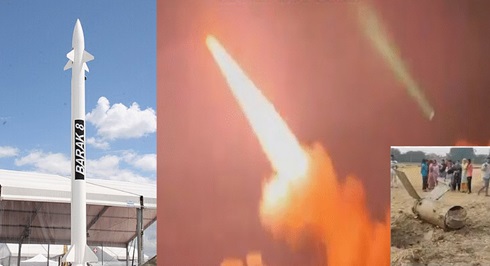
India
In a remarkable display of India's advanced air defence capabilities, multiple Fatah-1 and Fatah-II surface-to-surface missiles launched by Pakistan were successfully intercepted by India's Akash and Barak-8 missile systems. These interceptions occurred over strategic locations, including Haryana's Sirsa, effectively neutralizing threats aimed at critical military and civilian infrastructures. Pakistan's Offensive and India's Robust Defence Pakistan's recent offensive involved the deployment of Fatah-1 and Fatah-II missiles, which possess ranges of approximately 140 km and 400 km, respectively. These missiles are designed for precision strikes and are a significant component of Pakistan's military strategy. In addition to missile attacks, Pakistan launched drones targeting various Indian cities. India's multi-layered air defence network, comprising the indigenous Akash missile system and the Indo-Israeli developed Barak-8 Medium Range Surface-to-Air Missiles (MR-SAM), effectively countered these threats. The Akash system, developed by the Defence Research and Development Organisation (DRDO), is known for its high mobility and rapid deployment capabilities. It can engage multiple targets simultaneously, making it a vital asset in India's air defence strategy. The Barak-8 system, a product of collaboration between DRDO and Israel Aerospace Industries, is designed to intercept aerial threats at ranges up to 100 km. Equipped with advanced radar and command systems, it provides a comprehensive shield against various airborne threats, including missiles and drones. Neutralizing the Threats During the recent attacks, Indian air defence systems demonstrated exceptional efficiency. The Akash system successfully intercepted multiple incoming missiles and drones, while the Barak-8 system neutralized a Fatah-II missile over Sirsa, Haryana. These interceptions prevented potential damage to vital installations and civilian areas. In addition to missile interceptions, India's integrated counter-Unmanned Aerial System (UAS) grid and electronic warfare measures effectively neutralized Pakistani drones, ensuring the safety of Indian airspace. Strategic Implications India's successful defence against these coordinated attacks underscores the effectiveness of its layered air defence strategy. The integration of systems like Akash and Barak-8, along with advanced electronic warfare capabilities, provides a robust shield against a spectrum of aerial threats. Furthermore, India's swift and precise countermeasures, including the deployment of loitering munitions targeting Pakistani air defence infrastructure, demonstrate its readiness and capability to respond to evolving regional threats. The recent events highlight India's commitment to safeguarding its national interests and maintaining regional stability through advanced defence preparedness and strategic resilience.
Read More → Posted on 2025-05-11 06:33:15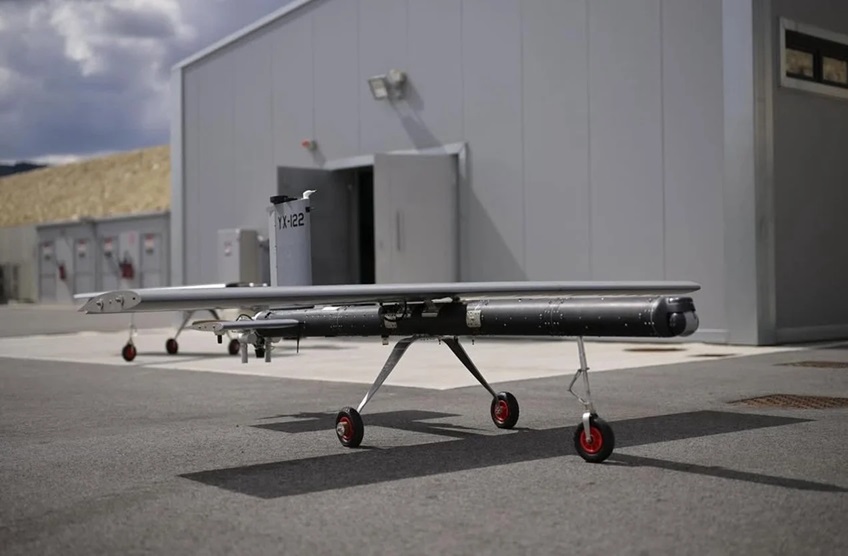
India
Recent reports have revealed a major operational setback for the Pakistan Air Force (PAF), as its drone swarm strategy failed dramatically against India's advanced air defence system. The incident highlights a significant misjudgment by the PAF, leading to considerable losses and a glaring exposure of strategic weaknesses. The PAF's strategy was built around the idea of using a large number of inexpensive drones in a coordinated swarm to overwhelm Indian air defence systems. This tactic aimed to temporarily overload radar and interceptor missile capacities, thereby creating vulnerabilities that PAF fighter jets could exploit. In theory, this approach could compel Indian forces to expend their interceptor missiles and temporarily weaken their air defence capabilities, paving the way for manned aircraft to launch strikes during the confusion. During the operation, PAF fighter jets, likely including JF-17 and upgraded Mirage aircraft, reportedly attempted a classic 'shoot-and-scoot' maneuver. This involved low-altitude approaches followed by rapid ascents to launch weapons and then quick withdrawals to avoid Indian counterattacks. However, this strategy fell apart as India's robust Integrated Air Command and Control System (IACCS) came into play. India's Multi-Layered Defence Responds Decisively India's IACCS is an advanced network that seamlessly integrates radars, sensors, airborne early warning systems, ground-based radar stations, satellites, and weapon systems. It forms a comprehensive air defence shield that proved impervious to PAF's drone swarm tactic. Instead of being overwhelmed, India's air defence operated as designed, effectively managing the combined threats of both drones and fighter jets. The Army Air Defence units efficiently dealt with the drone swarms, employing both kinetic measures (direct missile strikes) and non-kinetic methods (electronic interference). Short Range Air Defence systems (SHORADs) like the Akash and Spyder missile systems, alongside MANPADS (Man-Portable Air Defence Systems), neutralized many drones before they could pose a significant threat. Additionally, electronic warfare measures interfered with the drone controls, rendering many ineffective. The airborne surveillance component, featuring systems like the indigenous Netra and Israeli-made Phalcon, played a crucial role. These airborne early warning aircraft, in conjunction with ground-based radars and satellite data, allowed Indian forces to maintain constant situational awareness, quickly identifying and targeting low-flying threats. The IAF fighter patrols, operating in coordination with the air defence network, intercepted PAF aircraft before they could carry out meaningful strikes. PAF's Tactical Miscalculation One of the most glaring issues with PAF's strategy was the apparent underestimation of India's integrated air defence capabilities. The attempt to use drone swarms as decoys or to saturate Indian defences proved futile. Instead of forcing Indian systems to exhaust their resources, the PAF found itself caught in a well-coordinated defence web that efficiently neutralized both drone and aircraft threats. Indian Air Defence not only managed to detect and intercept the drones but also maintained readiness to counter the subsequent strike attempts by PAF fighter jets. Some Pakistani aircraft reportedly failed to launch their weapons at all, while the few guided munitions that did get fired were intercepted or caused minimal damage due to the pre-emptive relocation of sensitive assets. Strategic Lessons and Future Implications For the PAF, this incident represents more than just a failed mission. The loss of drones and potentially fighter aircraft is a blow to both capability and morale, prompting a likely reassessment of future aerial strategies. The risk-taking approach of combining drone swarms with manned aircraft strikes proved highly impractical against a well-coordinated air defence system like India's. On the Indian side, the success of the IACCS underscores the strategic advantage of integrated, multi-layered air defence. This event serves as a compelling reminder of the need to continue investing in indigenous defence technologies, such as the next-generation Akash-NG missile, and to enhance counter-drone systems. Further, it highlights the importance of maintaining continuous coordination between military and civilian air defence elements under the IACCS framework. The failed PAF operation serves as a cautionary tale on the limits of drone swarm tactics when faced with a highly advanced and integrated air defence network. As India continues to bolster its defence infrastructure, the incident reinforces the importance of adaptability and strategic foresight in modern aerial combat.
Read More → Posted on 2025-05-11 06:23:36
World
In a significant move towards modernizing defence capabilities, HENSOLDT, a renowned German provider of defence and security sensor solutions, has announced a strategic partnership with Munich-based defence tech startup Quantum Systems. This collaboration not only includes an investment from HENSOLDT into Quantum Systems but also marks a crucial step towards advancing Software-Defined Defence (SDD). The partnership brings together HENSOLDT’s expertise in sensor data fusion, sensor resource management, and distributed systems with Quantum Systems' cutting-edge unmanned aerial systems (UAS) and software technology. This combination is aimed at accelerating the development and deployment of interoperable, multi-domain defence capabilities. Focus on Software Integration and Future Combat Systems At the core of this collaboration lies the integration of Quantum Systems’ solutions with HENSOLDT’s CERETRON software framework. The goal is to enhance the modularity, flexibility, and cost-effectiveness of both land and air-based defence platforms. Such advancements will significantly support Germany’s Future Combat Air System (FCAS) initiative, which is focused on improving networked sensor capabilities as part of the NSDAS (Networked and Distributed Sensors, Defensive Aids, and Attack Systems) architecture. Leadership Perspectives on the Partnership Oliver Dörre, CEO of HENSOLDT AG, expressed optimism about the collaboration, highlighting its potential to shape the future of adaptive, modular defence systems. He emphasized that combining HENSOLDT’s sensor systems with Quantum Systems' innovative UAV platforms will result in a synergy that can respond more intelligently and rapidly to operational requirements. Dörre also pointed out that this strategic move reflects HENSOLDT’s commitment to connecting established defence companies with dynamic, next-generation startups, thereby fostering innovation and reinforcing Europe’s technological sovereignty. Christian Schmidt, Chief Strategy Officer of HENSOLDT AG, elaborated on the strategic significance, stating that the partnership exemplifies HENSOLDT’s vision of integrating traditional defence technologies with agile, software-native approaches from startups like Quantum Systems. A Broader Vision for International Collaboration The partnership is not just confined to the German market. It also opens avenues for joint international business development, leveraging HENSOLDT’s global footprint and Quantum Systems' involvement in high-profile defence programs across Ukraine, Australia, and the United States. This collaboration could lead to advancements in areas like border surveillance, ISR missions, and rapid technology demonstrations, particularly focusing on existing and future UAV platforms. Florian Seibel, CEO of Quantum Systems, expressed excitement over the strategic collaboration, viewing HENSOLDT’s investment as a significant validation of their innovative technology and vision. He underlined that combining Quantum’s mission autonomy and sensor integration capabilities with HENSOLDT’s robust defence technologies will push the boundaries of edge-enabled defence solutions. A Strategic Leap Towards the Future The HENSOLDT-Quantum Systems partnership represents a forward-thinking approach to modern defence challenges. By merging sensor expertise with unmanned aerial innovation, they are positioning themselves as leaders in creating adaptive, software-defined systems that are not only efficient but also responsive to evolving operational needs. This strategic alliance is poised to strengthen Europe’s defence technology base while fostering innovation on a global scale.
Read More → Posted on 2025-05-11 06:13:48
World
The Baloch Liberation Army (BLA), a separatist militant group, has claimed responsibility for a series of coordinated attacks across 39 locations in Balochistan, Pakistan. These attacks targeted police stations, military convoys, and infrastructure along major highways. The BLA's spokesperson, Jeeyand Baloch, announced that these operations are ongoing, with multiple strategic objectives being pursued. Background Balochistan, despite being rich in natural resources such as gas, minerals, and coastal assets, remains one of the poorest and most underdeveloped regions of Pakistan. The BLA emerged in response to long-standing grievances over political marginalization, economic exploitation, and military repression by the Pakistani state. The group claims that Balochistan's vast natural resources are being extracted without benefiting the local population and accuses the government of denying the Baloch people their rights and autonomy. Recent Developments In August 2024, the BLA launched coordinated attacks in Pakistan's Balochistan province, killing at least 39 people. These attacks targeted key infrastructure, security posts, and Chinese interests, including the strategic port of Gwadar and Chinese nationals. The BLA has expanded its tactics to include women suicide bombers. The group was also involved in conflicts between Iran and Pakistan regarding militant bases. Balochistan’s instability affects Pakistan's plans to exploit its mineral wealth and hinders China's $65 billion investment in the China-Pakistan Economic Corridor (CPEC). Allegations of human rights abuses by security forces in Balochistan exacerbate the conflict, with widespread protests and denied accusations of enforced disappearances and extrajudicial killings.(Reuters) Human Rights Concerns Human rights organizations have reported that thousands of Baloch activists, students, journalists, and political workers have allegedly been abducted or killed by Pakistani security forces and intelligence agencies over the years. These victims are often labeled as "terrorists" or "foreign agents," while families are left without answers or legal recourse. Mass graves have been discovered in various districts, adding to the region's trauma and fueling further mistrust of state institutions. The BLA's recent activities mark a sharp escalation in the long-running struggle for autonomy and control of local resources in Balochistan. The group's coordinated attacks across multiple locations demonstrate its operational capabilities and the persistent challenges faced by the Pakistani government in addressing the underlying issues fueling the insurgency. As the situation continues to evolve, the need for a comprehensive approach that addresses political, economic, and human rights concerns becomes increasingly urgent.
Read More → Posted on 2025-05-11 06:08:36
World
The United States Air Force Research Laboratory (AFRL) has taken a significant step forward in transforming military logistics by selecting Rocket Lab’s Neutron rocket for testing rapid, rocket-based cargo delivery to any location on Earth. As part of the AFRL’s Rocket Cargo program, this groundbreaking initiative aims to explore how commercial launch systems might one day support the quick and efficient transportation of military supplies across the globe. Pioneering Rapid Rocket-Based Logistics The Rocket Cargo program envisions a future where military supplies can be delivered rapidly and efficiently between distant points on Earth using rocket technology. The selection of Rocket Lab’s Neutron rocket marks a milestone in this vision. One of the key features under scrutiny will be Neutron’s ability to re-enter Earth’s atmosphere and land safely, allowing for reuse and making the concept of space-based cargo transport both viable and cost-effective. Rocket Lab has expressed enthusiasm about the project, emphasizing that this marks the beginning of a new era in commercial launch capability, tailored to advance global defense logistics. The test flight is slated to take place no earlier than 2026, signifying a significant step in the US Air Force’s efforts to innovate military logistics through modern aerospace technology. The Neutron Rocket: Setting New Benchmarks Neutron is Rocket Lab’s medium-lift, two-stage launch vehicle explicitly designed with reusability in mind. The first stage is responsible for the initial lift-off, while the second stage propels payloads into orbit. Though the primary focus of this test is rapid cargo delivery between terrestrial locations, Neutron is also built for versatility, including space exploration and deep space transport. The rocket boasts impressive payload capabilities, capable of carrying up to 13,000 kilograms (28,660 pounds) to low Earth orbit and up to 1,500 kilograms (3,300 pounds) to interplanetary destinations such as Mars or Venus. Rocket Lab’s founder, Peter Beck, has described Neutron as a powerful new option for both government and commercial space users, highlighting its performance, affordability, and reliability in the medium-lift category. A Strategic Move for Military Space Operations The collaboration between Rocket Lab and the US Air Force not only seeks to enhance space logistics but also underscores the Department of Defense’s confidence in Neutron’s capabilities. By pushing forward with this initiative, the Air Force aims to establish a reliable and rapid logistics solution that can adapt to modern defense challenges. Currently, Rocket Lab is working to obtain the National Security Space Launch certification for Neutron, which would allow it to compete for future military space launch contracts. As this project unfolds, it promises to redefine how military logistics are handled, with rocket-based cargo delivery potentially becoming a vital asset for rapid response scenarios and global defense readiness.
Read More → Posted on 2025-05-11 05:21:51
India
In the aftermath of India’s decisive military strike under ‘Operation Sindoor,’ Pakistan has unleashed a full-blown disinformation offensive. Desperate to shift the focus and control the narrative, Islamabad has resorted to a barrage of lies, digital theatrics, and outright fabrications. What began as a focused and effective operation by the Indian Armed Forces has now transformed into an online propaganda war. Pro-Pakistan social media handles, along with influential political figures, are deliberately spreading fake news—crafting stories of imaginary military victories and heroic retaliations that never took place. Pakistan’s state-affiliated accounts have predictably fallen back on their familiar tactics: recycling outdated images, misrepresenting old videos, and manufacturing completely false claims. Their strategy is clear—flood the information space with lies so rapidly and overwhelmingly that it becomes difficult for anyone to distinguish fact from fiction. One of the most glaring examples is a viral image falsely claiming that the Pakistan Army shot down an Indian Rafale jet near Bahawalpur. In reality, the image was from a MiG-21 crash in Moga, Punjab, in 2021—completely unrelated to current events. Even senior officials like Pakistan’s Minister Attaullah Tarar have joined the misinformation campaign. He publicly endorsed a fabricated claim that the Indian Army raised a white flag and surrendered at Chora Post—an incident that never happened. Such false endorsements mislead the Pakistani public and fuel a false narrative. Another baseless story circulated was that Pakistan’s Air Force targeted the Srinagar airbase. This, too, was debunked, as the footage originated from sectarian clashes in Khyber Pakhtunkhwa, Pakistan, in early 2024, having no connection to Kashmir. Perhaps the most absurd claim was the suggestion that Pakistan destroyed an Indian Brigade Headquarters—a complete fabrication. Defence sources swiftly dismissed it as baseless. Pakistan’s Defence Minister Khawaja Asif further fueled the propaganda fire with his false claim that Indian soldiers were captured during the operation. This statement, like many others, was debunked and later retracted, with no evidence supporting it. In essence, Pakistan’s disinformation campaign is a calculated attempt to distort reality, mislead the media, and manipulate public perception. By flooding social media with recycled images, unrelated videos, and invented stories, Islamabad is trying to create an illusion of strength and retaliation. But behind the fog of propaganda lies the truth—India’s Operation Sindoor was a successful and well-executed strike. No amount of digital deceit can alter that reality.
Read More → Posted on 2025-05-08 16:21:46
India
In the tense night hours of May 7-8, 2025, the already fragile peace between India and Pakistan took a dramatic turn. Pakistan, in an unexpected move, launched a series of drone and missile strikes aimed at multiple Indian military installations spread across Northern and Western India. These targets included sensitive locations such as Awantipura, Srinagar, Jammu, Pathankot, Amritsar, Kapurthala, Jalandhar, Ludhiana, Adampur, Bhatinda, Chandigarh, Nal, Phalodi, Uttarlai, and Bhuj. India's response was immediate and decisive. Leveraging its robust Integrated Counter UAS Grid and the formidable S-400 'Sudarshan Chakra' air defence systems, Indian forces successfully intercepted and neutralized the incoming threats. The debris recovered from various locations not only confirmed the attacks but also exposed the extent of Pakistan’s offensive intent. However, the situation escalated further when it was revealed that Indian forces had targeted and neutralized Pakistan’s air defence system in Lahore. This strategic move was not just a defensive measure but a powerful counter-strike designed to cripple Pakistan’s ability to launch further air attacks. The Indian government confirmed that this action was part of a broader set of retaliatory strikes aimed at eliminating terror infrastructure across the border. These developments were the culmination of rising hostilities triggered by a deadly terrorist attack in Pahalgam, Jammu and Kashmir, on April 22, 2025. The attack, which claimed the lives of 26 civilians, including women and children, was attributed to Pakistan-based terror groups. Enraged by the loss of innocent lives and determined to prevent further violence, India launched a series of precision strikes against nine key terror camps in Pakistan and Pakistan-occupied Jammu and Kashmir (PoJK). Among these were camps operated by Jaish-e-Mohammed (JeM), Lashkar-e-Taiba (LeT), and Hizbul Mujahideen. Four of these camps were located deep within Pakistan’s territory in Bahawalpur, Muridke, Sarjal, and Mehmoona Joya, while the other five were strategically placed in PoJK. These included Markaz Ahle Hadith Barnala in Bhimber, Markaz Abbas and Maskar Raheel Shahid in Kotli, Shawai Nallah Camp, and Markaz Syedna Bilal in Muzaffarabad. As India’s counter-offensive unfolded, Pakistan responded with intensified artillery and mortar attacks along the Line of Control (LoC). Districts such as Kupwara, Baramulla, Uri, Poonch, Mendhar, and Rajouri were subjected to heavy shelling. Sixteen more civilians lost their lives, including three women and five children, further aggravating the situation. India, while asserting its commitment to maintaining peace, made it clear that any further provocations would be met with a decisive response. The Indian Armed Forces emphasized their adherence to a policy of non-escalation, provided it was respected by the Pakistani military. The international community has expressed growing concern over the rapid escalation, with global leaders calling for restraint and a return to diplomatic channels. Yet, on the ground, the situation remains tense, with both nations on high alert, and the shadow of conflict looming large.
Read More → Posted on 2025-05-08 16:12:01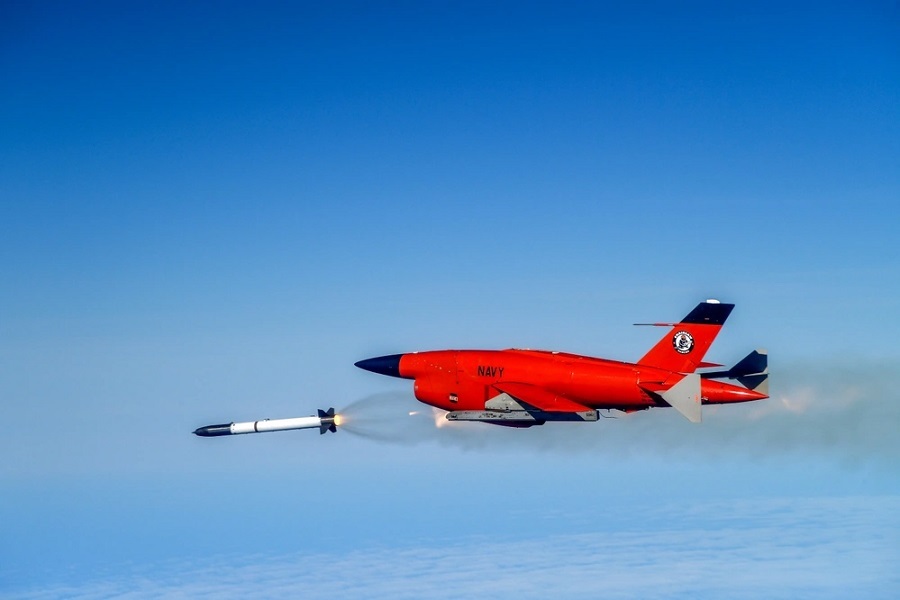
World
In a remarkable leap for modern missile technology, the U.S. Navy has successfully tested an advanced Solid Fuel Integral Rocket Ramjet (SFIRR) propulsion system by launching it from an unmanned aerial vehicle for the very first time. This test, conducted by the Naval Air Warfare Center Weapons Division (NAWCWD), marks a significant milestone in the Navy’s mission to modernize its long-range strike capabilities and enhance the speed and reach of its future weapons. The test was carried out using a BQM-34, an unmanned target drone modified to serve as the launch platform. What made this trial groundbreaking was the integration of a fire control system aboard the unmanned vehicle, enabling a live-fire scenario without risking any crew. This development proves the potential for engaging targets from greater distances with improved safety and operational flexibility. What is a Solid Fuel Ramjet? A Solid Fuel Ramjet is a type of missile propulsion system that uses solid fuel rather than liquid propellants. Unlike traditional rocket engines that burn all their fuel internally, a ramjet takes in air from the atmosphere during flight, mixing it with the fuel to maintain combustion and thrust. The advantage of this system lies in its simplicity and efficiency — eliminating the need for complex fuel tanks and pumps, reducing weight, and freeing up more space for payloads. Key Specifications and Features of the SFIRR: Propulsion Type: Solid Fuel Integral Rocket Ramjet Fuel Type: Solid fuel grain integrated within the air duct Launch Platform: BQM-34 unmanned aerial vehicle Operational Benefits: Higher sustained speeds at longer ranges Simplified design with no liquid fuel handling Greater missile payload capacity Improved manoeuvrability during flight Lower maintenance and better storage safety Why This Test Matters Though ramjet technology has been around for decades, this new test shows its continued importance in modern warfare. By refining older concepts with today’s advanced materials, avionics, and fire control systems, the Navy is creating faster, longer-range, and more reliable weapons suited for future combat environments. Abbey Horning, Product Director at NAWCWD, emphasized that the rapid development of this demonstrator — completed within just 12 months — proves the Navy’s ability to quickly transition advanced research into operational technology. She stated, “This successful integration validates key aspects of our design and moves us closer to delivering an advanced propulsion system that will provide warfighters with greater range and speed.” Modernizing for Future Conflicts Ephraim Washburn, Deputy Director for Energetics at NAWCWD, compared the evolution of SFIRR technology to the continuous improvements made in the automotive industry. “We’ve been driving cars since the early 1900s, but that doesn’t mean we stopped improving them,” he remarked. The same principle applies to missile propulsion — what worked in the past is now being reengineered to meet the demands of contemporary battlefields. What’s Next? The insights from this successful test have already shaped the development of a next-generation missile prototype. Future efforts will focus on refining the system’s range, endurance, and targeting precision, ensuring the technology remains combat-credible and ready for fleet integration. As the Navy works closely with government research agencies, defense contractors, and academic partners, advanced propulsion systems like the SFIRR are expected to play a vital role in keeping the U.S. Navy ahead in terms of speed, reach, and operational superiority. This latest test is not just about revisiting an old idea — it’s about reimagining and upgrading it to tackle the complex, high-speed warfare scenarios of tomorrow.
Read More → Posted on 2025-05-08 16:06:03
India
India’s armed forces recently demonstrated their growing precision strike and surveillance capabilities with the successful execution of Operation Sindoor — a bold and carefully calculated military operation against terrorist camps located across the border. What made this operation particularly notable was the prominent role played by indigenously manufactured SkyStriker drones, which underscored India's rapid progress in developing homegrown defence technologies. Operation Sindoor: A Decisive, Non-Escalatory Strike The operation, described by official sources as a "measured and non-escalatory" response, was carried out jointly by India’s land and air forces. In a swift 25-minute window, precision strikes were launched on nine terrorist camps located in Pakistan’s Punjab province and Pakistan-occupied Jammu and Kashmir (PoJK). This operation marked a significant moment in military history, being the first Indian strike into Pakistan’s Punjab region since the 1971 war. It was reportedly conducted in retaliation for the April 22 terror attack in Pahalgam, Jammu and Kashmir, where 26 innocent civilians, including tourists, lost their lives. India’s Defence Minister Rajnath Singh emphasized that the action was a justified exercise of India's "Right to Respond". SkyStriker: The Stealth Kamikaze Drone Leading the Attack Among the advanced weaponry deployed, the SkyStriker loitering munition drones captured attention. Produced at a modern facility in Bengaluru under a collaboration between Alpha Design Technologies and Israel’s Elbit Systems, the SkyStriker represents a vital achievement in the ‘Make in India’ defence initiative. These loitering munitions, often called "suicide drones", are designed to hover silently over a target area, detect hostile threats, and dive onto the target with pinpoint accuracy, detonating their onboard warhead. Key Specifications of the SkyStriker Drone Type: Loitering Munition / Kamikaze Drone Warhead Capacity: Configurable — 5 kg or 10 kg Operational Range: Up to 100 km Loitering Time: Up to 2 hours with a 5 kg warhead Propulsion: Electric motor (low acoustic signature for stealth) Speed: Maximum attack speed of 185 km/h (approx. 100 knots) Launch Mode: Canister launch, easily deployable from mobile platforms Target Engagement: Autonomous, operator-designated, or pre-programmed targets Guidance: GPS-based navigation with electro-optical and infrared sensors for real-time surveillance and target identification The SkyStriker’s ability to quietly patrol an area, track a target, and strike at the precise moment makes it a highly effective tool in modern asymmetric warfare. Loitering Munitions: Changing the Face of Modern Combat Unlike traditional missiles that follow a direct path to their target, loitering munitions can remain airborne over a designated zone, providing real-time surveillance before delivering their payload. This allows forces to strike high-value targets while minimizing collateral damage. Their increasing presence in modern militaries worldwide signals a shift towards more precise, flexible, and responsive strike capabilities, especially suited for operations against concealed or mobile targets in complex environments. Other Advanced Weapons Deployed Alongside the SkyStriker drones, Operation Sindoor also utilized: SCALP Air-Launched Cruise Missiles: French-made, long-range, deep-strike missiles with pinpoint accuracy. HAMMER (Highly Agile Modular Munition Extended Range): A smart air-to-surface munition capable of engaging fortified and moving targets with exceptional precision. Other Indigenous and Imported Systems: While exact details remain classified, reports confirm the coordinated use of multiple weapon systems, highlighting India’s growing integrated warfare capabilities. A Message of Resolve Operation Sindoor wasn’t merely a tactical victory; it sent a clear message. By integrating homegrown unmanned strike systems like the SkyStriker with sophisticated imported weaponry, India showcased not just its technological self-reliance, but also its ability to deliver decisive, controlled, and proportionate responses to acts of terror. As India continues to modernize its armed forces and invest in indigenous defence solutions, operations like Sindoor underline the country’s enhanced capacity to neutralize threats well beyond its borders, with precision and accountability.
Read More → Posted on 2025-05-08 15:59:48
India
In a decisive move against terrorism, the Indian Armed Forces launched Operation Sindoor, targeting nine terrorist infrastructures in Pakistan and Pakistan-Occupied Kashmir (PoK). This operation was a direct response to the tragic Pahalgam terror attack on April 22, 2025, which claimed the lives of 26 civilians, including 25 Indian tourists and one Nepalese national. Background of the Operation The Pahalgam attack was one of the deadliest in recent years, reminiscent of the 2019 Pulwama incident. In retaliation, India executed Operation Sindoor on May 7, 2025, aiming to dismantle terrorist camps responsible for cross-border terrorism. The operation specifically targeted areas known to harbor groups like Jaish-e-Mohammed (JeM) and Lashkar-e-Taiba (LeT). Execution with Precision According to Defence Minister Rajnath Singh, Operation Sindoor was carried out with "unimaginable" precision, resulting in the destruction of nine terrorist camps and the elimination of numerous terrorists. The operation was meticulously planned to ensure minimal collateral damage, showcasing the professionalism and advanced capabilities of the Indian Armed Forces. International Reactions and Escalation Pakistan condemned the strikes, reporting civilian casualties and labeling the action as an act of war. In response, Pakistan launched counter-strikes, further escalating tensions between the two nuclear-armed neighbors. The international community, including the United Nations and major world powers, expressed concern over the rising hostilities and urged both nations to exercise restraint. India's Stance on PoK Defence Minister Rajnath Singh reiterated India's position that Jammu and Kashmir is incomplete without PoK. He emphasized that PoK has been used as a base for terrorist activities against India and called upon Pakistan to dismantle terrorist camps operating in the region. Operation Sindoor underscores India's commitment to safeguarding its citizens and combating terrorism. While the operation achieved its immediate objectives, the situation remains tense, highlighting the need for sustained diplomatic efforts to address the root causes of conflict and ensure long-term peace in the region.
Read More → Posted on 2025-05-08 15:58:13
World
In a major boost for maritime defense, Israel Aerospace Industries (IAI) and Hellenic Aerospace Industry (HAI) have signed a Memorandum of Understanding (MoU) to introduce the advanced BlueWhale autonomous submarine system to the Hellenic Navy. The agreement was officially announced during the prestigious DEFEA defense exhibition, highlighting a new chapter in the growing defense and industrial cooperation between Greece and Israel. A Strategic Defense Partnership This partnership is not just about delivering a new system — it’s about building long-term technological collaboration. Under this agreement, HAI will play a crucial role in the production, integration, and further development of the BlueWhale system. This cooperation will allow Greek engineers and experts to work closely with Israeli teams, gaining access to advanced underwater defense technology while strengthening Greece’s local defense industry. It also opens the door for technology transfer initiatives, ensuring that Greece not only operates cutting-edge systems but can also maintain and upgrade them independently in the future. What is the BlueWhale Autonomous Submarine? Developed by IAI, the BlueWhale is a large, uncrewed underwater vehicle designed to perform many of the same missions as a traditional manned submarine, but without putting human lives at risk. Its capabilities cover a wide range of underwater operations, including: Covert Intelligence Gathering Submarine and Underwater Target Detection Mine Detection and Countermeasures Electronic Warfare and Surveillance Key Specifications of the BlueWhale: Length: 10.9 meters Diameter: 1.12 meters Weight: 5.5 tons Operational Endurance: Several weeks Mission Capabilities: ISR (Intelligence, Surveillance, Reconnaissance), EW/ESM (Electronic Warfare/Electronic Support Measures), and MCM (Mine Countermeasure) Operational History: Thousands of successful diving hours in various environments This autonomous submarine is designed to patrol and monitor critical sea areas, particularly useful for nations with complex maritime geography, such as the Aegean Sea. Its ability to stay underwater for extended periods, gather real-time data, and neutralize underwater threats without human involvement makes it a valuable asset for modern navies. Leaders Speak on the Collaboration IAI President and CEO Boaz Levy expressed his enthusiasm for the agreement, describing it as a significant step in enhancing Greece’s defense capabilities while promoting regional security and resilience. He emphasized IAI’s commitment to providing operationally tested, modern solutions that also help local industries grow. HAI CEO, Rear Admiral (ret.) Alexandros Diakopoulos, highlighted the strategic importance of integrating the BlueWhale system, particularly in light of the Aegean Sea’s challenging underwater environment. He pointed out that persistent underwater surveillance and rapid response capabilities would give Greece a vital operational advantage. A New Era for Greece’s Undersea Defense The collaboration between Greece and Israel marks more than just a defense deal. It represents a shift towards modernizing naval capabilities with autonomous systems, reducing operational risks, and building domestic technological expertise. The BlueWhale autonomous submarine system will play a critical role in safeguarding Greece’s maritime interests, enhancing anti-submarine warfare, underwater surveillance, and mine-clearing operations in one of Europe’s most strategically significant waterways.
Read More → Posted on 2025-05-08 15:47:24
World
The U.S. Navy is taking a significant step forward in modernizing its mine countermeasure capabilities by awarding Bollinger Shipyards a $65.7 million contract modification. This contract will further the production of the Navy’s cutting-edge Mine Countermeasures Unmanned Surface Vehicles (MCM USVs), marking a continued commitment to integrating autonomous technology into naval operations. A Strategic Investment in Uncrewed Technology The latest contract from the Department of Defense covers both engineering updates and the construction of additional uncrewed minehunting vessels. These MCM USVs are specifically designed to operate in dangerous, mine-laden waters without putting sailors at risk. This approach aligns with the Navy’s ongoing strategy to phase out manned minehunting methods and replace them with advanced autonomous systems. Production under the new contract will be carried out at several U.S. locations, including Lockport, Louisiana; Portsmouth, Virginia; Columbus, Indiana; and Slidell, Louisiana. The project is being managed by the Naval Sea Systems Command, based in Washington, D.C., with completion expected by September 2028. Funding for this initiative comes from the Navy’s Fiscal 2024 and 2025 procurement budget, totaling over $65 million. Bollinger’s Role and Technological Advancements Bollinger Shipyards, headquartered in Lockport, Louisiana, has been at the forefront of building uncrewed surface vessels for the Navy. Earlier this year, the company delivered the first three MCM USVs to the Navy, marking the service’s initial full-rate production of autonomous surface vessels. These deliveries highlight the Navy’s evolving strategy to reduce human involvement in mine countermeasure missions while enhancing safety and efficiency. Ben Bordelon, President and CEO of Bollinger Shipyards, expressed pride in delivering these first production units, emphasizing the company’s dedication to equipping the Navy with advanced, next-generation capabilities. The successful handover of these vessels underlines Bollinger’s technical expertise and commitment to supporting the Navy’s modernization efforts. Replacing Aging Systems with Autonomous Solutions The MCM USVs are set to replace the aging fleet of manned MCM-1 Avenger-class ships and MH-53E helicopters, both of which have been integral to mine countermeasures for decades. The uncrewed vessels are designed to take on minehunting, minesweeping, and mine neutralization tasks, using Payload Delivery Systems (PDSs) to deploy both current and future mine warfare payloads. By adopting these uncrewed technologies, the Navy aims to maintain its mine countermeasure capabilities while reducing the risk to personnel and streamlining operations. The integration of MCM USVs into the fleet is expected to enhance the Navy’s ability to operate safely and efficiently in mine-infested waters. As the Navy continues to modernize its approach to mine warfare, the partnership with Bollinger Shipyards demonstrates a clear commitment to leveraging autonomous technology for safer and more effective naval operations. With the new contract secured, the production and deployment of these uncrewed minehunters will undoubtedly play a crucial role in the future of naval mine countermeasures.
Read More → Posted on 2025-05-08 15:42:10
India
India recently showcased its formidable air defence and precision strike capabilities by successfully neutralising a large-scale missile and drone attack launched by Pakistan. In a bold and calculated military operation, India deployed its advanced Russian-made S-400 ‘Sudarshan Chakra’ missile defence systems alongside Israeli HARPY loitering drones, effectively protecting multiple military installations across northern and western India. The Escalation: Pakistan’s Midnight Strike Late Wednesday night, Pakistan attempted a surprise missile and drone assault on 15 key Indian military locations including Srinagar, Jammu, Pathankot, Amritsar, Chandigarh, and Bhuj. The attack was a retaliation to India’s ‘Operation Sindoor’, where the Indian Armed Forces had earlier struck nine terrorist bases in Pakistan and Pakistan-occupied Kashmir (PoK) in response to a terror attack in Pahalgam that killed 26 civilians. The Pakistani assault, launched under the cover of darkness, aimed to overwhelm India’s air defence network. However, what followed was a swift, coordinated and highly effective defensive and counter-offensive action by India. S-400 ‘Sudarshan Chakra’: India’s Air Defence Crown Jewel India’s most advanced air defence shield, the S-400 Triumf, locally nicknamed ‘Sudarshan Chakra’, proved its worth during the confrontation. Just like the mythical spinning weapon of Lord Vishnu known for cutting down evil, the S-400 intercepted all 15 incoming missiles from Pakistan before they could reach Indian soil. Specifications of the S-400 ‘Sudarshan Chakra’: Detection Range: 600 km Target Engagement Range: Up to 400 km Simultaneous Target Tracking: 80 targets Missiles Deployed: 40N6E, 48N6DM, 9M96E2 Speed: Up to Mach 14 (for interceptor missiles) Coverage: Deployed across Punjab, Jammu & Kashmir, Rajasthan, Gujarat India had signed a ₹35,000 crore deal for five squadrons with Russia. As of now, three squadrons are fully operational, with two more scheduled for deployment by 2026. The S-400’s precision, long-range interception, and multi-layered defence made it possible to neutralise Pakistan’s barrage without a single missile hitting its intended target. HARPY Drones: Silent Hunters of Enemy Radars Following the missile interception, India immediately launched a series of HARPY loitering drones developed by Israel. These special drones are designed to suppress enemy air defences by autonomously detecting radar emissions and destroying them. Key Features of the IAI HARPY Drone: Endurance: Up to 9 hours Warhead: High-explosive Operation: Day & night, all weather Seeker Type: Anti-radiation, radar frequency seeker Primary Role: Destroy enemy radar stations and air defence networks In this operation, the HARPY drones reportedly destroyed radar stations in Lahore and several other sites, blinding Pakistan’s air defence grid and ensuring safe skies for further Indian military operations. Why India’s Air Defence Outshines China’s HQ-16 Pakistan, a close military ally of China, has deployed the Chinese HQ-16 air defence system in many of its defence setups. However, the HQ-16 is simply no match for India’s advanced S-400 system. Why HQ-16 Falls Behind: Engagement Range: Only up to 70 km (compared to 400 km of S-400) Simultaneous Target Tracking: 32 targets (half of what S-400 can handle) Missile Speed: Much slower than the hypersonic interceptors of the S-400 Limited Operational Ceiling: Inadequate against high-speed, long-range missiles and stealth drones Additionally, the HQ-16 lacks the multi-layered missile options available to the S-400, making it vulnerable to saturation attacks and modern electronic warfare. This technological gap was clearly visible as India’s HARPY drones easily penetrated Pakistani defences during the recent conflict. China’s HQ-16 is essentially a licensed derivative of an older Russian system, and while it provides basic defence, it cannot match the sophistication, range, or integration capabilities of India’s S-400 network. A Measured Yet Firm Indian Response The Indian government made it clear that its response was “in the same domain with the same intensity” — targeting only military infrastructure, not civilian areas. Defence Minister Rajnath Singh reaffirmed that while India seeks peace, it will decisively respond to any provocation. Debris of downed Pakistani drones and missiles is being collected and documented, strengthening India’s diplomatic stance against Pakistan’s role in sponsoring cross-border terrorism. Strategic Message to the Region This conflict underscores India’s growing air defence supremacy and operational readiness. The combination of S-400 interceptors, HARPY drones, and a robust Integrated Counter-UAS Grid has set a new benchmark in regional defence strategy. While tensions along the border remain high, India’s restraint in avoiding civilian targets and its focus on neutralising terrorist infrastructure reflect a commitment to responsible military conduct. India’s decisive action in countering Pakistan’s missile and drone attack, coupled with its advanced air defence technology and strategic military planning, sent a clear message across the region: India is not only capable of defending its skies but also of blinding its adversaries' defences in minutes. In stark contrast, Pakistan’s reliance on Chinese-made HQ-16 systems and older technology proved ineffective and outdated. The recent events have not only showcased India’s superior military preparedness but also highlighted the weaknesses in Pakistan’s and, by extension, China’s regional military offerings. Suggested Title: "Sudarshan Chakra in the Skies: How India’s S-400 and HARPY Drones Crushed Pakistan’s Missile Strike" Would you like me to draft a closing paragraph or a summary box for this article too?
Read More → Posted on 2025-05-08 15:04:50
World
In a significant development for the UK’s defence sector, Rolls-Royce has secured a five-year contract from the UK Ministry of Defence (MOD) to maintain and service the EJ200 engines that power the Royal Air Force’s Typhoon aircraft. The contract, known as the Typhoon Engine Support Solution (TESS), is a major step in ensuring the continuous readiness of the RAF's fleet while boosting the country's defence industry. A Strategic Partnership The TESS contract not only aims to maintain around 130 EJ200 engines but also supports approximately 200 direct jobs. More importantly, it sustains a wider UK-based supply chain, helping secure up to 2,400 jobs nationwide. By focusing on domestic capabilities, this initiative is expected to strengthen the resilience of the UK’s defence infrastructure, preserving vital skills and expertise within the country. Most of the maintenance work will be carried out at Rolls-Royce’s Defence headquarters in Bristol. This site is not just a maintenance hub; it’s also a core center for research, development, and manufacturing of military power and propulsion systems. Its strategic role in both maintaining current capabilities and shaping the future of aircraft technology underscores the importance of such domestic facilities. Bridging Defence and Civil Innovation One of the noteworthy aspects of the contract is its alignment with the UK's future combat aircraft initiatives, including the Global Combat Air Programme (GCAP). Rolls-Royce points out that around 80% of the technologies developed for these future combat programmes could be applied in the civil sector as well. This dual-use approach demonstrates how investments in defence technology can also foster advancements in civilian industries, boosting the UK’s competitiveness across various fields. Securing the Future By securing this five-year contract, Rolls-Royce reaffirms its long-standing commitment to supporting the Royal Air Force. The agreement not only ensures the operational readiness of the Typhoon aircraft but also contributes to sustaining critical jobs and technological expertise within the UK. As the RAF looks to the future, with initiatives like GCAP on the horizon, partnerships like these are crucial for maintaining both defence capabilities and economic resilience.
Read More → Posted on 2025-05-08 15:00:55Search
Top Trending in 24 Hours
-
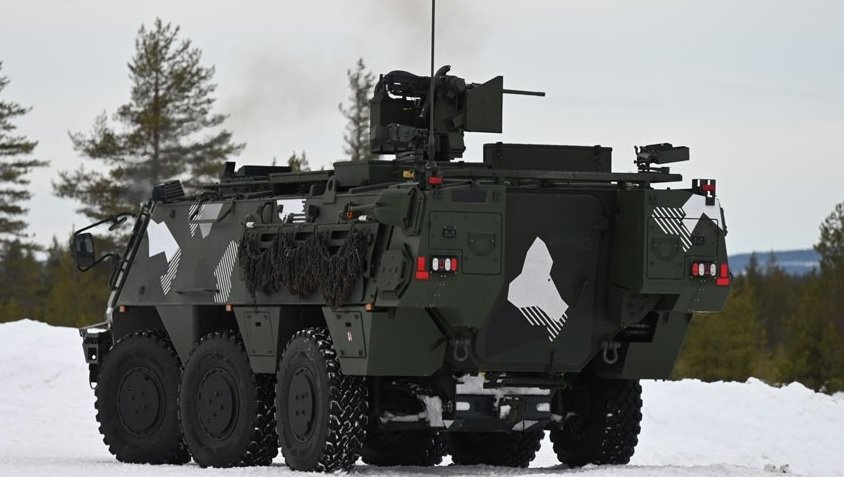 Kongsberg Wins $120 Million Contract for More Protector RS4 Systems for Canadian Army
-
 Castelion Secures $1 Billion Funding to Scale Production of Blackbeard Hypersonic Missile
-
 US Navy Launches ARAV-6 Missile Target During Multinational Pacific Dragon 2026 Exercise
-
 Lockheed Martin Demonstrates AI-Powered Sonar System With U.S. Navy at RIMPAC 2026
-
 Russia Receives New Batch of Pantsir-S and Pantsir-SMD Air Defense Systems
-
 Russia Receives North Korean KN-30 Ballistic Missiles as Moscow Expands Its Missile Arsenal
-
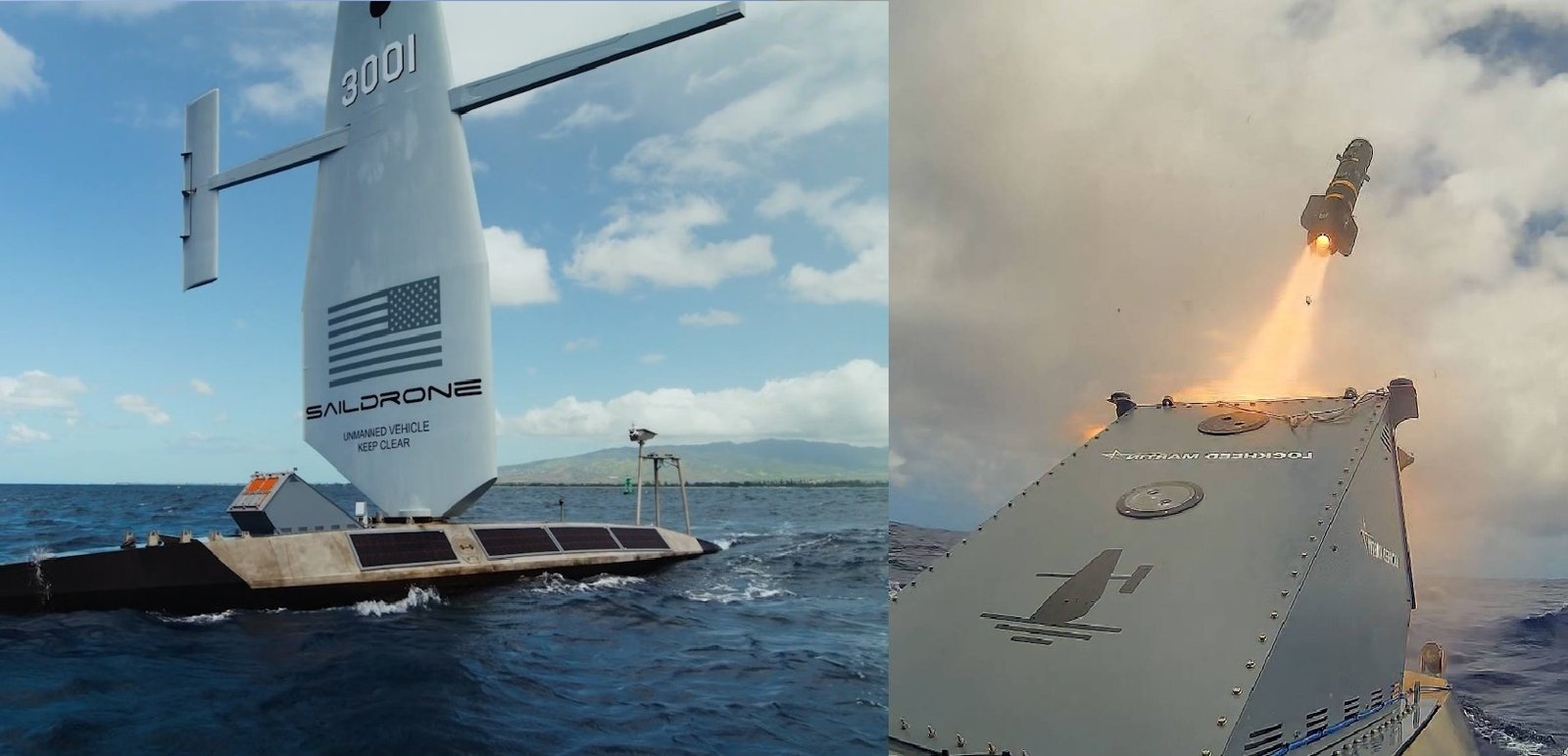 Saildrone and Lockheed Martin Successfully Fire Two JAGM Missiles in First Live-Fire Test from Unmanned Vessel at RIMPAC 2026
-
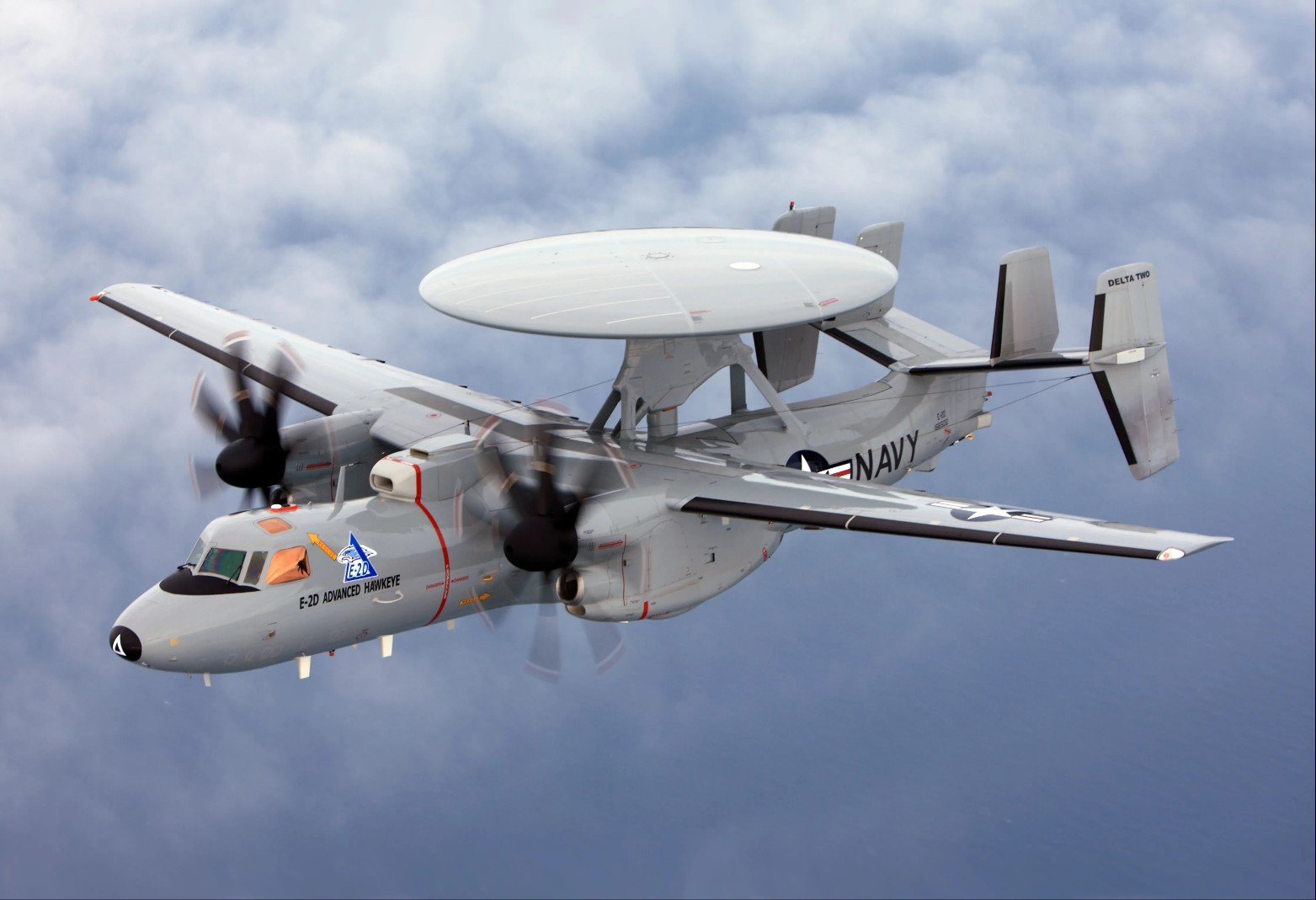 Northrop Grumman Clears Critical Design Review for E-2D Hawkeye Block II Upgrade
Top Trending in 4 Days
-
 U.S. Navy Destroyer USS Benfold Spent Four Days Without Power in South China Sea After Generator Failure
-
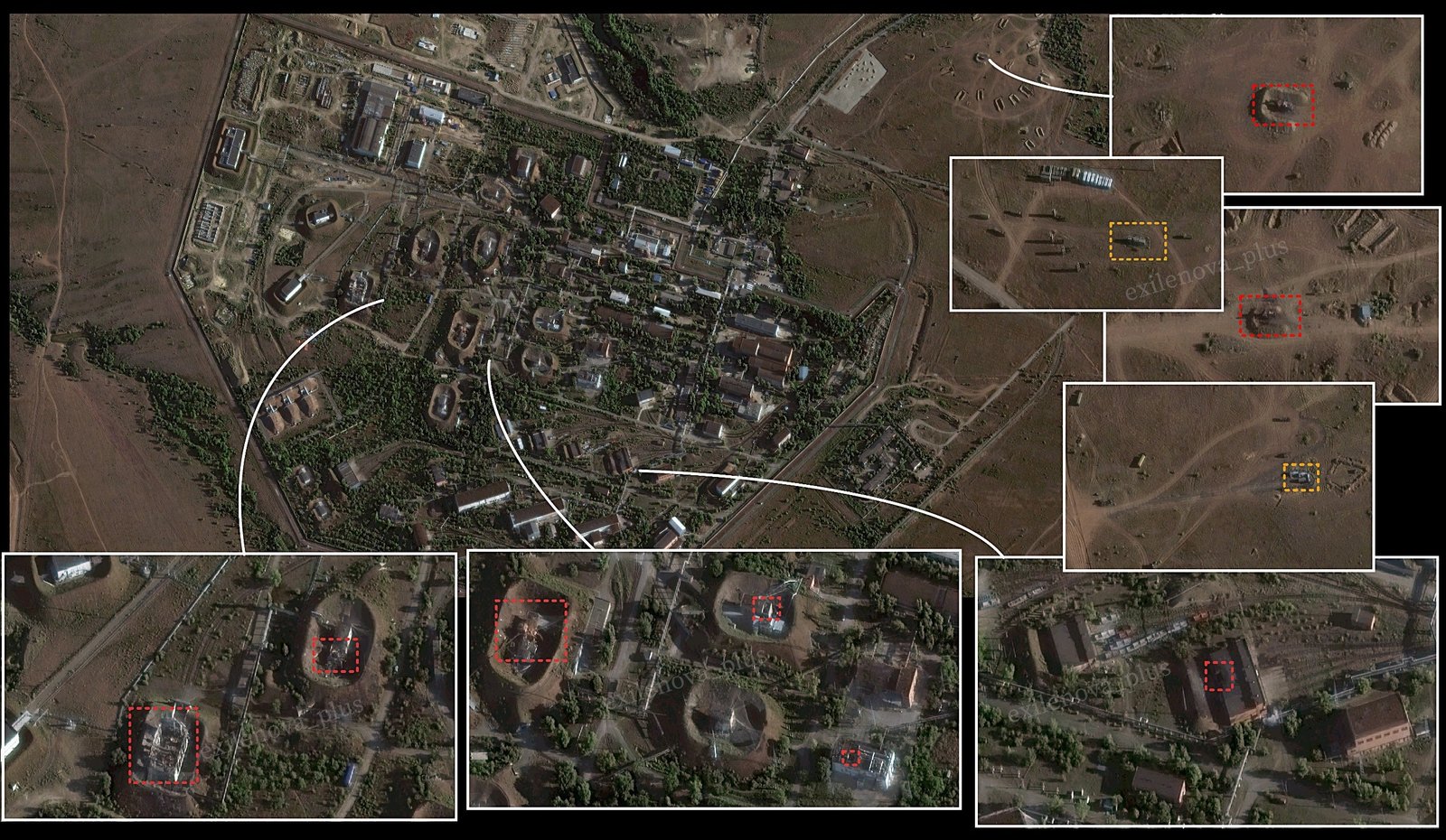 Satellite Images Show Ukrainian Drone Strike Hits Russian Rocket Fuel Plant and Air Defense Systems in Rostov Region
-
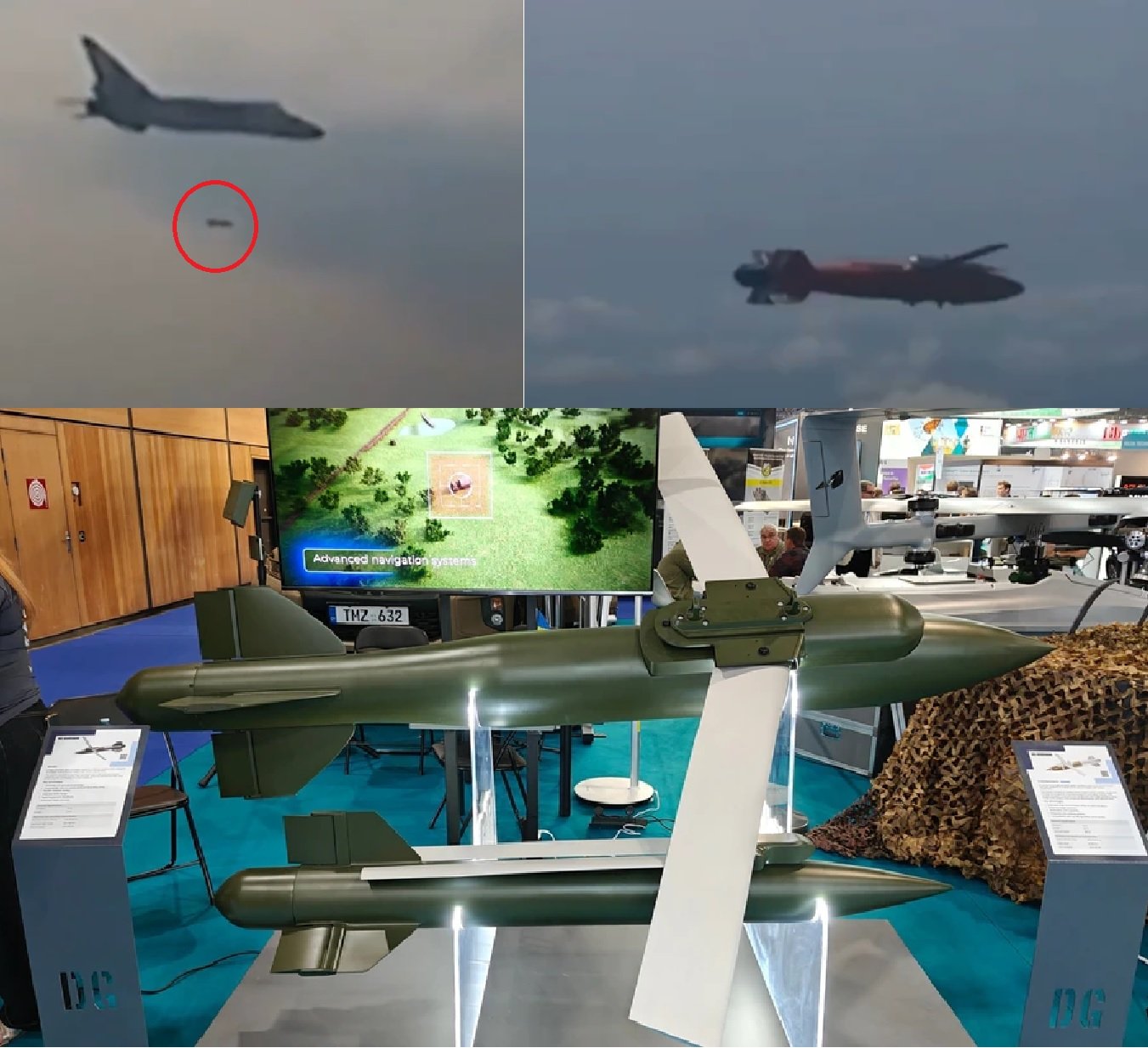 Ukraine Begins Procurement of Vyrivniuvach Guided Aerial Bomb
-
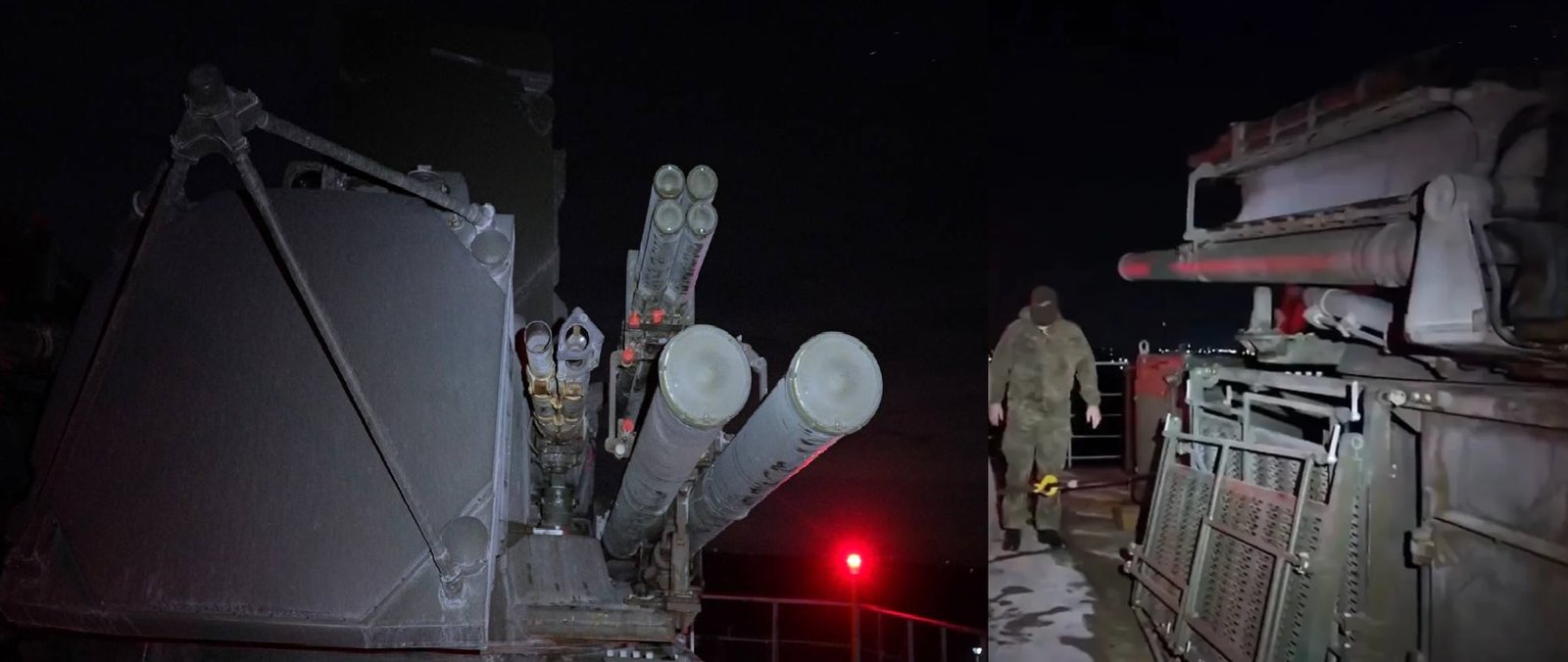 Russia Expands Moscow’s Anti-Drone Defense Network With Specialized 35-Meter Towers for Pantsir Systems
-
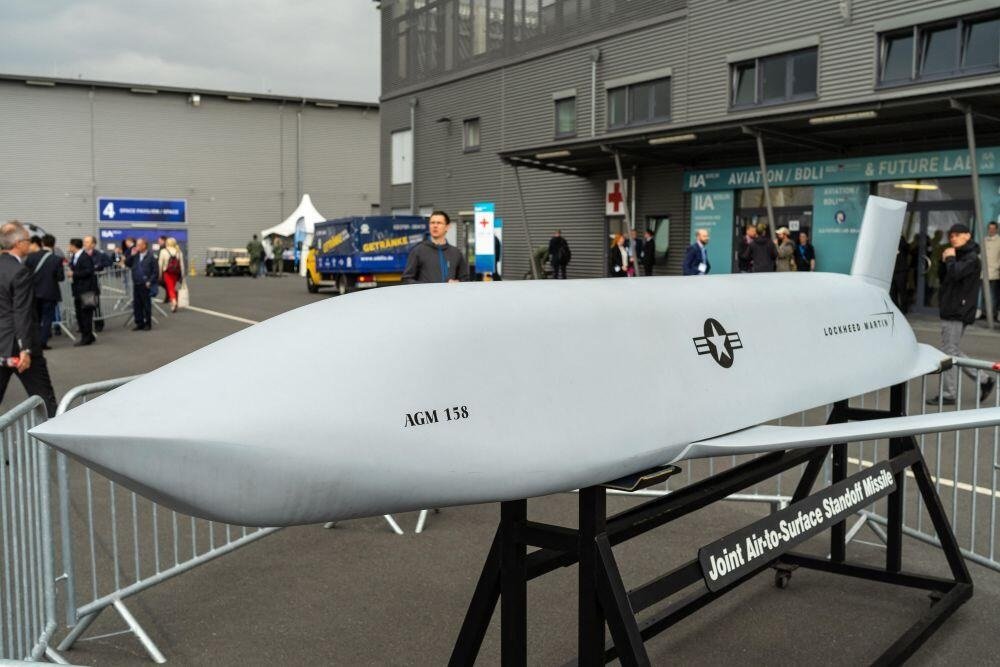 U.S. Air Force Selects GE-Kratos F143 Engine as Second Engine Source for JASSM Missile
-
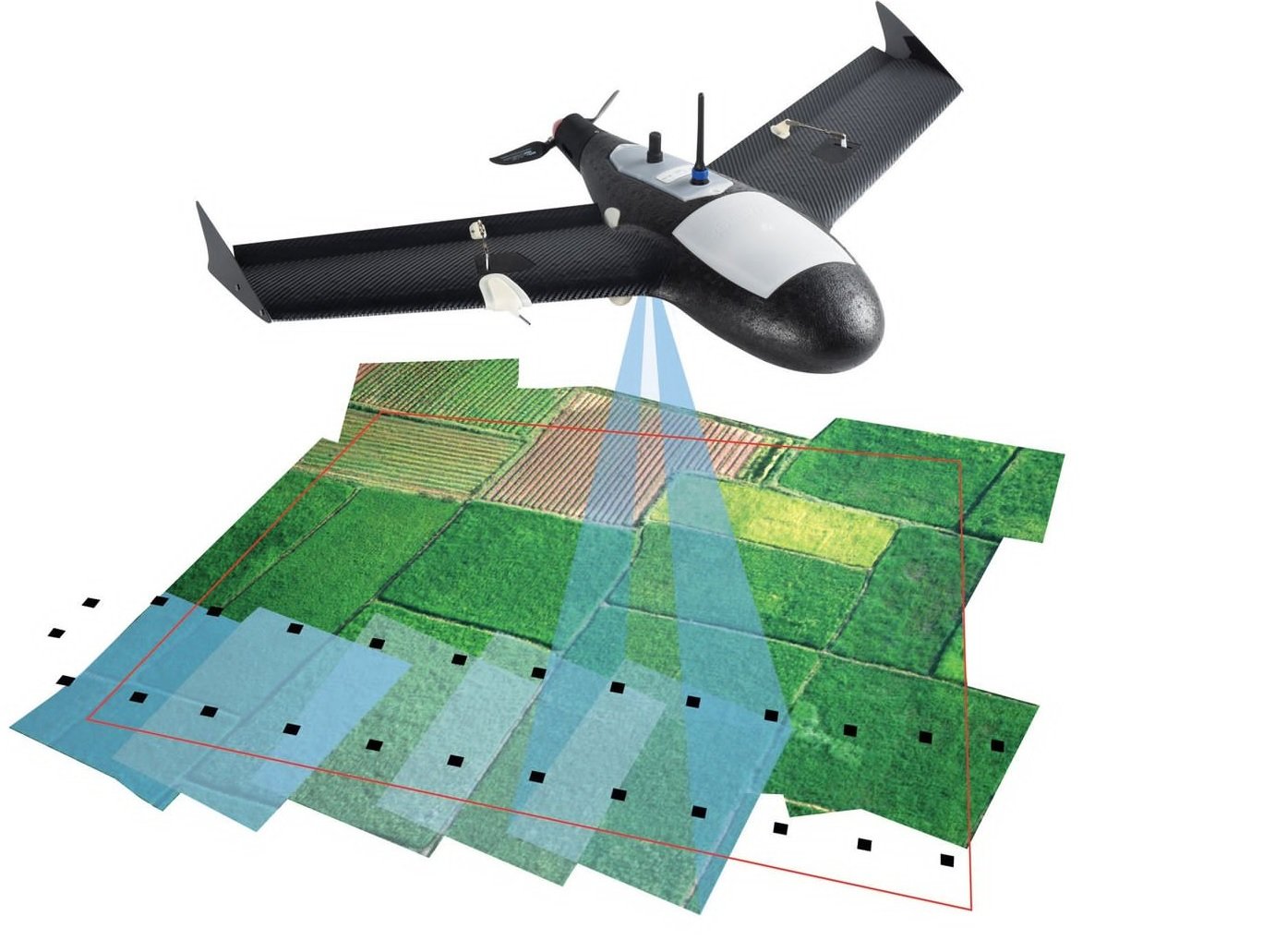 Russia Develops 'Martian' Camera-Based Navigation Independent of GPS and Radio Signals for Drones
-
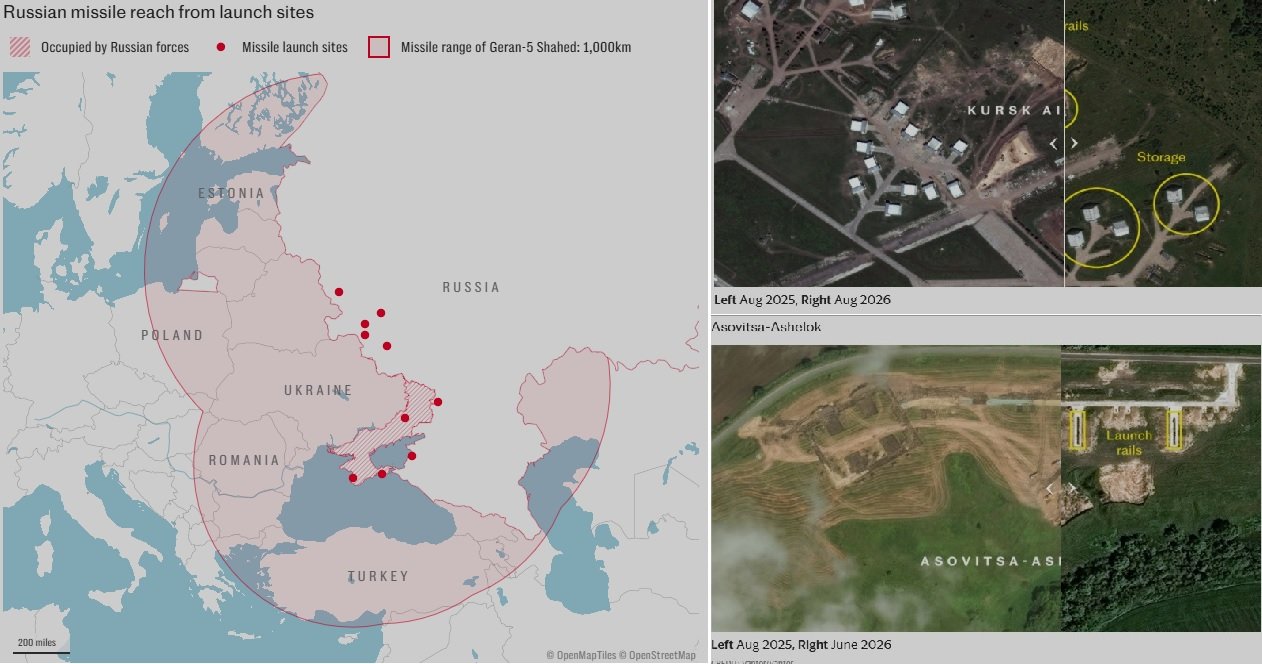 Russia Expands Drone Launch Network Near Ukraine and Belarus Borders, Putting NATO Territory Within Range
-
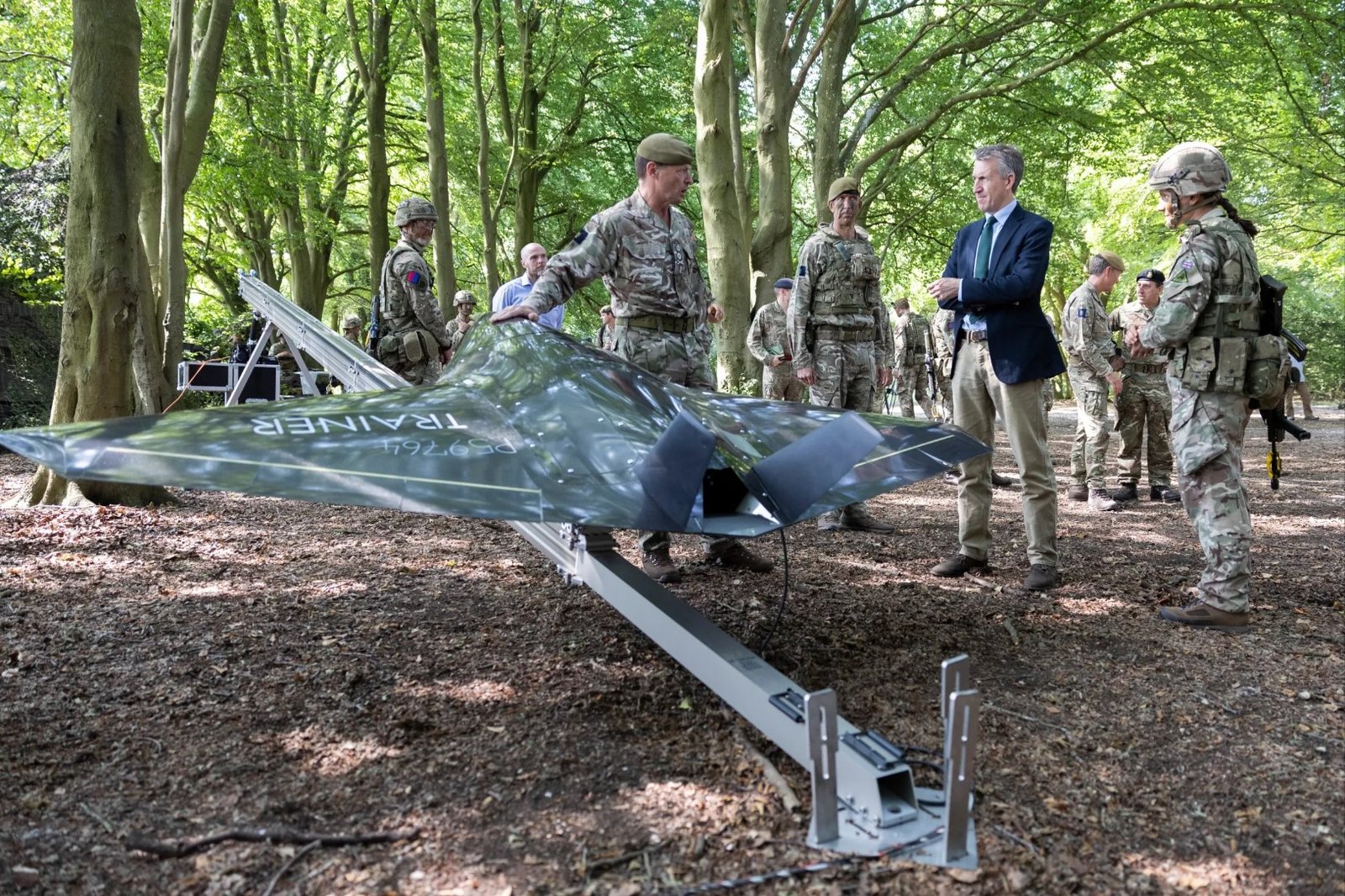 Russia Warns UK of ‘Consequences’ Over British Drones Used by Ukraine in Strikes on Russian Territory
