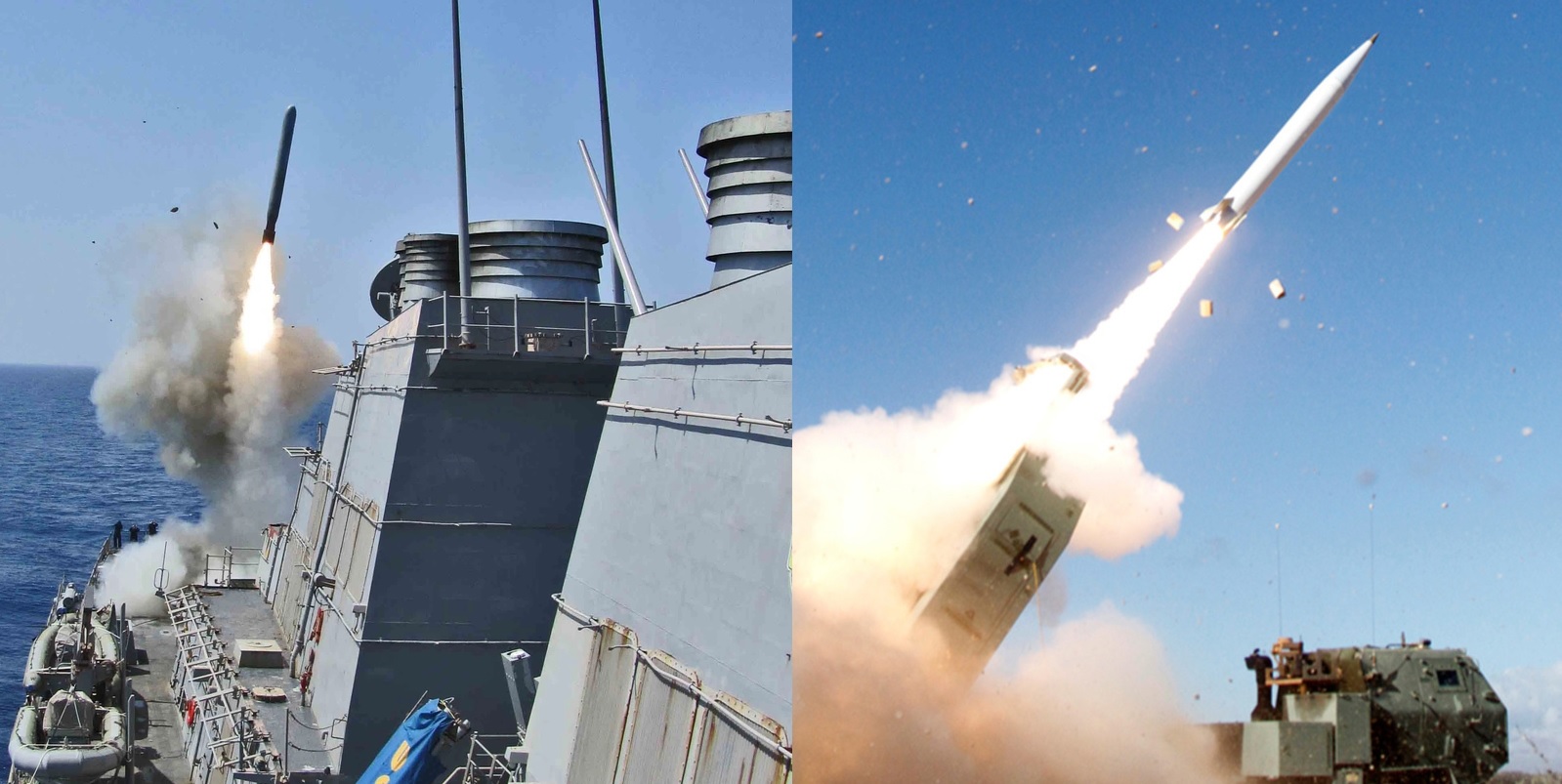
WASHINGTON — May 19, 2026 : The U.S. Department of Defense has initiated one of its largest recent long-range munitions procurement efforts, announcing framework agreements for the future acquisition of more than 10,000 low-cost cruise missiles and over 12,000 hypersonic missiles as part of a broader strategy to expand strike capacity, replenish depleted inventories, and strengthen deterrence capabilities in the Indo-Pacific region.
The procurement initiative centers on the Pentagon’s Low-Cost Containerized Missiles (LCCM) program, which is designed to establish a large-scale pipeline for affordable precision-strike weapons that can be produced rapidly and deployed across multiple operational environments. The Department is simultaneously advancing a parallel hypersonic missile effort aimed at scaling production of lower-cost high-speed strike systems for future naval and air operations.
Defense officials stated that the strategy reflects a shift toward a “high-low mix” of munitions, combining smaller inventories of advanced high-cost weapons with larger numbers of lower-cost systems capable of sustaining long-duration operations.
Pentagon Awards LCCM Framework Agreements
The Department of Defense awarded LCCM framework agreements to four companies — Anduril Industries, CoAspire, Leidos, and Zone 5 Technologies — to support future production contracts running from 2027 through 2029.
Under the agreements, each company is expected to deliver approximately 3,000 missiles and associated launch systems during the three-year procurement period. The contracts establish fixed unit pricing for future production lots and are intended to accelerate acquisition timelines while reducing overall procurement costs.
The effort is being led by the U.S. Army Program Executive Office for Fires in coordination with the Office of the Under Secretary of Defense for Research and Engineering, the U.S. Air Force weapons acquisition office, and additional defense agencies.
The Pentagon plans to begin procuring test missiles from all four contractors starting in June 2026 to support experimentation, operational assessments, and a Military Utility Assessment process that will determine final production requirements and integration pathways.
Containerized Missile Concept Expands Deployment Options
A central element of the LCCM program is the use of standardized containerized launch systems capable of operating from dispersed locations on land and at sea. The missiles are designed to launch from commercial-style 20-foot ISO containers, enabling rapid deployment and flexible basing arrangements.
The containerized approach has generated growing interest within the U.S. Navy, particularly for maritime strike operations and unmanned naval platforms. Chief of Naval Operations Adm. Daryl Caudle has previously emphasized the Navy’s interest in low-cost, distributed, and difficult-to-target launch systems capable of supporting maritime operations across contested regions.
Several participating companies are now adapting their missile systems for deployment aboard unmanned surface vessels and other maritime platforms.
Anduril Expands Barracuda Missile Production
Anduril will supply the Surface-Launched Barracuda-500M (SLB-500M), a containerized cruise missile derived from the company’s Barracuda family of precision-strike weapons.
The SLB-500M is designed to strike both land and maritime targets and carries a 100-pound payload with a range exceeding 500 nautical miles. Each 20-foot launch container can accommodate up to 16 missiles.
The company has announced partnerships with Kraken Technology Group, HD Hyundai Heavy Industries, and Edison Chouest Offshore to integrate containerized Barracuda launch systems onto unmanned surface vessels.
The air-launched Barracuda variant has already received the U.S. Air Force designation AGM-189A. According to company statements, Anduril intends to scale production to at least 1,000 missiles annually beginning in 2027.
CoAspire and Leidos Develop Modular Cruise Missile Variants
CoAspire will contribute the GHOST missile, a ground-launched and rocket-boosted variant of its Rapidly Adaptable Affordable Cruise Missile-Extended Range (RAACM-ER).
The company stated that the missile uses a 3D-printed aluminum fuselage intended to reduce manufacturing complexity and lower production costs. CoAspire is also integrating maritime-targeting sensors to support operations against moving naval targets and contested electronic warfare environments.
Leidos will provide an LCCM design derived from its AGM-190A Small Cruise Missile, also known as Black Arrow. The enlarged variant incorporates a modular airframe and Weapon Open Systems Architecture configuration designed to simplify future upgrades and subsystem integration.
According to the company, the design supports both ground-launch and maritime-launch configurations.
Zone 5 Technologies, which was acquired by Kongsberg Defence & Aerospace, is also participating in the program following earlier work on the Rusty Dagger cruise missile developed for the U.S. Air Force’s Extended Range Attack Munition initiative.
Pentagon Advances Blackbeard Hypersonic Missile Program
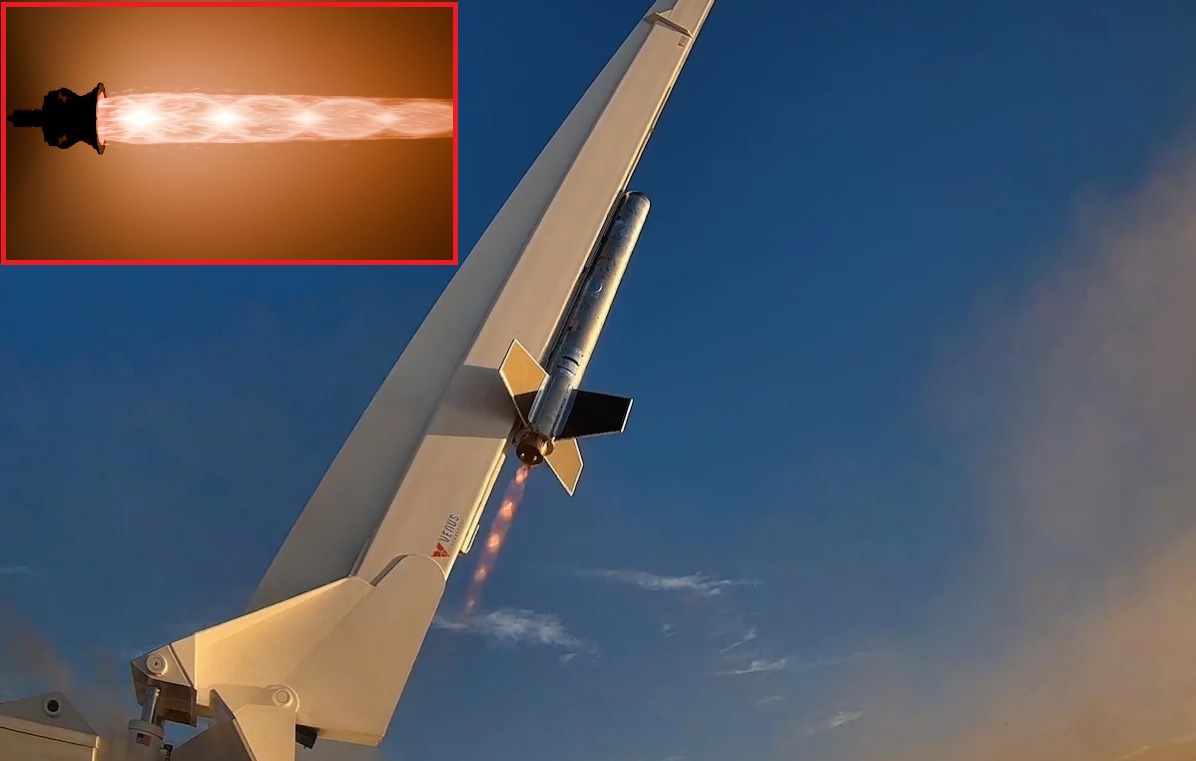
Alongside the cruise missile initiative, the Pentagon has also expanded efforts to field lower-cost hypersonic weapons through an agreement with Castelion for the Blackbeard hypersonic missile program.
Following completion of flight testing and validation activities, the Department of Defense plans to award a multi-year procurement contract covering a minimum production rate of 500 Blackbeard missiles annually.
Defense officials are additionally seeking congressional authorizations and appropriations to support procurement of more than 12,000 Blackbeard missiles over a five-year period.
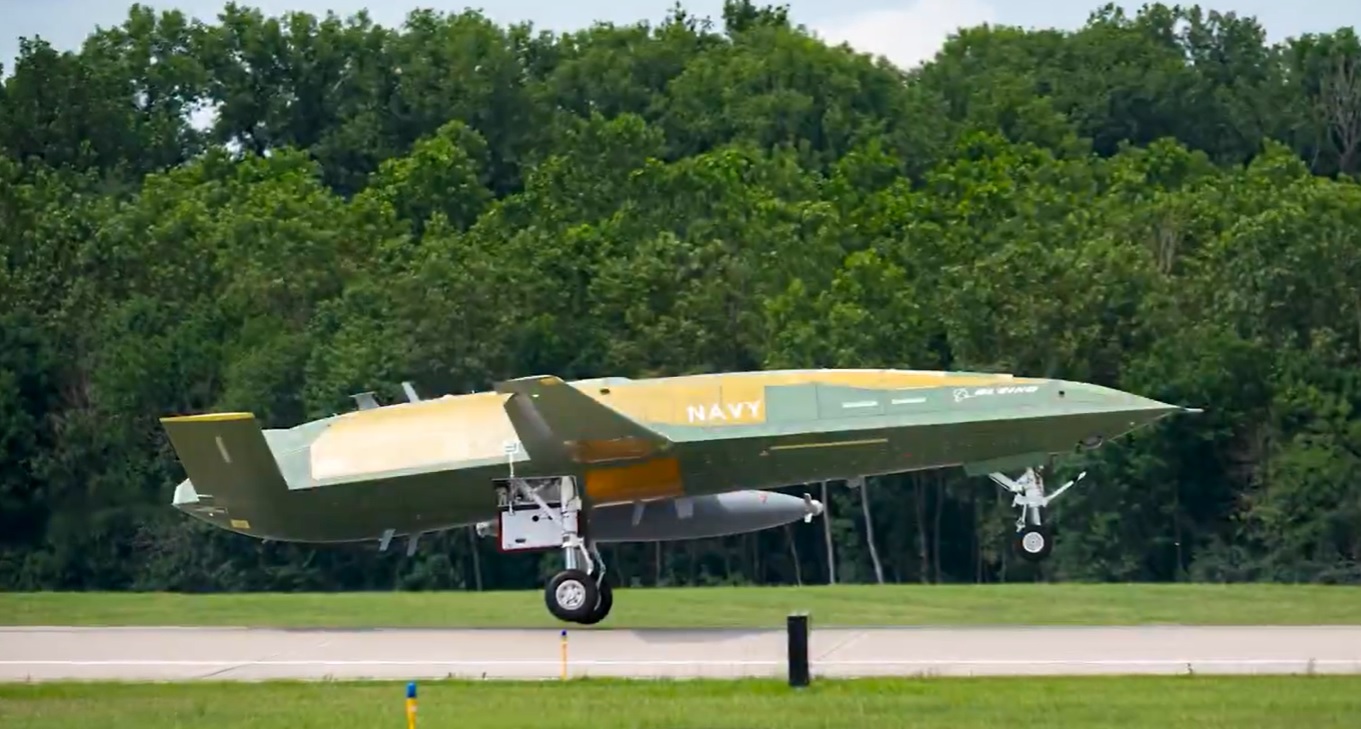
The U.S. Navy has identified Castelion as a potential supplier for future carrier-based hypersonic strike requirements. Current planning includes integration of an air-launched Blackbeard variant onto the Boeing F/A-18E/F Super Hornet fleet.
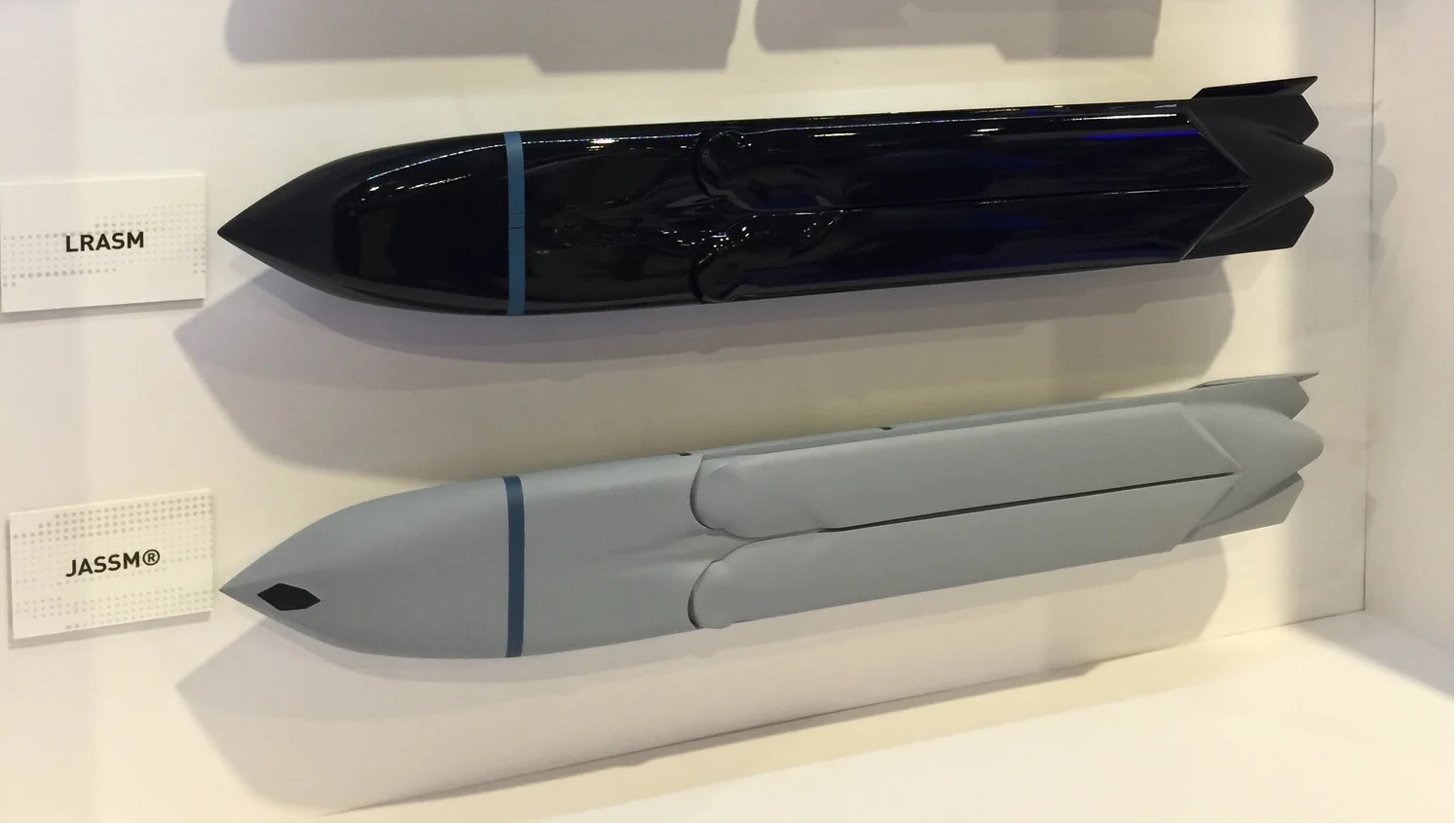
The hypersonic missile program is intended to complement existing long-range strike systems such as the AGM-158C Long Range Anti-Ship Missile and the AGM-84 Harpoon while providing greater speed, range, and production scale for operations against advanced air defense networks.
Castelion is also partnering with Saronic Technologies to integrate containerized Blackbeard launchers onto the company’s 180-foot Marauder unmanned surface vessel.
Strategic Focus on Indo-Pacific Operations
The Pentagon’s large-scale procurement effort is heavily aligned with evolving operational requirements in the Indo-Pacific region, where U.S. defense planners increasingly view affordable long-range strike weapons as essential for countering large naval formations and advanced integrated air defense systems.
Defense officials stated that the new procurement framework is intended to establish a repeatable production model capable of sustaining large missile inventories without relying exclusively on expensive high-end systems such as the Tomahawk Land Attack Missile.
Under Secretary of Defense for Research and Engineering Emil Michael stated that the agreements are designed to accelerate delivery timelines while encouraging private-sector investment in manufacturing infrastructure and production capacity.
Under Secretary of Defense for Acquisition and Sustainment Michael Duffey said the initiative also expands the U.S. munitions industrial base by creating long-term demand signals for non-traditional defense suppliers and emerging technology firms.
The Department of Defense is expected to finalize operational requirements and production allocations following completion of the assessment and testing phase scheduled to begin later in 2026.
——— End of Article ———