TEHRAN/WASHINGTON, — April 13, 2026 : Iran on Monday announced a counter-blockade affecting ports across the Middle East, stating that vessels will not be permitted to use regional port facilities while the United States maintains its naval blockade on Iranian ports and coastal areas.
The announcement was made by Iranian armed forces through an official military spokesperson and coincided with the start of the U.S. blockade earlier in the day. Iranian authorities said the measures would remain in effect until the United States lifts its restrictions.
According to the statement, maritime security in the Persian Gulf and the Sea of Oman must apply equally to all countries. “Security is either for everyone or for no one,” the spokesperson said, adding that if Iranian port access in these waters is restricted, other regional ports would also face similar conditions.
The counter-blockade applies to vessels seeking access to ports across the Persian Gulf and the Sea of Oman, which include facilities belonging to multiple Middle Eastern countries. Iranian officials described the U.S. move as illegal and characterized it as an act of piracy. They said the response is conditional and will be reversed once the U.S. blockade ends.
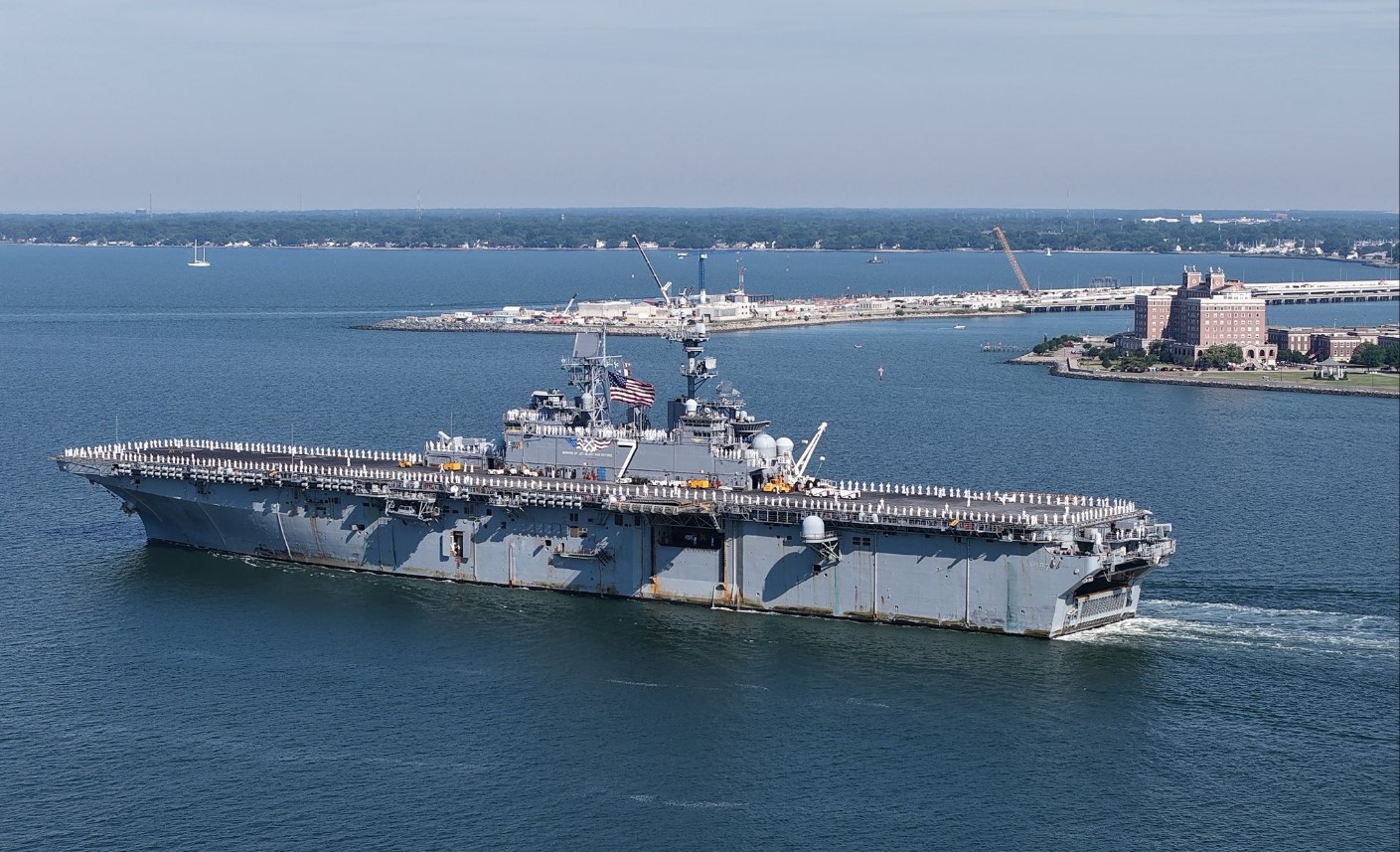
The U.S. Central Command confirmed that its naval blockade began at 10:00 a.m. Eastern Time on April 13. The operation targets all maritime traffic entering or exiting Iranian ports in the Arabian Gulf and the Gulf of Oman. U.S. officials stated that ships transiting the Strait of Hormuz to or from non-Iranian ports are not affected by the measure.
The U.S. administration, under President Donald Trump, said the blockade is intended to restrict Iran’s maritime activity, including oil shipments and revenue flows, following the collapse of diplomatic efforts. The decision came after high-level negotiations between U.S. and Iranian delegations in Islamabad, Pakistan, on April 11 and 12 failed to produce an agreement on a ceasefire or related terms.
Those talks, hosted by Pakistan, involved senior officials including U.S. Vice President JD Vance and Iranian Foreign Minister Abbas Araghchi. U.S. representatives said Iran did not agree to proposed terms, while Iranian officials stated that discussions had progressed before U.S. demands changed and were followed by the blockade announcement.
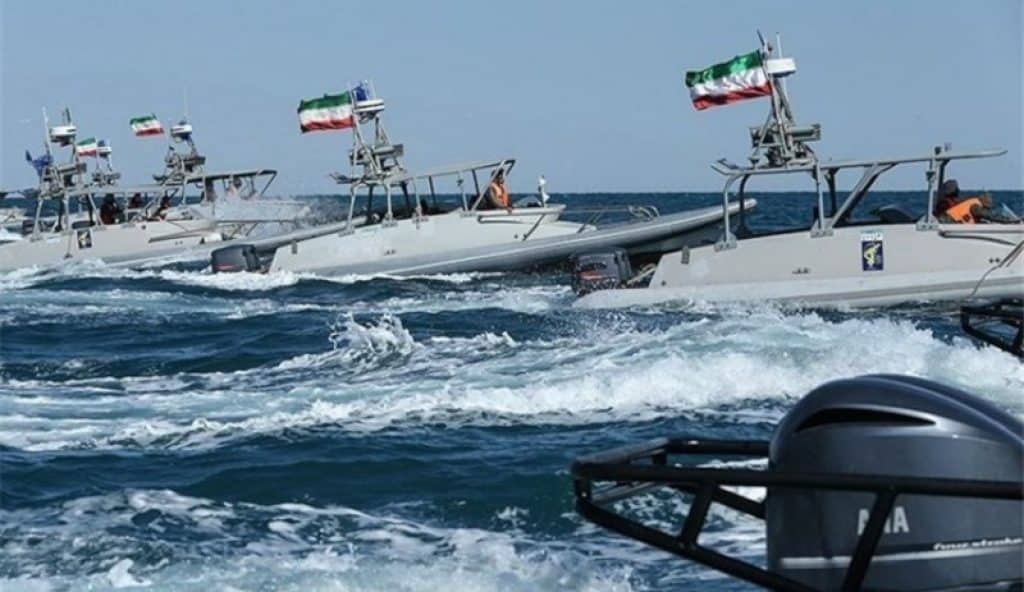
Prior to the latest development, Iran’s Islamic Revolutionary Guard Corps (IRGC) had warned that it could assert control over maritime traffic in the Strait of Hormuz if Iranian access was restricted. The newly announced counter-blockade expands that position beyond Iranian waters to include broader regional port access.
Iranian political and military officials, including parliamentary members and advisers, said the United States is attempting to increase pressure through maritime restrictions and indicated that Tehran has additional response options.
The reciprocal measures have had immediate economic effects. Global oil prices moved higher amid concerns over potential disruption to shipping routes through the Strait of Hormuz, a key corridor for international energy supplies. Financial markets also reacted, with declines reported in several regions. In India, stock markets opened lower, while Pakistan’s KSE-100 index dropped sharply by nearly 6,000 intraday points following the breakdown of negotiations.
International responses have begun to emerge. Israeli Prime Minister Benjamin Netanyahu expressed support for the U.S. action during a cabinet meeting, stating that Israel is coordinating with Washington on the issue.
Despite the escalation, diplomatic engagement has not fully ceased. Officials from Pakistan, Egypt, and Turkey are continuing backchannel discussions with both sides. These efforts are aimed at bridging differences and reaching an agreement before the current ceasefire window, which is set to expire on April 21.
No operational details have been released by Iran regarding how the counter-blockade will be enforced or which specific ports may be directly affected. Both the U.S. naval blockade and Iran’s counter-measures remain in effect as of April 13.
——— End of Article ———