WASHINGTON — May 16, 2026 : The Federal Communications Commission (FCC) has approved SpaceX’s acquisition of approximately 65 megahertz of nationwide wireless spectrum from EchoStar, a regulatory decision that significantly expands the company’s Starlink direct-to-device (D2D) mobile communications program.
The approval, issued on May 12, authorizes SpaceX to obtain exclusive-use, contiguous wireless spectrum intended for satellite-to-phone connectivity services that allow standard smartphones to connect directly to low-Earth orbit satellites without requiring specialized hardware.
The transaction is valued at approximately $17 billion and includes three separate spectrum assets previously held by EchoStar: 15 MHz of unpaired AWS-3 spectrum, 40 MHz of AWS-4 spectrum, and 10 MHz of H-Block spectrum. The acquisition gives SpaceX its first nationwide portfolio of dedicated wireless spectrum licenses.
At the same time, the FCC approved EchoStar’s separate sale of an additional 50 MHz of spectrum to AT&T in a transaction valued at approximately $23 billion. Combined, the two agreements represent more than $40 billion in spectrum divestitures by EchoStar.
Spectrum Approval Expands Starlink Direct-to-Device Capacity
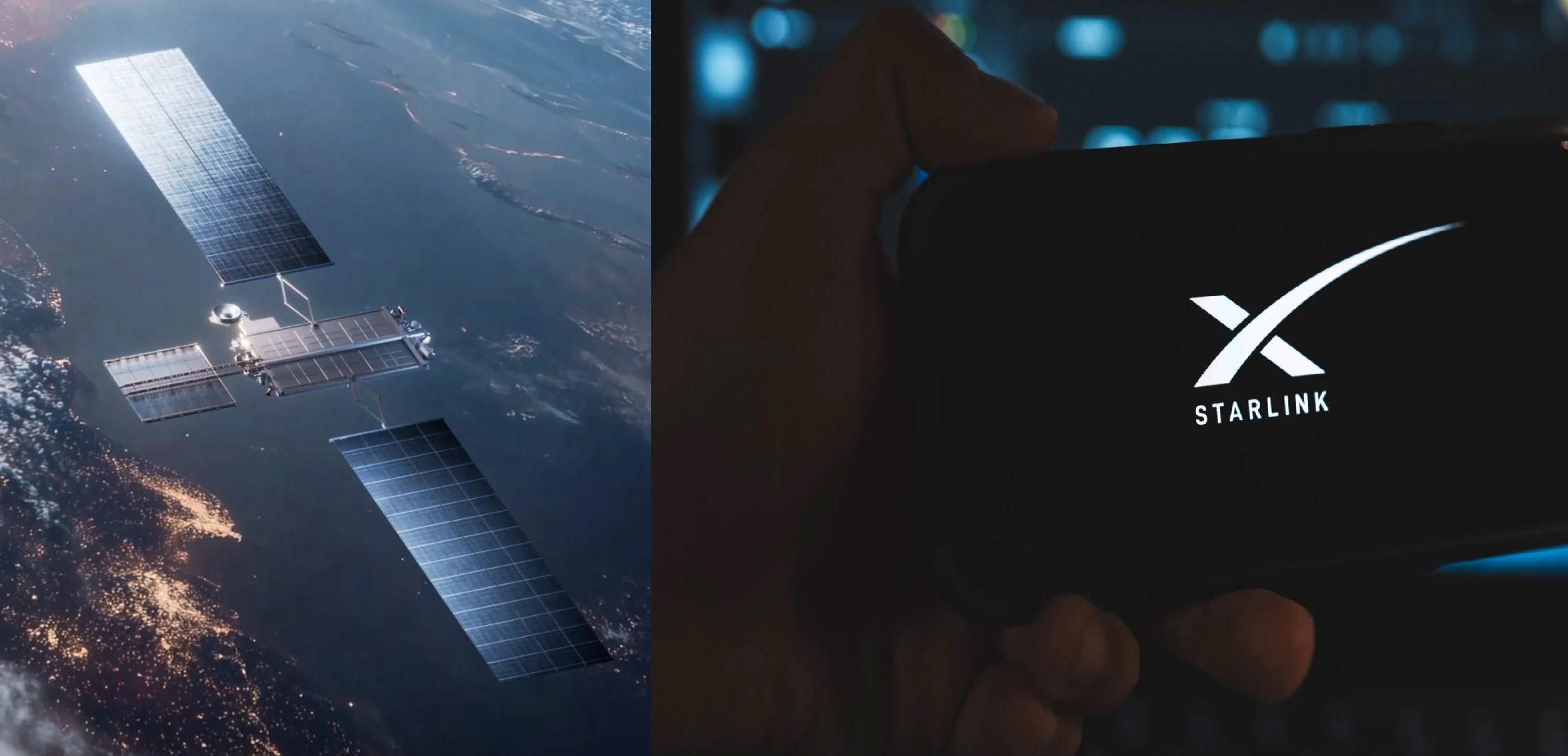
The newly acquired spectrum will support the expansion of Starlink’s next-generation direct-to-cell network, which is designed to provide mobile voice, text, and data connectivity directly from satellites to conventional smartphones.
SpaceX’s initial direct-to-device operations relied on sharing terrestrial carrier spectrum through agreements with telecommunications companies including T-Mobile. That system enabled basic messaging and emergency communication services in areas without terrestrial cellular coverage, but shared-spectrum operations imposed substantial bandwidth limitations.
According to FCC filings associated with the transaction, the addition of dedicated and contiguous spectrum is expected to increase network capacity by more than 100 times compared to SpaceX’s first-generation direct-to-device platform.
SpaceX has stated that the long-term objective is to provide satellite-based connectivity comparable to conventional LTE and future 5G mobile services. The system is intended to operate similarly to terrestrial cellular networks, allowing smartphones to connect automatically to satellites when ground-based coverage is unavailable.
FCC Grants Technology-Neutral Waivers
As part of the approval, the FCC granted SpaceX a series of technology-neutral waivers that permit the deployment of a hybrid communications architecture integrating satellite and terrestrial network infrastructure.
The waivers allow SpaceX to combine space-based and ground-based network components in order to improve service reliability, coverage continuity, latency performance, and spectral efficiency. The regulatory framework also enables more flexible deployment of future direct-to-cell infrastructure across the United States.
The approval further strengthens Starlink’s broader second-generation satellite network expansion. Earlier FCC authorizations, including the January 2026 approval for an additional 7,500 Gen2 satellites, support the deployment of enhanced direct-to-device services both domestically and internationally.
SpaceX Expands Role in Telecommunications Sector
The acquisition substantially changes SpaceX’s position within the telecommunications industry. Previously, the company primarily operated as a satellite infrastructure provider supporting mobile carriers through partnership agreements.
By securing its own nationwide wireless spectrum licenses, SpaceX gains the independent capacity necessary to operate large-scale mobile communications services directly under its own network framework.
Although the company continues to maintain commercial partnerships with terrestrial operators, including T-Mobile, the spectrum ownership structure provides SpaceX with greater operational control over future mobile connectivity services and creates a new competitive dynamic within the wireless communications sector.
Traditional mobile carriers are increasingly evaluating satellite-based coverage solutions to extend connectivity into rural, remote, maritime, and underserved regions where terrestrial infrastructure remains limited or economically difficult to deploy.
FCC Imposes $2.4 Billion Escrow Requirement on EchoStar
The FCC approval includes a major financial condition affecting EchoStar. The commission ordered the company to establish a $2.4 billion escrow account intended to cover potential liabilities involving third-party infrastructure companies.
The condition is linked to ongoing litigation and multi-billion-dollar disputes involving telecommunications tower operators and fiber infrastructure providers following EchoStar and Dish Network’s earlier reduction of plans to construct a nationwide terrestrial 5G network.
Companies connected to the disputes include major infrastructure operators such as Crown Castle and American Tower.
EchoStar publicly objected to the escrow requirement, describing it as an “unprecedented involuntary escrow condition,” while also acknowledging that the FCC considered the spectrum transactions to be pro-competitive.
Deployment Timeline and Regulatory Obligations
The final closing of the spectrum transfer between EchoStar and SpaceX is expected on or about November 30, 2027.
Following completion of the transaction, SpaceX will be required to comply with long-term FCC performance obligations covering technical and operational standards for the direct-to-device network. These requirements include measurable benchmarks for downlink quality, uplink throughput, and spectral efficiency over a nine-year period.
The FCC stated that Starlink’s direct-to-device operations will remain subject to interference protections, international spectrum coordination requirements, and additional regulatory oversight governing satellite communications services.
SpaceX has not yet announced a full commercial deployment timeline for expanded satellite-to-phone services, but the company continues testing and limited rollout operations in selected markets as it develops broader global direct-to-cell capabilities.
——— End of Article ———