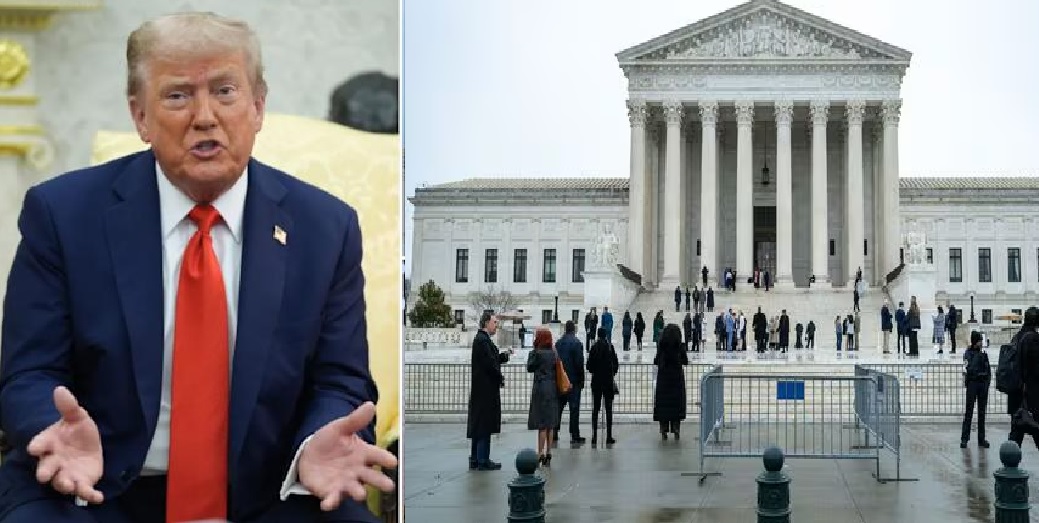
WASHINGTON, D.C., : The United States Supreme Court has ruled 6–3 that former President Donald Trump’s sweeping global tariffs were imposed without proper legal authority, striking down the administration’s use of emergency powers to enforce broad import taxes. In response to the decision, the White House announced a temporary 10 percent global import surcharge under a separate statute, replacing the invalidated tariff framework and reducing rates for several major trading partners.
Supreme Court Limits Use of Emergency Powers
In its majority opinion, the Court held that the International Emergency Economic Powers Act (IEEPA) of 1977 does not authorize the president to impose wide-ranging import tariffs without explicit approval from Congress. Chief Justice John Roberts, writing for the majority, stated that the U.S. Constitution grants Congress the authority to levy taxes and duties, and that IEEPA was designed to address specific national emergencies involving foreign threats, not to serve as a mechanism for comprehensive trade restructuring.
The ruling invalidates the administration’s reciprocal “Liberation Day” tariffs, which had applied varying duty rates to countries based on trade balances and negotiations with the United States.
Refund Process Estimated Between $100–$175 Billion
As a result of the decision, the federal government is required to refund tariff revenues collected under the invalidated framework. Legal and economic assessments estimate that total refunds could exceed $100 billion and may reach as high as $175 billion.
The reimbursement process will be overseen by the United States Court of International Trade in coordination with U.S. Customs and Border Protection. Importers who paid duties under the struck-down policy will be eligible to seek repayment through a structured claims and review process. Federal agencies are expected to issue procedural guidance outlining documentation requirements, timelines, and dispute resolution mechanisms.
Trade analysts note that the refund operation will be one of the largest tariff reimbursement efforts in recent history, affecting manufacturers, retailers, agricultural importers, and logistics companies that absorbed higher costs under the prior system.
Administration Introduces Temporary 10% Global Tariff
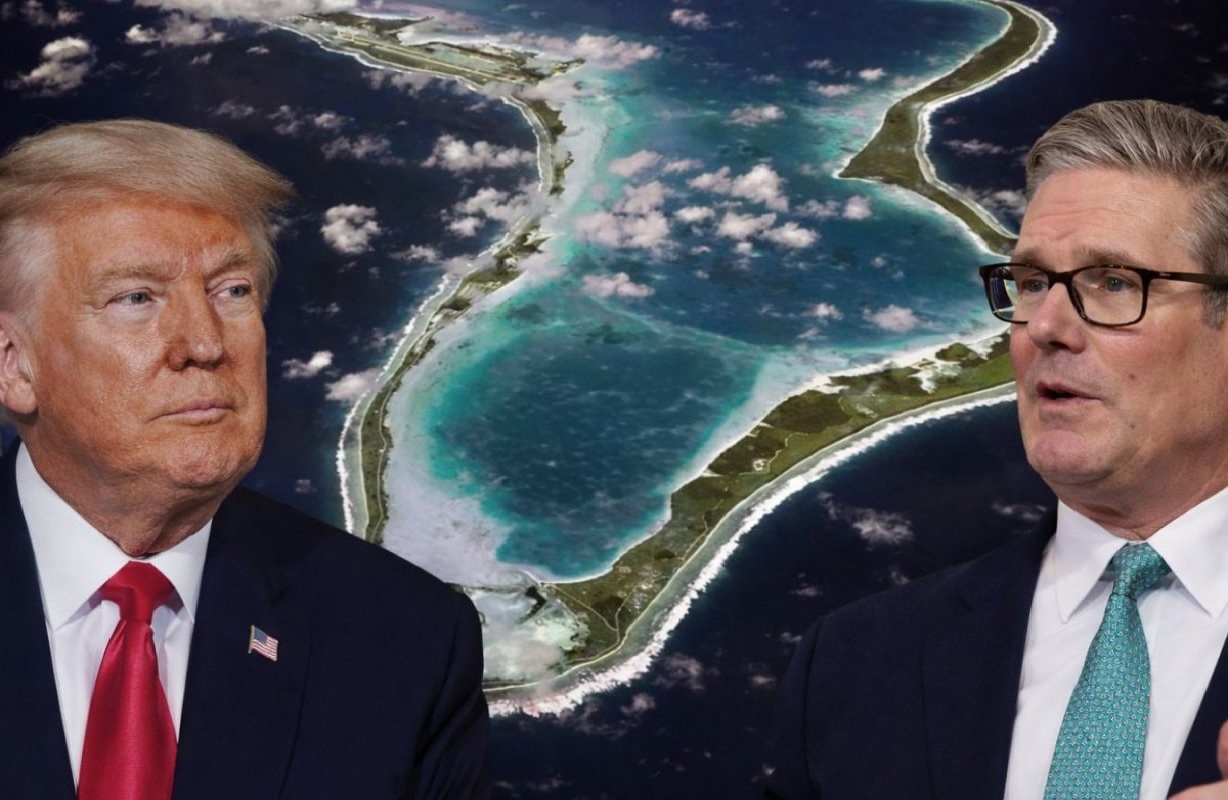
Following the Court’s decision, President Trump publicly criticized the ruling and indicated that the administration would pursue alternative statutory authorities to maintain trade measures.
The White House subsequently invoked Section 122 of the Trade Act of 1974, a provision that allows the president to impose temporary import restrictions to address fundamental international payment imbalances. Under this authority, a uniform 10 percent global import surcharge will take effect on February 24 and remain in place for up to 150 days unless extended with congressional approval.
Section 122 permits temporary measures without prior congressional consent but requires legislative approval for continuation beyond the statutory time limit.
Revised Tariff Rates for Key Trading Partners
The transition from the reciprocal tariff system to the uniform 10 percent surcharge results in immediate reductions for several countries that had been subject to higher rates. Under the previous framework, tariff levels varied by country and were influenced by trade negotiations and bilateral trade positions.
The revised rates are as follows:
- India: reduced from 18 percent to 10 percent
- Vietnam: reduced from 20 percent to 10 percent
- Japan: reduced from 15 percent to 10 percent
The new structure establishes a standardized baseline tariff, replacing country-specific penalty rates that were enforced under the IEEPA authority.
Economic and Trade Implications
The invalidation of the earlier tariffs and the mandated refund process are expected to affect multiple sectors of the U.S. economy. Small and medium-sized enterprises (SMEs), which faced higher import costs across supply chains, are likely to benefit from reimbursements. Larger multinational firms may also see balance sheet adjustments once repayments are processed.
The uniform 10 percent surcharge maintains a broad trade barrier, though at lower levels for many partners compared with the previous system. Industry groups are assessing how the temporary measure will influence pricing, supply contracts, and sourcing decisions over the coming months.
Trade policy specialists indicate that while the immediate legal basis for the earlier tariffs has been removed, the administration retains other statutory tools. These may include Section 301 investigations under the Trade Act of 1974, which allow tariffs in response to unfair trade practices following formal review procedures.
Congressional and Legal Outlook
Because Section 122 measures are time-limited, Congress will play a determining role in whether the 10 percent surcharge continues beyond the 150-day period. Lawmakers may also revisit broader questions about executive authority in trade policy in light of the Court’s interpretation of constitutional taxation powers.
The decision clarifies the limits of presidential authority under IEEPA and reinforces congressional oversight in matters involving import duties. Federal agencies are expected to begin implementing the refund framework and enforcing the revised tariff schedule in the coming days.
——— End of Article ———