
Science
World The integration of bioinformatics and precision medicine stands as a monumental advancement in healthcare, ushering in an era where computational analysis of genomic data is revolutionizing diagnosis, treatment, and prevention strategies on an individualized level. By leveraging sophisticated computational tools and comprehensive genomic datasets, bioinformatics empowers healthcare professionals to tailor medical interventions to the unique genetic profiles and clinical characteristics of each patient, maximizing treatment efficacy and minimizing adverse effects. In this extensive report, we delve deeply into the principles of bioinformatics, its manifold applications in precision medicine, ethical considerations inherent in this field, prevailing challenges, and promising future directions. Principles of BioinformaticsAt the heart of bioinformatics lies the application of computational techniques and statistical methodologies to dissect and decipher biological data, ranging from genomic sequences to protein structures. The foundational principles include:Genomic Data Analysis: Bioinformatics tools are instrumental in the analysis and interpretation of genomic data, enabling researchers to elucidate the intricacies of DNA sequences, uncovering single nucleotide polymorphisms (SNPs), and discerning copy number variations (CNVs). Cutting-edge sequence alignment algorithms, exemplified by BLAST and Smith-Waterman, facilitate the comparison of DNA sequences, thus expediting genome assembly, annotation, and cross-species comparisons.Transcriptomic and Proteomic Analysis: Transcriptomic and proteomic analyses provide invaluable insights into gene expression patterns, protein-protein interactions, and signaling pathways. Techniques such as RNA sequencing (RNA-seq) and mass spectrometry allow for the quantification and characterization of mRNA transcripts and proteins, thereby offering profound insights into cellular processes under various physiological conditions and disease states.Variant Calling and Genomic Variation: Bioinformatics methodologies play a pivotal role in identifying genetic variants through variant calling algorithms. These algorithms discern single nucleotide variants (SNVs), insertions, deletions, and structural rearrangements from genomic sequencing data. Subsequently, these variants are annotated and interpreted to gauge their functional implications on gene expression, protein structure, and disease susceptibility. Applications of Bioinformatics in Precision MedicineThe fusion of bioinformatics and precision medicine has led to a multitude of applications across diverse domains:Genomic Medicine: The advent of genomic sequencing technologies, notably next-generation sequencing (NGS) and whole genome sequencing (WGS), has facilitated comprehensive analysis of an individual's genetic blueprint for personalized medical interventions. Genomic data serve as a linchpin in identifying disease-causing mutations, predicting drug responses, and stratifying patients based on their genetic predispositions.Pharmacogenomics: Pharmacogenomic analyses leverage genomic data to prognosticate individual responses to pharmacological agents, thus optimizing medication regimens for efficacy and safety. Genetic variations in drug metabolism enzymes, transporters, and drug targets engender inter-individual variability in drug response and adverse reactions, underscoring the criticality of pharmacogenomic insights in clinical decision-making.Cancer Genomics: Cancer genomics entails the comprehensive characterization of genomic alterations in tumor cells to inform cancer diagnosis, prognosis, and therapeutic strategies. Bioinformatics tools, ranging from mutation callers to pathway analysis algorithms, facilitate the identification of driver mutations, actionable therapeutic targets, and mechanisms of treatment resistance, thereby empowering clinicians in delivering personalized cancer care.Clinical Decision Support: Bioinformatics-driven clinical decision support systems amalgamate genomic and clinical data to assist healthcare providers in diagnosis, treatment selection, and patient management. Decision algorithms, risk prediction models, and treatment guidelines seamlessly integrate genomic information to prioritize interventions and tailor therapies to individual patient profiles, thereby augmenting clinical decision-making prowess. Ethical ConsiderationsWhile bioinformatics and precision medicine hold immense promise in revolutionizing patient care, they also give rise to pertinent ethical considerations:Data Privacy and Security: Genomic data, being inherently sensitive, necessitate stringent measures for safeguarding patient privacy and ensuring data security. Robust data encryption, access controls, and anonymization techniques are indispensable to shield genomic data from unauthorized access or misuse, thereby adhering to regulatory frameworks such as the Health Insurance Portability and Accountability Act (HIPAA).Informed Consent and Genetic Counseling: Patients undergoing genomic testing or participating in research endeavors must furnish informed consent, thereby comprehending the implications, risks, and benefits of genetic testing. Genetic counseling services play a pivotal role in assisting patients in interpreting their genetic results, comprehending their genetic predispositions, and making informed decisions regarding medical interventions and lifestyle modifications.Equity and Access: Ensuring equitable access to precision medicine technologies and genomic testing services is imperative to mitigate disparities in healthcare delivery and patient outcomes. Endeavors to surmount barriers to access, encompassing cost considerations, geographic disparities, and socio-cultural factors, are imperative to ensure equitable dissemination of the benefits engendered by advancements in bioinformatics and precision medicine. Challenges and Future DirectionsDespite the strides made in bioinformatics and precision medicine, several challenges necessitate concerted efforts for their resolution:Data Integration and Interoperability: The integration of disparate genomic, clinical, and environmental datasets poses challenges pertaining to data standardization, interoperability, and scalability. Bioinformatics platforms and data repositories must be endowed with robust data integration pipelines, data sharing agreements, and harmonized data formats to facilitate seamless collaboration and expedite clinical decision-making processes.Clinical Validation and Regulatory Approval: Validating bioinformatics algorithms and precision medicine interventions for clinical deployment mandates rigorous validation in real-world settings. Regulatory agencies such as the U.S. Food and Drug Administration (FDA) and the European Medicines Agency (EMA) play a pivotal role in evaluating the safety, efficacy, and quality of bioinformatics-driven medical devices and treatments.Education and Workforce Development: Nurturing a skilled workforce comprising bioinformaticians, clinicians, and healthcare providers is indispensable for propelling precision medicine and integrating genomic data into clinical workflows. Educational initiatives, training programs, and interdisciplinary collaborations are instrumental in bridging the chasm between bioinformatics research and clinical application, thereby fostering a culture of innovation and evidence-based medicine.Ethical and Legal Frameworks: The development of robust ethical and legal frameworks is imperative to govern the utilization of genomic data in precision medicine. Ethical guidelines, transparent data governance policies, and informed consent protocols are paramount to ensure responsible data stewardship and uphold ethical principles in genomic research and clinical practice.Global Collaboration and Data Sharing: Fostering international collaboration and data sharing initiatives is pivotal for advancing bioinformatics research and precision medicine on a global scale. International consortia, data commons, and collaborative research networks serve as conduits for the exchange of genomic data, best practices, and research findings, thereby catalyzing progress towards personalized healthcare solutions. Editor’s Thoughts: The amalgamation of bioinformatics and precision medicine heralds a new dawn in healthcare, wherein computational analysis of genomic data empowers clinicians to tailor medical interventions to the unique genetic profiles of individual patients. By harnessing the power of genomic data analysis, predictive modeling, and clinical decision support, bioinformatics-driven precision medicine holds the promise of revolutionizing healthcare delivery and enhancing patient outcomes worldwide. Despite the myriad challenges posed by data integration, validation, education, and ethics, the trajectory of bioinformatics and precision medicine portends a future marked by more effective, efficient, and equitable healthcare for all.
Read More → Posted on 2024-04-25 15:47:56
Space & Technology
WorldThe realm of molecular machines and nanotechnology stands at the forefront of scientific innovation, offering unprecedented opportunities to engineer and manipulate matter at the molecular and nanoscale levels. Molecular machines, inspired by biological systems, exhibit dynamic functionalities and precise control over molecular motion, paving the way for transformative applications in fields ranging from medicine to materials science. In this comprehensive report, we embark on a journey to explore the principles of molecular machines, breakthroughs in nanotechnology, current applications, challenges, and future prospects. Principles of Molecular MachinesMolecular machines are intricately designed molecular-scale devices capable of performing mechanical tasks through controlled movements or changes in molecular conformation. Key principles include:Design and Synthesis: Molecular machines are engineered using principles from chemistry, physics, and biology to achieve specific functions at the molecular level. Synthetic molecular motors, switches, and rotors are constructed using organic molecules, metal complexes, or supramolecular assemblies, allowing precise control over their mechanical motion.Energy Conversion and Motion: Molecular machines harness energy from various sources, including light, chemical reactions, and electrical stimuli, to drive molecular motion. Rotary motors, for instance, utilize chemical energy to drive directional rotation, mimicking the rotary motion observed in biological systems such as ATP synthase.Dynamic Behavior and Control: Molecular machines exhibit dynamic behaviors, including Brownian motion, thermal fluctuations, and stochastic switching between different states. Control strategies, such as photoactivation, pH modulation, and ligand binding, enable external manipulation and regulation of molecular machine activity, facilitating programmable responses to environmental cues. Breakthroughs in NanotechnologyNanotechnology encompasses the manipulation and control of matter at the nanoscale, offering unprecedented opportunities for innovation and discovery. Recent breakthroughs include:Nanomaterials Synthesis: Advances in nanomaterial synthesis techniques, such as chemical vapor deposition (CVD), sol-gel synthesis, and self-assembly, enable the fabrication of nanoscale structures with tailored properties and functionalities. Quantum dots, carbon nanotubes, and metallic nanoparticles exhibit unique optical, electrical, and mechanical properties, opening new avenues for applications in electronics, photonics, and catalysis.Nanofabrication Technologies: Nanofabrication techniques, including electron beam lithography (EBL), nanoimprint lithography (NIL), and atomic layer deposition (ALD), allow for the precise patterning and manipulation of materials at the nanoscale. These techniques enable the fabrication of nanoscale devices, sensors, and circuits with high resolution and scalability, revolutionizing fields such as microelectronics, biomedical devices, and energy storage.Nanomedicine and Drug Delivery: Nanotechnology holds promise for revolutionizing healthcare through targeted drug delivery, imaging, and therapeutics. Nanoparticle-based drug carriers, liposomes, and polymeric nanoparticles enable site-specific drug delivery, reducing systemic toxicity and enhancing therapeutic efficacy. Nanomaterials, such as graphene oxide and gold nanoparticles, serve as contrast agents for imaging modalities, including magnetic resonance imaging (MRI) and computed tomography (CT), facilitating early disease detection and diagnosis. Current ApplicationsMolecular machines and nanotechnology find applications across diverse domains, including:Biomedical Engineering: Molecular machines and nanotechnology are poised to transform biomedical engineering through targeted drug delivery, biosensing, and regenerative medicine. Biomimetic nanocarriers, engineered tissues, and implantable devices offer novel solutions for treating diseases, repairing tissues, and restoring physiological function.Information Technology: Nanotechnology enables the development of high-performance computing devices, memory storage systems, and quantum computing technologies. Nanoscale transistors, memory chips, and spintronics devices exhibit enhanced speed, energy efficiency, and storage capacity, driving advancements in information processing and data storage.Environmental Remediation: Nanomaterials and molecular machines hold promise for addressing environmental challenges, including pollution, water purification, and renewable energy generation. Nanoparticle-based catalysts, photocatalysts, and sensors enable efficient degradation of pollutants, capture of greenhouse gases, and conversion of solar energy into electricity or fuel. Challenges and Future DirectionsDespite the remarkable progress in molecular machines and nanotechnology, several challenges must be addressed to unlock their full potential:Scalability and Manufacturing: Scaling up nanotechnology manufacturing processes and achieving reproducibility at the nanoscale remain significant challenges. Developing scalable fabrication techniques, standardizing manufacturing processes, and minimizing defects are essential for the commercialization and widespread adoption of nanotechnology-based products and devices.Biocompatibility and Safety: Ensuring the biocompatibility and safety of nanomaterials for biomedical applications is critical for clinical translation. Addressing concerns related to nanoparticle toxicity, immunogenicity, and long-term biodegradation is essential to mitigate risks and ensure the safety of nanotechnology-enabled therapies and medical devices.Regulatory and Ethical Considerations: Regulatory frameworks for the oversight of nanotechnology products and applications are still evolving, posing challenges for market approval and commercialization. Addressing ethical considerations, including privacy, data security, and environmental impact, is essential to ensure responsible development and deployment of nanotechnology solutions.Interdisciplinary Collaboration: Advancing molecular machines and nanotechnology requires interdisciplinary collaboration across fields such as chemistry, physics, materials science, and biology. Fostering collaboration between researchers, industry partners, and regulatory agencies is essential for overcoming technical barriers, addressing societal concerns, and driving innovation in nanotechnology.Education and Workforce Development: Building a skilled workforce equipped with the knowledge and expertise to navigate the complexities of molecular machines and nanotechnology is essential for sustaining progress in this field. Educational initiatives, training programs, and interdisciplinary research collaborations can cultivate the next generation of nanotechnology experts and innovators, driving continued advancements in this rapidly evolving field.Editor’s thoughts: Molecular machines and nanotechnology hold immense promise for transforming diverse industries and addressing global challenges through precise manipulation of matter at the molecular and nanoscale levels. By harnessing the principles of molecular motion, nanomaterial synthesis, and nanofabrication techniques, researchers are unlocking new frontiers in healthcare, information technology, environmental remediation, and beyond. Despite the challenges ahead, the future of molecular machines and nanotechnology is bright, with the potential to revolutionize technology, improve human health, and safeguard the environment on a global scale.
Read More → Posted on 2024-04-25 15:42:28
World
SpainITP Aero Introduce IMAGINE, AI software for detecting defects in aeronautical structures, reducing inspection time by 80% at the Albacete Air Force Training Centre.ITP Aero has made a significant breakthrough in the field of aerospace technology with the development of IMAGINE, an innovative AI-based software aimed at detecting defects in aeronautical structures. This pioneering software marks a notable advancement in the industry, offering a practical solution to enhance the inspection process.IMAGINE has been successfully applied in the BACSI project of the Spanish Air Force, showcasing its effectiveness and reliability. At the Albacete Air Force Training Centre (MAESAL), where IMAGINE is already in use, the time required for inspecting aeronautical structures has been reduced by a staggering 80%. This remarkable achievement underscores the tangible benefits of integrating AI technology into aerospace production.The software operates in tandem with robotic digital radiography inspection systems, automating the detection of defects with precision and efficiency. By harnessing the power of artificial intelligence, IMAGINE not only streamlines the inspection process but also enhances the overall quality of assessments.Álvaro Santodomingo, Executive Director of Defence at ITP Aero, lauded the company's pioneering efforts in developing technological solutions for the aerospace industry. He emphasized the significance of IMAGINE's adoption by the Spanish Air Force as a testament to ITP Aero's commitment to advancing the efficiency and sustainability of air bases.Moving forward, ITP Aero aims to further enhance the capabilities of IMAGINE through ongoing algorithm retraining, thereby expanding its scope and utility. With its groundbreaking AI software, ITP Aero continues to drive innovation in aerospace technology, ushering in a new era of efficiency and effectiveness in structural inspection processes.
Read More → Posted on 2024-04-25 15:35:03
World
U.KQinetiQ and partners achieve a milestone with the UK's first Crewed-Uncrewed-Teaming trial, seamlessly integrating crewed aircraft with autonomous drones, advancing air autonomy capability. This successful demonstration showcases the potential for cost-effective enhancement of combat capability through innovative collaboration and technology integration.In a groundbreaking demonstration of technological advancement, QinetiQ, in collaboration with the Defence Science and Technology Laboratory (Dstl), the Royal Navy, and the Air and Space Warfare Centre (ASWC), has achieved a significant milestone in the realm of aviation defense capability. The UK's first-ever Crewed-Uncrewed-Teaming (CUT) trial showcased the seamless integration between crewed aircraft and autonomous jet drones, marking a pivotal moment in the evolution of air operations.The trial, conducted with precision and coordination, unfolded as a QinetiQ jet aircraft took off from the Ministry of Defence (MOD) site at Boscombe Down in Salisbury. Simultaneously, a modified Banshee Jet 80 drone was launched from the MOD Hebrides range, situated off the north-west coast of Scotland. The crewed aircraft, en route from Boscombe to the Hebrides, successfully established control over the Banshee drone, issuing mission assignments and directives.Equipped with QinetiQ's Airborne Command and Control for Swarm Interoperable Missions (ACCSIOM) technology, the Banshee drone seamlessly communicated with the crewed aircraft using standardized messaging formats, akin to the NATO Link 16 datalink. This technological innovation not only facilitated effective communication but also ensured safety through built-in override systems, thereby guaranteeing the drone's compliance with designated operating parameters.The success of this trial underscores the potential for integrating crewed and uncrewed systems within the existing combat air fleet, thereby enhancing combat capability in a cost-effective manner. Alan Hart, Managing Director Science & Technology at QinetiQ, emphasized the collaborative nature of the endeavor, highlighting its significance in meeting the evolving needs of frontline operations.Minister for Defence Procurement, James Cartlidge, lauded the achievement as a testament to British engineering expertise and emphasized the strategic importance of crewed-uncrewed teaming in bolstering the Armed Forces' technological prowess. This successful trial, he asserted, exemplifies the synergistic relationship between the MOD and industry in driving innovation and experimentation.Peter Stockel, Dstl's Chief for Robotic and Autonomous Systems, emphasized the trial's role in de-risking the adoption of autonomous systems, addressing regulatory requirements, and advancing autonomy capabilities. The collaborative effort between MOD, Dstl, QinetiQ, and industry partners underscores a commitment to accelerating research and development for operational advantage through open and agile approaches.Commodore Steve Bolton, Deputy Director Aviation Programmes & Futures, expressed his satisfaction with the trial's outcomes, noting its alignment with the Royal Navy's aviation transformation initiatives. Crewed-Uncrewed Teaming, he affirmed, holds the potential to expand aviation combat mass and operational advantage at sea, ushering in a new era of strategic capability.The flight trial, conducted under the UK's Accelerating Air Autonomy Capability Experimentation (A3CE) R&D programme, represents the culmination of extensive planning and development efforts. Through synthetic and flight de-risking trials, assessment, and testing, QinetiQ and Dstl have demonstrated a steadfast commitment to advancing air autonomy capability, setting a precedent for future innovation and collaboration in defense technology.
Read More → Posted on 2024-04-25 15:25:11
India
India ,Pakistan Pakistan expands its drone arsenal with CH-4 acquisitions from China, responding to India's MQ-9B purchase, fueling regional tensions and perpetuating the enduring arms race.The recent procurement of MQ-9B drones by India from the United States has prompted strategic responses from neighboring Pakistan. Faced with financial constraints in competing with India's substantial investment, Pakistan has turned to China for an alternative solution.Pakistan's acquisition of ten CH-4 armed drones, with a potential additional purchase of ten more, reflects its commitment to bolstering its defense capabilities. With an estimated deal value of approximately $24 million, this move underscores Pakistan's strategic approach in the face of regional military modernization.The CH-4 drone, while recognized for its operational capabilities, is acknowledged to be less advanced compared to its MQ-9B counterpart. Its slower speed and altitude limitations pose challenges, potentially exposing it to countermeasures in a dynamic operational environment.The stated objective behind Pakistan's expansion of its CH-4 fleet is to address security concerns in the province of Balochistan, which has been grappling with persistent unrest and terrorist activities. However, this decision has drawn criticism, raising ethical questions about the use of armed drones for domestic security purposes.The arms race between India and Pakistan is not a novel phenomenon, and the latest drone acquisition by Pakistan is a testament to this enduring rivalry. Both nations are investing heavily in advanced technologies to maintain a strategic advantage over each other, perpetuating a cycle of military modernization.Pakistan's drone capabilities extend beyond the CH-4, encompassing a diverse array of platforms from various sources. These include drones procured from Turkey and China, as well as domestically manufactured models. The expansion of Pakistan's drone arsenal reflects its concerted effort to diversify and strengthen its defense capabilities.Comparison of China's CH-4 drone and India's MQ-9B drone:Payload: The MQ-9B packs a heavier punch. It can carry up to 1,700 kg (3,750 lbs) of weapons or sensors, compared to the CH-4's limit of 340 kg (750 lbs). This allows the MQ-9B to carry more missiles, bombs, or a wider range of surveillance equipment.Endurance: The MQ-9B can stay airborne for a longer stretch, offering greater operational range. It boasts a maximum endurance of 40 hours, while the CH-4 can manage 30 hours.Speed: The MQ-9B moves faster, reaching speeds of up to 370 km/h (230 mph) compared to the CH-4's 195 km/h (121 mph). This extra speed can be crucial for quickly reaching targets or repositioning during missions.Armament: Both drones can be armed with air-to-surface missiles and laser-guided bombs for offensive operations. However, due to its American origin, the MQ-9B likely has a wider range of compatible weaponry available.Cost: The CH-4 is likely the more budget-friendly option.Transparency: Information about the CH-4's capabilities can be limited due to China's secretive military development process. The MQ-9B, being a US platform with a longer operational history, has more readily available information.Availability of Information: Information on the CH-4 can be limited due to China's non-transparent military development process.Operational Use: The MQ-9B is a proven platform used by the US military for many years. The CH-4's operational experience is less documented.Overall, the MQ-9B appears to be a more capable drone than the CH-4. However, the CH-4 is likely to be cheaper and may be more attractive to countries with limited budgets.In conclusion, Pakistan's recent drone deal highlights the ongoing technological competition between regional powers. While India pursues cutting-edge drones, Pakistan remains steadfast in its efforts to keep pace, albeit with less sophisticated options. As the arms race in the region intensifies, both nations continue to vie for dominance in the skies, perpetuating a cycle of military escalation.
Read More → Posted on 2024-04-25 15:17:14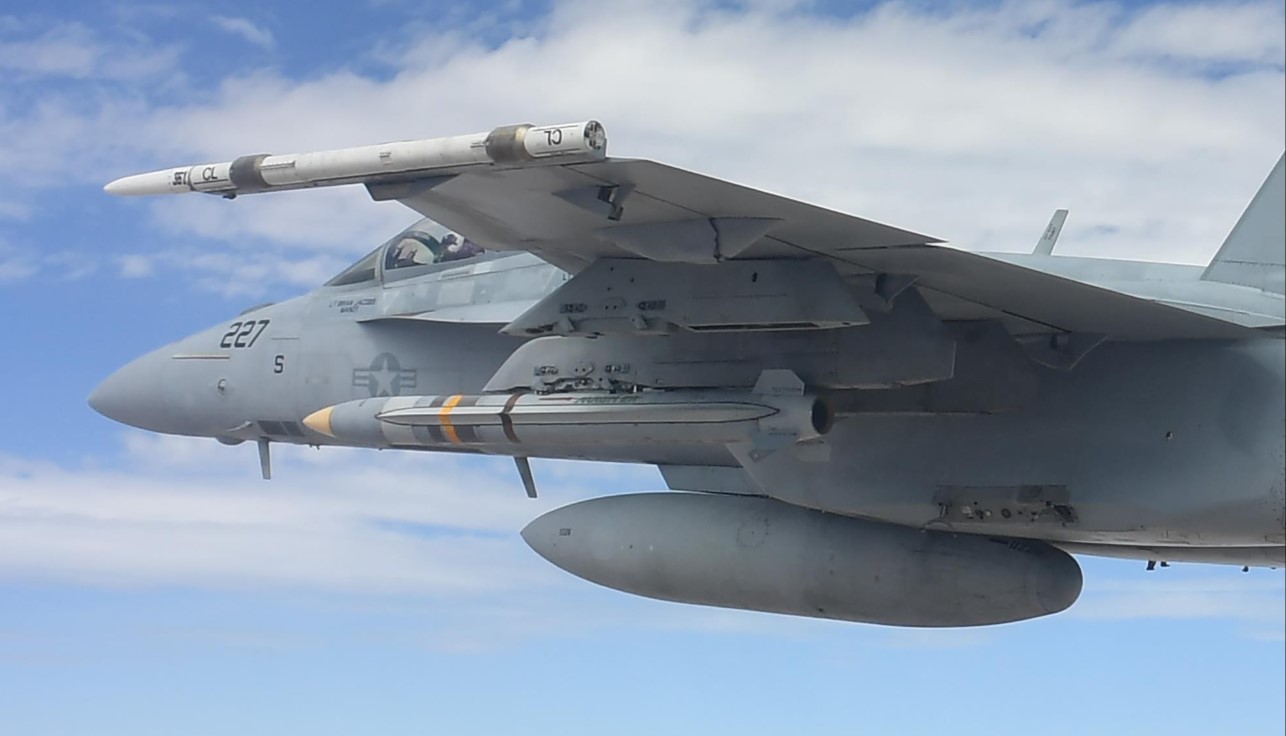
World
U.S ,Poland ,Netherland The US State Department has approved the sale of Advanced Anti-Radiation Guided Missiles (AARGM) to Poland and the Netherlands, bolstering their defense capabilities against emerging threats. The agreements, totaling $2 billion, will equip the allies with extended-range AARGMs to neutralize enemy air defenses and enhance regional security.In recent announcements, the US State Department has given clearance for the sale of extended-range Advanced Anti-Radiation Guided Missiles (AARGM) to both Poland and the Netherlands. These approvals come as part of broader efforts to bolster the defense capabilities of allied nations and enhance regional security.Poland's request for 360 AARGMs, along with dummy training missiles and associated support equipment valued at $1.3 billion, has been greenlit by Washington. The sale also encompasses GPS receivers, software, and engineering and logistical support services, underscoring the comprehensive nature of the agreement. The acquisition of extended-range AARGMs will enable Poland to fortify its capacity to neutralize land- or sea-based radar emitters linked with adversary air defenses. Furthermore, these advanced munitions will contribute to enhancing the survivability of Polish aircraft by impeding the effective utilization of enemy air defense systems.Similarly, the Netherlands has been granted approval to procure 265 AARGM-ERs for $700 million. The sale includes additional components such as guidance sections, control sections, and spare and repair parts. Like Poland, the Netherlands will also receive dummy training missiles, embedded GPS receivers, and M-Code integration, contingent upon finalization of the agreement. This decision aligns with US foreign policy objectives by bolstering the security of a vital NATO ally and enabling the Netherlands to address existing and emerging threats amid escalating regional tensions.The AARGM, developed by Northrop Grumman, is specifically engineered to suppress or neutralize enemy air defenses, with a focus on relocatable integrated air defense targets and adversaries employing shutdown tactics. Boasting an operational range exceeding 60 nautical miles (111 kilometers) and an engagement speed of Mach 2, the AARGM has undergone rigorous testing, successfully detecting, locating, and engaging advanced land-based emitter targets.Overall, the US approval of the sale of AARGMs to Poland and the Netherlands underscores the commitment to enhancing the defensive capabilities of allied nations and fostering stability in the face of evolving security challenges. The agreements represent a strategic investment in collective security within the NATO framework, aimed at deterring aggression and promoting regional stability. Moreover, the provision of advanced weaponry and support services underscores the enduring partnership between the United States and its allies in safeguarding shared interests and maintaining peace and security on the global stage.
Read More → Posted on 2024-04-25 14:59:21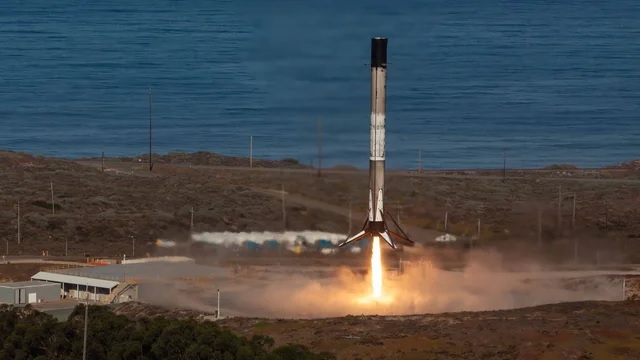
Space & Technology
IndiaSpace Zone India Introduce RHUMI-1, a reusable rocket with a hybrid propulsion system, poised to revolutionize satellite launches, targeting India's burgeoning small satellite market.Space Zone India, headquartered in Kelambakkam, Chennai, is on the verge of a significant breakthrough in Indian space technology. The startup is making waves with its pioneering project, RHUMI-1, a reusable rocket designed to transform satellite launches.RHUMI-1 represents a remarkable advancement in Indian space technology, aimed at revolutionizing satellite launches. Unlike traditional rockets, RHUMI-1 incorporates a reusable mechanism, promising cost-effective and environmentally sustainable solutions. With the capacity to carry three cube satellites, this innovative rocket utilizes a hybrid propulsion system, combining solid fuel and liquid oxidizer technologies. This design not only slashes operational costs but also ensures safety.The surge in demand for small satellites in Low Earth Orbit (LEO) within India has prompted Space Zone India to strategically focus on capturing this burgeoning market. CEO Anand Megalingam highlighted the company's commitment to leveraging the Hybrid Propulsion system to deliver unparalleled cost-effectiveness. With retired ISRO scientists providing guidance, the team is diligently overcoming challenges associated with hybrid propulsion technology.The completion of all tests for the Reusable Hybrid Rocket (Demonstrator) is imminent, with a highly anticipated launch scheduled for mid-August 2024 in the coastal region of Chennai. This milestone marks a pivotal moment for Space Zone India and the Indian space industry, positioning the company as a frontrunner in reusable rocket technology.Space Zone India made history in February 2023 by successfully launching India's first hybrid rocket. The event was witnessed by esteemed dignitaries, including ISRO Scientist Padma Sri Dr. Mylswamy Annadurai and Deputy Director Ranganathan from Sriharikota, alongside eminent scientists from the Atomic Research Centre in Kalpakkam. The company's portfolio includes a range of rockets tailored for altitudes ranging from 1 km to 500 km, showcasing its commitment to innovation and versatility.Innovative launch systems developed by Space Zone India include ground-supporting equipment for rocket launches, pioneering portable launch systems that can be easily transported between locations without requiring large transportation. With the successful launch of their reusable hybrid rocket demonstrator, the company is poised to attract investors for its upcoming rocket launches.
Read More → Posted on 2024-04-25 14:51:30
India
IndiaA remotely piloted aircraft of the Indian Air Force crashed in Pithala village in Jaisalmer district, the IAF said on Thursday.No damage to any personnel or property has been reported, the IAF said. “One Remotely Piloted Aircraft of the Indian Air Force met with an accident near Jaisalmer today during a routine training sortie,’ IAF said in a post on X. “No damage to any personnel or property has been reported. A Court of Inquiry has been constituted to find out the cause of the accident,” the IAF said.
Read More → Posted on 2024-04-25 14:44:09
World
Ukraine , GermanyQuantum Systems expands drone production in Ukraine, bolstering reconnaissance capabilities for the Armed Forces with a new factory and development hub, aiming to deliver 500 drones by year-end amidst ongoing security challenges.In a strategic move to bolster reconnaissance capabilities for the Ukrainian Armed Forces, Quantum Systems, a German company specializing in drone technology, has inaugurated a new factory and development hub in Ukraine. This marks the company's second facility in the country, aimed at ramping up production to meet growing demand.With an anticipated capacity to manufacture up to 1,000 drones annually, alongside spare parts, the new facility represents a significant investment of 6 million euros over the next two years. Quantum Systems CEO, Florian Seibel, emphasized the importance of the partnership, highlighting the trust placed by Kyiv in the company's capabilities.Seibel remarked, "With our own plant, we want to express our trust in Ukraine and our conviction that the future of drone technology is being written here."Quantum Systems has already supplied 212 Vector reconnaissance drones to Ukraine, with plans to deliver a total of 500 by year-end. These drones have proven instrumental in reducing casualties while effectively countering Russia's armed forces. Integrated into strike teams and leveraging satellite communications for tactical coordination, they have facilitated aerial strikes on Russian energy sites, thereby impeding Moscow's advances in the region.To further augment Ukraine's drone capabilities, allies within the Ukraine Defense Contact Group have formed a coalition dedicated to supplying additional unmanned equipment. Led by Latvia and supported by Sweden and the UK, this coalition underscores the collaborative efforts aimed at enhancing Ukraine's defense capabilities.The establishment of Quantum Systems' new production facility reflects a pragmatic response to evolving security challenges, providing tangible support to Ukraine's defense efforts. As drone technology continues to play a pivotal role in modern warfare, such initiatives underscore the importance of strategic partnerships in safeguarding national interests and enhancing security measures.
Read More → Posted on 2024-04-25 14:36:09
World
PolandHanwha Aerospace strengthens Poland's defense with a $1.6 billion contract for 72 Chunmoo rocket launchers and technology transfer, marking a milestone in bilateral security cooperation.Hanwha Aerospace, a leading defense contractor, has solidified its commitment to bolstering security in Poland and the broader region through the signing of an additional executive contract with the Polish Armament Agency. The contract, valued at approximately USD 1.6 billion, encompasses the supply of 72 Chunmoo Multiple Rocket Launcher Systems (MRLS) along with associated long-range guided missiles and technology transfer.The agreement, inked on April 25th at Hanwha Aerospace's production plant in Changwon, marks a significant milestone in the ongoing partnership between South Korea and Poland in the defense sector. Representatives from both governments were present at the signing ceremony, including high-ranking officials from the Polish Ministry of Defence and Hanwha Aerospace.Jaeil Son, President and CEO of Hanwha Aerospace, emphasized the company's unwavering dedication to delivering effective deterrence solutions to regions facing pressing security challenges. The contract underscores Hanwha Aerospace's commitment to supporting Poland's defense capabilities amid evolving geopolitical dynamics.A day prior to the contract signing, the Polish delegation visited the test site of the Agency for Defence Development (ADD) in Anheung, witnessing a successful test-firing of the CTM-290 ballistic missile, a key component of the Chunmoo MRLS system. The CTM-290 showcased its precision-guided striking capability, boasting a maximum range of 290km.Under the HOMAR-K program, Polish defense companies will oversee the integration and assembly of the long-range rocket launcher system onto Polish Jelcz 8×8 chassis. This collaborative effort highlights the extensive involvement of the Polish defense industry in bolstering the country's defense capabilities.Furthermore, Hanwha Aerospace's exclusive assembly line for the K9 Self-Propelled Howitzer in Changwon underscores the company's commitment to local manufacturing and technology transfer. The ongoing executive contracts for the K9PL variant demonstrate the mutual commitment to enhancing defense cooperation between South Korea and Poland.In the coming years, Hanwha Aerospace aims to further integrate Polish subsystems into the K9 platform, paving the way for joint development initiatives catering to the specific needs of the Polish Armed Forces. This forward-looking approach reaffirms the long-term strategic partnership between Hanwha Aerospace and the Polish defense establishment, solidifying their position as key players in the global defense industry landscape.
Read More → Posted on 2024-04-25 14:30:28
Space & Technology
SpaceUnravel the mysteries of exoplanets with this comprehensive report, exploring detection methods, key findings, and future prospects in the quest for understanding our cosmic neighborhood. The discovery of exoplanets, planets orbiting stars beyond our solar system, has revolutionized our understanding of the cosmos and expanded the horizons of planetary science. With advancements in observational techniques and data analysis, astronomers have identified thousands of exoplanets with diverse characteristics, ranging from rocky worlds to gas giants, within habitable zones and beyond. In this comprehensive report, we delve into the principles of exoplanet discovery, state-of-the-art observational methods, key findings, challenges, and future prospects. Principles of Exoplanet DiscoveryExoplanet discovery relies on a variety of observational techniques and detection methods, including:Transit Photometry: Transit photometry involves monitoring the brightness of a star over time to detect periodic dips in brightness caused by an exoplanet passing in front of the star, or transiting. By measuring the depth and duration of these transits, astronomers can infer the size, orbital period, and orbital inclination of the exoplanet.Radial Velocity Method: The radial velocity method, also known as the Doppler method, detects exoplanets by measuring the tiny wobbles or shifts in the spectral lines of a star induced by the gravitational pull of an orbiting planet. By analyzing these radial velocity variations, astronomers can infer the mass, orbital period, and eccentricity of the exoplanet.Direct Imaging: Direct imaging involves capturing images of exoplanets directly, either by blocking out the light of the parent star or by using specialized instruments capable of detecting the faint light emitted by the exoplanet itself. Direct imaging is particularly challenging for Earth-like exoplanets due to their small size and proximity to bright stars.Microlensing and Gravitational Lensing: Microlensing and gravitational lensing occur when the gravitational field of a massive object, such as a star or a galaxy, bends and magnifies the light from a more distant star or exoplanet. By monitoring these lensing events, astronomers can detect the presence of exoplanets orbiting the foreground lensing object. Key Findings in Exoplanet ResearchExoplanet discoveries have yielded a wealth of insights into the prevalence, diversity, and formation mechanisms of planetary systems:Exoplanet Census: Astronomers have identified thousands of exoplanets orbiting stars in our galaxy, spanning a wide range of sizes, compositions, and orbital characteristics. These discoveries suggest that planetary systems are common throughout the universe, with planets orbiting a significant fraction of stars.Habitable Zone Exoplanets: The discovery of exoplanets within the habitable zone of their parent stars, where conditions may be conducive to liquid water and potentially life, has sparked excitement in the search for extraterrestrial life. These "Goldilocks" planets offer tantalizing targets for future exploration and characterization efforts.Exoplanet Atmospheres: Observations of exoplanet atmospheres using spectroscopic techniques have provided valuable insights into their chemical compositions, temperature profiles, and weather patterns. Detecting molecular signatures, such as water vapor, methane, and carbon dioxide, can inform models of exoplanet formation and evolution.Exomoon Candidates: While the discovery of exoplanets has been the primary focus of exoplanet research, astronomers have also identified potential exomoons, natural satellites orbiting exoplanets. These exomoon candidates offer opportunities to study the dynamics and evolution of planetary systems beyond our solar system. Challenges and Future ProspectsDespite the remarkable progress in exoplanet research, several challenges lie ahead:Detection Limits: Current detection methods are biased towards detecting larger exoplanets in close orbits around their parent stars. Detecting smaller, Earth-sized exoplanets in the habitable zones of distant stars remains challenging due to their smaller size and fainter signals.Characterization Challenges: Fully characterizing the properties of exoplanets, including their atmospheres, compositions, and habitability, requires advanced observational techniques and instrumentation. Future space telescopes, such as the James Webb Space Telescope (JWST) and the Nancy Grace Roman Space Telescope, will enable high-resolution imaging and spectroscopic analysis of exoplanet atmospheres.Data Analysis and Interpretation: Analyzing the vast amounts of data generated by exoplanet surveys requires sophisticated data analysis techniques and computational tools. Machine learning algorithms, statistical methods, and data visualization techniques play crucial roles in identifying exoplanet candidates and extracting meaningful information from observational datasets.Next-Generation Surveys: Future exoplanet surveys, such as the Transiting Exoplanet Survey Satellite (TESS) and the European Space Agency's PLATO mission, will continue to search for exoplanets across a wide range of stellar environments and orbital configurations. These surveys will expand our understanding of exoplanet demographics and provide targets for follow-up observations.Biosignature Detection: Detecting signs of life, or biosignatures, on exoplanets is a major goal of future exoplanet research. Identifying biomarkers, such as oxygen, ozone, and methane, in exoplanet atmospheres could provide evidence of biological activity and inform the search for extraterrestrial life. Editor’s Thoughts: The discovery of exoplanets has revolutionized our understanding of the cosmos and opened new avenues for exploration and discovery. By leveraging advanced observational techniques, data analysis methods, and computational models, astronomers continue to push the boundaries of exoplanet research, uncovering new worlds and shedding light on the formation and evolution of planetary systems. Despite the challenges ahead, the future of exoplanet research is bright, with the potential to unravel the mysteries of the universe and search for signs of life beyond our solar system.
Read More → Posted on 2024-04-25 05:20:23
Science
Medical ScienceExplore the transformative impact of immunotherapy on cancer treatment, from monoclonal antibodies to innovative CAR-T cell therapy, and discover ongoing research efforts to overcome challenges and improve patient outcomes. Immunotherapy has revolutionized the landscape of cancer treatment, representing a paradigm shift from conventional approaches by harnessing the body's immune system to combat cancer. Over the past few decades, significant breakthroughs in immunotherapy have transformed the prognosis and outcomes for cancer patients, offering new hope where traditional therapies have fallen short. In this comprehensive report, we delve into the recent advances in immunotherapy, including innovative treatment modalities, key discoveries, clinical applications, challenges, and future directions. The Evolution of ImmunotherapyImmunotherapy has evolved significantly since its inception, with notable milestones including:Monoclonal Antibodies: Monoclonal antibodies, such as rituximab and trastuzumab, were among the first immunotherapies approved for cancer treatment. These antibodies target specific proteins expressed on cancer cells, triggering immune-mediated destruction while sparing healthy tissues.Checkpoint Inhibitors: Checkpoint inhibitors, including ipilimumab, pembrolizumab, and nivolumab, have revolutionized cancer treatment by releasing the brakes on the immune system. By blocking inhibitory pathways such as CTLA-4 and PD-1/PD-L1, checkpoint inhibitors unleash the immune system's ability to recognize and attack cancer cells.CAR-T Cell Therapy: Chimeric antigen receptor (CAR) T cell therapy involves genetically engineering patients' T cells to express a receptor that recognizes a specific antigen on cancer cells. CAR-T cell therapy has demonstrated remarkable efficacy in hematological malignancies, leading to durable remissions in patients with relapsed or refractory disease.Cancer Vaccines: Cancer vaccines aim to stimulate the immune system to recognize and target cancer cells by presenting specific antigens found on tumor cells. Sipuleucel-T, a therapeutic vaccine for prostate cancer, represents a pioneering example of cancer vaccine immunotherapy. Recent Advances in ImmunotherapyRecent breakthroughs in immunotherapy have expanded treatment options and improved outcomes for cancer patients. Notable advancements include:Combination Therapies: Combination immunotherapy regimens, comprising checkpoint inhibitors, targeted therapies, and conventional treatments such as chemotherapy or radiation therapy, have demonstrated synergistic effects and improved response rates in various cancers. For example, the combination of ipilimumab and nivolumab has shown superior efficacy compared to monotherapy in melanoma and other malignancies.Bispecific Antibodies: Bispecific antibodies are engineered to simultaneously bind to both cancer cells and immune cells, directing cytotoxic activity against tumor cells. Bispecific antibodies, such as blinatumomab and bispecific T cell engagers (BiTEs), have shown promise in hematological malignancies and are being investigated in solid tumors.Oncolytic Viruses: Oncolytic viruses are genetically engineered to selectively infect and replicate within cancer cells, leading to their destruction while sparing normal cells. Talimogene laherparepvec (T-VEC), a modified herpes simplex virus, has been approved for the treatment of advanced melanoma and is being studied in other malignancies.Neoantigen Vaccines: Neoantigen vaccines are personalized vaccines designed to stimulate an immune response against tumor-specific neoantigens, which arise from mutations in cancer cells. Neoantigen vaccines hold promise for targeting tumor cells while minimizing off-target effects and systemic toxicity. Clinical Applications of ImmunotherapyImmunotherapy has demonstrated efficacy across a wide range of cancer types, including melanoma, lung cancer, breast cancer, and hematological malignancies. Key clinical applications include:Melanoma: Checkpoint inhibitors, such as pembrolizumab and nivolumab, have revolutionized the treatment of metastatic melanoma, leading to durable responses and improved survival outcomes in a significant proportion of patients.Lung Cancer: Immunotherapy has emerged as a standard of care for non-small cell lung cancer (NSCLC), both in the first-line and second-line settings. Pembrolizumab, alone or in combination with chemotherapy, has demonstrated superior efficacy compared to chemotherapy alone in patients with advanced NSCLC.Hematological Malignancies: CAR-T cell therapy has transformed the treatment landscape for certain hematological malignancies, including acute lymphoblastic leukemia (ALL), diffuse large B-cell lymphoma (DLBCL), and multiple myeloma. CD19-targeted CAR-T cell therapies, such as tisagenlecleucel and axicabtagene ciloleucel, have shown remarkable efficacy in relapsed or refractory B-cell malignancies.Breast Cancer: Immunotherapy has shown promise in breast cancer, particularly in patients with triple-negative breast cancer (TNBC). Checkpoint inhibitors, such as atezolizumab, in combination with chemotherapy, have demonstrated improved progression-free survival in patients with metastatic TNBC. Challenges and Future DirectionsDespite the remarkable progress in immunotherapy, several challenges remain to be addressed:Resistance Mechanisms: Cancer cells can develop resistance to immunotherapy through various mechanisms, including upregulation of alternative immune checkpoints, loss of antigen expression, and immune evasion strategies. Understanding and overcoming resistance mechanisms are essential for improving long-term outcomes and expanding the applicability of immunotherapy to a broader range of cancers.Autoimmune Toxicities: Immune-related adverse events, such as colitis, pneumonitis, and hepatitis, can occur as a result of immunotherapy-induced immune activation. Managing autoimmune toxicities while preserving anti-tumor efficacy is a critical challenge in the clinical management of cancer patients receiving immunotherapy.Biomarker Identification: Biomarkers are needed to predict response to immunotherapy and guide treatment decisions. Identifying reliable biomarkers, such as tumor mutational burden, PD-L1 expression, and immune cell infiltration, is essential for patient stratification and personalized treatment approaches.Cost and Access: The high cost of immunotherapy drugs poses challenges for healthcare systems and patients. Ensuring equitable access to immunotherapy and addressing cost barriers are crucial for maximizing the impact of these therapies and improving patient outcomes.Combination Strategies: Optimizing combination strategies and identifying synergistic treatment regimens are areas of active research in immunotherapy. Preclinical and clinical studies are exploring novel combinations of immunotherapies, targeted therapies, and conventional treatments to enhance anti-tumor immune responses and overcome resistance. Editor’s thoughts: Immunotherapy has transformed the landscape of cancer treatment, offering new hope to patients with advanced and refractory malignancies. Recent advances in immunotherapy, including checkpoint inhibitors, CAR-T cell therapy, cancer vaccines, and combination strategies, have significantly improved outcomes and expanded treatment options for cancer patients. Despite the challenges ahead, the future of immunotherapy looks promising, with ongoing research efforts aimed at overcoming resistance mechanisms, identifying predictive biomarkers, and developing more effective and personalized treatment approaches.
Read More → Posted on 2024-04-25 05:14:53
World
IsraelIAI's ELI-3312 Huntereye: A compact sensor system designed to detect and track aerial threats, enhancing tank defense against drone-delivered warheads.In response to the growing threat posed by multi-rotor drones dropping warheads on tanks, Israel Aerospace Industries (IAI) has introduced a practical solution to bolster tank defenses. The Israeli Defence Forces (IDF) interim measure, known as "Cope Cage," utilizes metal nets to intercept anti-tank charges aimed at the Merkava 4 main battle tanks (MBT). While effective to a certain extent, this stopgap solution has prompted the exploration of more advanced defense mechanisms.IAI's electronic division, Elta, has stepped forward with a tailored response: the ELI-3312 Huntereye system. This solution is specifically engineered to enhance the protection of tanks against aerial threats, offering a comprehensive suite of capabilities for target acquisition and situational awareness.The ELI-3312 Huntereye system operates on a family of compact target acquisition sensors, designed to be seamlessly integrated onto various platforms, ranging from light to heavy Remote Weapon Stations (RWS) and MBTs. At the core of its functionality lies the fusion of two critical sensors into a unified system.Ground surveillance radar forms the backbone of the ELI-3312 Huntereye's detection and identification capabilities. This radar system provides immediate awareness of potential threats, allowing for swift response and mitigation measures. Complementing this radar functionality is the embedded Electro-Optical (EO) fire source sensor, strategically positioned within an integrated Remote Weapon Station (RWS).The modularity of the ELI-3312 Huntereye system ensures adaptability to diverse weapon stations and guns, catering to the specific requirements of different military configurations. By combining radar and EO technologies, the system not only detects and classifies fire sources but also tracks them in real-time, offering a comprehensive understanding of the battlefield environment.In essence, IAI's ELI-3312 Huntereye represents a significant advancement in tank defense systems, offering a pragmatic solution to mitigate the threat posed by drone-delivered warheads. Its ability to provide early warning and precise situational awareness equips military forces with the necessary tools to effectively safeguard their assets against evolving threats on the modern battlefield. As defense strategies continue to evolve, solutions like the ELI-3312 Huntereye will play a crucial role in ensuring the security and effectiveness of armored formations in an ever-changing operational landscape.
Read More → Posted on 2024-04-25 05:07:28
India
India ,ChinaThe return of China's XIANG YANG HONG 03 research ship to the Maldives sparks regional tensions amid suspicions of strategic motives, underscoring the complex geopolitical dynamics of the Indian Ocean. The XIANG YANG HONG 03, a Chinese oceanographic research vessel, has once again docked in the Maldives, marking its second visit to the strategically located island nation this year. This return has reignited concerns among regional powers about China's expanding presence in the Indian Ocean.The ship's previous stopover in February 2024 had raised eyebrows and skepticism among observers. Despite China's assertion that the vessel is dedicated to scientific research, suspicions linger due to its past activities, including operating near India's Andaman and Nicobar Islands without disclosing its whereabouts.Experts speculate that the XIANG YANG HONG 03's primary mission involves mapping the ocean floor and gathering data on currents and water properties. While this data holds scientific value, it could also provide China with tactical advantages, particularly in submarine navigation, potentially complicating efforts to monitor potential threats.The Maldives' decision to host the Chinese research ship has strained its relationship with neighboring India. As a traditional ally, India is likely wary of China's increasing presence in the Indian Ocean. Given the history of rivalry and border tensions between the two countries, India closely monitors Chinese activities in the region.The repeated visits of the XIANG YANG HONG 03 underscore the complex geopolitical landscape of the Indian Ocean. China's pursuit of expanded influence and protection of maritime interests places smaller island nations like the Maldives at the center of a growing strategic competition.In conclusion, the return of the XIANG YANG HONG 03 to the Maldives has amplified regional concerns regarding China's intentions in the Indian Ocean. While framed as scientific research, the presence of the Chinese vessel raises questions about its broader strategic implications, particularly in the context of regional power dynamics.
Read More → Posted on 2024-04-25 04:56:48
India
India ,Russia India accelerates defense acquisitions, set to receive remaining S-400 missile systems from Russia and two frigates, bolstering national security amidst geopolitical complexities. India's defense landscape is witnessing significant developments with the imminent reception of the remaining S-400 Triumf missile systems from Russia. Originally slated for earlier delivery, the process was hindered by the ongoing conflict in Ukraine. However, the latest timeline indicates that India is poised to receive the remaining two regiments of the advanced surface-to-air missile systems by next year.Under a USD 5.5 billion agreement, India has already taken possession of three units of the S-400 Triumf missile systems, marking a substantial investment in bolstering its air power capabilities. These acquisitions are particularly crucial amidst evolving security dynamics, notably from neighboring China and potential threats from Pakistan.In addition to the S-400 systems, India is also anticipating the delivery of two Russian-built frigates, further enhancing its naval capabilities. INS Tushil is expected to arrive in September, followed by INS Tamal in January, after experiencing delays attributed to Russia's involvement in the Ukrainian conflict.These acquisitions are part of broader defense agreements, including a four-frigate deal signed in 2018. While delays have occurred, India remains committed to strengthening its defense capabilities through strategic partnerships.The decision to proceed with the S-400 deal despite warnings of potential sanctions under the CAATSA act reflects India's pragmatic approach to national security. The deployment of these systems along the borders with China and Pakistan underscores India's proactive stance in safeguarding its territorial integrity.Moreover, India is concurrently advancing indigenous defense projects, such as Project Kusha, spearheaded by the Defence Research and Development Organization (DRDO). Set for deployment by 2028-29, Project Kusha aims to equip the Indian Air Force with a long-range air defense system, further augmenting India's defense capabilities against diverse threats.India's diplomatic stance amidst the global geopolitical landscape remains measured, with a preference for dialogue-based resolutions to conflicts. Unlike some other leading powers, India has refrained from direct criticism of Russia's actions in Ukraine, emphasizing the importance of diplomatic engagement.In conclusion, India's strategic acquisitions of the S-400 Triumf missile systems and forthcoming warship deliveries signify its unwavering commitment to enhancing national security. These endeavors, coupled with indigenous defense projects, underscore India's determination to navigate complex geopolitical challenges while prioritizing its defense interests.
Read More → Posted on 2024-04-25 04:50:33
World
Ukraine Russia Conflict Ukraine quietly receives long-range ballistic missiles from the United States, enhancing its defense capabilities against Russian aggression in a covert move amidst escalating tensions. In a strategic move to bolster Ukraine's defense capabilities, the United States has clandestinely provided the nation with long-range ballistic missiles. The missiles, undisclosed until now, were employed by Ukrainian forces in recent strikes on Russian military installations in Crimea and other occupied regions. This covert delivery marks a significant enhancement in Ukraine's military arsenal, offering nearly double the striking distance compared to its previous mid-range weaponry.The long-sought-after missiles, part of the Army Tactical Missile System (ATACMS), extend Ukraine's operational range up to 300 kilometers (190 miles). This upgrade, initiated with the provision of mid-range missiles last October, now grants Ukrainian forces the critical ability to engage Russian targets from safer distances, thus mitigating potential retaliation.President Joe Biden's recent approval of a USD 300 million military aid package includes a substantial allocation of these long-range missiles, reinforcing Washington's commitment to Ukraine's defense. The delivery, executed in early March, signifies a concerted effort by the U.S. to support Ukraine amidst escalating tensions and increased Russian aggression.Details surrounding the extent of the missile provision have been shrouded in secrecy, with U.S. officials choosing to remain anonymous. However, it's evident that this covert operation aims to bolster Ukraine's defense capabilities while minimizing diplomatic fallout with Russia.Ukraine's urgent need for advanced weaponry is underscored by its ongoing struggle to defend against Russian incursions. Facing relentless attacks and the challenge of rationing limited resources, Ukraine's acquisition of long-range missiles fills a critical gap in its defensive capabilities.The clandestine nature of the missile delivery has left many unaware of the enhanced support provided to Ukraine. Lawmakers and observers, oblivious to these developments, have been urging the U.S. to bolster Ukraine's defenses, unaware that the requested weaponry has already been deployed.As Ukraine continues to navigate geopolitical challenges and defend its sovereignty, the provision of long-range ballistic missiles represents a significant stride towards bolstering its defense capabilities. The covert nature of this operation underscores the delicate balance of power in the region and the nuanced diplomatic maneuvers required to support Ukraine while mitigating the risk of escalation.
Read More → Posted on 2024-04-25 04:40:56
World
EuropeTEKEVER Introduces ARX Unmanned Aerial System, revolutionizing surveillance with swarm capabilities and advanced AI integration. Experience the future of long-range missions with unparalleled versatility and efficiency.TEKEVER, a prominent figure in the European unmanned aerial systems (UAS) market, has unveiled its latest innovation, the ARX. This cutting-edge UAS marks a significant leap forward in drone technology, particularly with its pioneering swarm capabilities. Scheduled for commercial release in 2025, the ARX promises to redefine surveillance and search & rescue operations for both civilian and military applications.At the core of the ARX's capabilities lies its onboard artificial intelligence and machine learning systems. These advanced features empower the UAS to deploy and coordinate a swarm of smaller drones from a primary mother drone, a first in the industry. This innovation enhances the ARX's capacity to conduct wide area surveillance missions, offering unparalleled flexibility and efficiency.With a maximum takeoff weight (MTOW) of 600 kilograms, the ARX sets new standards in its class. Its long-range endurance, coupled with advanced AI/ML capabilities, satellite communication (SATCOM), and mesh connectivity, ensures seamless operation even in GNSS-denied environments. Moreover, the UAS boasts a fully modular payload configuration, accommodating various sensors and deployable cargo options tailored to specific mission requirements.The versatility of the ARX extends to its payload choices, ranging from electro-optical/infrared (EO/IR) sensors to synthetic aperture radar (SAR) and signals intelligence (SIGINT) capabilities. This extensive selection of sensors, integrated into a compact platform with minimal logistics footprint, promises to transform the landscape of long-range surveillance.One of the key highlights of the ARX is its ability to combine long-range endurance with detailed observation capabilities. By deploying a swarm of smaller drones, the ARX can gather precise intelligence from shorter distances while maintaining its overarching surveillance mission. This groundbreaking feature unlocks new possibilities in identifying threats, combating wildfires, detecting oil spills, and inspecting suspicious vessels both at sea and on land.The ARX joins TEKEVER's esteemed family of UAS, including the AR3, AR4, and AR5 systems. Shared electronics and software architecture enable seamless integration and interoperability across the product line, streamlining training, maintenance, and support processes. This synergy ensures that each system benefits from the continuous evolution of its counterparts, crucial in today's dynamic military landscape.In addition to its formidable capabilities, the ARX introduces a revolutionary concept: the Digital Twin. Serving as a digital counterpart of the physical system, the ARX Digital Twin facilitates simulation, integration, testing, monitoring, and maintenance processes. This innovative system enhances operator training, accelerates sensor integrations, and optimizes ongoing support and evolution efforts.Ricardo Mendes, CEO of TEKEVER, expressed his excitement about the ARX's launch, emphasizing its transformative impact on surveillance and search & rescue operations. He highlighted TEKEVER's commitment to innovation and its dedication to providing advanced intelligence solutions for critical environmental, commercial, and geopolitical endeavors.In conclusion, the TEKEVER ARX represents a paradigm shift in drone technology, leveraging advanced AI/ML capabilities and swarm functionalities to redefine long-range surveillance missions. With its modular design, extensive sensor options, and seamless integration within TEKEVER's UAS ecosystem, the ARX stands poised to revolutionize the way organizations address complex challenges on a global scale.
Read More → Posted on 2024-04-25 04:27:53
World
Israel ,Pakistna Pakistan and Iran Discuss Kashmir Issue During President Raisi's VisitIn a joint statement issued after the maiden visit of Iranian President Ebrahim Raisi to Pakistan, both countries have expressed their agreement on the necessity of resolving the Kashmir issue through peaceful means, in accordance with the will of the region's people. President Raisi's official visit, which took place from April 22-24 at the invitation of Prime Minister Shehbaz Sharif, underscored the shared commitment to dialogue and diplomacy in addressing regional challenges.The statement emphasized the importance of peaceful settlement of disputes, highlighting the Kashmir issue as a prime example. Both nations reiterated the significance of resolving the matter through dialogue and respecting the aspirations of the people of Kashmir, in conformity with international law.India's consistent stance on Kashmir as an integral part of its territory has been well-documented. The Ministry of External Affairs has repeatedly dismissed external commentary on the issue, reaffirming India's sovereignty over the Union Territories of Jammu & Kashmir and Ladakh.During a joint press conference following discussions between Prime Minister Sharif and President Raisi, Kashmir was brought up by the Pakistani leader, who appreciated Iran's supportive stance. However, President Raisi refrained from directly addressing the issue, instead focusing on Iran's solidarity with oppressed populations, notably in Palestine.This nuanced exchange underscores the complexities surrounding the Kashmir dispute and the divergent perspectives held by regional stakeholders. While Pakistan seeks external validation for its stance on Kashmir, India remains steadfast in its position on the matter.President Raisi's visit to Pakistan marks a significant diplomatic engagement between the two nations, providing an opportunity for dialogue on various regional issues. While Kashmir remains a contentious topic, both Pakistan and Iran reaffirm their commitment to peaceful resolutions and dialogue in addressing regional challenges.
Read More → Posted on 2024-04-25 04:20:44
World
South Korea South Korea Considers Prohibiting iPhones and Smart Wearables in Military BuildingsIn response to escalating security concerns, South Korea is contemplating a ban on iPhones and smart wearable devices within military premises. Citing apprehensions regarding potential security breaches, a consortium of unnamed high-ranking military officials conveyed to The Korea Herald that these gadgets could serve as conduits for unauthorized acquisition of sensitive information, particularly through features like voice recording.The envisioned prohibition stems from a perceived vulnerability to breaches in formal military communications, encompassing meetings, office dialogues, business disclosures, and public consultations. The concern extends to the potential exposure of private phone conversations within military confines, raising alarms over the security integrity of iPhones and smartwatches.Of note, Android-based smartphones, notably Samsung’s Galaxy series, are poised to receive an exemption from the proposed ban.The Republic of Korea Air Force has already taken proactive measures by implementing a comprehensive ban on iPhones within its facilities. This initiative, outlined in an internal directive issued on April 11, underscores the Air Force's determination to uphold stringent security protocols. The directive cited the incompliance of iPhones with the stipulated restrictions delineated by the National Defence Mobile Security, a military-centric mobile application aimed at fortifying smartphone functionalities such as camera, network connectivity, and microphone. It was underscored that Apple's policy restricting third-party applications from accessing core iPhone features, barring the camera, contributed to this decision.The possibility of extending the ban to encompass all subordinate units of the South Korean military is currently under deliberation, with officials from the army, navy, and air force convening in joint sessions to deliberate on the matter. Should this measure be universally implemented, it would impact nearly 500,000 personnel affiliated with the South Korean military.In essence, South Korea’s contemplation of prohibiting iPhones and smart wearables within military installations underscores the prioritization of security imperatives amid evolving technological landscapes. As the nation navigates the complexities of safeguarding sensitive information, such deliberations reflect a proactive stance aimed at mitigating potential security vulnerabilities.
Read More → Posted on 2024-04-25 04:16:50
World
Israel Israeli Strikes 40 Sites in Lebanon, Claims Half of Hezbollah Commanders EliminatedIn a recent escalation of tensions between Israel and Hezbollah, Israeli Defense Minister Yoav Gallant announced on Wednesday that Israeli forces have been conducting offensive action across southern Lebanon. While specifics regarding ground troop movements were not disclosed, Gallant stated that IDF (Israeli Defense Forces) operations have targeted Hezbollah militants, claiming the elimination of "half of Hezbollah's commanders in southern Lebanon" over recent months.The Israeli military, in a separate statement, reported striking approximately 40 Hezbollah targets in southern Lebanon, including storage facilities and weapon caches around the area of Aita al-Shaab. The IDF asserted that Hezbollah had established numerous terror infrastructures in the region, posing a threat to Israel's security.Lebanon's National News Agency confirmed Israeli airstrikes, reporting more than 13 strikes near Aita al-Shaab and surrounding villages. This exchange of fire follows Hezbollah's firing of Katyusha rockets into a northern Israeli border village, purportedly in response to Israeli airstrikes that resulted in civilian casualties.The recent violence adds to the ongoing cross-border exchanges between Israel and Hezbollah since Hamas' attack on Israel in Gaza on October 7th. According to AFP tallies, the conflict has claimed the lives of at least 380 individuals in Lebanon, primarily Hezbollah fighters, and 72 civilians. Israel has reported the deaths of 11 soldiers and eight civilians on its side of the border.In parallel developments, Israel's military has reportedly prepared for an operation to take Rafah, considered the last Hamas stronghold in the Gaza Strip. Civilians in northern Gaza have been fleeing their homes once again, citing intense Israeli bombardment reminiscent of the conflict's outset.The recent events underscore the volatility of the region and the complex dynamics between Israel, Hezbollah, and other militant groups. The escalation in southern Lebanon raises concerns about the potential for further violence and the need for diplomatic efforts to de-escalate tensions and prevent civilian casualties on both sides of the border.
Read More → Posted on 2024-04-25 04:11:30Search
Top Trending in 24 Hours
-
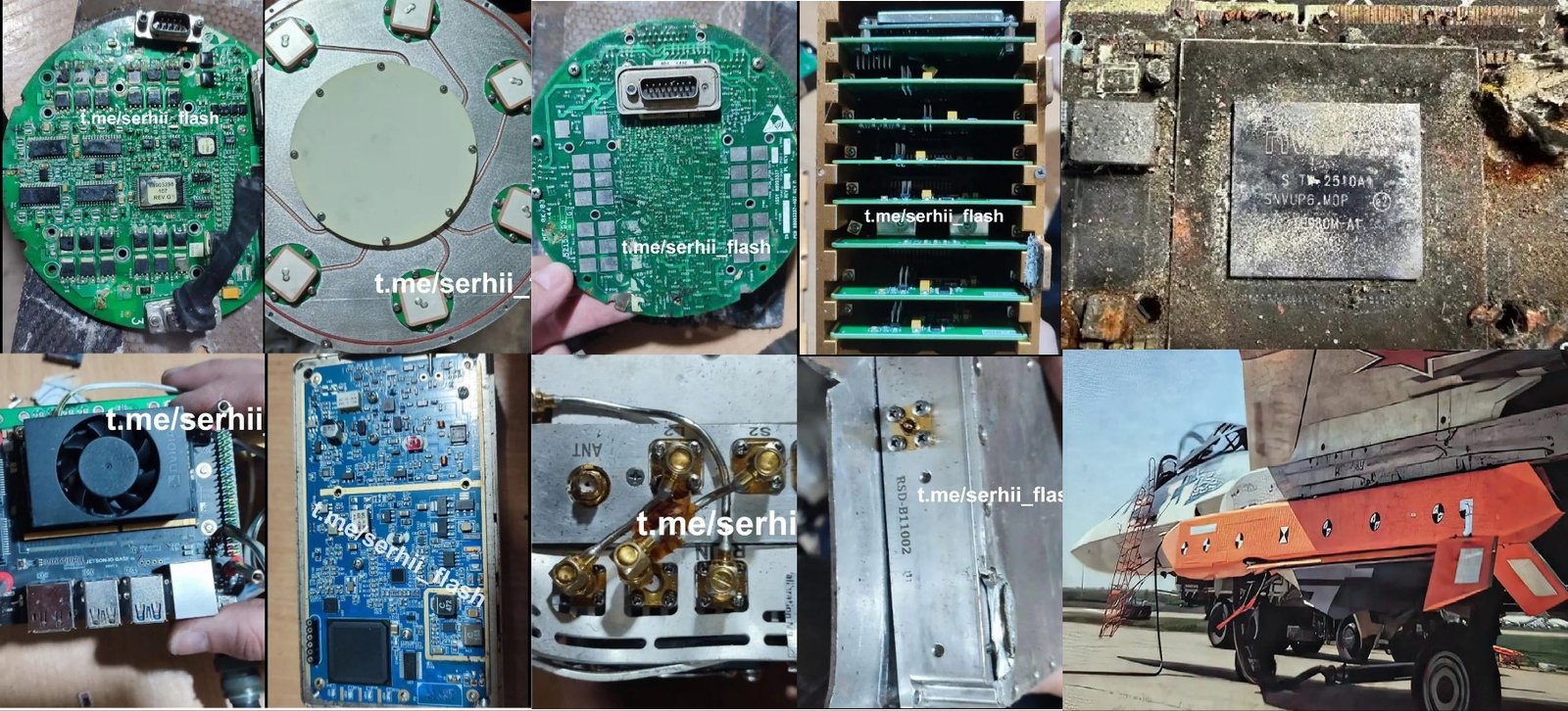 Russian Drones and Cruise Missiles Found Using Civilian NVIDIA AI Chips in Ukraine
-
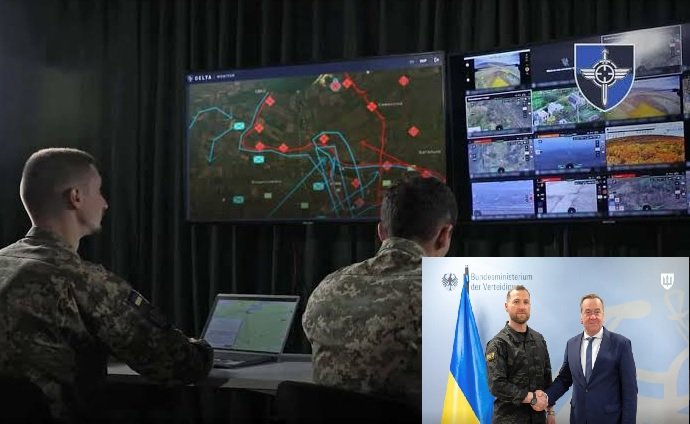 Germany Becomes First Country to Gain Access to Ukraine’s DELTA Battlefield System
-
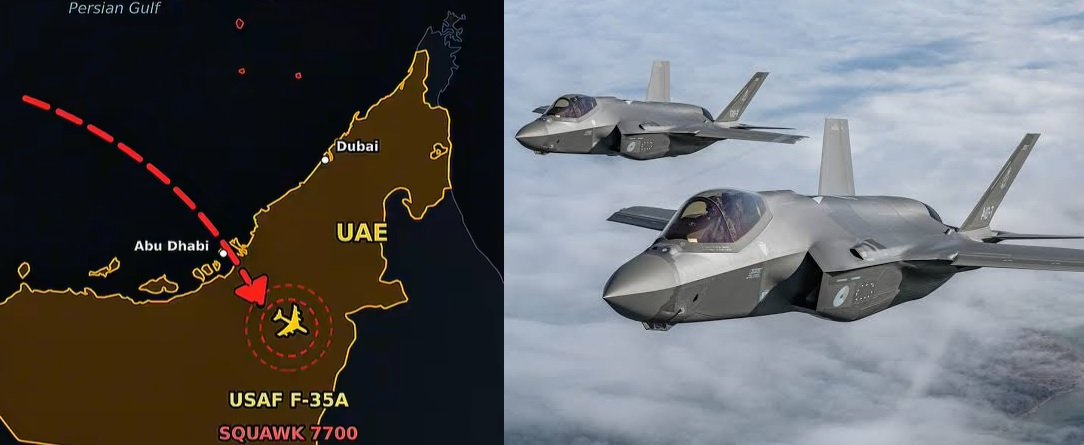 US Air Force F-35A Declares Emergency Over UAE, Flight Tracking Shows Diversion Toward Al Dhafra
-
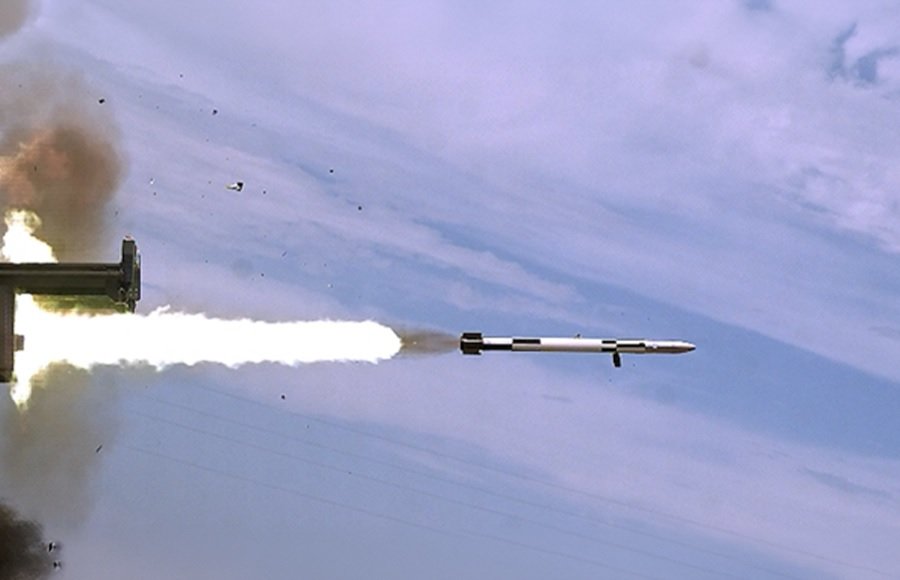 Lockheed Martin Completes Third Test of Reloadable JR3 Training Rocket
-
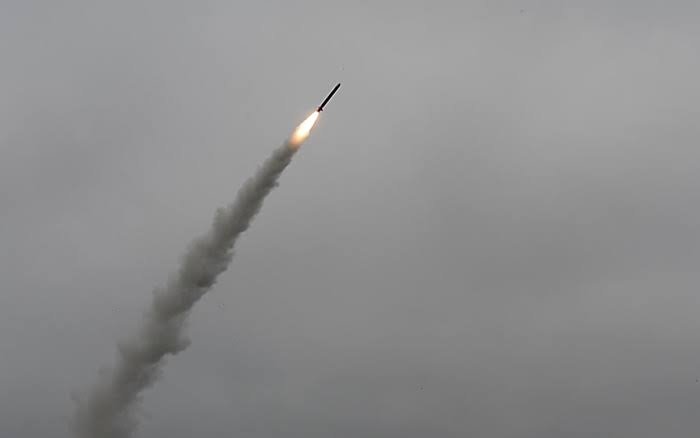 U.S. Navy Awards Raytheon Agreement to Advance Submarine-Launched Nuclear Cruise Missile
-
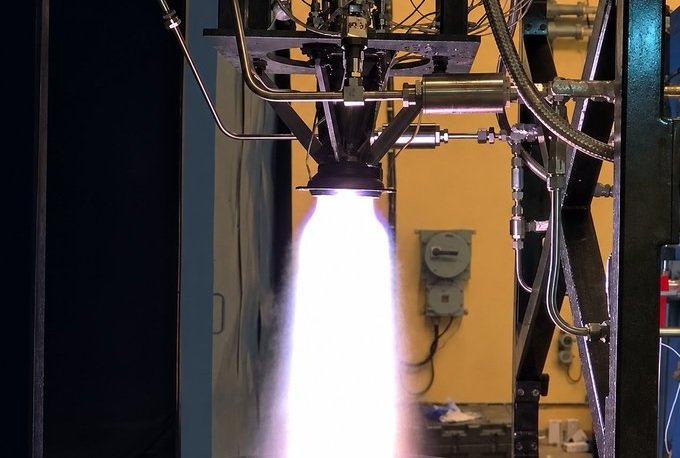 Skyroot’s Raman-2 Engine Clears Acceptance Test Ahead of Second Vikram-1 Flight
-
 Iran Developing 1-Meter Resolution Satellites With More Than 35 Spacecraft Under Construction
-
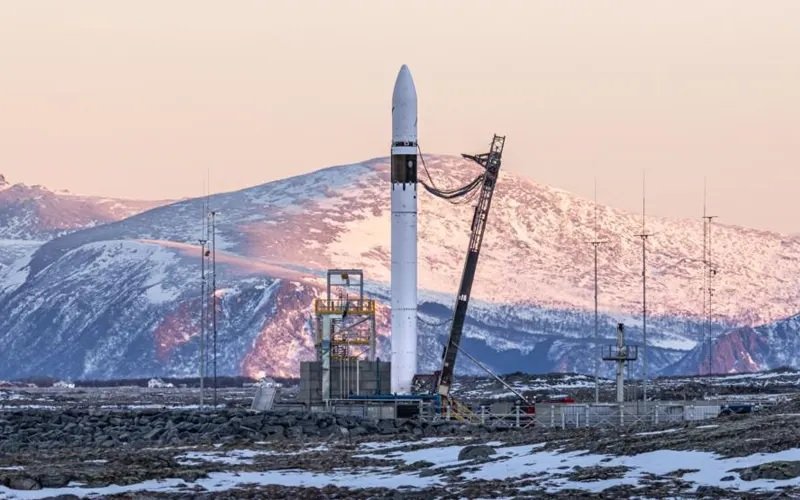 German Isar Aerospace Begins Building Canadian Rocket Launch Site as Canada Targets First Orbital Launch in 2028
Top Trending in 4 Days
-
 Two Injured in Bahrain After Iranian Attacks; Iran Claims Strike on US Patriot Radars
-
Russian Drones and Cruise Missiles Found Using Civilian NVIDIA AI Chips in Ukraine
-
 Russian Corvette Merkury Almost Certainly Destroyed in Benghazi Port Explosion
-
 Western Intelligence Warns Russia Could Launch Nuclear-Armed Satellite as Early as December
-
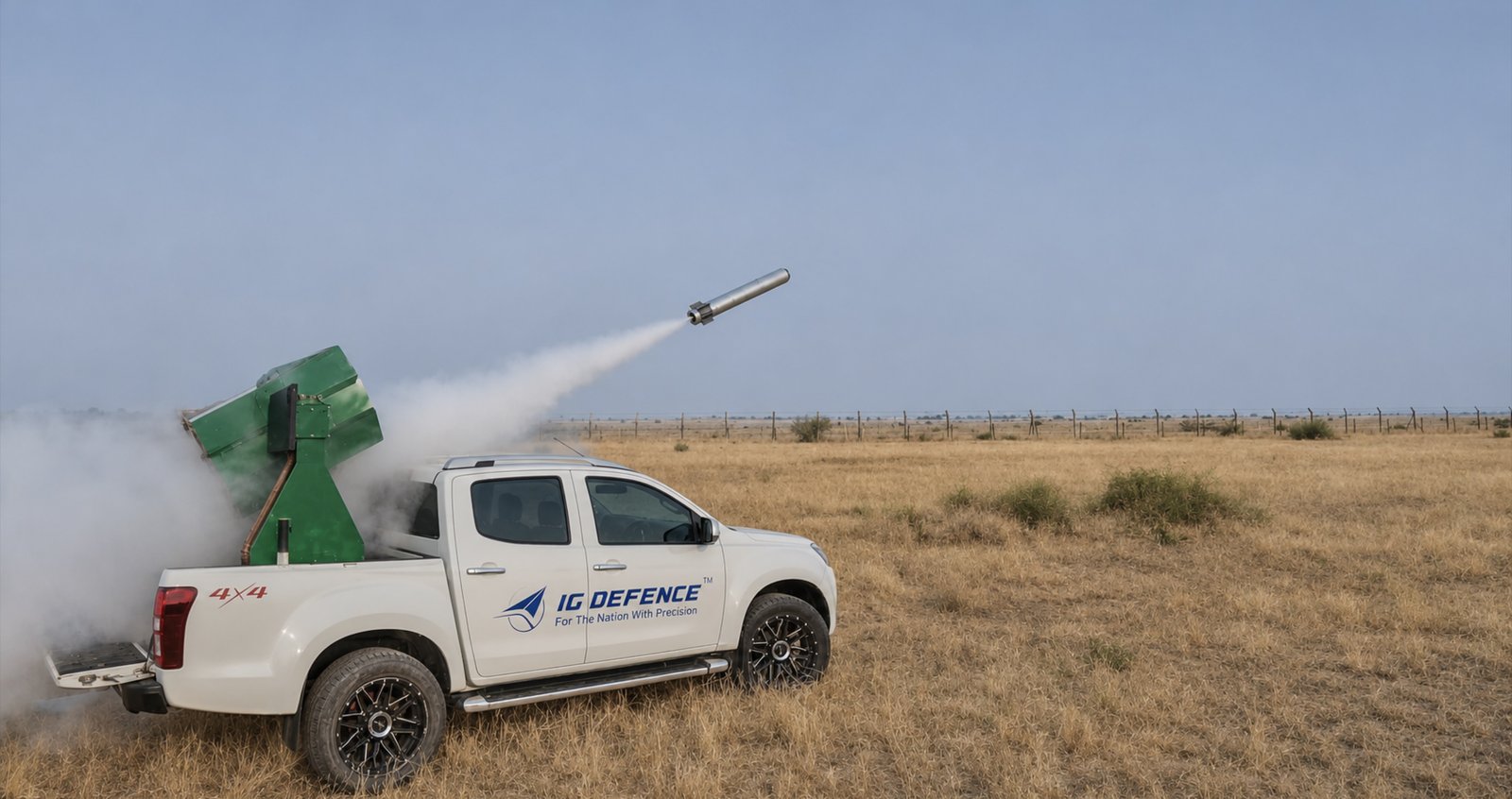 IG Defence Successfully Test-Fires JWALA MK-1 Counter-Drone Missile at Pokhran
-
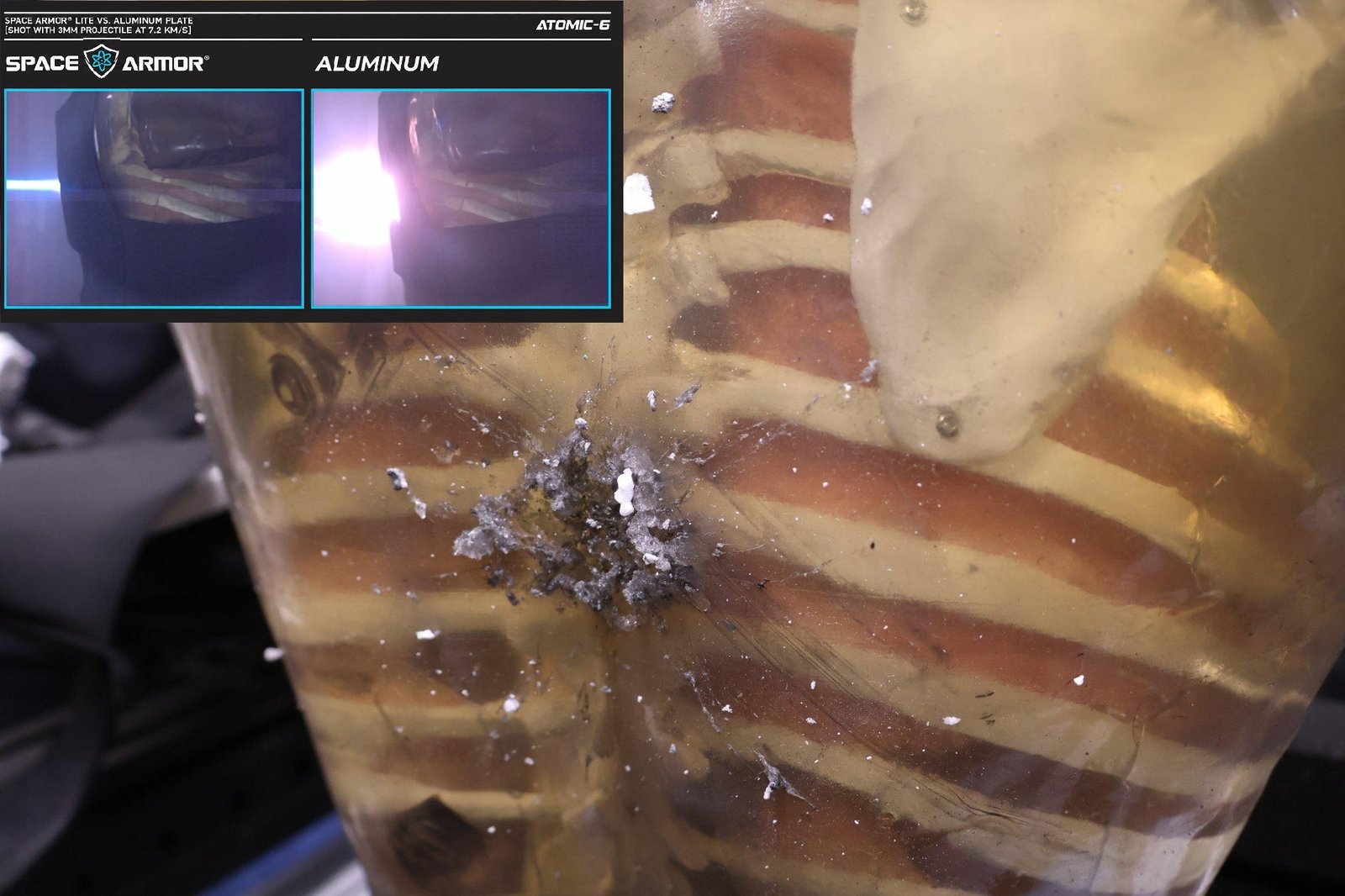 Atomic-6 Tests Composite Armor Against 16,100 MPH Space Debris for Astronaut Protection
-
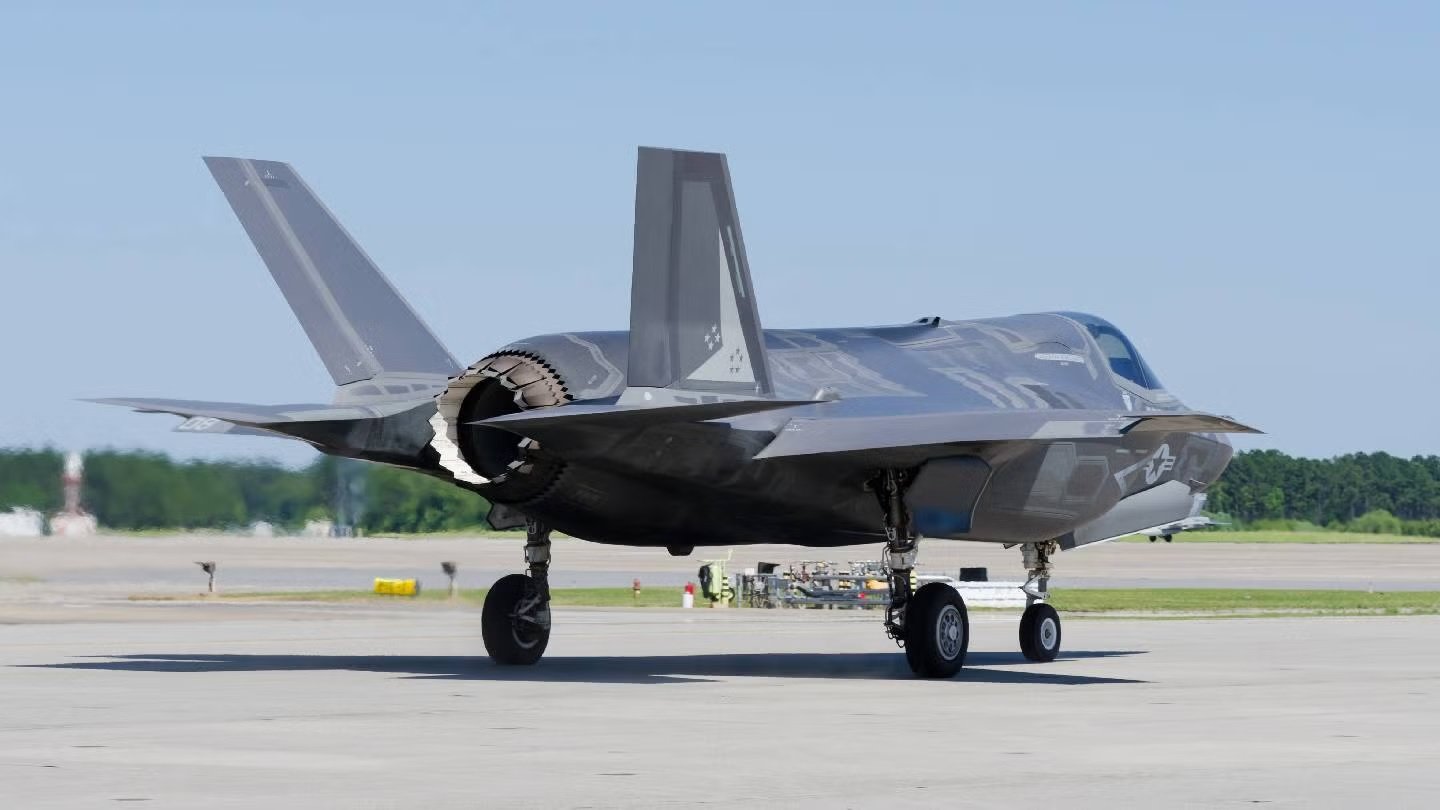 U.S. Awards Lockheed Martin $330.6 Million Contract for Long-Lead Materials Supporting 75 F-35 Lot 22 Aircraft
-
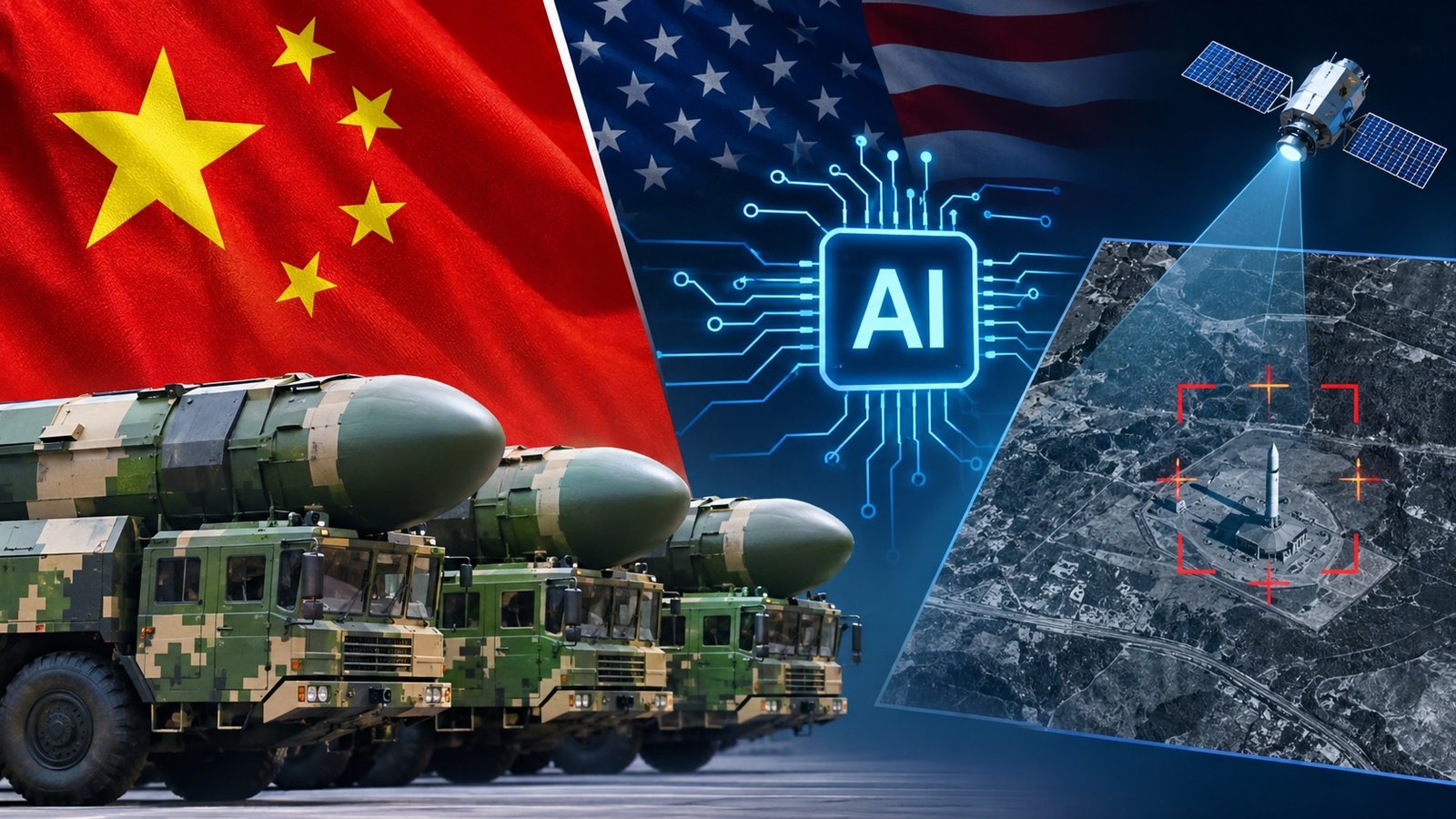 Chinese Military Warns U.S. AI Could Threaten China’s Nuclear Missile Survivability
