
World
In a significant breakthrough in Israel's ongoing military campaign, Prime Minister Benjamin Netanyahu confirmed on Thursday the death of Hamas chief Yahya Sinwar, one of the primary architects behind the devastating October 7 attacks last year. These attacks, which targeted Israeli civilians and security forces, left a deep scar on the nation's collective memory. Netanyahu’s announcement of Sinwar's death marks a critical moment in Israel's efforts to dismantle Hamas' leadership.Sinwar’s elimination came during a recent Israel Defence Forces (IDF) operation in Gaza. The IDF has been intensifying its strikes against Hamas leaders, following weeks of retaliatory airstrikes and ground operations aimed at crippling the militant group's infrastructure. Yahya Sinwar, long regarded as the face of Hamas’ military strategy, was involved in orchestrating numerous attacks over the years, solidifying his position as a priority target for Israel.The IDF confirmed earlier in the day that three key terrorists were killed in their latest offensive in Gaza, and after additional checks, Sinwar's death was verified. The Israeli military has been methodically working to eliminate high-ranking Hamas officials, and Sinwar’s death is one of the most high-profile kills in this ongoing campaign.Hamas, the Palestinian militant organization that governs Gaza, has been a focal point of Israeli counterterrorism efforts for decades. However, the brutal October 7 attacks marked a particularly bloody chapter. These strikes included a wide-scale infiltration into Israeli territory and resulted in the deaths of numerous civilians and military personnel. Sinwar was believed to have been one of the main planners behind these attacks, making his death not just a tactical victory, but also an emotional one for the people of Israel.Escalating Military CampaignNetanyahu's office quickly informed the families of the Israeli hostages held by Hamas about Sinwar’s death, a move that underscores the gravity of this military achievement. The confirmation follows weeks of targeted strikes by the IDF on Hamas leadership in Gaza, as well as attacks on Hezbollah figures in Lebanon, most notably the assassination of Hassan Nasrallah, Hezbollah’s chief, through a targeted airstrike.The IDF’s recent operations have also resulted in the deaths of other senior Hamas figures, including Rawhi Mushtaha, who held a prominent role in the Hamas government in Gaza, and Sameh al-Siraj, a significant figure in Hamas' political bureau. These killings are part of Israel's broader strategy to destabilize Hamas’ leadership structure and weaken its operational capabilities.The death of Sinwar is particularly symbolic. As one of Hamas' founding members, Sinwar spent years in Israeli prisons before being released in a prisoner swap in 2011. Upon his release, he rose to become one of the most influential leaders within the group, and his involvement in orchestrating attacks against Israel made him a top target for Israeli intelligence.Future of Israel's Military OperationsEven as the IDF continues its offensive, with ground troops engaged in fierce combat in Gaza’s densely populated regions, the military has reiterated its goal of dismantling the terror infrastructure that supports Hamas’ activities. Troops have discovered weapons depots and other military assets belonging to Hamas in key areas, ensuring that this campaign extends beyond eliminating individual leaders to fully crippling the group’s ability to strike back.Despite Sinwar’s death, the conflict in Gaza remains far from over. Netanyahu and the IDF leadership have stated that the military operations will continue for as long as necessary, targeting any remaining Hamas leaders and operatives. On Monday, the IDF called for the evacuation of civilians in northern Gaza, as Israeli forces concentrated their offensive in key urban centers like Jabaliya.Broader ImplicationsThe elimination of Yahya Sinwar, along with the recent killing of senior Hamas leader Ismail Haniyeh in Iran, points to a larger trend of Israeli forces successfully targeting Hamas leadership beyond Gaza’s borders. Though Tehran and Hamas accused Israel of orchestrating Haniyeh’s death, Israel has remained silent, neither confirming nor denying responsibility.The ongoing campaign has sent a clear message to Hamas and its allies, including Hezbollah: Israel will pursue its enemies across borders and will not hesitate to strike leadership figures responsible for terrorism against its citizens.As Israel’s military campaign enters a new phase, the death of Sinwar represents a substantial victory for the Netanyahu government. Yet, it also raises questions about the future stability of Gaza and the broader implications for the region. With major Hamas leaders now gone, the organization may struggle to regroup, but the violence is likely to persist, at least in the short term, as the IDF continues to dismantle its infrastructure.Israel’s offensive will likely remain a point of international scrutiny, with humanitarian concerns about Gaza's civilian population becoming more pronounced. Still, for many Israelis, the death of Yahya Sinwar marks a pivotal moment in their fight against terrorism, bringing a sense of justice for the October 7 attacks and beyond.As the military operations continue, Israel’s focus remains clear: systematically dismantling Hamas’ power, targeting its leadership, and neutralizing its ability to pose a threat to Israeli security.
Read More → Posted on 2024-10-18 15:57:49
World
In a move aimed at bolstering NATO’s eastern defenses, the United Kingdom has committed to deploying advanced military assets, including its highly anticipated Challenger 3 tanks, to Estonia. This deployment forms part of a broader strategic plan to enhance NATO's deterrence capabilities along its Eastern Flank, an area that has become increasingly important due to rising tensions with Russia. The announcement was made on October 17 during the NATO Defence Ministers' meeting in Brussels, where Estonia’s Defence Minister, Hanno Pevkur, and the UK’s Defence Secretary, John Healey, signed a new bilateral Defence Roadmap.The Defence Roadmap and Its ImplicationsThe roadmap underscores the deepening defense relationship between Estonia and the United Kingdom. It builds on NATO's regional plans, specifically focusing on strengthening the forward defense of Estonia. As part of the agreement, the UK has pledged to assign its 4th Brigade as a reinforcement force for Estonia. This brigade will be kept at high readiness in the UK, prepared to rapidly deploy to Estonia in times of crisis or conflict. In addition to troop commitments, both nations will collaborate on pre-positioning equipment and supplies in Estonia to ensure swift mobilization when necessary.Estonia’s Defence Minister Hanno Pevkur emphasized that this cooperation is essential for ensuring that both Estonia and NATO are fully prepared to respond to any potential threat from Russia. The UK’s decision to enhance its military presence in the region is part of a larger NATO effort to deter aggression and maintain stability on its Eastern Flank.Advanced Military Assets Headed to EstoniaAmong the key assets to be deployed are the Challenger 3 tanks, a significant upgrade over the Challenger 2 models currently in service. The Challenger 3 is designed to provide superior firepower and protection on the modern battlefield. Equipped with a new 120mm smoothbore gun, advanced targeting systems, and enhanced armor, the tank is built to engage both armored and unarmored targets effectively. The vehicle’s protection is bolstered by state-of-the-art modular armor, including explosive reactive armor that offers superior defense against both kinetic and shaped charge threats.Additionally, the Challenger 3 comes with an upgraded power pack, improving mobility and allowing it to operate effectively in various terrains, including the harsh winters of Northern Europe. The tank’s battlefield management system integrates seamlessly with NATO’s command and control networks, ensuring real-time situational awareness and coordination with allied forces.In addition to the Challenger 3, the UK will also deploy other advanced military assets such as the Archer self-propelled howitzers, which provide rapid and precise long-range artillery support, and the Boxer and Ajax armored personnel carriers, which offer both high mobility and strong protection for troops on the move.Reinforcement Exercises and Long-term CommitmentThe UK’s military presence in Estonia is not new. Since 2017, the UK has maintained a permanently stationed armored battle group in the country, integrated into the 1st Infantry Brigade of the Estonian Defence Forces. This permanent presence will be bolstered by the regular deployment of the 4th Brigade, which will participate in reinforcement exercises, including the large-scale exercise Hedgehog in 2025. These exercises are crucial for ensuring that UK forces can integrate effectively with Estonian troops and respond quickly to any threats.The commitment goes beyond just equipment and personnel. The UK will provide officers to serve in key leadership roles within the Estonian division's headquarters, including a Deputy Commander position. The UK is also offering expertise in deep fire capabilities, helping Estonia to develop its long-range artillery and missile systems. In return, Estonia will continue to provide host nation support, ensuring that UK troops have the infrastructure and logistical assistance they need during their deployments.Strategic Importance of Estonia in NATO’s DefenseEstonia’s geographical location makes it a vital part of NATO’s defense strategy. Sharing a border with Russia, Estonia is on the front lines of NATO’s Eastern Flank. By deploying advanced military assets and maintaining a high-readiness force in the UK, NATO and the UK are sending a clear message of deterrence to any potential adversary. The presence of Challenger 3 tanks, along with other modern equipment, greatly enhances Estonia’s defensive capabilities, ensuring that it can respond effectively to any aggression.The cooperation between the UK and Estonia serves as a model for how NATO allies can work together to strengthen the alliance’s collective defense. As tensions with Russia continue, such partnerships will play a critical role in maintaining peace and stability in the region.In conclusion, the deployment of the Challenger 3 tanks to Estonia marks a significant step in NATO’s efforts to reinforce its eastern defenses. With both countries committed to long-term collaboration, Estonia will be better prepared to face any future threats, while the UK solidifies its role as a key player in the defense of NATO’s Eastern Flank.
Read More → Posted on 2024-10-18 15:52:14
India
In a remarkable demonstration of skill and precision, the Indian Army Corps of Engineers has successfully recovered an Advanced Light Helicopter (ALH) Dhruv that was forced to make an emergency water landing in the flood-ravaged Lakhandei River, located in Bihar’s Muzaffarpur district. The incident, which occurred during flood relief operations, highlighted both the challenges faced by the forces in responding to natural disasters and the resilience of their equipment.Earlier this month, the ALH Dhruv, operated by the Indian Air Force (IAF), encountered difficulties while conducting relief efforts in the flood-swollen region. The helicopter, reportedly performing critical disaster relief and rescue missions in the area, sustained damage mid-operation, resulting in an emergency landing. Images from the scene showed the helicopter partially submerged in the river, with significant damage to its left side. Despite this, the tail section and other major components of the helicopter appeared intact, fueling optimism for its eventual restoration.The rescue and recovery of the Dhruv was no small feat. The Indian Army Corps of Engineers mobilized a dedicated task force to undertake this highly complex mission. Battling adverse weather conditions, strong river currents, and the delicate state of the helicopter, the task force worked swiftly and efficiently to ensure the safe retrieval of the aircraft. Their expertise in both logistics and engineering played a pivotal role in preventing further damage, safeguarding a valuable asset of the Indian Air Force.The Advanced Light Helicopter (ALH) Dhruv, designed and manufactured by Hindustan Aeronautics Limited (HAL), is known for its versatility and robustness. Capable of performing a wide range of missions—from military transport and reconnaissance to disaster relief—the Dhruv is a backbone of the Indian armed forces’ helicopter fleet. With a maximum take-off weight of 5.5 tons, it can carry up to 14 passengers in addition to its crew. Its twin-engine design provides a strong power-to-weight ratio, and the helicopter is equipped with cutting-edge avionics and navigation systems, allowing it to operate in a variety of challenging environments.One of the most notable features of the Dhruv is its ability to perform at high altitudes and in extreme conditions, making it ideal for missions in the Himalayas and other difficult terrains. The helicopter has a range of approximately 640 kilometers and can reach speeds of up to 295 km/h. In addition, the Dhruv has proven itself to be a critical asset in disaster relief operations, thanks to its adaptability and reliability in delivering supplies and evacuating civilians from affected areas.Following the recovery of the aircraft, the Indian Air Force, in coordination with HAL, is expected to conduct a detailed assessment of the damage. This will determine whether the helicopter can be restored to operational status. Given the relatively undamaged tail section and other critical parts, there is hope that the Dhruv may be repairable and eventually returned to service.This incident once again underscores the crucial role helicopters like the ALH Dhruv play in emergency response operations across India. Whether conducting rescue operations in flooded regions or supplying troops in remote locations, the Dhruv continues to be a key element of India's military and humanitarian efforts. The successful recovery of the helicopter by the Army Corps of Engineers not only showcases their technical prowess but also reinforces the commitment of India’s armed forces to safeguarding their assets and ensuring the continuity of critical operations even in the most adverse conditions.As India continues to face increasingly erratic and severe weather events, helicopters like the Dhruv will remain central to disaster management strategies. The capability to deploy quickly and access otherwise unreachable areas makes these machines indispensable during floods, landslides, and other natural calamities. The recovery of the Dhruv from the Bihar floodwaters is a testament to both the resilience of the aircraft and the skill of the engineers who ensured its safe retrieval.
Read More → Posted on 2024-10-18 15:46:50
World
China’s growing advancements in drone technology took a significant leap forward this week with the unveiling of the Lanying R6000, a tiltrotor drone boasting vertical takeoff and landing (VTOL) capabilities similar to the American V-22 Osprey. Manufactured by the United Aircraft Corporation, this cutting-edge UAV can carry up to 2 tons (4,400 pounds) of payload while cruising at an impressive maximum speed of 340 miles per hour (547 kilometers per hour).A New Era of Chinese UAV CapabilityThe Lanying R6000 is being hailed as a potential game-changer in China’s UAV fleet. Weighing around 6 tons, this drone can operate both manned and unmanned, with a passenger capacity of up to 10 people. Its operational range stands at a staggering 4,000 kilometers (2,500 miles), making it suitable for long-distance missions. Additionally, it can soar at an altitude of 25,000 feet (approximately 4.73 miles), giving it a level of flexibility and endurance not seen in many conventional UAVs.The tiltrotor drone’s design allows it to take off and land vertically, like a helicopter, while also being able to fly at higher speeds, a hallmark of its tiltrotor architecture. This dual capability has drawn direct comparisons to the U.S. military’s V-22 Osprey, which also combines vertical lift with the high-speed performance of fixed-wing aircraft. However, the Lanying R6000, while impressive, has a much smaller cargo capacity than the Osprey. The American model can transport up to 10,000 pounds (4,535 kilograms) of cargo or 24 passengers, whereas the Lanying is limited to 2 tons of payload.Technical Achievements and ChallengesThe Lanying R6000 was first introduced in concept at the Singapore Airshow earlier this year, but the real excitement is now building as it approaches its formal debut at the 2024 Zhuhai Air Show next month. The drone’s recent rollout at a facility in southeastern China marked a significant milestone in its development.The technical prowess required to develop such a sophisticated tiltrotor drone is no small feat. Local reports have emphasized the complexity involved in assembling the Lanying R6000, citing its low error tolerance during production. The precision required in building a tiltrotor aircraft capable of both VTOL and high-speed flight introduces significant challenges, especially in maintaining its stability and performance under varying conditions.Versatility Across MissionsWhat makes the Lanying R6000 particularly intriguing is its potential application in various fields. Its ability to carry heavy payloads across long distances with vertical takeoff and landing opens the door to numerous military and civilian uses. Analysts predict the drone could be instrumental in logistics, delivering essential supplies to remote areas or battlefields. Its high altitude and speed also make it a prime candidate for intelligence, surveillance, and reconnaissance (ISR) missions. The Lanying R6000 is also well-suited for search and rescue operations. The platform’s combination of speed, altitude, and payload capacity could enable it to reach disaster-stricken areas quickly and deliver necessary supplies or even rescue personnel in emergency situations.What Lies AheadWith its official prototype debut just around the corner at the Zhuhai Air Show, the Lanying R6000 is poised to attract significant attention both within China and from the global aerospace community. It represents not just a technological achievement but also a strategic step for China as it expands its drone capabilities. The ability to build a tiltrotor UAV with these capabilities is a testament to China’s growing ambitions in the unmanned aerial space.While it still lacks the full capacity of its American counterpart, the Bell Boeing V-22 Osprey, the Lanying R6000 showcases China’s intent to innovate and compete on the global stage. As it transitions from concept to fully operational, this drone could redefine the role of UAVs in both military and civilian applications, particularly in regions where challenging terrain or limited infrastructure makes conventional aircraft less effective.As we wait for its debut, one thing is certain: the Lanying R6000 is a bold step forward in China’s drone development efforts and could play a critical role in future operations.
Read More → Posted on 2024-10-18 15:43:49
India
India’s diplomatic tensions with Canada have escalated to new heights as New Delhi publicly criticized Ottawa for its failure to act on multiple extradition requests. The Ministry of External Affairs (MEA) expressed its deep frustration over what it sees as Canada's harboring of criminals and anti-India elements, a situation that has been festering for over a decade. This ongoing strain adds to the already fragile relationship between the two nations, especially after Canadian Prime Minister Justin Trudeau’s controversial allegations linking India to the assassination of a designated terrorist on Canadian soil.During a recent press conference, MEA spokesperson Randhir Jaiswal revealed that 26 extradition requests remain pending with Canada, some of which date back over a decade. These requests involve individuals wanted for serious crimes, including terrorism. Among those whose extradition India seeks are well-known names such as Gurjeet Singh, Gurjinder Singh, Gurpreet Singh, Lakbir Singh Landa, and Arshdeep Singh Gill—all alleged to be involved in terror-related activities. Despite India’s repeated appeals for cooperation, Canadian authorities have failed to act on both extradition and provisional arrest requests, leaving New Delhi increasingly frustrated. Jaiswal highlighted that in addition to formal extradition requests, India had shared intelligence with Canadian officials regarding the operations of gangs like the Lawrence Bishnoi group. He noted, “We have provided detailed intelligence and security-related information about these criminals to the Canadian side, requesting action under their laws. Unfortunately, no steps have been taken, which is a serious concern for us.”This mounting tension also points to what Indian officials describe as a contradiction in Canada's approach. Jaiswal pointed out that some of the individuals India has sought to extradite are now being blamed by Canadian law enforcement for criminal activities within Canada, yet the Indian government is being held accountable. “It’s perplexing that the Royal Canadian Mounted Police (RCMP) has named individuals like those in the Lawrence Bishnoi gang for crimes in Canada, while India is still being accused of involvement. This inconsistency is difficult to ignore,” Jaiswal said.One of the most volatile episodes in the recent diplomatic row was the accusation made by Canadian Prime Minister Justin Trudeau, who claimed that Indian diplomats were collecting intelligence on Canadian citizens. These allegations, coupled with Trudeau's earlier claim that India was behind the murder of Hardeep Singh Nijjar, have significantly worsened the already strained relations. Nijjar, a Canadian citizen, was shot dead outside a Sikh temple in Surrey in June 2023. India had designated him a terrorist for his involvement in pro-Khalistani activities, making him a contentious figure in the diplomatic dispute.Trudeau has maintained that his government attempted to engage India diplomatically over the Nijjar killing before going public with the allegations. However, during an inquiry, he admitted that while Canada had shared intelligence with India, it did not possess hard evidence to back its claims. This admission has raised further questions about the basis of Canada’s accusations, which India has consistently denied, describing them as "absurd and motivated."As the diplomatic spat intensifies, both countries have taken significant steps. Canada’s government labeled India’s High Commissioner and other diplomats as “persons of interest” in connection with the Nijjar case. In response, India recalled its High Commissioner and five diplomats from Canada, citing concerns for their safety. Jaiswal explained that India had acted preemptively to withdraw its personnel before Canada officially requested their departure, stating, “We summoned Canada’s acting High Commissioner to inform them that we do not have confidence in their ability to ensure the safety of our diplomats.”This ongoing diplomatic standoff has wider implications for India-Canada relations, which have been strained for some time. New Delhi has consistently voiced concerns over Canada’s perceived leniency towards extremists and anti-India elements, particularly those advocating for Khalistan, a separate Sikh state. The issue of extradition, particularly regarding individuals involved in terrorism and organized crime, is just one of many points of contention between the two governments.India’s frustration is evident, as the country demands concrete action from Canada on the 26 pending extradition requests. Whether this diplomatic row will lead to any significant policy shifts or deeper cooperation remains uncertain, but for now, the gulf between the two nations continues to widen.
Read More → Posted on 2024-10-18 15:39:56
Space & Technology
A fascinating new study hints at the possibility that Mars, the Red Planet long thought to be dry and inhospitable, might harbor conditions suitable for life beneath its icy surface. According to the research, photosynthesis—an essential process for life on Earth—could theoretically occur in specific areas of Mars, deep below layers of dusty ice in the planet's mid-latitudes. This revelation opens up new possibilities for future Mars missions and where scientists should focus their search for life.Photosynthesis, the process that allows plants, algae, and some bacteria to produce energy by converting sunlight, requires two crucial ingredients: water and light. Earth’s plants use this process to create oxygen and sustain life. While Mars lacks many of the conditions found on Earth, the study proposes that the planet's icy regions might provide a shield from the harsh solar radiation that bombards its surface, while still allowing enough sunlight to penetrate for photosynthesis to happen beneath the ice. These potential "radiative habitable zones" could offer an environment where life, as we know it, might survive.It's important to note that this study does not claim life exists on Mars today or ever did, but it does give scientists valuable clues about where to direct their search. “We are not stating we have found life on Mars,” said Aditya Khuller, the lead researcher from NASA's Jet Propulsion Laboratory, “but instead we believe that dusty Martian ice exposures in the mid-latitudes represent the most easily accessible places to search for Martian life today.”Earth vs. Mars: A Tale of Two PlanetsBoth Earth and Mars sit within the so-called "habitable zone" of the solar system—the region around a star where temperatures are just right for liquid water to exist. However, while Earth is abundant with oceans, Mars appears dry and barren. Despite this, missions like NASA’s Curiosity and Perseverance rovers have found evidence that water once flowed on the Martian surface billions of years ago, as evidenced by the planet's ancient riverbeds and lake basins.Mars lost its liquid water long ago, likely due to the collapse of its magnetic field, which left its atmosphere exposed to the sun's powerful solar winds. Without a thick atmosphere, Mars couldn’t hold onto its water, and most of it evaporated into space. The remaining water is mostly trapped in ice, especially at the poles. Additionally, the lack of an ozone layer on Mars means its surface is constantly bombarded by deadly ultraviolet radiation, which complicates the potential for life.However, the new study suggests that beneath the surface of Mars' ice, liquid water could potentially form. The ice, particularly if it contains small amounts of dust, could melt from within, creating an environment where both water and sunlight coexist. In this scenario, sunlight penetrates the ice but is filtered enough to block harmful UV radiation, creating a potentially habitable environment.The Potential for Life Beneath the IceKhuller's team used computer simulations to investigate how dusty ice on Mars behaves. The results showed that thin layers of dust within Martian ice can trap heat, causing the ice to melt just below the surface. This melting could create shallow liquid water reservoirs, protected from evaporation by the overlying ice. For photosynthesis to happen, both water and sunlight need to reach these depths. According to the simulations, in regions where the ice contains 0.01% to 0.1% dust, sunlight could penetrate between 5 to 38 centimeters, creating these "radiative habitable zones."Interestingly, Earth provides some evidence to support this theory. On Earth, there are formations called "cryoconite holes" on glaciers where dust melts into the ice, allowing water to pool around it. Microorganisms have been found living in these environments, surviving by going dormant in the winter and reviving in the summer when sunlight creates liquid water beneath the surface. The Martian dusty ice layers could potentially offer a similar refuge for life, even if it’s in the form of microbial organisms.What’s Next in the Search for Martian Life?The study doesn’t confirm life on Mars, but it does offer a roadmap for future exploration. These radiative habitable zones may be the most promising places to search for signs of life on Mars. The next steps for the research team include refining their simulations and conducting laboratory experiments to recreate these dusty ice conditions.Mars remains an enigmatic planet, but studies like this bring us closer to understanding whether life could have once existed—or may still exist—on this nearby world. With future missions planned to explore the Martian subsurface, the possibility of finding life beneath its icy crust becomes increasingly compelling.The team's findings were published in the journal Nature Communications Earth & Environment on October 17, offering new hope in the continuing quest to answer one of humanity's biggest questions: Are we alone in the universe?
Read More → Posted on 2024-10-17 15:13:31
Space & Technology
China's manufacturing sector is facing a critical labor shortage, but a new wave of automation may offer a solution. A Chinese robot maker, UBTech, has received over 500 orders for its humanoid robot, the Walker S1, from car manufacturers. This breakthrough development signals a shift toward automation in an industry where finding skilled labor is increasingly difficult.The Walker S1, unveiled by UBTech earlier this week, is already making strides in several factories, including those of BYD, the world’s largest electric vehicle producer. These robots are designed to work seamlessly alongside unmanned logistic vehicles and intelligent manufacturing systems, creating an unprecedented level of automation in large-scale operations. In fact, UBTech claims that it is the first in the world to introduce humanoid robots working in tandem with such systems. The challenge of meeting China's manufacturing demands is becoming more urgent. In 2017, the Ministry of Human Resources and Social Security predicted that major industries, including automotive manufacturing, would face a shortage of 30 million workers by 2025. Compounding the issue, recruitment demand in the new energy vehicle sector has surged by 32% year-on-year in 2023, according to a report from the China Centre for Information Industry Development. Despite this growing demand, China’s vocational education system has struggled to produce enough skilled workers to fill the gap. Meanwhile, university graduates typically steer clear of blue-collar roles, leaving many manufacturing positions unfilled.UBTech's Walker S1 presents a potential game-changer in this context. This humanoid robot stands at 172 cm (about 5.6 feet) and weighs 76 kg (167 pounds), making it comparable in size to a human. The robot can perform a wide range of tasks typically assigned to human workers in manufacturing settings. From visual quality inspections to carrying parcels, using electric screwdrivers, and assembling components, the Walker S1 is versatile and highly adaptable. It is designed to reduce reliance on human labor by taking over tedious, repetitive, and potentially hazardous tasks in the factory.According to UBTech’s chief brand officer, Tan Min, robotic arms currently handle around 70% of the workload in automated factories, while the remaining 30% is left to humans. UBTech's vision is to reduce that human labor share to just 10%, allowing workers to focus on more specialized tasks like tool management and collaboration with machines. In the near future, humanoid robots like the Walker S1 could replace up to 20% of the workload in automated factories.One of the key benefits of humanoid robots in manufacturing is their ability to alleviate physical strain on human workers. Long-term exposure to heavy lifting, repetitive motions, and toxic substances poses significant risks to workers’ health. By taking over these demanding tasks, robots like the Walker S1 can help protect workers from injury and burnout.UBTech’s ambitious plans have caught the attention of several leading companies. Beyond its work with BYD, the Walker S1 is also being integrated into the operations of major automobile manufacturers such as state-owned Dongfeng Motor, FAW-Volkswagen, and Geely. Additionally, UBTech has partnered with electronics giant Foxconn and logistics company SF Express, further expanding the robot's reach into large-scale industrial operations.UBTech, which is backed by Chinese tech conglomerate Tencent, made its debut on the Hong Kong stock exchange in December. As the company continues to innovate, its Walker S1 robot could become a cornerstone of China’s strategy to tackle labor shortages and improve efficiency in its manufacturing sector. The ongoing development of humanoid robots is not just about easing the burden on the workforce—it’s about transforming the future of manufacturing by blending human ingenuity with cutting-edge technology.With China facing a looming labor crisis and automation becoming more essential than ever, the rise of humanoid robots like UBTech’s Walker S1 could mark the beginning of a new era for the nation’s manufacturing industry. These robots offer a tangible solution to the labor shortage, while also paving the way for a more automated and efficient industrial landscape.
Read More → Posted on 2024-10-17 15:06:04
World
Greece is on the brink of a significant naval transformation with the upcoming addition of its first FDI (Frégates de Défense et d'Intervention) frigate, Kimon (F601). As Greece's first modern surface combatant in nearly three decades, this state-of-the-art vessel is set to redefine the country’s naval capabilities. This addition comes after the aging Hydra-class frigates (MEKO 200HN) have served Greece since the early 1990s. The Kimon, under construction at Naval Group’s shipyard in Lorient, France, is nearing completion, with the first sea trials scheduled just days before its French counterpart, the Amiral Ronarc'h.The Hellenic Navy, alongside the Greek government, sees this acquisition as a monumental step forward in naval modernization. Greek Defense Minister Nikos Dendias recently announced the country’s intention to purchase a fourth FDI frigate, showing confidence in the capabilities of the program. The FDI frigates, including the Kimon, are set to be among the most sophisticated and powerful surface combatants globally. These vessels blend the best of modern naval technologies on a compact, stealthy platform, capable of addressing a wide range of maritime threats.One of the most notable features of the Kimon is its sleek, modern design, which emphasizes stealth capabilities. Its inverted bow, integrated Panoramic Sensors and Intelligence Module (PSIM), and a distinctive shield behind the funnel—added to protect the SATCOM antenna and prevent interference from the exhaust—set it apart visually. This ship is designed with a focus on reducing its radar and infrared signature, crucial for stealth operations in modern naval warfare.The Kimon frigate boasts impressive firepower and cutting-edge technology. It will be equipped with multiple missile systems, including eight anti-ship missiles, the ASTER 30 Block 1 surface-to-air missiles, and provisions for the future integration of the Missile de Croisière Naval (MdCN), also known as SCALP NAVAL cruise missiles. These cruise missiles, which have a range of over 1,000 kilometers, can deliver strategic strikes, giving Greece the capability to project power far beyond its immediate region. However, the integration of MdCN requires modifications to the SYLVER A70 Vertical Launch System (VLS), which may incur additional costs and changes to the existing armament configuration.The frigate also incorporates advanced electronic warfare systems, such as the SAAB NLWS (L-ESM) system and the ALTESSE-H C-ESM & COMINT suite, which enhance its ability to detect, intercept, and counter electronic threats. Its SEAFIRE multi-function radar from Thales, with AESA (Active Electronically Scanned Array) technology, provides comprehensive coverage of air and surface threats, making it one of the most advanced radars of its kind. In addition, the PASEO XLR optronic systems from Safran offer long-range surveillance and targeting capabilities, allowing the ship to engage enemy vessels with precision.A key component of the Kimon's versatility is its aviation capabilities. The frigate has a dedicated helicopter hangar and helipad designed to accommodate both manned helicopters like the MH-60R and unmanned aerial systems (UAS). The inclusion of Schiebel CAMCOPTER S-100 UAVs means that the ship can conduct surveillance, reconnaissance, and even light attack missions without having to deploy its helicopter. The hangar is designed with two separate doors, allowing for independent operations of both the helicopter and UAVs, which increases operational flexibility.Inside the frigate, the Command Information Center (CIC) is designed to handle modern asymmetric warfare, featuring surveillance systems that include infrared and TV sensors. Operators can use these systems to control weapon stations like the LIONFISH 20 from Leonardo, providing inner-layer defense. The extensive automation and high degree of digitalization throughout the ship make the FDI HN frigate an incredibly efficient platform, capable of handling complex missions with a smaller crew.While the Kimon is expected to enter service by 2025, Greece has ambitious plans for its entire FDI fleet. The second and third frigates, Nearchos and Formion, will follow, with the latter expected to enter service in its full "Standard 2" configuration by 2026. This configuration includes additional systems like the 21-tube RAM CIWS for missile defense, and enhancements to the helicopter hangar roof to support heavier American systems. The future of the Greek fleet is not just about maintaining its regional superiority; it’s about becoming a versatile, modern naval force capable of projecting power on a global scale.With the acquisition of the FDI frigates, Greece is poised to enter a new era of naval capability, strengthening its position in the Mediterranean and beyond. The Kimon is not just a frigate; it's a symbol of Greece's determination to modernize its naval forces and secure its maritime interests in a rapidly changing geopolitical landscape.
Read More → Posted on 2024-10-17 15:02:54
World
In a significant milestone for both Thales and the German Armed Forces (Bundeswehr), the final Ground Alerter 10 (GA10) system has been delivered during a ceremony in Koblenz. This marked the completion of a contract signed in February 2021 to supply 17 state-of-the-art radar systems designed to protect military camps and convoys from indirect fire threats such as rockets, artillery, and mortars. The successful delivery of the final unit signals the culmination of a critical project between Thales and the Bundeswehr.The GA10 radar system is engineered for mobility and versatility, making it a crucial asset in both stationary and mobile military operations. Specifically designed to detect incoming fire and provide early warning alerts, the GA10 can be quickly deployed in battlefield environments to safeguard military personnel. With its compact design, the system can be set up by a two-person team and operated by just one individual, ensuring that even small units can benefit from its protection in high-risk zones.Thales developed the GA10 system as part of its broader range of radar solutions, and it has already proven its effectiveness in real-world combat scenarios. Deployed in missions from UN camps in Mali to French out-of-area operations, the GA10 has saved countless lives by providing instant alerts about incoming fire. The system warns troops through both acoustic and visual signals, allowing them to take cover or respond with countermeasures. It also provides precise data on the origin of enemy fire, enabling rapid counter-strikes or evasive actions.The GA10 system, though lightweight and portable, is packed with advanced capabilities. It uses a UHF radar mounted on a telescopic mast, which significantly boosts its detection range. Integrated with a sophisticated alarm network, it sends warnings through a variety of wired and wireless devices, offering comprehensive coverage for military personnel in the protected zone. The system’s ruggedized laptop serves as the command center, allowing operators to monitor and control the system efficiently. What sets the GA10 apart is its low power consumption and ability to run on battery power. Using only 350 watts, it can be powered by lightweight Li-Ion batteries, which can be easily swapped out to ensure continuous operation. This feature makes the GA10 especially suitable for dynamic and fast-moving military missions, where maintaining a steady power supply can be challenging. Its compact size also means it can be transported by both vehicle and helicopter, enhancing its deployment flexibility in changing battle conditions.Thales' Vice President of Surface Radars, Eric Huber, emphasized the system’s importance, stating: "We are very pleased with the on-time and on-budget delivery of the Ground Alerter 10 systems. This system contributes significantly to the protection of German soldiers during critical missions at home and abroad. The GA10, developed and manufactured in Ditzingen, Germany, builds on Thales’ extensive experience in radar technology and operational combat environments, having already saved many lives."The delivery of the final GA10 unit completes a contract that initially called for five systems, with the option to acquire more. The Bundeswehr's decision to expand its acquisition to 17 systems underscores the GA10’s critical role in enhancing military defense capabilities. In addition to the radar systems, Thales provided comprehensive training, technical documentation, and an initial supply of spare parts to ensure that the German military can fully integrate the GA10 into its operations.Overall, the Ground Alerter 10 system is a combat-proven solution that offers cutting-edge protection against indirect fire threats. With its ease of use, mobility, and advanced alert capabilities, it provides German forces with a powerful tool to safeguard personnel and respond quickly to threats. As Thales continues to develop and innovate in the field of military radar technology, the GA10 remains a shining example of how modern technology can enhance military readiness and save lives in the most challenging conditions.
Read More → Posted on 2024-10-17 14:55:44
World
L3Harris has introduced its latest innovation in autonomous military technology with the debut of the “Diamondback” autonomous ground vehicle prototype at the AUSA 2024 event, held from October 14 to 16. This cutting-edge unmanned ground vehicle (UGV) is the result of a collaboration between L3Harris and Overland AI, a company specializing in autonomous ground mobility. Together, they have developed a system that could change how the military navigates and operates in challenging environments.The Diamondback is equipped with the CrossCountry Autonomy System, a sophisticated platform that enables the vehicle to operate independently in off-road conditions and unpredictable terrain. In modern military scenarios, where risks to personnel are high, this capability is invaluable. The vehicle is designed specifically to address manpower shortages and the increasing demand for safer operations, where sending in troops might otherwise pose significant risks.### A Game-Changer in Military AutonomyEd Zoiss, president of L3Harris Space and Airborne Systems, emphasized that the Diamondback represents a shift in the company’s mission autonomy capabilities. “We are expanding our platform and mission system autonomy capabilities, from air and sea, to support robotic vehicles making first contact with threats in land environments,” he stated. This vision aligns with the growing trend in modern militaries to rely more on autonomous systems in high-risk situations, limiting human exposure to danger.One of the most remarkable aspects of the Diamondback is its modular design. The vehicle features an open, scalable system that allows for the rapid integration of new technologies. This flexibility makes it highly adaptable to evolving military needs, allowing it to take on a variety of missions, from electronic warfare and reconnaissance to the deployment of autonomous drones. L3Harris has built the Diamondback with future threats in mind, ensuring it remains relevant as military technology and strategies continue to evolve.### Capabilities and SpecificationsAlthough it wasn’t developed with a specific U.S. Army program in mind, the Diamondback is intended to fill operational gaps, particularly in reconnaissance and security roles. These tasks are often performed in areas where high attrition rates and manpower shortages are prevalent, making autonomous vehicles a critical solution.The Diamondback is not just another autonomous vehicle; it is designed to complement existing robotic platforms such as the U.S. Army’s Robotic Combat Vehicle (RCV) and Squad Multipurpose Equipment Transport (SMET). It can work in tandem with these systems to enhance battlefield effectiveness, offering greater flexibility and versatility in mission planning.One of the key features of the Diamondback is its drone launch and retrieval system, located on the vehicle’s roof. This system allows it to deploy drones autonomously, adding a layer of aerial surveillance to its already impressive ground capabilities. This feature, combined with the vehicle's advanced MX-10 RSTA (Reconnaissance, Surveillance, and Target Acquisition) modular sighting system, makes it highly effective in surveillance missions. The MX-10 provides high-resolution imaging, helping the vehicle detect and respond to potential threats.Additionally, the Diamondback is fitted with the Amorphous system, which allows for multi-domain autonomy control, further enhancing its operational capabilities. The vehicle also has an anti-jam Positioning, Navigation, and Timing (PNT) system, a critical feature in contested environments where GPS signals can be disrupted.### A Future-Ready PrototypeThough still in the prototype phase, the Diamondback has been designed with the future of warfare in mind. L3Harris intends to conduct demonstrations throughout the spring and summer of 2025 to gather user feedback and refine the vehicle further. According to Hugh McFadden, Director at L3Harris, the goal is to have an initial version of the Diamondback ready for production by the end of 2025.The modularity and adaptability of the Diamondback ensure that it will not only meet the needs of today's military but also remain relevant in future conflicts. As autonomous systems continue to play an increasingly prominent role in military operations, vehicles like the Diamondback represent the next step in creating safer, more efficient ways to address threats.In short, the Diamondback is a promising addition to the growing field of autonomous military vehicles, showcasing L3Harris’ commitment to pushing the boundaries of innovation in defense technology.
Read More → Posted on 2024-10-17 14:52:43
World
Thales Alenia Space, a collaboration between Thales (67%) and Leonardo (33%), has taken another pivotal step in bolstering Italy's Earth observation capabilities with the expansion of the IRIDE constellation. The company recently signed a €107 million contract with the European Space Agency (ESA) to deliver six more radar-based satellites. This addition marks a key phase in Italy's ambitious project to establish one of the most advanced satellite constellations in Europe. Managed by ESA in collaboration with the Italian Space Agency (ASI), the IRIDE project is central to Italy's National Recovery and Resilience Plan (PNRR).IRIDE is not just another constellation but a groundbreaking initiative designed to enhance Italy's capacity for Earth observation. When fully operational by 2026, the constellation will comprise 13 satellites, 12 of which will utilize Synthetic Aperture Radar (SAR) technology. SAR is a vital tool in Earth observation due to its ability to capture high-resolution images regardless of weather conditions or light levels. The final satellite in the constellation will employ optical technology, rounding out a system that offers comprehensive monitoring capabilities. This fusion of radar and optical sensors allows for unprecedented accuracy and frequency of data collection, especially crucial for environmental and civil applications.The newly ordered batch of satellites will be built on Thales Alenia Space’s innovative NIMBUS (New Italian Micro Bus) platform. NIMBUS is a small but powerful platform designed for high-revisit and high-capacity constellations like IRIDE. The platform is engineered for efficient production without sacrificing performance, ensuring that Italy can deploy its satellites quickly and effectively. Thales Alenia Space has positioned NIMBUS as a “game-changer” in small satellite technology, with the ability to capture detailed radar images of Earth in near real-time, even in the face of clouds, darkness, or other challenging conditions.The €107 million contract is part of the broader vision to strengthen Italy’s ability to monitor its environment, protect its coastlines, and ensure public safety. One of the IRIDE constellation’s main objectives is to provide data for crucial public services, including monitoring air quality, tracking weather patterns, and protecting critical infrastructure. For example, the data can be used to detect deforestation, track pollution levels in real-time, and assess changes in land use, making it a vital tool for Italy’s Civil Protection agency.This investment is not just in hardware but also in Italy’s future leadership in space technology. Thales Alenia Space has committed to building the new satellites in Italy, leveraging the expertise of the country’s small and medium-sized enterprises (SMEs) to complete the construction and integration of the constellation. This focus on local manufacturing will further boost Italy’s growing reputation as a leader in space technology.An exciting feature of the IRIDE constellation is its hybrid structure, which combines the strengths of SAR and optical technologies. In addition to the radar-equipped satellites, Thales Alenia Space will build an optical satellite, with the optical payload developed by Italian companies Media Lario and TSD-space. This hybrid approach will deliver richer, more detailed data, giving Italy unparalleled flexibility in its Earth observation capabilities.Beyond the immediate benefits to Italy, the data gathered from the IRIDE constellation will also support Europe’s broader Earth observation efforts. The IRIDE system is designed to integrate with other European observation programs like COSMO-SkyMed Second Generation, Prisma, and the Copernicus program. This integration will provide European nations with enhanced capabilities for environmental monitoring, disaster response, and climate change mitigation.Thales Alenia Space is dedicated to pushing the boundaries of Earth observation technology. As Giampiero Di Paolo, Senior Vice President for Observation, Exploration, and Navigation at Thales Alenia Space, explains, “With the IRIDE constellation, we are reinforcing our capabilities in delivering cutting-edge radar and optical solutions for Earth observation. This program will offer vital data to support environmental monitoring, civil protection, and public safety.”The IRIDE project is set to revolutionize how Italy monitors its environment, providing real-time data that can be used across sectors—from governmental agencies to commercial enterprises. As part of a broader strategy, Thales Alenia Space’s involvement in IRIDE reflects its commitment to building integrated “ALL-IN-ONE” solutions that fuse radar and optical technologies. This dual capability ensures that Italy remains at the forefront of the global space industry.Looking ahead, the IRIDE constellation will not only support researchers and public administrations but also provide new opportunities for commercial applications in the geospatial sector. Start-ups and SMEs specializing in Earth observation will gain access to an unprecedented amount of data, driving innovation in everything from environmental science to urban planning.In short, the IRIDE constellation, supported by Thales Alenia Space’s advanced satellite technology, is set to become a cornerstone of Italy’s space ambitions. It will empower Italy to take full control of its environmental monitoring efforts, safeguarding its natural resources and infrastructure while also contributing valuable data to international efforts to better understand our planet.
Read More → Posted on 2024-10-17 14:49:06
India
Hindustan Aeronautics Limited (HAL) is set to receive six LM2500 marine gas turbine engine kits from GE Aerospace, marking a significant step in powering the Indian Navy's upcoming Next Generation Missile Vessels (NGMV). These vessels, which are under construction at Cochin Shipyard Limited, will benefit from the reliability and performance of the LM2500 engines, known for their robust capabilities in naval propulsion.The LM2500 gas turbine engines are among the most trusted engines globally, used by 39 navies, including a substantial portion of the United States Navy's fleet. Manufactured at GE's Evendale facility in Ohio, the engine kits will be delivered to HAL’s Industrial & Marine Gas Turbine Division in Bangalore. Here, they will undergo final assembly and rigorous testing before being installed in the NGMVs. This local assembly process is in line with India's "Make in India" initiative, which emphasizes domestic manufacturing and reducing dependence on foreign imports.This partnership between HAL and GE Aerospace is not new. HAL has been assembling, inspecting, and testing LM2500 gas turbines for the Indian Navy for years, having already delivered 22 engines for 11 naval ships. The LM2500's proven performance makes it a preferred choice for various naval operations, including high-speed maneuvers and missile engagements, thanks to its power output of up to 33,600 horsepower (25 MW).In addition to its reliability, the LM2500 is prized for its ease of maintenance. Its modular design allows for quick component replacement, reducing downtime and ensuring that naval vessels can remain operational during critical missions. Its efficiency and compactness are also key factors, as modern naval vessels require propulsion systems that maximize space and performance.What makes the LM2500 particularly attractive to the Indian Navy is the engine's adaptability to different vessel types and its compatibility with future upgrades. These turbines are versatile, able to integrate with various ship configurations, whether in destroyers, frigates, or fast-attack missile vessels like the NGMVs. The engines’ global support network ensures that the Indian Navy will have access to spare parts and maintenance expertise whenever needed, enhancing operational readiness.In 2023, GE and HAL extended their collaboration by signing a Memorandum of Understanding (MOU) to explore assembling and testing another gas turbine engine model, the LM500. This engine, smaller but no less important, could be used in future Indian naval projects as a 4-megawatt generator, further solidifying HAL's role in the country’s naval shipbuilding industry.The six LM2500 kits mark another milestone in GE’s long-standing partnership with India’s defense sector. The delivery and assembly of these engines not only bolster the Indian Navy’s capability but also highlight the growing self-reliance in critical defense technology under the "Make in India" banner. HAL’s involvement in assembling and testing these high-performance engines showcases India's increasing expertise in complex marine engineering and advanced propulsion systems, crucial for maintaining a modern naval fleet.As India focuses on expanding its maritime presence in the Indian Ocean, having missile vessels equipped with powerful, reliable, and tested engines like the LM2500 will ensure that the Indian Navy is prepared for a variety of defense scenarios. This investment in advanced marine propulsion systems positions India’s naval forces as a formidable player in regional security and defense.The LM2500 engine’s legacy of global success, coupled with HAL's continued efforts to enhance local manufacturing capabilities, represents a major leap forward in equipping the Indian Navy with cutting-edge technology. This collaboration promises to drive innovation in India’s defense sector, with HAL playing a central role in bringing advanced marine turbine technology to the nation’s military fleet.
Read More → Posted on 2024-10-17 14:44:52
World
The recent deployment of U.S. B-2 Spirit stealth bombers to strike underground bunkers used by Yemen's Houthi rebels marks a significant escalation in military action in the region. The operation highlights America's commitment to countering threats in the Red Sea, where Houthi forces have increasingly targeted shipping lanes amidst broader Middle East tensions. The use of B-2 bombers in this mission demonstrates the U.S.'s capacity to engage hardened or deeply buried targets that adversaries consider out of reach.Strategic Significance of the StrikeThe strike comes amid escalating tensions in the Red Sea, a crucial waterway that sees substantial global trade, including the transit of oil. The Houthis, a Yemeni rebel group aligned with Iran, have carried out numerous attacks on merchant vessels since the outbreak of war in Gaza last October. More than 80 ships have been targeted, resulting in significant disruption to maritime activity. The attacks have included the use of drones and missiles, and some incidents led to vessel seizures or sinkings, claiming the lives of at least four sailors. The Houthis have claimed that their operations aim to challenge nations they perceive as supporting Israel's actions in Gaza, such as the U.S., the U.K., and their allies.The U.S. has long maintained a strong presence in the region to ensure the security of vital shipping routes. In this context, the deployment of the B-2 bomber was a clear message of the U.S.'s ability to neutralize fortified positions that threaten international stability. Capabilities of the B-2 Stealth BomberThe B-2 Spirit is a long-range, heavy-penetration bomber capable of delivering conventional and nuclear munitions. What makes the B-2 unique is its stealth technology, which allows it to evade radar detection, making it ideal for missions deep in hostile territory. It can carry bunker-busting bombs, which are specifically designed to penetrate hardened underground facilities, such as those used by the Houthi rebels to store weapons, drones, and other military equipment. With a range of approximately 6,000 nautical miles (11,112 km) without refueling and the ability to fly up to 50,000 feet (15,240 meters), the B-2 is a potent tool for precision strikes against strategically important and well-protected targets. Its payload includes the GBU-57A/B Massive Ordnance Penetrator (MOP), a 30,000-pound bomb capable of reaching depths of 200 feet (61 meters) of reinforced concrete. Implications for the Red Sea ConflictThe deployment of B-2 bombers signals a new phase in U.S. military involvement in the region, beyond the traditional naval and aerial patrols that have sought to deter Houthi attacks. This move could alter the dynamics of the Red Sea conflict by disrupting the Houthis’ ability to maintain or use fortified underground facilities, which they consider safe from conventional airstrikes. The U.S.'s choice of advanced stealth bombers for this mission emphasizes its intent to target facilities previously regarded as untouchable due to their depth or fortification.The strike follows a series of Houthi actions that have targeted Western military and merchant vessels, escalating tensions since Israel’s recent ground incursion into Lebanon and the killing of Hezbollah leader Hassan Nasrallah. The Houthis, who have also downed U.S. MQ-9 Reaper drones, have warned of further attacks in response to ongoing conflicts in the region.Wider Impact on Regional SecurityBy targeting the Houthis’ underground bunkers, the U.S. aims to degrade their military capabilities and disrupt operations that threaten maritime security in one of the world's most important shipping lanes. The Red Sea, a passage that once saw $1 trillion in annual trade, has increasingly become a contested battlefield as various actors seek to influence outcomes in the broader Middle East. While the immediate effects of the strike remain unassessed, the U.S.'s decision to use the B-2 stealth bomber underscores its commitment to leveraging superior military technology to address evolving threats. For the Houthis, it serves as a stark reminder of the risks associated with provoking a superpower and disrupting international trade. For other regional players, the strike reinforces the U.S.'s resolve to maintain the security of key maritime routes.The conflict's trajectory may shift as the Houthis reassess their strategies, especially concerning further attacks on international shipping and military assets. With tensions still high, particularly in the aftermath of Israel’s military actions, the situation in the Red Sea could see additional escalations or a potential recalibration of Houthi tactics in response to U.S. deterrence efforts.
Read More → Posted on 2024-10-17 14:41:19
India
The Indian Air Force (IAF) is exploring the use of Artificial Intelligence (AI) to transform its human resource management, particularly in the process of officer postings. The aim is to overhaul the traditional, manual method of assigning officers to various units and establishments, replacing it with a more streamlined, data-driven approach that promises increased efficiency, transparency, and fairness.Currently, the officer posting process in the IAF is time-consuming and resource-intensive, involving significant manual effort, coordination, and analysis. Human factors can introduce bias and errors, and the administrative workload takes up valuable time that could be better spent on operational matters. As the Air Force continues to modernize, there is a pressing need for more effective and sophisticated methods to manage personnel, which is where AI comes into play.How the AI System Will WorkThe new AI-powered officer posting system will leverage advanced data processing and analytics to automate the planning process. It will use algorithms to evaluate multiple factors—such as the needs of different units, an officer's career history, qualifications, performance records, and personal preferences—to make more informed posting decisions. This is a major shift from the current approach, where postings involve a mix of manual data analysis and subjective decision-making.By integrating AI into the posting process, the system will be able to identify patterns and correlations in data that might not be immediately obvious to human planners. It can also simulate different posting scenarios to optimize officer placements, ensuring that the right person is assigned to the right unit based on their skills and experience. The goal is to not only fill positions but to align personnel with roles that maximize their potential and meet organizational needs effectively.Key Benefits of the AI-Powered ApproachOptimized Resource Allocation: The system will ensure that officers are posted in roles that align with their skills, qualifications, and career aspirations while meeting the requirements of different units. This can lead to better resource utilization and improved operational readiness across the force.Reduced Administrative Burden: Automating routine tasks like data collection, analysis, and communication will significantly cut down on the time and effort required for posting-related administrative work. This will free up personnel for more critical tasks.Enhanced Transparency and Fairness: A data-driven, algorithmic approach to decision-making will reduce human bias and increase objectivity. Officers will be able to see the criteria used for postings, which can help in fostering trust in the system.Minimized Subjectivity: Since AI algorithms are designed to make decisions based on data-driven criteria, the potential for subjective influences in the posting process is greatly reduced. This will help ensure a fairer and more merit-based approach to officer assignments.Challenges and ConsiderationsWhile the potential benefits of an AI-driven officer posting system are significant, there are still challenges to be addressed. The AI algorithms need to be meticulously designed to ensure that they incorporate all relevant factors and avoid unintended biases. The system must also be adaptable enough to consider evolving requirements and the unique circumstances of individual officers. Additionally, as with any technological solution, there will be a need for robust data privacy and security measures to protect sensitive personnel information.Moreover, integrating AI into the IAF's human resource management will likely require a cultural shift, as officers and administrators adjust to a new way of making personnel decisions. Training and familiarization with the system will be essential to ensure smooth adoption and maximize its potential benefits.The introduction of an AI-powered officer posting system represents a significant step forward for the Indian Air Force's modernization efforts. By embracing cutting-edge technology to streamline its human resource management, the IAF aims to build a more efficient, transparent, and fair organizational structure. As the system continues to be developed and refined, it could potentially set a new standard for personnel management within the armed forces, paving the way for other branches of the military and government agencies to follow suit.In the future, the IAF's AI-driven approach could also be expanded beyond officer postings to encompass other aspects of human resource management, such as training, career development, and talent retention, further enhancing the operational effectiveness of the service.By leveraging AI in this manner, the IAF is not just addressing current challenges but is also positioning itself for future demands, ensuring that its personnel management system evolves in line with technological advancements and the changing nature of warfare.This AI-driven initiative could prove to be a transformative move for the IAF, ultimately making the organization more adaptive and responsive to its operational requirements and personnel needs.
Read More → Posted on 2024-10-16 15:49:26
World
The Netherlands is making a significant move to restore its armored military capabilities by purchasing 46 Leopard 2A8 main battle tanks. This decision, outlined in the Dutch Defense White Paper 2024, marks the first time in over a decade that the nation will have its own tank battalion, as the last one was disbanded in 2011 due to defense budget cuts. The revival of a tank battalion signals a renewed emphasis on strengthening ground forces and meeting NATO's demands for enhanced combat readiness.Strategic Investment in Modern ArmorThe procurement of these German-made Leopard 2A8 tanks is a substantial investment, estimated at between €1 billion and €2.5 billion, and forms part of a larger defense modernization effort. The first units are set for delivery in 2027, with the entire fleet expected to be fully operational by 2030. A newly formed battalion of approximately 500 personnel will be established, composed of both existing military members and new recruits.State Secretary for Defense Gijs Tuinman emphasized the importance of tanks for military operations, stating, “Tanks are essential to the combat power of our armed forces. They provide heavy firepower and protection against enemy attacks.” By bringing back tanks into the military's inventory, the Netherlands aims to meet NATO requirements and enhance the combat strength of its land forces.Why the Leopard 2A8?The choice of the Leopard 2A8 was driven by several operational needs, including compatibility with NATO forces. Known for its reliability and cutting-edge technology, the Leopard 2A8 represents a substantial upgrade from earlier Leopard models. It features improved armor protection, enhanced fire control systems, and advanced battlefield management capabilities. The 2A8 is equipped with a 120mm smoothbore gun, capable of firing various types of ammunition, including high-velocity armor-piercing rounds and programmable airburst shells.One of the key innovations in the Leopard 2A8 is its Active Protection System (APS), which can detect and intercept incoming projectiles, such as anti-tank missiles, before they reach the tank. This adds a significant layer of defense against modern anti-armor threats. The vehicle also comes with improved thermal imaging systems, allowing crews to operate effectively in low visibility conditions, such as night or adverse weather.Interoperability and EfficiencyThe decision to join Germany's bulk purchase of Leopard tanks allows the Netherlands to benefit from economies of scale, ensuring timely delivery and cost-effective maintenance. This approach enhances the Netherlands' ability to integrate seamlessly with other NATO forces, as many European countries already operate various models of the Leopard 2. The move also signifies a shift toward greater interoperability within the alliance, enabling joint operations and maintenance support.Additionally, the Dutch Ministry of Defense is exploring unmanned systems to complement its traditional armored fleet. This forward-thinking approach involves using robotic platforms and drones in combat scenarios, which may reduce the required number of manned tanks. For now, the number of tanks needed has been reduced from the traditional 52 to 46, with an option for acquiring six more tanks based on future evaluations of unmanned combat system development and production timelines.Reviving a Tank Battalion: A Response to Evolving ThreatsThe return of a tank battalion to the Dutch military reflects the changing security environment in Europe. With the war in Ukraine and increased tensions along NATO's eastern borders, many European countries are rethinking their defense priorities. The Leopard 2A8 acquisition aligns with this trend, signaling a renewed focus on heavy armor as a deterrent against conventional threats. Tanks provide not only physical firepower but also a psychological impact on the battlefield, reinforcing a nation’s military presence and combat capability.Incorporating the Leopard 2A8 into the Netherlands' military represents more than just a hardware upgrade. It’s a strategic move to ensure that the Dutch armed forces are better prepared to address future threats while fulfilling NATO obligations. This acquisition re-establishes a significant combat asset that had been lost, bolstering the nation's defense posture as Europe continues to face evolving geopolitical challenges.The decision, therefore, is not merely about restoring what was once disbanded but ensuring that the next generation of armored forces is technologically superior, adaptable, and capable of countering modern-day threats effectively.
Read More → Posted on 2024-10-16 15:44:25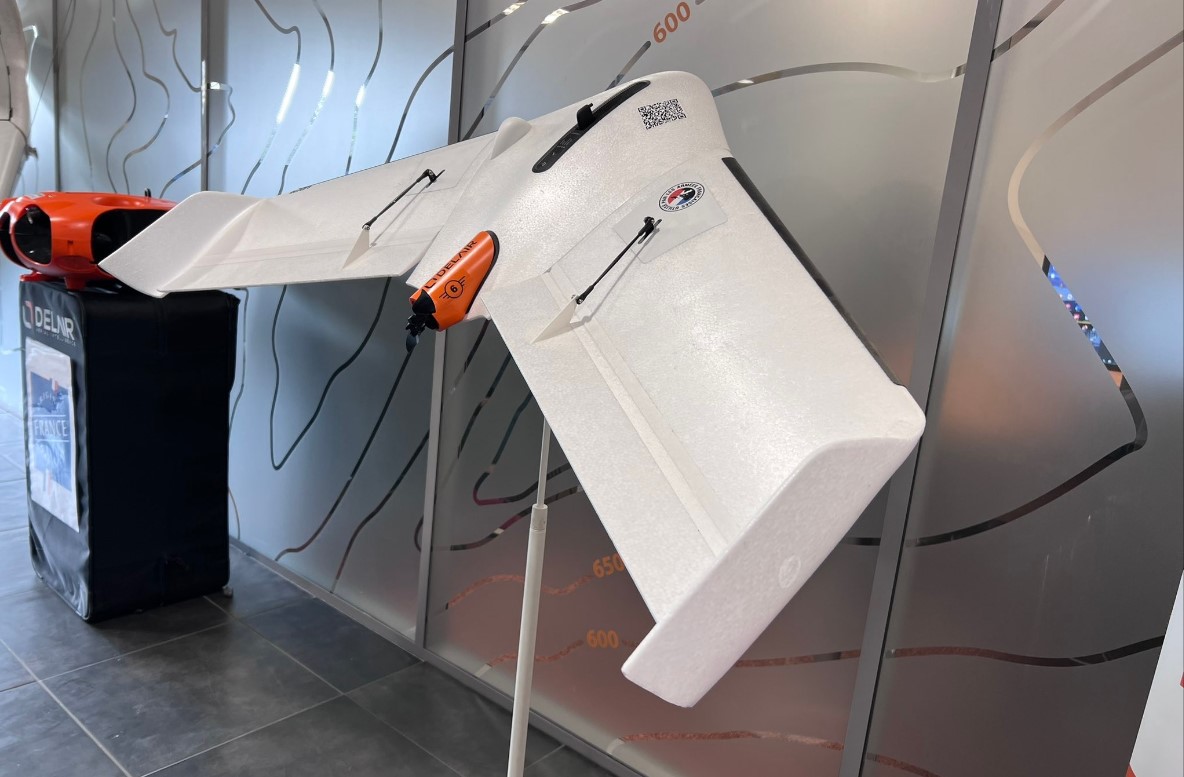
World
The French Ministry of Defense has announced that Ukraine will soon receive a new type of weapon in its arsenal: French-made kamikaze drones, also known as loitering munitions. The development marks a significant step for France, which has successfully tested these advanced drones and plans to deliver them to Ukraine in the coming weeks. The move is a response to the evolving needs of modern battlefields, as well as a broader effort by France to enhance its military capabilities and support Ukraine amid ongoing conflict with Russia.What Are Kamikaze Drones?Kamikaze drones, or loitering munitions, are specialized unmanned aerial vehicles (UAVs) designed to target and destroy enemy positions with high precision. Unlike traditional missiles or artillery, these drones can "loiter" or hover over a specific area for a period before identifying the right moment to strike. This capability provides exceptional versatility on the battlefield, allowing operators to monitor enemy activity and select high-value targets with greater accuracy.The French-made drones being delivered to Ukraine are remotely operated, enabling the military to engage in combat without putting operators in harm's way. The drones are designed to carry explosive warheads that can destroy enemy equipment, vehicles, or fortifications. This combination of surveillance and strike capabilities gives loitering munitions a unique advantage, especially in scenarios where traditional artillery or airstrikes may be difficult or risky.France’s Rapid Development of Kamikaze DronesThe decision to develop kamikaze drones was driven by the urgent need to address evolving threats on modern battlefields. Over the past two years, France has prioritized regaining sovereignty over certain critical military technologies, including UAVs. The recent successful tests of these drones mark a major milestone in that effort. French Defense Minister Sébastien Lecornu emphasized the importance of this achievement, stating, “We have regained sovereignty in this critical area for our armed forces in less than two years." The new capability is seen as a significant enhancement for both French and Ukrainian forces, allowing them to respond more effectively to a variety of threats.Strategic Importance for UkraineFor Ukraine, the addition of French kamikaze drones represents a substantial boost to its defense capabilities. Since the onset of Russia’s invasion, Ukraine has relied on a range of Western-supplied military hardware to counter Russian advances, from anti-tank missiles to sophisticated air defense systems. The introduction of loitering munitions provides Ukraine with a new way to strike back against Russian forces, especially in scenarios where other forms of support may not be as effective.Loitering munitions can be deployed to target enemy command posts, armored vehicles, artillery positions, and other critical assets. Their ability to hover over an area for extended periods before striking gives Ukrainian forces a tactical advantage in reconnaissance and offensive operations, providing a real-time, adaptable solution to battlefield challenges. Additionally, their relatively small size and mobility make them difficult for enemy air defenses to detect and intercept.Specifications and CapabilitiesWhile specific details about the French-made kamikaze drones being delivered to Ukraine have not been fully disclosed, loitering munitions typically feature a combination of advanced guidance systems and explosive payloads. These drones are equipped with cameras and sensors that enable operators to survey the battlefield and choose targets with pinpoint accuracy. The explosive warheads carried by the drones are designed to destroy or disable a range of enemy assets, from tanks and vehicles to bunkers and fortifications.The range and endurance of loitering munitions vary, but they generally allow for missions lasting from a few minutes to over an hour. This enables extended observation and tactical flexibility, making them an effective option for both offensive and defensive operations. The French-made drones are expected to integrate seamlessly with Ukraine's existing battlefield strategies, complementing the capabilities of other Western-supplied military equipment.Broader Implications for France and NATOThe development of kamikaze drones by France is part of a larger trend in the military landscape, where UAVs and loitering munitions are becoming essential components of modern warfare. France's swift progress in this domain reflects a broader effort among NATO countries to maintain technological superiority in the face of rapidly advancing threats. By supplying these drones to Ukraine, France is also contributing to the NATO-backed effort to bolster Ukrainian defenses and deter further aggression from Russia.In conclusion, the delivery of French-made kamikaze drones to Ukraine marks an important step in the ongoing conflict. These loitering munitions will offer Ukraine greater tactical flexibility, precision, and strike capability, reinforcing its ability to defend against Russian forces. For France, this move not only showcases its rapid advancement in military technology but also strengthens its role as a key player in supporting allies through innovative defense solutions.
Read More → Posted on 2024-10-16 15:41:10
World
Japan has recently taken a significant step in advancing railgun technology by partnering with France and Germany in a collaborative research initiative. This partnership was formalized on May 30th, when the Ministries of Defense from the three countries signed a Terms of Reference (TOR) agreement. The primary goal of this collaboration is to explore the possibilities for joint research, development, testing, and evaluation of railgun technologies. The move highlights Japan's increasing focus on electromagnetic weaponry, aiming to boost its defense capabilities through cutting-edge technology.Japan's Railgun Development Journey Japan's interest in railgun technology is not new. The country's research efforts began in 2016 under the "Research on Electromagnetic Acceleration Systems" program, spearheaded by the Acquisition, Technology & Logistics Agency (ATLA) of the Ministry of Defense. The program aimed to achieve a muzzle velocity of 2000 meters per second and a barrel life of 120 rounds. Initial testing saw Japan conduct its first shipboard firing of a railgun in October 2023, marking a significant milestone in its development efforts.Japan’s focus has been on addressing the challenges unique to railguns, such as barrel erosion caused by heat and wear. Unlike conventional firearms, which suffer from barrel damage due to explosive gunpowder pressure, railguns face issues stemming from the intense heat generated by high current flow and the friction between the armature and the rail. Japan experimented with different materials for the barrel rails, initially using copper before shifting to more resistant alloys. This adaptation resulted in stable performance across 120 rounds, moving the project into its next phase—developing a complete railgun system with mechanisms for continuous firing and fire control.European Railgun Research: The PILUM ProjectOn the European side, railgun development has primarily been driven by the PILUM project, an initiative launched by the European Defense Agency (EDA) in 2020 and coordinated by the Franco-German Research Institute of Saint-Louis (ISL). The goal of PILUM is to explore the feasibility of constructing an electromagnetic railgun (EMRG) that can achieve strike distances of up to 200 km, vastly outperforming conventional artillery. The research covers three key areas: the railgun itself, its projectiles, and the energy storage and conversion systems needed to power such a weapon.PILUM has brought together nine partners from five European countries, including well-known defense companies like Naval Group and Nexter Systems from France, Diehl Defence from Germany, and ICAR from Italy. The project has made substantial progress, particularly in creating a wear-resistant coating for the gun barrel, developing a hypervelocity projectile capable of reaching speeds up to Mach 6, and finding new energy storage solutions such as XRAM generators. This innovative approach to electromagnetic artillery has paved the way for the next phase under the THEMA project, where a demonstrator railgun is expected to be tested by 2028.The Strategic Implications of Japan’s CollaborationJapan's involvement in the European railgun research initiative brings a new dimension to the project, combining the expertise and technological advancements made by ATLA with European innovations. While Japan is not directly involved in the THEMA project, this agreement enables smoother exchange of information and ideas, potentially accelerating the practical deployment of railguns in both Japanese and European defense systems. Japan’s recent success in conducting the world’s second shipboard railgun test (after China) further positions it as a key player in electromagnetic weaponry, adding valuable insights to the joint research.The integration of Japan’s research efforts with European programs also opens the door to potential synergies in naval applications, as both sides work toward deploying railguns on ships. With the technology capable of launching projectiles at hypersonic speeds over vast distances, railguns could revolutionize naval warfare by providing a cost-effective and high-precision weapon capable of countering missile threats and engaging targets beyond the reach of traditional artillery.Global Context and Future ProspectsThe collaboration between Japan and Europe is part of a broader international trend toward developing electromagnetic railguns. Other countries such as the United States, India, China, Russia, and the United Kingdom have also pursued railgun research, albeit at different stages. While the U.S. halted its railgun program after years of development, China and Japan have continued to push forward, with both nations conducting shipboard tests.Japan’s partnership with Europe could potentially reinvigorate interest in railguns worldwide, as the technology holds significant promise for the future of warfare. As research progresses, key challenges such as energy storage, barrel durability, and thermal management will need to be overcome. The results of the Japan-Europe collaboration may very well dictate how quickly railguns transition from experimental projects to practical battlefield applications.By joining forces with European nations, Japan is positioning itself to accelerate the development of this disruptive technology, potentially gaining a strategic edge in defense. This partnership could serve as a foundation for future multi-national efforts to bring railgun technology into mainstream military use, transforming how long-range engagements and missile defenses are conducted.
Read More → Posted on 2024-10-16 15:36:17
Space & Technology
In a move that could escalate existing tech tensions between China and the United States, the Cyber Security Association of China (CSAC) has called for a comprehensive cybersecurity review of Intel products sold in the country. The organization, which operates under the supervision of the Cyberspace Administration of China, cited concerns over “frequent vulnerabilities and high failure rates” associated with Intel's central processing units (CPUs). The CSAC's recent WeChat post pointed to multiple security issues and alleged that certain Intel chip series had caused performance problems, including video game crashes.The Vulnerabilities in QuestionThe CSAC identified specific security weaknesses in Intel's chips, including vulnerabilities known as Downfall, GhostRace, and NativeBHI. These issues have been linked to flaws in speculative execution, a feature that helps processors predict future tasks to speed up operations. Downfall, also referred to by Intel as Gather Data Sampling, was brought to light in 2022 but gained significant attention in 2023. It allows attackers to exploit the chip's speculative execution process, potentially stealing sensitive data. The association's concerns extend beyond data theft to include the stability of Intel's 13th and 14th generation Core processors, which reportedly suffered from a microcode algorithm issue that led to video game crashes.The cybersecurity group accused Intel of being slow to address these flaws. In the case of the video game issue, it took Intel more than half a year to resolve the problem, which had frustrated many users since late 2023. In July, Intel admitted that a microcode issue caused the malfunction, citing “incorrect voltage requests to the processor” as the root cause.Potential Backdoor RisksOne of the more alarming allegations from the CSAC is the possibility of a "secret back-door system" embedded within Intel's processors. The post referenced insights from hardware security expert Damien Zammit, who had previously raised concerns about Intel's Management Engine (ME), a subsystem within the CPU that operates as a separate processor core. Introduced years ago, ME is designed to enable remote management of computers through Intel’s Active Management Technology (AMT). However, some cybersecurity professionals view this subsystem as a potential security risk because it cannot be disabled and its proprietary codes are not openly disclosed. This hidden functionality could, in theory, be exploited by hackers to access user data or launch cyberattacks without detection.A Strained U.S.-China Tech LandscapeThe CSAC’s call for a review comes at a time of growing tech rivalry between the U.S. and China. The U.S. has imposed restrictions on the export of advanced semiconductors and manufacturing equipment to China, leading to heightened scrutiny on tech firms operating between the two nations. The controversy surrounding Intel comes shortly after Micron Technology, another U.S.-based semiconductor giant, underwent a similar cybersecurity review in China. Such actions are seen as part of China's broader effort to reduce reliance on foreign technology amid U.S. pressure.The Economic Stakes for IntelIntel, a significant player in China’s semiconductor market, may face economic consequences if the CSAC’s recommendations lead to tighter regulations. China accounted for around 27% of Intel's total revenue, approximately $14.6 billion, in 2023. With Intel’s X86 chip architecture powering 90% of the servers in China, the stakes are high for both the company and the Chinese tech ecosystem.The potential for further complications arises from the recently passed U.S. Chips and Science Act, which aims to bolster America's semiconductor industry through subsidies and research funding. The Chinese government views this as an attempt by the U.S. to curtail China’s access to critical technologies, leading to increased scrutiny of foreign firms like Intel.A History of ConcernsIntel's chips have faced security questions over the years, with vulnerabilities such as Meltdown, Spectre, and Foreshadow raising alarms about potential exploits in speculative execution processes. The latest accusations from the CSAC are part of a continuing debate over whether Intel and other U.S. tech firms adequately address security issues, especially in international markets.While Intel has not yet responded to the CSAC’s latest call for a review, the controversy could prompt a new phase of scrutiny that extends beyond China. As nations and tech companies alike grapple with the balance between innovation, security, and geopolitics, the handling of Intel's alleged vulnerabilities may set a precedent for future cross-border cybersecurity regulations.The unfolding situation with Intel underscores the complexities and strategic importance of semiconductor technology in the broader U.S.-China competition, where every vulnerability and regulatory decision can carry significant political and economic weight.
Read More → Posted on 2024-10-16 15:31:30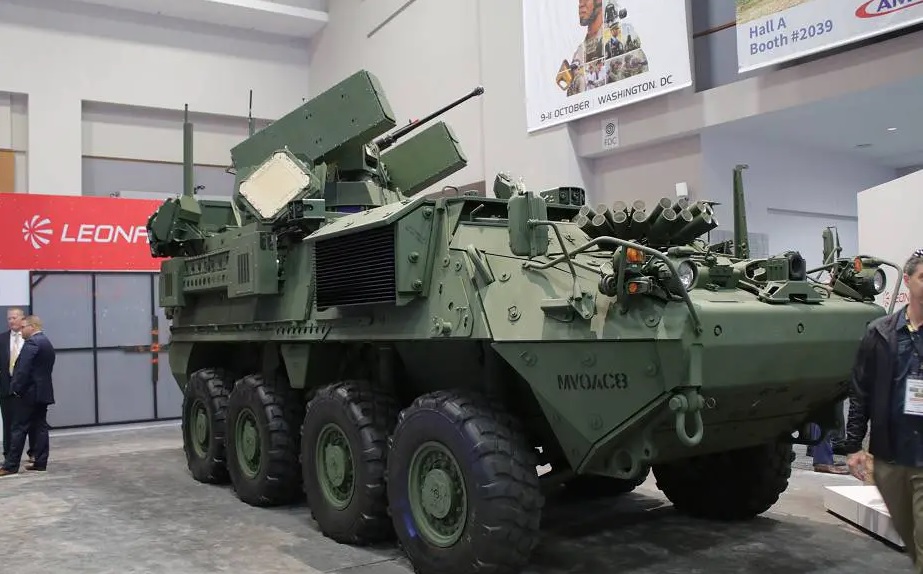
World
Leonardo DRS, a key player in the defense technology sector, has landed a significant contract worth over USD 77 million from General Dynamics Land Systems (GDLS). This deal is part of the ongoing efforts to enhance the U.S. Army's air defense capabilities through the integration of advanced technology into the Stryker vehicles. Specifically, Leonardo DRS will be delivering additional Mission Equipment Packages (MEP) for the SGT Stout Maneuver Short Range Air Defense (M-SHORAD) systems, which are mounted on these heavily armored vehicles.The MEP units provided by Leonardo DRS are a critical component for the Stryker vehicles, giving them the ability to detect, identify, track, and engage various airborne threats. The primary focus of these systems is to protect against increasingly sophisticated aerial challenges, such as unmanned aerial systems (UAS), helicopters, and even fixed-wing aircraft. This contract marks an important step in the U.S. Army’s modernization strategy as it seeks to address evolving threats on the battlefield, particularly in the context of the ongoing conflicts in regions like the Middle East and Ukraine.The M-SHORAD Stryker is an impressive piece of machinery, already deployed in three Division Air Defense Battalions to provide frontline troops with protection from airborne threats. With the additional MEPs from Leonardo DRS, these Strykers will be even more effective, equipped with cutting-edge technology designed to counter a wide range of aerial attacks. These vehicles serve as a mobile defense platform, able to accompany ground forces and provide near-instantaneous responses to hostile air activity.Leonardo DRS has proven its expertise in developing and integrating complex defense systems across various domains, including air defense, force protection, and naval power systems. The company’s role in delivering the MEPs demonstrates its ability to handle multifaceted projects that require a high level of technical knowledge and operational efficiency. Aaron Hankins, the senior vice president of Leonardo DRS, emphasized the urgency of delivering these systems to the U.S. Army, especially in light of the rapidly changing nature of aerial threats. He pointed out that conflicts around the world highlight the need for advanced air defense systems that can be deployed quickly and effectively to protect U.S. forces.The SGT Stout Stryker, with its MEP integration, is part of the U.S. Army's broader initiative to modernize its fleet and improve its readiness for future conflicts. These systems will not only enhance the Army's ability to defend against airborne threats but will also serve as a key component in the Army’s layered air defense strategy. The MEPs from Leonardo DRS enable the Stryker to function as a highly mobile air defense unit, capable of moving with ground forces while providing comprehensive protection against hostile aircraft and drones.In conclusion, the $77 million contract awarded to Leonardo DRS underscores the importance of modern air defense systems for the U.S. Army. As aerial threats become more advanced and diversified, having robust, adaptable defense systems like the M-SHORAD-equipped Stryker vehicles is crucial. The collaboration between Leonardo DRS and GDLS will ensure that the U.S. Army remains at the forefront of air defense technology, ready to face the challenges of modern warfare.
Read More → Posted on 2024-10-16 15:25:43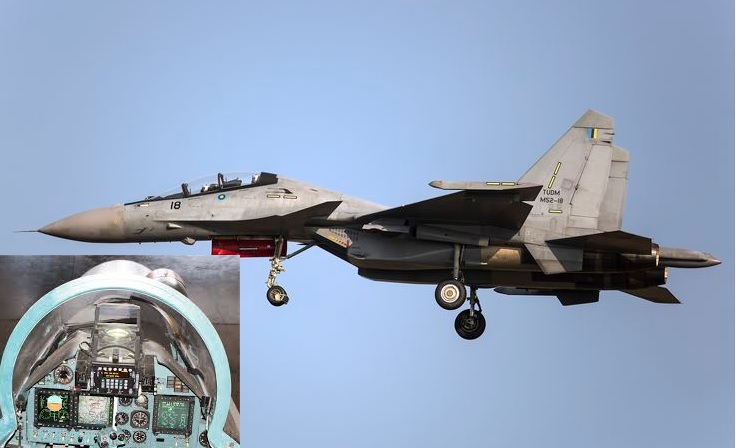
India
In a move that highlights India's growing role in the global defense market, Samtel Avionics System Ltd., a leading avionics company based in Uttar Pradesh, has secured a crucial contract with the Royal Malaysian Air Force (RMAF). This agreement involves equipping all 18 of Malaysia's Sukhoi-30MKM fighter jets with state-of-the-art Multi-Function Displays (MFDs) and Head-Up Displays (HUDs). The contract underscores the strengthening defense ties between India and Malaysia and reflects India's rising status as a provider of cutting-edge defense technology.The Su-30MKM is a Malaysian variant of the Sukhoi Su-30, a highly capable multirole fighter jet. By integrating Samtel’s advanced avionics into these aircraft, the RMAF stands to significantly boost the operational efficiency of its fleet. The MFDs, which will be installed as part of the upgrade, come in various sizes—5"x5", 6"x6", and 5"x4"—and offer a host of benefits, including enhanced situational awareness for pilots. These displays present critical flight data and weapons information in a more user-friendly format, allowing for quicker decision-making during combat or high-speed maneuvers.Samtel’s MFDs are not new to the field of fighter jet avionics. The company has successfully supplied over 1,000 MFDs to Hindustan Aeronautics Limited (HAL) for use in India’s own fleet of Su-30MKIs, the Indian Air Force's (IAF) primary air superiority fighter. These MFDs have proven their reliability and effectiveness in combat situations, ensuring that they are a battle-tested solution for enhancing the avionics of high-performance jets. For the RMAF, this means that the Su-30MKM’s modernization will bring the aircraft up to the latest standards, extending their operational life and improving mission performance.In addition to the MFDs, Samtel Avionics will also be supplying advanced Head-Up Displays (HUDs) for the Malaysian Su-30MKMs. These HUDs are essential for projecting key flight information—such as speed, altitude, and target data—directly onto the pilot’s field of vision. This allows the pilot to remain focused on the external environment without needing to glance down at traditional cockpit instruments. The tactical advantage gained through the integration of these HUDs is critical, particularly during high-pressure combat operations or complex aerial maneuvers. The HUDs significantly reduce pilot workload and enhance response times.The deal is a product of Samtel’s collaboration with Hindustan Aeronautics Limited under the joint venture Samtel HAL Display Systems (SHDS). This partnership has been a cornerstone of India’s indigenous defense development, focusing on producing high-quality avionics for the IAF’s Su-30MKI fleet. The systems being delivered to Malaysia have been proven in India’s demanding operational environment, ensuring that the RMAF is receiving a tried-and-tested solution. The avionics upgrade is expected to be a major step in modernizing the Su-30MKMs, which have been a key component of Malaysia’s air defense capabilities since their induction.This contract also reflects the broader shift in Malaysia’s defense procurement strategy, as the country looks to India for reliable, cost-effective solutions. It strengthens the defense relationship between the two nations, paving the way for future collaborations. Samtel Avionics, through its work with HAL, has positioned itself as a key player in the global defense market, particularly in the realm of avionics and display systems.In conclusion, Samtel’s partnership with the Royal Malaysian Air Force represents a significant win for India's defense industry. The integration of cutting-edge MFDs and HUDs into Malaysia’s Su-30MKM fleet not only enhances the aircraft’s capabilities but also underscores India’s ability to provide world-class defense solutions to international clients. This deal is likely to serve as a model for future collaborations between India and other nations seeking to modernize their air forces with advanced technology.
Read More → Posted on 2024-10-16 15:22:57Search
Top Trending in 24 Hours
-
 Western Intelligence Warns Russia Could Launch Nuclear-Armed Satellite as Early as December
-
 IG Defence Successfully Test-Fires JWALA MK-1 Counter-Drone Missile at Pokhran
-
 U.S. Awards Lockheed Martin $330.6 Million Contract for Long-Lead Materials Supporting 75 F-35 Lot 22 Aircraft
-
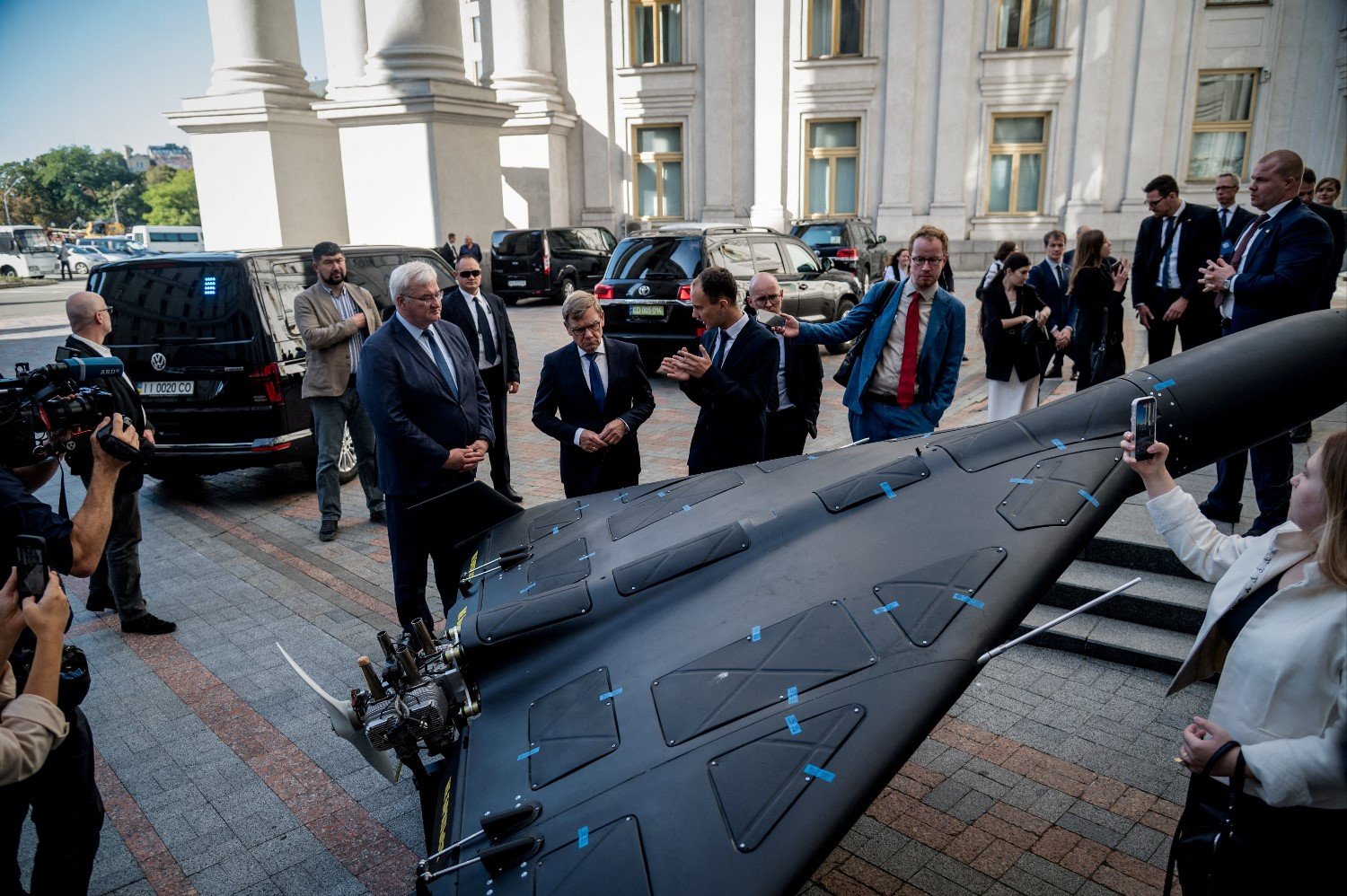 Germany Tests Kamikaze Drones and AI Targeting Systems in Lithuania Near Belarus Border
-
 Chinese Military Warns U.S. AI Could Threaten China’s Nuclear Missile Survivability
-
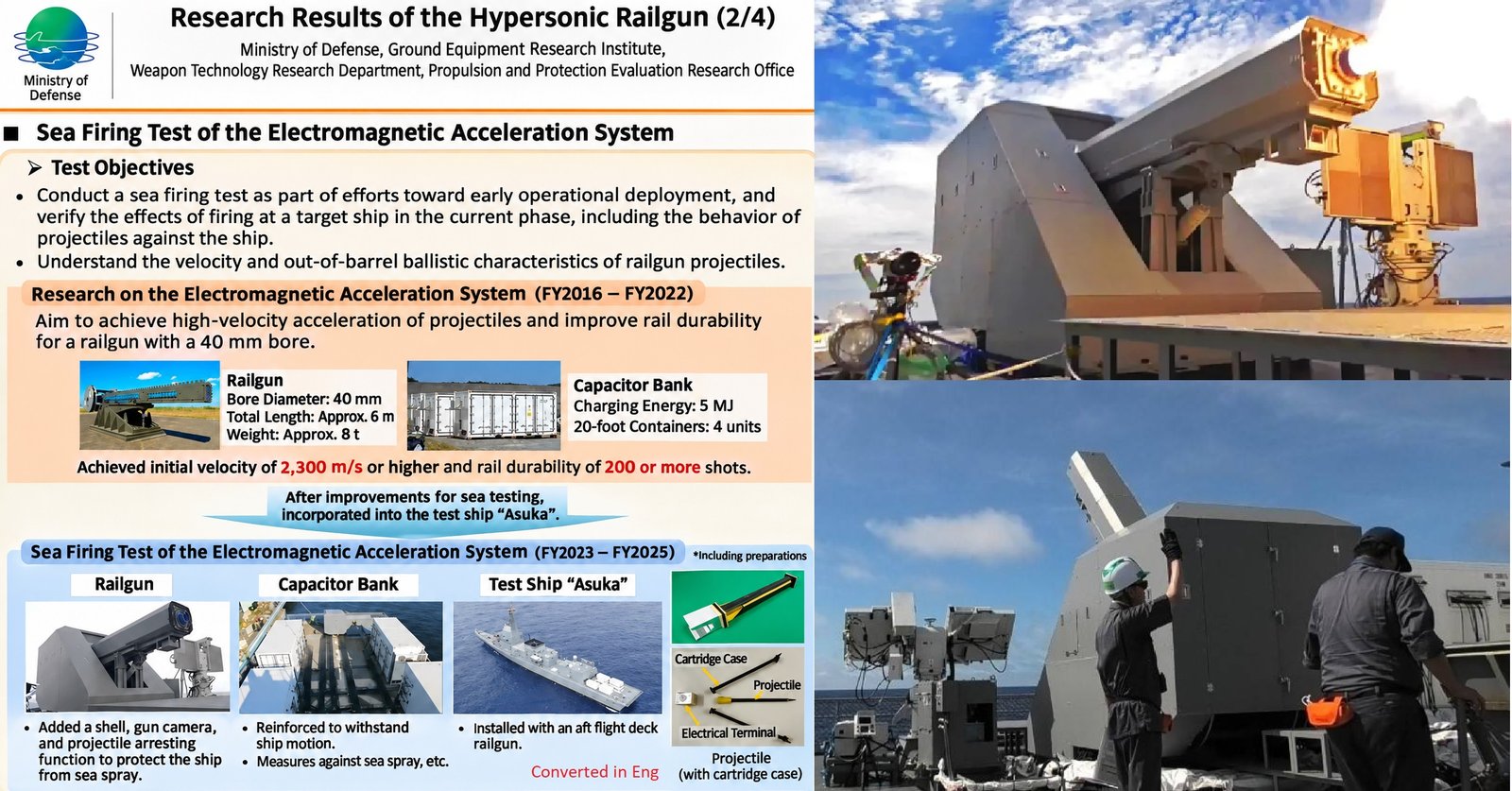 Japan Tests Battery-Powered Railgun in Ten-Shot Rapid-Fire Trial
-
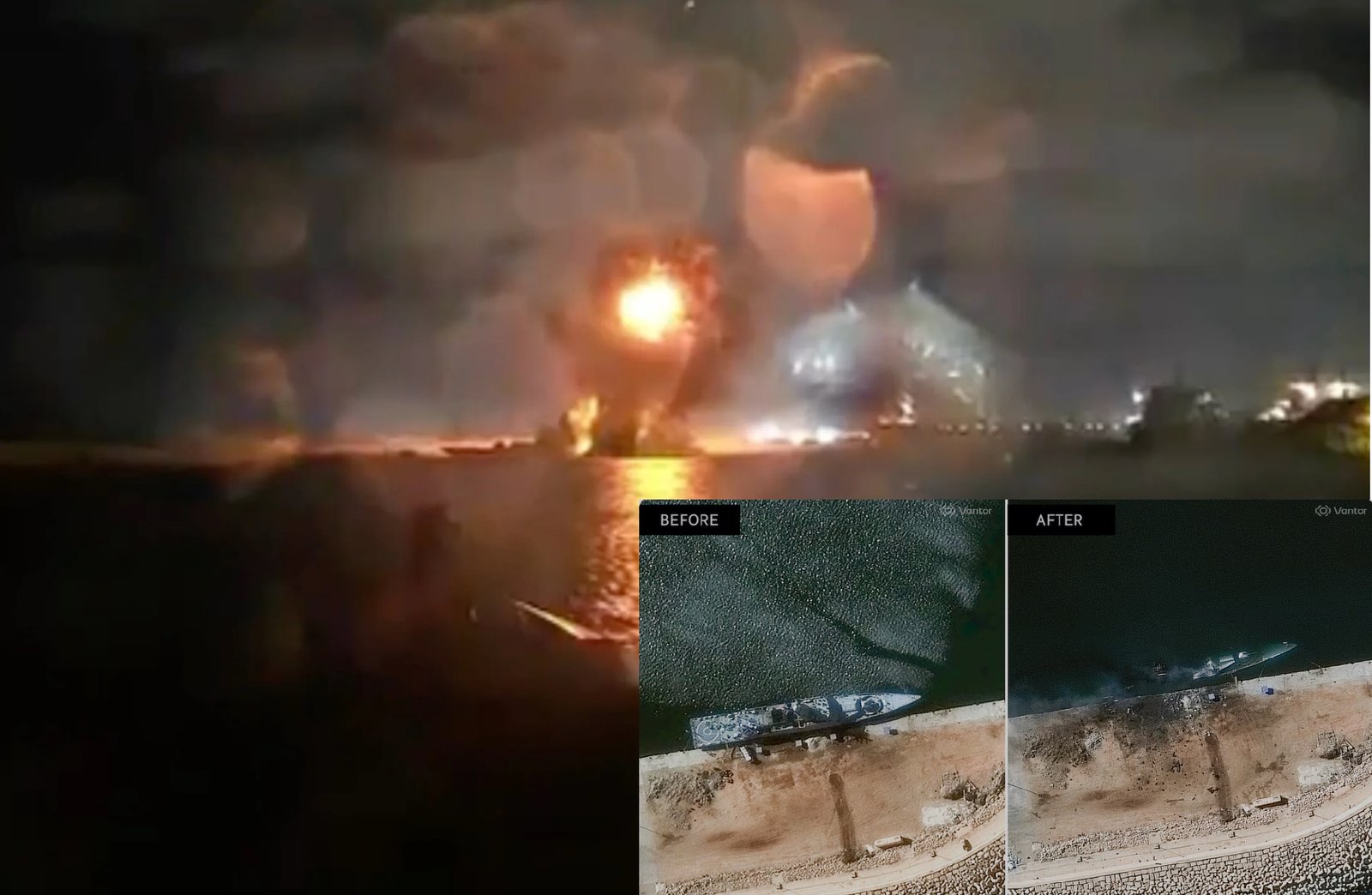 Ukraine Confirms Using Seven Naval Drones to Sink Russian Corvette Merkury Off Libya, Destroying Ka-27 Helicopter Aboard
-
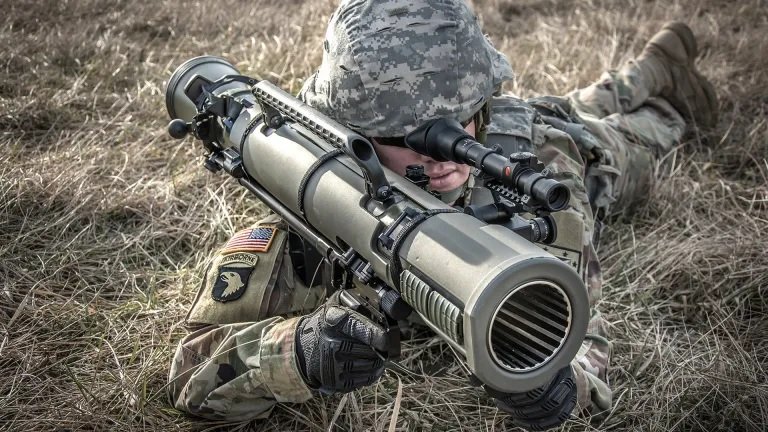 U.S. Army Places $60.3 Million Order With Saab for XM919 Shoulder-Fired Weapons
Top Trending in 4 Days
-
 Two Injured in Bahrain After Iranian Attacks; Iran Claims Strike on US Patriot Radars
-
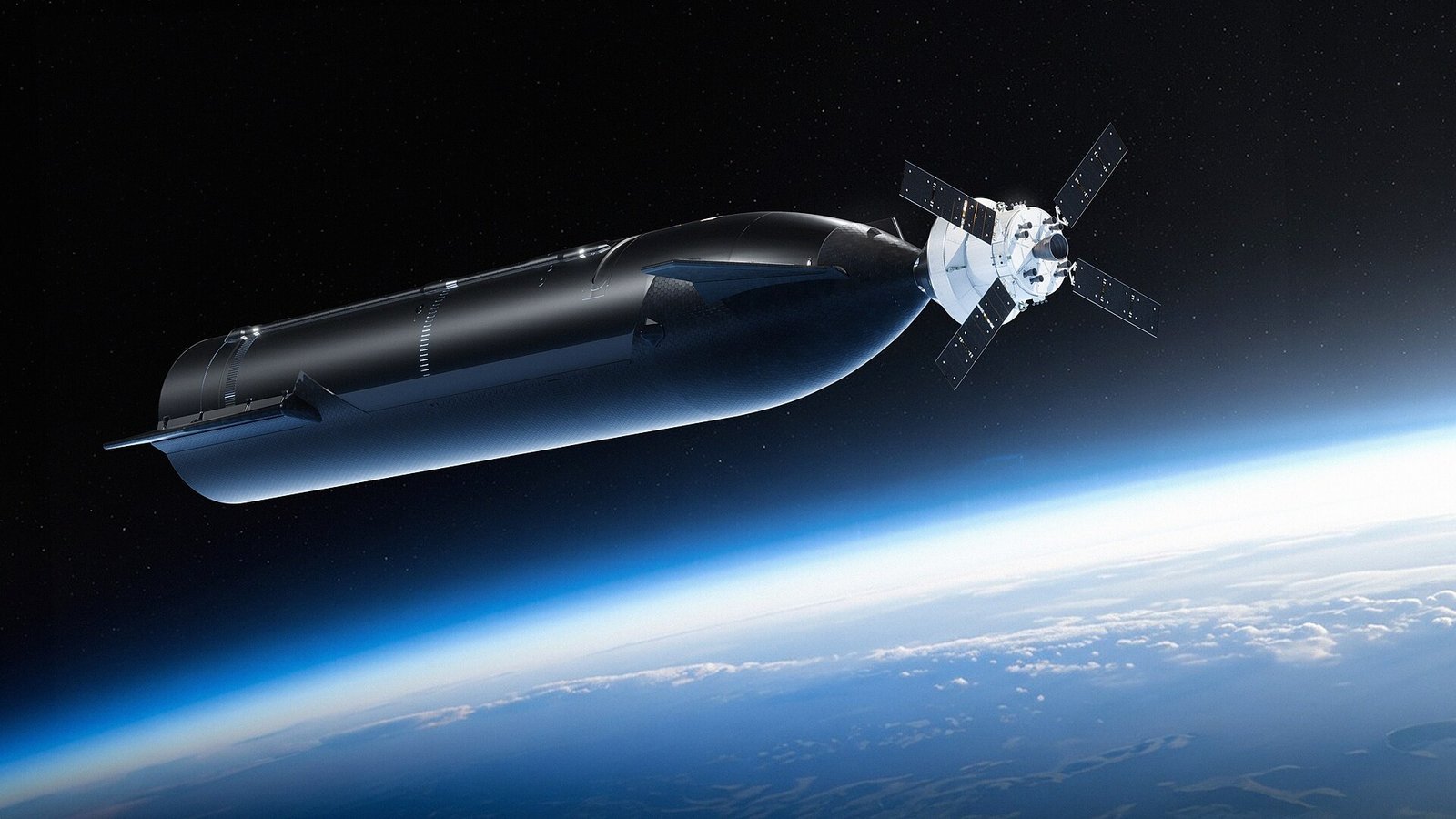 NASA's Orion Spacecraft Needs Major Modifications to Fly Backward with SpaceX Starship
-
 Iran Positions Oil Tankers at Kharg Island Amid Plans to Challenge US Naval Blockade
-
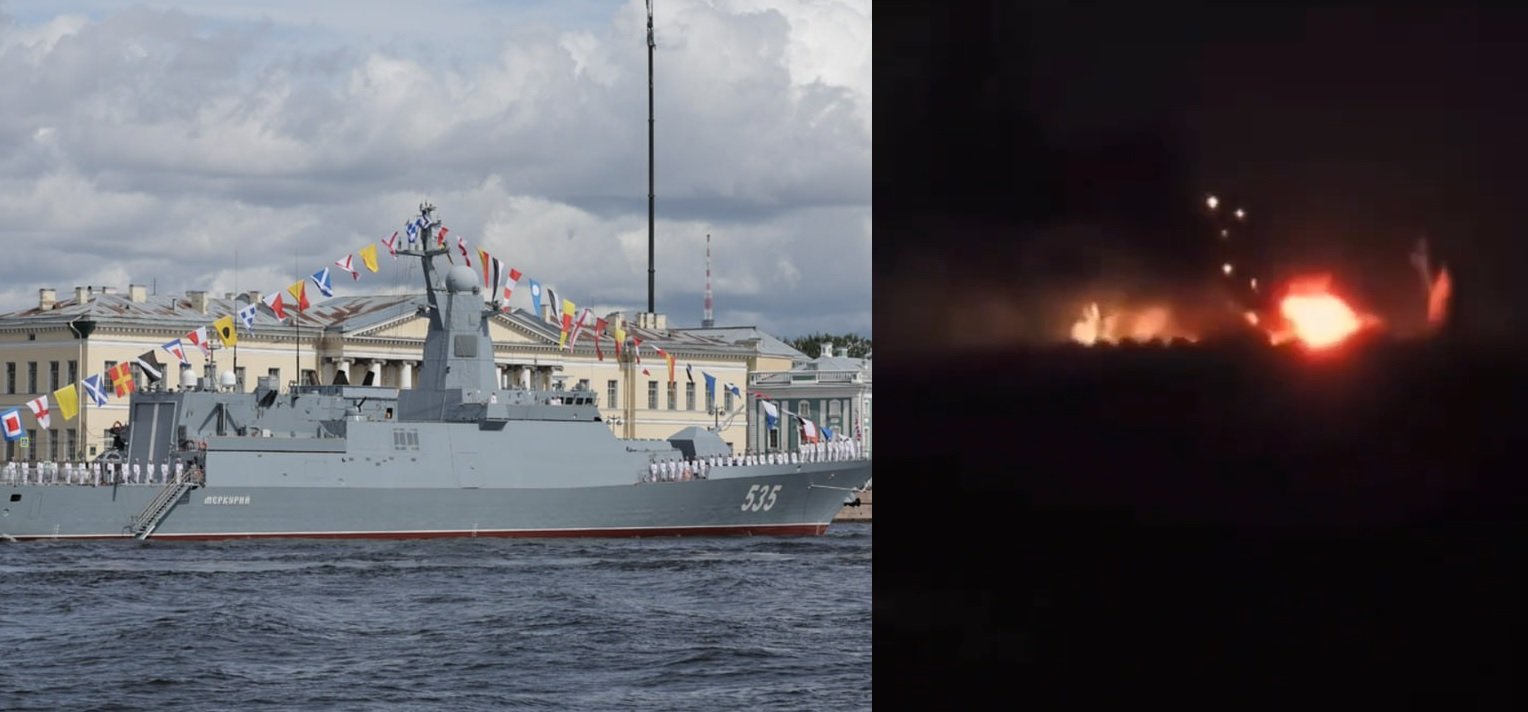 Russian Corvette Merkury Almost Certainly Destroyed in Benghazi Port Explosion
-
Western Intelligence Warns Russia Could Launch Nuclear-Armed Satellite as Early as December
-
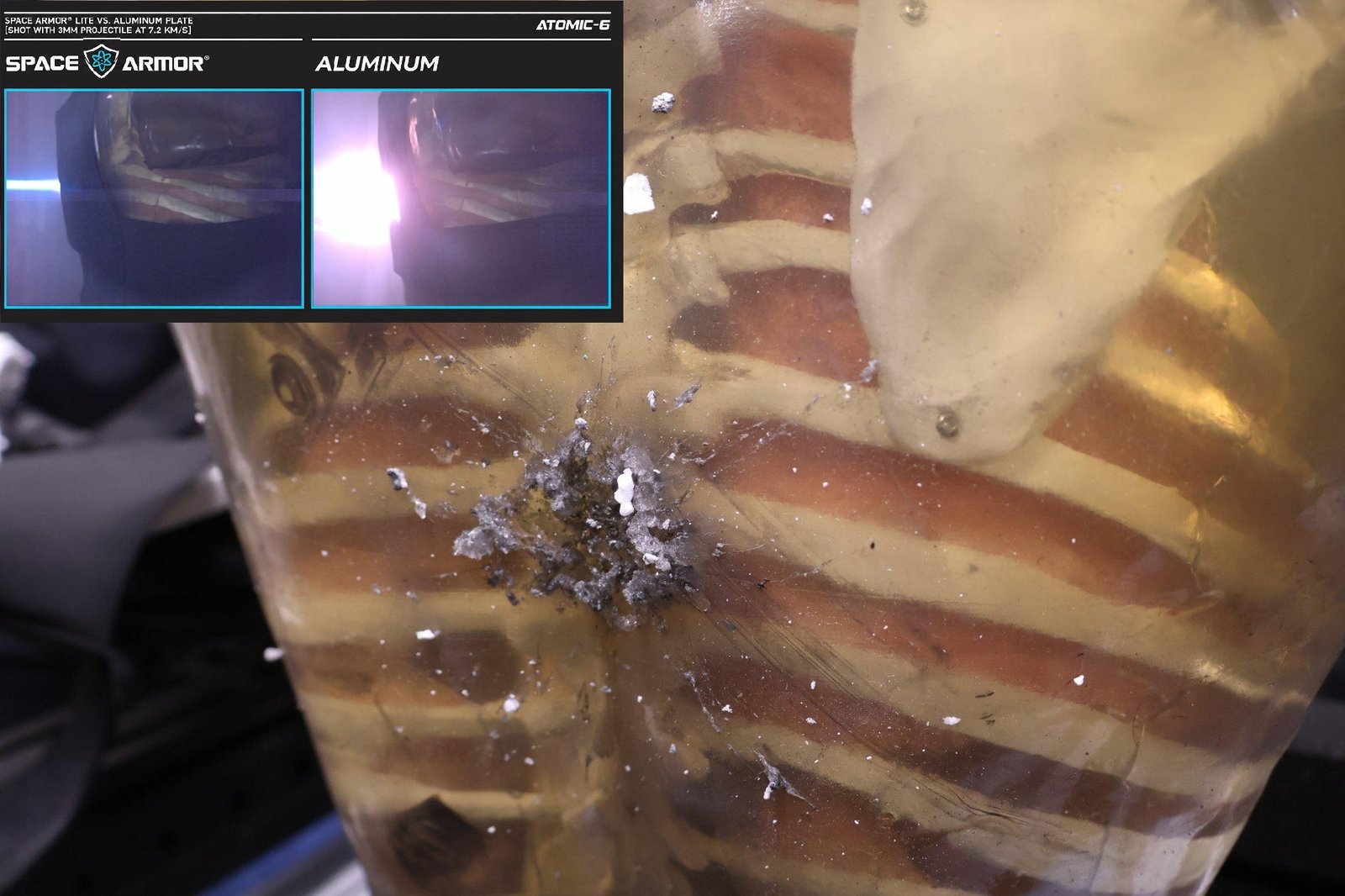 Atomic-6 Tests Composite Armor Against 16,100 MPH Space Debris for Astronaut Protection
-
 Denmark's Parliament Unanimously Approves US-Greenland Defence Deal with 109–0 Vote, Restricting Russian and Chinese Military Presence
-
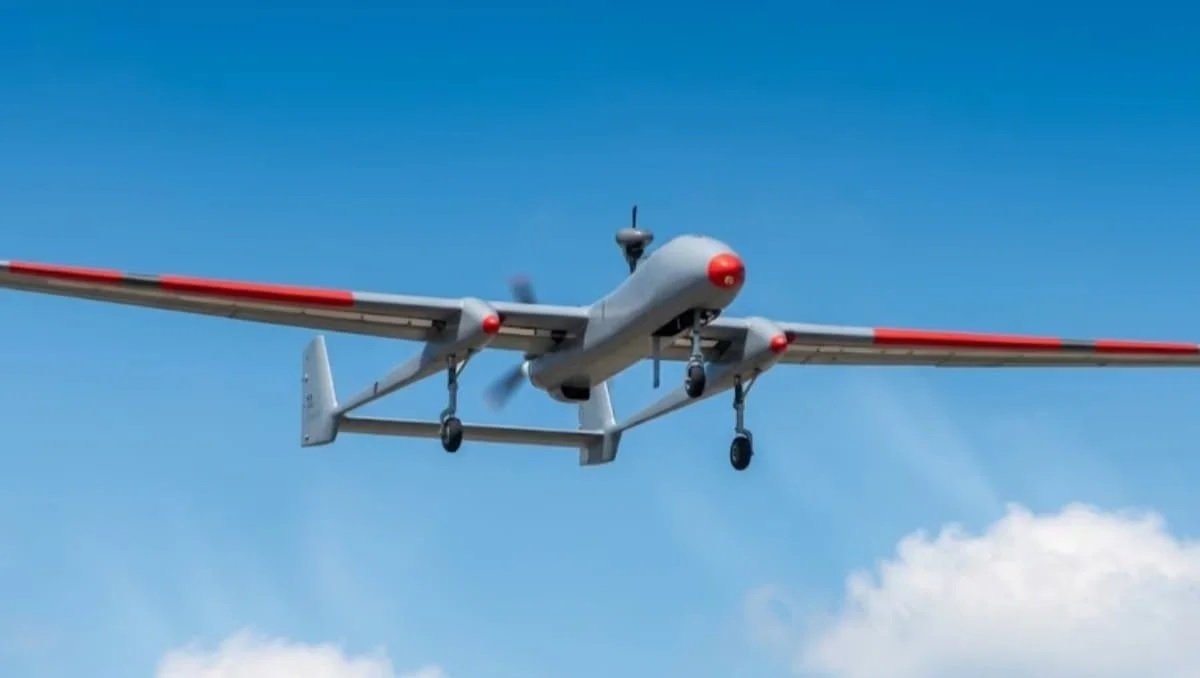 IAF Issues RFI for 500 Indigenous ISR Drones for Surveillance and Electronic Intelligence, with Six-Hour Endurance
