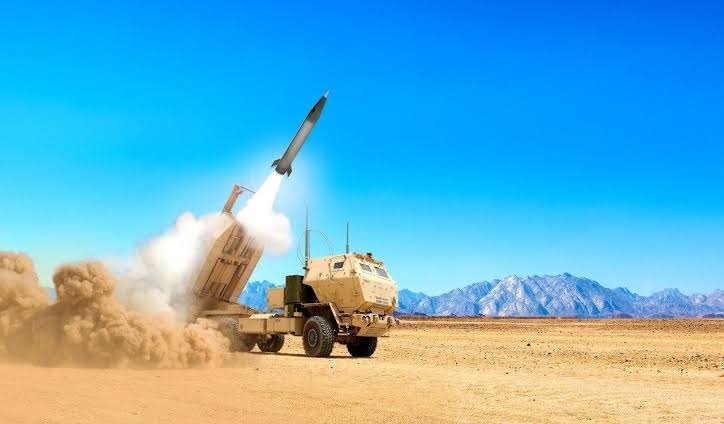
REDSTONE ARSENAL, Ala. — The U.S. Army has selected five defense companies to develop competing prototypes for the next-generation Precision Strike Missile (PrSM) Increment 4, a version designed to reach targets at least 1,000 kilometers (620 miles) away.
On September 29, the Army awarded separate Other Transaction Authority (OTA) agreements to Anduril, Castelion, Lockheed Martin Missiles and Fire Control, Mach Industries, and RTX. The Army did not disclose the value of the individual agreements. The OTA process provides a streamlined approach for prototype development outside traditional procurement rules.
1,000-Km Range Requirement
The Increment 4 prototypes must have a minimum range of 1,000 km, roughly twice the range of the current PrSM baseline. They must be compatible with the M142 HIMARS launcher, with potential integration onto platforms such as the M270.
The missile must also be capable of engaging moving maritime targets and relocatable land targets, including mobile air-defense systems and missile launchers. The program will also follow the Army's Modular Open Systems Approach.
Two-Phase Competition
Initial prototype development will take place in Fiscal Year 2027, beginning October 1, 2026, followed by a competitive fly-off and a down-select.
The companies whose designs demonstrate sufficient maturity will receive follow-on agreements in Fiscal Year 2028, leading to a second development phase and final competitive fly-off.
PrSM Development
PrSM entered service in 2023 as a replacement for the ATACMS, which has a maximum range of about 300 km (186 miles). Lockheed Martin's PrSM Increment 1 is designed for approximately 500 km (310 miles) and has been tested against targets beyond 400 km. It was used in combat for the first time in March 2026 during Operation Epic Fury against targets in Iran.
The PrSM family is being developed in stages. Increment 2 adds a multi-mode seeker for moving ships and land targets, while Increment 3 focuses on additional warhead and payload options. Earlier in September, the Army awarded Lockheed Martin a production contract worth up to $1.2 billion for Increment 2. Increment 4 is focused on extending the range to at least 1,000 km.
Lockheed Martin's Long-Range Design
In 2023, the Army awarded Lockheed Martin $33.3 million and a Raytheon-Northrop Grumman team nearly $100 million to study advanced propulsion and airframe designs for the long-range requirement.
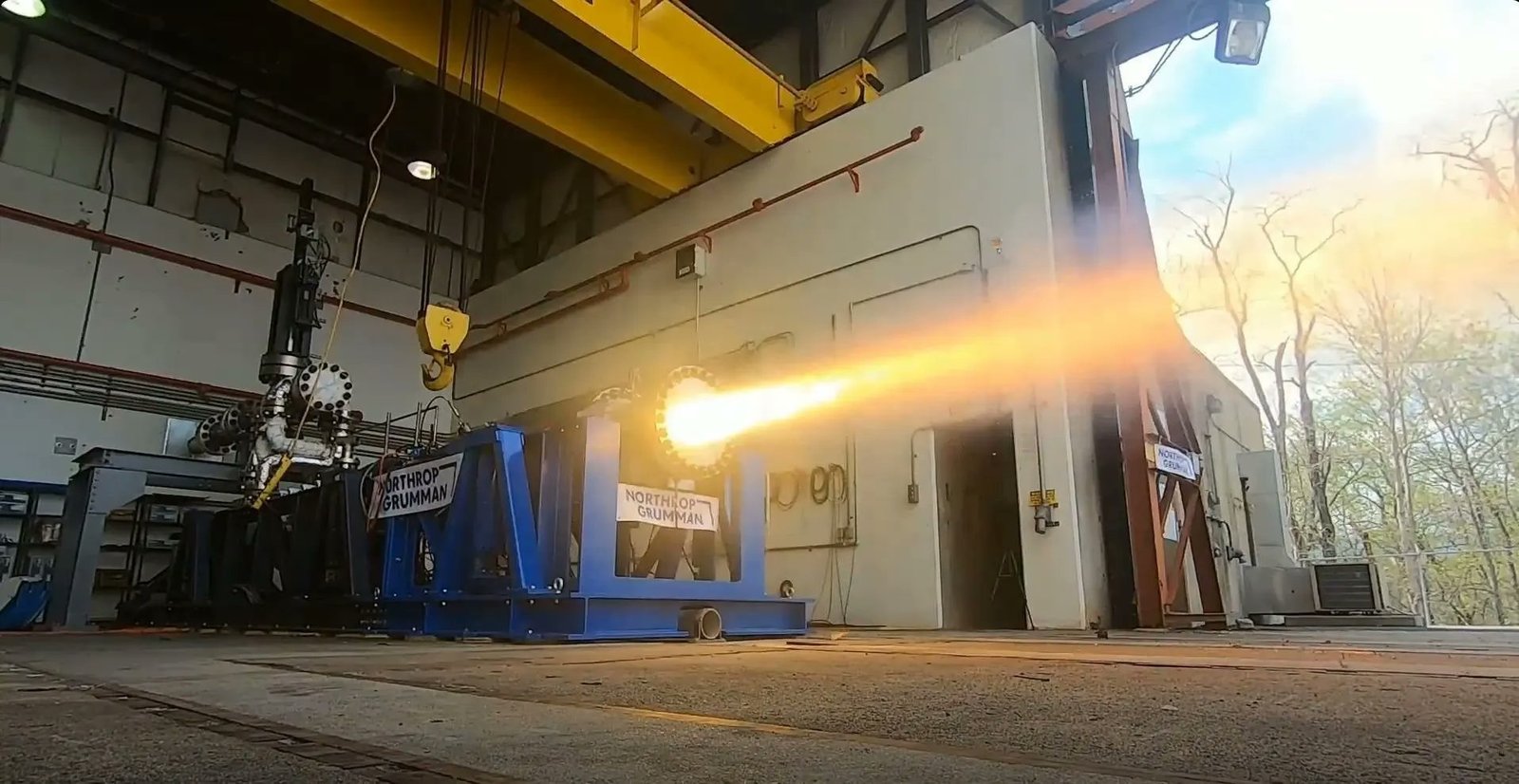
Lockheed Martin's Increment 4 design uses a rocket booster and air-breathing ramjet engine to increase range while maintaining the missile's physical size for existing launchers. In June 2026, Lockheed Martin and L3Harris completed a ground test of the transition from the booster to the ramjet. Flight testing was planned for fall 2026.
RTX, formerly Raytheon, is also participating in the competition. Castelion is developing the Blackbeard hypersonic missile and was selected earlier this year by the U.S. Navy for its Multi-mission Affordable Capacity Effector program. Anduril and Mach Industries have not publicly disclosed their technical approaches for Increment 4.
The Army is also continuing production of earlier PrSM variants. In June 2026, it increased an existing Lockheed Martin contract by $8.4 billion, bringing its total value to about $13.3 billion and extending production support through September 2032.
——— End of Article ———