SCOTLAND — The UK Navy has conducted the first operational live firings of its Naval Strike Missile (NSM) and Sea Venom missile systems against a realistic maritime target during Exercise Atlantic Thunder 2026.
The tests took place at the UK Ministry of Defence’s Hebrides range off northwest Scotland, using the decommissioned former U.S. Navy guided-missile frigate USS Klakring as the target. The exercise was led by the U.S. Sixth Fleet and ran from September 14 to 25.
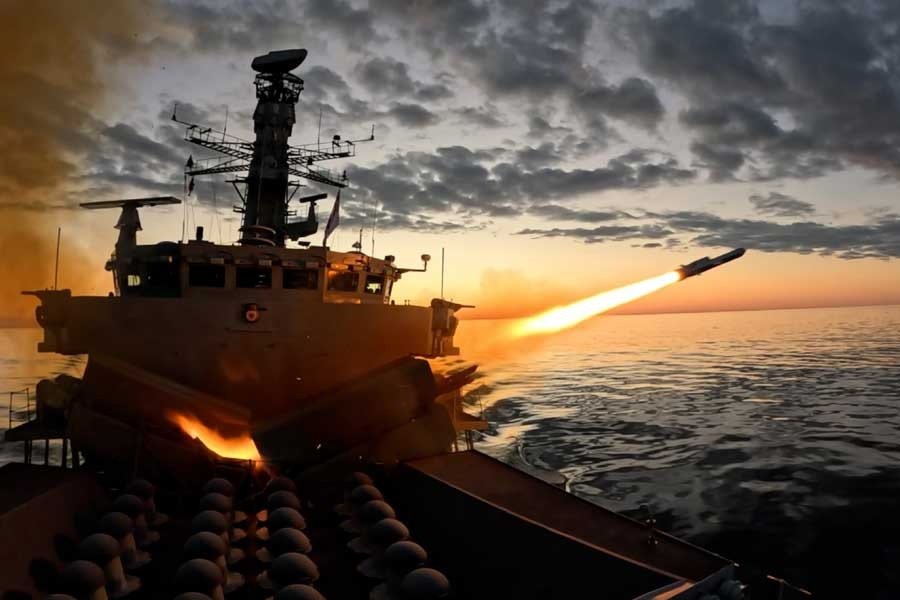
HMS Portland fires NSM
The Type 23 frigate HMS Portland, based in Plymouth, fired an operational NSM at USS Klakring. It was the Royal Navy’s first operational NSM firing against a realistic ship target.
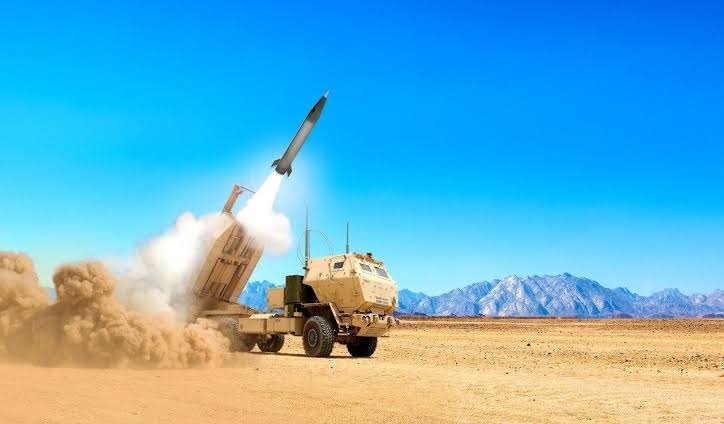
The 400kg NSM can travel at close to supersonic speed and strike targets more than 100 miles away. Its sea-skimming flight profile is designed to reduce the chance of detection. The missile is also in service with the Norwegian, U.S. and Polish navies.
The Royal Navy plans to equip 11 ships, including Type 23 frigates and Type 45 destroyers, with NSM. The missile will complement the Future Cruise Anti-Ship Weapon, planned as the fleet’s main long-range anti-ship missile for next-generation ships using the Mk41 vertical launch system, including Type 26 and Type 31 frigates.
Petty Officer James Kenyon, an Above Water Warfare specialist who fired the missile, described the launch as the highlight of his career following more than a year of planning. Lieutenant Commander Louise Kirkaldy, HMS Portland’s Principal Warfare Officer, said the firing demonstrated a modern maritime strike capability.
Wildcat fires Sea Venom
A Wildcat helicopter from 815 Naval Air Squadron, operating from HMS Portland, simultaneously fired Sea Venom missiles at the same target. It was the first operational live firing of Sea Venom from a Royal Navy Wildcat against a representative maritime target.
The crew completed the full process of detecting, identifying and engaging the target.
Produced by MBDA, Sea Venom has a range of more than 20km and carries a 30kg warhead. It is designed to attack corvette-sized vessels and can disable larger warships such as frigates and destroyers. A Wildcat can carry up to four missiles, and Sea Venom can also be used against land targets including bunkers, buildings and vehicles.
Lieutenant Commander Rhydian Edwards, Test and Evaluation Commander for the Maritime Aviation Strike Operational Advantage Group, said the firing demonstrated the complete maritime strike process under realistic conditions. Data from the test will support future tactics, training and operational use. Sea Venom reached initial operating capability in 2025.
U.S.-UK forces complete coordinated strike
The exercise also involved USS Paul Ignatius, which fired an anti-surface variant of the SM-6, followed by the NSM and Sea Venom attacks from HMS Portland. The Virginia-class submarine USS Massachusetts then launched a Mk 48 Advanced Capability torpedo, delivering the final hit.
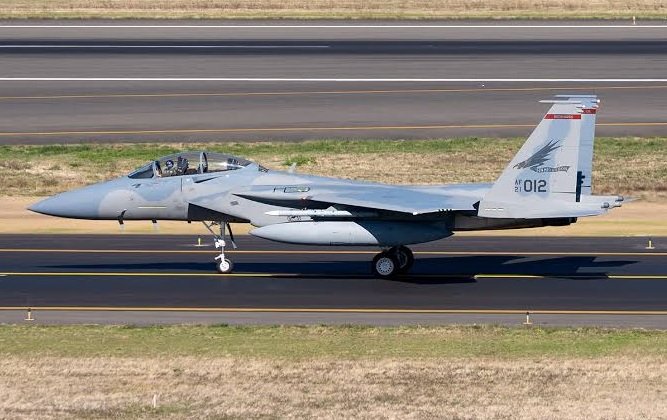
USS Klakring sank in approximately 6,000 feet of water. U.S. Navy and Royal Air Force P-8 maritime patrol aircraft and U.S. Air Force F-15E aircraft also participated.
The target ship underwent a rigorous cleaning process, and checks were carried out for marine mammals before the live firings.
Commander Dafydd Bryden, commanding officer of HMS Portland, said firing anti-ship missiles against a decommissioned warship provided an important test of warfighting capability and the systems and personnel involved.
Lieutenant Commander Paul Atkins, UK Lead Project Officer for Atlantic Thunder, said the exercise demonstrated the ability of the UK and U.S. navies to integrate, share expertise and operate as an interoperable maritime force.
The firings are part of the Royal Navy’s effort to expand its anti-ship strike capability following the withdrawal of Harpoon. HMS Somerset conducted an earlier NSM test firing against a floating target in Norway in September 2025.
——— End of Article ———