ROCKET CENTER, W.Va. — Northrop Grumman has been awarded an $18.8 million contract by the U.S. Army to develop and integrate solid fuel ramjet (SFRJ) propulsion technology into missile prototypes for the Army’s eXtended Range Counter-Unmanned Aircraft System (XRC) program.
The contract was issued by the U.S. Army Combat Capabilities Development Command Aviation & Missile Center (DEVCOM AvMC). The work will focus on developing an air-breathing propulsion system designed to provide greater range and energy for counter-UAS interceptors.
Solid fuel ramjet technology
Unlike conventional solid rocket motors, which carry both fuel and a chemical oxidizer, solid fuel ramjets use oxygen from the atmosphere as the oxidizer during flight. This allows internal space that would otherwise be used for oxidizer to be allocated to additional fuel.
The design is intended to provide a more efficient propulsion system with greater range and kinetic energy, allowing the interceptor to engage highly maneuverable aerial threats, including advanced uncrewed aerial systems (UAS), at greater distances from protected forces.
Supporting the XRC and M-SHORAD
The XRC program is intended to enhance the Army’s Maneuver Short Range Air Defense (M-SHORAD) capability, which protects maneuvering combat units against low-altitude aerial threats.
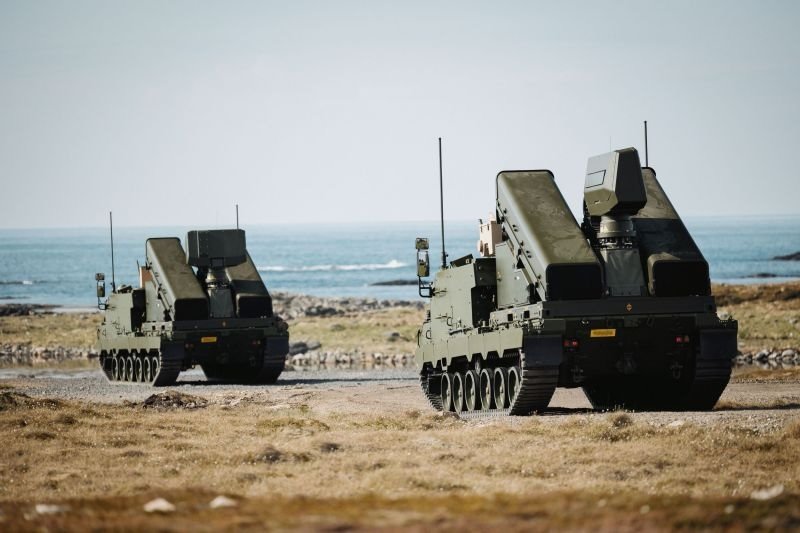
The new ramjet-powered interceptors are also designed to remain compatible with the Stinger Vehicle Universal Launcher (SVUL). This compatibility supports the use of the system against advanced UAS as well as traditional fixed-wing and rotary-wing aircraft.
Ground and flight testing
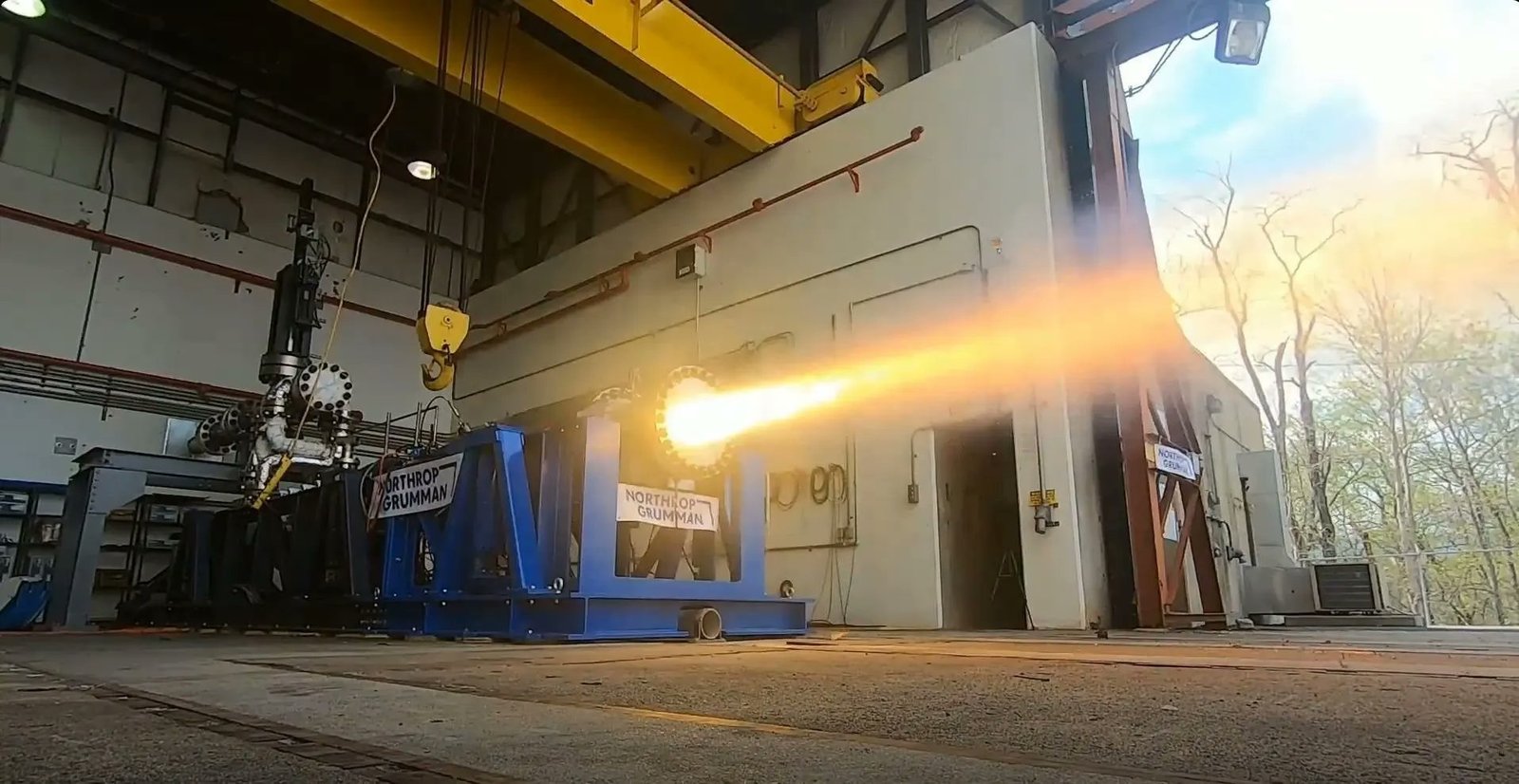
Northrop Grumman will conduct a ground and flight test campaign to validate the SFRJ propulsion design and establish reliable production processes. The development work will be carried out at the company’s Allegany Ballistics Laboratory in West Virginia, which focuses on advanced propulsion systems and energetics.
Northrop Grumman vice president of missile products Erik Buice said the rapid evolution of unmanned aerial threats requires new solutions. He said the company’s propulsion technology is intended to help engage targets farther away, protect mobile forces and strengthen layered air defense.
The company is also involved in other Army counter-UAS efforts, including the Forward Area Air Defense Command and Control (FAAD C2) system, the AI-driven AiON command system for managing sensors and engaging drone swarms, and the Raid Hunter 50mm gun-based air-defense system.
The $18.8 million contract represents the Army’s latest effort to develop extended-range counter-UAS interceptor technology while maintaining compatibility with existing launcher infrastructure.
——— End of Article ———