WASHINGTON, D.C. — The U.S. Navy has awarded Raytheon, an RTX business, a contract worth up to $24.4 billion to accelerate production of the Standard Missile-6 (SM-6). The Department of War announced the agreement as part of efforts to replenish missile stockpiles, expand manufacturing capacity and strengthen the U.S. defense industrial base.
The contract covers five years, with two additional option years, providing long-term procurement certainty to support higher production, workforce expansion, facility investment, supply-chain improvements and cost savings. Specific missile quantities and delivery schedules have not been disclosed.
Acting U.S. Secretary of the Navy Hung Cao said, “Maritime power requires weapons that are produced quickly and in large quantities.” Under Secretary of War for Acquisition and Sustainment Michael P. Duffey said the agreement would strengthen missile inventories and industrial production. Chief of Naval Operations Adm. Daryl Caudle highlighted the importance of maintaining adequate fleet inventories, while Van Hendrey, Portfolio Acquisition Executive for Munitions, linked the agreement to faster procurement and lower costs.
Raytheon President Phil Jasper said the company has invested in facilities, its workforce and production automation to meet rising demand. Earlier framework agreements targeted annual SM-6 production of more than 500 missiles. The Navy's fiscal year 2027 budget request included $4.3 billion for 540 Standard Missiles.
SM-6 Specifications and Capabilities
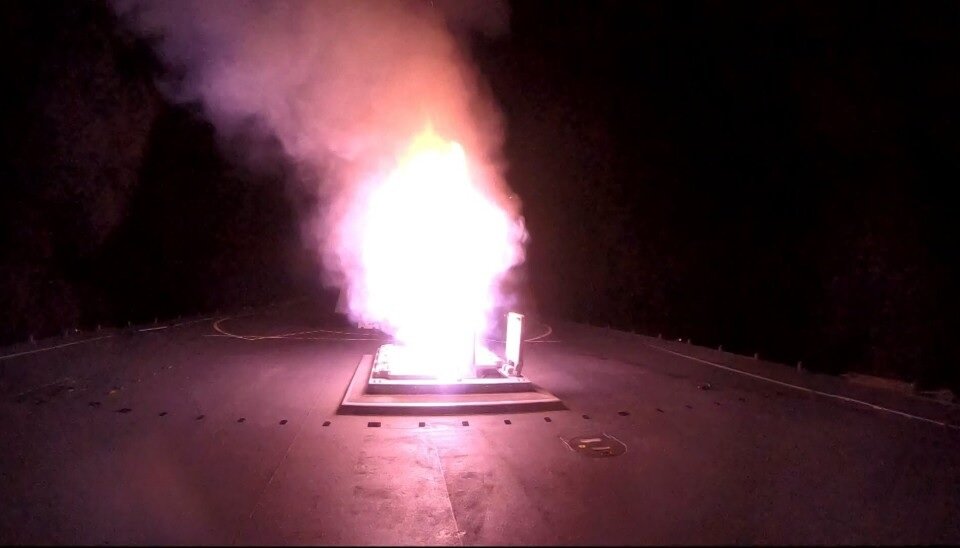
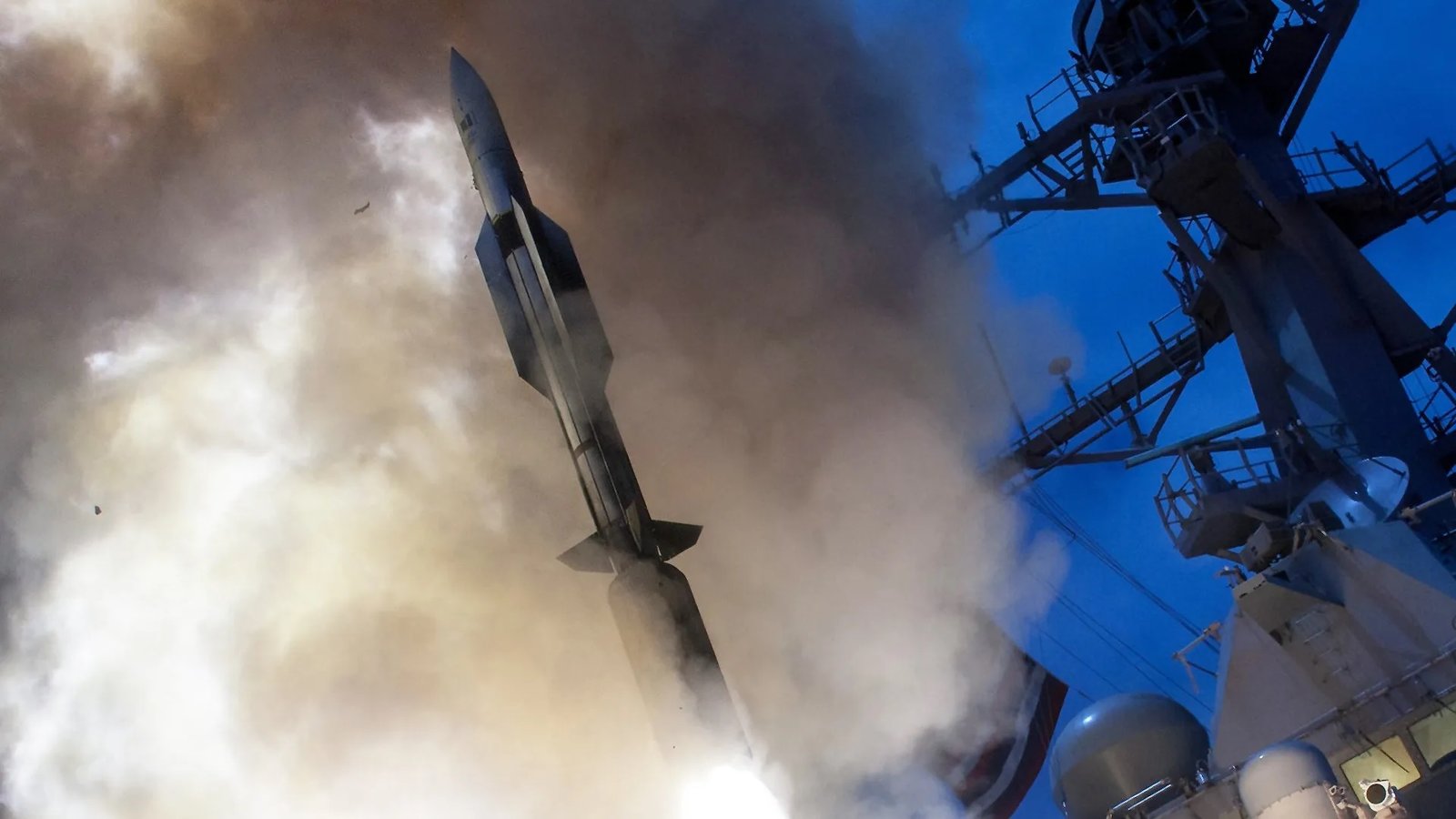
The SM-6 is a multi-mission missile measuring approximately 6.6 meters (21.6 feet) long and weighing around 1,500 kilograms (3,300 pounds). Its solid-fuel propulsion system includes a Mk 72 booster and Mk 104 dual-thrust rocket motor. The missile exceeds Mach 3, with publicly reported speeds reaching Mach 3.5, and has a publicly reported range exceeding 240 kilometers (150 miles). Some open-source estimates cite longer ranges depending on the variant and mission profile.
It carries an approximately 64-kilogram blast-fragmentation warhead and uses inertial navigation, command updates, and active and semi-active radar homing. Integrated with the U.S. Navy's Aegis combat system, it can engage aircraft, cruise missiles and surface ships and intercept ballistic missiles during their terminal flight phase.
Raytheon describes the SM-6 as the only combat-proven munition capable of performing anti-air warfare, anti-surface warfare and terminal-phase ballistic missile defense roles. It is deployed on Arleigh Burke-class destroyers and Ticonderoga-class cruisers through the Mk 41 Vertical Launch System. It has also been launched from land-based systems, including the U.S. Army's Typhon Mid-Range Capability launcher. Its air-launched derivative, the AIM-174B, is associated with the F/A-18E/F Super Hornet.
Combat Use and Wider Missile Production
Between October 2023 and January 2025, U.S. Navy surface combatants fired 80 SM-6 interceptors while countering attacks by Iran-backed Houthi forces against commercial and military shipping in the Middle East. The expenditure has contributed to efforts to replenish inventories and maintain sufficient missile supplies.
The agreement follows a reported $20.7 billion AMRAAM contract signed in late September 2026, a recent Tomahawk weapon-system award and a $58.6 billion Lockheed Martin contract for Patriot interceptors awarded in July 2026.
These contracts aim to provide sustained demand for expanding manufacturing facilities, hiring workers and strengthening critical-component supply chains. However, industry executives have noted that congressional appropriations are still necessary to fund new facilities and increased production capacity.
The SM-6 award forms part of the wider U.S. effort to increase weapons output and maintain adequate inventories for military operations. The final production quantities and delivery schedule under the contract remain undisclosed.
——— End of Article ———