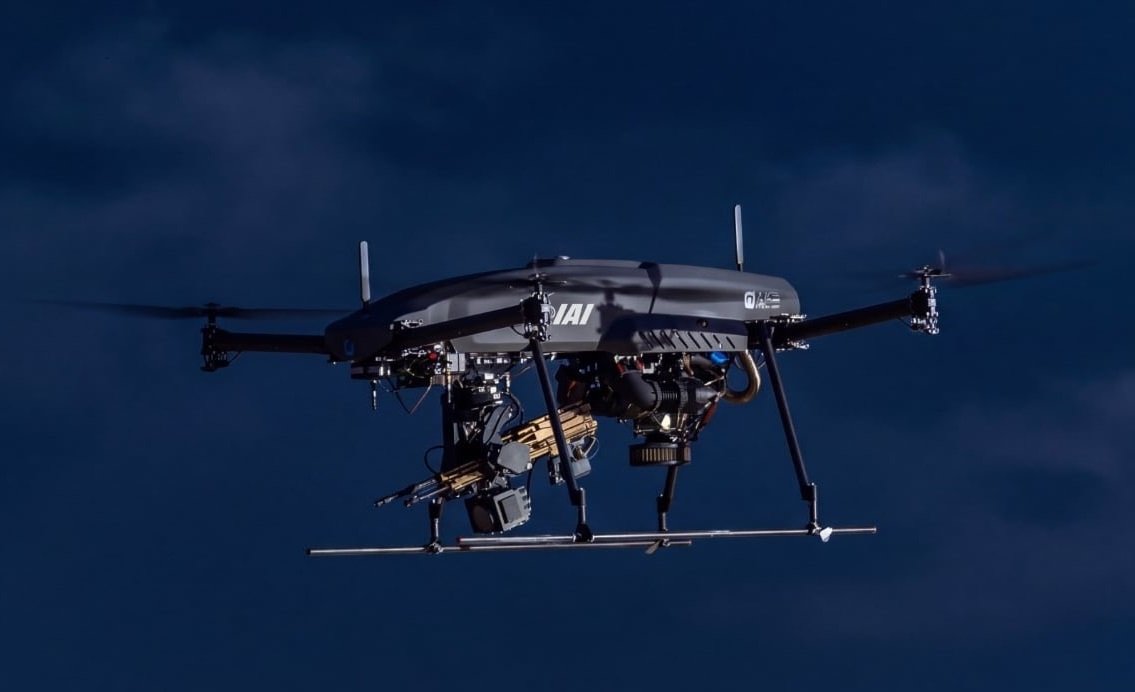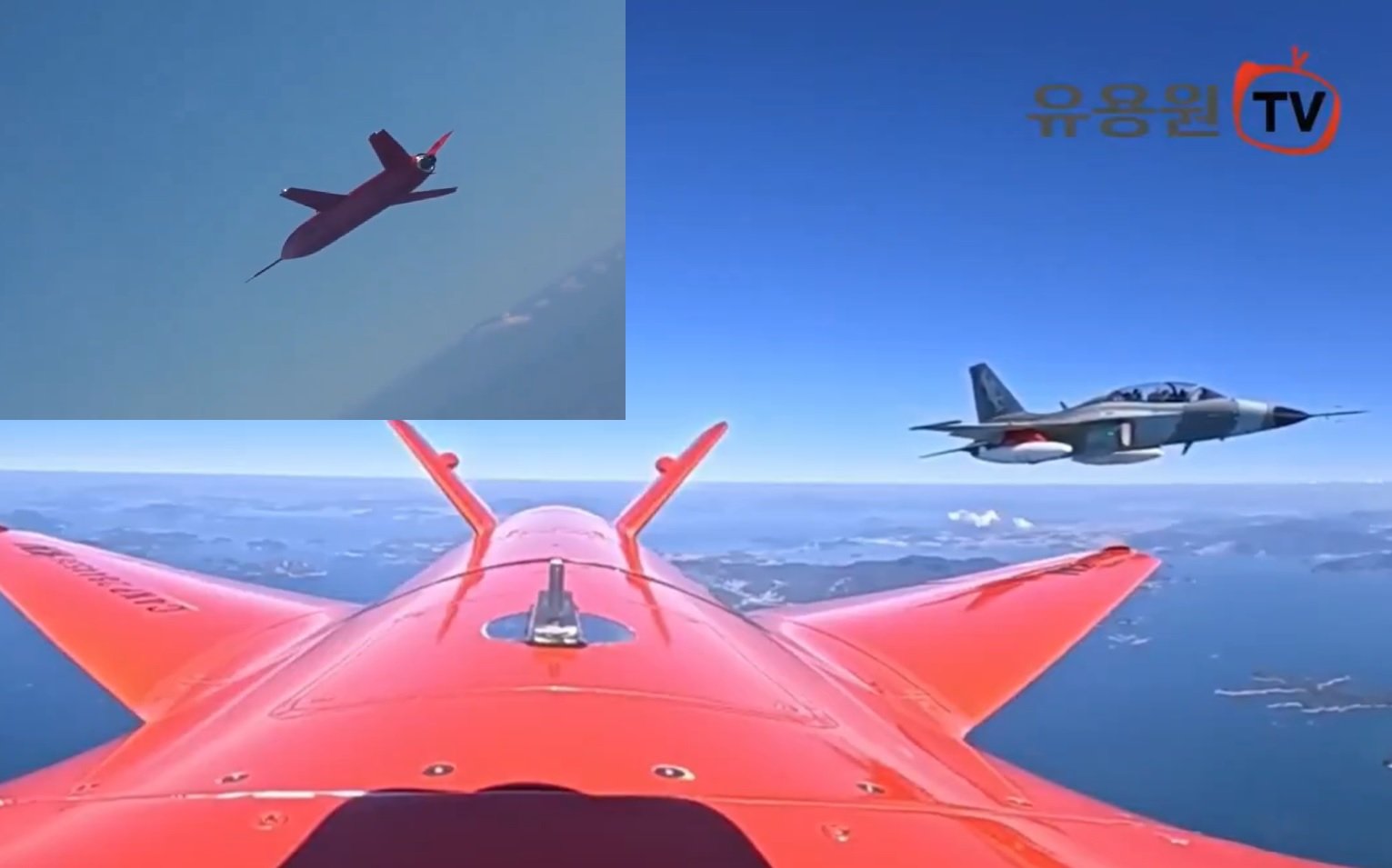
SEOUL, — Korea Aerospace Industries (KAI) has conducted South Korea’s first manned-unmanned aircraft formation flight, pairing an FA-50 light attack aircraft with the domestically developed Adaptable Aerial Platform (AAP) unmanned aerial vehicle.
The company announced the successful test on October 12 following the flight conducted on October 8 over the sea south of Goheung in South Jeolla Province. The test represents a step forward in KAI’s development of Manned-Unmanned Teaming (MUM-T) technologies.
During the 20-minute flight, the FA-50 and AAP flew in formation at an altitude of approximately 7,000 feet (2.1 kilometers). The two aircraft maintained a separation of between 30 and 100 feet (9 to 30 meters) while flying at a speed of 360 kilometers per hour.
The close-formation test was conducted to evaluate the aerodynamic stability and operational feasibility of operating a crewed aircraft together with an unmanned platform in actual airspace.
AAP Drone Developed for MUM-T Operations
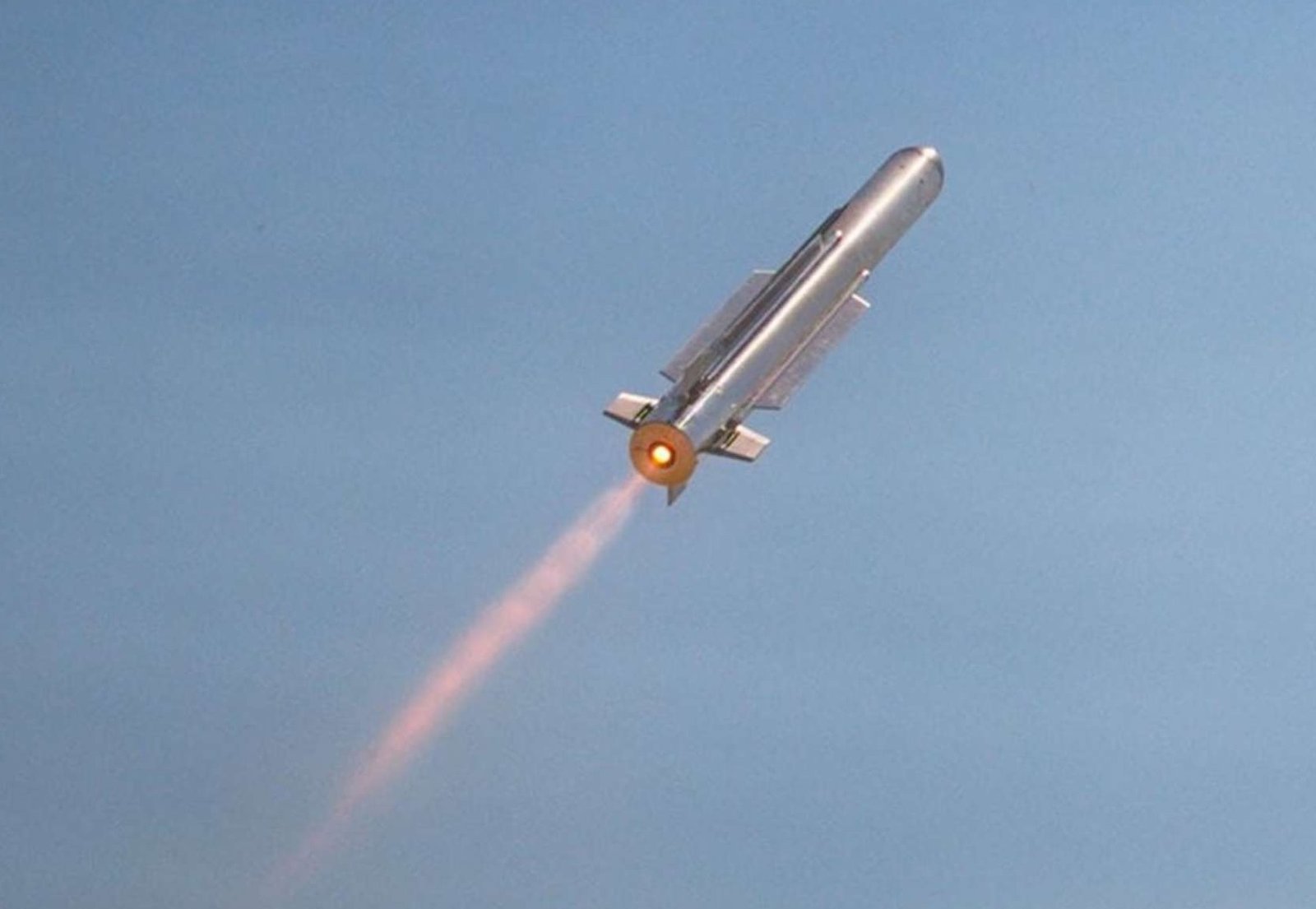
The AAP is a 150-kilogram-class high-speed UAV developed by KAI through internal investment that began in 2024. The aircraft measures 3.1 meters in length and has a wingspan of 2.2 meters.
The jet-powered UAV has a maximum speed of 790 kilometers per hour. It completed its maiden flight in October 2025 and has continued flight testing as KAI develops its autonomous flight capabilities.
The AAP uses KAI’s KAiLOT artificial intelligence pilot system to support autonomous flight. KAI is developing the platform as part of its broader effort to establish technologies for manned-unmanned aircraft operations.
FA-50 and UAV Teaming
Under the MUM-T concept, a crewed aircraft can operate together with autonomous unmanned systems. The unmanned aircraft can be used for missions including reconnaissance, electronic jamming, deception and strike operations.
The concept is intended to allow unmanned aircraft to operate in higher-risk environments while supporting the crewed aircraft. KAI previously displayed a scale model showing the FA-50 operating with AAP drones at the World Defense Show in Riyadh in February 2026.
The October 8 test moved the development from a concept demonstration toward flight testing with an actual FA-50 and AAP operating together.
KAI Plans Further Flight Tests
KAI plans to expand the AAP’s operating range and speed envelope through additional flight tests. Future testing will also examine direct mission control, in which an FA-50 pilot directs the AAP during flight instead of the UAV operating only along a pre-programmed flight path.
The company also plans to test formations involving multiple UAVs using the KAiLOT system. These tests are intended to support the development of technologies for future larger unmanned combat aerial vehicles (UCAVs), also referred to as MUCCA in KAI’s development context.
KAI President Kim Jong-chul said the October 8 formation flight was the first time in South Korea that an actual flight test had verified the operational feasibility of a manned-unmanned aircraft pairing. He said the company would continue developing related technologies based on its internal investments to support the advancement of future air combat capabilities.
Further trials are expected to examine mission coordination, AI-assisted aircraft operations and direct control between the FA-50 and AAP. The company will also gradually expand the AAP’s flight speed and operational range as testing continues.
——— End of Article ———