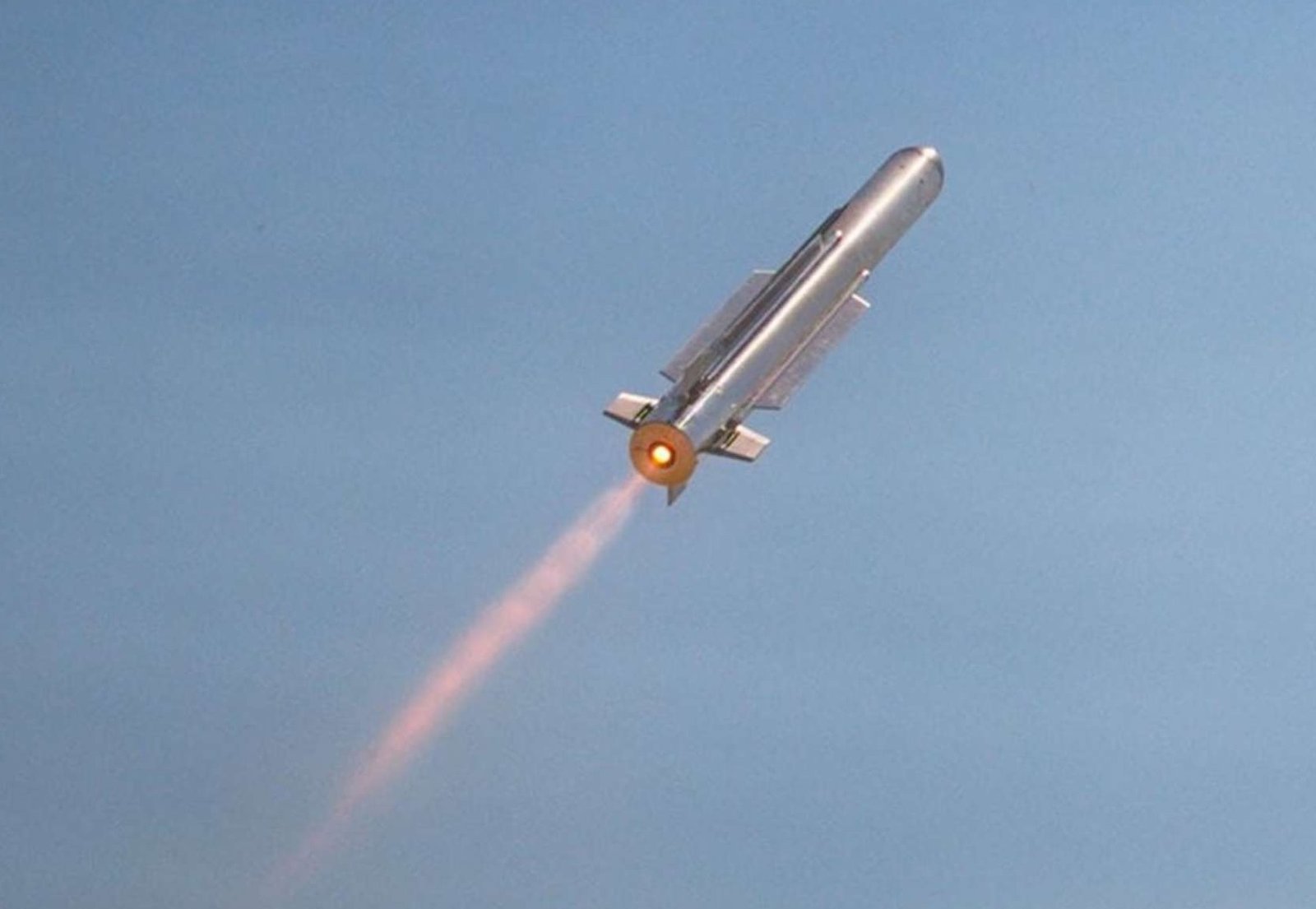
WASHINGTON, D.C., — Raytheon, an RTX business, has completed three developmental flight tests of its new Coyote Block 2C+RM counter-drone interceptor, designed to engage faster and more advanced unmanned aerial threats. The company announced the results on October 12 at the Association of the U.S. Army (AUSA) annual meeting in Washington, D.C., with U.S. Army officials observing all three tests.
Developed in just 15 months using company funding, the new interceptor replaces the existing Block 2's rocket booster and turbojet arrangement with a single solid-fuel rocket motor. It also features a new seeker and a modified proximity warhead. Raytheon has not disclosed the interceptor's exact speed, range or detailed seeker and warhead specifications.
Rocket Motor Improves Interception Speed
The existing Coyote Block 2 uses a rocket booster for launch and a small turbojet for sustained flight. This allows it to remain airborne for several minutes, loiter and potentially attempt another interception if the first engagement fails.
The Block 2C+RM replaces this system with a solid rocket motor designed to provide faster acceleration, higher flight velocity and increased range. However, it sacrifices the extended airborne endurance offered by the turbojet-powered version.
Tom Laliberty, president of Land & Air Defense Systems at Raytheon, said the upgrade provides “upgraded propulsion for faster launch and higher velocity flight.”
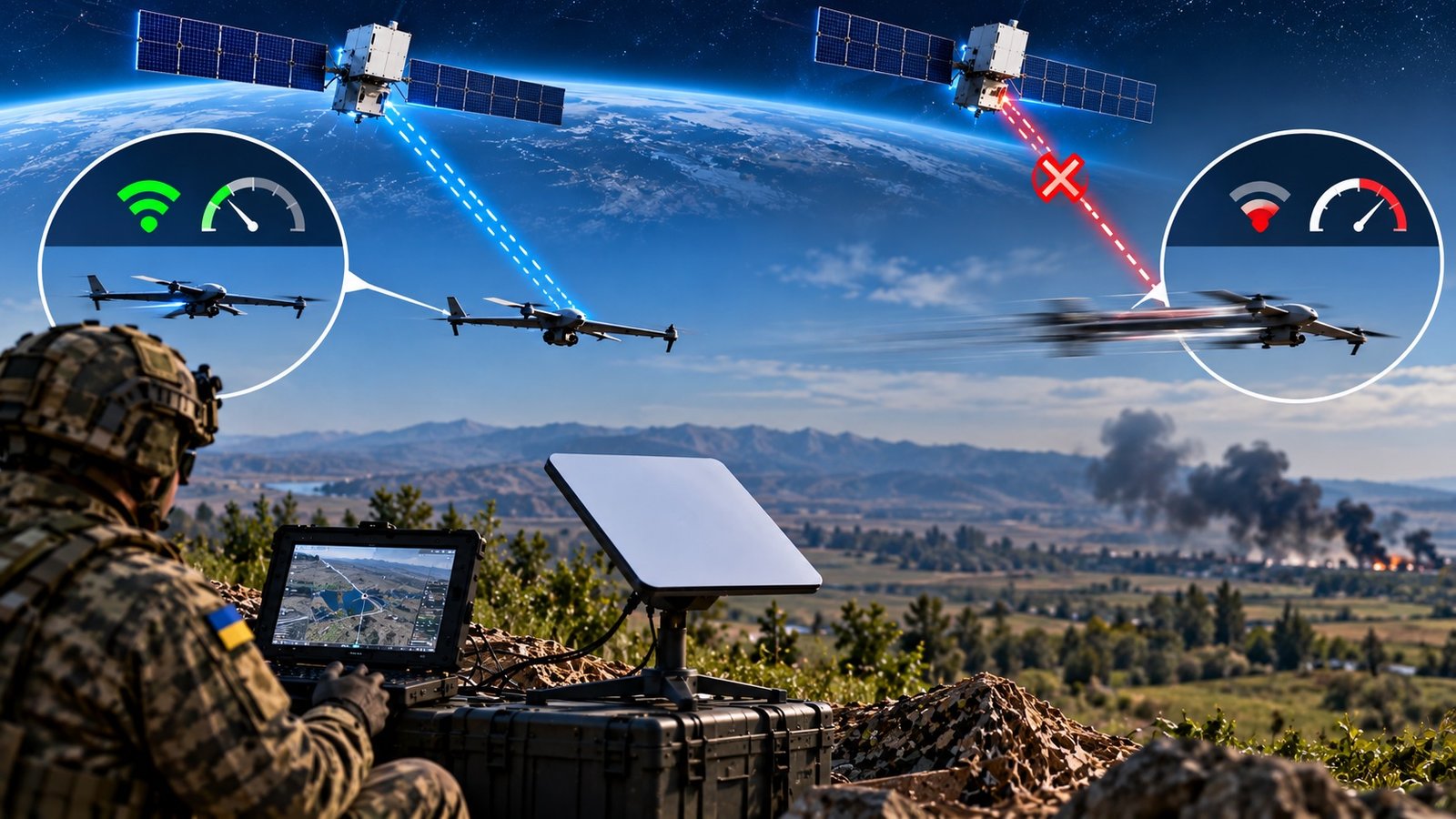
The new configuration is intended to address faster drones that give air defense systems less time to respond, including jet-powered one-way attack drones.
Designed for Class 3 Drone Threats
Class 3 unmanned aircraft generally weigh approximately 25–600 kilograms, can reach speeds of about 463 km/h and operate at altitudes of up to approximately 5,500 metres. These include larger attack drones that present greater interception challenges than smaller, slower unmanned aircraft.
Raytheon said the Block 2C+RM is intended to cover the full range of Class 3 threats. Laliberty declined to discuss specific targets, including jet-powered one-way attack drones.
The new seeker and warhead are intended to address more advanced drone capabilities being fielded by potential adversaries.
Compatible With Existing Launchers and Radars
The three tests confirmed initial integration with existing launch cells, guidance radars and command-and-control systems already in operational use. The test series also included the first launches of a Coyote equipped with the tactical rocket motor.
The new variant is designed to use existing Coyote launch infrastructure across mobile and fixed ground positions and naval platforms. Land-based configurations include four-cell and eight-cell launchers, while the system is also deployed aboard U.S. Navy ships.
The Coyote family supports kinetic and non-kinetic payload options. Raytheon is also developing non-kinetic variants intended for recoverable use against drone swarms.
Further Block 2C+RM tests are planned through the first half of 2027.
Combat Record and $5 Billion U.S. Army Contract
According to Raytheon, the jet-powered Coyote Block 2 and Block 2C interceptors have achieved more than 600 combat intercepts of attack unmanned aircraft systems. The Coyote serves as the primary kinetic effector in the U.S. Army's Low, Slow, Small Unmanned Aircraft Integrated Defeat System (LIDS).
In September 2025, the U.S. Army awarded RTX an eight-year contract worth up to $5 billion for Coyote interceptors, launchers and radars under the LIDS program.
Raytheon has roughly quadrupled Block 2C production over the previous 18 months and plans further increases. Individual Block 2 interceptors have previously been reported to cost around $100,000, although no specific price has been announced for the new rocket-powered variant.
Government Sponsorship Sought
The Block 2C+RM remains a company-funded development effort, and production of the rocket-powered variant is not included in the existing contract. Raytheon is seeking government sponsorship to transition it into an official program of record.
The company stressed that the rocket-powered interceptor will complement rather than replace the jet-powered Block 2, which will remain in production for threats requiring longer airborne endurance.
Raytheon is also pursuing international interest in the Coyote family, with potential contracts involving Qatar and Jordan under discussion.
——— End of Article ———