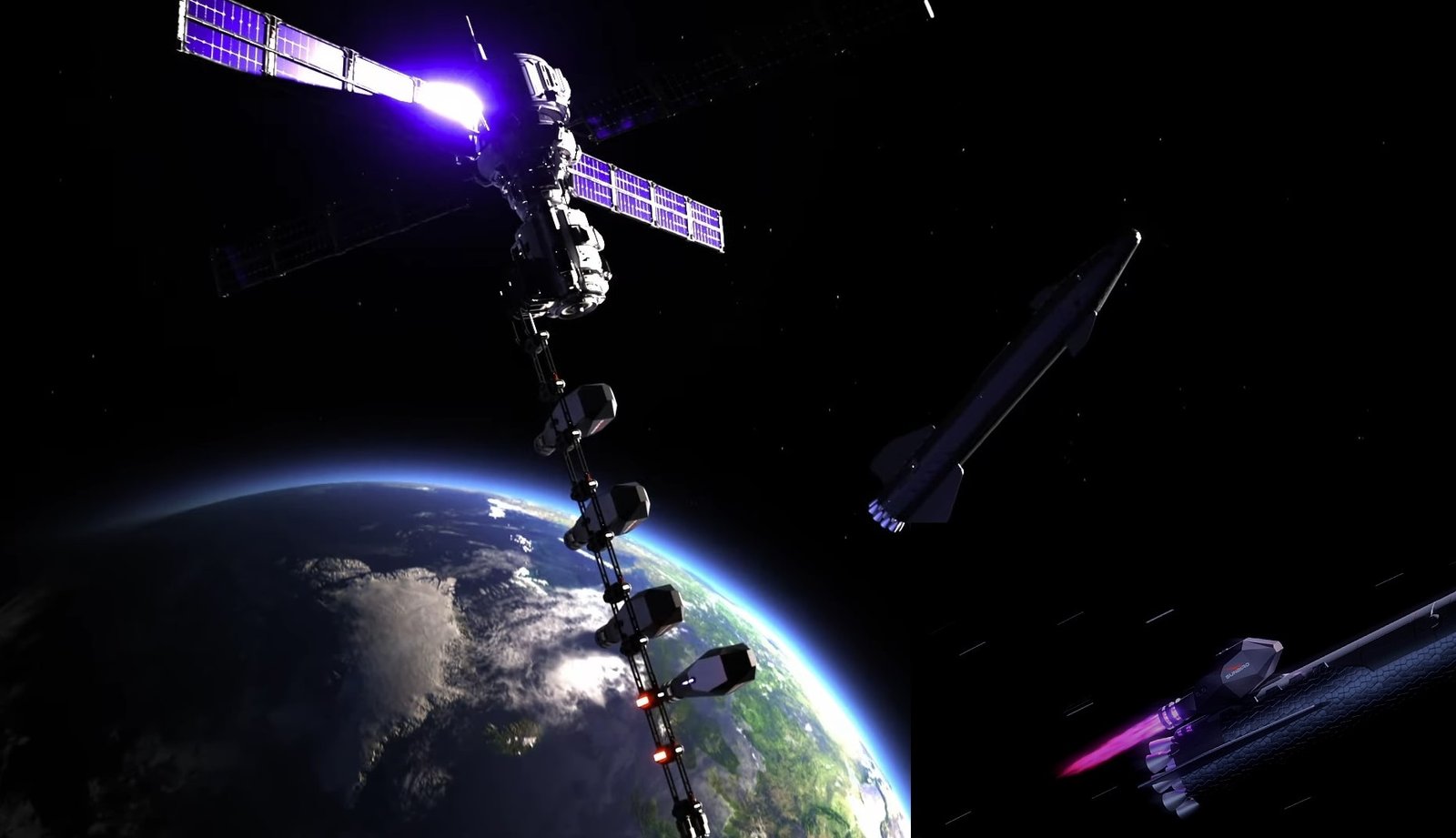
BLETCHLEY, U.K. — UK-based aerospace company Pulsar Fusion is developing Sunbird, a nuclear fusion-powered spacecraft designed to reduce the travel time to Mars. The company is targeting 2027 for an in-orbit demonstration of its core engine technology after about a decade of development.
Sunbird uses Pulsar's Dual Direct Fusion Drive (DDFD), which is designed to use a deuterium and helium-3 fuel mixture. Pulsar projects exhaust speeds of up to 223 kilometers per second and a specific impulse of 10,000 to 15,000 seconds. The company says the system could reduce a typical Mars journey from around six to ten months to about three or four months.
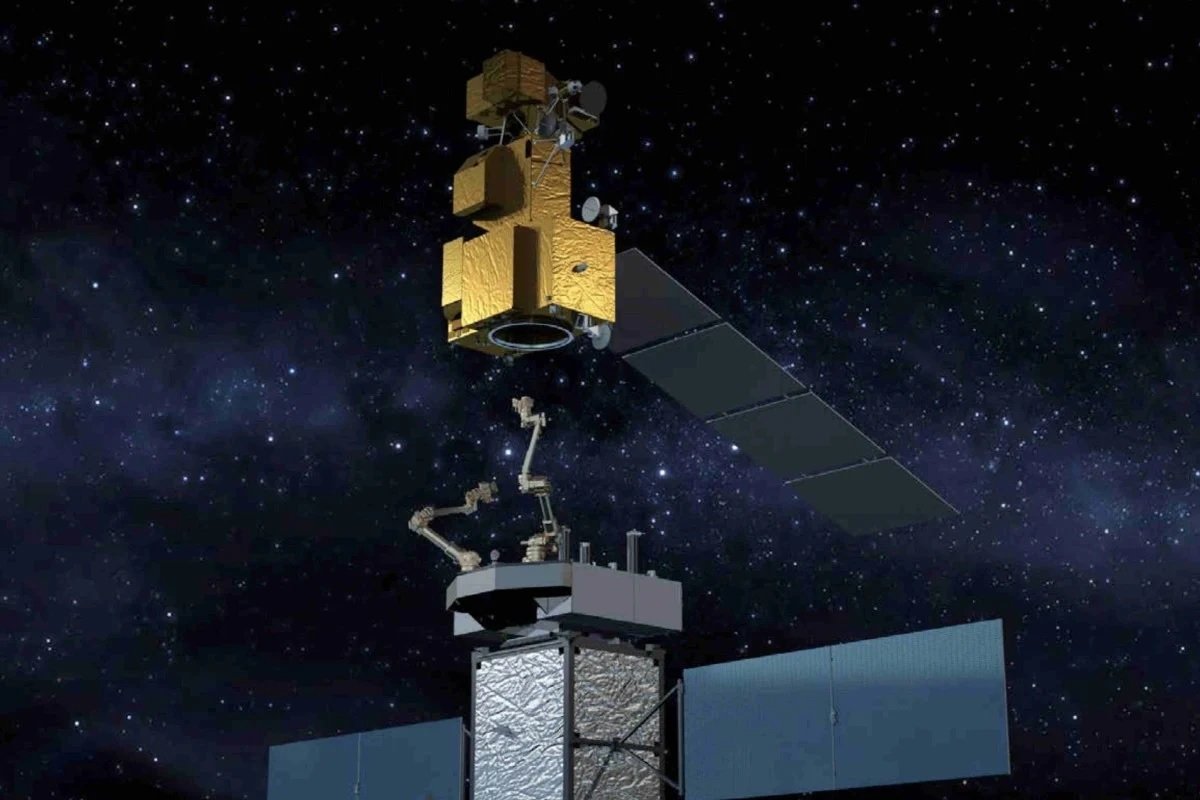
The spacecraft is designed as a reusable space tug that would remain in low Earth orbit. Conventional rockets would first carry payloads into orbit, after which Sunbird would dock with them and provide propulsion for the interplanetary journey. Pulsar's modelling has also indicated that the system could carry a 1,000-kilogram payload to Mars orbit in under six months and a similar mass to Pluto in about four years.
Plasma test completed
Pulsar conducted a major early test in March 2026, livestreaming a plasma demonstration from its Bletchley facility to Jeff Bezos's MARS conference in California. Engineers used krypton gas to generate and confine plasma inside the Sunbird exhaust system.
The test demonstrated plasma generation and confinement, but no fusion reaction took place. Pulsar described it as the first plasma demonstration for the system and a step toward future tests of thrust and exhaust velocity.
The proposed DDFD is also designed to generate up to 2 megawatts of electrical power. Pulsar says this could provide power for scientific instruments, refrigeration and high-rate communications during deep-space missions, where solar power becomes less effective farther from the Sun.
UKAEA supporting radiation research
Pulsar is working with the UK Atomic Energy Authority (UKAEA) to study neutron radiation from the proposed fusion process. The work is examining how long-term radiation could affect the engine's materials and magnets and help determine its operational lifespan.
Sunbird is also planned to use conventional Hall-effect thrusters for fine manoeuvres between missions.
Pulsar's development plan includes further ground and static testing, improvements such as higher-temperature superconducting magnets, and eventually operation using the deuterium-helium-3 fuel cycle. The company has discussed production-ready vehicles in the early 2030s if the technology develops as planned.
However, no fusion-powered spacecraft engine has yet been demonstrated in flight. Sustaining fusion conditions, controlling plasma, obtaining practical supplies of helium-3 and managing radiation remain significant engineering challenges.
The planned 2027 orbital demonstration is therefore intended to test key technologies, including plasma generation, magnetic-nozzle performance and power systems, rather than represent a completed operational fusion spacecraft.
——— End of Article ———