TEL AVIV, — Greece and Israel are scheduled to sign agreements on Monday, August 31, for a multilayered air and missile defense network known as “Achilles Shield.” The program is valued at slightly more than €3 billion, with recent reports putting the agreement at about €3.1 billion ($3.6 billion).
The signing in Tel Aviv is expected to move the program from government approval into its implementation phase. If completed as reported, it would become the largest Israeli defense export agreement to date, exceeding the value of Israel’s previous major defense export deal, the $3.5 billion Arrow 3 sale to Germany in 2023.
The agreements are expected to be signed by Greece’s General Directorate for Defense Investments and Armaments (GDDIA) and Israel’s Directorate of International Defense Cooperation (SIBAT), together with the Israeli defense organizations and companies involved in the program.
Three Israeli air defense systems
The core of Achilles Shield will combine three Israeli-developed systems to provide different layers of air and missile defense.
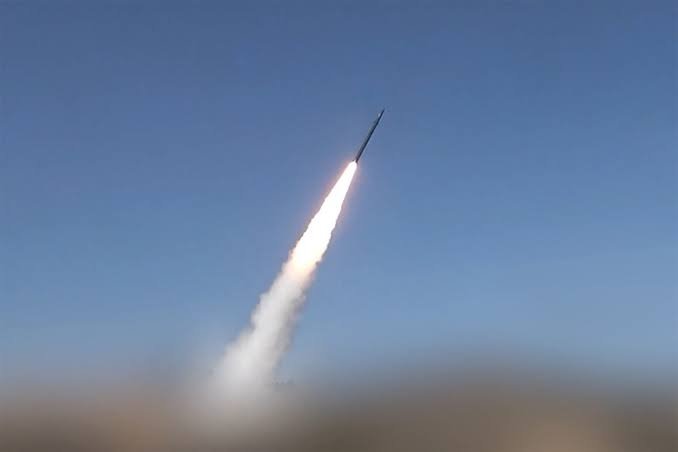
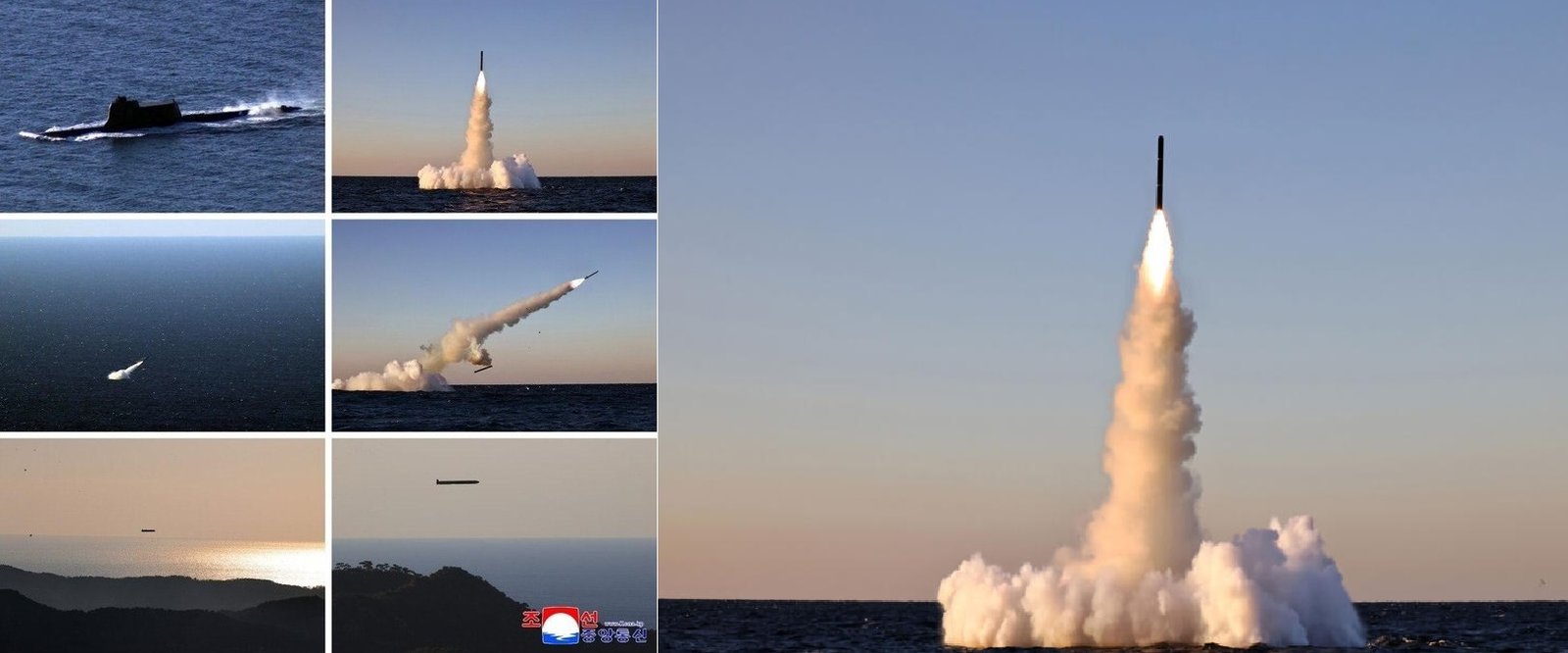
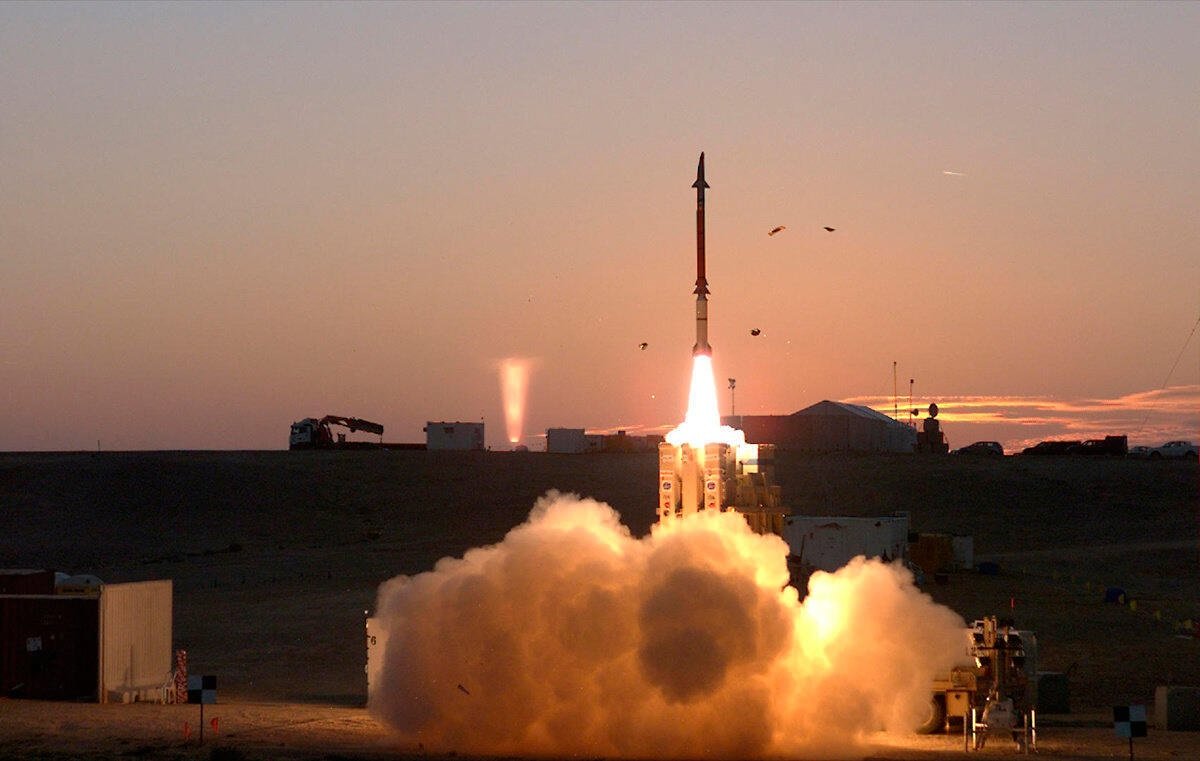
David’s Sling, developed by Rafael, will provide the higher-tier missile defense capability. Reports on the Greek program have identified the SkyCeptor version as the planned configuration. It is intended to address ballistic and other missile threats.
Barak MX, developed by Israel Aerospace Industries (IAI), will form another layer of the network. Greece plans to use the system as part of the replacement of its older Hawk air-defense capability.
At the shorter-range end, Rafael’s SPYDER system will be included. It is planned to replace Greece’s Russian-origin Osa-AK and Tor-M1 systems.
The three systems will be integrated with Greece’s existing Patriot air-defense systems and other sensors and capabilities rather than operating as separate networks.
Command and control and source-code access
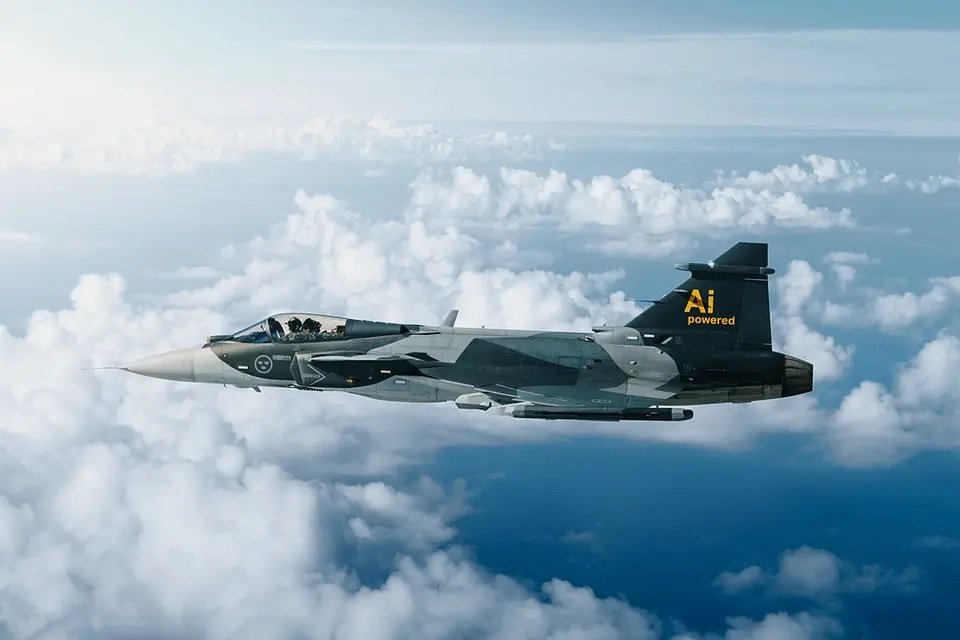
A major element of Achilles Shield will be its command-and-control architecture. Greek Defense Minister Nikos Dendias has said the system will be built around an integrated command-and-control structure capable of prioritizing threats and supporting the selection of an appropriate response. Greece also intends to use artificial-intelligence capabilities within this architecture.
Greece has also secured provisions concerning access to the source code. Dendias said in July that Greece should not acquire critical command-and-control systems without the ability to intervene in their architecture and development.
Recent reporting indicates that the source-code issue was among the final matters resolved before the planned signing.
Greek defense industry participation
The agreement also includes significant participation from Greek defense companies. Reports say 12 Greek companies will participate in the program, with domestic industrial work exceeding €700 million, equivalent to about 25% of the program's value.
The arrangement is intended to give Greek industry a role in manufacturing, integration and support activities rather than limiting the program to the direct purchase of foreign-built systems.
35-month implementation period
Greece approved the Achilles Shield program through its Government Council for Foreign Affairs and Defense (KYSEA) on July 23, 2026. Dendias said the complete system would become operational within 35 months, with deliveries taking place in stages rather than all at once.
Negotiations for the program have continued for about three years. The project was delayed during the period of Israeli military operations in Gaza before Greece resumed efforts to finalize the agreement.
Part of Greece’s wider military modernization
Achilles Shield is a major component of Greece’s broader Agenda 2030 defense modernization program. The wider procurement effort includes additional unmanned systems, satellites, naval modernization and military transport capabilities.
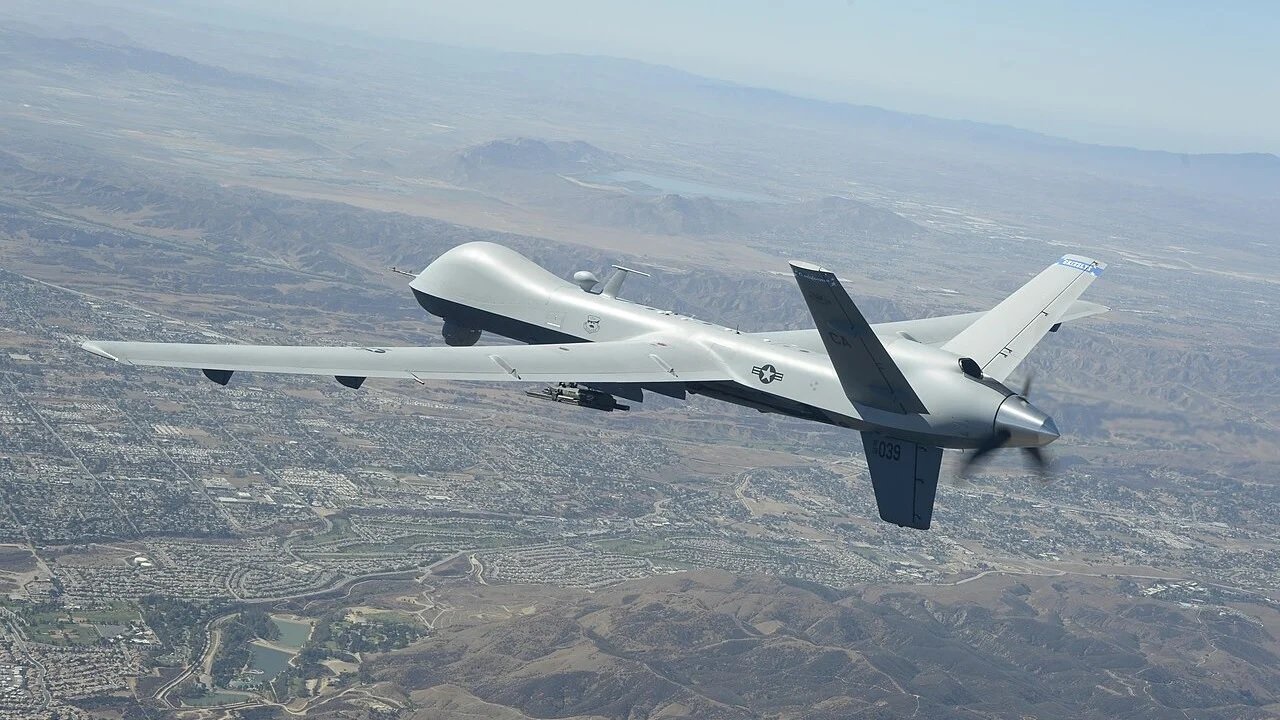
Among the other approved programs are Heron 1 unmanned aerial systems, 10 additional V-BAT systems, synthetic-aperture-radar satellite capabilities, 10 VICTA special operations vessels, modernization of four MEKO-class frigates, and three Embraer C-390 Millennium transport aircraft.
The Greek Defense Ministry describes Achilles Shield as part of a wider national defense architecture extending across the sea, land, air, cyberspace and space, with different military platforms connected through a networked command-and-control structure.
The planned August 31 signing in Tel Aviv will therefore mark the next major step in Greece’s effort to establish the Achilles Shield as an integrated national air and missile defense architecture.
——— End of Article ———