
India
In a major boost to India’s self-reliant defence ambitions, Israel Aerospace Industries (IAI) and India’s DCX Systems Limited have announced the formation of a new joint venture called ELTX. This strategic partnership is aimed at building advanced defence systems in India, combining Israeli technology with Indian manufacturing strength. The launch of ELTX directly supports India’s ‘Atmanirbhar Bharat’ and ‘Make in India’ initiatives. The goal is not just to bring cutting-edge technology into the country, but to produce it locally and build long-term capabilities within India’s defence sector. The joint venture will develop high-tech systems like airborne radars and ground-based defence technologies, helping India’s Armed Forces to become more self-reliant and better equipped. Boaz Levy, President and CEO of IAI, called this partnership a "milestone in defence cooperation" between Israel and India. He emphasized how combining Israeli innovation with India’s industrial strength will lead to the development of next-generation defence technologies that are tailor-made for India’s evolving security needs. This move is part of IAI’s wider commitment to India. Over the years, the Israeli company has invested significantly in India’s defence ecosystem, including the establishment of local radar maintenance facilities, collaborations with Indian universities, and now, the launch of ELTX. These efforts are designed to not only boost defence production but also create skilled jobs and foster long-term industrial growth. Dror Bar, Executive VP of IAI and CEO of ELTA, noted that IAI’s radar and intelligence systems have been serving India’s military for decades. He said the establishment of ELTX is a clear demonstration of IAI’s dedication to indigenize its technologies and create joint defence solutions specifically suited for Indian needs. DCX Systems, based in Bangalore, brings its specialized expertise in RF and electronic systems to the venture. With a strong track record in defence and aerospace manufacturing, DCX will handle local production and contribute in-depth knowledge of India’s operational environment. Dr. H.S. Raghavendra Rao, Chairman and Managing Director of DCX, said the partnership with IAI is a matter of pride. He stressed that ELTX will combine IAI’s world-class radar systems with DCX’s manufacturing base to deliver cutting-edge, locally made technologies for India’s military. With ELTX, India and Israel are not just deepening a defence relationship—they are building a foundation for co-creation, technology sharing, and a more self-reliant India in defence production.
Read More → Posted on 2025-04-22 14:52:56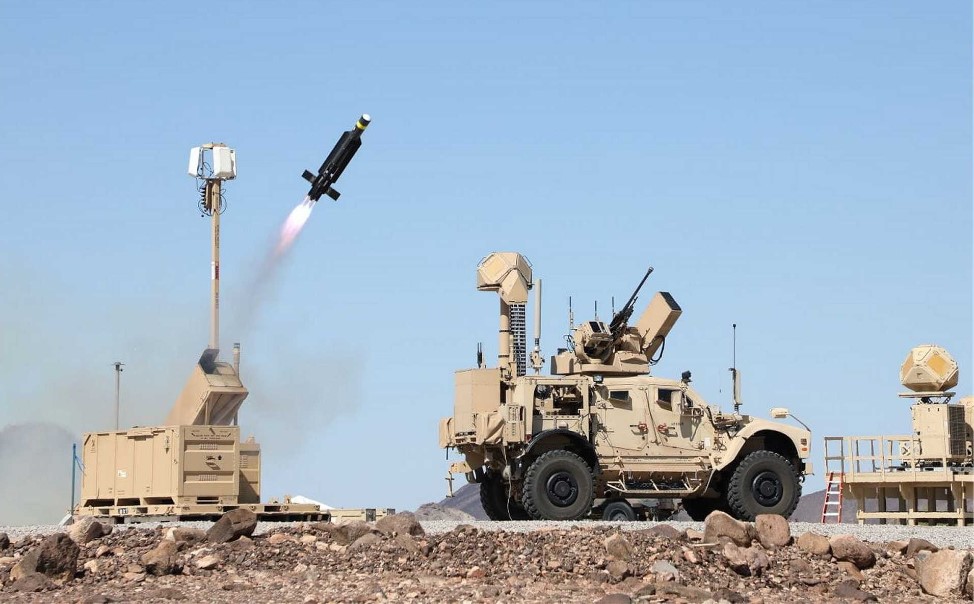
World
The United Arab Emirates (UAE) is taking a big step forward in strengthening its defense capabilities by beginning local production of the Coyote counter-drone interceptor system. This development comes as part of a new strategic partnership between US defense giant Raytheon and the UAE’s Tawazun Council, the authority in charge of managing defense and security acquisitions. Under this agreement, Raytheon Emirates will transfer critical technologies and expertise to Emirati defense firms, allowing the production of Coyote drone interceptors within the UAE. The components of the system will be assembled and tested at a facility located in the Tawazun Industrial Park. This move not only enhances the UAE's ability to respond more quickly to drone threats but also helps build a stronger, self-sufficient domestic defense industry. The deal was signed by Fahad Al Mheiri, Managing Director of Raytheon Emirates, and Matar Al Romaithi, Sector Chief of Defense and Security Industry Affairs at Tawazun Council. The signing ceremony was attended by high-level dignitaries, including US Ambassador to the UAE Martina Strong and Secretary General of Tawazun Council Dr. Nasser Al Nuaimi. Their presence underscores the importance of the growing defense ties between the UAE and the United States. The centerpiece of this agreement is the Coyote counter-drone system—a small, cost-effective, and rail-launched interceptor designed to neutralize enemy drones, whether they are flying solo or in swarms. Built with adaptability in mind, the Coyote system features three main variants: Block 2 (kinetic) – physically destroys the target drone Block 3 (non-kinetic) – uses non-explosive methods for interception Coyote LE SR (Launched Effects – Short Range) – supports electronic warfare, reconnaissance, surveillance, and targeting missions, even beyond the line of sight The Coyote system includes Raytheon's Ku-band Radio Frequency Sensor, which helps detect, track, and target enemy drones with high precision. It has already proven itself in service with the US Army, which ordered 600 units of the Block 2 version in early 2024, particularly in response to increased drone threats in the Middle East. By producing these systems locally, the UAE aims to reduce dependency on imports, speed up operational readiness, and develop its local workforce and industrial base. This partnership is also expected to strengthen the already close military cooperation between the UAE and the US, positioning the Gulf country as a growing hub for advanced defense technologies in the region. In essence, this collaboration represents more than just a business deal—it reflects the UAE’s broader ambition to be at the forefront of modern military innovation while securing its airspace against increasingly complex aerial threats.
Read More → Posted on 2025-04-22 14:48:10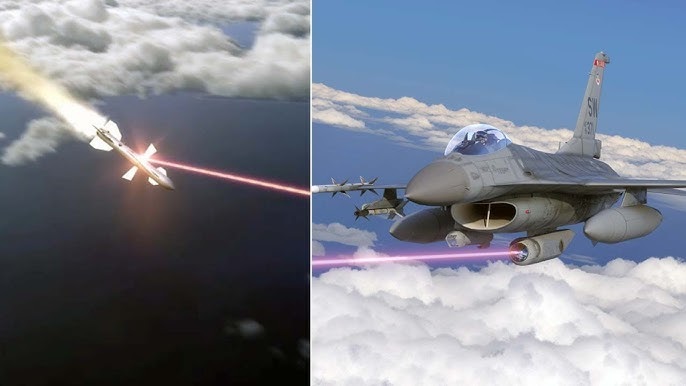
India
India is taking a bold step into the future of warfare. The Defence Research and Development Organisation (DRDO) is now gearing up to develop a high-powered airborne laser weapon capable of neutralising tactical ballistic missiles and other advanced aerial threats. This ambitious project will see the creation of a megawatt-class Directed Energy Weapon (DEW) – a major leap from existing systems and a potential game-changer in India’s strategic defence architecture. What is the Airborne Megawatt Laser Weapon? At its core, the project envisions a laser weapon system mounted on an aircraft, using concentrated beams of energy to destroy or disable enemy missiles, aircraft, or drones at the speed of light. Unlike traditional missile-based interceptors, these weapons offer instantaneous response time, minimal operational cost per shot, and the ability to engage multiple targets without reloading. Journey So Far: DRDO’s Directed Energy Progress DRDO’s journey in laser weapons hasn’t started from scratch. Over the years, it has successfully developed: 2kW and 5kW DEWs: Primarily for use against small drones and low-speed aerial targets. 25kW to 50kW class systems: Currently in advanced development stages, ideal for neutralising rockets, mortars, and artillery shells. 100kW and 300kW DEWs: Designed for naval and land-based operations, capable of countering cruise missiles, enemy aircraft, and potentially low-orbit satellites. These lower-powered DEWs have allowed DRDO to master critical technologies such as beam control, power storage and delivery, and thermal management, which will directly support the megawatt-class laser’s development. Megawatt-Class Laser: A Technological Marvel The airborne laser weapon currently being planned is a megawatt (MW)-level system, over a thousand times more powerful than the initial 1kW prototypes. Once operational, this weapon could: Engage high-speed targets like tactical ballistic missiles (TBMs) during their boost or mid-course flight phase. Reach potential targets over 500 km away, especially when operated from high altitudes. Operate at near-zero cost per engagement, making it ideal for repeated use against saturation attacks. Specifications and Capabilities (Expected) Feature Estimated Capability Power Output 1 Megawatt (MW) Platform Airborne (likely Il-76, C-130J, or indigenous) Range Estimated 500+ km (based on line-of-sight) Target Types TBMs, cruise missiles, UAVs, aircraft Engagement Time Near-instant (speed of light) Shot Cost Extremely low (energy-based) Cooling System Advanced high-capacity cooling required Power Source Compact, high-density onboard generation Why Airborne? Mounting the laser on an aircraft adds flexibility. Airborne platforms can: Rapidly shift deployment zones based on threat perception. Operate at high altitudes, increasing target visibility and engagement range. Complement India’s ground-based Ballistic Missile Defence (BMD) system, which uses interceptor missiles, by adding an upper layer capable of early-phase missile interception. Aircraft Integration: The Next Challenge Developing such a powerful system isn’t without engineering hurdles. DRDO will have to solve several key issues: Power Generation: Supplying enough energy to sustain a megawatt-class laser during flight. Thermal Management: Managing and dissipating immense heat generated during firing. Precision Optics: Ensuring beam stability and accuracy over long distances. Platform Integration: Modifying aircraft to accommodate the laser system without compromising flight safety or manoeuvrability. The Road Ahead DRDO plans to begin development of this airborne megawatt laser only after the 300kW DEW project is completed. This phased approach ensures that the lessons learned from each stage feed into the next, gradually building up the technological sophistication needed. In the coming years, the successful deployment of this system could give India a strategic edge in missile defence, particularly in a region where neighbouring countries possess significant TBM capabilities. It also marks a significant step toward self-reliance in futuristic defence technologies, aligning with India’s broader goals of technological sovereignty and military modernization. As the DRDO continues to push boundaries, the dream of India having airborne lasers capable of knocking missiles out of the sky at lightning speed is steadily becoming a reality.
Read More → Posted on 2025-04-22 14:39:30
World
In a groundbreaking step toward future warfare capabilities, the Australian Ministry of Defence has officially launched an advanced quantum-secure communication and timing network. The project, driven by the Defence Science and Technology Group (DSTG), is designed to provide ultra-secure communication and navigation capabilities even in environments where traditional Global Positioning System (GPS) signals are unavailable or disrupted. Enhancing Military Resilience in the Battlespace Modern battlespaces are becoming increasingly complex, with threats to GPS-based systems growing rapidly. From jamming to spoofing, adversaries have developed numerous ways to cripple satellite-dependent communication and navigation tools. In response, Australia’s new quantum-secure network seeks to offer a revolutionary alternative by harnessing the power of quantum physics. The core aim of the project is to deliver a quantum-secured timing network with the ability to link ground and satellite systems using optical quantum links. This ensures that timing signals and communications remain accurate, tamper-proof, and resilient to interception or manipulation. What is Quantum Communication? Quantum communication involves the use of subatomic particles, such as photons (particles of light), to carry information. Unlike classical communication, where data can potentially be intercepted or altered, quantum communication leverages principles like quantum entanglement and quantum key distribution (QKD). These principles ensure that any attempt to eavesdrop on the signal disrupts the data itself, immediately alerting users to a breach and protecting the integrity of the information. This makes quantum networks virtually unhackable, providing military forces with an enormous advantage in secure operations, especially when operating in contested or hostile environments. Specifications and Technical Highlights While full technical details remain classified, several key elements of the project have been revealed: Quantum-Secured Timing Network: Uses quantum-based time synchronization methods that are more accurate than traditional atomic clocks, enabling coordination without GPS dependency. Ground-to-Satellite Optical Quantum Link: Employs laser-based optical systems to transmit quantum data between Earth-based stations and orbiting satellites, ensuring low-latency and secure long-range communication. Photon-Based Encryption: Utilizes individual particles of light to carry encrypted messages that cannot be copied or intercepted without detection. GPS-Denied Operations Support: Specifically engineered to function in areas where GPS signals are jammed, blocked, or unreliable—critical for modern military engagements and autonomous systems. High-Level Military Integration: The network is expected to be embedded into various command, control, communications, computers, intelligence, surveillance, and reconnaissance (C4ISR) systems across the Australian Defence Force. Paving the Way for Future Warfare Australia’s investment in this quantum infrastructure represents a significant leap forward in defense innovation. The project not only boosts Australia’s ability to operate securely in technologically contested environments but also positions the country as a leader in quantum defense research globally. In the coming years, the system is likely to be expanded, with increased satellite coverage, enhanced encryption standards, and broader applications in naval, aerial, and space-based defense platforms. Through the fusion of advanced quantum science and military-grade engineering, Australia is preparing its defense forces for a future where communication superiority could determine the outcome of every mission.
Read More → Posted on 2025-04-22 14:34:02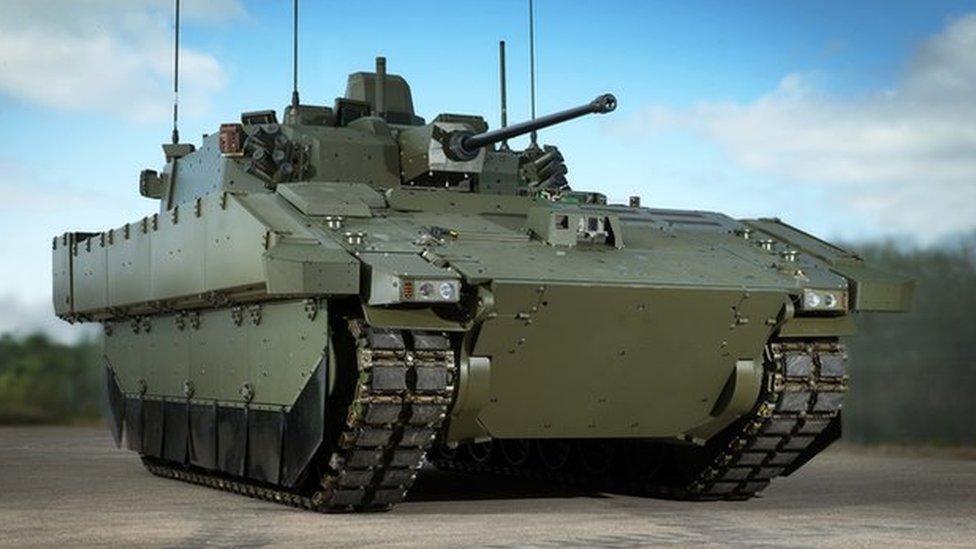
World
General Dynamics UK has successfully delivered the 100th Ajax armoured vehicle to the British Army, signalling a key step forward in one of the UK’s most ambitious defence programmes. This latest vehicle, featuring a turret-mounted 40mm cannon, will be deployed with the Household Cavalry Regiment and reflects the latest operational standard set for the fleet. Launched in 2010, the Ajax programme aims to supply the British Army with 589 state-of-the-art armoured vehicles in several specialized variants. These include reconnaissance vehicles, command and personnel carriers, engineering and recovery platforms. The overall cost of the programme stands at £5.5 billion, making it one of the most significant investments in modernising UK land forces. Out of the total planned, the UK has ordered 245 Ajax reconnaissance variants equipped with the powerful 40mm cannon. Additional variants include 50 Apollo repair vehicles, 93 Ares personnel carriers, 112 Athena command vehicles, 38 Atlas recovery vehicles, and 51 Argus engineering reconnaissance vehicles. As of March 2025, the Ministry of Defence has formally accepted 91 vehicles from the Ajax family. Production is now set to accelerate, with 446 vehicles scheduled for delivery between 2024 and 2028. The remaining 143 units, which have already been built to earlier standards, will be upgraded by 2029 to meet the latest requirements. The programme is expected to reach its peak production in 2027, when 125 vehicles are set to be delivered. The Ajax programme has not been without challenges. Deliveries were paused in 2020 after serious design flaws came to light, including dangerous levels of noise and vibration that posed risks to soldier health, along with technical issues such as inaccurate weapon systems and dimensional faults. After years of investigation and redesign, these problems were resolved by 2023, allowing deliveries and payments to resume. Since then, the programme has regained momentum, and the handover of the 100th vehicle stands as a clear sign of recovery and progress. The continued delivery of Ajax vehicles will play a crucial role in enhancing the operational capabilities of the British Army’s strike brigades, providing them with modern, versatile, and highly mobile armoured platforms for future battlefield requirements.
Read More → Posted on 2025-04-22 14:29:11
World
In a remarkable display of battlefield innovation, Ukrainian forces have used a modified first-person-view (FPV) drone to intercept a high-flying Russian reconnaissance and strike drone, marking a new chapter in drone warfare. The Ukrainian drone, adapted specifically for anti-aircraft roles, targeted a Russian Forpost unmanned aerial vehicle (UAV) that was operating at an altitude of around 4,000 meters. This interception attempt is considered one of the first known efforts to use a low-cost FPV drone against a high-altitude aerial platform. The Russian Forpost drone, based on Israel’s IAI Searcher II and manufactured under license in Russia, is not just used for surveillance but is also capable of carrying out strikes. It can be armed with guided missiles like the X-BPLA or small aerial bombs such as the KAB-20, making it a valuable dual-purpose asset in Russia’s aerial arsenal. Although the Forpost sustained damage during the midair encounter, it managed to escape total destruction and left the area. Still, the incident stands as a milestone in the growing effectiveness of Ukraine’s homegrown drone innovations. Typically, FPV drones are designed for close-range attacks against ground targets like vehicles and infantry. However, Ukrainian engineers have managed to repurpose and upgrade these drones for high-altitude, anti-aircraft missions — a task far beyond their original design. This development showcases Ukraine’s determination to find new and cost-effective ways to counter Russian aerial dominance. In the absence of large-scale traditional air defense systems, Ukraine has increasingly turned to agile and inexpensive technologies that can quickly adapt to the evolving battlefield. As the war continues, this bold use of FPV drones hints at a future where even high-altitude aerial assets may no longer be safe from the reach of low-cost, rapidly-deployable systems operated from the ground.
Read More → Posted on 2025-04-21 15:52:13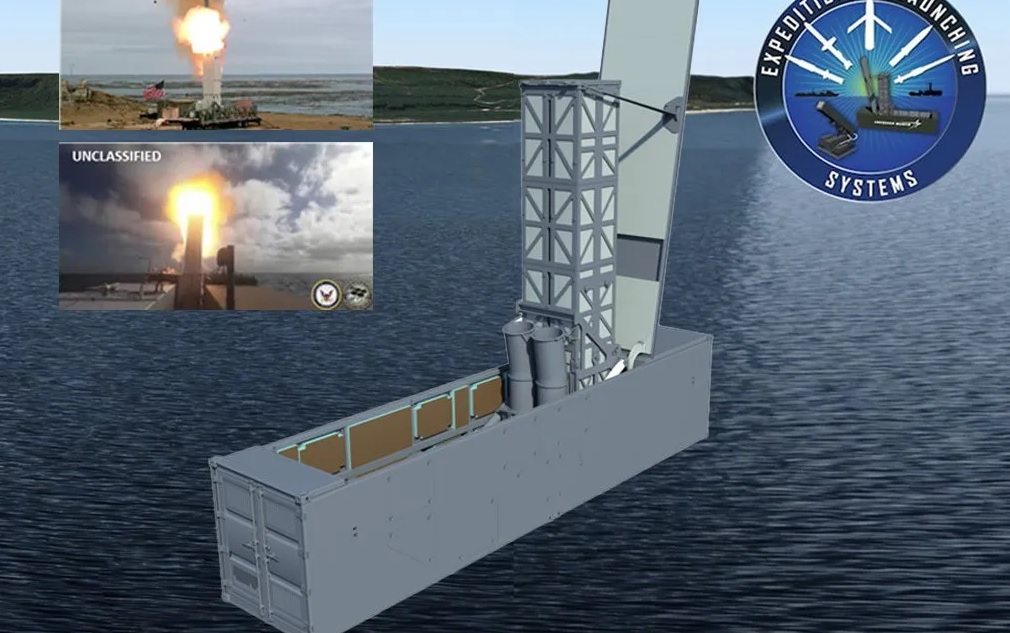
World
Japan could soon take a significant step in upgrading its maritime strike capabilities with the possible licensed production of the Mk70 containerized missile launcher system. Lockheed Martin, the U.S. defense giant, has initiated preliminary discussions with Japanese industry—most likely Mitsubishi Heavy Industries (MHI)—regarding the local manufacturing of this advanced missile system. The Mk70, also known as the "Payload Delivery System," is an innovative evolution of the well-established Mk41 Vertical Launching System (VLS), but with a critical twist—it comes containerized. The system fits a four-cell VLS into a standard 40-foot shipping container, making it highly mobile and deployable from a wide range of platforms, including ships, ground vehicles, and even unmanned systems. Mk70: A Mobile Arsenal in a Box Unlike traditional fixed missile launchers installed deep into a ship's structure, the Mk70 is a plug-and-play solution. It features a tiltable canister that rises before missile launches, and it is fully compatible with powerful long-range munitions like the SM-6 surface-to-air/hypersonic missile and the Tomahawk land-attack cruise missile. So far, this containerized launcher has been adopted by the U.S. Army under the name Typhon Mid-Range Capability (MRC) and by the U.S. Marine Corps as part of their Long-Range Fires (LRF) concept using unmanned vehicles. The U.S. Navy has also tested the Mk70 on both unmanned ships like the Ranger and manned vessels such as the USS Savannah and the USS Nantucket, which featured the system during its commissioning ceremony. Why Japan is Interested Although there’s currently no formal decision to adopt the Mk70, Japan's growing focus on maritime security amid regional tensions makes the system highly attractive. In 2024, Japan’s Maritime Self-Defense Force (JMSDF) issued a public request for a “Technical Study on Containerized SSM (Surface-to-Surface Missile) Launchers,” aimed at exploring the integration of anti-ship missiles into containerized platforms. This could allow even lightly armed vessels—like Japan's new Offshore Patrol Vessels (OPVs)—to be quickly upgraded for offensive roles without major structural changes. Strategic Impact of the Mk70 1. Expanding Missile Capacity:By deploying Mk70 containers across a range of ships, Japan could dramatically increase the number of launch-ready missiles within its fleet without needing to build more Aegis-class destroyers. This would deepen Japan’s "magazine capacity," allowing for sustained combat even if some vessels run out of onboard missiles. 2. Forcing Adversary Overwatch:If multiple platforms—including smaller ships and ground units—can suddenly fire long-range missiles, any adversary, especially the Chinese Navy, would be forced to increase its surveillance and intelligence resources. This would stretch enemy ISR (Intelligence, Surveillance, and Reconnaissance) networks thin, giving Japan a tactical edge. 3. Networking Firepower:When connected to advanced targeting networks like Aegis, Mk70-equipped ships could launch missiles from optimal positions determined by real-time combat data. Even vessels that are not frontline combatants could serve as missile launch platforms, dramatically increasing flexibility and lethality. Specifications of the Mk70 Payload Delivery System Type: Containerized Vertical Launching System Container Size: Standard 40-foot VLS Configuration: 4-cell Mk41 VLS Missile Compatibility: SM-6, Tomahawk Launch Method: Tiltable launcher that erects before launch Deployment Platforms: Naval vessels, ground vehicles, unmanned systems Operational Role: Long-range strike, air defense, anti-ship, and land-attack missions Looking Ahead While Japan has not yet committed to adopting the Mk70 system, the initial discussions with Lockheed Martin point toward serious interest. Given that Mitsubishi Heavy Industries already holds the license to produce the Mk41 VLS in Japan, it is highly probable they would also be the partner for Mk70 production if a deal is struck. As regional threats intensify, particularly in the East China Sea and Pacific, Japan’s move toward a flexible, distributed missile capability could be a defining shift in its defense doctrine. The Mk70 represents not just a weapon system, but a new way to think about naval and land-based strike power—one that aligns closely with Japan’s future defense needs.
Read More → Posted on 2025-04-21 14:59:25
World
In a groundbreaking development, Chinese scientists claim to have successfully tested a new type of non-nuclear hydrogen bomb that harnesses chemical reactions rather than nuclear fusion to unleash immense explosive power. This innovative weapon reportedly relies on advanced materials and sustained combustion to deliver devastating thermal effects over a wide area — without the radioactive fallout associated with traditional nuclear weapons. What Makes This Test Unique? Unlike conventional explosives like TNT, the Chinese-developed bomb used magnesium hydride, a solid compound that stores a large quantity of hydrogen in a dense, stable form. The test device weighed just 2 kilograms (4.4 pounds) but produced a white-hot fireball exceeding 1,000°C (1,832°F) — hot enough to melt aluminum-based structures and cause extensive thermal damage. What sets this test apart is the duration of the explosion. While TNT explosions typically last only fractions of a second, this hydrogen-based blast lasted over two full seconds — nearly 15 times longer than traditional detonations. The prolonged heat pulse is believed to deliver far greater damage to targets, especially against equipment, bunkers, and vehicles that rely on thermal shielding. How Does It Work? Here’s a simplified breakdown of how the weapon functions: Magnesium hydride is used as the core material, capable of releasing hydrogen gas when heated or shocked. The bomb is triggered using conventional explosives, which set off a chain reaction that causes the magnesium hydride to decompose. This releases hydrogen gas, which rapidly mixes with air and ignites. The resulting chemical combustion generates an intense fireball that expands outward, releasing destructive heat across a large area. According to the research team, led by scientist Wang Xuefeng, hydrogen gas explosions are highly efficient due to their low ignition energy, broad explosion range, and the rapid outward spread of flames. This makes them ideal for applications where thermal energy must be delivered quickly and across vast spaces. Potential Military Use and Challenges While the full scope of military applications has not been disclosed, the team hinted that such technology could be ideal for striking high-value military targets — such as command centers, radar systems, or heavily armored bunkers — where thermal damage is more effective than pure kinetic force. However, despite the promising performance, there are serious production challenges: Magnesium hydride is highly reactive, and even slight exposure to air can cause fatal accidents. The production process is extremely slow, currently limited to just a few grams per day under tightly controlled lab conditions. Handling and transporting the material poses significant safety risks, making large-scale deployment difficult for now. A New Class of Weapon? If perfected, this non-nuclear hydrogen bomb could represent an entirely new class of tactical weapons — one that delivers massive destructive power without violating nuclear treaties or causing long-term environmental fallout. It also shows China's growing investment in advanced weapons technology that blends chemistry, materials science, and military engineering. Although global reaction is still unfolding, defense analysts worldwide are likely to keep a close watch on further developments, especially if China succeeds in scaling up production or integrating this tech into future battlefield platforms.
Read More → Posted on 2025-04-21 14:55:25
India
In a major step forward for India’s defence export ambitions, the country has dispatched the second batch of BrahMos supersonic cruise missiles to the Philippines. This delivery strengthens not only the strategic partnership between the two nations but also bolsters regional security in the increasingly tense Indo-Pacific region. The shipment, which follows the first delivery made in April 2024, is part of a $375 million deal signed between India and the Philippines in January 2022. The Philippines will eventually receive three complete BrahMos missile batteries, which are expected to significantly improve its coastal defence capability. This move comes amid rising tensions in the South China Sea, where territorial disputes and growing military assertiveness have alarmed several Southeast Asian nations. The BrahMos missile is widely recognized as one of the world’s most advanced cruise missiles. Capable of reaching speeds up to Mach 2.8 (about 3,400 km/h) and with a range of 290 kilometers, it can be launched from land, air, sea, or even submarines. For the Philippines, acquiring this missile system is a strong step toward deterring potential threats and enhancing its national security framework. India has also taken the initiative to train Philippine military personnel to operate and maintain the BrahMos system. Back in February 2023, 21 officers from the Philippine Navy were trained in India, giving them hands-on experience and the expertise required to effectively use and manage the system. The latest delivery, unlike the first which was transported via Indian Air Force aircraft, was sent by sea—showcasing India's improved defence logistics and maritime transport capabilities. This shift also underlines India’s growing self-reliance in handling complex and heavy defence equipment across international borders. This defence deal is not just about technology transfer—it is also a reflection of India’s larger vision to become a leading player in the global arms market. Under the 'Make in India' initiative, the government has been pushing for increased domestic defence production. According to Defence Minister Rajnath Singh, India aims to cross Rs 1.60 lakh crore in defence production this year and has set an ambitious target of Rs 3 lakh crore by 2029. The value of defence production has already grown significantly—from Rs 40,000 crore in 2014 to over Rs 1.27 lakh crore now. One of the standout features of the BrahMos missile is that it is gradually being indigenised. Developed in collaboration with Russia, the missile system now consists of 83% Indian-made components. This not only boosts India’s self-sufficiency but also makes it an attractive option for countries looking to reduce their reliance on traditional arms suppliers. India’s outreach isn’t stopping with the Philippines. Talks are in advanced stages with both Indonesia and Vietnam for similar BrahMos deals. In fact, Indonesia has shown strong interest in acquiring the missile system in a deal estimated to be worth around $450 million. A senior Indonesian Navy delegation recently visited BrahMos Aerospace in Delhi to better understand the system. Vietnam, too, is considering a purchase worth nearly $700 million to enhance its coastal defence in response to China’s growing maritime presence. Even nations in West Asia like the UAE and Saudi Arabia have shown interest in the BrahMos missile, reflecting the global demand for high-speed, precision-strike capabilities that the system offers. With the BrahMos missile gaining popularity worldwide, India is clearly emerging as a significant player in the global defence landscape. Its expanding export portfolio, backed by strong domestic production and strategic diplomacy, is shaping a new chapter in the Indo-Pacific’s security dynamics. As more countries look to upgrade their defence postures, India is positioning itself as a reliable partner with proven technology and growing expertise.
Read More → Posted on 2025-04-21 14:47:28
India
In a groundbreaking development for India’s secure communication future, the Centre for Development of Telematics (C-DOT), in collaboration with Sterlite Technologies Limited (STL), has successfully conducted the country’s first Quantum Key Distribution (QKD) transmission over a four-core Multi-Core Fibre (MCF). This marks a major step forward in creating a robust, quantum-secured digital infrastructure. Quantum Key Distribution (QKD) is an advanced technology that allows for unbreakable encryption by using the principles of quantum physics. Traditionally, QKD requires a separate dedicated fibre—often called "dark fibre"—to carry delicate quantum signals, keeping them isolated from regular internet or telecom data. However, this can be costly and inefficient, especially at scale. That’s where Multi-Core Fibre (MCF) comes in. MCF is a type of optical fibre that houses multiple data channels—or cores—within a single cable. This allows different signals to travel independently without interfering with each other. In this test, quantum signals were transmitted through one core, while high-speed user data traveled through the remaining three cores simultaneously. Remarkably, the QKD link remained stable over a distance of more than 100 km, even with heavy classical data traffic running alongside it. This proves that quantum communication can co-exist with traditional data transfer, all within the same fibre. C-DOT, which operates under the Department of Telecommunications (DoT), has played a central role in building India’s quantum communication capabilities. The organisation has developed and deployed fully functional QKD systems, which have already received approval from the Telecommunication Engineering Centre (TEC). This gives India a solid foundation for building secure communication networks resistant to cyber threats. Sterlite Technologies Limited (STL), known for its global leadership in optical networks and fibre manufacturing, has been instrumental in developing Multi-Core Fibre technology. STL’s MCF uses Space Division Multiplexing to significantly increase how much data a single fibre can carry. Their innovation supports the move toward future-ready, scalable fibre networks. Dr. Rajkumar Upadhyay, CEO of C-DOT, highlighted that this collaboration marks a significant achievement for India’s telecom sector, making integrated quantum-classical communication a reality at a fraction of traditional costs. Rahul Puri, CEO of STL’s Optical Networking Business, echoed this sentiment, noting that this partnership reflects India's growing leadership in building advanced digital infrastructure through public-private cooperation. This achievement is more than just a technical milestone—it lays the foundation for a cost-effective, secure, and resilient national quantum communication network. With continuous innovation and strategic partnerships, India is firmly positioning itself at the forefront of the global quantum revolution.
Read More → Posted on 2025-04-21 14:42:05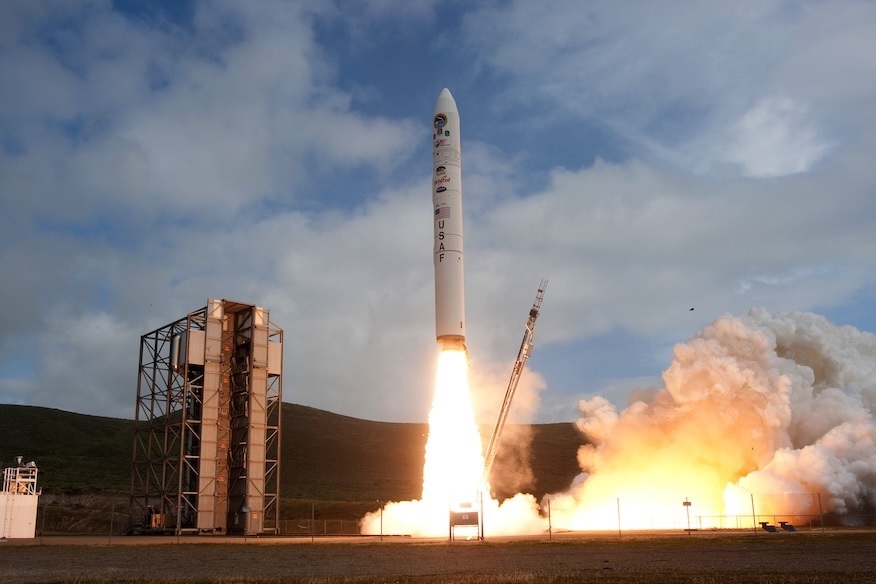
Space & Technology
In a major success for U.S. space-based defense efforts, Northrop Grumman’s Minotaur IV rocket has successfully launched the NROL-174 payload into orbit on behalf of the National Reconnaissance Office (NRO). The launch took place from Space Launch Complex 8 at Vandenberg Space Force Base in California, reinforcing the vital role of the Minotaur rocket family in national security missions. The NROL-174 payload is part of the United States’ top-secret space intelligence operations, which help monitor global activities and ensure national safety. While specific details about the satellite’s purpose remain classified, its successful deployment adds another crucial asset to the U.S. defense and surveillance network in space. The Minotaur IV rocket is a powerful launch vehicle developed by Northrop Grumman, designed to provide reliable and cost-effective access to space. It’s part of the broader Minotaur family, which combines decommissioned missile stages from U.S. government stockpiles with advanced commercial spaceflight technologies. This unique blend allows the Minotaur series to deliver rapid, precise, and secure satellite launches for a wide range of missions. Minotaur IV Specifications: Height: Approximately 23.9 meters (78.5 feet) Diameter: 2.34 meters (7.7 feet) Liftoff Weight: Around 86,300 kg (190,200 pounds) Stages: 4 solid rocket stages Payload Capacity to Low Earth Orbit (LEO): Up to 1,735 kg (3,825 pounds) Propulsion: Stage 1: M55A1 solid rocket motor Stage 2: SR19 solid rocket motor Stage 3: Orion 50XL solid motor Stage 4: Orion 38 solid motor Launch Sites: Vandenberg SFB (California), Wallops Flight Facility (Virginia), Cape Canaveral SFS (Florida) Mike Pinkston, vice president of launch vehicles at Northrop Grumman, expressed pride in the continued success of the Minotaur program. “Since the first launch in January 2000, our Minotaur rockets have continued to provide unique and reliable space launch solutions to support national security missions for the U.S. government,” he said. “Our ability to deliver several Minotaur configurations for a wide range of missions is a proven area of technology expertise, which we’ll continue to build on to expand access to space.” The Minotaur IV’s flexibility makes it suitable for launching various types of payloads, from communication and reconnaissance satellites to scientific instruments and experimental technologies. With its latest success, the Minotaur IV once again proves its value as a dependable tool for safeguarding the nation from above.
Read More → Posted on 2025-04-21 14:36:44
World
In a significant step toward enhancing battlefield medical support, Taiwan has introduced a new tactical ambulance designed specifically for its armed forces. The unveiling took place at Feng Chia University in Taichung, marking the country's effort to modernize its emergency medical response capabilities during military operations. The newly launched ambulance is tailored to offer rapid rescue support and streamline medical procedures for injured troops in combat zones. Its design focuses on flexibility and adaptability, making it a highly functional platform for both transportation and treatment under challenging conditions. One of the key features of the ambulance is its reconfigurable rear cabin. Depending on mission needs, the interior can be adjusted into different modes—either a bed mode to accommodate up to four patients or a seat mode for up to 10 personnel. This flexibility ensures that the vehicle can be effectively used for both casualty evacuation and general troop transport in emergency situations. Inside the cabin, a range of medical equipment supports the care of critically wounded soldiers. This includes physiology monitoring devices and four advanced trauma monitoring modules. The upgraded lighting, storage, and electrical systems further enhance the vehicle’s functionality, making it a mobile treatment center on the front lines. Safety is another critical component of the design. The vehicle is equipped with a nuclear, biological, and chemical (NBC) filtration system, complete with a pressurized cabin. This feature ensures that both medical personnel and patients are protected from hazardous environments, including exposure to toxic gases or harmful substances during warfare. The tactical ambulance is based on the Daily 4×4 truck manufactured by the Italian company Iveco. Known for its rugged design and reliability, the Daily 4×4 provides a strong foundation for the military adaptation. It is powered by a Euro III 3-liter turbodiesel engine capable of delivering 150 horsepower, allowing the vehicle to reach speeds of up to 100 kilometers per hour (around 62 miles per hour). With wheelbase options stretching up to four meters, the platform offers ample space for modification and use in complex terrains. With this new ambulance, Taiwan’s military takes a leap forward in ensuring that its personnel receive swift and effective medical attention in the heat of battle. The combination of robust engineering, advanced medical systems, and protection features makes this vehicle a critical asset for modern combat scenarios.
Read More → Posted on 2025-04-21 14:34:34
India
Nagpur-based defence firm JSR Dynamics Pvt. Ltd. has revealed an impressive new addition to India’s growing arsenal of smart weaponry — a missile drone system called the Miniature Ground Launched Drone-Weaponized (MGLD-W). Compact yet powerful, this new drone is built for high-speed, long-range precision attacks, giving India a fresh edge in modern battlefield scenarios. Weighing around 400 kilograms and launched directly from the ground, the MGLD-W is designed to travel up to 297 kilometers at a top speed of Mach 0.85, which is roughly 1,050 kilometers per hour near sea level. It’s powered by a 150 kgf turbojet engine, allowing it to quickly cover large distances and strike time-sensitive or high-value targets with minimal delay. The drone’s navigation system combines inertial guidance with multi-constellation satellite support, including GPS, GLONASS, and NavIC — India’s own satellite navigation system. This mix ensures that even if enemies attempt to jam or interfere with satellite signals, the MGLD-W can still navigate effectively and reach its destination. What makes this system particularly effective is its use of terminal guidance seekers during the final stage of the mission. While specific details remain undisclosed, these seekers are likely based on imaging infrared or radar technology, allowing the drone to lock onto moving or well-defended targets. This means it doesn’t just fly towards a general area—it zeroes in on exactly what it’s supposed to destroy. For firepower, the MGLD-W carries the MK-81 warhead, a general-purpose bomb weighing about 250 pounds (113 kg). Normally used by aircraft, this bomb has now been repurposed for ground-launched missions, making it a more affordable and flexible option for frontline forces. The warhead can be configured either to create a wide area of destruction through fragmentation or to break through hardened bunkers and enemy shelters. One of the most important aspects of the MGLD-W is its ground-launch capability. It doesn’t need a runway or an aircraft to operate. This makes it highly mobile and easy to deploy across different terrains — especially useful along India’s varied borders where air support might not always be immediately available. With its nearly 300-kilometre range, this missile drone can hit critical enemy locations like radar stations, command centres, ammunition dumps, or communication hubs, all while keeping the launch team far from danger. That standoff capability is crucial in reducing risk to personnel during offensive operations. The addition of precise terminal seekers means it could be as accurate as India’s advanced Rudram anti-radiation missiles, which have demonstrated the ability to strike within 10 metres of their target. If the MGLD-W reaches similar standards, it could become a reliable and cost-effective strike option for India’s armed forces, particularly in situations where speed, accuracy, and flexibility are essential. With the introduction of the MGLD-W, India takes a strong step forward in developing indigenous smart weapons that meet the needs of modern combat. As tensions in the region continue to highlight the importance of advanced defence systems, this homegrown missile drone may become a key player in maintaining strategic balance and readiness.
Read More → Posted on 2025-04-21 14:31:27
India
In a groundbreaking move that could catapult India into the top ranks of global semiconductor innovation, a team of 30 scientists from the Indian Institute of Science (IISc), Bengaluru, has proposed a futuristic initiative: the development of angstrom-scale semiconductor chips. These chips, if successfully developed, would be nearly ten times smaller than the most advanced 3-nanometre chips available today—setting a new global benchmark in miniaturization and technology. At the heart of this bold proposal lies a mission to move beyond conventional silicon-based technologies and embrace novel two-dimensional (2D) materials, like graphene and transition metal dichalcogenides (TMDs). These atom-thin materials exhibit exceptional electrical and thermal properties and are poised to become the building blocks of the next generation of computing devices. Currently, global tech giants such as Samsung and TSMC manufacture chips at the 3-nanometre scale. However, the IISc team envisions developing chips at the angstrom scale, where one angstrom equals just 0.1 nanometres. This ultra-miniaturization would not only revolutionize performance but also drastically reduce energy consumption and heat generation—two of the most critical challenges in modern electronics. To bring this vision to life, the IISc scientists have requested ₹500 crore in funding spread over five years. Compared to India’s ongoing ₹91,000 crore semiconductor projects, this is a relatively small investment with potentially massive returns. Importantly, the plan includes a roadmap to make the initiative self-sustainable after the initial government support period. This proposal was first submitted to the office of the Principal Scientific Adviser in April 2022 and later revised in October 2024. It has garnered interest from key government entities, including the Ministry of Electronics and IT (MeitY), NITI Aayog, DRDO, and the Department of Space. Discussions are ongoing at high levels to explore its implementation and possible applications. What makes this initiative revolutionary is its emphasis on 2D materials, which could bypass the physical limitations that are now slowing down the progress of silicon-based chips. Materials like graphene—a single layer of carbon atoms—and TMDs offer direct bandgaps, high electron mobility, and superior thermal conductivity. They are ideally suited for creating ultra-small, energy-efficient, and high-speed chips. Globally, the race to harness the power of 2D semiconductors is heating up. Europe has invested over $1 billion in this domain, South Korea more than $300 million, and China and Japan are making rapid strides. Leading universities and research institutions around the world are exploring this frontier technology. Yet, India’s efforts in this space remain limited, and this project offers a rare window to take the lead before the opportunity closes. Beyond reducing dependence on foreign semiconductor imports, the successful execution of this project could usher in a new era of technological independence for India. It could also spark innovation across sectors like healthcare, space technology, wearable electronics, and artificial intelligence. Angstrom-scale chips would not just make devices smaller—they could redefine what’s possible in electronics. The proposal also brings with it an opportunity to create high-value jobs, attract international collaboration, and build a new ecosystem focused on advanced material science and chip fabrication. However, experts warn that time is critical. The global momentum toward 2D semiconductors is accelerating, and India needs to act swiftly to seize its moment. Despite receiving encouraging responses, the project still awaits formal approval and funding. To succeed, it will require a coordinated effort among policymakers, scientists, and industry players. Infrastructure, skills, and partnerships must be developed to translate lab-scale innovations into commercial products. In conclusion, India stands at the cusp of a historic opportunity. The IISc’s angstrom-scale chip proposal is not just about developing smaller chips—it’s about reshaping the future of technology. If implemented decisively, it could mark India's arrival as a leader in post-silicon semiconductor innovation, opening the door to a new era of electronics powered by 2D materials. The time to act is now.
Read More → Posted on 2025-04-21 14:25:39
World
A leading drone manufacturer from Taiwan, DronesVision, has firmly denied any business ties or negotiations with Pakistan, following reports that a Pakistan-based defence company tried to market its combat drones without permission. The company clarified that it has never signed any deals or received end-user certificates from Pakistan, dismissing any suggestions of cooperation as false and misleading. DronesVision, known for producing advanced military-grade drones like the Revolver-860, has gained global recognition, especially after some of its drones were reportedly used in Ukraine. The Revolver-860 is a powerful combat UAV, capable of carrying eight 60mm mortar rounds, with a total payload capacity of 42 kilograms and an operational flight time between 20 to 40 minutes. The controversy began when Universal Smart Military Systems (USMS), a Karachi-based firm backed by the Pakistan Air Force and operating out of the National Aerospace Science and Technology Park (NASTP), was found promoting DronesVision’s Revolver-860 drones to potential clients. This raised eyebrows, as there was no official agreement in place with the Taiwanese manufacturer. Reacting swiftly, DronesVision issued a public statement saying it had no business engagements with Pakistan whatsoever. The company further explained that its products fall under Taiwan’s Strategic High-Tech Commodity classification, which means strict rules apply for any international sale. These products require export permits, and Taiwan maintains a clear policy of not allowing sales to certain countries, including Pakistan, due to sensitive geopolitical concerns. In addition, DronesVision pointed out a troubling trend in the global defence sector: unauthorized parties tampering with promotional materials by removing company logos and falsely presenting themselves as official partners. This tactic is often used to deceive potential buyers into thinking a legitimate relationship exists. The situation comes as Pakistan increases its focus on drone warfare, reportedly investing between $200 million and $500 million in recent years on unmanned systems from China, Turkey, and local manufacturers. However, this case stands out because Pakistani interest in a Taiwanese drone platform is unusual—especially considering the tense geopolitical landscape involving Taiwan, India, and Pakistan. Taiwan’s defence industry has increasingly aligned with India in recent years, while Pakistan remains a key strategic partner of China. This context makes any perceived connection between a Taiwanese defence firm and Pakistan particularly sensitive. DronesVision’s clear denial of any association with USMS not only protects its own reputation but also highlights the importance of strict export controls and compliance within Taiwan’s defence sector. The episode serves as a reminder of the challenges in controlling the global spread of advanced military technology and the need for constant vigilance against misrepresentation and unauthorised use.
Read More → Posted on 2025-04-20 16:24:03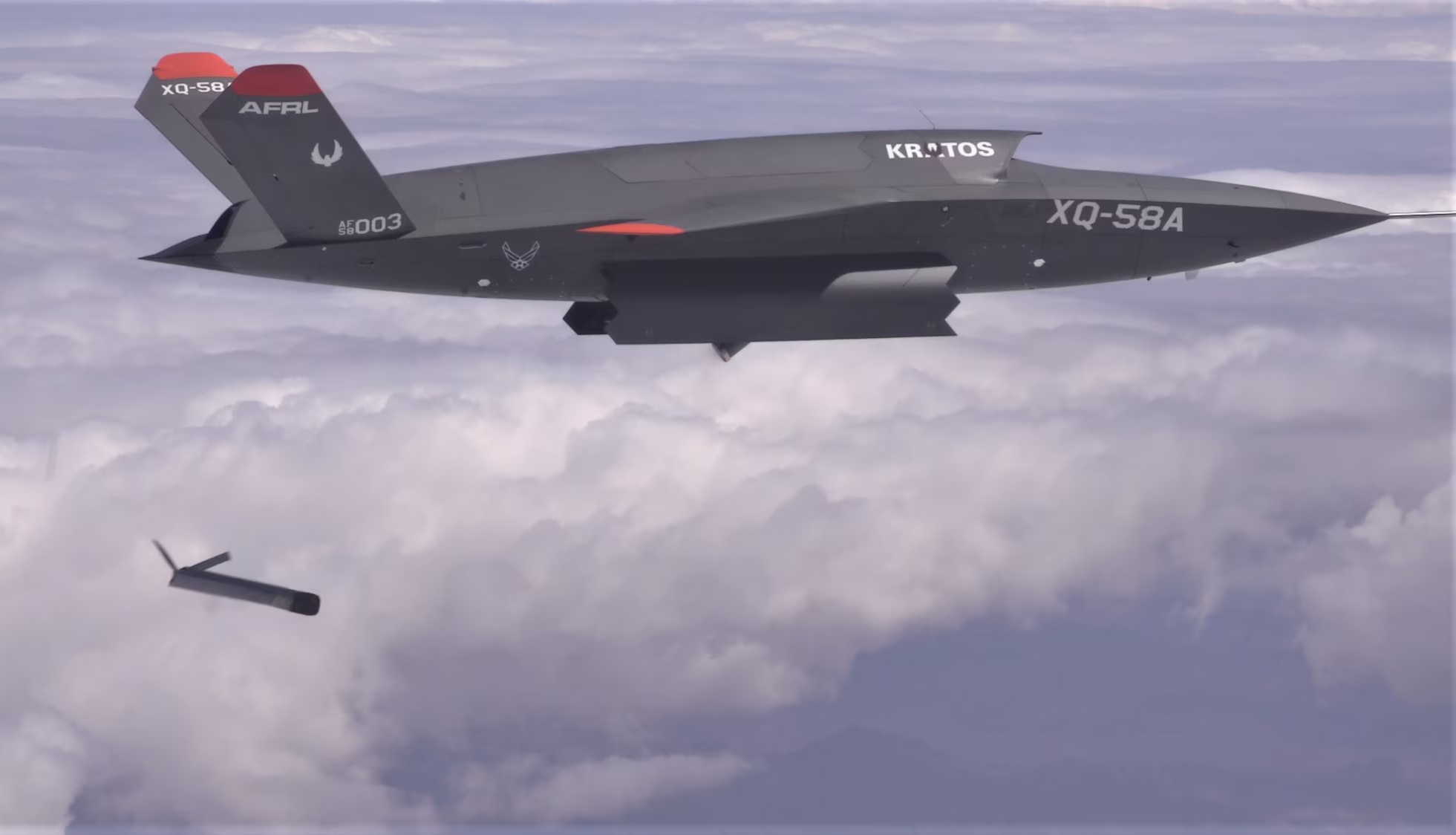
World
Kratos Defense has officially unveiled a new variant of its XQ-58A Valkyrie unmanned aircraft, now equipped with conventional landing gear. The image of this updated drone was shared publicly for the first time on April 15, 2025, signaling Kratos’ serious intent to compete in the U.S. military’s growing Collaborative Combat Aircraft (CCA) programs. The inclusion of landing gear in the Valkyrie marks a major shift in its operational design. Previously, the XQ-58A relied on rocket-assisted launches and parachute recoveries, making it more suitable for remote or improvised deployment. With the addition of conventional take-off and landing (CTOL) capability, the aircraft can now operate from standard runways like traditional fighter jets. This gives it a significant boost in flexibility and makes it more compatible with U.S. Air Force and Marine Corps operations. Kratos had first announced this CTOL variant back in August 2024. Its formal debut now indicates that the company is positioning itself strongly for upcoming CCA program phases. The U.S. Air Force has already chosen the General Atomics YFQ-42A and Anduril YFQ-44A for the first round of the CCA program (Increment 1). However, more opportunities are expected in the near future with the upcoming Increment 2 and other related competitions. In parallel, Kratos also seems to be keeping a close eye on the U.S. Marine Corps’ MUX-TacAir program. This effort is centered on developing unmanned tactical aircraft that can support Marine operations in coordination with manned jets like the F-35B. The Marine Corps is particularly interested in CCAs that can perform both surveillance and strike missions while operating from austere locations, which aligns with the Valkyrie's evolving capabilities. By adapting the Valkyrie for runway-based operations, Kratos is not only broadening the drone’s mission profile but also increasing its appeal to a wider range of military users. The transformation from a launch-and-recover drone to a CTOL-capable platform makes it a stronger contender in the competitive landscape of future autonomous air combat systems.
Read More → Posted on 2025-04-20 16:15:13
India
India is taking a bold step toward expanding its space communication capabilities. NewSpace India Limited (NSIL), the commercial arm of ISRO, has announced an ambitious initiative to involve private players in building a state-of-the-art ground station network across the country. This marks a strategic move to enhance satellite communication, tracking, and data relay services for the growing number of Indian and international low Earth orbit (LEO) satellites. A Network of 25 Advanced Antennas The proposed network will feature around 25 high-performance ground stations, equipped with dual-band and tri-band antennas. These will operate in S, X, and Ka frequency bands, ensuring robust support for telemetry, tracking, and command (TTC) operations, as well as satellite data downloads. These antennas will be designed with shaped reflector Cassegrain geometry and full motion systems, enabling precise and efficient satellite communication. Each station will be capable of supporting multiple satellite passes per day, allowing uninterrupted support for real-time satellite operations such as remote sensing, earth observation, and weather monitoring. Phased Implementation Plan NSIL plans to implement the project in a phased manner. The first two antenna systems are expected to be ready within 12 months of awarding the contract. The entire network is expected to be operational in about 20 months, providing a rapid boost to India’s satellite ground infrastructure. Strict Eligibility for Private Participation To ensure only capable firms take part, NSIL has set strict eligibility criteria for bidders. Companies must have: ISO-9001:2015 certification A proven track record in handling similar high-value space or telecom infrastructure projects This ensures high-quality execution and long-term reliability of the critical infrastructure. Supporting India’s Global Space Market Ambition This initiative is closely aligned with India’s national goal of increasing its share in the global commercial space market from the current 2% to 8% by 2033. By engaging the private sector, NSIL aims to accelerate innovation, reduce costs, and improve efficiency in space ground operations. Moreover, this project complements the government's broader push to commercialize space activities through bodies like IN-SPACe (Indian National Space Promotion and Authorization Center). IN-SPACe is also actively promoting Ground Stations as a Service (GSaaS) — a model where satellite operators can rent ground station infrastructure on a pay-per-use basis for satellite control, data reception, and tracking services. Addressing Industry Challenges Private sector entry into ground station services comes with its own set of hurdles. These include: Unclear regulatory frameworks High capital costs Spectrum licensing challenges Expensive components and infrastructure To overcome these, IN-SPACe is working to simplify regulatory procedures, provide technology transfer from ISRO, and offer access to testing and integration facilities. It is also helping startups connect with domestic and international markets to ensure commercial viability. Enabling Indigenous Capability Through Technology Transfer NSIL is already playing a major role in technology commercialization. It has transferred key technologies like the Indian Mini Satellite-1 (IMS-1) bus to private startups such as Dhruva Space and Alpha Design Technologies. These firms are now building satellite platforms and developing ground station systems, boosting India’s domestic capacity in both upstream and downstream space segments. A Strategic Leap Forward By bringing private players into the fold to build this advanced ground station network, NSIL is laying the foundation for a robust and self-reliant space ecosystem in India. This move not only strengthens the country's satellite communication backbone but also signals a new era of public-private partnership in space technology. It is a visionary step that will help India maintain a strong presence in the global space race while empowering its private sector to play a larger role in the future of space exploration and commercialization.
Read More → Posted on 2025-04-20 16:03:13
World
Royal Air Force (RAF) Typhoon fighter jets have been in action over the Baltic region this week, responding swiftly to Russian aircraft approaching NATO airspace. In just three days, RAF jets scrambled three times from Malbork Air Base in Poland as part of NATO’s enhanced Air Policing (eAP) mission — a joint effort to monitor and secure the skies over Eastern Europe. The first incidents occurred on Tuesday, April 15, 2025, when RAF Typhoons were called into action twice in a single day. The first scramble led to the interception of an Ilyushin Il-20M, a Russian surveillance aircraft that specializes in gathering communication and electronic signals. Known to NATO as the Coot-A, this aircraft often operates near sensitive areas, prompting close monitoring. Later that same day, the Typhoons intercepted two Russian SU-30MKI fighter jets, known in NATO code as FLANKER-H. These fast and powerful jets, though originally designed for air superiority, also pose a potential threat due to their advanced combat capabilities. Another intercept occurred on Thursday, April 17, when Typhoon jets once again identified an Il-20M near NATO airspace, flying over the Baltic Sea. The repeated flights of such surveillance aircraft so close to NATO territory are a concern and highlight the ongoing tensions in the region. All three intercept missions were carried out by aircrew from No. II (Army Co-operation) Squadron, which is part of the 140 Expeditionary Air Wing. This team is currently stationed in Poland on Quick Reaction Alert (QRA) duty as part of Operation Chessman, the UK’s dedicated contribution to NATO’s enhanced air policing efforts. Wing Commander Morley, who leads 140 Expeditionary Air Wing, emphasized the importance of these missions, stating, “The Royal Air Force is contributing to NATO’s collective defence and security. These scrambles are a clear demonstration of our commitment to stand alongside our NATO allies in maintaining the integrity of the airspace above the Baltic.” This deployment also marks a significant milestone as RAF personnel operate alongside Swedish forces at Malbork Air Base. Sweden, having recently joined NATO, is now participating in its first-ever enhanced Air Policing mission. The joint presence of UK and Swedish forces underlines NATO’s strengthened posture in the region, especially in the face of increased Russian aerial activity. These air policing efforts are not only routine but crucial in ensuring that NATO airspace remains secure. They serve as a reminder of the alliance’s readiness and unity in responding to any potential threats near its borders.
Read More → Posted on 2025-04-20 16:00:40
World
At first glance, the bulldozer moving across a dusty testing site in central Israel might look like any other heavy-duty machine. But as it rolls closer, one detail becomes impossible to ignore—the cabin is completely empty. No driver. No operator. Just a machine working silently on its own, guided from thousands of miles away. This is the Robdozer—Israel’s remotely controlled, unmanned version of the armored Caterpillar D9 bulldozer. Developed by Israel Aerospace Industries, the Robdozer has become a key component of Israel’s ground operations, especially since the war in Gaza erupted in October 2023. Originally used for engineering tasks like clearing roads, removing rubble, and leveling ground for advancing troops, the D9 bulldozer has long been a staple of Israel’s combat engineering arsenal. But the new robotic upgrade is reshaping how these tasks are handled—without putting soldiers in harm’s way. During the ongoing conflict in Gaza and on the Lebanese border, the Robdozer has been increasingly deployed to navigate dangerous warzones. Controlled remotely, even from locations as far away as Alabama in the United States, these machines allow Israeli forces to perform battlefield engineering without sending troops into direct danger. This technological advancement marks a significant shift in how warfare is being conducted. “The idea is to eliminate the person from the cockpit of the dozer,” said Rani, one of the lead developers of the Robdozer at Israel Aerospace Industries. “It can now do the job even better than a human,” he added. The machine doesn’t just handle simple excavation—it’s equipped to flatten terrain, build makeshift roads, and clear obstacles with remarkable precision. Though it is still controlled by human operators, future upgrades are expected to include more autonomous functions, raising ethical and legal questions that experts are already beginning to debate. Israel is not alone in exploring battlefield automation, but its military appears to be among the first to use such remote-controlled systems in active combat. According to defense analysts, this represents a major transformation in how modern wars may be fought. Robotic tools like the Robdozer are part of a wider move toward automated combat systems—vehicles and drones that operate without exposing human operators to frontline dangers. "This is the future," said John Spencer, chair of urban warfare studies at the U.S. military’s Modern War Institute. He noted that while many countries have experimented with unmanned combat machines, Israel's deployment in real-time warfare is unprecedented. However, some experts caution against over-reliance on technology. Tal Mimran, a lecturer in international law at Hebrew University, pointed to the events of October 7, 2023, when Hamas militants breached Israel’s heavily fortified border. That day underscored the need for human oversight and real-world vigilance, even with the most advanced defense systems in place. “You can build a wall that costs $1 billion, but if you don’t patrol it, someone will still get through,” Mimran warned. “We must take note of both the opportunities and the risks of technology.” As artificial intelligence and robotic systems rapidly evolve, their presence in the defense sector is growing just as fast. While these developments promise to protect lives and improve operational efficiency, they also challenge the traditional rules of war and demand careful reflection on the role of humans in future conflicts. Israel’s Robdozer may be a glimpse into the wars of tomorrow—fought with machines, guided by algorithms, but still deeply tied to human choices and consequences.
Read More → Posted on 2025-04-20 15:58:56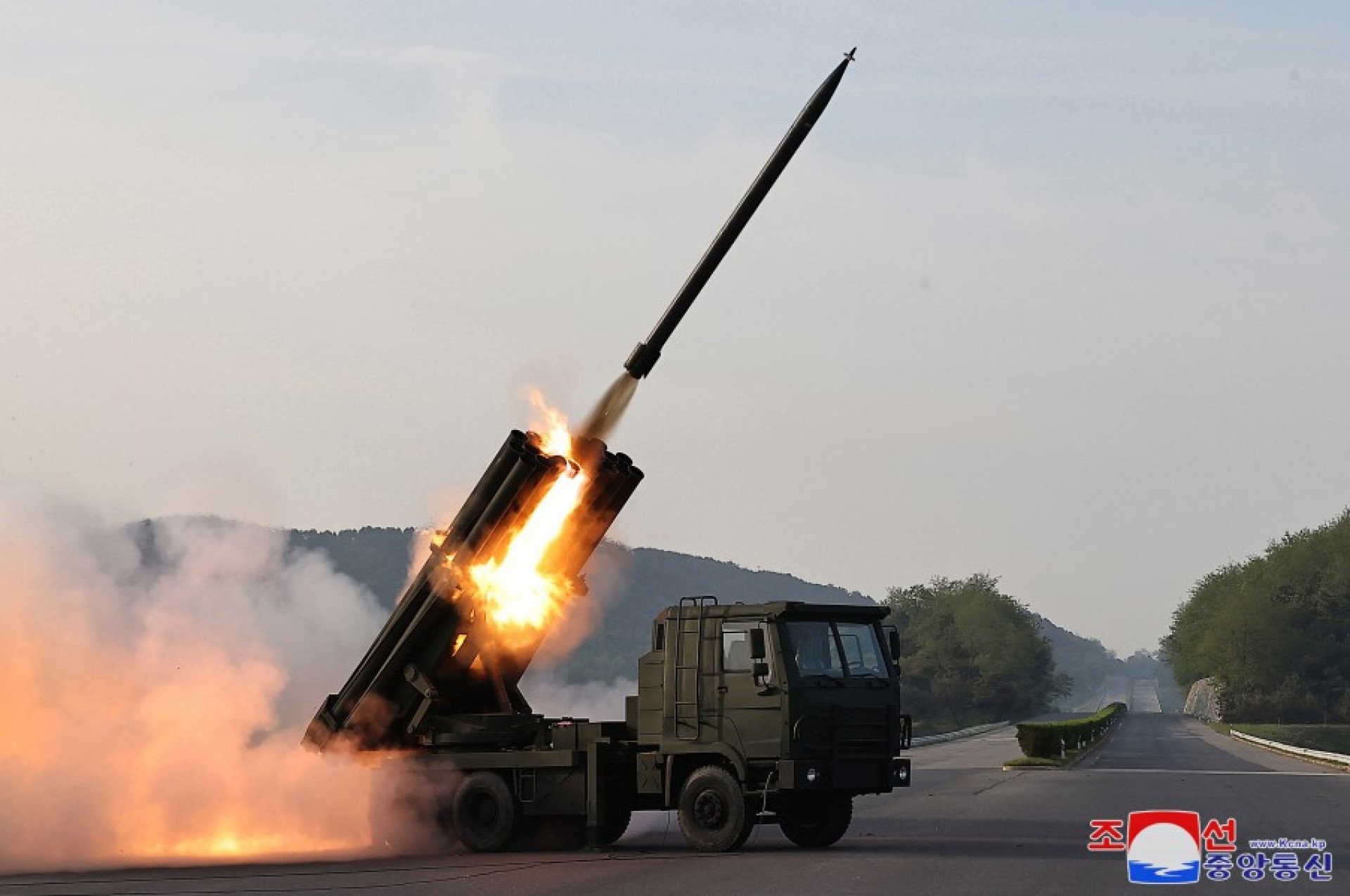
World
In a new development in the ongoing conflict between Russia and Ukraine, it has now been confirmed that Russian forces are using North Korean-made multiple rocket launch systems (MRLs) on the battlefield. This confirmation comes after Ukrainian journalist Yurii Butusov released intercepted video footage showing a North Korean M1991 240mm rocket launcher inside a Russian military hangar. North Korean M1991 Rocket Launcher: An Overview The M1991 is a North Korean multiple rocket launcher system designed to deliver overwhelming firepower against enemy targets. This truck-mounted system carries 22 launch tubes capable of firing 240mm unguided artillery rockets, and it can strike targets between 40 to 60 kilometers away. The sheer firepower of the M1991 makes it ideal for attacking fortified positions, defensive lines, and troop concentrations. Though not equipped with modern precision-guided technology, the M1991 compensates with its volume-based saturation attacks, which are designed to overwhelm defenses rather than strike with pinpoint accuracy. Its main tactical strength lies in its ability to deliver rapid and devastating salvos in a short time, making it a dangerous weapon on the frontlines. Recent Footage and Modifications The video footage intercepted by Ukrainian sources showed the M1991 system undergoing modifications in a Russian facility. Notably, Russian troops appeared to be adding protective metal screens to shield the vehicle against First Person View (FPV) drone attacks, which Ukraine has been increasingly using for precise strikes on high-value targets. This footage is the first visual confirmation of the M1991's presence in Russian service, although unconfirmed reports of its deployment had been circulating since November 2024. Strategic Implications The presence of these North Korean systems on the battlefield represents a significant development. While Russia already uses a wide variety of rocket artillery systems, the addition of the M1991 enhances its ability to launch large-scale area bombardments, even if accuracy is sacrificed. This could be particularly problematic for Ukrainian defenders facing massed infantry attacks or entrenched positions near the front lines. Additionally, this development comes on top of existing reports that North Korea has also supplied Russia with short-range ballistic missiles and conventional artillery shells, increasing military cooperation between the two sanctioned nations. As the war continues, the introduction of the M1991 highlights how global alliances and unconventional arms transfers are shaping the battlefield in Ukraine. Even older systems, when used effectively and in large numbers, can have a powerful impact on the outcome of tactical engagements.
Read More → Posted on 2025-04-20 15:56:40Search
Top Trending in 24 Hours
-
 Kongsberg Wins $120 Million Contract for More Protector RS4 Systems for Canadian Army
-
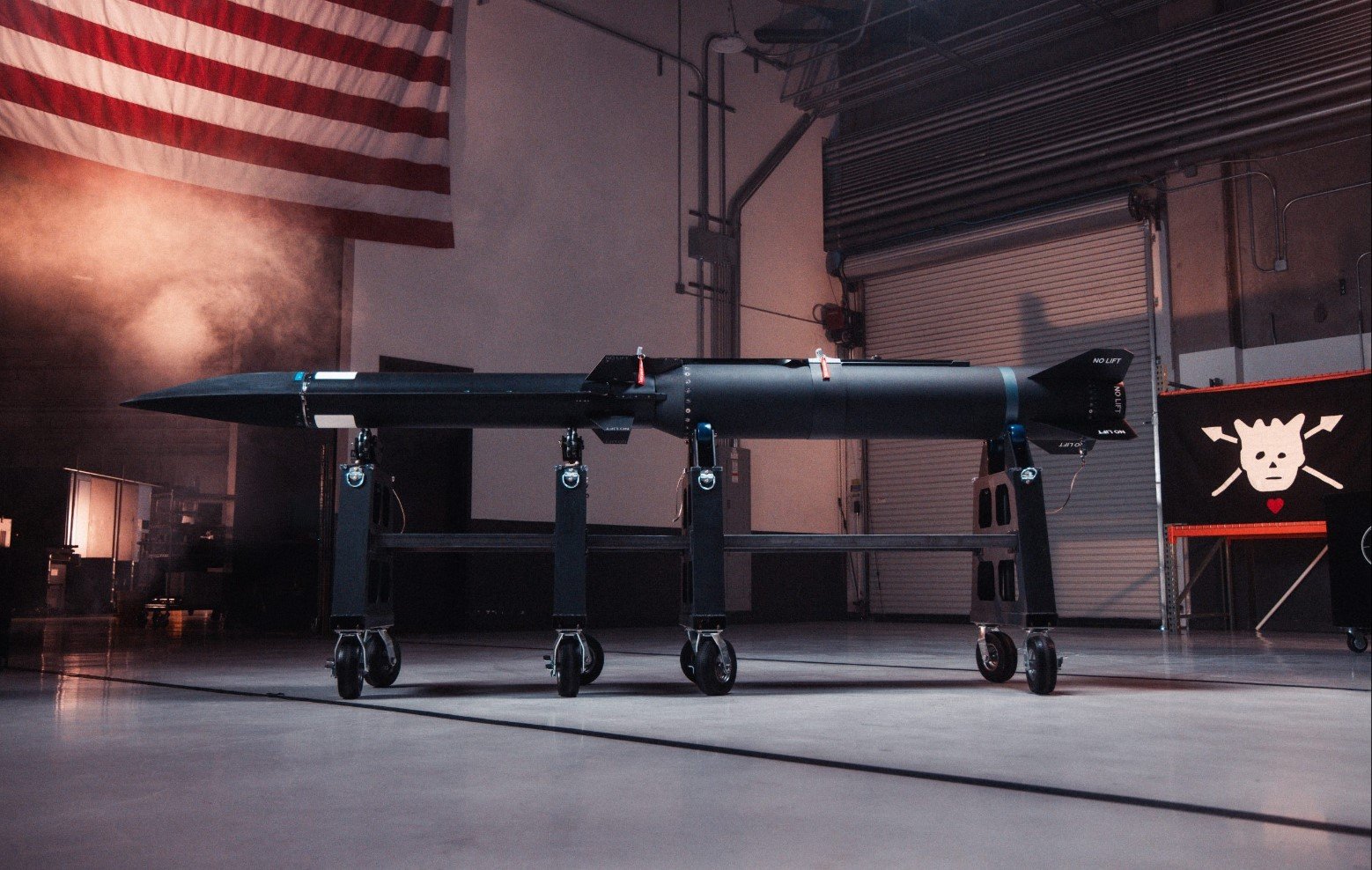 Castelion Secures $1 Billion Funding to Scale Production of Blackbeard Hypersonic Missile
-
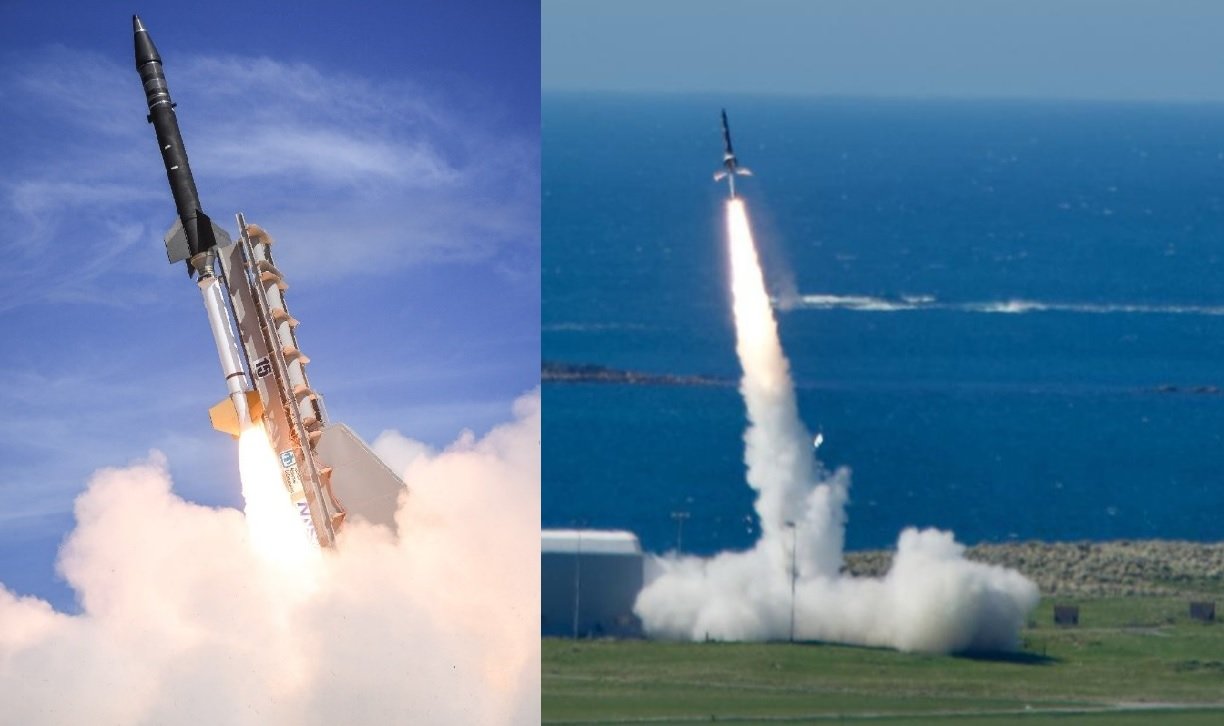 US Navy Launches ARAV-6 Missile Target During Multinational Pacific Dragon 2026 Exercise
-
 Lockheed Martin Demonstrates AI-Powered Sonar System With U.S. Navy at RIMPAC 2026
-
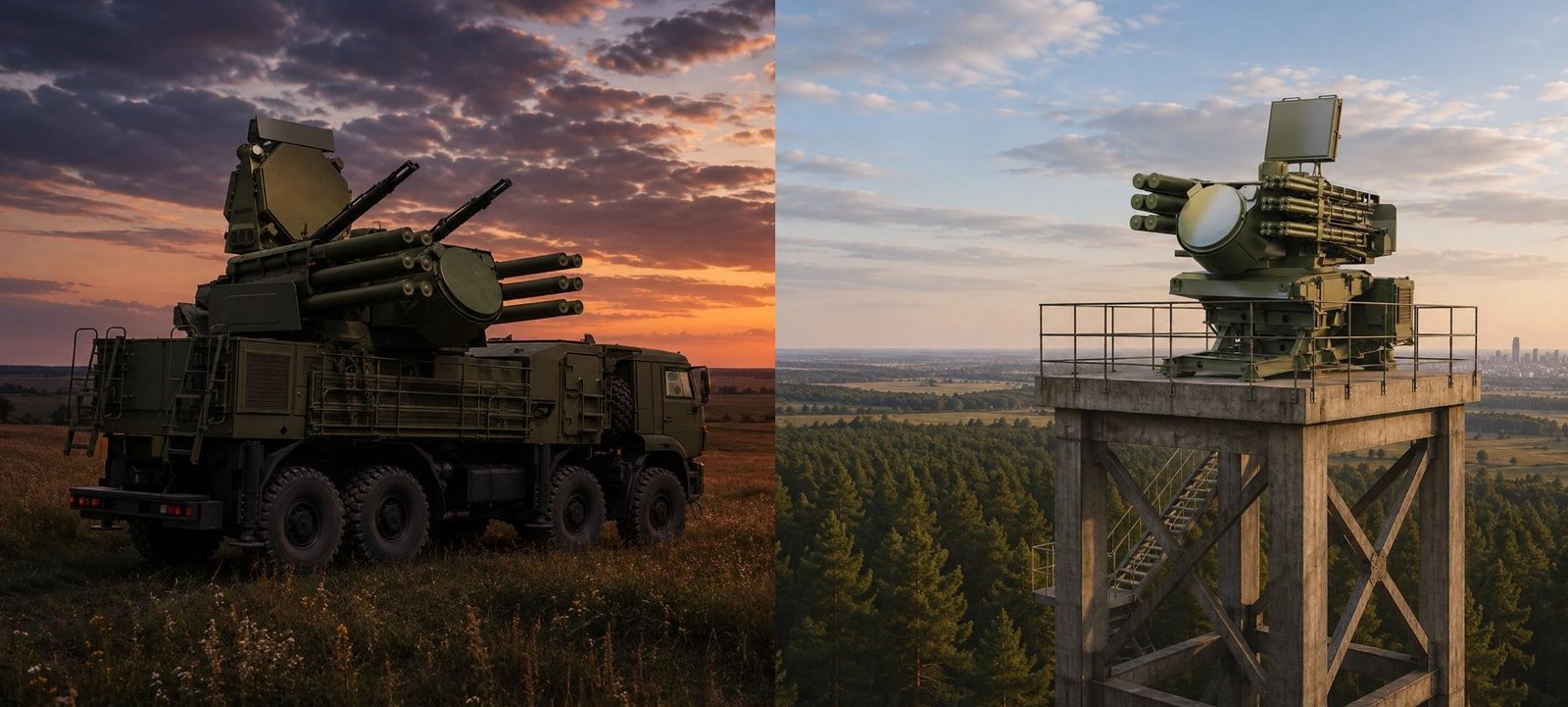 Russia Receives New Batch of Pantsir-S and Pantsir-SMD Air Defense Systems
-
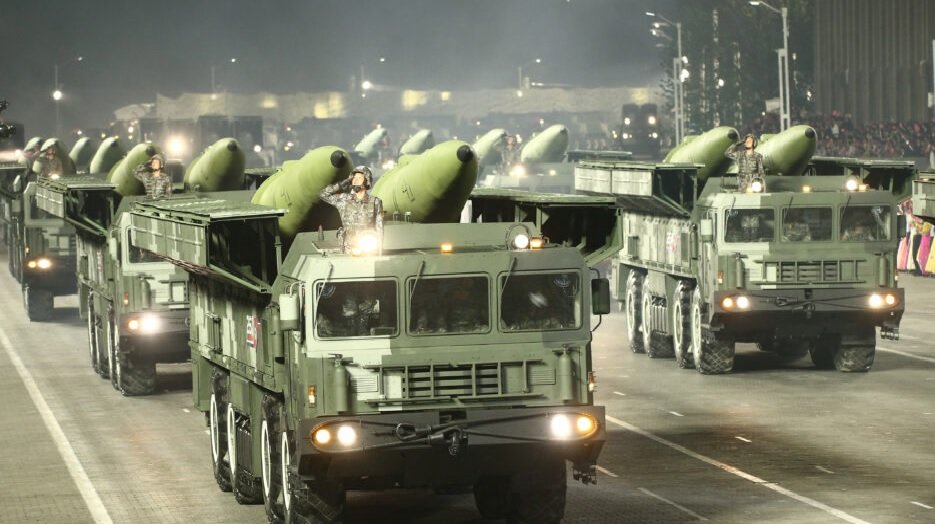 Russia Receives North Korean KN-30 Ballistic Missiles as Moscow Expands Its Missile Arsenal
-
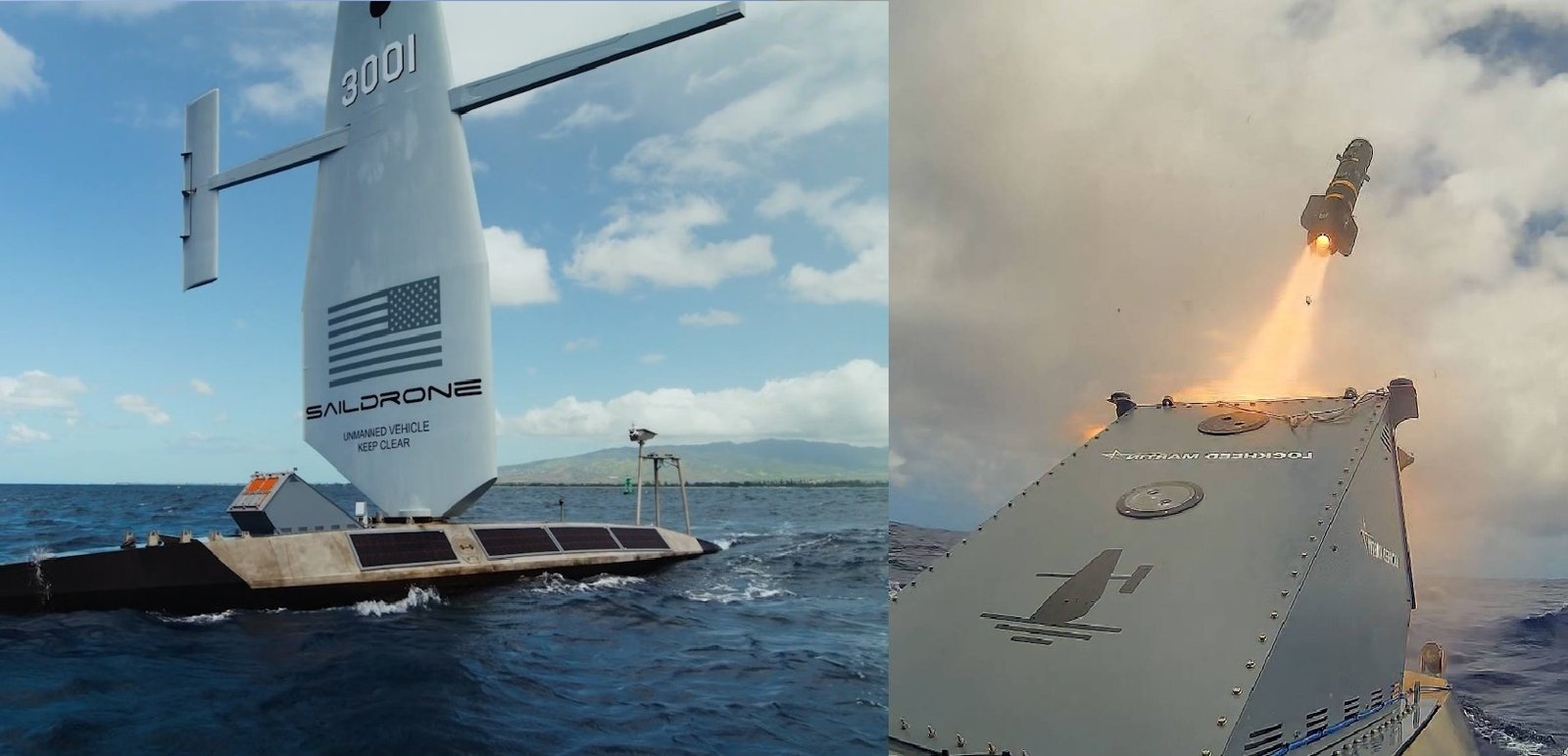 Saildrone and Lockheed Martin Successfully Fire Two JAGM Missiles in First Live-Fire Test from Unmanned Vessel at RIMPAC 2026
-
 Northrop Grumman Clears Critical Design Review for E-2D Hawkeye Block II Upgrade
Top Trending in 4 Days
-
 U.S. Navy Destroyer USS Benfold Spent Four Days Without Power in South China Sea After Generator Failure
-
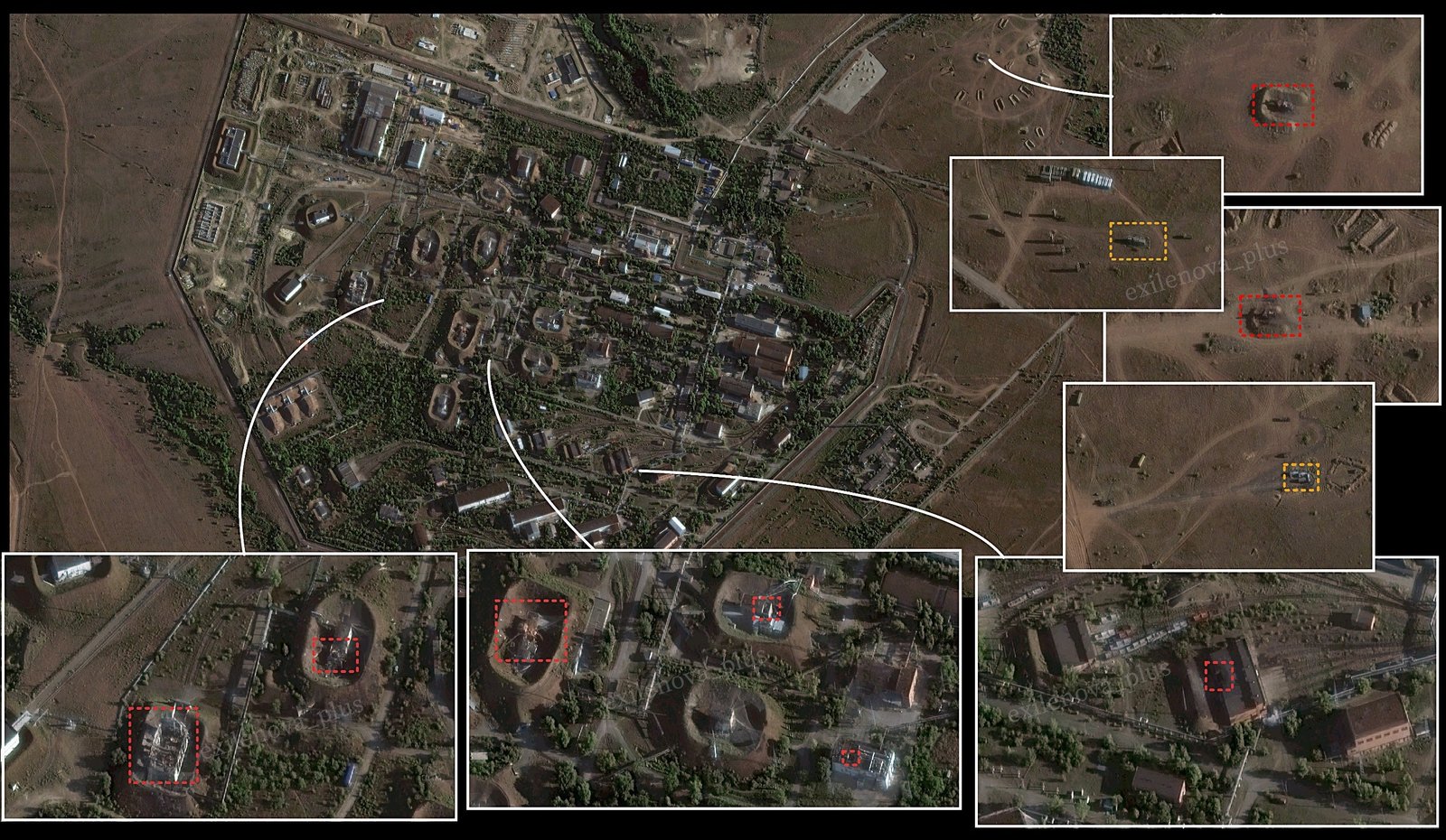 Satellite Images Show Ukrainian Drone Strike Hits Russian Rocket Fuel Plant and Air Defense Systems in Rostov Region
-
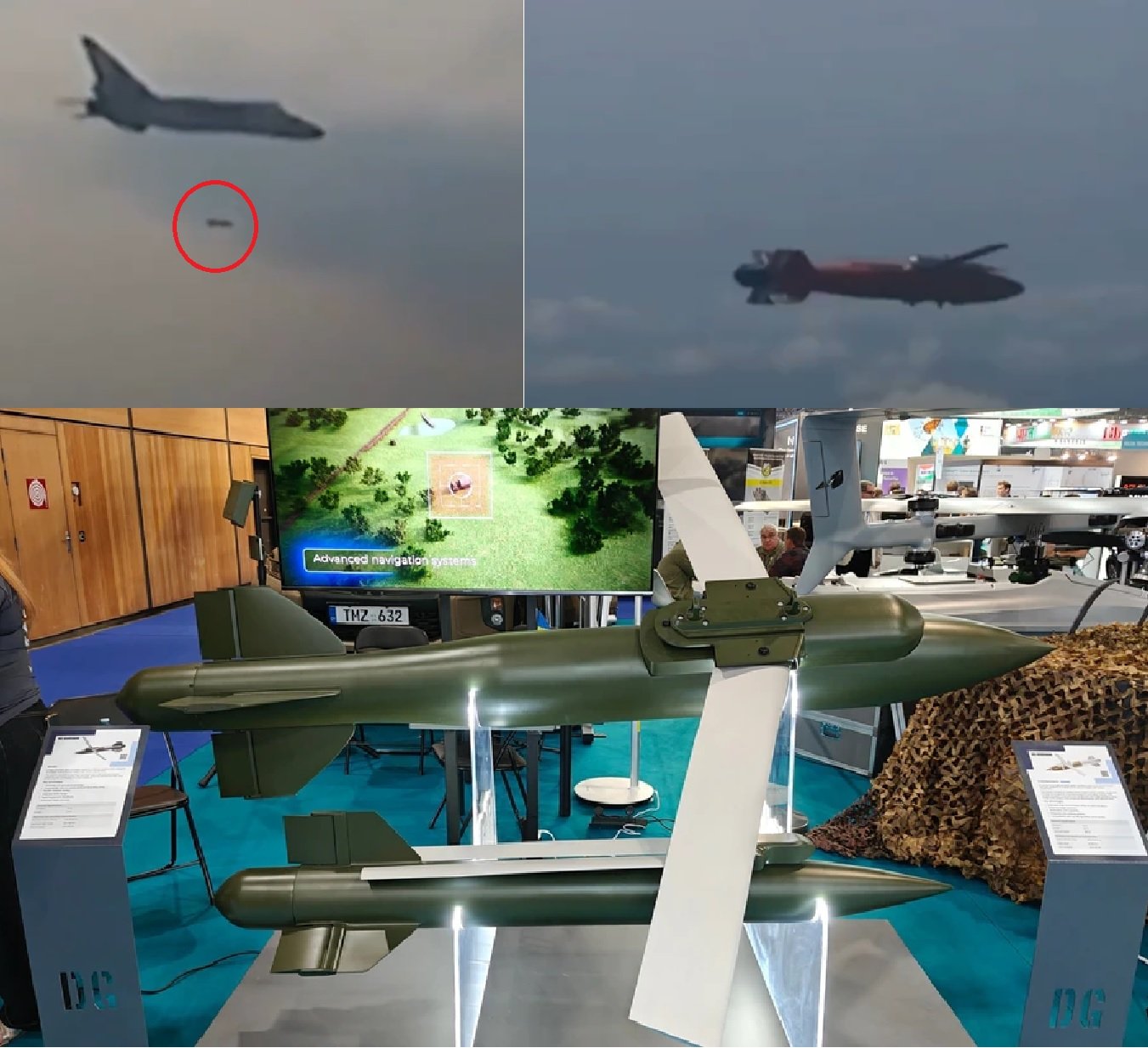 Ukraine Begins Procurement of Vyrivniuvach Guided Aerial Bomb
-
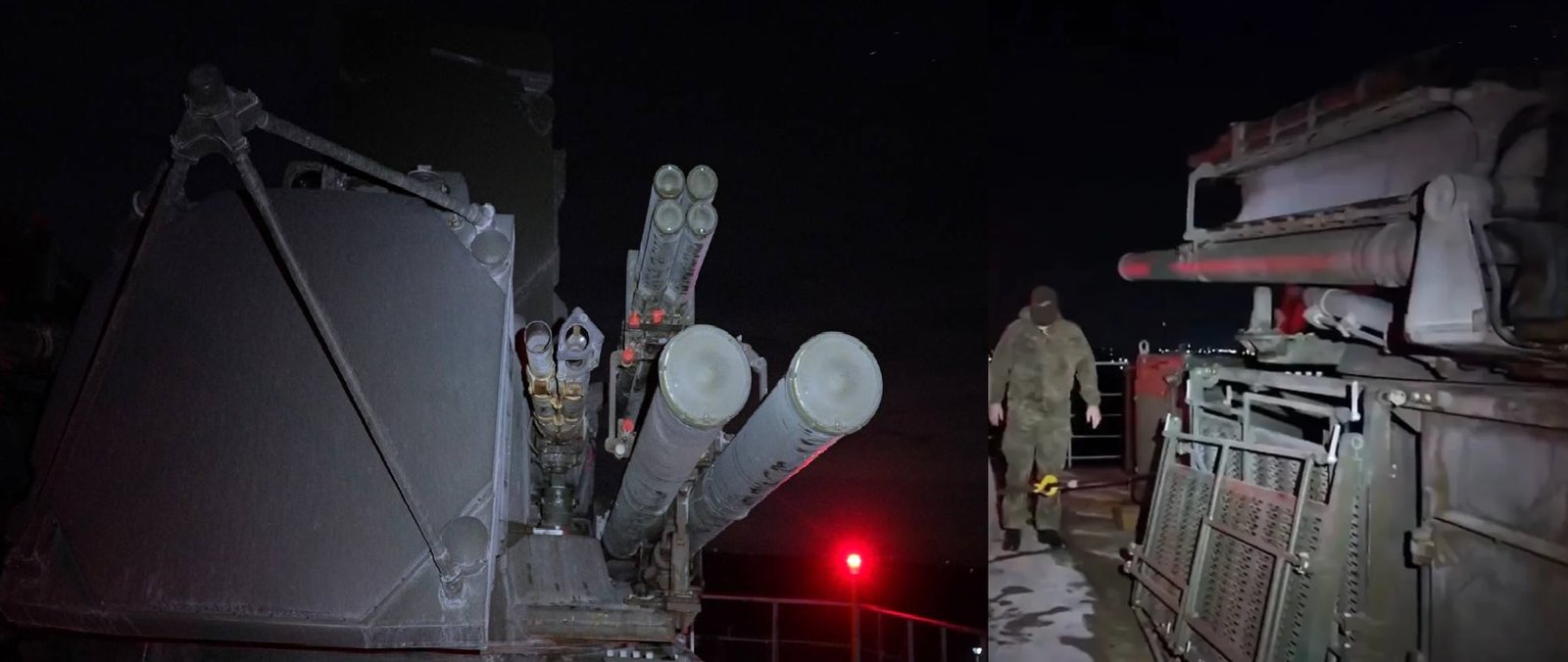 Russia Expands Moscow’s Anti-Drone Defense Network With Specialized 35-Meter Towers for Pantsir Systems
-
 U.S. Air Force Selects GE-Kratos F143 Engine as Second Engine Source for JASSM Missile
-
 Russia Develops 'Martian' Camera-Based Navigation Independent of GPS and Radio Signals for Drones
-
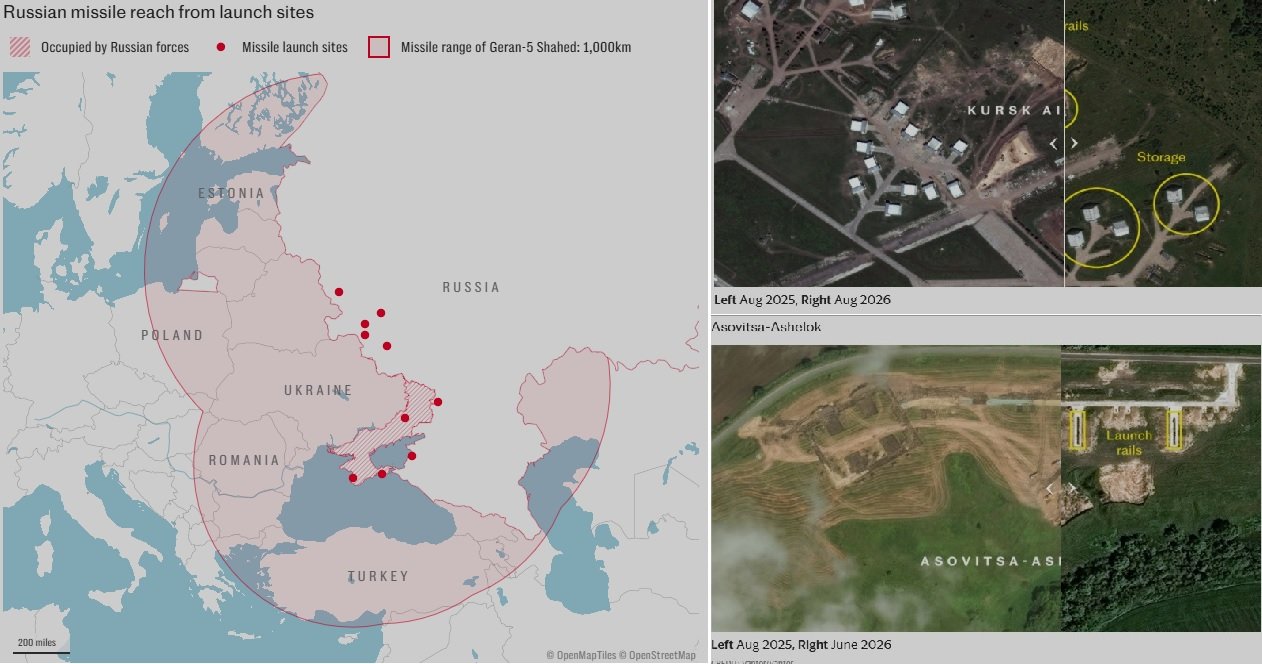 Russia Expands Drone Launch Network Near Ukraine and Belarus Borders, Putting NATO Territory Within Range
-
 Russia Warns UK of ‘Consequences’ Over British Drones Used by Ukraine in Strikes on Russian Territory
