
India
India has taken a tough and determined stance in the aftermath of the recent deadly terrorist attack near Pahalgam in Jammu and Kashmir. With at least 26 civilians killed in what officials say was a premeditated, religiously targeted strike, the Indian government has begun recalibrating both its diplomatic posture and its military preparedness toward Pakistan. The message is clear — the line has been crossed, and India will not tolerate terrorism sponsored or supported from across the border. In the immediate wake of the attack, the Cabinet Committee on Security (CCS) convened to assess the situation. One of the most striking decisions was to put the Indus Waters Treaty on hold. This 64-year-old agreement, which has historically survived wars and diplomatic breakdowns, regulates water-sharing between India and Pakistan. Halting its implementation marks a significant diplomatic rupture and a warning that even long-standing arrangements are not immune if terrorism persists. Foreign Secretary Vikram Misri also outlined several sweeping steps to downgrade diplomatic ties. The number of staff at the Pakistani High Commission in New Delhi will be nearly halved, with military attachés – from the army, navy, and air force – declared persona non grata and given a week to leave. India, in turn, will withdraw its own defence advisers from Pakistan. All visas issued to Pakistani nationals have been cancelled, and the Attari-Wagah border crossing has been sealed. Pakistanis currently in India have been given 48 hours to exit the country. Defence Minister Rajnath Singh underscored that India will not sit quietly in the face of such aggression. Promising a decisive response, Singh made it clear that not just the attackers but also their handlers and conspirators—whether operating openly or behind the scenes—will face consequences. Intelligence reports suggest that the attack involved Pakistani nationals and local recruits trained in camps across the border, reinforcing suspicions of cross-border orchestration. Among the options being weighed is a recalibration of military engagement along the Line of Control (LoC). This could include suspension of the current ceasefire agreement, which has largely held since 2021, in order to target terror launch pads and infiltration routes. Other potential measures include precise military strikes on terrorist leadership and infrastructure in Pakistan-administered areas — actions similar to the surgical strikes following the Uri attack in 2016 and the Balakot airstrikes after Pulwama in 2019. This time, Indian officials are reportedly considering even bolder options, including direct targeting of the leadership and headquarters of groups like Lashkar-e-Taiba (LeT), which is suspected to be behind the Pahalgam attack. Back in 2019, a similar option to strike the LeT’s Bahawalpur headquarters was discussed but not executed due to fears of civilian casualties. However, given the scale and symbolism of this attack—targeting unarmed tourists—there is growing support for a stronger show of force. India’s military capabilities have also significantly improved since 2019. The induction of Rafale fighter jets armed with long-range SCALP missiles, the deployment of the S-400 air defence system, and new stand-off weapons like loitering munitions provide greater precision and depth for any potential military action. These assets allow India to strike terrorist infrastructure deep inside enemy territory without crossing into Pakistani airspace, reducing the risk of escalation. While India has taken the diplomatic high road for years, this attack appears to have shifted the balance toward more assertive action. Officials have confirmed that intelligence intercepts are being analysed to identify the full chain of command behind the attack. Evidence of direct cross-border involvement is mounting, and a large-scale security operation is already underway in Kashmir to eliminate any remaining threats. In the coming days, an all-party meeting is expected to be held, reflecting the seriousness with which the Indian government views this attack. National consensus is being sought not just to punish the perpetrators but to send a broader message — that attacks on Indian civilians will provoke a response at every level: military, diplomatic, and strategic. India's response to the Pahalgam massacre signals a broader shift in policy — from strategic restraint to strategic assertion. With diplomacy scaled down and military options openly on the table, the country appears ready to confront state-sponsored terrorism with the full spectrum of its national power.
Read More → Posted on 2025-04-24 14:47:09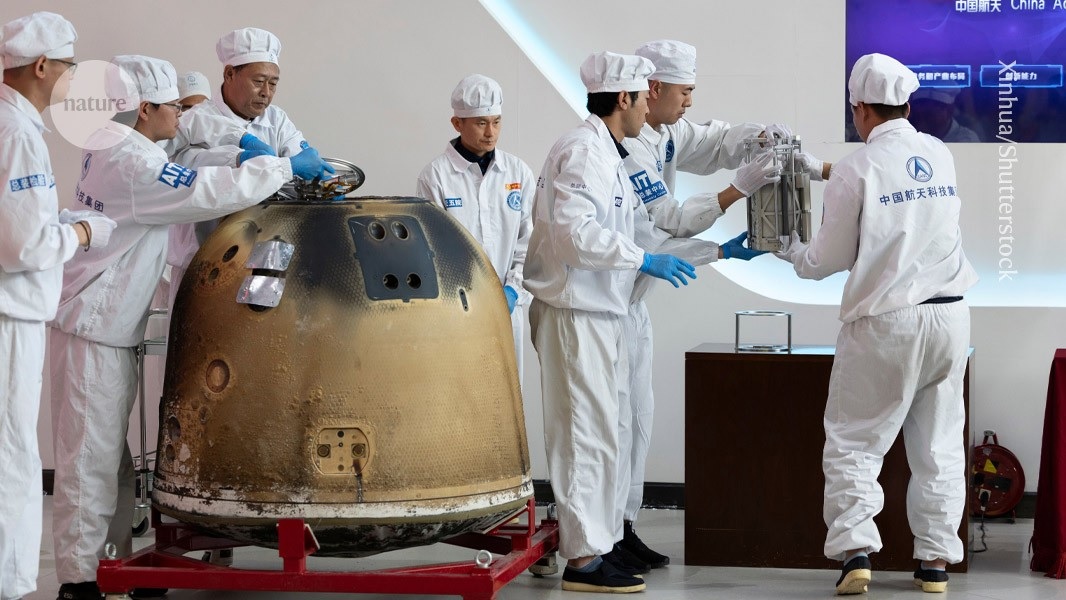
World
In a historic first, American scientists have been granted access to moon rocks brought back by China’s Chang’e-5 mission, marking a rare moment of scientific cooperation between the United States and China despite ongoing political and technological tensions. The China National Space Administration (CNSA) has agreed to lend samples from its 2020 lunar mission to Brown University in Rhode Island and Stony Brook University in New York. This decision required special clearance from the US Congress, since both universities had previously received NASA funding and needed approval to collaborate with the Chinese space agency. The samples were collected from the Ocean of Storms, a vast lunar region on the moon’s near side. The Chang’e-5 mission successfully returned to Earth with approximately 1.73 kilograms of lunar material—significantly younger than the samples collected during past missions by NASA’s Apollo program or the former Soviet Union. Some of these rocks are estimated to be around a billion years younger, offering scientists a new window into the moon’s volcanic history and geologic evolution. Chinese researchers have already uncovered remarkable insights from the samples, including evidence suggesting volcanic activity on the moon as recently as 120 million years ago—much more recent than previously believed. In total, the CNSA received requests from 11 countries to study the moon rocks. Alongside the US institutions, China approved requests from universities and research agencies in Germany, Japan, the United Kingdom, France, and Pakistan. These include the University of Cologne, Osaka University, the Open University, the Paris Institute of Planetary Physics, and Pakistan’s national space agency SUPARCO. The decision to share these samples reflects China’s stated commitment to international cooperation in space exploration. The CNSA emphasized its principles of peaceful use, mutual benefit, and scientific collaboration, expressing hope that shared research would benefit all of humanity by expanding our understanding of the moon and the broader solar system. While China has opened its lunar treasure to the world, efforts to secure reciprocal access to American lunar materials appear to have stalled. Although talks have reportedly taken place for Chinese researchers to study Apollo-era samples, the US has yet to respond formally to such requests. Still, this gesture from China stands as a notable example of how space exploration continues to transcend political boundaries and foster global scientific discovery. With new data expected from regions of the moon never before studied by American scientists, the research could yield breakthroughs in understanding the moon’s geologic past—and potentially, its future use in human exploration.
Read More → Posted on 2025-04-24 14:28:57
India
The Organisation for Joint Armament Cooperation (OCCAR) has announced a major milestone in naval mine warfare technology with the successful live trial of a sea mine neutralisation system. The trial, conducted using Saab’s advanced remotely operated vehicle (ROV) equipped with live explosive charges, marks a significant step forward for the Maritime Mine Counter Measures (MMCM) programme — an ambitious joint initiative by France and the United Kingdom. About the Successful Trial The live demonstration took place at the FMV test facility in Motala, Sweden, where a mock-up naval mine was safely neutralised in a controlled but realistic operational environment. The exercise was designed to demonstrate the capabilities of the Mine Neutralisation System (MNS), a crucial part of the broader MMCM system. In this test, Saab’s ROV precisely placed live ammunition next to the mock mine, fully following the unmanned operational concept envisioned for the MMCM. Notably, this was the first time live ammunition had been deployed in such a scenario, and its successful use confirmed the operational readiness of the system. This achievement follows a series of critical development milestones reached on 25 March, including the Critical Design Review (CDR) and the Test Readiness Review (TRR). With these accomplished, the MMCM programme has now progressed into its qualification phase, edging closer to operational deployment with the French and British navies. How the Mine Neutralisation System Works At the core of this system is Saab’s MuMNS (Multi-Shot Mine Neutralisation System). MuMNS is an advanced tethered ROV, designed to detect, identify, and neutralise underwater mines while keeping naval personnel and larger vessels at a safe distance. The system operates from an unmanned surface vessel (USV), which houses a sophisticated launch and recovery system. The MuMNS itself is connected via a cable to the USV, which provides both control and power. A key feature of MuMNS is its onboard Mine Disposal Magazine, capable of carrying three cylindrical containers. Each container holds a powerful combat charge, allowing the ROV to neutralise up to three separate threats in a single mission without the need to return for reloading. This ability drastically improves mission efficiency and reduces operational costs. Specifications of the Neutralisation System ROV Type: MuMNS (Multi-Shot Mine Neutralisation System) Deployment Platform: Unmanned Surface Vessel (USV) with integrated launch and recovery system Connection: Tethered (for control and power) Mine Disposal Magazine Capacity: 3 x cylindrical containers (combat charges) Combat Charge Type: Shaped charge warhead, capable of destroying various types of underwater mines Deployment Method: Telescopic manipulator arm with integrated lighting for precision placement Detonation Modes: Remote detonation via acoustic signal Pre-programmed delayed detonation for operational safety Operational Environment: Shallow and deepwater naval zones Why This Matters Naval mines remain one of the most effective and dangerous threats in maritime warfare, capable of closing off vital sea lanes and endangering military and commercial ships alike. Traditional mine countermeasure operations involve significant risk to human divers and manned vessels. With the introduction of autonomous and remotely operated mine neutralisation systems like MuMNS, navies can now handle such threats more safely and efficiently. This trial not only showcased the advanced technical capabilities of Saab’s technology but also highlighted the operational advantages of unmanned systems in modern naval warfare. The MMCM programme, once fully deployed, will make the French and British navies among the first in the world to field a fully autonomous mine countermeasure capability — a crucial advantage in maintaining safe and secure sea lanes in contested waters.
Read More → Posted on 2025-04-24 14:21:43
India
India is preparing to significantly strengthen its space-based surveillance and national security capabilities by adding between 100 and 150 new satellites over the next three years. This major step, announced by ISRO Chairman V. Narayanan, is aimed at giving India complete satellite coverage of its territory—especially along its borders and vast coastlines. At present, India has around 55 operational satellites. While these serve a variety of purposes including communication, weather forecasting, and navigation, the number is still not enough for a country with such a large landmass and a 7,500-kilometer-long coastline. With increased challenges related to border security and maritime threats, the need for more advanced and widespread satellite monitoring has become urgent. According to Narayanan, the expansion is a direct response to the growing demand for improved safety and surveillance, especially after recent incidents like the terrorist attack in Pahalgam, Kashmir. He explained that the additional satellites will allow India to monitor its territory in real-time, helping authorities quickly detect and respond to any threats or suspicious movements. This satellite growth plan is closely tied to the recent reforms in India’s space sector. Under Prime Minister Narendra Modi's leadership, the space sector has been opened up to private companies, allowing them to partner with ISRO in designing and launching satellites and rockets. This partnership is expected to speed up satellite production and launch timelines, as well as bring in new innovations. Narayanan highlighted that ISRO is ready to guide private players as they enter the field, with the goal of creating a vibrant, self-reliant ecosystem. “Through space sector reforms, we can bring in private players to build satellites and we can handhold them,” he said. “In three years, we will be adding another 100–150 satellites. With all those satellites, we can monitor the country completely.” Beyond security-related initiatives, ISRO is also working on other advanced technologies. Recently, it carried out its second successful satellite docking under the SpaDeX mission, an important step towards future space station operations. The agency is also building a new satellite focused on studying climate change, with plans for international collaboration involving G20 countries. This large-scale satellite expansion reflects India’s broader vision for its space program, which is becoming increasingly important to the country’s strategic, economic, and technological progress. As private companies join hands with ISRO, India’s space capabilities are expected to reach new heights, strengthening not just national security but also global cooperation in space.
Read More → Posted on 2025-04-24 14:18:47
India
India’s Defence Research and Development Organisation (DRDO) is quietly moving forward in one of the most advanced and game-changing areas of modern military technology — hypersonic weapons. The latest and most talked-about project in this space is the Dhvani Hypersonic Glide Vehicle (HGV), a system poised to potentially double the range of India’s existing longest-range missile, the Agni-V. What is the Dhvani Hypersonic Glide Vehicle? The Dhvani HGV is a next-generation missile system designed to travel at hypersonic speeds — over Mach 5, or more than 6,100 kilometres per hour. Unlike traditional ballistic missiles, which follow a predictable curved path, hypersonic glide vehicles can manoeuvre mid-flight, making them extremely difficult to detect, track, and intercept. Recently, a full-scale model of the Dhvani was publicly displayed, offering a rare glimpse into this highly secretive program. The model measures around 9 meters in length and 2.5 meters in width, hinting at the scale and ambition of this project. How Does It Work? The Dhvani isn’t a missile in the conventional sense. Instead, it works in two stages: A powerful booster rocket launches the HGV into the upper atmosphere. Once at the desired altitude, the glide vehicle detaches and races toward its target at hypersonic speeds, following an unpredictable path. This unpredictable glide phase is what gives hypersonic systems their edge over existing missile defence networks, which rely on predicting a missile’s trajectory. Why Is It Special? The biggest headline is Dhvani’s potential range of 6,000 to 10,000 kilometres — a significant leap from the 5,500 km range of India’s Agni-V intercontinental ballistic missile (ICBM). This means Dhvani could bring nearly all of Asia, Europe, and even parts of North America within India’s strategic reach. The impressive range comes from a combination of an initial high-altitude boost and an extended hypersonic glide phase. Thanks to its blended wing body shape — an advanced aerodynamic design — Dhvani can achieve better lift-to-drag ratios, enhancing both its speed and range. Specifications at a Glance (Estimated) Length: Approx. 9 meters Width: Approx. 2.5 meters Speed: Hypersonic (Mach 5 and above) Range: 6,000 to 10,000 kilometres Design: Blended wing body with high lift and manoeuvrability Launch System: Booster rocket + Hypersonic Glide Vehicle Role: Strategic deterrence, long-range strike capability Why Is It Important for India? If Dhvani achieves operational status with its intended range, it would place India among an elite group of nations with true intercontinental hypersonic capabilities. This would not only strengthen India’s strategic deterrence posture but also enhance its global power projection potential. Such weapons could deliver conventional or strategic payloads quickly and precisely, giving India rapid-response options in a crisis while ensuring that any potential adversary faces a credible, difficult-to-defend-against deterrent. India has already made strides in hypersonic technology with successful tests of its Hypersonic Technology Demonstrator Vehicle (HSTDV). The Dhvani represents the next phase of this effort — moving from demonstration to a full-fledged operational weapon system. While exact timelines remain confidential, the display of a full-scale model suggests that DRDO’s work on Dhvani is progressing steadily. Once fully developed, Dhvani could mark a major milestone in India’s defence modernization journey, securing its place in the strategic hypersonic club alongside the US, Russia, and China.
Read More → Posted on 2025-04-24 14:15:59
World
A Texas-based biotech company, Maxwell Biosciences, has partnered with the US Navy to test a new solution that could help reduce one of the most common yet underestimated health threats to military personnel—diarrhea. The initiative aims to support the health and readiness of warfighters by using an advanced synthetic drug known as Claromers. The drug will be tested in vitro, meaning it will be studied in a controlled laboratory environment. Claromers are made of synthetic molecules called oligomers that mimic how the human body naturally defends itself against fast-changing viruses and bacteria. These molecules are designed to target and neutralize harmful pathogens quickly, helping to both prevent and treat diarrhea. Military personnel often face tough environments where food and water may be contaminated. A single case of diarrhea can leave a soldier unfit for duty for several days, disrupting not just individual performance but also the mission of the entire unit. What’s more, some soldiers develop long-term complications like irritable bowel syndrome or reactive arthritis even after the infection is gone. According to Maxwell Biosciences, around 80% of diarrhea cases in the military currently require treatment with antibiotics or intravenous fluids. However, with growing antibiotic resistance, these traditional treatments are becoming less effective. That’s where Claromers might make a difference—offering an alternative that doesn’t rely on standard antibiotics. During Operation Iraqi Freedom, 76 troops reportedly suffered from diarrheal episodes, highlighting just how widespread the problem can be. Today, diarrhea ranks higher than respiratory illnesses and physical injuries among non-combat medical issues affecting deployed troops. Maxwell Biosciences CEO Scotch McClure emphasized the larger mission behind the drug testing. “This partnership isn’t just about stopping pathogens; it’s about keeping our forces mission-ready and preventing critical situations from going down the drain,” he said. “With Claromers, we’re determined to flush out antibiotic resistance and ensure troops aren’t bogged down by debilitating illnesses.” If the testing proves successful, the treatment could provide the military with a powerful new tool to protect its personnel from a condition that continues to quietly weaken its ranks.
Read More → Posted on 2025-04-24 14:12:10
India
In a deeply heartbreaking incident that has shaken the nation, an Intelligence Bureau (IB) officer from Hyderabad, Manish Ranjan, was killed in a terrorist attack in Jammu and Kashmir’s Pahalgam area. The tragedy unfolded in front of his wife and children during a family vacation, leaving the country in shock and mourning. Manish Ranjan, originally from Bihar and posted in the ministerial section of the IB office in Hyderabad, was on a Leave Travel Concession (LTC) trip with his family. The family was visiting Baisaran Valley in Pahalgam, often called “Mini Switzerland” for its scenic beauty, when armed terrorists opened fire, targeting innocent tourists. Eyewitnesses described a sudden and brutal assault that turned a peaceful day into chaos. Among those targeted was Ranjan, who was shot dead in front of his loved ones. The emotional trauma and horror experienced by his family are beyond words. The attack did not just claim one life. Reports indicate that a total of 27 tourists lost their lives, and around 20 others were injured in the ambush. The sudden violence in such a serene tourist destination has triggered widespread outrage and renewed concern over the security situation in the region. The incident has drawn strong condemnation from across the political spectrum. Telangana Chief Minister A. Revanth Reddy expressed shock over the brutal act and said that cowardly terrorist attacks can never shake the spirit of the Indian people. He urged the Union government to take the strongest possible action against the perpetrators and prayed for peace for the souls of those killed. Andhra Pradesh Chief Minister N. Chandrababu Naidu also denounced the attack, calling it a senseless act of violence. He extended his condolences to the grieving families and wished a speedy recovery for those who were injured. Deputy Chief Minister of Andhra Pradesh and Jana Sena leader Pawan Kalyan was equally firm in his condemnation. He called the deaths of the innocent tourists a horrible tragedy and emphasized the importance of tighter security and better coordination between the Jammu and Kashmir government and the Central forces. Stressing that terrorism remains a grave concern despite continuous efforts by the Union government, he called for decisive action to protect citizens and tourists alike. K.T. Rama Rao, Working President of the Bharat Rashtra Samithi (BRS), also expressed deep sadness and urged the Indian government to deliver justice to the victims' families. He called the incident a cowardly act that demands a strong and unwavering response. The nation has been left grappling with grief, especially over the death of an officer who dedicated his life to national service. Manish Ranjan’s death, in such tragic circumstances, stands as a painful reminder of the ongoing threat posed by terrorism, even in places meant for peace and leisure. As investigations continue and security forces tighten their grip in the region, citizens across India are united in solidarity with the victims and their families. The call for justice is loud and clear — this brutal violence must not go unanswered.
Read More → Posted on 2025-04-23 16:34:19
World
Saronic, a leading innovator in autonomous maritime technology, has officially introduced two new additions to its family of Autonomous Surface Vessels (ASVs): the 40-foot Mirage and the 60-foot Cipher. These two advanced platforms are designed to meet the growing demands of modern naval and commercial operations, offering longer range, higher carrying capacities, and adaptable mission capabilities. The announcement marks an important step in expanding Saronic’s existing lineup, which already includes the compact Spyglass (6-foot), agile Cutlass (14-foot), versatile Corsair (24-foot), and the recently launched medium unmanned surface vessel, Marauder. Designed for a New Era of Maritime Operations Both the Mirage and Cipher have been created to address a broad range of mission profiles for the U.S. Navy, allied forces, and the commercial maritime sector. From logistics and reconnaissance to security operations and port management, these vessels are built to be versatile and reliable in complex environments. Saronic’s CEO, Dino Mavrookas, emphasized the importance of rapidly adopting autonomous maritime technologies. He stated that the future of maritime security and operational dominance relies on developing a wide range of ASVs, varying from small, agile crafts to larger, mission-ready vessels like Mirage and Cipher. Detailed Specifications: Mirage and Cipher Let’s take a closer look at what these two new platforms offer: Saronic Mirage Length: 40 feet Range: Over 2,000 nautical miles Carrying Capacity: 2,000 pounds Key Feature: Double the range and payload capacity of the previous Corsair model, making it ideal for long-duration surveillance, logistics support, and maritime security missions. Saronic Cipher Length: 60 feet Range: Over 3,000 nautical miles Carrying Capacity: 10,000 pounds Key Feature: The most capable ASV in Saronic’s small vessel line-up to date, offering a major leap in payload and operational endurance. Both platforms are built around a modular, open software architecture which allows easy integration of new sensors, weapons, and payloads without reworking the core systems. This flexibility ensures that Mirage and Cipher can be quickly adapted for new mission requirements or emerging technologies. Built with Seamless Autonomy and Scalability Mirage and Cipher, like their predecessors, will be developed using Saronic’s vertically integrated approach. This means all hardware, software, and autonomy systems are designed in-house to function seamlessly together. Every new model inherits proven capabilities and reliability from earlier ASV developments, ensuring operational consistency across the fleet. The new vessels will also be produced with scalable manufacturing in mind. Saronic has streamlined its production workflows and assembly processes, making it possible to rapidly build and deploy large numbers of ASVs as operational demands grow. A Complete Autonomous Fleet for the Future With the introduction of Mirage and Cipher, Saronic now offers a full spectrum of unmanned maritime platforms suitable for every type of mission — from small, agile reconnaissance units to medium and large ASVs capable of long-range, high-payload operations. These new additions will play a vital role in future maritime strategies, providing nations and commercial operators with intelligent, autonomous, and adaptable tools to secure waterways, support logistics, and conduct vital surveillance in both peacetime and contested environments. Saronic’s commitment to autonomous innovation is clear, and with the Mirage and Cipher, the company takes another confident step toward reshaping the future of naval and commercial maritime operations.
Read More → Posted on 2025-04-23 16:22:04
World
Ireland is preparing to take a major step in strengthening its national security with the introduction of its first primary military radar system designed to detect aircraft built to avoid traditional detection methods — including those equipped with advanced stealth technology. This modern defense capability is expected to enhance Ireland’s ability to monitor and protect its airspace, particularly at a time when global and regional security challenges are on the rise. Defense Minister Simon Harris confirmed that the new radar system is scheduled for rollout in 2026. He highlighted the importance of this move, explaining that it would significantly improve the Irish military’s ability to detect not only stealth aircraft but also planes that might be hijacked or deliberately flying without transponders — a common method used by smugglers and other illicit groups. At present, Ireland does not have the capability to independently monitor such airborne threats in its airspace. The installation of this new system will fill that critical gap, ensuring early detection and real-time tracking of any suspicious or hostile aircraft operating within or near Irish-controlled skies. Why This Radar Matters The decision to deploy a primary radar system first surfaced in 2022, following a recommendation from Ireland’s Commission on the Defence Forces. This was part of a broader plan to modernize the country’s defense infrastructure, ensuring it keeps pace with modern threats and integrates smoothly with existing military resources. Although Ireland is not considered a direct target in current global conflicts, government officials have repeatedly stressed the importance of enhancing national security, given the changing geopolitical landscape. Defense Minister Harris remarked that in today's unpredictable security environment, no nation, including Ireland, is completely shielded from potential threats. Radar System Specifications and Features While the exact model of the radar system has not been publicly disclosed, some general details about its expected capabilities are known: Primary Surveillance Radar (PSR): Unlike secondary radar systems, which rely on signals from aircraft transponders, this radar will actively scan the skies for any object, including those with transponders turned off or stealth-designed aircraft that attempt to avoid detection. Stealth Detection Capability: The system will be equipped with advanced signal processing technology to detect low-observable (stealth) aircraft, which use special shapes and materials to reduce their radar cross-section (RCS). Long-Range Coverage: The radar is expected to cover both Irish sovereign airspace and parts of its surrounding air control zone, providing early warning for unidentified or unauthorized aerial activity. Integration Ready: It will be designed to connect seamlessly with Ireland’s broader air defense and civil aviation monitoring systems, enabling quicker responses and coordinated action if necessary. Operational Timeline: The radar system is projected to be installed by 2026 and fully operational by 2028. A Timely Move for a Changing World This radar installation marks a vital step in Ireland's ongoing efforts to bolster its defense readiness. In recent years, the importance of national airspace monitoring has become increasingly clear, especially as new stealth aircraft and unmanned aerial vehicles (UAVs) enter global military arsenals. The development also comes as many European nations upgrade their early warning and air defense capabilities, given the unpredictable security situation in regions like Eastern Europe and the North Atlantic. Once operational, this new radar will stand as one of Ireland’s most important national security assets — providing a modern shield over Irish skies and ensuring that the nation is better prepared to face future challenges.
Read More → Posted on 2025-04-23 16:18:01
India
In the aftermath of the horrific terror attack in Pahalgam that left 26 civilians dead and several injured, security forces have released photographs and sketches of the suspected attackers. This step is aimed at intensifying the search and seeking public assistance in identifying and locating the culprits. The attack, which took place at Baisaran meadow — a popular tourist spot located just 6 kilometers from Pahalgam town — was carried out with ruthless precision. According to officials, at least five to six terrorists, wearing a mix of camouflage clothing and traditional kurta-pyjamas, emerged from the surrounding dense pine forests and opened indiscriminate fire on tourists using AK-47 rifles. The main suspects behind this brutal act have been identified as Asif Fuji, Suleman Shah, and Abu Talha. These terrorists are believed to be associated with The Resistance Front (TRF), a shadow outfit of the banned Lashkar-e-Taiba (LeT) group. Intelligence inputs suggest that several members of the group, including foreign terrorists from Pakistan, infiltrated the Kashmir Valley just days before the incident. Investigations have revealed that the attack was not just spontaneous violence but a well-coordinated and pre-planned assault. Intelligence agencies have identified Saifullah Kasuri, also known as Khalid — a top LeT commander — as the mastermind behind the massacre. Forensic teams and survivor testimonies have pointed to the use of advanced military-grade weapons and sophisticated communication devices. Shockingly, the attackers also wore body cameras and helmet-mounted recorders, indicating that the entire event was likely recorded. Such a level of preparation clearly shows the involvement of trained handlers and external logistical support, rather than local, untrained radicals. To support their operation, the terrorists had brought along dry fruits and medicines, ensuring they could stay hidden in the rugged forest terrain for extended periods. There are also indications that the attackers conducted a detailed recce of the area prior to the attack, with assistance from a few local residents. Eyewitnesses reported that two of the attackers spoke in Pashto, a language commonly spoken in Pakistan, suggesting their foreign origin. The other two, identified as Adil and Asif, are believed to be local recruits from Bijbhera and Tral, adding another dimension to the terror network’s local reach. Security agencies have launched a large-scale anti-terror operation, using helicopters to scan the mountainous and forested terrain around Pahalgam. Meanwhile, digital trails of the terrorists have been traced back to known safe houses in Muzaffarabad and Karachi, strengthening the evidence of cross-border involvement. As the search intensifies and sketches of the accused circulate, authorities are urging the public to stay alert and report any suspicious activity. The incident has once again brought to light the persistent threat of terrorism in the region and the need for constant vigilance and cooperation to ensure the safety of civilians.
Read More → Posted on 2025-04-23 15:56:19
World
Boeing has made a major move to streamline its operations and strengthen its financial position by selling parts of its Digital Aviation Solutions business to Thoma Bravo, a private equity firm specializing in software investments. The all-cash deal is valued at $10.55 billion and marks one of the most significant transactions in the aerospace industry’s digital space. The sale includes several high-profile digital assets such as Jeppesen, ForeFlight, AerData, and OzRunways. These companies are well-known for their aviation software, navigation tools, and data services that support flight planning and operations across the globe. Despite the sale, Boeing will keep core digital functions that are essential to maintaining and repairing aircraft for both commercial airlines and defense clients. These retained capabilities will continue to provide advanced diagnostic and predictive maintenance tools, helping keep fleets running smoothly. Boeing’s top leadership emphasized that this decision is part of a broader effort to focus on core areas, reduce debt, and maintain its strong credit rating. Kelly Ortberg, Boeing's president and CEO, explained that the deal aligns with the company’s long-term strategy and financial goals. Meanwhile, Chris Raymond, CEO of Boeing Global Services, pointed out that this separation allows both Boeing and the sold digital units to better focus on their respective strengths. For Thoma Bravo, the acquisition represents a strategic move into aviation technology. The firm expressed enthusiasm about the legacy and innovation that come with the acquired businesses. Jeppesen, for example, has been a pioneer in aviation data and software since the 1930s. Thoma Bravo plans to invest in these platforms and support their continued growth as standalone entities. Both Holden Spaht and Scott Crabill, managing partners at Thoma Bravo, praised the acquired business units for their strong recent growth and future potential. They committed to working closely with existing management to expand the business through strategic investments and a continued focus on innovation. Boeing's Digital Aviation Solutions division currently employs about 3,900 people. The company is coordinating closely with Thoma Bravo to ensure a smooth transition for both employees and customers, aiming to maintain operational stability during and after the ownership change. This deal highlights Boeing's strategic shift toward core manufacturing and support services, while allowing a leading technology investor to build on the digital aviation capabilities that have helped shape the industry for decades.
Read More → Posted on 2025-04-23 15:53:54
World
After nearly a year in dry dock, the US Navy's nuclear-powered attack submarine USS Toledo (SSN 769) is back in action. The submarine has completed an intensive eleven-month engineering overhaul at the Norfolk Naval Shipyard (NNSY) in Portsmouth, Virginia, aimed at extending its operational life and enhancing its capabilities for future missions. The overhaul was far more than routine maintenance—it was a full-scale modernization effort. Key upgrades included installing new mast and periscope systems and conducting comprehensive engine room tests. The work was part of the Navy’s Shipyard Infrastructure Optimization Program, which is designed to ensure that shipyards can efficiently handle the evolving needs of the nuclear fleet. The project brought together a team of 50 skilled employees from various shipyard production shops, working closely with the submarine’s crew and outside contractors. Their coordinated efforts ensured that the submarine received the attention it needed to return to peak condition. NNSY Commander Captain Jip Mosman praised the team’s dedication, comparing the complex overhaul process to running a marathon and acknowledging the collective effort required to reach the finish line. USS Toledo is one of 20 active Los Angeles-class submarines in the US Navy fleet. These submarines are known for their stealth, speed, and versatility, making them critical assets in both peacetime operations and combat missions. Toledo first entered service in 1997 and has since built a strong record of deployments, including drug interdiction operations in the Caribbean and intelligence-gathering missions during the Afghanistan War. In more recent years, the vessel has made port visits in strategic locations such as Bahrain, Norway, and Scotland. The crew’s commitment and performance earned them the prestigious Navy Unit Commendation in 2020 for an eight-month deployment focused on intelligence collection. The submarine is a technological powerhouse, weighing over 6,000 tons and capable of reaching submerged speeds exceeding 34.5 miles (55.5 kilometers) per hour. Its propulsion system includes an S6G pressurized water reactor, steam turbines, and a backup 325-horsepower propulsion motor—giving it both power and agility beneath the waves. Now refurbished and modernized, the USS Toledo is once again ready to serve the fleet, equipped for the challenges of modern naval operations. Its return strengthens the Navy's ability to project power, gather intelligence, and maintain a strong underwater presence across the globe.
Read More → Posted on 2025-04-23 15:51:02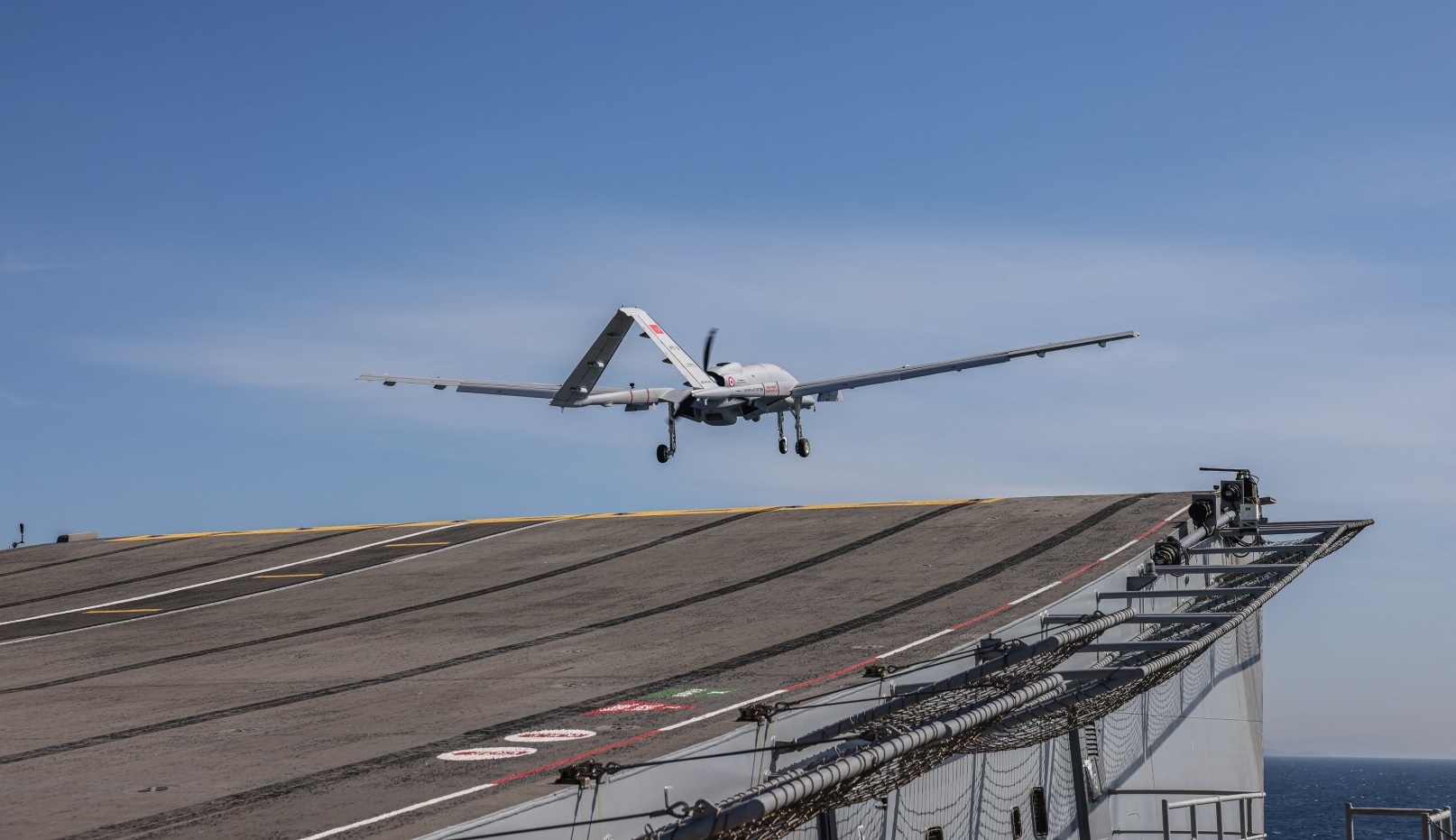
World
Türkiye’s ambitious unmanned combat aerial vehicle (UCAV) program has crossed another major milestone. The Bayraktar TB3, an advanced drone developed by Turkish defence company Baykar, has successfully completed four fully autonomous take-offs and landings from the deck of TCG Anadolu, the country’s largest warship. This significant achievement took place on 22 April 2025 in the Gulf of Saros. What made this test special was that all four sorties were completed without the support of any landing assistance systems. The final flight was carried out during sunset, showcasing the drone’s capability to operate in challenging light conditions. Baykar confirmed that in-house artificial intelligence (AI) algorithms played a key role in guiding the autonomous operations. A Record of Continuous Achievements The Bayraktar TB3 has been actively undergoing ship-based trials since late 2024. It made history on 19 November 2024, when it became the first UCAV in aviation history to perform take-offs and landings from a short-runway vessel. This remarkable feat took place off the coast of Aksaz, Muğla, and was quickly followed by further successful sorties on 26 November 2024. By now, the Bayraktar TB3 has clocked up a total of 1,016 hours and 42 minutes of flight time. A major part of this was achieved during a record-breaking 32-hour non-stop endurance flight on 20 December 2023, covering an impressive 5,700 kilometres. Combat-Ready Capabilities Not just a test platform, the TB3 has also proven its combat potential. On 25 and 27 March 2025, it took part in live-fire trials, launching Roketsan’s UAV-122 supersonic missiles. In one of these tests, the drone successfully hit a camouflaged naval target measuring 6×6 metres using low-altitude, beyond-line-of-sight targeting. This strike was coordinated with a Bayraktar TB2, highlighting the advantage of combined unmanned operations. Technical Specifications of Bayraktar TB3 Specification Details Wingspan 14 metres (foldable wings for naval storage) Maximum Take-off Weight 1,450 kg Payload Capacity 280 kg Endurance Over 24 hours Operational Ceiling 36,310 feet (achieved during June 2024 test) Engine PD-170 turbodiesel engine (indigenous) Armament Options Roketsan’s MAM series, UAV-122 missiles Sensors ASELSAN ASELFLIR-500 electro-optical system In addition to its foldable wings for easy storage aboard ships like the TCG Anadolu, the TB3 carries an advanced ASELFLIR-500 targeting system. Integrated during a test flight on 26 March 2024, this system is claimed to deliver world-class performance in target detection and tracking. A New Strategic Asset for Türkiye The Bayraktar TB3 is designed to serve as a force multiplier for the Turkish Navy, capable of conducting long-range reconnaissance, surveillance, and precision strike missions. Thanks to its ability to operate from naval platforms, Türkiye will be able to extend its unmanned air power far beyond its shores. All of Baykar’s projects, including the TB3, are entirely self-funded. Since 2003, 83% of the company’s revenue has come from exports. In both 2023 and 2024, Baykar achieved $1.8 billion in export sales annually, making up 90% of its total revenue last year. Baykar currently holds export agreements with 36 countries worldwide. Its famed Bayraktar TB2 is in service with 34 nations, while its heavy-lift drone AKINCI has been exported to 11. The company has also been Türkiye’s top defence and aerospace exporter for three consecutive years and was responsible for one-fourth of the sector’s total exports in 2024. The Bayraktar TB3’s successful autonomous operations from a ship deck mark a significant advancement in naval aviation and unmanned warfare. As Türkiye continues to strengthen its domestic defence industry, platforms like the TB3 are set to become central assets in extending the nation’s reach over both land and sea. With more live-fire drills, high-altitude tests, and export deals on the horizon, the Bayraktar TB3 is positioning itself as one of the most capable and versatile naval UCAVs in the world.
Read More → Posted on 2025-04-23 15:47:01
India
In a powerful show of solidarity, former U.S. President Donald Trump called Indian Prime Minister Narendra Modi following the heart-wrenching terror attack in Kashmir’s Pahalgam, where 26 innocent lives, mostly Hindu tourists, were brutally taken. The horrifying incident, which took place in the peaceful tourist town of South Kashmir, shook the entire nation and left families across India in mourning. Trump, during the phone conversation, strongly condemned the “heinous and cowardly” attack and expressed deep sorrow over the loss of innocent lives. He reassured Prime Minister Modi that the United States stands firmly with India in its fight against terrorism. Trump emphasized that such acts of violence against civilians, particularly peaceful Hindu pilgrims and tourists, must be met with swift justice. The attack occurred when heavily armed terrorists opened fire at a tourist gathering near Pahalgam town, targeting buses filled with families and pilgrims enjoying their summer break. It was the deadliest strike in the region since the Pulwama tragedy of 2019. Most of the victims were Hindus visiting from other states, further underlining the malicious intent behind the assault. Trump’s heartfelt message was echoed by the White House, where Press Secretary Karoline Leavitt confirmed that the former President had been fully briefed by the National Security Advisor and was following the situation closely. “This type of targeted violence is a reminder of the evil that still threatens peace-loving people,” she stated. She added that Trump was eager to speak with PM Modi personally to convey his condolences and prayers for the Hindu victims and their grieving families. Earlier, on his social media platform Truth Social, Trump had posted a message calling the attack “deeply disturbing” and reaffirmed his commitment to India. “The United States stands strong with India against terrorism. We pray for the souls of those lost and the recovery of the injured. Prime Minister Modi, and the incredible people of India, have our full support and deepest sympathies. Our hearts are with you all!” he wrote. U.S. Vice President J.D. Vance, who is currently visiting India with his family, also expressed his sorrow. “Over the past few days, we have been overcome with the beauty of this country and its people. Our thoughts and prayers are with them as they mourn this horrific attack,” he said. National Security Advisor Mike Waltz and Secretary of State Marco Rubio also joined in condemning the attack. The U.S. State Department issued a strong statement saying, “Nothing can justify such a heinous act targeting tourists and civilians. We stand with India and demand justice.” Back home, Prime Minister Modi, who was on an official visit to Saudi Arabia at the time, cut his trip short and returned to New Delhi immediately. The swift action and strong response from India’s leadership reflect the nation’s firm resolve not to let such acts go unpunished. The tragedy in Pahalgam has sparked nationwide grief and outrage, especially within the Hindu community, which has once again become the target of terror in the Kashmir Valley. The incident underscores the urgent need for a united global stance against terrorism and for strong partnerships between democracies like India and the United States. As India mourns its dead and prepares to bring the perpetrators to justice, the message from Donald Trump was clear: in the battle against terror, India will never stand alone.
Read More → Posted on 2025-04-23 15:43:52
World
In a major step toward enhancing its ground combat capabilities, the Republic of China (Taiwan) Army has officially introduced the upgraded M1167 High Mobility Multipurpose Wheeled Vehicle (HMMWV), a tactical system designed to meet the demands of modern warfare. The unveiling took place in Taichung and showcased a vehicle tailored for both offense and defense in complex combat environments. The newly adopted M1167 Humvee stands apart from earlier versions with significant improvements in both firepower and protective features. One of its most notable upgrades is the integration of the TOW (tube-launched, optically-tracked, wire-guided) missile system. This long-range anti-tank weapon adds serious punch to the vehicle, enabling it to target enemy armor and vehicles with high accuracy. With a 360-degree arc of fire, this Humvee ensures complete battlefield coverage, offering troops more flexibility and confidence during missions. Designed for rugged and unpredictable terrains, the M1167 has been reinforced with additional armor. This includes an upgraded chassis, windscreen protection, and an underbody coating that can withstand ballistic threats. Depending on the mission, additional fragmentation kits can be added to provide further security for its crew and passengers. The vehicle also shines in terms of capacity and logistical versatility. It can carry up to 1,850 pounds (approximately 839 kilograms) of cargo or personnel. Whether it’s operating in combat zones or during disaster response, the M1167 can be deployed via air-drop or sling-loaded under helicopters, ensuring it reaches remote or dangerous areas when needed. Under the hood, it runs on a 190-horsepower turbocharged diesel engine, paired with a four-speed automatic transmission. This allows it to reach speeds of up to 70 miles (113 kilometers) per hour, offering both mobility and power on the move. In parallel with the Humvee’s debut, the Taiwanese Army also revealed a new tactical ambulance designed for medical evacuation in dangerous environments. Capable of carrying between four to ten wounded personnel, this vehicle includes chemical filtration systems to protect patients from toxic threats during transport. It is believed to be built on the Iveco Daily 4×4 platform, a reliable European system already proven in defense settings. Together, these developments reflect Taiwan’s continued efforts to strengthen its defense posture amid rising regional tensions. With platforms like the M1167 Humvee, the Republic of China Army is better prepared to face modern battlefield challenges, combining speed, protection, and precision into a single, mobile system.
Read More → Posted on 2025-04-23 15:38:07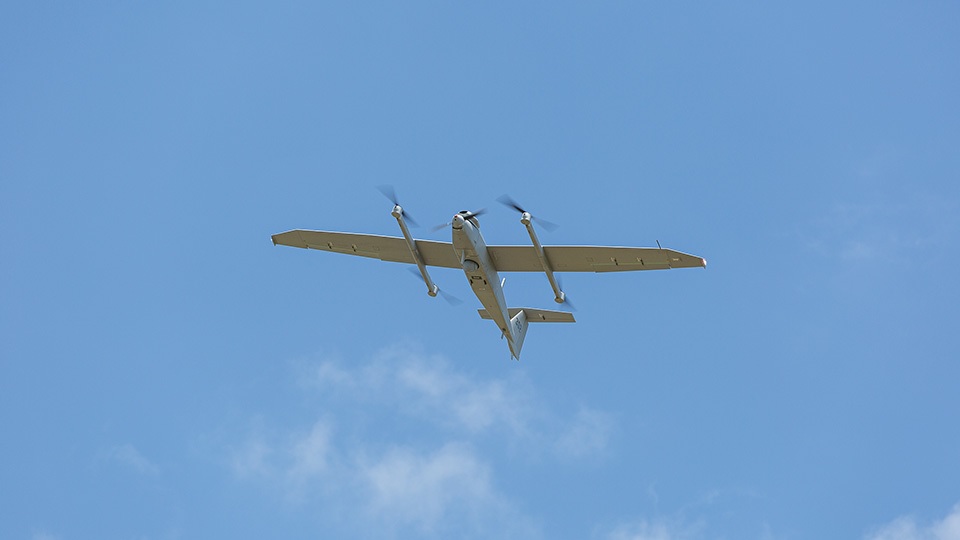
World
Italy has taken a significant step toward modernizing its military drone fleet by selecting the JUMP 20 unmanned aircraft system from American drone maker AeroVironment. The Italian Ministry of Defence has signed a $46.6 million contract with the company, marking a major move to replace its older Shadow UAS systems with a more advanced, efficient, and versatile alternative. Under this five-year agreement, AeroVironment will deliver not only the JUMP 20 drones but also engineering support, maintenance services, and on-site technical assistance. This ensures the systems will be ready for immediate use and operational effectiveness from day one. The JUMP 20 stands out for its vertical take-off and landing (VTOL) capabilities, meaning it doesn’t need a runway to operate. This makes it ideal for deployment in remote or rugged locations. It has an impressive endurance of over 13 hours and can operate up to 185 kilometers away from its base. With a payload capacity of 30 pounds, it can carry multiple surveillance and communication tools simultaneously. One of the key advantages of the JUMP 20 system is its expeditionary nature—it can be transported easily and launched autonomously without human intervention. This makes it a valuable asset for military missions that require quick deployment and flexibility. Italy chose the JUMP 20 after a competitive selection process. The Ministry of Defence was looking for a system that could not only replace older technology but also meet the demanding technical and operational requirements of modern missions. AeroVironment’s offering fit the bill with its multi-payload flexibility and ability to integrate seamlessly with both current and future military systems. AeroVironment highlighted the importance of this partnership, stating that it reinforces the company's commitment to supporting NATO allies with cutting-edge drone technology. The JUMP 20’s open systems architecture allows for quick upgrades and adaptability, ensuring it stays relevant as mission needs evolve. This procurement strengthens Italy’s defense capabilities, especially in intelligence, surveillance, and reconnaissance (ISR) operations. With the JUMP 20, Italy is not just upgrading its drone fleet—it’s preparing its armed forces for the complex demands of modern warfare.
Read More → Posted on 2025-04-22 15:41:29
World
BAE Systems has taken a significant step forward in securing the United Kingdom’s defence readiness by developing innovative explosives and propellant technologies. These advancements are designed to strengthen the UK's munitions supply chain, increase self-reliance, and support allied nations in a rapidly changing global security environment. Since 2022, BAE Systems has invested over £150 million in enhancing its UK-based munitions infrastructure. A key part of this investment is a new state-of-the-art explosive filling facility in Glascoed, South Wales, which is scheduled to become operational this summer. Once active, this facility will enable a remarkable sixteen-fold increase in the production of 155mm artillery shells—essential for modern battlefield operations. In addition, BAE Systems is committing a further £8.5 million over the next five years to develop next-generation energetics and propellants. These cutting-edge manufacturing methods aim to reduce dependency on traditional materials such as Nitrocellulose and Nitroglycerine, which face global supply constraints. Instead, BAE is introducing a new propellant formulation and employing continuous flow synthesis techniques to produce explosives more efficiently and safely. One of the most promising outcomes of this research is a successful pilot programme that has proven the ability to produce explosives in smaller, distributed facilities rather than relying on large, centralized explosive plants. This modular approach could significantly reduce investment requirements and enhance flexibility and safety in explosive manufacturing. Key Features and Specifications: Explosive Filling Facility (Glascoed): Sixteen-fold increase in 155mm artillery shell production Supports high-volume defence demands for both UK and allies Fully operational by mid-2025 New Propellant Formulation: Free from Nitrocellulose and Nitroglycerine Alleviates reliance on limited global raw materials Enhanced safety and reduced environmental impact Continuous Flow Synthesis of Explosives: Reduces the amount of explosive material in use at any given time Improves production control and scalability Enables safer and cost-effective production Compatibility and Flexibility: Suitable for a wide range of munitions, from small arms to large calibre artillery Designed for integration into both domestic and export defence platforms Supply Chain and Economic Impact: Strengthens UK’s defence industrial base Creates high-skilled jobs in Cheshire, Monmouthshire, and Tyne and Wear Opens potential for international defence exports According to Steve Cardew, Business Development Director at BAE Systems’ Maritime and Land Defence Solutions, "Our leap forward in synthetic energetics and propellant manufacture will strengthen the UK’s supply chain resilience and support our ramp-up of critical munitions production to meet growing demand in response to the increasingly uncertain world we’re living in." With full-scale production capacity expected by the end of 2026, BAE Systems’ breakthrough in energetics and propellants marks a major leap toward future-proofing the UK's defence needs and supporting global security efforts.
Read More → Posted on 2025-04-22 15:34:58
World
In a major breakthrough against transnational terrorism, the Federal Bureau of Investigation (FBI) has arrested Harpreet Singh, an Indian gangster-turned-terrorist, in the United States. Singh, who had been wanted in connection with multiple terror attacks across the Indian state of Punjab, was taken into custody in Sacramento, California, on April 18. The operation was conducted by the FBI along with the US Immigration and Customs Enforcement’s Enforcement and Removal Operations (ICE-ERO). FBI Director Kash Patel, the first Indian-American to head the prestigious agency, announced the arrest publicly and assured that justice will be served. In a statement, he described Singh as part of an "alleged foreign terrorist gang" who had illegally entered the United States and was believed to be involved in planning attacks on police stations both in India and the US. “Excellent work from all, and justice will be done,” Patel posted, emphasizing that the FBI remains committed to pursuing individuals who promote violence, no matter where they are hiding. Harpreet Singh, also known by aliases Happy Passia and Jora, is accused of collaborating with Pakistan’s spy agency, the Inter-Services Intelligence (ISI), and the Khalistani terrorist organization Babbar Khalsa International (BKI). These groups have long been under scrutiny for fueling separatist violence in Punjab and targeting Indian institutions. Singh had been evading capture for years by using untraceable burner phones and encrypted communication apps, making it difficult for agencies to track his movements. His arrest is being seen as a result of extensive international coordination, especially between US and Indian law enforcement agencies. In India, Singh is wanted by the National Investigation Agency (NIA) for a 2024 grenade attack on a residence in Sector 10/D of Chandigarh. He hails from Ajnala tehsil in Amritsar, Punjab. In January this year, the NIA had declared a cash reward of ₹5 lakh for any information leading to his arrest. The FBI’s Sacramento office, which led the investigation, highlighted the importance of global cooperation in tackling threats to international security. “This case reinforces the importance of international cooperation in apprehending those who threaten global security,” the agency said. Singh’s arrest not only brings relief to Indian authorities but also signals a strong message that the United States will not allow its soil to be used as a haven for foreign extremists. With the FBI under Kash Patel’s leadership, the agency appears more determined than ever to dismantle terror networks operating across borders.
Read More → Posted on 2025-04-22 15:32:52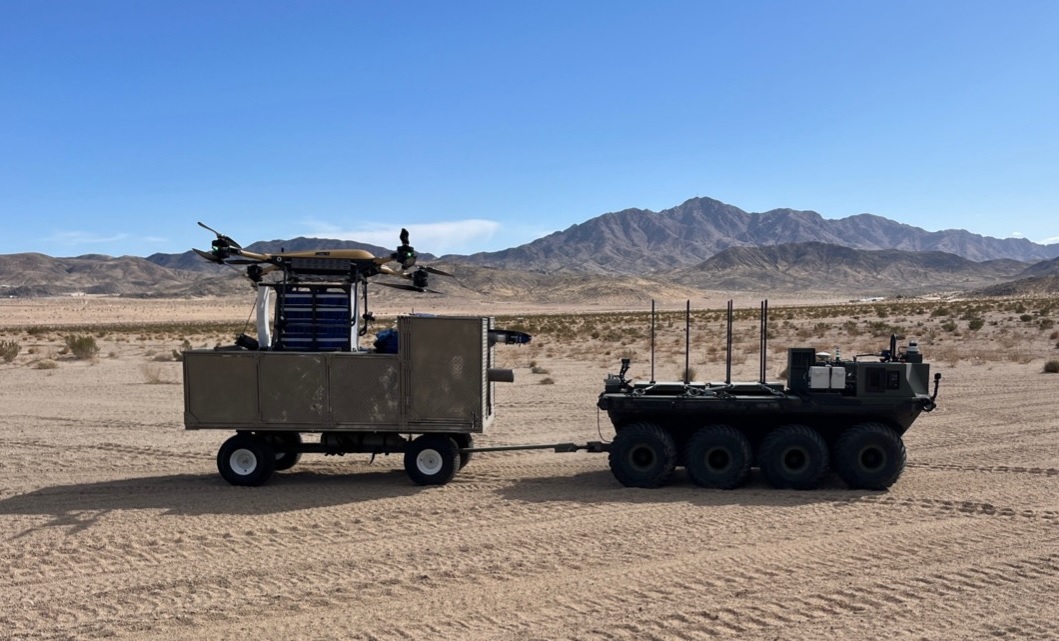
World
At one of the U.S. Army’s premier technology innovation events, Project Convergence Capstone 5 (PC-C5), Overland AI took a significant leap in military automation by demonstrating its autonomous ground breaching capabilities. Working closely with the 20th Engineer Brigade of the XVIII Airborne Corps and the Sandhills Project, the company showcased a new level of battlefield autonomy with its upgraded Small Multipurpose Equipment Transport (SMET) vehicle. Traditionally operated using tethered remote controls, the SMET platform was transformed into a fully autonomous system with Overland AI’s proprietary technologies. These included the OverDrive software for intelligent navigation, SPARK hardware for sensor integration, and the OverWatch tactical interface for human-machine interaction. Once integrated, the system was no longer dependent on manual operation—allowing soldiers to execute missions with minimal intervention. During the two-week joint training and demonstration, soldiers from the 27th Engineer Battalion received hands-on training with the new system. By the end of the exercise, they were independently conducting autonomous breaching missions—managing everything from system startup to shutdown without assistance from Overland AI engineers. This marked a major milestone in proving the system’s ease of use and operational reliability in field conditions. The demonstration also featured two crucial payloads. One was a trailer-mounted unmanned aerial system (UAS) for mine clearing, and the other was a drone launcher developed by Stratin Engineering that enabled the SMET to deploy small, expendable drones. These systems enhanced the vehicle’s ability to tackle complex battlefield obstacles such as minefields, barbed wire, and trenches—typical challenges in ground breaching operations. According to Overland AI CEO and co-founder Byron Boots, the exercise not only validated their technology’s readiness but also emphasized its real-world impact by keeping soldiers out of harm’s way during high-risk missions. He noted that “breaching exercises continue to demonstrate the maturity of our capability and the tactical benefit of removing humans from some of the most dangerous missions.” In a sign of continued confidence, the 20th Engineer Brigade has retained the upgraded SMET vehicle for extended field experimentation. Overland AI will support the Army with ongoing field services and a contracted software license. Project Convergence Capstone 5 is part of the Army’s long-term effort to explore future combat solutions across all domains, with special attention on operational readiness in the Indo-Pacific (INDOPACOM) region. Overland AI’s involvement underscores the growing role of autonomous systems in transforming ground combat operations and reducing risks for frontline troops.
Read More → Posted on 2025-04-22 15:08:02
World
A powerful explosion tore through one of Russia’s largest military ammunition depots located in the Kirzhachsky District of the Vladimir region, sending shockwaves across the area and triggering multiple secondary blasts. The incident occurred at the 51st arsenal of Russia’s Main Missile and Artillery Directorate, commonly known as GRAU—a crucial facility that stores over 100,000 tons of munitions. The blast was reportedly preceded by a fire, which may have contributed to the scale of the devastation. Although official details remain scarce, initial footage and updates from local sources showed massive plumes of smoke and continuing explosions for several hours following the initial blast. The depot is a key hub in Russia’s military supply chain. It houses a wide variety of weapons and ammunition, including artillery shells, rockets for multiple launch systems, air defense missiles, and even short-range ballistic missiles. The destruction or serious damage to such a site could pose significant challenges for the Russian military, particularly as it continues to conduct large-scale operations. As of now, there has been no confirmation of casualties or a full assessment of the damage. Emergency services have been deployed, and a security perimeter has been established to keep civilians away from the dangerous site. Unverified reports on social media have hinted at the possibility of a missile strike originating from Ukraine, but neither Moscow nor Kyiv has issued an official statement attributing responsibility. While Ukraine has not claimed the incident, it has previously targeted strategic Russian military assets, including ammunition dumps and airbases, using long-range precision weapons. The exact cause of the explosion is still under investigation. Whether it was an accident, sabotage, or a targeted strike remains uncertain. What is clear, however, is that the destruction of such a significant depot marks a notable development with potential implications for the ongoing conflict.
Read More → Posted on 2025-04-22 15:04:21Search
Top Trending in 24 Hours
-
 Kongsberg Wins $120 Million Contract for More Protector RS4 Systems for Canadian Army
-
 Castelion Secures $1 Billion Funding to Scale Production of Blackbeard Hypersonic Missile
-
 US Navy Launches ARAV-6 Missile Target During Multinational Pacific Dragon 2026 Exercise
-
 Lockheed Martin Demonstrates AI-Powered Sonar System With U.S. Navy at RIMPAC 2026
-
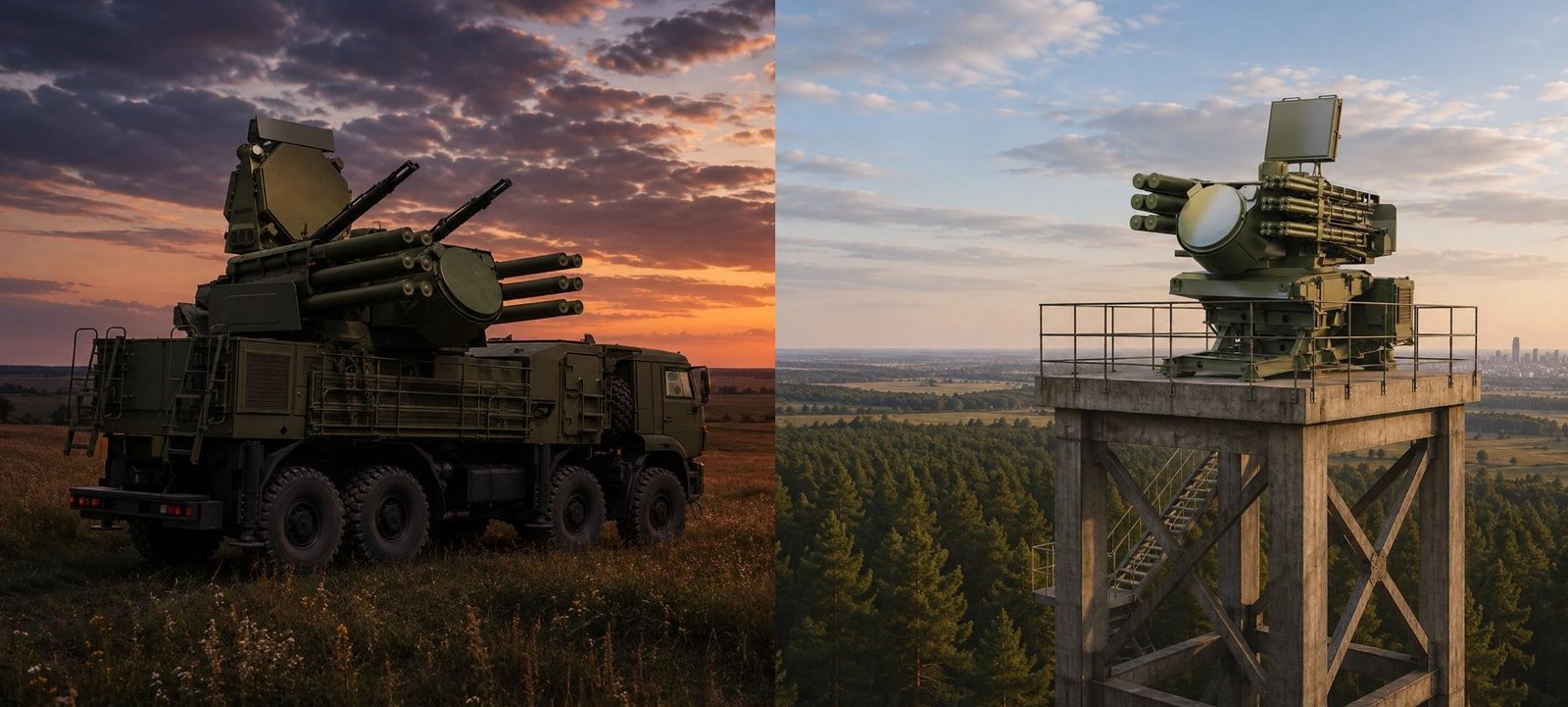 Russia Receives New Batch of Pantsir-S and Pantsir-SMD Air Defense Systems
-
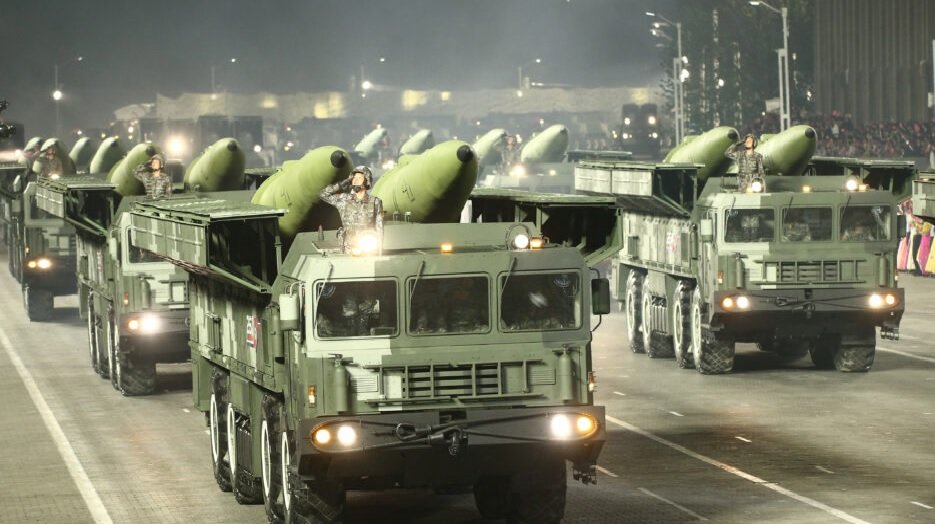 Russia Receives North Korean KN-30 Ballistic Missiles as Moscow Expands Its Missile Arsenal
-
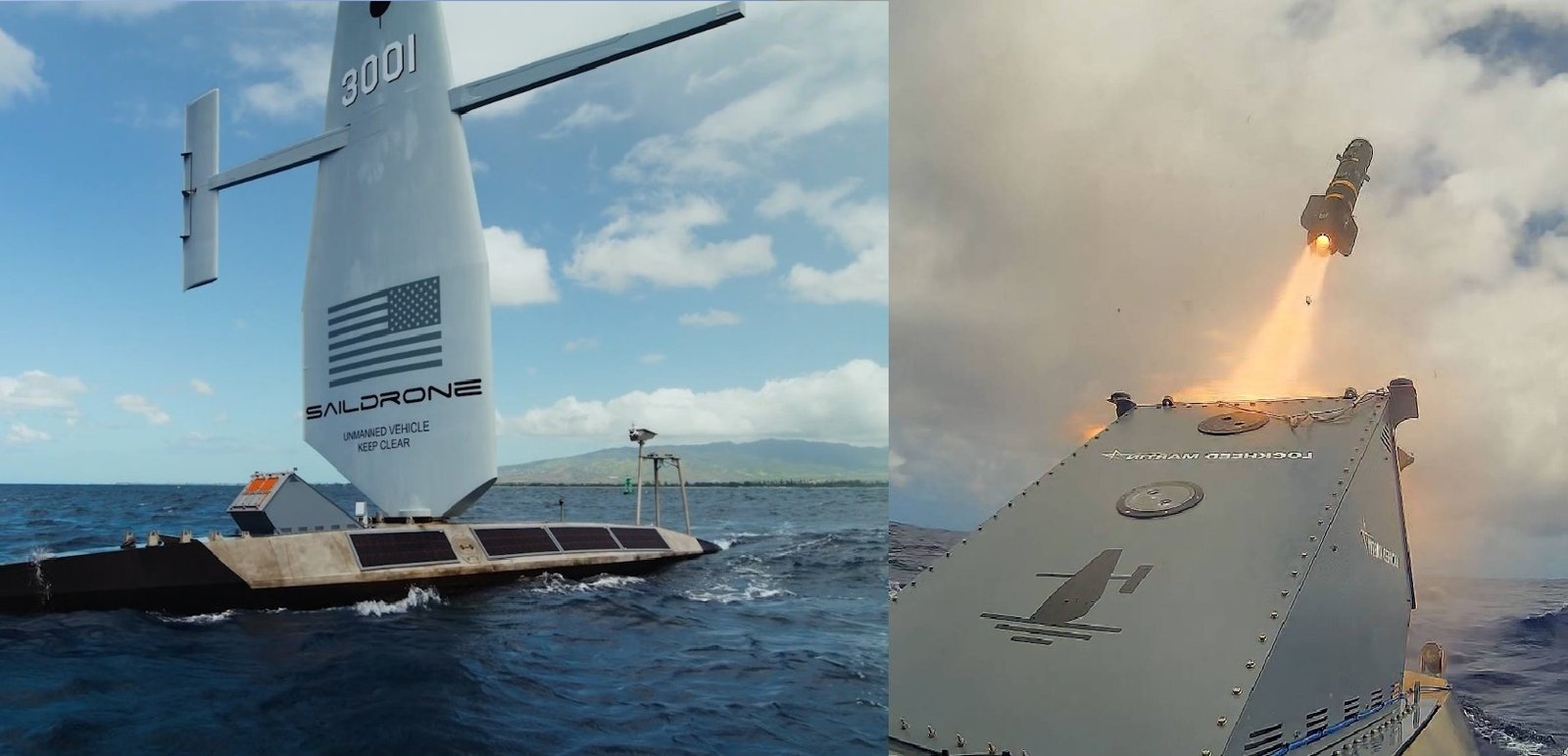 Saildrone and Lockheed Martin Successfully Fire Two JAGM Missiles in First Live-Fire Test from Unmanned Vessel at RIMPAC 2026
-
 Northrop Grumman Clears Critical Design Review for E-2D Hawkeye Block II Upgrade
Top Trending in 4 Days
-
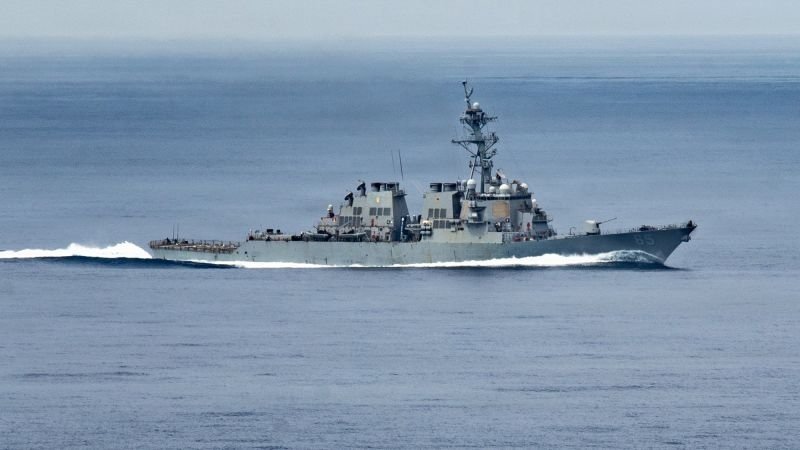 U.S. Navy Destroyer USS Benfold Spent Four Days Without Power in South China Sea After Generator Failure
-
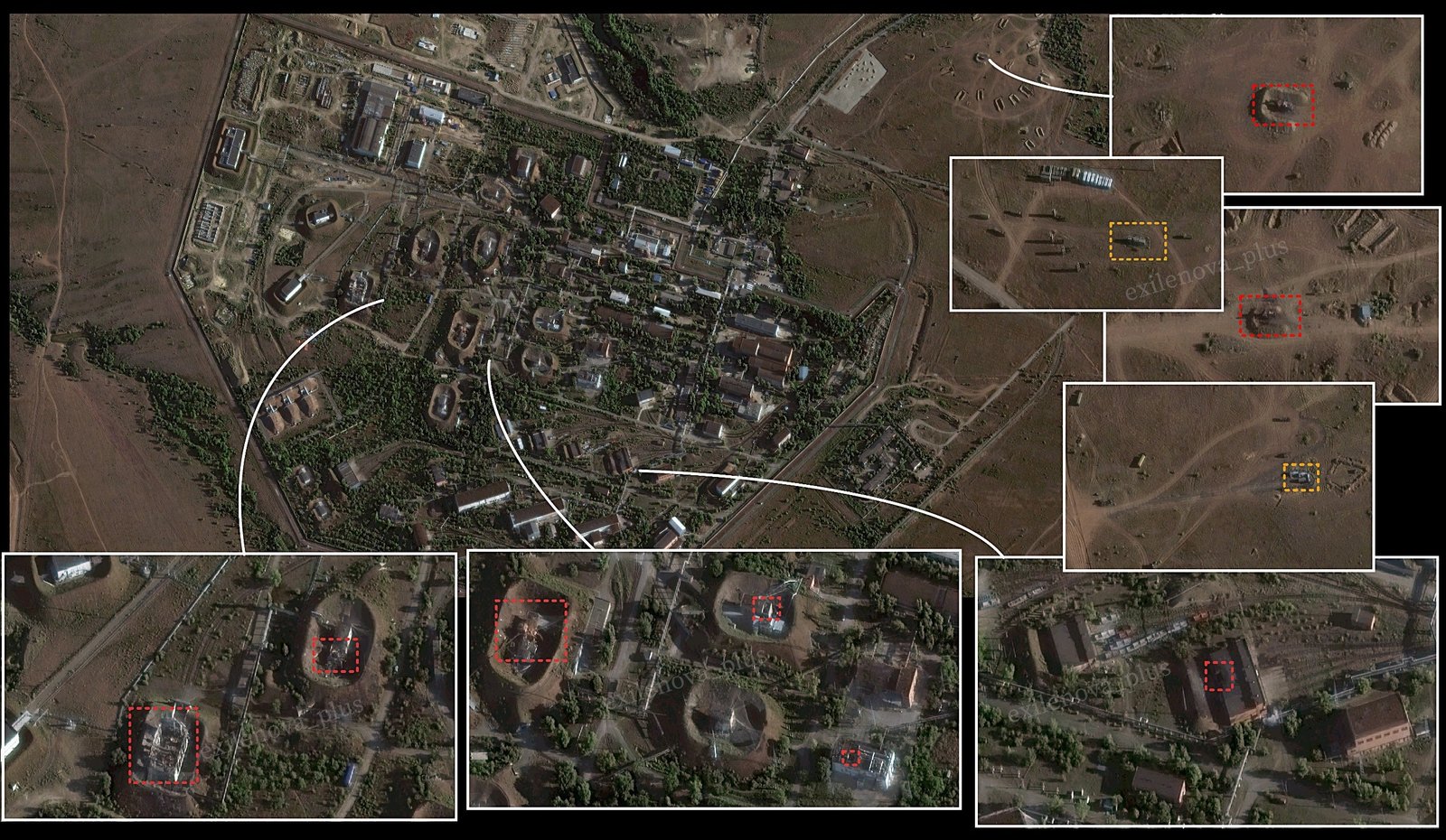 Satellite Images Show Ukrainian Drone Strike Hits Russian Rocket Fuel Plant and Air Defense Systems in Rostov Region
-
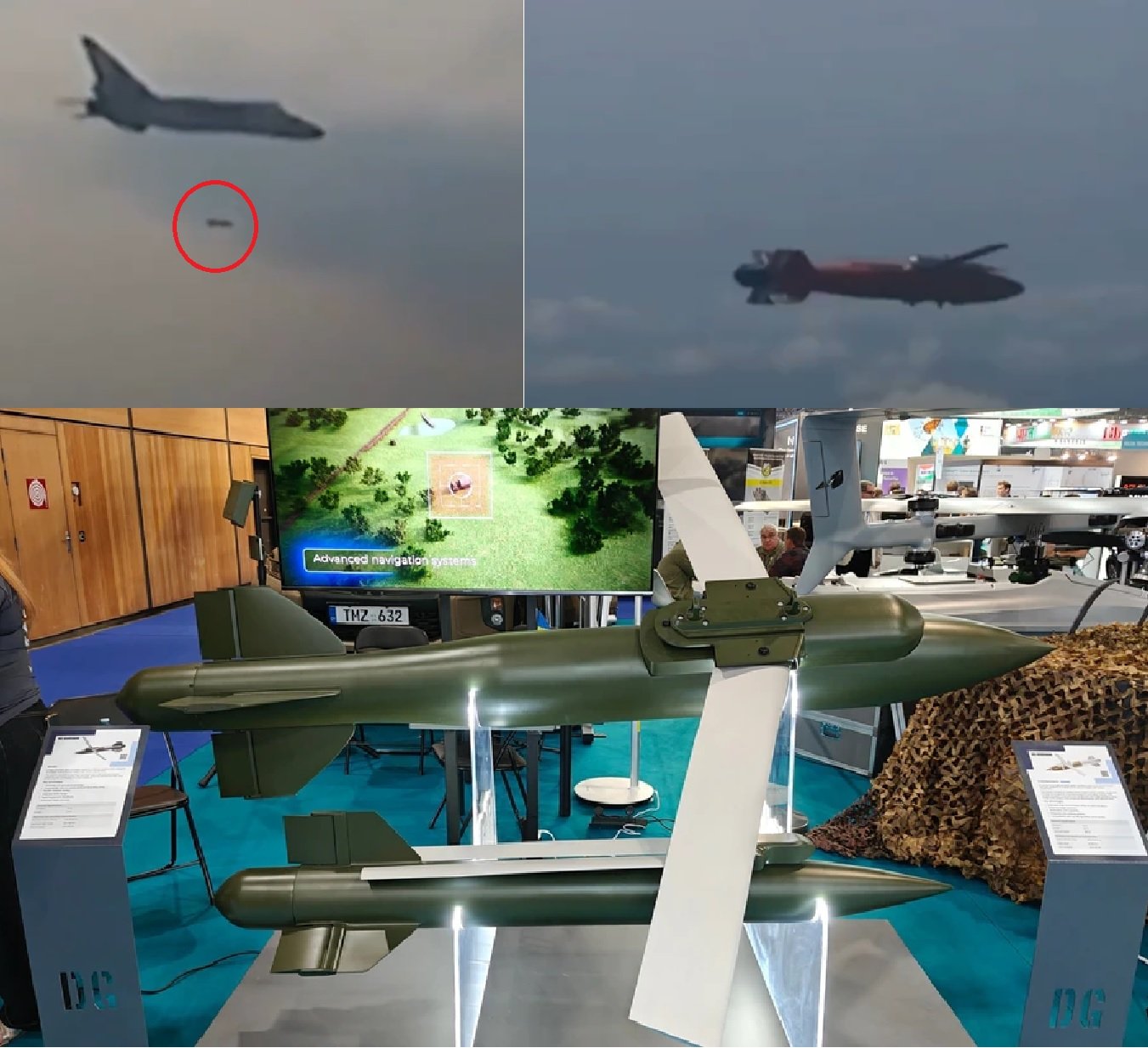 Ukraine Begins Procurement of Vyrivniuvach Guided Aerial Bomb
-
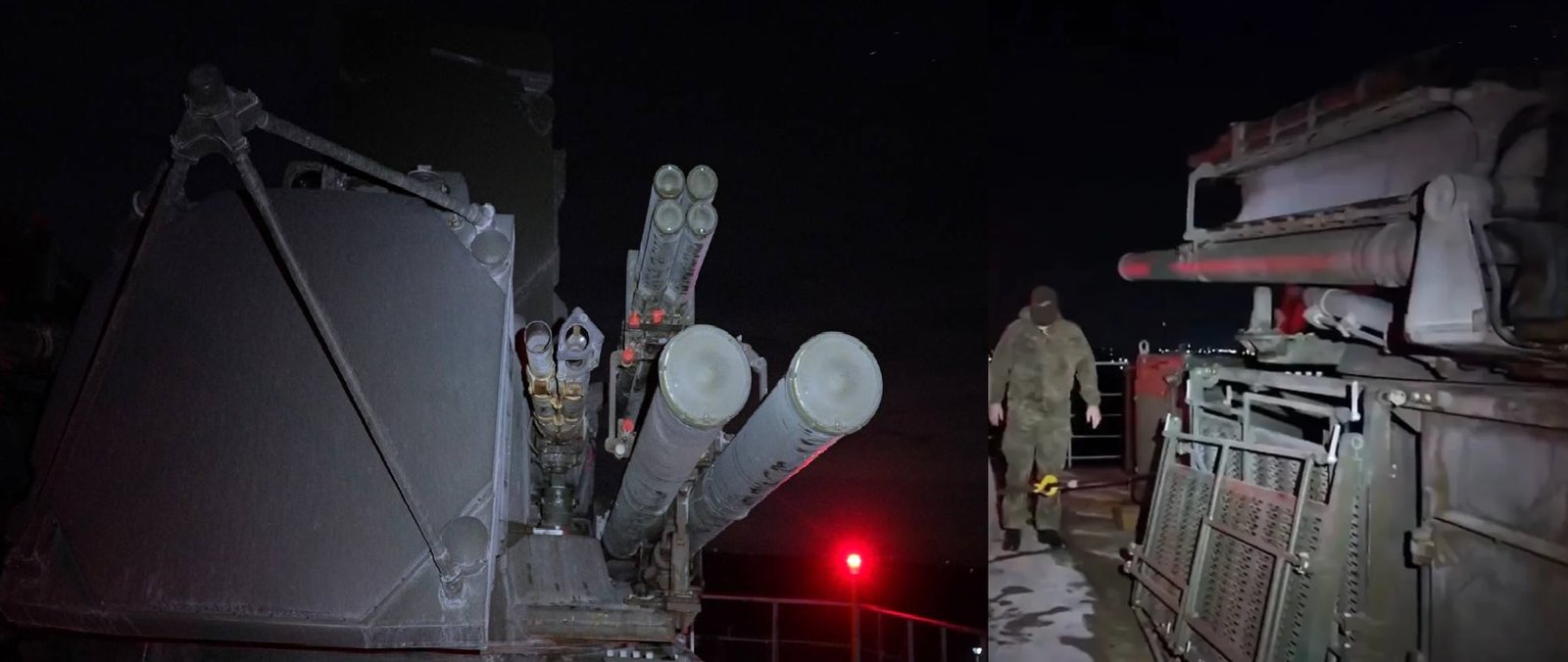 Russia Expands Moscow’s Anti-Drone Defense Network With Specialized 35-Meter Towers for Pantsir Systems
-
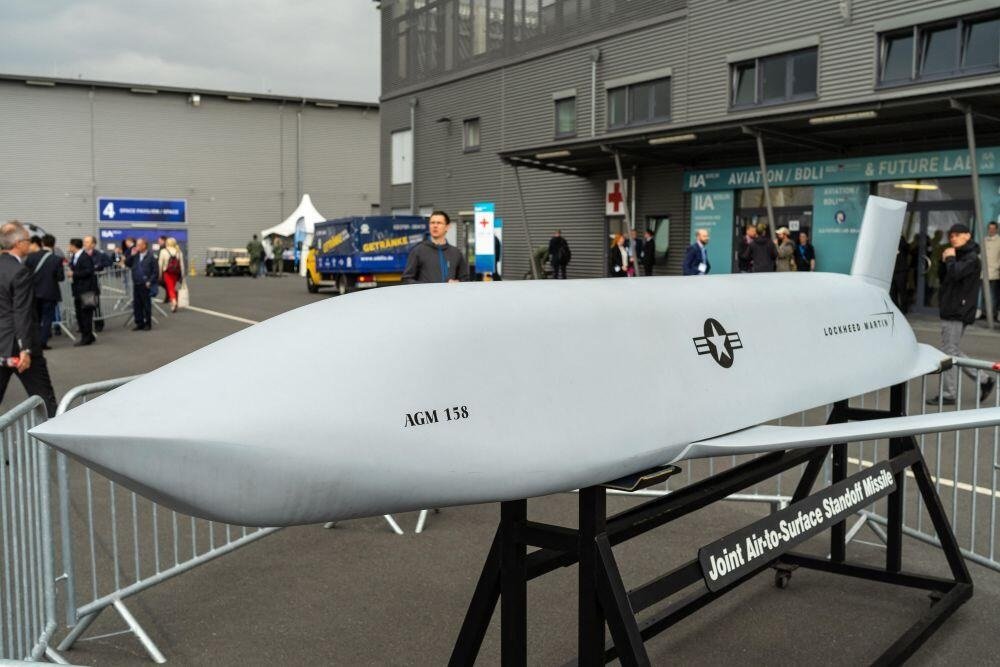 U.S. Air Force Selects GE-Kratos F143 Engine as Second Engine Source for JASSM Missile
-
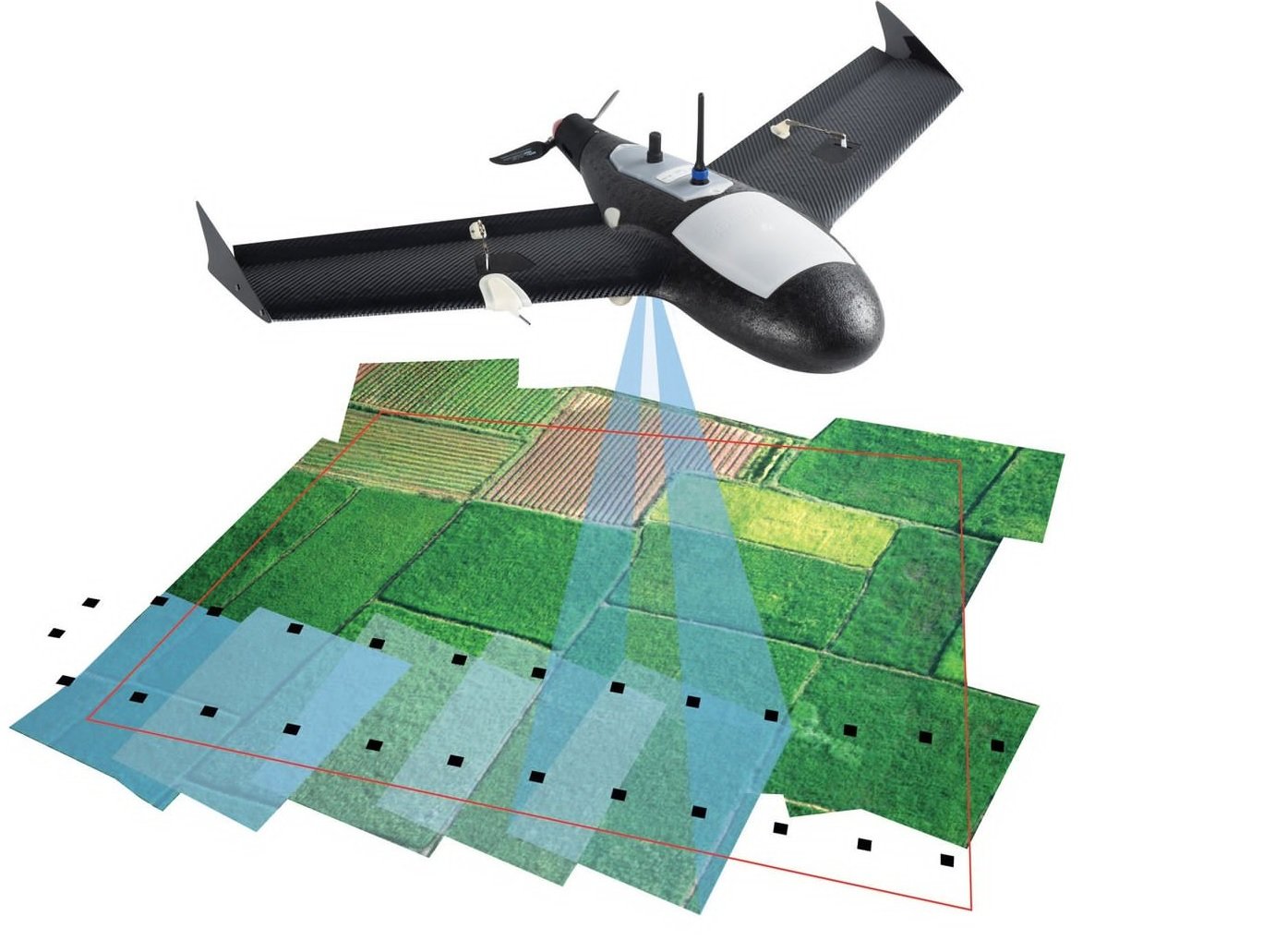 Russia Develops 'Martian' Camera-Based Navigation Independent of GPS and Radio Signals for Drones
-
 Russia Expands Drone Launch Network Near Ukraine and Belarus Borders, Putting NATO Territory Within Range
-
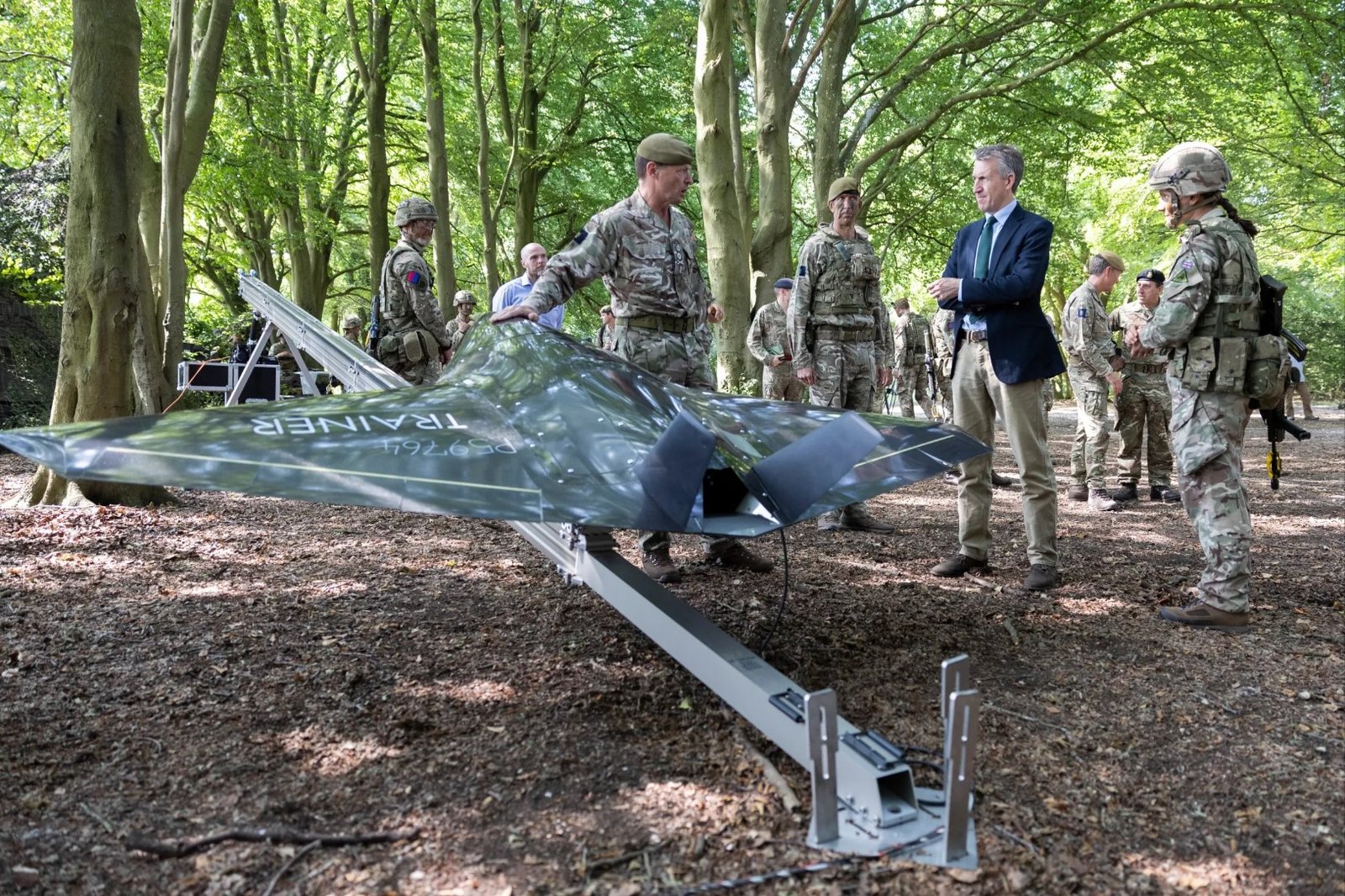 Russia Warns UK of ‘Consequences’ Over British Drones Used by Ukraine in Strikes on Russian Territory
