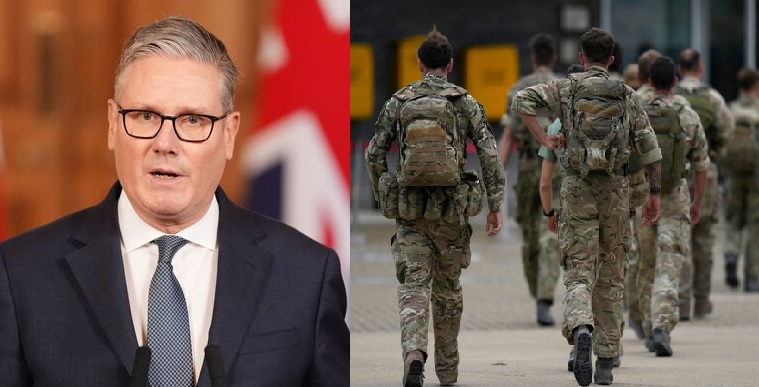
LONDON / MADRID, — April 8, 2026 : The United Kingdom has evacuated British military personnel from operational roles in Iraq and canceled planned deployments to the country, citing heightened risks from potential Iranian missile and drone attacks linked to the ongoing regional conflict. The move makes the UK the second European nation, after Spain, to scale back its military presence in Iraq following the start of U.S.-Israeli strikes on Iran on February 28, 2026.
According to UK media reports, including the i Paper, the evacuation was carried out in recent days as tensions intensified across the Middle East. British forces had been deployed in Iraq as part of ongoing operations against the Islamic State under a NATO-led framework. Officials indicated that the withdrawal of personnel was intended to reduce exposure to emerging threats rather than signal a full termination of the UK’s presence in the country. No announcement has been made regarding a complete withdrawal of all British military assets from Iraq.
The UK decision follows similar action taken by Spain in March 2026, when Spanish Defence Minister Margarita Robles confirmed the relocation of Spanish troops from Iraq to Turkey due to security concerns arising from the broader Gulf situation. Spain evacuated between 99 and 300 personnel, depending on differing official and media accounts, as part of adjustments within the NATO mission structure.
Policy Position and Operational Adjustments
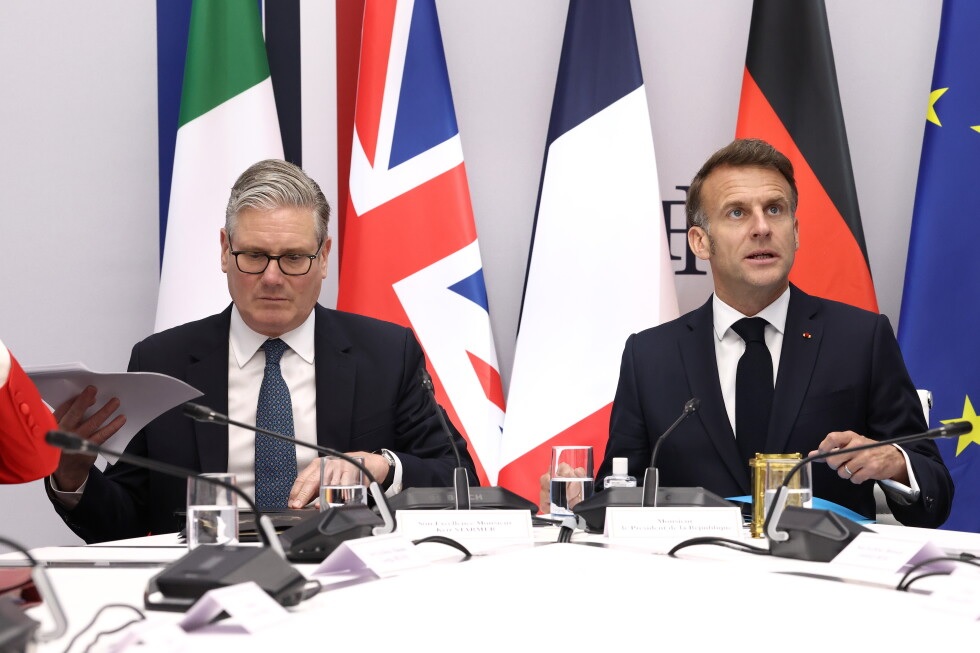
Prime Minister Keir Starmer has consistently emphasized that the Iran conflict is “not our war,” underscoring the UK government’s intention to avoid deeper military involvement. In parliamentary statements and public remarks throughout March 2026, Starmer stressed adherence to international law and referenced lessons from the 2003 Iraq War in shaping current policy decisions.
The UK initially declined a U.S. request to use British military facilities—including RAF Fairford in Gloucestershire and the Diego Garcia base in the Indian Ocean—for offensive operations against Iran. Officials described the refusal as a deliberate decision based on legal considerations. Subsequent approval was granted for limited defensive use of these bases, specifically to support the protection of regional allies.
This calibrated approach has contributed to policy differences with U.S. President Donald Trump, who has sought broader allied participation in operations aimed at degrading Iranian military capabilities, reopening the Strait of Hormuz, and countering Iran-backed proxy groups. Trump publicly expressed dissatisfaction with the UK’s initial reluctance and criticized delays in support.
Despite these differences, the UK has expanded defensive deployments across the region. As of late March 2026, approximately 1,000 British personnel have been stationed in roles focused on air and missile defense in Gulf countries including Saudi Arabia, Bahrain, and Kuwait. The UK has also extended Royal Air Force Typhoon operations in Qatar and maintained a military presence in Cyprus to support regional security efforts.
Foreign Secretary Yvette Cooper has reiterated that UK involvement is limited to lawful self-defense and the protection of allies and British nationals, distinguishing current actions from past large-scale interventions. The UK has also contributed to intercepting Iranian drones targeting allied positions in locations including Iraq and Qatar.
Conflict Escalation and Ceasefire Context
The current crisis escalated after U.S. and Israeli strikes targeted Iranian leadership, missile infrastructure, and nuclear-related facilities beginning on February 28, 2026. Iran responded with missile and drone attacks across multiple locations in the Middle East, including U.S. bases and allied positions in Iraq and Gulf states. Iranian-backed groups in Iraq have also claimed responsibility for additional strikes on coalition targets.
Amid rising hostilities, a two-week ceasefire came into effect around April 7–8, 2026, though sporadic incidents have continued to be reported. The ceasefire includes provisions linked to maritime security, with ongoing international discussions focused on maintaining access through the Strait of Hormuz and stabilizing regional energy flows.
The UK government has prioritized protective measures for British nationals, estimated at over 300,000 individuals across Gulf countries, while avoiding commitments to offensive ground operations or regime-change strategies.
Spain’s Measures and European Response
Spain has taken a more restrictive stance in response to the conflict. In addition to withdrawing troops from Iraq in March 2026, the Spanish government denied U.S. requests to use joint military bases at Rota and Morón for offensive operations against Iran and restricted access to its airspace for U.S. aircraft involved in the campaign.
Spanish Prime Minister Pedro Sánchez and Defence Minister Margarita Robles have stated that the U.S. strikes were not aligned with international legal frameworks. In response, President Donald Trump threatened potential trade measures against Spain, though such actions were constrained by Spain’s membership in the European Union.
Shifts Within NATO and Broader Strategic Implications
The differing approaches of the United Kingdom and Spain highlight broader divisions within NATO regarding the Iran conflict. While both countries remain part of alliance structures and continue to support defensive operations, their decisions reflect a cautious approach shaped by legal considerations and past military experiences.
The UK has also adjusted its regional military posture beyond Iraq. Earlier in 2026, the Royal Navy withdrew HMS Middleton from Bahrain without deploying a replacement, marking the first time since 1980 that Britain does not maintain a continuous maritime presence in the Middle East.
Although the UK later permitted limited defensive use of bases in Cyprus and Diego Garcia, the delay in approval contributed to tensions in transatlantic relations. President Donald Trump publicly criticized the UK government’s position, citing frustration over the pace and scope of support.
As of April 8, 2026, the United States and Iran have agreed to a provisional ceasefire that includes commitments related to keeping the Strait of Hormuz open. Prime Minister Keir Starmer, currently engaged in diplomatic discussions with Gulf leaders, has welcomed the ceasefire as a necessary step toward stabilizing the region.
Officials in London and Madrid have both characterized their military adjustments as temporary measures based on immediate threat assessments rather than long-term strategic withdrawals. No additional changes have been announced to the UK’s maritime or air operations beyond the defensive enhancements already implemented.
The developments underscore evolving dynamics within the NATO alliance as member states balance collective security commitments with national policy considerations amid a rapidly shifting regional conflict.
——— End of Article ———