PARIS, — June 08, 2026 : European allies of the United States are preparing to seek President Donald Trump’s approval for a multinational demining mission in the Strait of Hormuz during the upcoming Group of Seven (G7) Summit in France. The proposed operation aims to restore commercial shipping through the strategic waterway, which has remained largely closed since the outbreak of the 2026 Iran conflict.
UK and France Lead Mission Planning
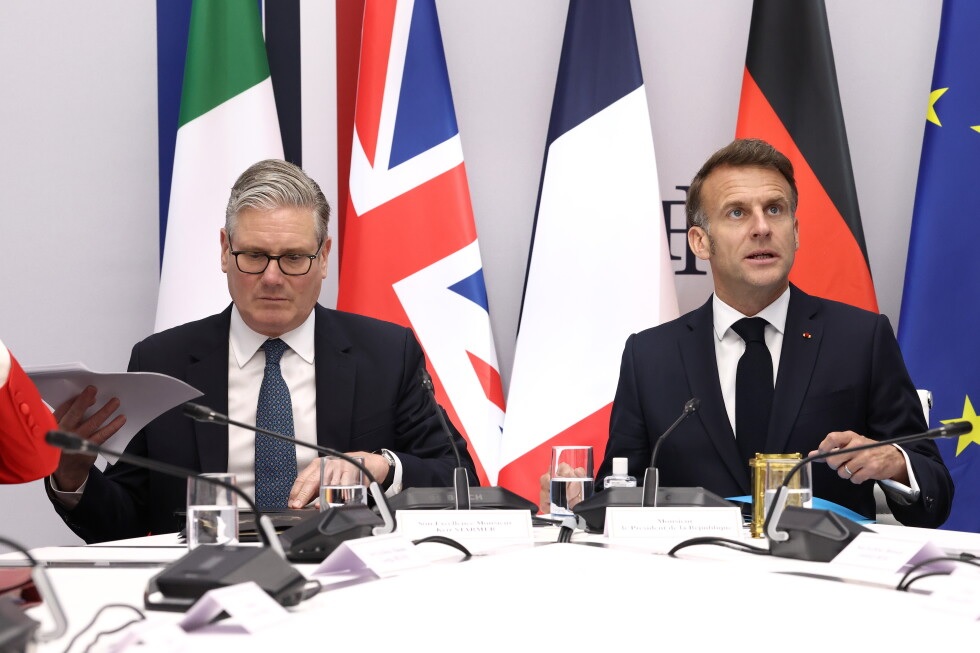
The initiative is being led by the United Kingdom and France, with military planners confirming that the operation is already operationally ready. According to officials involved in the planning process, naval assets could be deployed within days of a U.S.-Iran peace agreement or a sustainable ceasefire.
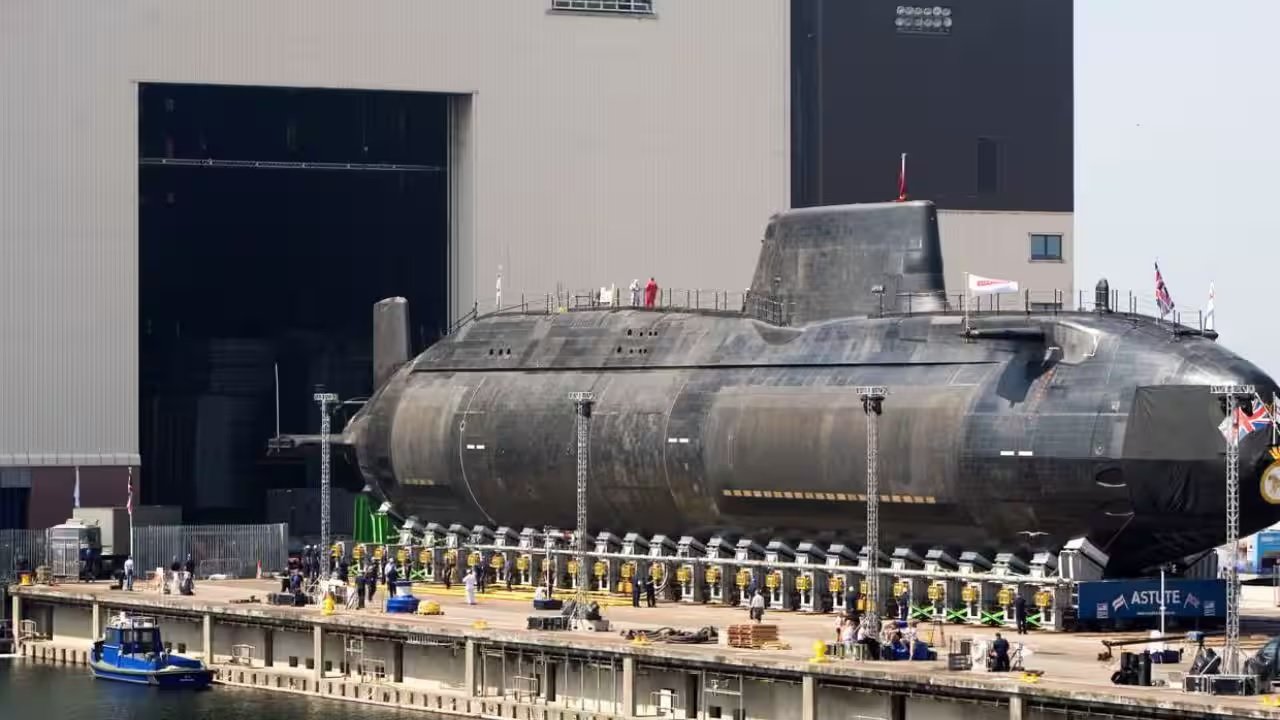
More than 15 countries have contributed military planners to coordinate the mission. Germany, Italy, and the United Kingdom have prepared naval resources, including mine-sweepers, autonomous mine-hunting systems, and supporting maritime assets for possible deployment.
The proposal forms part of a broader multinational framework that could eventually involve contributions from up to 40 nations. The operation would focus on mine clearance, protection of commercial vessels, and the safe reopening of one of the world's most important maritime trade routes.
Importance of the Strait of Hormuz
The Strait of Hormuz is one of the most critical energy corridors in the world, handling approximately one-fifth of global oil and liquefied natural gas (LNG) shipments under normal conditions. European leaders view the mission as a practical way to support international maritime security while enabling the rapid resumption of global energy exports.
Officials have emphasized that the mission would operate in a strictly defensive capacity and in accordance with international law, with the primary objective of ensuring safe navigation for commercial shipping.
Closure of the Waterway and Economic Impact
The strait has remained largely blocked since February 28, 2026, following the outbreak of the Iran war. During the conflict, the Iranian Revolutionary Guard Corps (IRGC) laid sea mines and carried out attacks against merchant vessels operating in the region.
The disruption caused significant instability in global energy markets, contributing to a surge in oil prices. Brent crude oil climbed to approximately $126 per barrel in March 2026, while shipping companies faced delays, rerouting costs, and increased insurance expenses.
The prolonged closure has placed additional pressure on energy-importing countries and disrupted international trade flows, making the reopening of the waterway a priority for G7 nations and other major economies.
Allied Support and U.S. Capability Gap
The proposed European-led mission comes as the United States faces a shortage of dedicated mine-clearing assets in the region following the withdrawal of several older anti-mine vessels from service. As a result, allied naval capabilities are expected to play a crucial role in any future effort to restore safe passage through the strait.
The United Kingdom has already strengthened its regional presence with assets including autonomous mine-hunting equipment, counter-drone systems, Eurofighter Typhoon fighter jets, and the Type 45 destroyer HMS Dragon. Other allied nations have offered mine-clearance vessels, maritime surveillance platforms, and logistical support.
Planning for the operation has been coordinated through a series of international conferences, military consultations, and virtual meetings involving partner nations.
Trump’s Decision Remains Uncertain
Despite extensive preparations, it remains unclear whether President Trump will formally endorse the proposal. Trump has previously urged NATO allies and Asian partners to contribute naval forces to efforts aimed at reopening the Strait of Hormuz and has recently launched a separate U.S.-led mission to guide commercial vessels through the region.
European leaders are expected to present the coordinated plan during the G7 Summit in Évian-les-Bains, France, from June 15–17, with the goal of securing political backing from Washington.
G7 Discussions Could Shape Next Steps
The planned demining mission is expected to be a major topic during the summit’s discussions on Middle East security, global energy stability, and freedom of navigation. Any deployment would only proceed following a sustainable ceasefire and appropriate diplomatic arrangements with relevant parties.
The outcome of talks between G7 leaders and President Trump could determine the pace and scope of efforts to reopen the Strait of Hormuz, restore commercial shipping, and stabilize global energy markets after months of disruption.
——— End of Article ———