ANKARA — March 4, 2026 : NATO’s integrated air and missile defense network intercepted an Iranian ballistic missile on a trajectory toward Turkish airspace on Wednesday, preventing the projectile from entering Türkiye and marking the first direct aerial threat toward a NATO member since the escalation of hostilities involving Iran, the United States, and Israel.
Detection and Interception Over the Eastern Mediterranean
According to a statement released by Türkiye’s Ministry of National Defense, the ballistic missile was launched from Iranian territory and detected by regional radar networks as it traveled westward across Iraqi and Syrian airspace. Tracking systems associated with NATO’s Integrated Air and Missile Defence (IAMD) architecture monitored the projectile as it altered its trajectory toward southern Türkiye.
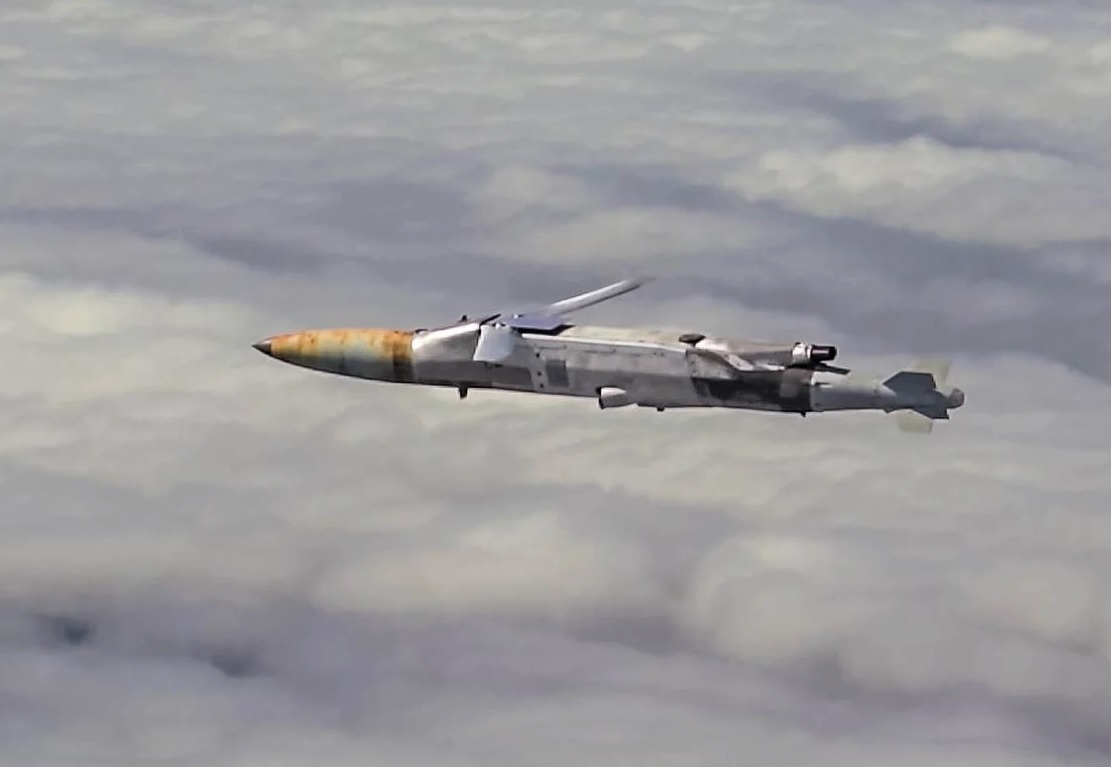
NATO air defense assets positioned in the Eastern Mediterranean engaged the missile before it reached Turkish airspace. The interceptor successfully destroyed the incoming threat in mid-flight, neutralizing the projectile while it remained outside Türkiye’s territorial boundary.
The ministry stated that the engagement demonstrated the operational integration between Turkish early-warning systems and allied missile defense platforms deployed across the Mediterranean region.
Debris Recovery in Hatay Province
Fragments from the interception fell in the Dörtyol district of Hatay province in southern Türkiye. Local gendarmerie units quickly secured the impact area and established a perimeter while recovery teams collected debris for analysis.
Officials confirmed that the fragments recovered on the ground belonged to the interceptor missile used during the engagement rather than the Iranian ballistic projectile itself. No casualties or property damage were reported in the area.
The Ministry of National Defense emphasized that the interception occurred before the missile entered Turkish airspace and stated that Türkiye maintains full readiness to respond to potential threats targeting its territory.
Diplomatic Response and NATO Position
Following the incident, diplomatic contacts were initiated between Ankara and Tehran. Turkish Foreign Minister Hakan Fidan spoke with Iranian Foreign Minister Abbas Araghchi to formally protest the missile launch and warn against actions that could expand the regional conflict.
The Turkish defense ministry issued a communiqué stating that the country’s determination and capability to defend its territory, airspace, and population remain at the highest level. The statement also urged regional actors to avoid steps that could further escalate tensions.
NATO officials reaffirmed the alliance’s commitment to protecting member states. Alliance spokesperson Allison Hart said the interception reflects NATO’s standing deterrence and defense posture. In Washington, U.S. Defense Secretary Pete Hegseth described the incident as a serious breach involving a missile trajectory toward allied territory but said it is not currently expected to trigger NATO’s Article 5 collective defense mechanism.
Uncertainty Over the Missile’s Intended Target
Turkish authorities did not specify the intended target of the missile, describing it only as a projectile directed toward Turkish airspace. Officials avoided attributing a specific military or civilian objective.
However, the missile’s trajectory and the location where debris fell have led analysts to consider several possible targets. Hatay province lies near the Adana region, which hosts Incirlik Air Base, a major installation used jointly by Türkiye and NATO forces. The base has served as a key logistics and operational hub for U.S. and allied military activity in the Middle East since its establishment in 1955.
Another possibility raised by analysts is that the missile may have been aimed beyond Türkiye toward the British Sovereign Base Areas in Cyprus, which have been connected to recent military activity in the broader regional confrontation. Officials have not confirmed whether the missile was intended for a target within Türkiye or was passing toward another destination.
NATO Missile Defense Architecture
The interception highlights the functioning of NATO’s Integrated Air and Missile Defence system, which combines multinational sensors, radar networks, command systems, and interceptor platforms to protect allied territory from aerial threats.
A central component of this architecture is the U.S.-led European Phased Adaptive Approach (EPAA), introduced in 2009 and expanded in 2010 to defend against short- and medium-range ballistic missile threats originating from regions including the Middle East.
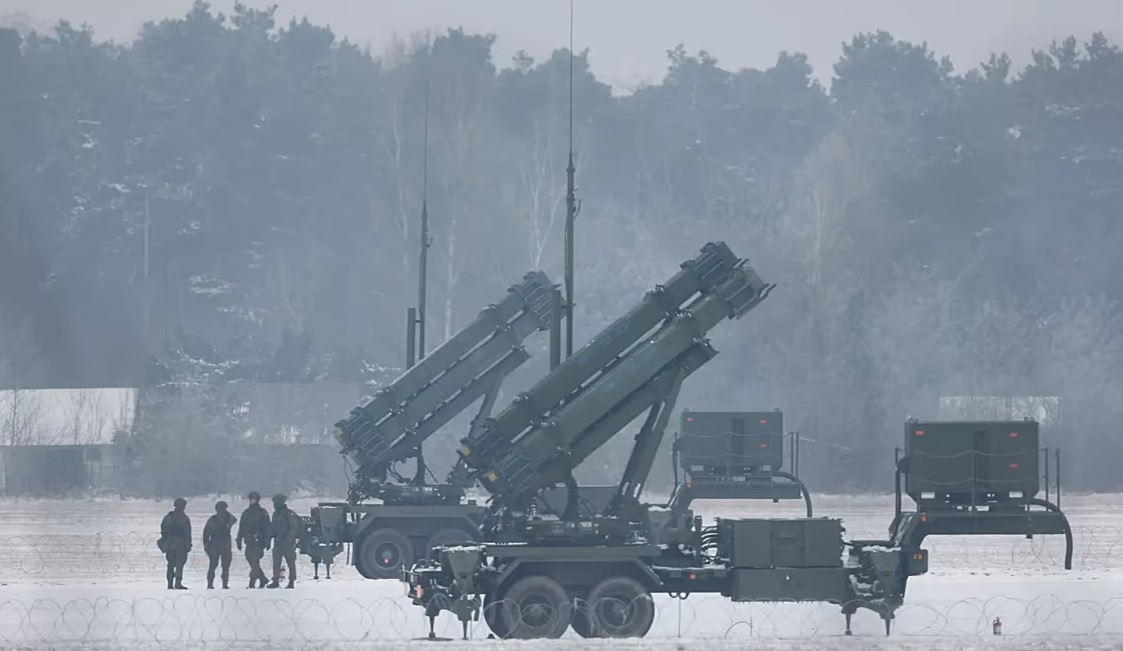
The EPAA includes sea-based Aegis Ballistic Missile Defense ships operating in European waters, land-based Aegis Ashore facilities in Romania and Poland, and contributions from allied systems such as Patriot surface-to-air missile batteries.
The Turkish defense ministry’s reference to assets “stationed in the Eastern Mediterranean Sea” indicates that the interceptor was likely launched from a naval platform rather than a land-based system.
Possible Use of Standard Missile-3 Interceptor
Although NATO, Türkiye, and the United States have not officially identified the interceptor used, open-source imagery from the debris site in Dörtyol provides technical clues regarding the missile involved.
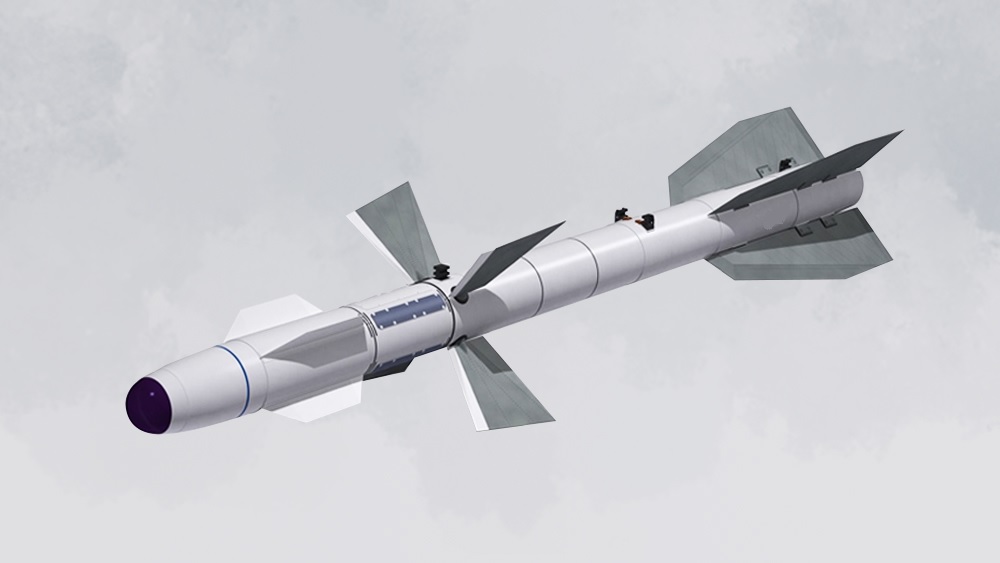
Photographs circulating on social media show components consistent with the Mk-104 dual-thrust rocket motor associated with the RIM-161 Standard Missile-3 (SM-3), a ship-launched interceptor used by the U.S. Navy for ballistic missile defense.
The SM-3 forms part of the Aegis Ballistic Missile Defense system and is designed to intercept short- and intermediate-range ballistic missiles during their mid-course phase outside the Earth’s atmosphere. The missile measures approximately 6.55 meters in length, weighs roughly 1,500 kilograms, and utilizes a kinetic kill vehicle that destroys incoming threats through direct impact rather than an explosive warhead.
Deployed aboard Aegis-equipped Arleigh Burke-class destroyers and Ticonderoga-class cruisers, the SM-3 can reach speeds exceeding Mach 10 and engage ballistic targets at ranges of several hundred kilometers.
If an SM-3 interceptor was used, the launching platform would likely have been a U.S. Navy Aegis Ballistic Missile Defense ship operating as part of routine deployments in the Eastern Mediterranean. These vessels employ the AN/SPY-1 radar and the Mk 41 Vertical Launch System to track and intercept missile threats while sharing data with allied sensors across the NATO network.
Strategic Context
The interception occurred during a period of intensified military activity across the Middle East and surrounding regions. NATO officials view Türkiye’s geographic location between Europe and the Middle East as strategically significant for missile defense operations.
The incident demonstrates the integration of Turkish radar systems and command infrastructure into NATO’s broader defense architecture, allowing allied naval and ground-based systems to respond rapidly to missile threats approaching the alliance’s southern flank.
Recovery teams in Hatay continue to analyze recovered fragments, while NATO diplomats are expected to review the event in upcoming consultations concerning regional security and alliance defense posture.
——— End of Article ———