TEHRAN / WASHINGTON / DUBAI — May 4, 2026 : Conflicting accounts emerged on Monday after Iranian state-affiliated media reported that missiles struck a United States naval vessel near the port of Jask, while U.S. officials denied that any such attack occurred.
Iran’s Fars News Agency stated that two missiles hit a U.S. Navy ship operating near the southern Iranian coastline after it allegedly ignored navigation warnings issued by Iranian forces. According to the report, the vessel was sailing close to the entrance of the Strait of Hormuz and was forced to halt its movement and turn back. Iranian sources described the ship as a frigate or destroyer and claimed it had violated maritime safety protocols.
In parallel statements, Iranian naval authorities said they blocked U.S. destroyers from entering the strait, issuing what officials described as a “swift and firm” warning. Ali Abdollahi, a senior military commander, said Iran maintains full control over the security of the waterway and warned that foreign military vessels attempting transit without coordination could face direct action. Some Iranian reports also indicated that cruise missiles, rockets, and drones were deployed as part of the warning measures, while a senior official later characterized the action as a warning shot. No independent confirmation of damage to any vessel was provided.
The United States military rejected the claims. In a statement, United States Central Command (CENTCOM) said no U.S. Navy ships had been struck and that operations in the region continue without incident. U.S. officials further stated that naval forces remain active in ensuring maritime security and denied that any American vessels were prevented from entering the strait.
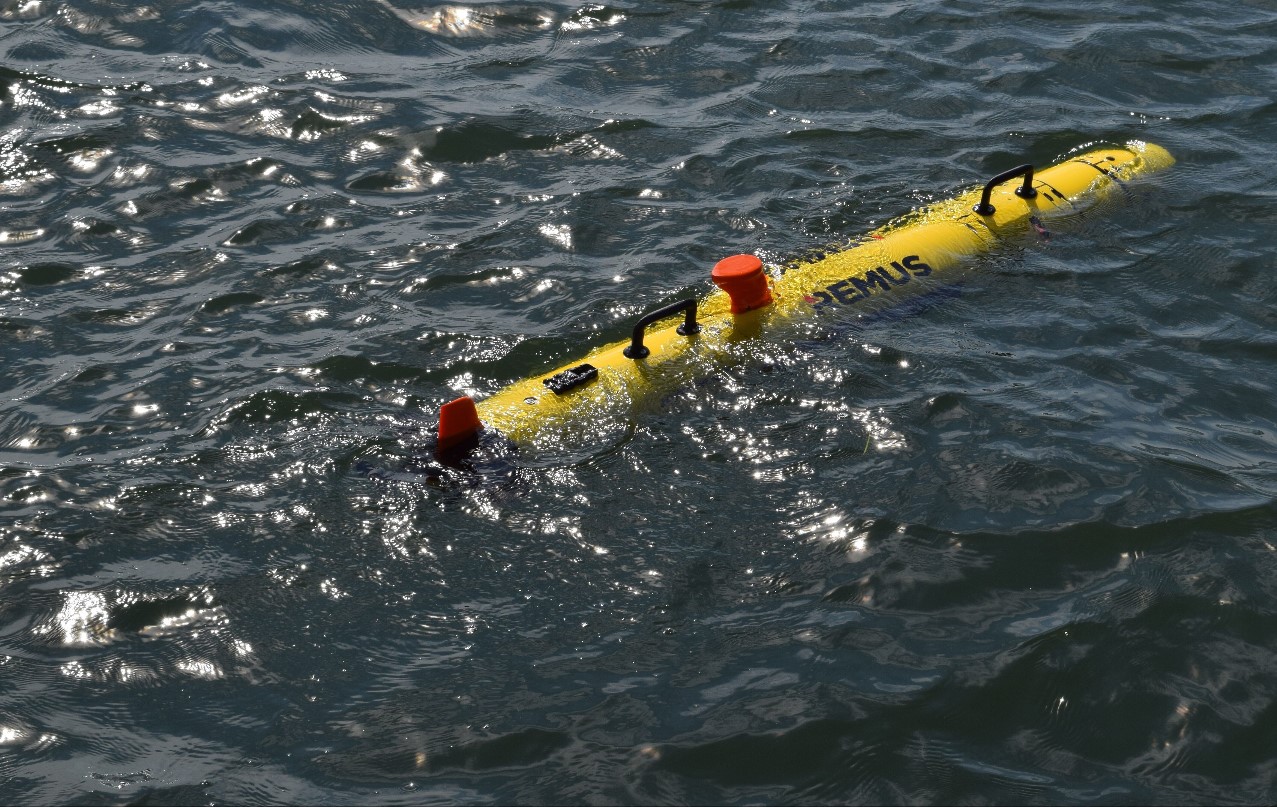
According to U.S. officials, two guided-missile destroyers entered the Gulf region and two U.S.-flagged commercial vessels successfully transited the Strait of Hormuz on the first day of a new operation, known as Project Freedom. The initiative, announced by Donald Trump, aims to escort commercial shipping through the Gulf after vessels remained stranded for over two months amid ongoing tensions involving Iran and Israel. CENTCOM Commander Brad Cooper said the operation includes approximately 15,000 personnel, more than 100 aircraft, and multiple warships, along with unmanned systems supporting maritime security.
The developments come amid heightened tensions in the Strait of Hormuz, a key global energy transit route responsible for roughly 20% of seaborne oil and liquefied natural gas shipments. Following the reports, Brent crude prices rose by more than 5.5%, approaching $115 per barrel as markets reacted to potential risks to shipping in the region.
No independent verification of Iran’s claims has been reported, and both sides have maintained their respective positions regarding the incident.
——— End of Article ———