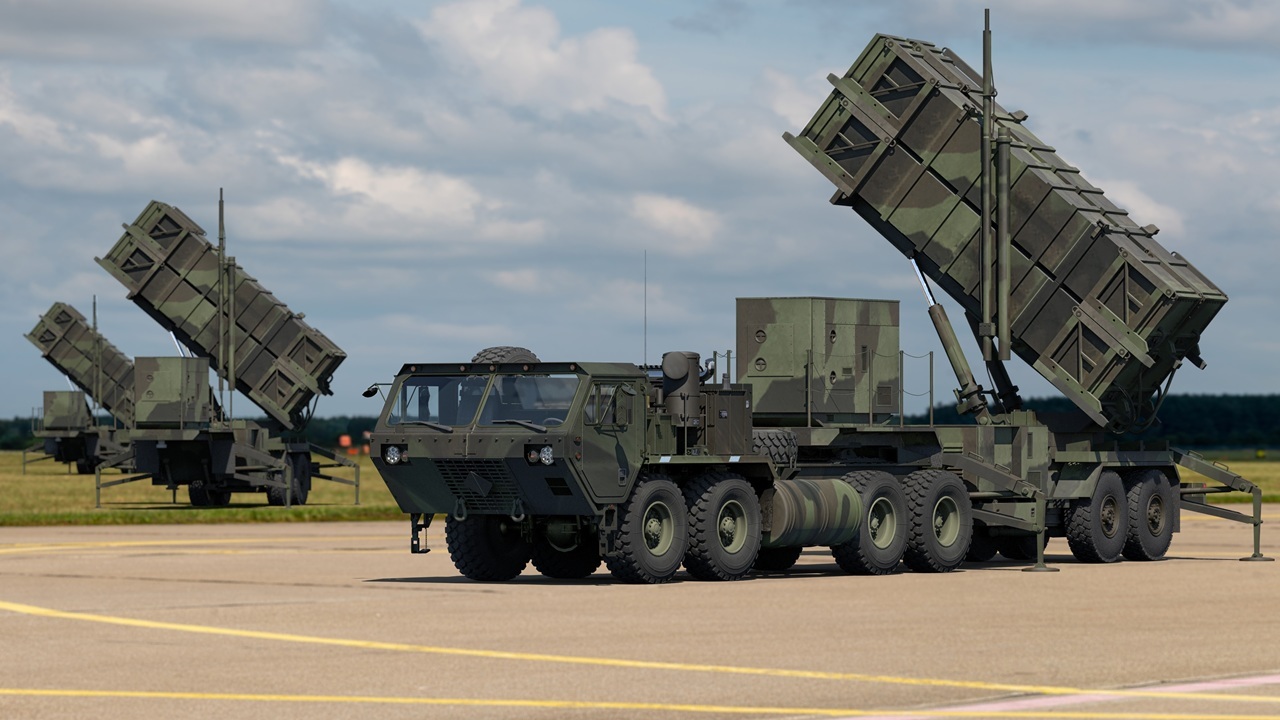
Washington / Gulf Region, — March 31, 2026 : Gulf countries are facing a significant reduction in their air defense interceptor inventories as sustained missile and drone attacks from Iran continue to drive exceptionally high usage rates. According to a recent Bloomberg report and official data from regional governments, the pace of defensive operations has placed both local stockpiles and broader U.S.-led supply chains under considerable pressure.
Rapid Depletion of Interceptor Inventories
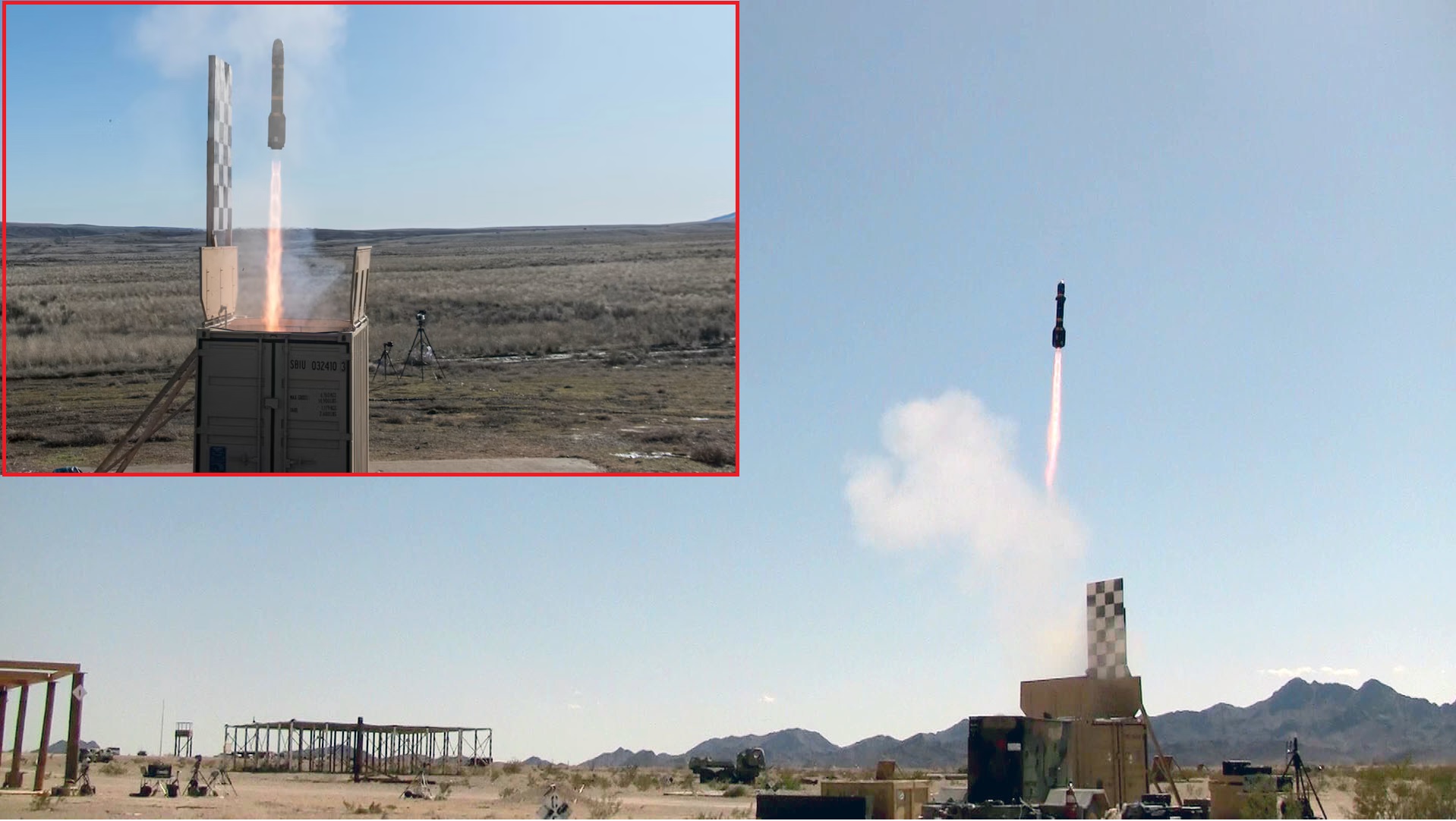
Since the outbreak of hostilities on February 28, 2026, Gulf nations have expended approximately 2,400 interceptor missiles, primarily from the Patriot system family, including PAC-3 (Patriot Advanced Capability-3) and GEM-T (Guidance Enhanced Missile-Tactical) variants. Before the conflict, the combined stockpile of these interceptors across the region was estimated at just under 2,800 units, based on U.S. Foreign Military Sales authorizations and assessments by defense experts.
The rate of usage has been shaped by standard ballistic missile defense doctrine, particularly the “shoot-shoot-look” approach, which typically requires firing at least two interceptors at each incoming threat to maximize interception probability. This practice has significantly increased consumption levels.
Official figures indicate that Iran has launched nearly 1,200 ballistic missiles and approximately 4,000 Shahed-class drones targeting Gulf states. The volume and frequency of these attacks have required sustained defensive responses, with some engagements necessitating additional interceptor launches beyond standard doctrine.
Acceleration in Recent Combat Activity
The depletion trend intensified during the weekend of March 28–30, 2026, when Gulf defense systems recorded up to 40 missile launches per day, roughly double the earlier daily average observed during the conflict. These attacks have targeted a range of assets, including population centers, energy infrastructure, ports, and U.S. military bases across the region.
Countries actively operating Patriot systems include Saudi Arabia, the United Arab Emirates, Kuwait, Qatar, and Bahrain, all of which have deployed their air defense batteries to counter incoming threats.
Production Limits and Supply Constraints
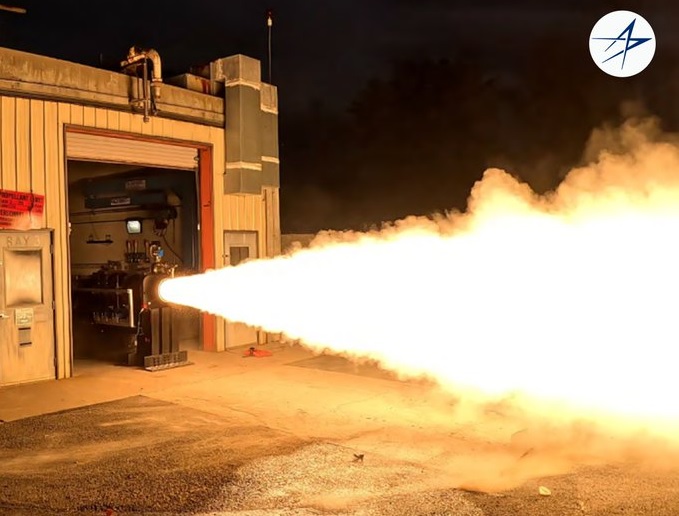
Efforts to replenish interceptor inventories are constrained by current industrial production capacity. Lockheed Martin, the manufacturer of PAC-3 interceptors, is producing approximately 650 missiles annually. Although a January 2026 agreement aims to increase output to 2,000 units per year, this expanded capacity is not expected to be achieved until 2030.
Similarly, production of THAAD (Terminal High Altitude Area Defense) interceptors remains limited at around 96 units per year, with plans to scale up to 400 units annually under existing agreements.
The strain extends to offensive munitions as well. In the first four weeks of the conflict, U.S. forces launched more than 850 Tomahawk cruise missiles. Prior to the war, U.S. inventories were estimated at approximately 4,000 Tomahawks, while annual production remains limited to about 100 units, further highlighting broader supply challenges.
Strategic Concerns and Global Implications
The sustained rate of munitions expenditure has raised concerns among defense analysts and policymakers regarding long-term military readiness. Analysts, including Claudia Major of the German Marshall Fund, have noted that while current operations may be tactically effective, the imbalance between consumption and production could create medium-term strategic vulnerabilities.
European officials and defense observers have also indicated that continued high usage rates may force the United States to reallocate weapons originally designated for other regions, including support commitments such as those related to Ukraine.
The U.S. has approved additional arms sales packages to Gulf partners, including Patriot systems, to support replenishment efforts. However, at current and projected production levels, full replacement of expended stockpiles is expected to take several years.
Regional Responses and Alternative Measures
In response to the supply strain, Gulf states are exploring multiple approaches to sustain their defensive capabilities. These include efforts to diversify suppliers, with increased interest in more cost-effective South Korean air defense systems to complement existing U.S.-made platforms and reduce reliance on a single supply chain.
There is also a growing emphasis on utilizing alternative munitions, such as Joint Direct Attack Munitions (JDAMs), although their deployment remains constrained in contested airspace due to the presence of Iranian air defense systems.
Despite widespread reporting on shortages, there has been some official pushback. Following claims that Qatar’s Patriot interceptor stocks could be depleted within four days under current usage rates, Qatar’s International Media Office issued a statement rejecting the assessment, asserting that its air defense inventory remains “well-stocked” and operationally sufficient.
——— End of Article ———