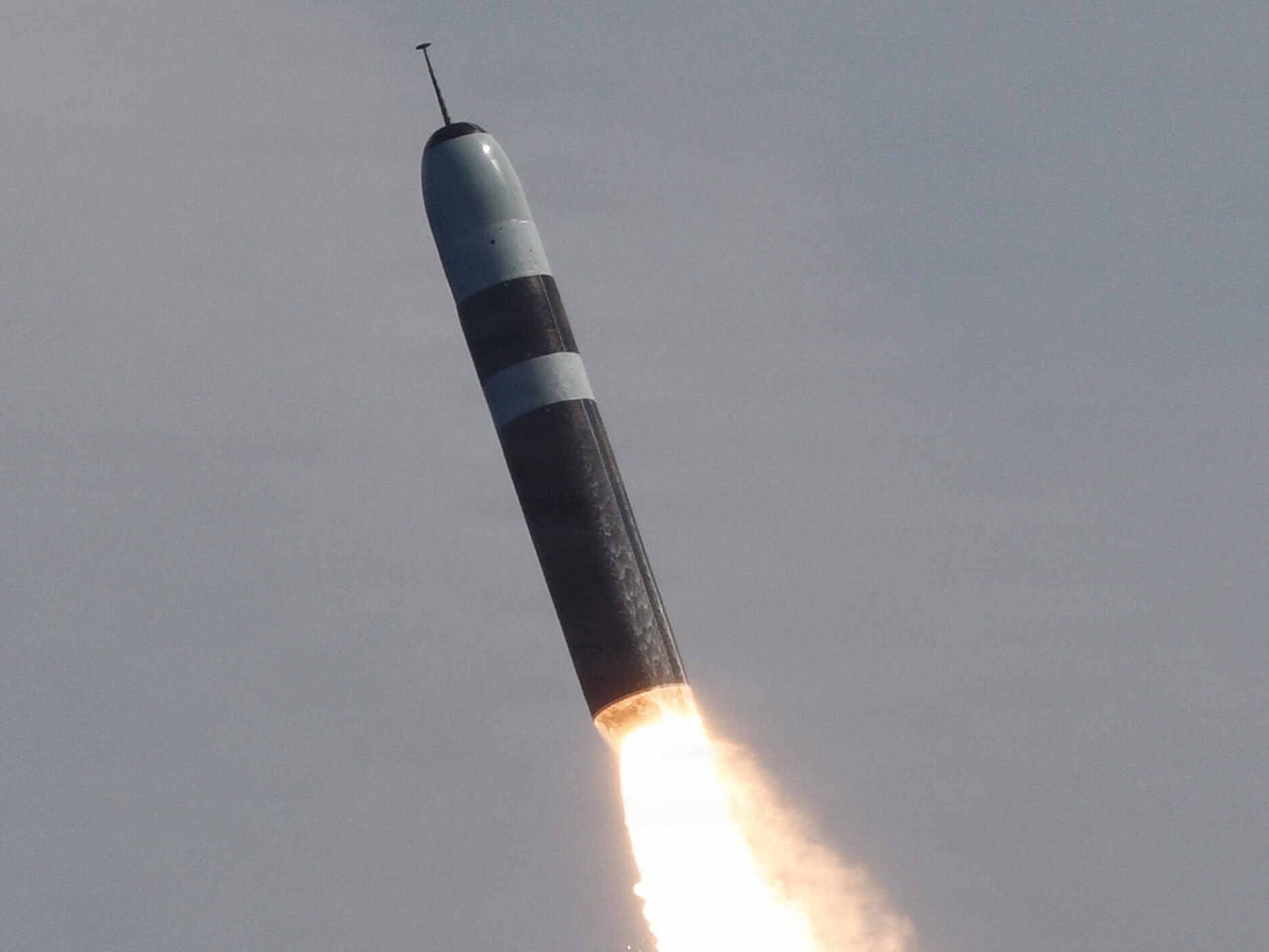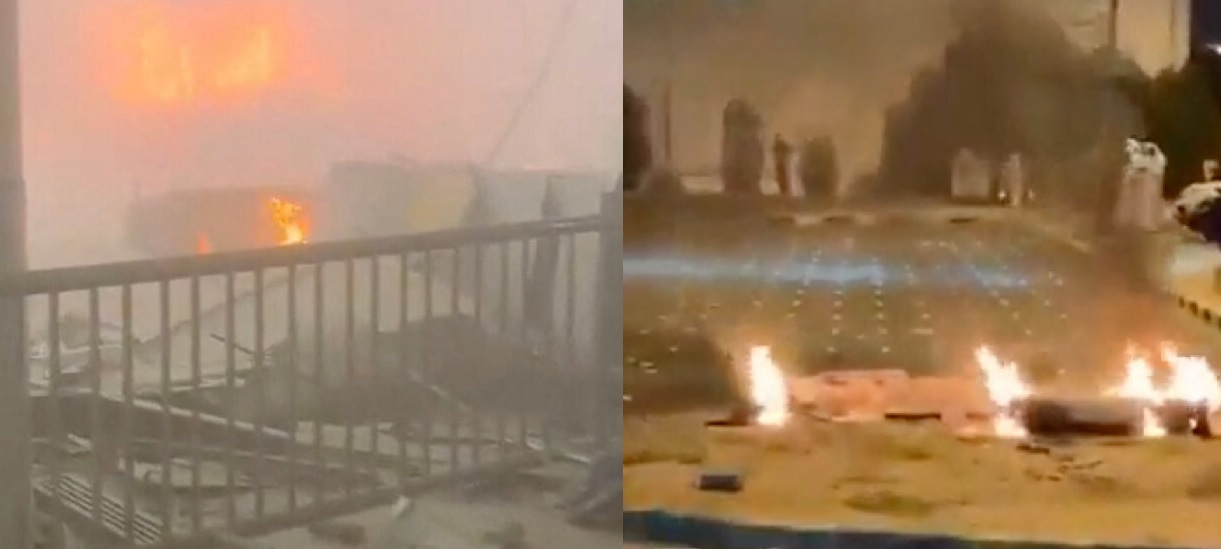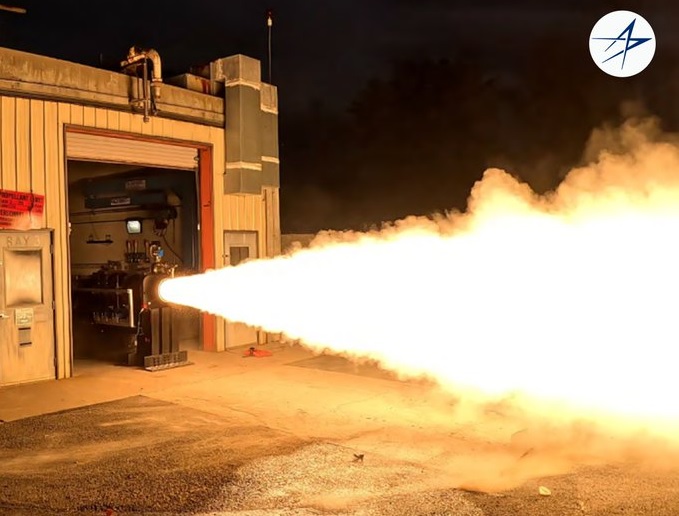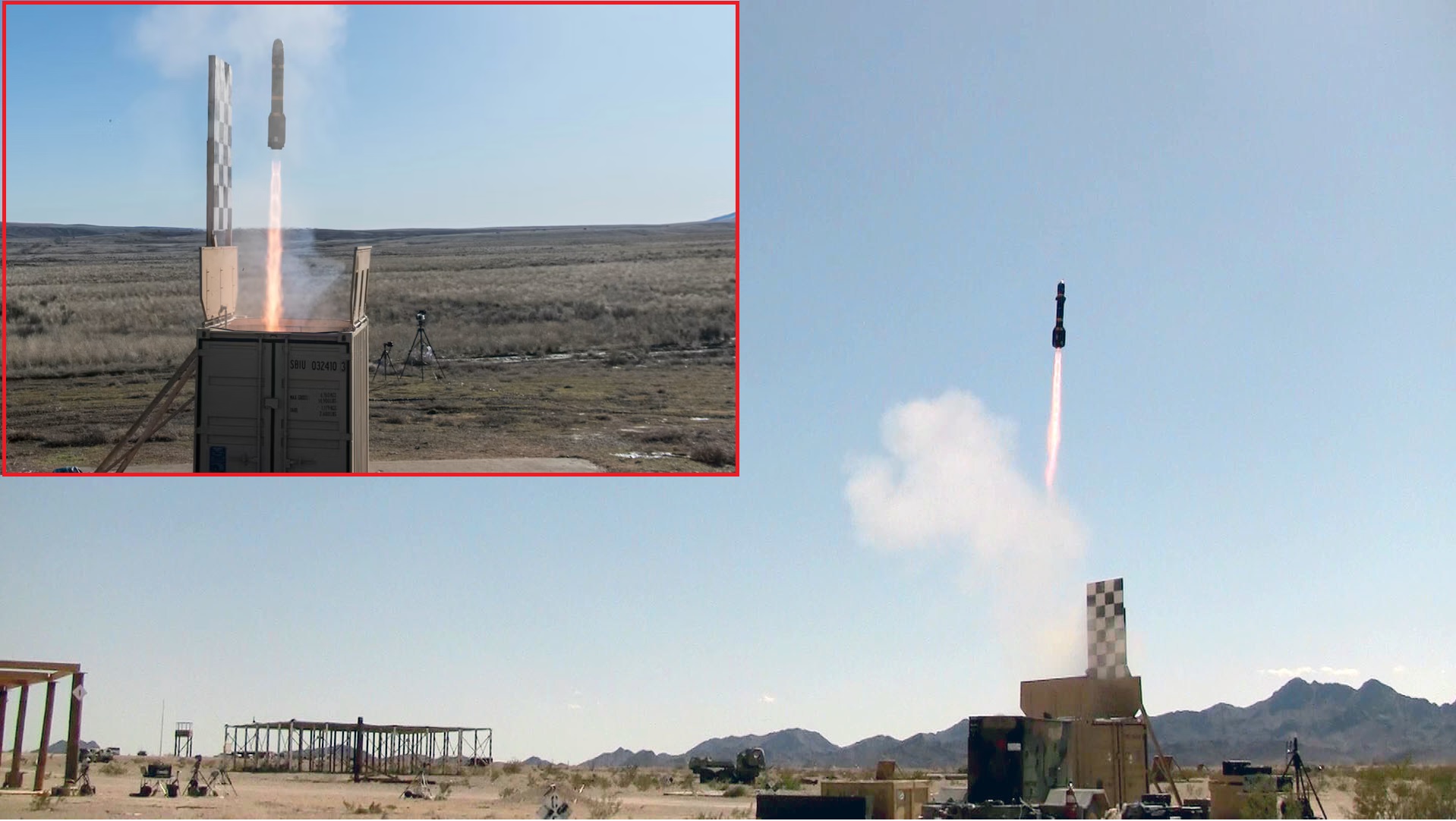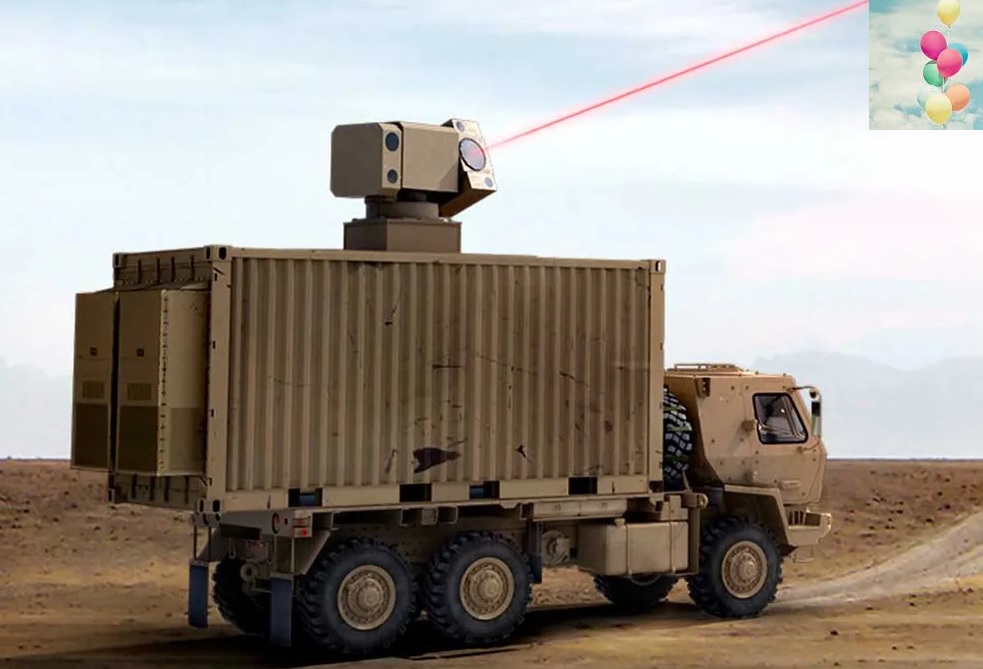
EL PASO, Texas : Commercial flights at El Paso International Airport were temporarily grounded this week after federal authorities imposed an airspace restriction linked to U.S. military counter-drone testing near Fort Bliss. The disruption followed the deployment of high-energy laser technology that was used to neutralize an aerial object later identified as a party balloon.
The episode has highlighted coordination challenges between the Federal Aviation Administration (FAA) and the Department of Defense (DOD) regarding military testing conducted close to civilian flight corridors.
Military Laser Testing Near Civilian Airspace
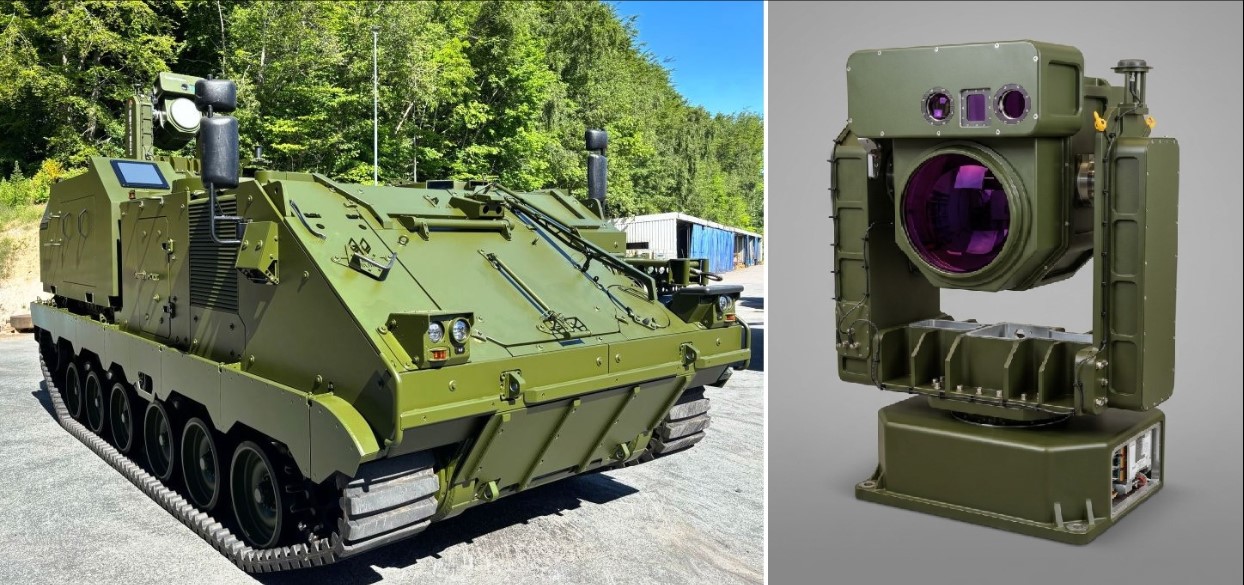
According to multiple sources familiar with the planning, the Pentagon has been preparing at Fort Bliss to test technology designed to detect and neutralize unmanned aerial systems (UAS). Two sources identified the system as a high-energy laser platform intended for counter-drone operations.
Fort Bliss is located adjacent to El Paso International Airport, placing the planned tests near established commercial flight paths.
Defense officials indicated that the department believed it was operating within the scope of U.S. Code 130i, which governs the protection of certain facilities and assets from drone-related threats. However, a disagreement emerged between the Pentagon and the FAA regarding the timing of deployment. Pentagon officials reportedly sought to proceed sooner than the FAA considered appropriate for safe civilian aviation operations.
FAA Orders Temporary Airspace Shutdown
On Tuesday night, FAA Administrator Bryan Bedford ordered the closure of airspace below 18,000 feet in the El Paso area. The agency issued a Notice to Air Missions (NOTAM) advising pilots that unauthorized aircraft entering the restricted zone could face enforcement action, including the possibility of being engaged.
Sources stated that the decision to implement the restriction was made without advance notification to the White House, the Pentagon, or the Department of Homeland Security. The initial order was structured to remain in effect for up to 10 days, a duration comparable to measures implemented in the United States following the September 11, 2001 terrorist attacks.
The restriction resulted in the temporary grounding of commercial departures and arrivals at El Paso International Airport. Emergency medical evacuation flights were also affected during the closure period.
Airline representatives later indicated they were informed that the measure was precautionary. The FAA cited uncertainty regarding the projected flight paths of government-operated drones and concerns about concurrent anti-cartel operations near Fort Bliss.
Balloon Misidentification and Cartel Drone Activity
The operational tensions intensified earlier in the week when military counter-drone systems were activated near the southern border in response to what were initially believed to be foreign drone incursions.
Sources confirmed that at least one aerial object disabled during these operations was subsequently identified as a party balloon. Despite the misidentification in that instance, officials reported an increase in drone usage by Mexican cartels along the U.S.–Mexico border.
One official confirmed that at least one cartel-operated drone was successfully neutralized by military technology during recent engagements. The Pentagon declined to specify how many objects were targeted overall or to provide additional operational details.
Interagency Review and Lifting of Restrictions
The grounding prompted inquiries from federal law enforcement and national security officials. The matter was raised during a Wednesday morning meeting that included White House Chief of Staff Susie Wiles. Following discussions at that level, the FAA lifted the airspace restrictions within minutes, allowing commercial operations to resume.
Transportation Secretary Sean Duffy stated that the FAA and the Department of Defense acted to address a cartel drone incursion and that the identified threat had been neutralized. He said there was no ongoing danger to commercial aviation in the region and confirmed that flight operations were returning to normal.
The FAA declined further comment on internal decision-making processes. It remains unclear whether administrative or disciplinary action will result from the communication gaps cited by officials.
Context of Heightened Aviation Oversight
The FAA’s approach reflects increased caution regarding military activity in civilian airspace corridors. In 2025, a mid-air collision over Washington, D.C., involving a U.S. Army helicopter and an American Airlines regional jet, led to renewed scrutiny of airspace coordination between military and civilian authorities.
In the El Paso case, the central issue concerned the proximity of counter-drone testing to active commercial routes and the timing of interagency coordination. While operations at El Paso International Airport have resumed, the incident has prompted ongoing review of notification procedures and oversight protocols governing military testing near civilian aviation infrastructure.
——— End of Article ———