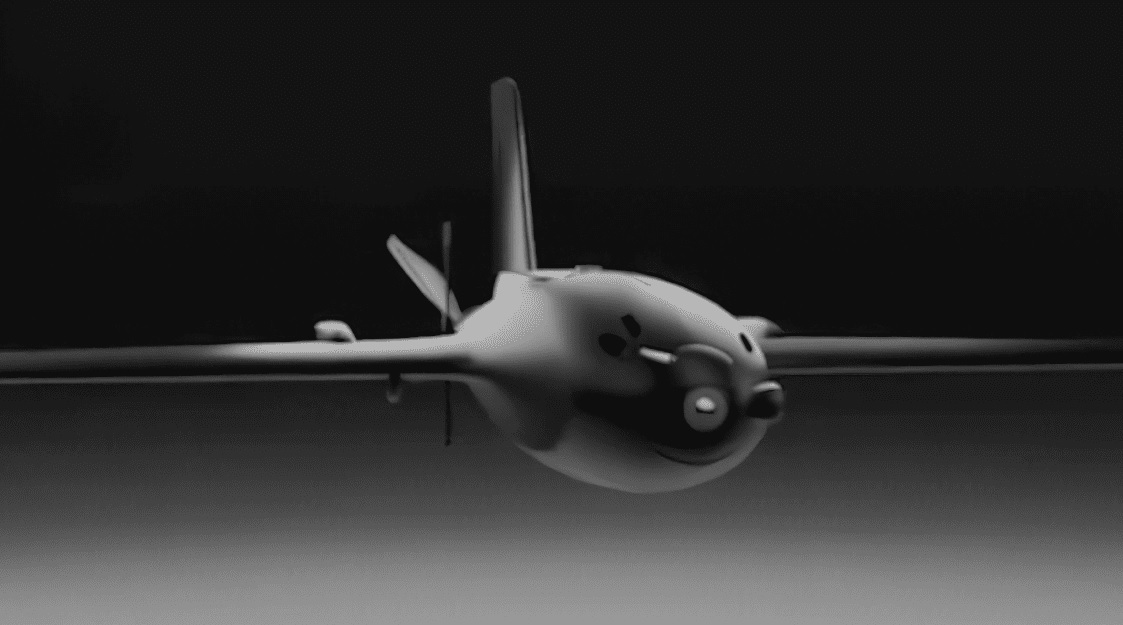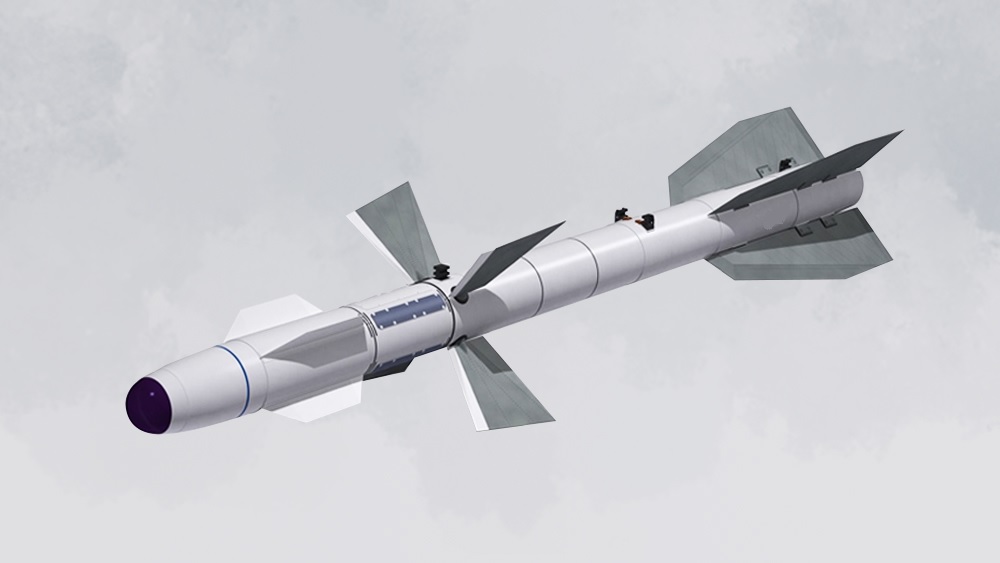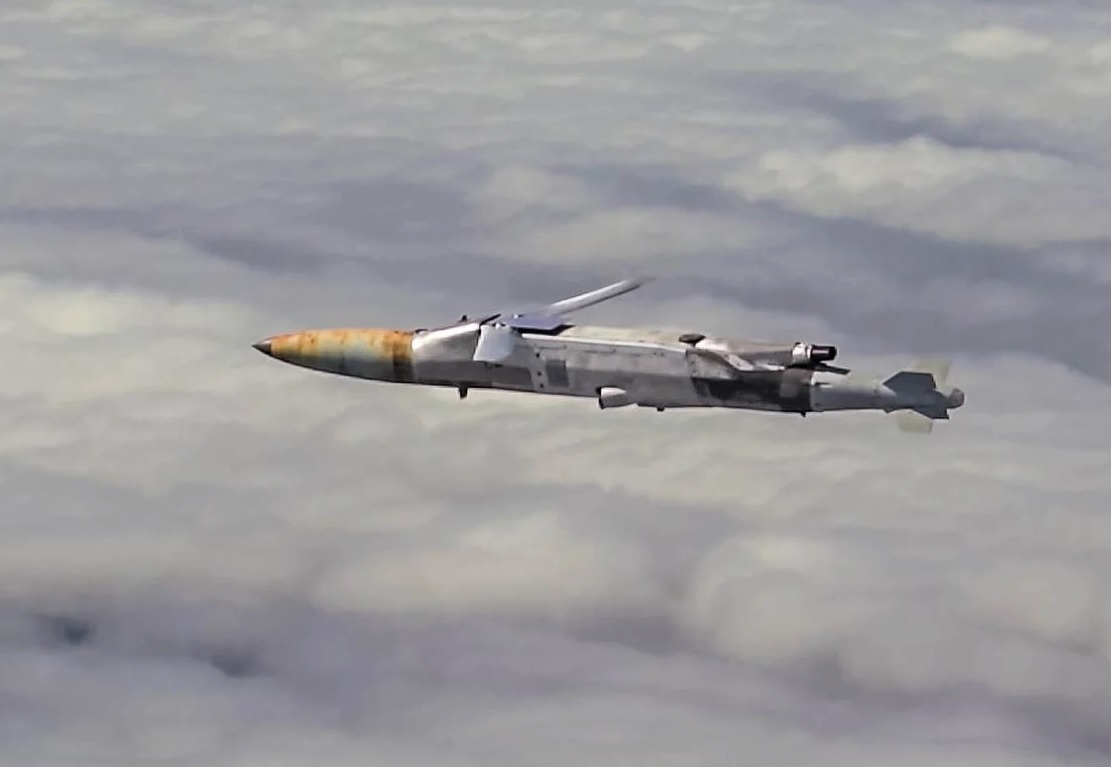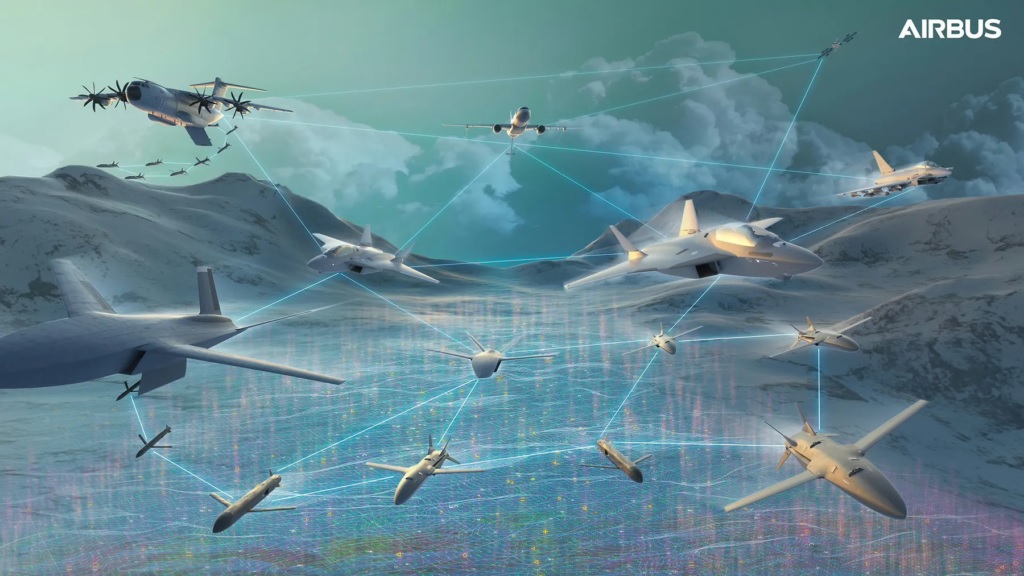
The initiative, currently underway for an undisclosed European client, will enable the aircraft to carry and release up to 12 heavy cruise missiles comparable in size to the Taurus KEPD 350 or alternatively deploy as many as 50 medium-sized drones from its cargo hold. The payloads can be released individually or in coordinated swarms while the aircraft remains at standoff distances, outside contested air defense zones.
Modular Payload System and Deployment Concept
The A400M’s large cargo compartment forms the basis of the new capability. Measuring approximately 17.71 metres in length (excluding the ramp), 4 metres in width, and 3.85 metres in height, with a total volume of 340 cubic metres, the hold will accommodate a roll-on, roll-off modular system designed for rapid loading and in-flight deployment of missiles or unmanned systems.
This configuration allows flexible mission preparation and enables sequential or mass release through both the rear cargo ramp and paratroop doors. The approach is intended to support a range of operational scenarios, including saturation strikes and distributed swarm deployments.
Real-Time Control via Satellite Link
Airbus is integrating a high-bandwidth, encrypted satellite communication system into the aircraft to enable real-time control of deployed assets. Crew members onboard the A400M will be able to monitor, guide, and retarget missiles or drones throughout their flight.
The system architecture includes an open-architecture mission interface, allowing rapid integration of different payload types and control systems. This connectivity is designed to support coordinated operations involving multiple unmanned platforms operating simultaneously.
Test Campaigns and Validation
The concept builds on a series of trials conducted by France’s Direction générale de l’armement (DGA). These included both simulation work and live release testing.
In recent trials, the DGA conducted three flight campaigns involving the release of 72 inert drone mock-ups from an A400M. Of these, 21 were deployed through paratroop doors and 51 via the rear cargo ramp. The tests focused on validating separation dynamics, flight trajectories, aerodynamic interactions in the aircraft wake, and overall safety margins, while also refining numerical simulation models.
Earlier, in late 2022, Airbus, in cooperation with the German Bundeswehr and the German Aerospace Center, successfully launched a Remote Carrier demonstrator from an A400M during flight, further validating the feasibility of airborne deployment of unmanned systems.
Integration with Future Combat Concepts
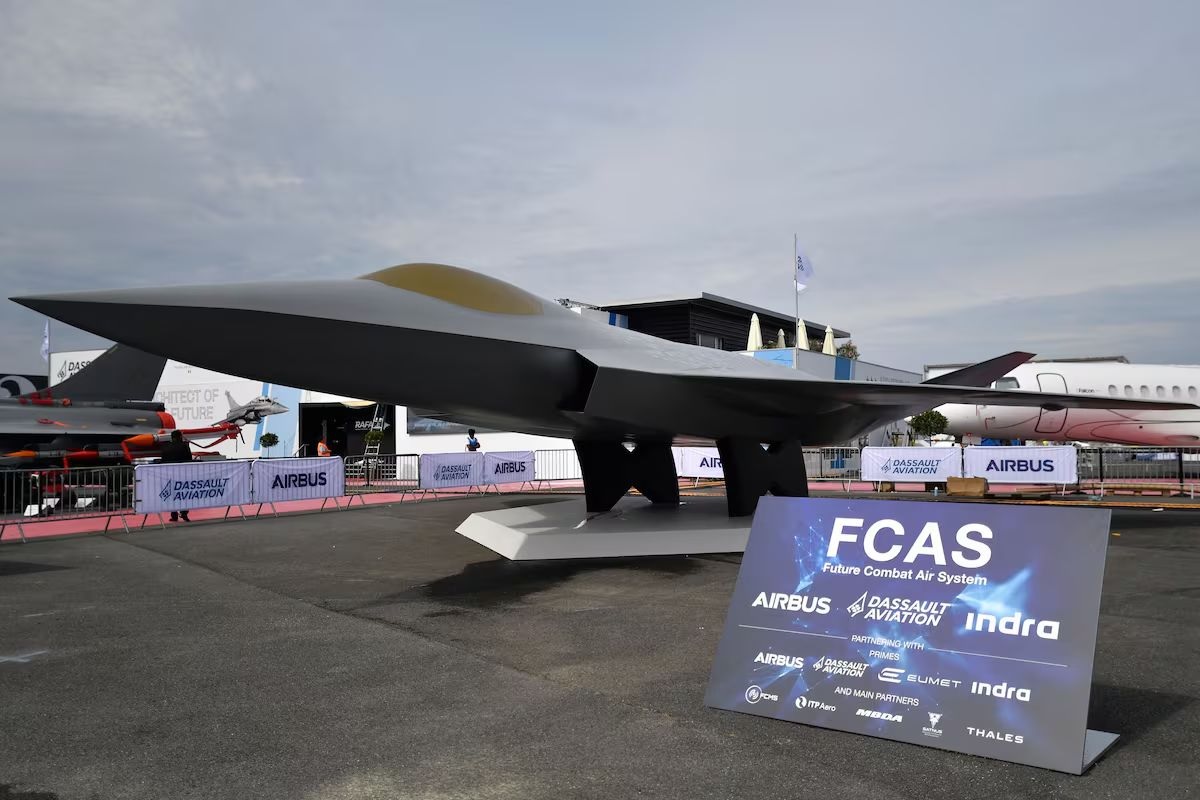
The mothership configuration is being developed as part of broader European efforts to integrate manned and unmanned systems, including those associated with the Future Combat Air System (FCAS).
Programme officials indicate that, in a medium-sized configuration, the aircraft will be capable of carrying either 50 small drones or up to 12 heavy Remote Carriers, supporting coordinated and networked operations across multiple domains.
Airbus aims to deliver a concept mothership version of the A400M by 2029, with ongoing work focused on command-and-control integration, payload compatibility, and mission system development in coordination with the European customer.
Expanding the Role of a Tactical Airlifter
Originally designed as a tactical and strategic transport aircraft with a maximum payload of 37 tonnes, the A400M is already in service with several European operators, including Germany, France, Spain, and the United Kingdom.
Powered by four turboprop engines and capable of operating from short and unpaved airstrips, the aircraft offers the range, payload capacity, and operational flexibility required for the new role. The mothership concept would allow it to deploy strike assets from significant distances, extending operational reach without requiring forward-based launch platforms.
Strategic Implications
The adaptation positions the A400M as a deep-strike and standoff delivery platform, enabling European air forces to enhance offensive capabilities using existing fleets rather than acquiring new strategic bombers.
By combining long-range missiles with large numbers of networked drones, the system is intended to support a range of missions, including precision strikes, suppression of enemy air defenses (SEAD), and distributed operations using coordinated unmanned assets.
Development continues under Airbus leadership in collaboration with the undisclosed European client, with further testing and system integration activities expected ahead of the targeted 2029 concept deployment.
——— End of Article ———