
World
The recent joint air force exercise between the United Arab Emirates (UAE) and China, dubbed Falcon Shield, held in Xinjiang province, has set off alarm bells in Western capitals. This marks the second iteration of the exercise, highlighting a growing military collaboration that has significant geopolitical implications.At the heart of the concern is the potential for China to gain access to Western military technology through these drills. Satellite imagery from the International Institute for Strategic Studies (IISS) revealed that multiple UAE Mirage 2000-9 fighter bombers were deployed at Hotan Airport in Xinjiang. These aircraft, also used by the Taiwanese air force, were stationed apart from Chinese aircraft, yet the close proximity raises the specter of China gleaning critical information about Western fighter jets' capabilities and performance.The Mirage 2000-9 is a key asset for the UAE and is known for its advanced avionics and combat systems. For China, the opportunity to observe these aircraft in action, even indirectly, presents a valuable intelligence windfall. The People's Liberation Army Air Force (PLAAF) could gain insights into the Mirage 2000's performance, which would be particularly useful for dissimilar air combat training and for improving their own technology.China, as the host nation, has the means to observe the UAE’s systems closely. The PLAAF's airborne early warning aircraft can monitor the exercise, testing their radar's ability to detect the Mirage 2000. Furthermore, the exercise offers a chance for China to evaluate its own fighter radar, electro-optical systems, and missile seekers against a sophisticated opponent in a controlled environment.The growing defense relationship between the UAE and China extends beyond these exercises. The UAE Air Force already operates Chinese-made Wing Loong II unmanned aerial vehicles (UAVs) and is exploring the acquisition of the L-15A trainer aircraft. Such purchases often require Chinese technical support, further entrenching the UAE-China defense partnership.This deepening military cooperation comes amid broader strategic shifts. The UAE's decision to work with Huawei for its 5G network infrastructure has already strained relations with the United States, affecting discussions about the UAE's potential purchase of F-35 fighter jets from Lockheed Martin. Washington is wary of the security implications of close UAE-China ties, particularly regarding technology transfer and intelligence leaks.The Falcon Shield exercise underscores a larger pattern of China's expanding influence in the Middle East. For the UAE, a closer relationship with China offers economic and strategic benefits, diversifying its alliances beyond traditional Western partners. However, for the West, this burgeoning partnership signals a potential realignment that could reshape regional dynamics and global power structures.As China and the UAE continue to strengthen their defense ties, Western nations will be closely monitoring the implications. The possibility of China accessing advanced Western military technology through its engagements with the UAE remains a pressing concern, adding another layer of complexity to the already intricate web of international relations.
Read More → Posted on 2024-07-26 15:47:09
World
Australia is reconsidering equipping its MQ-28 Ghost Bat drones with lethal payloads to bolster combat missions, contrary to earlier reports that suggested a shift away from arming these drones. Defense industry minister Pat Conroy recently clarified that while the primary focus remains on installing intelligence, surveillance, and reconnaissance (ISR) payloads, the potential for adding combat capabilities has not been dismissed.“We are initially concentrating on ISR capability, but we have not ruled out it having combat capability,” Conroy stated. “We are investigating the payload implications.”The MQ-28 Ghost Bat, developed by Boeing, is designed as a "loyal wingman" to complement and extend the reach of Australia's most valuable combat aircraft, including Joint Strike Fighters and Super Hornets. This versatile drone can fly at subsonic speeds and cover distances exceeding 2,000 nautical miles (3,704 kilometers), making it a critical asset in modern warfare.A spokesperson from Boeing expressed support for the potential upgrade, noting that the Ghost Bat is a flexible platform adaptable to various missions and payloads. This adaptability allows the drone to meet evolving military needs and incorporate future systems.Earlier in the week, local media had reported that plans to arm the Ghost Bat with lethal payloads were abandoned following Boeing's elimination from America's Collaborative Combat Aircraft program. The report suggested a strategic pivot towards ISR roles, perceived to involve fewer operational hurdles since ISR payloads do not require complex "rules of engagement."However, Conroy's recent statements and Boeing's stance indicate that the Australian defense ministry is still considering all options. The decision to potentially integrate lethal payloads reflects an ongoing assessment of how best to utilize the Ghost Bat's capabilities in alignment with national defense strategies.The MQ-28 Ghost Bat represents a significant advancement in drone technology, offering both ISR and potential combat functionalities. As Australia continues to evaluate its defense needs, the future of the Ghost Bat remains a subject of keen interest and strategic planning.
Read More → Posted on 2024-07-26 15:42:37
India
In a significant announcement on the 25th anniversary of Kargil Vijay Diwas, Uttarakhand Chief Minister Pushkar Singh Dhami declared that Agniveers, veterans returning from their service in the armed forces, will be granted reservation in government jobs. This initiative, aimed at recognizing and utilizing the skills and discipline of former military personnel, underscores the state's commitment to their welfare and integration into civilian life.During a tribute event to honor the valiant soldiers of the Kargil War, CM Dhami detailed the government's plans to bring forth legislation that would ensure these reservations. "We will make provisions and bring an Act to give reservation to them in government services. We are working on this plan. We will make use of their skills and discipline in various government departments," he stated.The Kargil War, fought in 1999, saw Indian soldiers endure harsh conditions to defend the nation's territory. The sacrifices made during this conflict were profoundly acknowledged by CM Dhami, who emphasized the unparalleled nature of such acts of bravery. In addition to the job reservation announcement, Dhami revealed that financial aid to the families of martyrs will be significantly increased from Rs 10 lakh to Rs 50 lakh, highlighting the state's commitment to supporting those who have lost their loved ones in service to the nation.CM Dhami also paid homage to the political leadership that played a crucial role during the Kargil War. He credited former Prime Minister Atal Bihari Vajpayee's leadership for India's victory, emphasizing the importance of political will in achieving military success. Drawing parallels to the present, Dhami praised Prime Minister Narendra Modi for his unwavering support and initiatives for the armed forces, including the implementation of the One Rank One Pension (OROP) scheme. He noted that PM Modi's leadership has significantly boosted the morale of the armed forces.In a poignant gesture, CM Dhami mentioned that PM Modi was celebrating Vijay Diwas with soldiers in the Dras sector, further underlining the government's close connection and ongoing support for military personnel.The announcement by CM Dhami is seen as a step towards ensuring that the dedication and discipline of Agniveers are recognized and utilized within the state’s administrative framework. This move not only honors their service but also provides them with new opportunities for career growth and stability in their post-military lives.As the nation commemorates the bravery and sacrifices of the Kargil War heroes, Uttarakhand's initiative to offer job reservations to Agniveers stands as a testament to the state's commitment to its veterans, ensuring their continued contribution to society and recognizing the invaluable skills they bring from their military service.
Read More → Posted on 2024-07-26 15:38:49
India
Reliance Industries Ltd., India's largest privately-owned refiner, has successfully obtained approval from the U.S. government to resume importing oil from Venezuela. This development marks a significant shift, considering the stringent sanctions imposed by the White House on the South American nation. The news, disclosed by sources familiar with the matter, signifies a crucial moment for both Reliance and the broader geopolitical landscape.Venezuela has long been a critical supplier of crude oil to India, and Reliance Industries accounted for approximately 90% of India's crude imports from Venezuela after sanctions were initially lifted last year. According to data intelligence firm Kpler, this substantial share underscores the importance of Venezuelan oil in India's energy portfolio.The backdrop to this approval is rooted in a temporary easing of sanctions by Washington last year. This relaxation came after Venezuelan President Nicolas Maduro and opposition leaders reached an agreement aimed at ensuring free and fair elections. However, when Venezuela failed to honor this agreement, the sanctions were reinstated in April, compelling oil companies to seek special permits from the U.S. Treasury Department to continue their operations.In June, Venezuela's crude exports surged to 654,000 barrels per day, the highest level since April 2020. This increase followed a specific license granted by the U.S. that allowed companies to continue drilling in the country despite the sanctions. This license was pivotal in enabling Reliance to move forward with its import plans.Reliance is not alone in seeking to import Venezuelan oil. ONGC Videsh Ltd., the overseas investment arm of India's state-owned Oil and Natural Gas Corporation, has also applied for waivers to import crude from Venezuela. This collective interest highlights the strategic importance of Venezuelan oil for India's energy security.The resumption of Venezuelan oil imports by Reliance is expected to provide a much-needed boost to the Indian refiner's operations. Venezuelan crude is known for its heavy and sour characteristics, which are well-suited for Reliance's complex refining processes. This compatibility allows Reliance to maximize efficiency and output, ensuring a steady supply of refined products to meet domestic and international demand.On a broader scale, the approval also reflects the intricate dance of international diplomacy and economic interests. The U.S. sanctions on Venezuela were initially aimed at pressuring the Maduro regime to implement democratic reforms. However, the need to balance geopolitical strategies with economic realities has led to nuanced decisions, such as granting specific licenses to oil companies.For Venezuela, the ability to export more oil is crucial for its struggling economy. The nation has been grappling with hyperinflation, political instability, and a severe humanitarian crisis. Increased oil exports provide much-needed revenue that can potentially stabilize the economy and improve living conditions for its citizens.In summary, Reliance Industries' green light to import Venezuelan oil underscores the complex interplay between politics, economics, and energy security. It also highlights India's strategic maneuvering to secure its energy needs amid global uncertainties. As Reliance prepares to restart its imports, the move will likely have significant implications for the Indian energy market and the broader geopolitical landscape.
Read More → Posted on 2024-07-26 15:36:29
World
Israel faces a significant challenge. The brutal attacks by Hamas on October 7 resulted in over 1,000 deaths, with many civilians taken hostage and hidden in Gaza's hospitals and schools. This tactic of using civilians as shields has been effective since the 1990s, and Western militaries have yet to find a countermeasure.Reflecting on past experiences, such as the Battle of Mogadishu in 1993, where civilians were used to shield armed fighters, the need for advanced non-lethal weapons becomes evident. The U.S. Marine Corps, after learning from the Somalia conflict, initiated the development of non-lethal weapons. As the director of the Experimental Unit (X Unit), the task of exploring these options became crucial, especially when tasked with evacuating UN forces from Somalia under the leadership of General Tony Zinni. This effort led to the discovery and testing of several experimental systems. Although none proved decisive, psychological warfare techniques were successfully employed to portray these weapons as exotic and dangerous, aiding in the relatively bloodless success of Operation United Shield.In the years following Somalia, the Marine Corps continued to advocate for more effective non-lethal weapons, leading to the establishment of the Joint Non-Lethal Weapons Directorate (JNLWD) at Quantico, Virginia. This initiative produced the Active Denial System (ADS), a directed energy weapon that induces a sensation of searing heat without causing physical harm, designed to control crowds and deter advances.Despite its potential, the ADS has not been deployed in military operations due to the nature of conflicts in Afghanistan and Iraq. However, ongoing efforts within the X Unit focused on using non-lethal weapons in urban combat scenarios where civilians and fighters are intermixed. One promising technology, involving ultrasound, was tested but ultimately deemed insufficient for military use due to its limited incapacitating effects.Looking ahead, the development of a technology that can incapacitate individuals within buildings, allowing for the separation of fighters from non-combatants, remains a priority. A variation of the ADS system, capable of inducing heat prostration, holds promise, though current prototypes require large, immobile power sources. Miniaturizing this technology is a technical challenge that needs to be overcome.The future of urban combat, whether in Gaza or other conflict zones, will likely necessitate the use of advanced non-lethal weapons. By investing in and developing these technologies, both Israel and the U.S. can enhance their capabilities to address the complex and ethically challenging nature of modern urban warfare.
Read More → Posted on 2024-07-26 15:32:55
India
Thiruvananthapuram: In a significant milestone for India's defence electronics sector, Keltron's subsidiary, Kuttipuram Keltron Electro Ceramics Limited (KECL), has secured a ₹17 crore contract to manufacture advanced transducer elements for the Indian Navy. This order, announced by State Industries Minister P. Rajeeve, marks the largest defence electronics deal ever received by KECL.The contract, awarded by Bharat Electronics Limited (BEL) Bangalore, focuses on producing transducer elements essential for sonars used on Anti-Submarine Warfare (ASW) shallow watercraft, a flagship project of the Indian Navy. The advanced transducer elements, over 2,000 of which are to be manufactured under this contract, play a critical role in the functionality of sonars. Sonars are crucial in maritime security as they detect other ships and submarines by using sound waves under the sea.Transducers are the primary components of hydrophones, the devices used in sonar systems. Hydrophones convert sound waves into electrical signals, enabling the detection and tracking of underwater objects. This technology is vital for ensuring the Indian Navy's capability to monitor and secure the country's vast maritime borders.Keltron, a state-run electronics company, has a long-standing history of supplying various defence electronics equipment for the Indian Navy, particularly for underwater applications. The company's expertise and technological excellence in this field have been consistently recognized, with this latest order reinforcing its reputation. Just last month, Keltron secured a substantial ₹97 crore order from the Indian Navy, further underscoring its pivotal role in India's defence sector.Minister Rajeeve highlighted the importance of this contract, noting that it reflects the technological advancements and reliability that Keltron has achieved. The continuous stream of orders from the defence sector is a testament to the company's capabilities and its critical contribution to India's defence infrastructure.Keltron Electro Ceramics Limited (KECL), the subsidiary responsible for this contract, is a major public sector undertaking (PSU) in India, specializing in the domestic manufacturing of transducers. The company's commitment to innovation and quality has positioned it as a key player in the defence electronics market, particularly in the production of advanced sonar components.This ₹17 crore contract is not only a significant achievement for KECL but also a crucial step in bolstering India's self-reliance in defence manufacturing. By producing advanced transducer elements domestically, KECL is helping to reduce dependency on foreign suppliers and enhancing the indigenous capabilities of the Indian defence sector.As India continues to prioritize strengthening its maritime security and defence infrastructure, companies like Keltron and its subsidiaries play an essential role. The successful execution of this contract will likely pave the way for more such opportunities, further solidifying Keltron's position as a leader in defence electronics manufacturing.
Read More → Posted on 2024-07-26 15:28:15
World
At the Farnborough International Air Show, Teledyne FLIR Defense, a division of Teledyne Technologies Incorporated, showcased its latest innovation: the UltraFORCE 380-HDc imaging system. This new long-range airborne surveillance solution is notably not subject to International Traffic in Arms Regulations (ITAR), significantly simplifying the process of shipping and deploying the system to customers outside the United States.The UltraFORCE 380-HDc stands out with its superior high-definition multi-spectral imaging capabilities packed into a compact and low-profile design. This imaging system boasts full 1080p resolution across its visual, thermal, low-light, and shortwave infrared (SWIR) cameras. Such high-resolution imaging makes the 380-HDc an ideal choice for various missions, including airborne reconnaissance, patrol, and search and rescue operations.One of the standout features of the UltraFORCE 380-HDc is its advanced laser rangefinder and pointer. This feature allows users to discreetly highlight targets or points of interest and coordinate operations with observers equipped with night vision goggles or similar devices. Additionally, the system’s intelligent, automated operation enhances tracking capabilities, continuously indicating the size, location, speed, and distance of multiple targets.Kety Frachey, senior director for airborne systems-Europe at Teledyne FLIR Defense, highlighted the system’s strengths: “The new UltraFORCE 380-HDc is a powerful long-range imaging system in a small package. With 380-HDc, we’ve brought together the most vital capabilities military and law enforcement users worldwide require to execute their missions in a smaller SWaP-C form.”Weighing only 30 kg (65 lbs) and featuring a low 14.6” height profile, the UltraFORCE 380-HDc gimbal is designed to maximize ground clearance in rotary aircraft without compromising on capability and performance. This system offers two- to four-times greater magnification compared to other products in its class, enhancing its operational effectiveness.The UltraFORCE 380-HDc will be available globally starting in the fourth quarter. It will be fully supported by Teledyne FLIR’s Surveillance Service Centre in West Malling, Kent, ensuring it meets UK and EU localized content requirements. Additionally, the system can be configured with the company’s 380X upgraded imaging capabilities, which include multi-tile video management, a touchscreen interface, and a de-scintillation filter that mitigates atmospheric effects such as fog and smoke.By not being bound by ITAR restrictions, the UltraFORCE 380-HDc offers greater flexibility and accessibility to international customers, making it a significant addition to Teledyne FLIR Defense’s product lineup. This innovative imaging system is set to redefine long-range airborne surveillance with its blend of high performance, compact design, and ease of deployment.
Read More → Posted on 2024-07-25 16:58:49
World
Airbus has once again pushed the boundaries of aviation technology, announcing a groundbreaking achievement for its A330 multi-role tanker aircraft. In a world first, the aircraft successfully completed an automatic air-to-air refueling mission at night, a feat that marks a significant milestone in aviation history.Prior to this achievement, the A330 tanker had only performed aerial refueling during daytime conditions. This nighttime operation involved more than 500 contacts with receiver aircraft conducted between May and June of this year. Out of these, 150 refueling operations were carried out under night conditions, demonstrating the tanker’s enhanced capability in various illumination environments.The historic tests were performed using an A330 aircraft from the Singapore Air Force, with Portuguese F-16s and Singaporean F-16 and F-15SG fighters acting as receiver aircraft. To ensure a thorough evaluation of the system’s efficiency, these contacts were executed under different night illumination conditions and various receiver external configurations.Developed in 2007, the A330 MRTT (Multi Role Tanker Transport) is the military adaptation of the civilian A330-200. This aircraft is powered by two General Electric engines, enabling it to reach a maximum speed of 912 kilometers per hour (567 miles per hour). It boasts a maximum fuel capacity of 111 tons, a critical feature that supports its 97-percent air-to-air refueling success rate.Enhancements for nighttime refueling included the integration of new A3R night operation algorithms and advanced camera systems to improve its vision capabilities. These advancements have enabled the A330 MRTT to become the first tanker certified for automatic air-to-air refueling, as announced by Airbus in July 2022.The significance of this achievement cannot be overstated. The ability to perform automatic refueling operations at night not only increases the operational flexibility of military forces but also enhances the safety and efficiency of such missions. This development is expected to have far-reaching implications for military aviation, paving the way for more versatile and reliable aerial refueling capabilities.In summary, Airbus’s A330 tanker has set a new benchmark in the aviation industry by successfully completing the world’s first automatic nighttime air-to-air refueling mission. This technological leap forward highlights Airbus's commitment to innovation and its pivotal role in advancing military aviation capabilities.
Read More → Posted on 2024-07-25 16:51:05
World
Greece has taken a significant step in modernizing its air force by signing a deal to procure 20 Lockheed Martin F-35 Lightning II aircraft. This agreement, formalized through a Letter of Offer and Acceptance (LOA) under a U.S. government Foreign Military Sale, also includes an option for Greece to acquire an additional 20 jets in the future. This move aligns Greece with a growing number of NATO countries that are integrating this advanced fighter jet into their military arsenals.The F-35 Lightning II, known for its stealth, advanced avionics, and superior combat capabilities, represents a transformative addition to the Hellenic Air Force. Air Force Lt. Gen. Mike Schmidt, the director and program executive officer of the F-35 Joint Program Office, expressed his enthusiasm about Greece joining the F-35 enterprise. He highlighted the exceptional capabilities that the F-35 will bring to the Hellenic Air Force, enhancing interoperability among NATO allies and strengthening overall combat effectiveness.Bridget Lauderdale, Lockheed Martin’s vice president and general manager of the F-35 program, echoed these sentiments. She noted that Greece has been a valued partner for decades, and this acquisition marks a continuation of that strong relationship. The F-35 is seen as a crucial asset for bolstering Greece’s sovereignty and operational capabilities, making it a pivotal element in the nation’s defense strategy.The F-35 is rapidly becoming the standard fighter jet for NATO, praised for its unparalleled interoperability with allied forces. This capability is a significant strategic advantage for the U.S. and its allies, ensuring superiority in the air for decades to come. By the 2030s, it is expected that more than 600 F-35s will be operational across over 10 European countries, including two full U.S. F-35 squadrons stationed at Royal Air Force Lakenheath in the UK.Mara Motherway, Lockheed Martin’s vice president of Strategy and Business Development, emphasized the growing presence of the F-35 across Europe as a testament to alliance-based deterrence. This widespread adoption is laying the groundwork for NATO and allied nations’ next-generation air power capability.The presence of the F-35 in Greece is expected to play a crucial role in deterring threats and disrupting adversaries' plans. Its advanced features and operational capabilities will significantly contribute to regional stability and the protection of allied airspace. As modern warfare evolves, the connectivity and advanced systems of the F-35 make it a vital component of the joint force, ensuring Greece and its allies remain secure and prepared for any challenges.Currently, the F-35 operates from 32 bases worldwide, with 10 nations having these jets stationed on home soil. Nearly 1,000 F-35 aircraft are operational globally, amassing over 860,000 flight hours. This widespread adoption and operational success underscore the F-35’s pivotal role in modern air combat and defense strategies.Greece’s acquisition of the F-35 Lightning II jets marks a significant advancement in its military capabilities and a reaffirmation of its commitment to NATO’s collective defense strategy. This move not only enhances Greece's air power but also strengthens the interoperability and strategic cohesion of the NATO alliance.
Read More → Posted on 2024-07-25 16:46:45
India
In a significant diplomatic engagement, India's External Affairs Minister S. Jaishankar met with Chinese Foreign Minister Wang Yi on the sidelines of the ASEAN meetings in Vientiane. This meeting comes at a crucial time as tensions along the Line of Actual Control (LAC) between India and China have remained a major concern since the 2020 Galwan Valley clash.During the discussion, Jaishankar emphasized the critical need to respect the LAC and adhere to past agreements to stabilize bilateral relations. He highlighted that peace and tranquility at the border are essential for the normalization of ties between the two neighboring giants. This sentiment was echoed on his social media platform X, where he reiterated the importance of mutual respect, mutual interest, and mutual sensitivity in guiding the India-China relationship.The backdrop to this meeting includes the aggressive posturing by Chinese troops in eastern Ladakh in May 2020, which disrupted the status quo and led to the Galwan Valley clash. Since then, both countries have maintained significant troop deployments near the LAC, with India stationing over 50,000 soldiers equipped with advanced weapons to prevent any further unilateral changes by China.The ASEAN meeting provided an opportune platform for Jaishankar and Wang to review the progress made since their last encounter in Astana earlier this month. The primary focus was on expediting the disengagement process at friction points along the LAC. The ministers agreed that achieving complete disengagement and ensuring respect for the LAC are pivotal steps towards rebuilding and stabilizing bilateral relations.Jaishankar also underscored the importance of the "three mutuals" — mutual respect, mutual interest, and mutual sensitivity — as fundamental principles for the relationship between India and China. The Ministry of External Affairs' press release highlighted that both sides must fully abide by existing bilateral agreements and protocols to maintain peace at the borders.In addition to border issues, the two leaders exchanged views on regional and global matters. Jaishankar noted the broader implications of stable India-China relations for Asia and the multipolar world. He expressed optimism about resolving the border dispute and reaffirmed India's commitment to completing the disengagement process.The meeting also set the stage for an upcoming session of the Working Mechanism on Consultation and Coordination on India-China Border Affairs (WMCC), aimed at advancing discussions and addressing remaining issues.Jaishankar's visit to Vientiane from July 25 to 27 underscores India's active participation in the ASEAN framework and its commitment to ASEAN centrality and the ASEAN-India Comprehensive Strategic Partnership. This year marks the tenth anniversary of India's Act East Policy, highlighting the country's deep engagement with Southeast Asia.As the ASEAN region continues to play a vital role in global geopolitics, India's consistent efforts to foster strong ties with ASEAN nations, alongside managing complex bilateral relationships like that with China, reflect its strategic vision and commitment to regional stability.
Read More → Posted on 2024-07-25 16:28:49
World
Israel Aerospace Industries (IAI) recently introduced a groundbreaking addition to its arsenal: the ‘Wind Demon’ air-to-surface cruise missile. This state-of-the-art weapon was unveiled at the prestigious Farnborough International Airshow 2024, marking a significant leap in Israel's defense capabilities.The Wind Demon, a marvel of modern military technology, weighs in at 140 kilograms (308 pounds) and boasts impressive versatility. It can be launched from various aerial platforms, including attack helicopters and fighter aircraft. One of its standout features is its long-range capability, allowing it to engage both mobile and stationary targets more than 200 kilometers (124 miles) away.Designed to fly at extremely low altitudes, the Wind Demon significantly reduces the risk of detection and interception by enemy air defenses. This makes it a formidable tool in Israel’s defense strategy, enhancing its ability to carry out precise and undetectable strikes.The missile leverages IAI's extensive experience in missile and loitering munition development, incorporating cutting-edge technology for superior performance. It is equipped with laser-homing seekers and advanced electro-optics, ensuring precise target identification both day and night. The Wind Demon’s remarkable accuracy is highlighted by its circular error probability of just one meter (3.3 feet), making it one of the most precise missiles in its class.In addition to its precision, the Wind Demon features various speed profiles, enabling it to adapt to different mission requirements. Whether a rapid response is needed or a more discreet approach is preferred, the missile can adjust accordingly to suit the terrain and operational demands.A notable aspect of the Wind Demon is its cost-efficiency. IAI has positioned this missile as a reliable and affordable solution for modern warfare. While the exact unit price remains undisclosed, company vice president Guy Bar Lev emphasized the missile’s "uniquely low cost-per-hit ratio," making it an economically viable option for sustained military operations.This latest development from IAI reflects the changing nature of warfare, where precision, versatility, and affordability are paramount. The Wind Demon is set to enhance Israel’s defense capabilities, providing a sophisticated tool to address evolving security challenges effectively.As the world watches the ongoing advancements in military technology, the introduction of the Wind Demon underscores Israel’s commitment to maintaining a strategic edge in defense innovation. This missile is not just a testament to IAI’s engineering prowess but also a crucial asset in Israel’s national security arsenal.
Read More → Posted on 2024-07-25 16:26:24
World
In a bid to reinforce its dwindling military ranks amidst the ongoing conflict in Ukraine, Russia has unveiled a lucrative financial incentive aimed at attracting new recruits. The Moscow city government is offering a substantial first-year compensation package of 5.2 million roubles (approximately Rs 50,00,000) to contract soldiers. This sum, which is more than five times the national average wage, reflects the urgency and desperation driving Russia’s current recruitment efforts.The conflict in Ukraine has taken a severe toll on Russian forces, with high casualty rates and significant losses in both personnel and equipment. Reports indicate that tens of thousands of Russian soldiers have been killed or wounded since the invasion began. In light of these grim statistics, President Vladimir Putin has ordered an increase of 170,000 military personnel, underscoring the escalating need for more soldiers.Despite the generous financial package that includes bonuses, salaries, and various benefits, Moscow has struggled to meet its recruitment goals. The capital lags behind other regions in the proportion of its population volunteering for military service. This struggle is set against the backdrop of a previous mobilization campaign that claimed to have successfully enlisted 300,000 personnel, which was subsequently suspended.Economists have expressed concerns about the broader economic implications of these hefty payments. They warn that such substantial compensation could lead to wage inflation across other sectors, potentially destabilizing the already strained Russian economy. The offer's attractiveness, despite its generosity, is diminished by the harsh realities of the front lines, where the risk of severe injury or death is a constant.The recruitment drive has extended beyond Russia’s borders, with reports of foreign fighters being enlisted to bolster the ranks. Social media platforms are rife with graphic footage and firsthand accounts of the brutal conflict, starkly illustrating the human cost on both sides.The Kremlin’s intensified efforts to attract new soldiers highlight the immense challenges it faces in sustaining its military campaign. The conflict continues to inflict profound suffering, with no clear resolution in sight. The financial incentives, while substantial, may not be sufficient to overcome the grim realities of the war and the heavy toll it exacts on those who serve.
Read More → Posted on 2024-07-25 16:23:23
World
Kratos Defense & Security Solutions has taken a significant step forward in military aviation technology with the introduction of a new low-cost engine, the GEK800. This innovative engine, developed in collaboration with GE Aerospace, is designed to power both cruise missiles and the U.S. Air Force’s futuristic Collaborative Combat Aircraft (CCA).The GEK800 engine stands out for its impressive performance and adaptability. It can generate up to 3,000 pounds (1,360 kilograms) of thrust, making it an ideal candidate for cruise missiles. However, its design also allows for scalability, a crucial feature for meeting the diverse and evolving requirements of the CCA program. GE Aerospace President Amy Gowder emphasized the engine's flexible architecture, stating, “As we see the requirements firm up, we’ll decide how high to scale or not. Certainly, there’s a lot of requirements that have not been disclosed on CCA due to the classified nature.”Kratos has announced that the development phase of the GEK800 is complete, and the engine is now undergoing a series of rigorous tests. These tests are critical to ensuring that the engine meets the high standards required for military applications. According to Kratos CEO Eric DeMarco, the engine is "just about ready to go," and they are already in discussions with potential customers about its deployment. DeMarco added, “We understand what the first platforms will be, what the first systems will be, and we understand the competitive landscape from pricing and performance.”One of the most appealing aspects of the GEK800 is its cost-effectiveness. Although the exact price has not been disclosed, Amy Gowder highlighted that the engine is designed to meet defense customers' growing demand for affordable solutions without compromising on performance. This focus on cost efficiency is particularly relevant in the current global defense landscape, where budget constraints and the need for advanced technology are constant challenges.In addition to its suitability for cruise missiles and the CCA program, the GEK800 engine is also versatile enough to power drones and loitering munitions. These capabilities make it a valuable asset in modern warfare, where unmanned systems are increasingly playing a pivotal role.The next major milestone for the GEK800 will be its altitude testing, scheduled for next year. This testing will further validate the engine's performance and reliability under various conditions, paving the way for its integration into military platforms.Kratos's unveiling of the GEK800 engine marks a significant advancement in military propulsion technology. With its blend of high performance, scalability, and cost-effectiveness, the GEK800 is poised to play a crucial role in future defense systems, addressing the needs of both current and emerging military missions.
Read More → Posted on 2024-07-25 16:19:35
World
In a devastating incident at Tribhuvan International Airport (TIA) in Kathmandu, a Saurya Airline CRJ7 plane crashed, resulting in the tragic loss of 18 lives. The sole survivor of this heartbreaking accident is the pilot, 37-year-old Manish Shakya, who is currently receiving medical treatment.The aircraft, identified as 9N-AME, took off from Kathmandu at 11:11 AM local time, destined for Pokhara for maintenance. Shortly after takeoff, the plane veered right and crashed on the east side of the runway. Eyewitnesses reported seeing smoke billowing from the crash site as emergency services, including firefighters, Nepal Police, and the Nepali Army, rushed to the scene to control the fire and begin rescue operations.Tribhuvan International Airport authorities confirmed the recovery of 18 bodies from the site, with Shakya being the only person found alive amidst the wreckage. He was promptly transported to KMC Hospital in Sinamangal for urgent medical care.This flight was not carrying any passengers, only technical staff of Saurya Airlines, as it was on a maintenance-related journey to Pokhara. The crash has deeply affected the airline community, as all the victims were staff members dedicated to ensuring the safety and operation of the aircraft.Following the crash, TIA has been temporarily closed, causing significant disruptions to both domestic and international flights. Many domestic flights have been halted, and international flights have been diverted to other airports until further notice. The closure is expected to remain in effect until the rescue operations are fully completed.This incident has cast a shadow over Nepal’s aviation sector, with authorities and the airline conducting thorough investigations to determine the cause of the crash. The nation mourns the loss of those who perished and prays for the recovery of the brave pilot who survived this tragic event.
Read More → Posted on 2024-07-25 16:16:11
World
In response to the growing threat posed by Russian and Chinese activities in the Arctic, the United States has unveiled a comprehensive Arctic Strategy for 2024. The strategy aims to bolster America's presence in the icy northern region, emphasizing expanded surveillance, intelligence capabilities, and stronger cooperation with allies.Expanding Surveillance and IntelligenceThe new strategy highlights the need for advanced surveillance and intelligence capabilities in the Arctic. The US plans to deploy more ground-based sensors, space-based sensors, and long-range radar to monitor activities by adversaries. The frigid temperatures of the Arctic present unique challenges, but the US military aims to adapt technologies used elsewhere in the world to the harsh environment of the far north.Deputy Defence Secretary Kathleen Hicks emphasized the importance of readiness in the Arctic, stating, "Ensuring that our troops have the training, the gear, and the operating procedures for the unique Arctic environment may be the difference between mission success and failure."Addressing Climate Change ImpactClimate change is melting Arctic ice, previously acting as a natural barrier against adversaries. This has opened new pathways for Russia and China to exploit the region's resources and strategic positions. The strategy recognizes the need to invest in infrastructure to support Arctic operations, noting that much of the legacy Cold War-era infrastructure has deteriorated due to the harsh environment and lack of investment.Strengthening AlliancesA significant advantage for the new Arctic strategy is the accession of Sweden and Finland to NATO. With their inclusion, every Arctic nation, except Russia, is now part of the Western alliance. The US has praised the capabilities of Swedish and Finnish forces in the Arctic and plans for increased joint exercises and cooperation to counter Russian and Chinese activities.Russian and Chinese ActivitiesThe strategy outlines concerns over increased Russian and Chinese cooperation in the Arctic. Deputy Assistant Secretary of Defence for the Arctic, Iris Ferguson, highlighted recent joint naval patrols by Russia and China near Alaska's Aleutian Islands as a notable development. This cooperation is viewed with caution, as it could indicate a growing strategic partnership between the two nations in the region.China has declared itself a "near-Arctic state" and has been actively investing in the region, including in Russian energy projects. This has raised concerns about China's intentions and its potential military implications. The Pentagon expects the Russian-Chinese military relationship to evolve, with increasing levels of Chinese military research and operations in the Arctic.Challenges AheadWhile the strategy addresses the immediate threats and outlines a path for enhanced US presence and capabilities in the Arctic, the challenges remain significant. The Arctic is warming faster than any other region on the planet, opening up new sea routes and access to untapped resources. This has attracted interest from various nations, making the Arctic a focal point of geopolitical competition.The United States sees China as a potentially destabilizing force, with its economic and military power challenging the established order. The Pentagon considers China its "pacing challenge" for the foreseeable future, including in the Arctic.In summary, the 2024 Arctic Strategy reflects the US's commitment to countering Russian and Chinese expansion in the region, ensuring a robust presence, and safeguarding its interests in the rapidly changing Arctic environment.
Read More → Posted on 2024-07-25 16:11:49
India
The Indian Army is increasingly embracing technological advancements to enhance its operational capabilities. One such groundbreaking addition is the UGV Vision 60, a quadruped robot designed to operate in challenging terrains and support soldiers in various missions. Developed by Ghost Robotics, this robotic canine is set to revolutionize warfare tactics.Key Features of the UGV Vision 60Weight: 51kgIngress & Temperature: IP67 rated for operation in extreme conditions from -45 to 55 degrees CelsiusCPU/GPU: Powered by NVIDIA Xavier for advanced computing capabilitiesTop Speed: Capable of moving at a speed of 3 meters per secondMax Power Uptime: Offers a runtime of 3 hours on a single chargeAssemble/Disassemble: Can be quickly assembled or disassembled within 15 minutesMax Payload: Able to carry a maximum load of 10kgA Versatile Asset for the Indian ArmyThe UGV Vision 60's robust design and impressive specifications make it a valuable asset for the Indian Army. Its ability to operate in harsh environments, coupled with its advanced sensors and AI capabilities, allows it to perform a wide range of tasks, including:Reconnaissance and Surveillance: Equipped with cameras and sensors, the robot can gather intelligence from dangerous areas, reducing the risk to human soldiers.Explosive Ordnance Disposal (EOD): The robot can be used to safely identify and disarm explosive devices, protecting personnel from harm.Logistics and Supply: It can carry essential supplies to troops in remote or inaccessible locations.Communication Relay: The robot can act as a communication relay, ensuring seamless connectivity in challenging terrain.Future ImplicationsThe integration of the UGV Vision 60 into the Indian Army marks a significant step towards a more technologically advanced and efficient force. As technology continues to evolve, we can expect to see even more sophisticated robotic systems being deployed in the future. This will not only enhance the capabilities of the Indian Army but also contribute to the development of cutting-edge robotics and artificial intelligence in the country.The UGV Vision 60 is a testament to India's commitment to harnessing technology for national security. As this robotic canine proves its worth on the battlefield, it is likely to become an indispensable tool for the Indian Army in the years to come.
Read More → Posted on 2024-07-24 16:37:47
India
In recent statements, the Union Ministry of Home Affairs assured that there are no specific threats of biological attacks currently being reported. This announcement came in response to a query in the Rajya Sabha, the upper house of India's Parliament. Union Minister of State for Home Affairs, Nityanand Rai, highlighted that while there are no immediate threats, the government is well-prepared to address any potential biological attack.The Ministry has outlined comprehensive measures and guidelines to handle biological crises effectively. According to Rai, the government has established Standard Operating Procedures (SOPs) to manage such emergencies. The National Disaster Management Authority (NDMA) has also published detailed guidelines covering various aspects of biological disasters, including bio-warfare and bio-terrorism. These guidelines encompass the identification of biological agents, their characteristics, epidemiological indicators for disease outbreaks, and protocols for laboratory identification and management.Additionally, the National Disaster Response Force (NDRF) has received specialized training to respond to biological threats. This preparation is part of a broader strategy to ensure that the country can handle any emergencies involving biological agents.While the central government has taken steps to prepare for potential biological threats, the primary responsibility for detecting and responding to such events lies with state governments. The Ministry of Health and Family Welfare (MoHFW) plays a crucial role in this area, providing support and guidance to states through a crisis management plan that was last updated in October 2023. The MoHFW also shares Model Crisis Management Plans with states and Union territories to help them develop their own response strategies.Overall, the government’s proactive stance and detailed planning reflect its commitment to managing biological threats effectively, despite the current absence of specific threat inputs.
Read More → Posted on 2024-07-24 16:23:57
World
At the Farnborough International Airshow 2024, MBDA introduced a groundbreaking addition to its Sky Warden counter-drone system. This latest advancement, developed in collaboration with Fortem Technologies, highlights an innovative effector concept that promises to redefine the landscape of drone defense.The new effector integrates Fortem's cutting-edge DroneHunter technology with MBDA's Sky Warden modular system. This combination leverages artificial intelligence to enhance the system's ability to detect, identify, and classify various aerial threats. The concept is designed to counter a broad spectrum of adversarial drones, including tactical and reconnaissance drones, as well as loitering munitions.A key feature of this new integration is a ground-launched anti-air munition that MBDA has demonstrated. This munition is capable of targeting and neutralizing enemy drones and other aerial threats with impressive efficiency. The system's flexibility allows for the rapid addition of a warhead to the drone, providing an effective and cost-efficient method for defeating aerial threats.MBDA's CEO, Éric Béranger, emphasized the system's adaptability. "Our flagship Sky Warden system is designed to evolve as swiftly as the drone threats we face. Recent trials have shown its effectiveness and lethality," Béranger stated. The Sky Warden’s modular design ensures that it can be quickly updated to keep pace with emerging threats.Fortem Technologies' CEO, Jon Gruen, expressed enthusiasm about the collaboration. "We are honored to contribute our expertise to this advanced solution, which combines the speed and agility of Fortem's technology with MBDA's innovative approach. This partnership ensures that our customers receive a robust and cost-effective defense solution," Gruen said.The new effector concept showcased at Farnborough underscores the ongoing evolution in counter-drone technologies, highlighting a crucial step in staying ahead of increasingly sophisticated aerial threats.
Read More → Posted on 2024-07-24 16:17:15
World
In a significant move to bolster global air defense capabilities, BAE Systems Bofors has joined forces with UK-based Chess Dynamics to develop the fire control element for the cutting-edge Tridon Mk2 air defense system. This collaboration, unveiled in June, promises to enhance the effectiveness of countering diverse threats, including drones, aircraft, cruise missiles, and armored vehicles.The Tridon Mk2 is built around the robust Bofors 40-millimeter anti-aircraft artillery gun, known for its versatility and efficiency. This self-propelled, remotely-controlled gun boasts an impressive effective range of 12 kilometers (7.4 miles) and can be mounted on various platforms, making it a flexible solution for modern defense needs.Central to the Tridon Mk2’s capabilities is its advanced fire control system, developed by Chess Dynamics. The system is based on the Hawkeye Air Defence system, a proven technology in both land and maritime domains. The Mk2 fire control system provides an integrated solution for all types of ballistic effectors, ensuring precise targeting and tracking.The fire control system features a high-definition thermal imager, daylight TV sensors, and a high-performance laser range finder, all co-mounted on a dynamic direct-drive positioner. This sophisticated setup allows for accurate 3-D coordinates of both air and surface targets, feeding critical data to gun control or combat systems. The in-built tracker ensures that the system maintains a lock on targets even under challenging conditions.David Tuddenham, Managing Director of Chess Dynamics, expressed pride in the partnership with BAE Systems Bofors, highlighting the project’s significance and the longstanding collaboration between the two companies. “Our Electro-Optic Fire Control pedigree in both the Land and Maritime domains delivers class-leading GBAD (ground-based air defense) technology and capabilities for BAE Systems Bofors and the Tridon Mk2 end users,” Tuddenham said.The partnership between BAE Systems Bofors and Chess Dynamics is set to bring advanced air defense solutions to the forefront, leveraging decades of expertise and innovation. The Tridon Mk2, with its state-of-the-art fire control system, represents a significant advancement in the realm of air defense, offering enhanced protection against a wide range of modern threats.This collaboration underscores the importance of international partnerships in developing cutting-edge defense technologies and highlights the continuous evolution of air defense systems to meet emerging challenges. With the Tridon Mk2, BAE Systems and Chess Dynamics are poised to set new standards in the field, ensuring robust and reliable defense capabilities for nations worldwide.
Read More → Posted on 2024-07-24 16:12:34
India
A tragic incident struck the Indian Navy as a major fire broke out on the frontline warship INS Brahmaputra at the naval dockyard in Mumbai. The fire, which erupted on Sunday evening, caused severe damage to the warship, leaving it heavily tilted to one side. The situation became even more dire when Leading Seaman Sitendra Singh was reported missing amid the chaos.After three days of exhaustive search and rescue operations, the body of Leading Seaman Sitendra Singh was found on Wednesday. Navy spokesperson Commander Vivek Madhwal announced the discovery, stating, "The body of Sitendra Singh, Leading Seaman, has been found today after intensive diving operations." The news brought a somber conclusion to the frantic efforts to locate the missing sailor.The entire Indian Navy, led by Navy Chief Admiral Dinesh K Tripathi, expressed their deepest condolences to Singh's family. Admiral Tripathi, acknowledging the gravity of the loss, extended heartfelt sympathies on behalf of all naval personnel. He also issued immediate directives to ensure that INS Brahmaputra is made seaworthy and combat-ready as soon as possible.The Admiral urged the crew of INS Brahmaputra to expedite the ship's operationalization, underscoring the importance of restoring the vessel's capabilities. This incident not only highlights the inherent dangers faced by naval personnel but also the resilience and dedication required to maintain operational readiness in the face of adversity.The fire aboard INS Brahmaputra serves as a stark reminder of the risks involved in naval service. The Indian Navy's swift response to the incident, including the search and recovery efforts, reflects their commitment to the safety and preparedness of their fleet. As the Navy mourns the loss of Leading Seaman Sitendra Singh, they also look ahead to ensuring that INS Brahmaputra returns to its crucial role in safeguarding the nation's maritime interests.
Read More → Posted on 2024-07-24 16:07:42Search
Top Trending in 24 Hours
-
 Tulsi Gabbard Releases Declassified Files Detailing U.S.-Backed Network of 120 Biolaboratories Across 30+ Countries
-
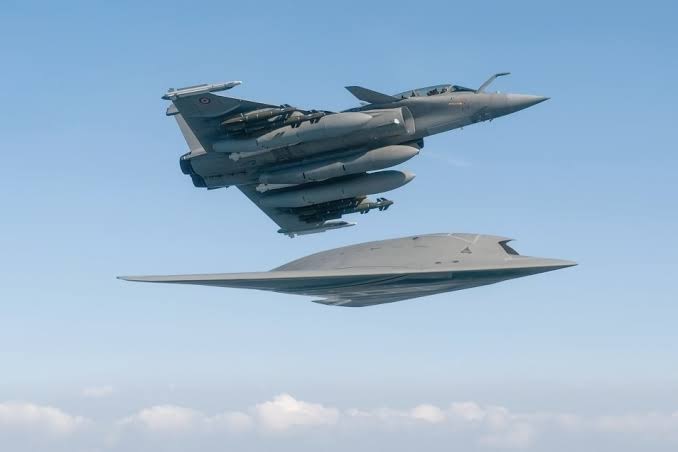 France Agrees to Equip Future Indian Rafales with AI, MUM-T and Secure Satellite Links Under F5 Standard
-
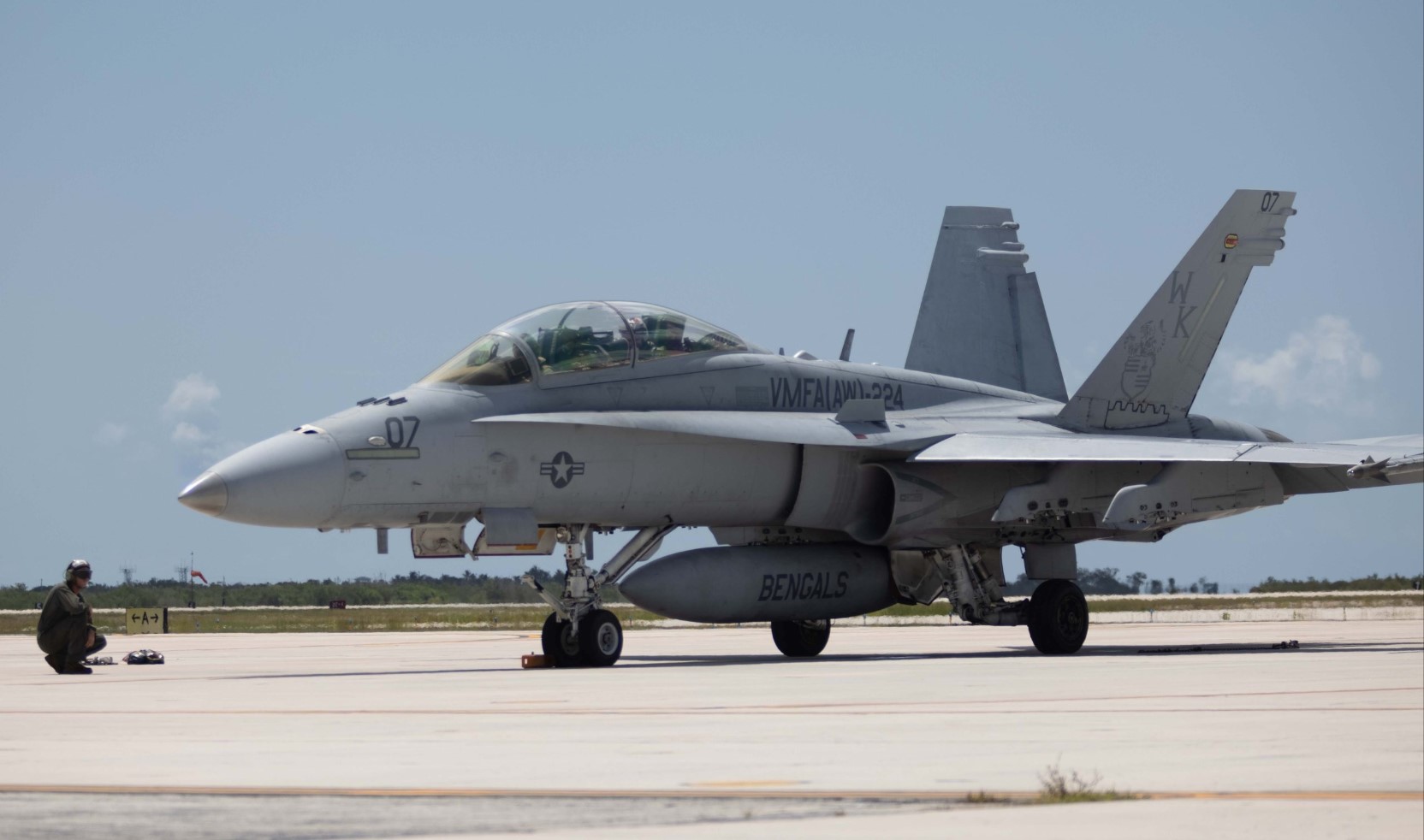 US Marine Corps F/A-18D Hornet Crashes During Training Flight in Washington Mountains; Pilot Ejects Safely
-
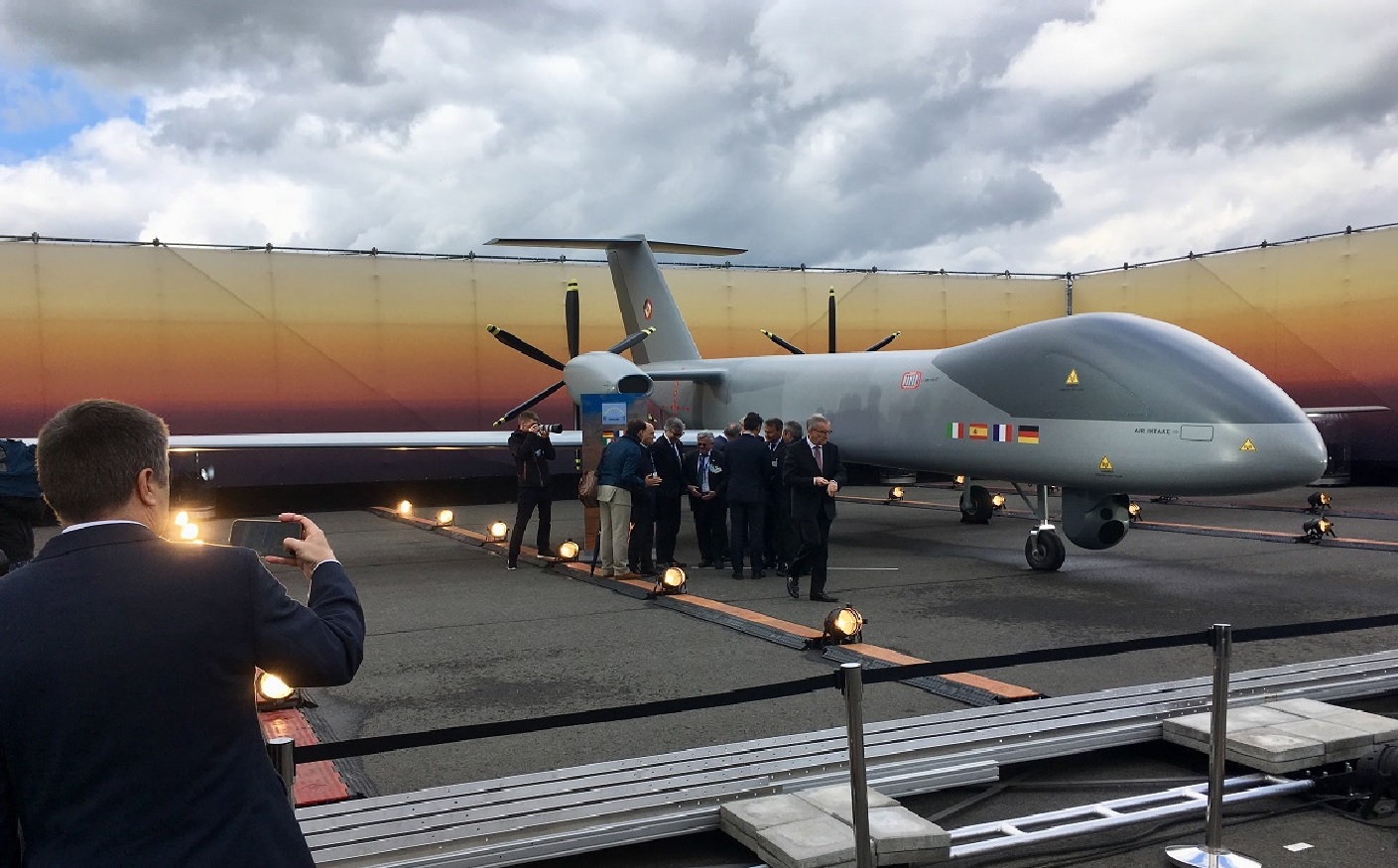 Dassault Seeks Compensation From Airbus as Eurodrone Dispute Erupts After FCAS Collapse
-
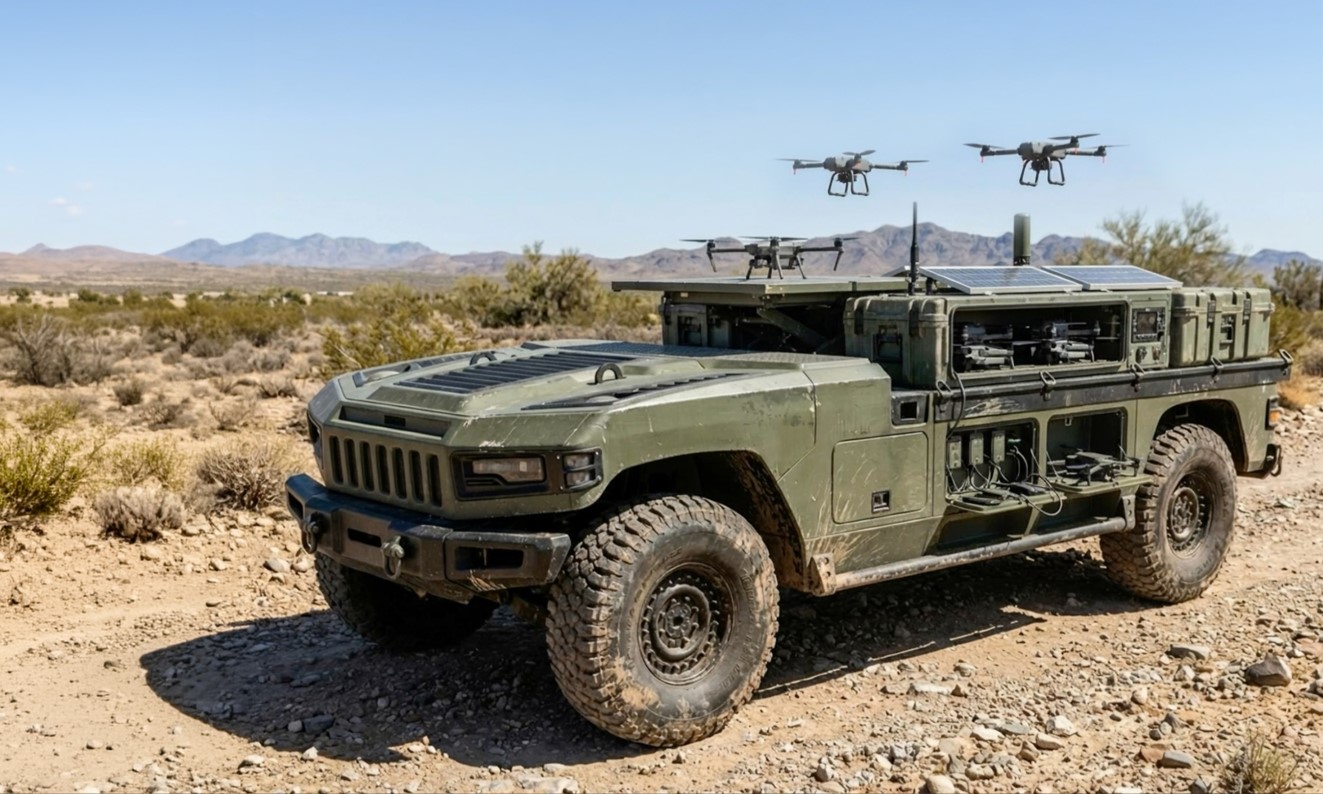 AM General Unveils Next-Generation UGV and JLTV A2 with Counter-Drone Systems at Eurosatory 2026
-
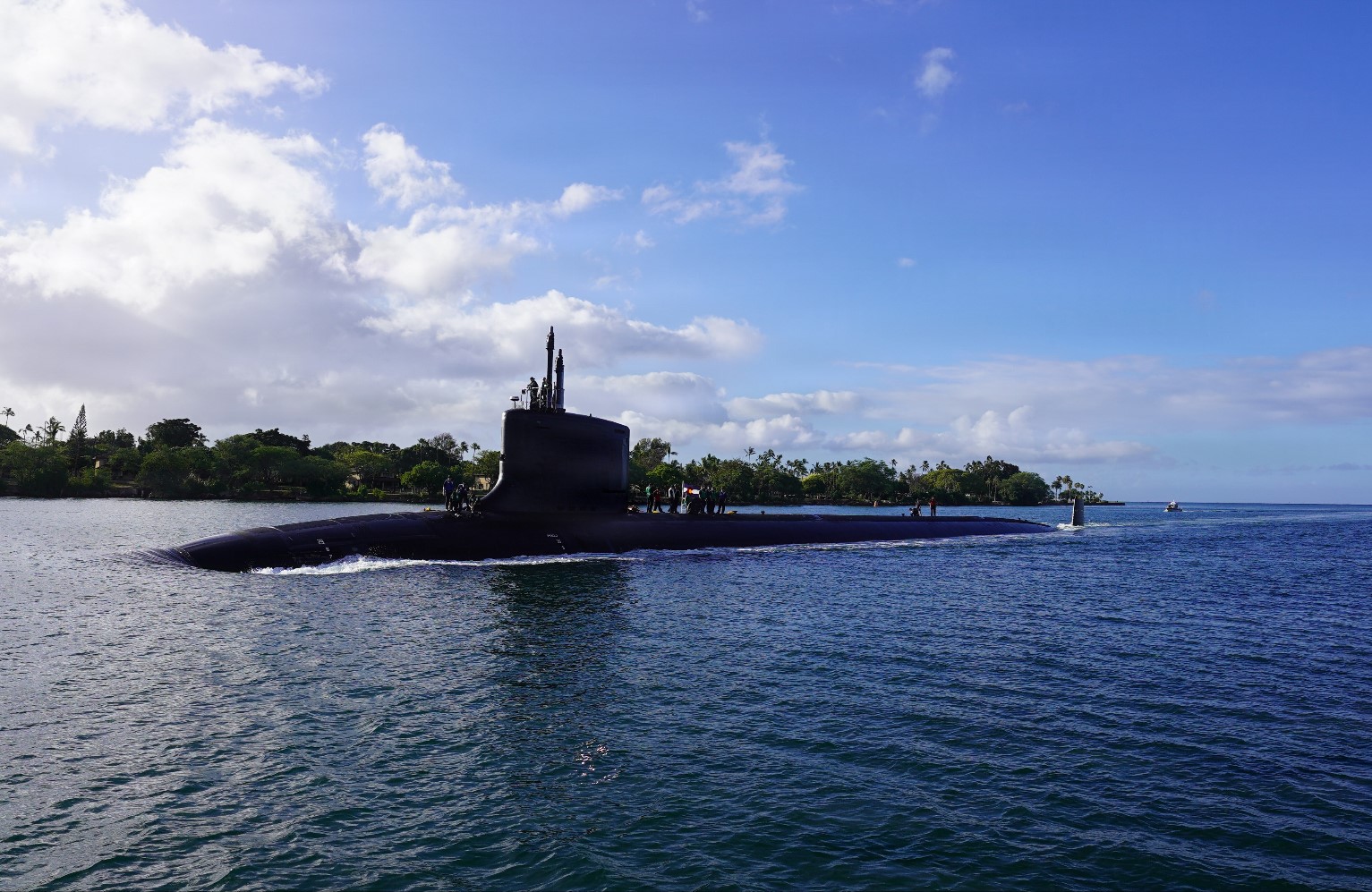 U.S. Navy's USS Colorado Submarine Returns to Pacific Fleet 29 Days Early After Major Pearl Harbor Overhaul
-
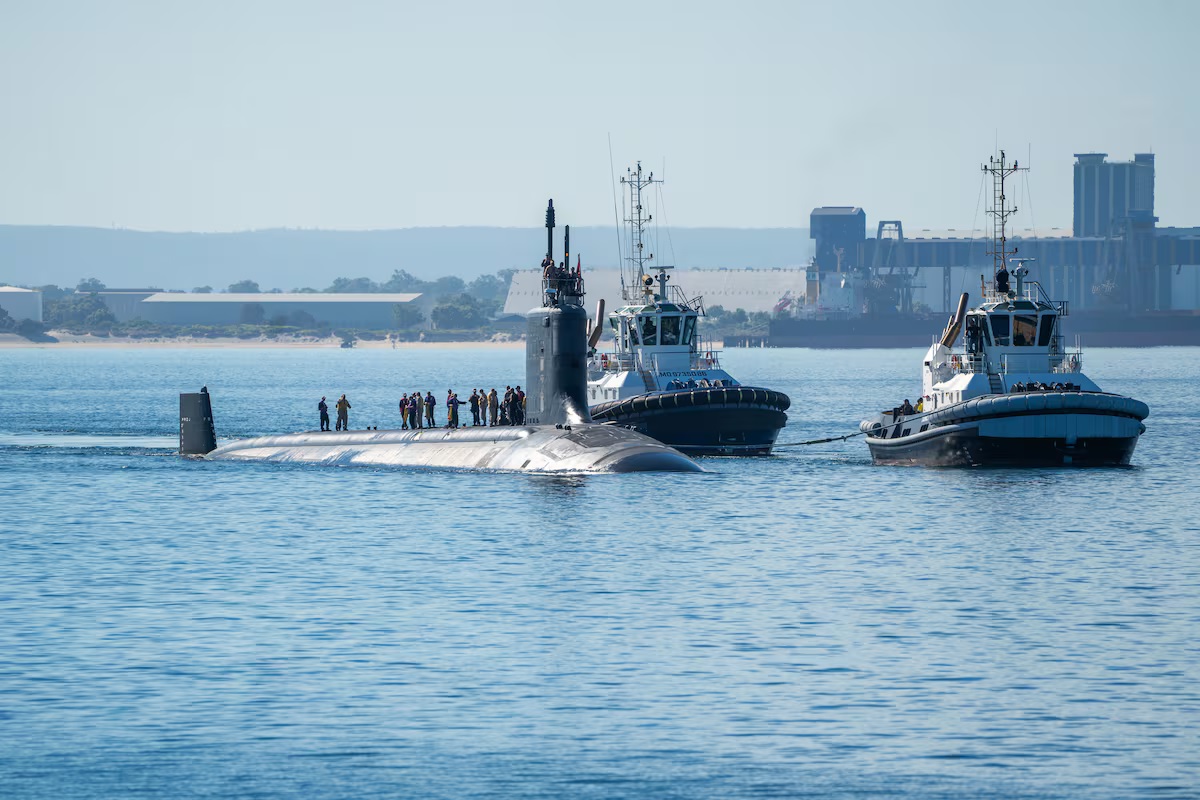 U.S. Navy Reestablishes Submarine Squadron 3 at HMAS Stirling to Support AUKUS Rotational Force
-
 Pakistan Raises Defence Budget from $9 Billion to $10.8 Billion as J-35 Fighter and Hangor Submarine Programs Advance
Top Trending in 4 Days
-
 Iranian Media Leaks 14-Point U.S.-Iran Peace Framework Amid Ongoing Negotiations
-
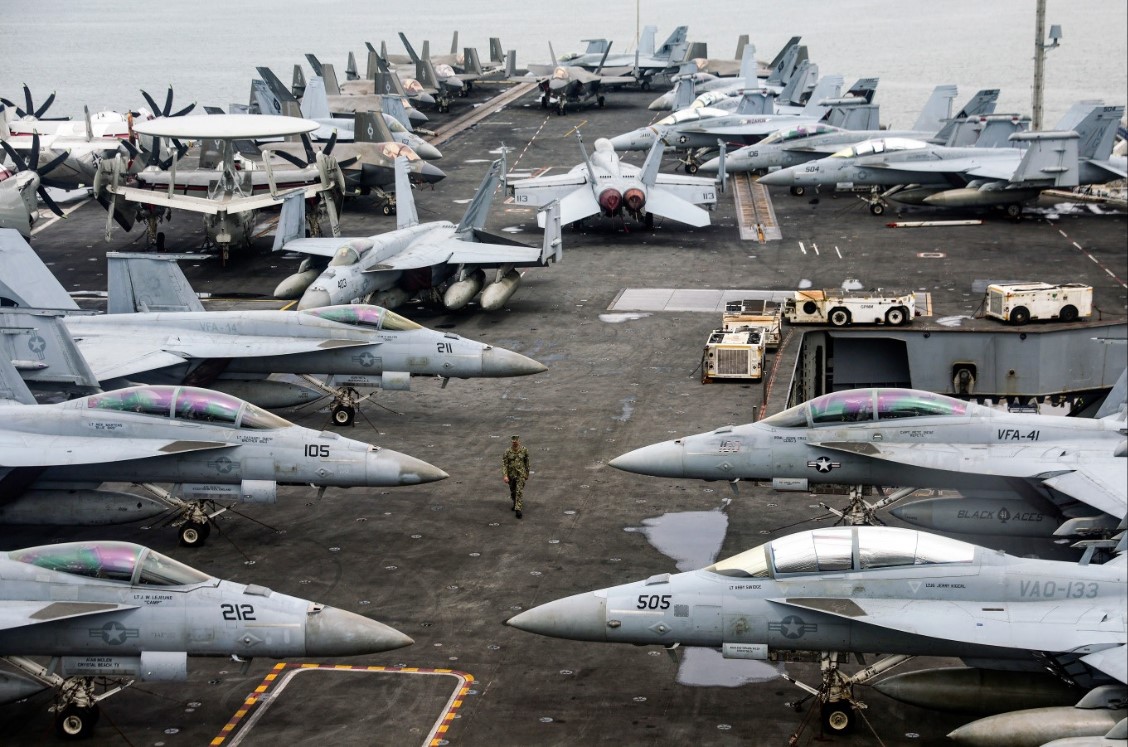 US Plans Significant Reduction of Fighter Jets and Warships for NATO Operations in Europe
-
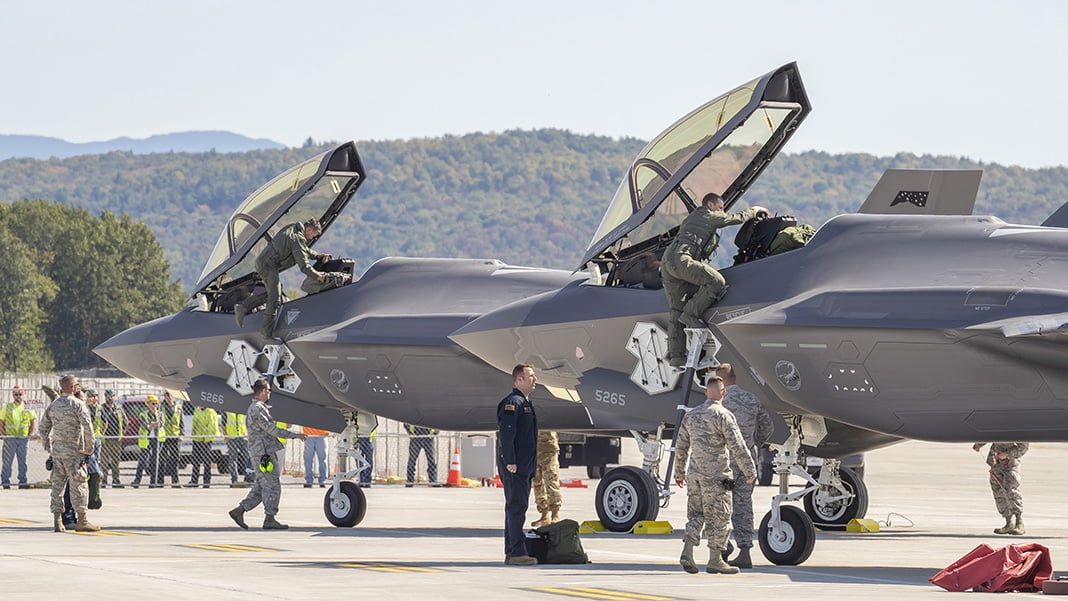 F-35 Fleet Readiness Falls to 25% Amid Parts Shortages and Software Delays: GAO Report
-
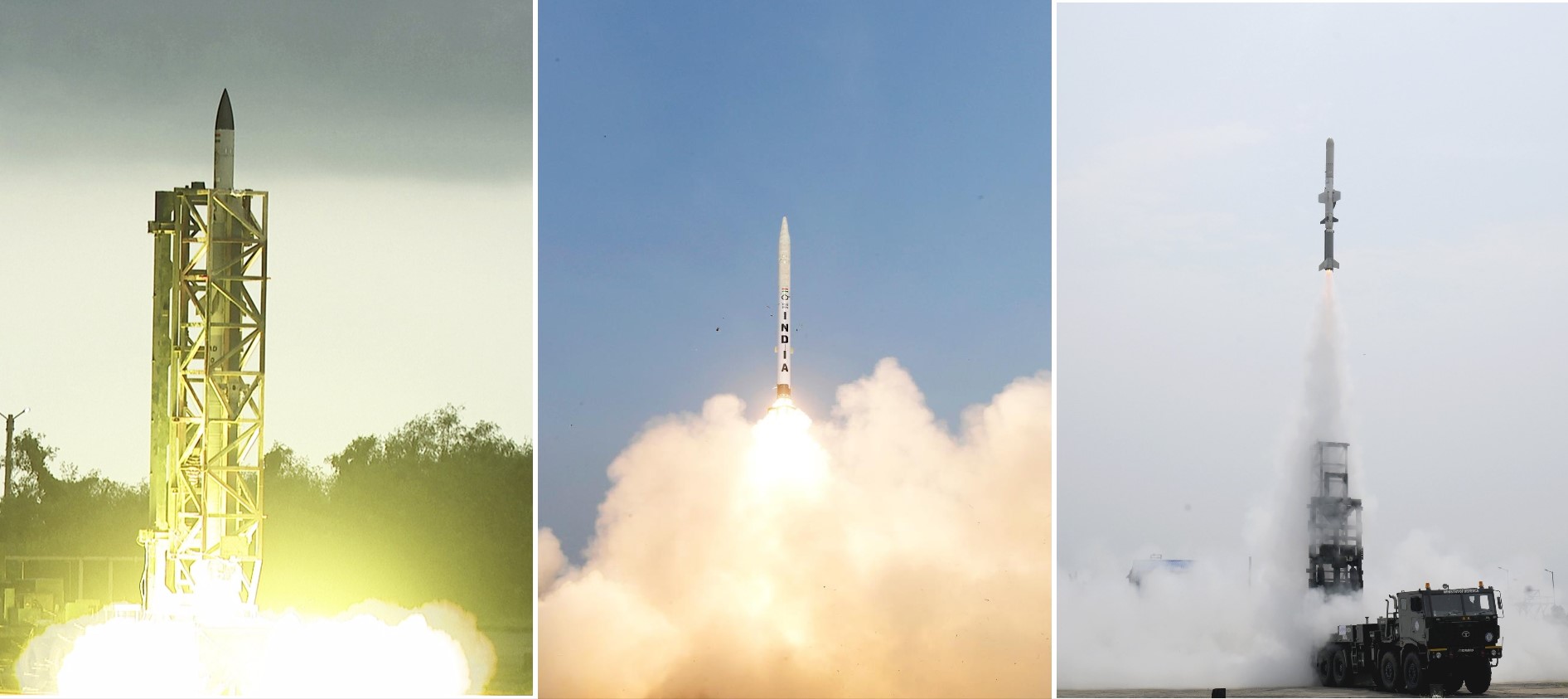 India Successfully Conducts AD-1, AD-2 Interceptor Tests and Maiden NASM-MR Flight Trial
-
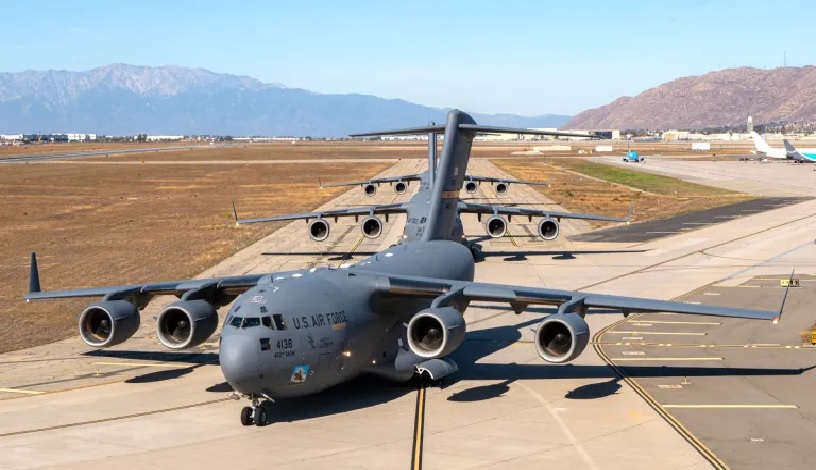 U.S. Air Force Faces Strategic Airlift Shortfall as C-17 Production Restart Remains Uncertain
-
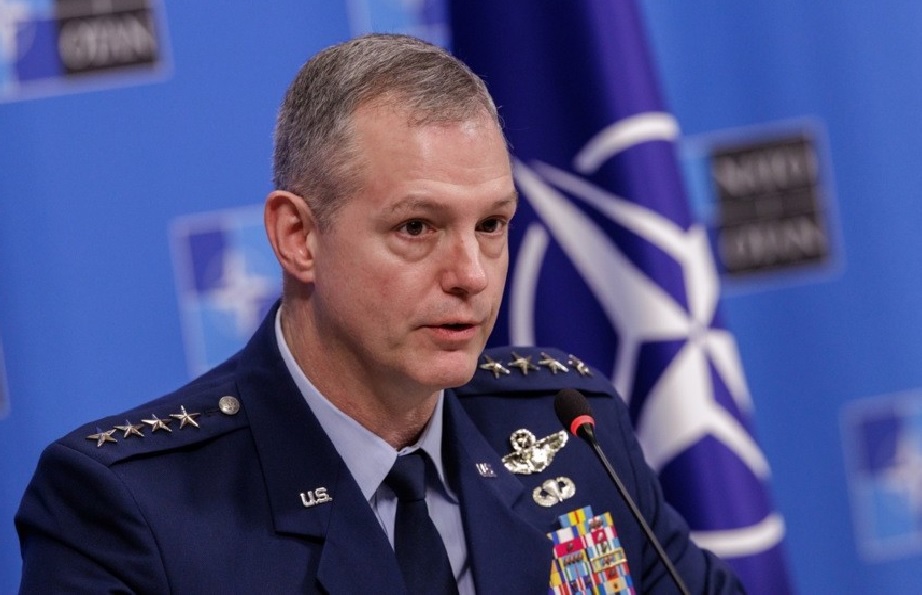 NATO Commander Says Russia Not Seeking Conflict With Alliance Despite U.S. Force Reductions
-
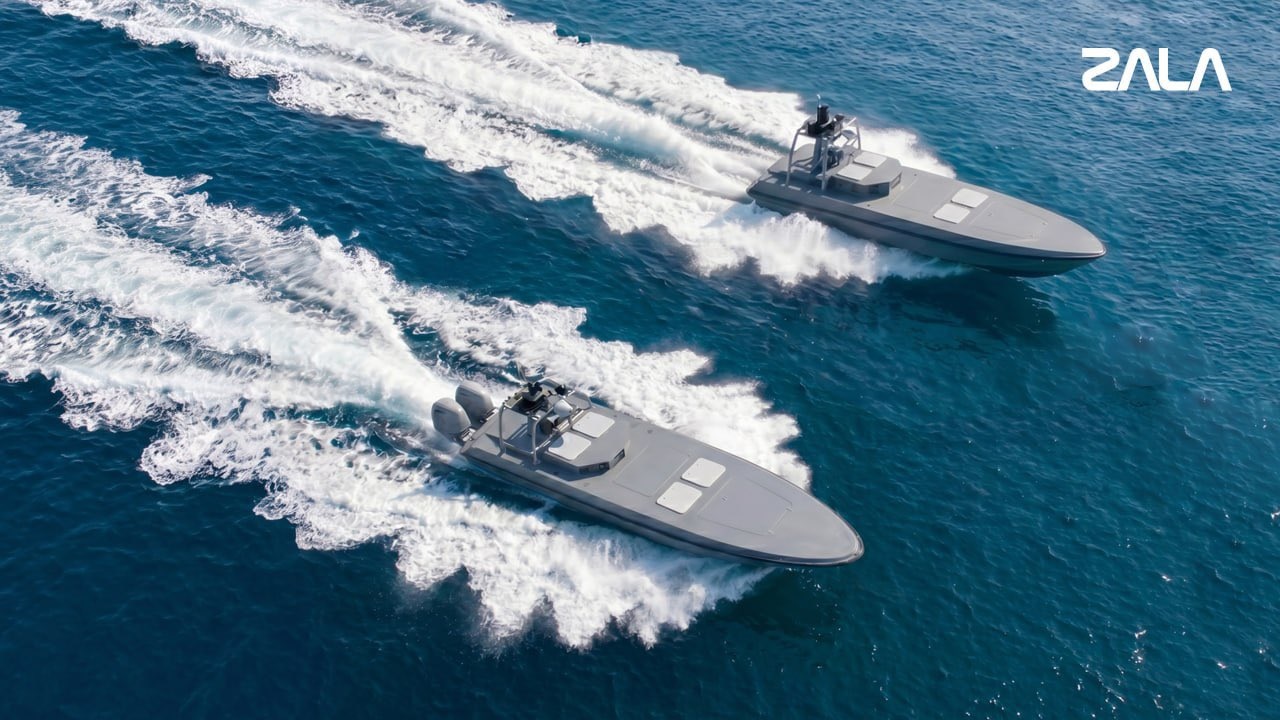 Russian Defense Firm ZALA Unveils KAMA Unmanned Surface Vessel Family at FLOT-2026 Naval Exhibition
-
 U.S. Space Force Awards $437.7 Million Contracts for First PTS-G Swarm 1 Anti-Jam Satellites
