
India
In a move that has ignited political controversy, Elon Musk-led Department of Government Efficiency (DOGE) has cancelled a ₹22 million ($21 million) project intended to boost voter turnout in India. Announced on February 15, 2025, the decision is part of a broader effort to eliminate federal spending on international political projects, including a $29 million initiative in Bangladesh. DOGE, which was established under Musk’s leadership to reduce government waste, cited concerns over excessive federal spending as the reason for terminating these projects. However, the cancellation has raised eyebrows in India, with the ruling Bharatiya Janata Party (BJP) accusing it of potential foreign interference in domestic elections. Political Reactions in India BJP’s media head, Amit Malviya, reacted sharply, questioning the intent behind the funding. Taking to X (formerly Twitter), he wrote: "₹22M for voter turnout? This is definitely external interference in India’s electoral process. Who gains from this? Not the ruling party for sure!" The controversy deepened as DOGE disclosed additional details about global election-related funding, revealing that $486 million had been allocated to the ‘Consortium for Elections and Political Process Strengthening’, including $22 million for Moldova and $21 million for India. The revelation has fueled debates over U.S. involvement in foreign elections and whether such initiatives undermine national sovereignty. Musk’s Anti-Government Spending Stance Musk’s approach to federal spending has been a subject of intense scrutiny. He has been vocal about his disapproval of U.S. government agencies like USAID, previously calling it a “criminal organization” and advocating for its dismantling. Under his leadership, DOGE has aggressively cut international funding, terminated consulting contracts, and reduced government expenditures across various sectors. While some argue that these cuts reflect responsible governance and taxpayer savings, others warn that they could disrupt international relations and democratic processes in partner nations. Critics point out that funding election processes in developing democracies has long been a U.S. foreign policy tool, and abruptly pulling out could weaken democratic institutions in these countries. Impact on India’s Electoral Landscape The cancellation of this project raises key questions: Was this funding part of a legitimate democracy-support initiative, or an attempt at influencing Indian elections? Would the funds have impacted voter behavior, and if so, in whose favor? Does India's electoral system need external funding for voter turnout initiatives? India has a robust electoral process, managed by the Election Commission of India (ECI), which ensures free and fair elections. However, opposition parties have often raised concerns over foreign influence in Indian politics, making this cancellation a politically charged issue. As the 2025 Indian elections approach, the debate over foreign intervention, election integrity, and government accountability is expected to gain further traction, shaping political narratives in the months to come.
Read More → Posted on 2025-02-16 15:37:18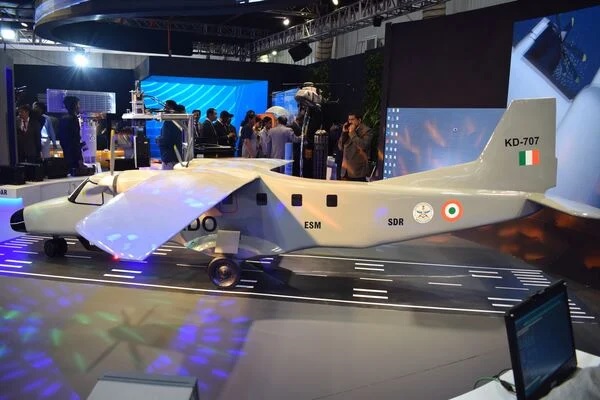
India
At Aero India 2025, the Defence Research and Development Organisation (DRDO) introduced the 'Shyen' sensor suite, a state-of-the-art upgrade designed for the Indian Navy's Dornier Do 228 maritime patrol aircraft. This advanced suite aims to significantly enhance the aircraft's surveillance and reconnaissance capabilities, ensuring superior maritime domain awareness. Comprehensive Sensor Integration The 'Shyen' sensor suite integrates multiple cutting-edge systems to provide a holistic surveillance solution: Maritime Surveillance Radar ('Kshitij'): A long-range, multirole active electronically scanned array (AESA) radar system. 'Kshitij' offers spot/strip synthetic aperture radar (SAR) modes and a ground moving target indicator (GMTI) mode for effective ground surveillance. It also includes weather and search-and-rescue functionalities. Electronic Support Measures (ESM) System: This component offers wideband coverage from very high frequency (VHF) to Ka-band frequencies, ensuring a high probability of intercept. It is crucial for electronic warfare and intelligence gathering by detecting enemy radar emissions. Electro-Optic/Infrared (EO/IR) System: Engineered to deliver high-definition imagery, this system significantly improves target identification and reconnaissance capabilities from the air. Software Defined Radio (SDR) Communication Suite: Ensures that all sensor data can be effectively relayed back to naval commanders, facilitating real-time decision-making and operational coordination. Advanced Technological Features The 'Kshitij' radar stands out with its integration of approximately 600 gallium nitride (GaN)-based transmit/receive (T/R) modules, arranged in a tiled configuration. This design enables sub-meter resolution in target detection, marking a significant advancement in India's radar technology. Furthermore, the radar system incorporates an automatic identification system (AIS), EO/IR imaging, and Automatic Dependent Surveillance–Broadcast (ADS-B). It employs artificial intelligence (AI) for enhanced target classification, ensuring precise and efficient identification of maritime threats. Enhancing the Dornier Do 228's Capabilities The integration of the 'Shyen' sensor suite transforms the Dornier Do 228 into a formidable asset for maritime patrol missions. The aircraft, known for its reliability and versatility, now boasts enhanced avionics, better fuel efficiency, advanced radar systems, improved maneuverability, integrated surveillance systems, and upgraded electronic warfare capabilities. These upgrades align with the Indian Navy's objective to bolster maritime security and surveillance, ensuring that the Dornier Do 228 remains a critical component in safeguarding India's maritime interests. The unveiling of the 'Shyen' sensor suite at Aero India 2025 underscores DRDO's commitment to advancing indigenous defense technologies, contributing to a more self-reliant and secure maritime defense infrastructure.
Read More → Posted on 2025-02-16 15:18:53
World
China has taken a significant step towards balancing energy security and environmental sustainability by unveiling the world’s first floating production storage and offloading (FPSO) unit equipped with carbon capture technology. Developed by Cosco Ocean Shipping Heavy Industry Company, this massive 330-meter (1,080 ft) vessel is set to be delivered by the end of the month and is expected to redefine the global oil and gas industry’s approach to carbon emissions reduction. What Makes This FPSO Unique? Unlike traditional offshore oil platforms, which release large amounts of CO₂ into the atmosphere, this innovative FPSO not only captures its own emissions but also utilizes waste heat to generate electricity. This dual-purpose system enhances energy efficiency while significantly cutting down on greenhouse gas emissions, a key factor in mitigating climate change. Key Specifications of China’s Carbon Capture FPSO: Length: 330 meters (1,080 feet) Production Capacity: 120,000 barrels of crude oil per day Carbon Capture & Storage (CCS) Capability: Stores captured CO₂ offshore Energy Efficiency: Uses waste heat to generate onboard power Developer: Cosco Ocean Shipping Heavy Industry Company Addressing a Global Emissions Challenge The oil and gas industry is one of the world’s largest contributors to carbon emissions, with 5.1 billion tonnes of greenhouse gases released in 2022 alone, according to the International Energy Agency (IEA). FPSOs, which rely on gas-fired turbines to power their operations, have been particularly difficult to decarbonize due to their remote locations and high energy demands. China’s new FPSO addresses this issue by integrating carbon capture and storage (CCS) technology directly into its operations. This marks a crucial advancement in offshore carbon reduction and could set a new standard for the global oil industry, which has been seeking low-emission production solutions. China’s Push for Carbon Neutrality As the world’s largest carbon emitter, China has set ambitious targets to peak carbon emissions by 2030 and achieve net-zero emissions by 2060. To achieve this, the country has been actively investing in clean energy and carbon capture technologies. In 2023, the China National Offshore Oil Corporation (CNOOC) launched its first carbon capture and storage (CCS) project at the Enping 15-1 oilfield in Guangdong province. This facility can store 300,000 tonnes of CO₂ per year, with a total storage capacity of over 1.5 million tonnes—equivalent to planting 14 million trees. China’s new carbon capture FPSO is an extension of this effort, proving that even in high-emission industries like oil and gas, decarbonization is possible. A Global Race Towards Greener Oil Production While China is the first to launch an operational carbon capture FPSO, other global players are also working on similar technologies: American Bureau of Shipping (ABS) recently approved a design for an ammonia production unit with onboard carbon capture. SBM Offshore (Netherlands) is preparing to launch its own carbon capture FPSO design. With the oil industry under increasing pressure to reduce its carbon footprint, technologies like these will be crucial in meeting global climate goals. The Future of Carbon-Neutral Oil Production The unveiling of China’s first carbon capture FPSO represents a milestone in energy innovation. By integrating carbon reduction measures directly into oil production, this ship offers a potential blueprint for future offshore projects worldwide. As China continues to invest in low-carbon energy solutions, this breakthrough FPSO could be a game-changer in global efforts to curb climate change, demonstrating that sustainability and energy security can go hand in hand.
Read More → Posted on 2025-02-16 15:12:52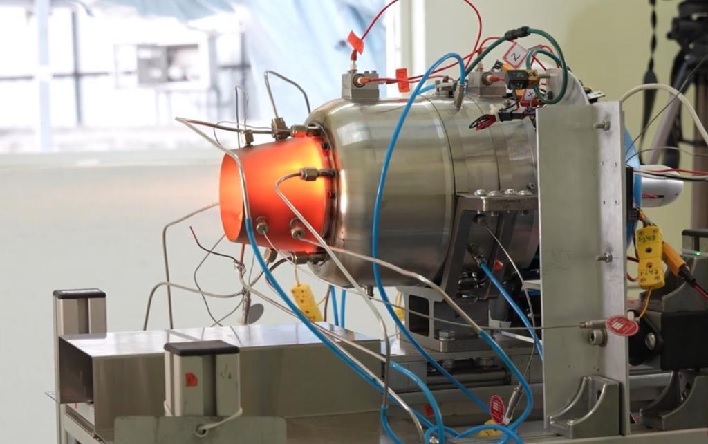
India
In a major step toward enhancing India's defence capabilities, Bharat Forge Ltd (BFL) and VEDA Aeronautics (P) Ltd have signed a Memorandum of Understanding (MoU) at Aero India 2025 to develop advanced Unmanned Aerial Vehicles (UAVs) and high-speed aerial weapon systems for military applications. This collaboration is a significant move under India’s ‘Atmanirbhar Bharat’ initiative, focusing on the indigenization of critical defence technologies and reducing reliance on foreign imports. Indigenous Microjet Engines for UAVs A key highlight of this partnership is the integration of BFL’s microjet engines into VEDA Aeronautics' unmanned systems. BFL is developing indigenous jet engines with thrust capabilities of up to 400 kgf, which will be instrumental in powering future UAVs, loitering munitions, and high-speed aerial weapons. Currently, BFL has 40 kgf and 45 kgf microjet engines in serial production, which will be utilized by VEDA Aeronautics in all its defence projects. These lightweight yet powerful engines will enable longer endurance, higher speed, and enhanced operational flexibility for UAV platforms. Advanced UAVs and Smart Aerial Weapons VEDA Aeronautics specializes in developing cutting-edge unmanned aerial and weapon systems integrated with: Narrow AI – Enabling autonomous decision-making and improved mission efficiency. Electro-optics – Enhancing surveillance, targeting, and real-time situational awareness. Robotics – Enabling precision strike capabilities and swarm-based UAV operations. This partnership will focus on developing next-generation UAVs, loitering munitions, and drone-based aerial attack systems, equipping the Indian Armed Forces with state-of-the-art technology to counter evolving battlefield threats. Strengthening India’s Defence Ecosystem The Bharat Forge-VEDA Aeronautics collaboration aims to leverage the strengths of both companies—BFL’s expertise in precision engineering and propulsion systems, and VEDA’s specialization in UAVs and aerial warfare solutions. This partnership is expected to accelerate the development of indigenous UAVs for reconnaissance, surveillance, and attack missions, strengthening India’s defence self-reliance and global competitiveness in unmanned systems. With global UAV warfare becoming increasingly sophisticated, this collaboration marks a pivotal step in India's journey toward building a world-class drone warfare ecosystem, making Indian defence forces more agile, self-sufficient, and technologically superior.
Read More → Posted on 2025-02-16 15:06:28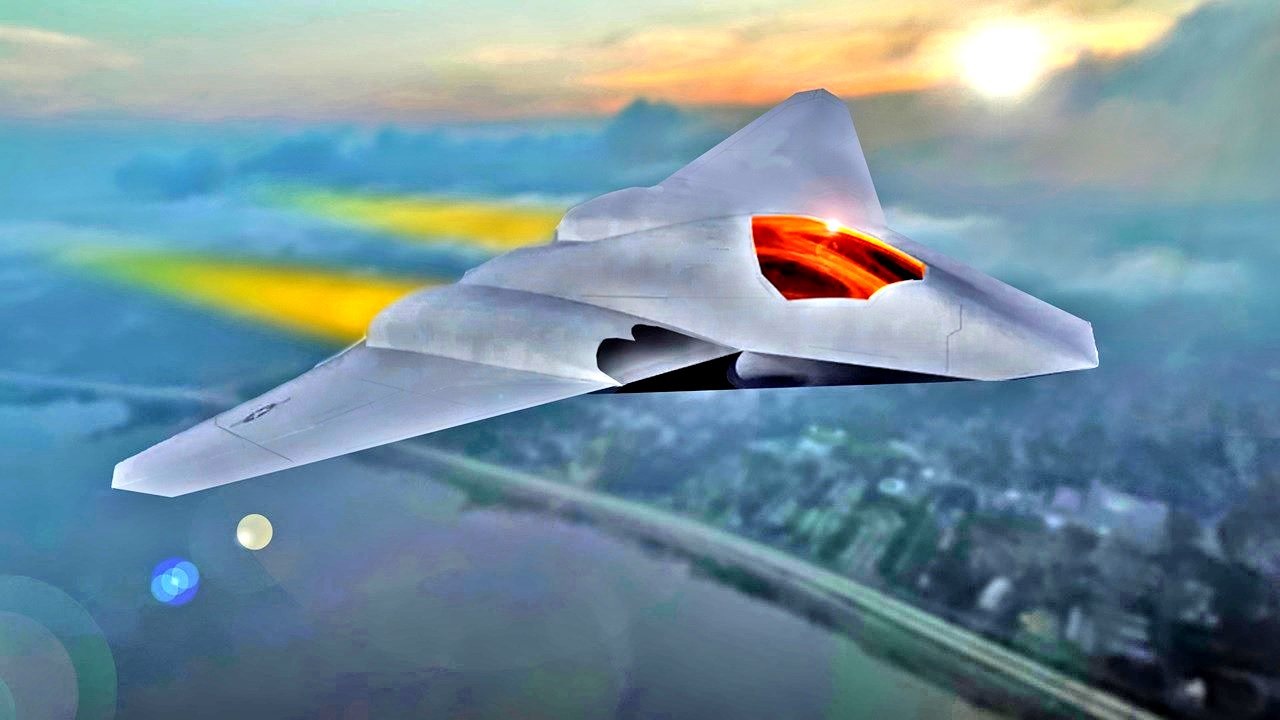
World
The Next-Generation Air Dominance (NGAD) program, once seen as the cornerstone of future U.S. air superiority, is now facing uncertainty. Initially designed to replace the F-22 Raptor, NGAD was envisioned as more than just a fighter jet—it was supposed to be a networked system of manned and unmanned platforms, built to dominate contested airspace. However, the delayed contract award, rising costs, and strategic reassessments have cast doubt on whether NGAD will move forward as originally planned. Why NGAD Was Conceived The program was developed to counter the growing air power of near-peer adversaries like China. The F-22 Raptor, despite being one of the world’s most advanced fighter jets, has limitations in range and payload capacity, especially when operating over the vast distances of the Pacific theater. NGAD was meant to overcome these shortcomings with a highly survivable, next-generation aircraft, featuring: Stealth-enhanced airframe to operate in contested environments Next-generation adaptive engines for extended range and efficiency Advanced sensor fusion for superior situational awareness AI-powered battle management to assist pilots in complex combat Integration with drone wingmen (Collaborative Combat Aircraft - CCA) This manned-unmanned teaming approach was expected to transform air combat, allowing NGAD to operate alongside autonomous drones, which could extend its reach, engage threats, and reduce risk to pilots. The Cost Problem: Is NGAD Too Expensive to Sustain? One of the biggest hurdles facing NGAD is its staggering cost. Estimates suggest that a single NGAD fighter could cost up to $300 million—far more than any fighter ever built, including the F-22 and F-35. The Biden administration’s 2025 budget request allocates $2.75 billion for NGAD research and development, set to rise to $5.72 billion by 2029. However, this comes at a time when the Air Force is also funding other expensive projects, including: The B-21 Raider stealth bomber The LGM-35 Sentinel ICBM replacement The KC-46 Pegasus aerial refueling tanker With limited resources, some within the Pentagon and Congress are questioning whether a single, ultra-expensive fighter is still the best approach. The Senate Appropriations Committee has already proposed shifting $557 million from NGAD to the CCA program, signaling a preference for autonomous systems as a cost-effective alternative. Strategic Reassessment: A Shift Toward Drones? The delay in NGAD’s contract award suggests that the Air Force is reconsidering its approach. Some experts argue that rather than investing in a single, ultra-capable fighter, the U.S. should spread capabilities across multiple, lower-cost platforms, including: Unmanned combat aircraft Networked sensors and AI-driven battle management systems Swarm drone technology for overwhelming enemy defenses This modular approach could make U.S. air power more adaptable and cost-effective. Some lawmakers and military analysts believe autonomous aircraft will eventually play the dominant role in future wars, reducing the need for expensive, manned fighters. However, others argue that human pilots remain essential for high-stakes air combat, where split-second decision-making can determine the outcome. Political Uncertainty: Will the New Administration Change NGAD’s Course? The future of NGAD is also tied to political leadership. Secretary of the Air Force Frank Kendall has indicated that the incoming Trump administration will have the final say on NGAD’s direction. If cost concerns drive decision-making, the program could see significant revisions or even a shift in funding toward alternative air superiority solutions. The Bigger Question: How Will the U.S. Maintain Air Superiority? Beyond NGAD, the broader challenge for the U.S. Air Force is how to maintain air dominance in the coming decades. With China developing its own sixth-generation fighter, and advancements in AI, electronic warfare, and cyber threats, the U.S. must adapt to a rapidly evolving battlefield. Congress will play a key role in shaping NGAD’s future, weighing factors like: Budget constraints vs. maintaining technological superiority The role of manned vs. unmanned systems in future combat How NGAD fits into broader U.S. defense priorities Whatever decision is made, one thing is clear: the next decade will determine whether NGAD is the future of U.S. air power—or just an ambitious project that never takes off.
Read More → Posted on 2025-02-16 15:01:06
World
As the war in Ukraine nears its fourth year, Ukrainian President Volodymyr Zelenskiy has made a dramatic call for the creation of a unified European army. Speaking at the Munich Security Conference 2025, Zelenskiy stressed that Europe can no longer rely on U.S. protection and must take charge of its own security. He argued that forming a European military force—including Ukraine—would strengthen the continent’s ability to defend itself against Russian aggression and earn greater respect from Washington. Rethinking Europe's Defense Strategy Zelenskiy's push for a European army comes amid shifting geopolitical priorities in the U.S.. The Trump administration has made it clear that European allies in NATO must take greater responsibility for their own defense. In line with this stance, Washington recently sent a questionnaire to European capitals, asking what contributions they could make to Ukraine’s security guarantees in any future peace deal with Russia. This move has fueled concerns in Europe that the U.S. might reduce its commitment to NATO and focus on domestic and Indo-Pacific challenges instead. The uncertainty has prompted European leaders to reconsider their reliance on the transatlantic alliance and explore new military frameworks. The Case for a European Army Zelenskiy argues that a European army is necessary to ensure that Europe’s fate is decided in Europe, not elsewhere. In his speech, he questioned the reliability of U.S. support: "Does America need Europe as a market? Yes. But as an ally? I don’t know. For the answer to be yes, Europe needs a single voice, not a dozen different ones." Currently, European defense cooperation is centered around NATO, but efforts to establish a separate European military force have been repeatedly blocked by national governments, citing sovereignty concerns. While France and Germany have expressed interest in deeper military integration, other countries—especially in Eastern Europe—believe that NATO remains the best framework for collective security. America’s New Approach to Ukraine and Europe The Trump administration’s recent diplomatic maneuvers have left many European leaders uneasy. Trump’s unilateral call with Russian President Vladimir Putin regarding Ukraine peace talks—without consulting European allies—was widely seen as a major diplomatic snub. Zelenskiy has warned that Kyiv will not accept a peace deal made without its input, expressing concerns that Trump may offer concessions to Russia at Ukraine’s expense. Meanwhile, NATO Secretary General Mark Rutte urged European nations to stop complaining about being left out of key decisions and instead focus on building military strength. He advised European leaders to increase defense spending and develop clear strategic proposals for the future. Difficult Choices Ahead for Europe With growing uncertainty over America’s long-term military commitment, Europe faces difficult decisions regarding its defense policy. French Foreign Minister Jean-Noel Barrot acknowledged that Europe must prepare for tough choices: "We will have to face difficult days, make complicated decisions, and even sacrifices we weren’t expecting until now to ensure our security." Despite these challenges, some signs of transatlantic cooperation remain. The G7 foreign ministers, including the U.S., recently agreed to continue working towards a durable peace deal for Ukraine with strong security guarantees. The group—which includes France, Germany, Italy, Canada, Japan, Britain, and the EU—stressed that any agreement must ensure that Russia cannot restart the war. The Road Ahead: Will Europe Build Its Own Military Force? Zelenskiy’s call for a European army has reignited a long-standing debate on the continent. While some leaders support greater defense integration, others insist that NATO remains the cornerstone of European security. As U.S. priorities shift, Europe must decide whether to continue relying on NATO or take a bold step toward a unified military force. With Russia’s aggression showing no signs of abating, the question of Europe’s defense autonomy is more pressing than ever.
Read More → Posted on 2025-02-16 14:57:54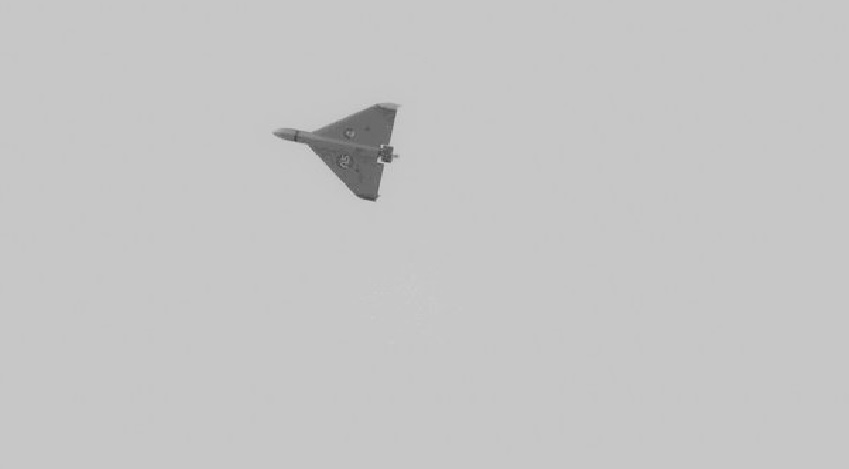
India
India has taken a major leap in autonomous drone warfare with the successful first flight of the Sheshnag 150, a long-range swarm drone developed by Newspace Research & Technologies (NRT). This marks a significant milestone in the integration of AI-powered unmanned systems into modern military operations. A Game-Changer in Attritable Warfare Designed for "attritable warfare", the Sheshnag 150 focuses on overwhelming enemy defences with mass drone swarms, making it a cost-effective yet highly lethal platform. By leveraging AI-driven swarm coordination, multiple drones can execute synchronized strikes, reconnaissance, and deep-penetration missions without direct human control. The drone is engineered to operate in autonomous or semi-autonomous modes, making it a potent force multiplier for both offensive and defensive military operations. It can function as a standalone attack drone or as part of a larger swarm, executing complex battlefield strategies with precision and efficiency. Key Capabilities and Advanced Features The Sheshnag 150 is designed for a wide range of military applications, from intelligence gathering to high-impact strikes on enemy infrastructure. Some of its key specifications include: Endurance: 5 hours Range: Over 1,000 km, allowing for deep-penetration missions Payload Capacity: 25-40 kg, enabling it to carry explosives, sensors, or electronic warfare payloads AI-Powered Swarming: Allows for coordinated multi-drone missions, adapting to real-time battlefield conditions Stealth and Survivability: Designed to be low-cost and expendable, ensuring mass deployment without high financial risks Transforming the Future of Warfare With its successful maiden flight, the Sheshnag 150 signals India’s emergence as a leader in advanced unmanned aerial systems (UAS). It joins the growing global trend of AI-driven, swarm-capable drones that are set to redefine air combat strategies. NRT’s continued research into next-generation autonomous drones will enhance India’s defence capabilities, ensuring that its armed forces remain at the forefront of modern warfare. The Sheshnag 150 is not just another UAV—it represents the future of AI-powered, autonomous combat, where drones will play a pivotal role in tactical and strategic operations.
Read More → Posted on 2025-02-16 14:53:58
World
Israel’s defense ministry confirmed on Sunday that a shipment of heavy aerial bombs from the United States had arrived overnight, reinforcing the country's military capabilities amid ongoing regional tensions. The shipment included MK-84 bombs, powerful 2,000-pound (907 kg) munitions capable of destroying fortified targets and deep underground bunkers. This delivery follows the $7.4 billion arms package approved earlier by the Trump administration, which includes bombs, missiles, and advanced military equipment. The MK-84 bombs, known for their devastating impact, significantly enhance Israel’s Air Force (IAF) strike capabilities, particularly for use in precision bombing operations. Strengthening Israel’s Military Capabilities Israeli Defense Minister Israel Katz described the new arms shipment as a crucial addition to the nation’s defense strategy: "The arrival of these heavy aerial bombs demonstrates the unwavering strength of the US-Israel alliance. These munitions will serve as a strategic asset for the Israel Defense Forces (IDF), enhancing its ability to address regional threats." The US Defense Security Cooperation Agency (DSCA) had earlier stated that the arms sale would help Israel counter evolving security challenges, strengthen homeland defense, and deter adversaries. MK-84 Bombs: A Powerful Addition to the IDF Arsenal The MK-84 is a general-purpose bomb, often referred to as a bunker buster due to its ability to penetrate reinforced structures and underground bunkers before detonation. Some key specifications include: Weight: 2,000 lbs (907 kg) Length: ~10.75 feet (3.28 meters) Explosive Payload: 945 lbs (429 kg) of Tritonal or PBXN-109 Effective Radius: Can cause severe damage within a 400-meter radius Guidance Compatibility: Can be fitted with JDAM (Joint Direct Attack Munition) kits, turning it into a precision-guided smart bomb With this new batch of munitions, Israel gains a tactical edge in carrying out high-impact airstrikes, particularly in conflict zones where Hamas, Hezbollah, and other adversaries remain active threats. US-Israel Military Cooperation Amidst the Gaza Conflict Israel launched a major military offensive in Gaza in October 2023, following a deadly Hamas attack that triggered a large-scale war. Since then, Israel’s airstrikes have devastated Gaza, leading to mass displacement and severe humanitarian crises. In response to civilian casualties, the Biden administration had previously paused a shipment of 2,000-pound bombs in early 2024, fearing their use in densely populated areas. However, the Trump administration reportedly reversed this decision, allowing the recent delivery to proceed. Meanwhile, US Secretary of State Marco Rubio has arrived in Israel to meet with Prime Minister Benjamin Netanyahu and discuss regional security, the Gaza ceasefire, and Trump’s controversial plan to relocate Palestinian civilians to Egypt and Jordan. The proposal has faced global criticism, with many nations warning against forced displacement. What This Means for the Region The arrival of heavy US bombs signals continued American military support for Israel, even as global concerns grow over the escalating humanitarian crisis in Gaza. With tensions still high and ceasefire negotiations ongoing, this arms shipment underscores Washington’s strategic commitment to Israel’s defense—while also fueling debates over the ethics of supplying lethal weaponry to an active warzone.
Read More → Posted on 2025-02-16 14:49:17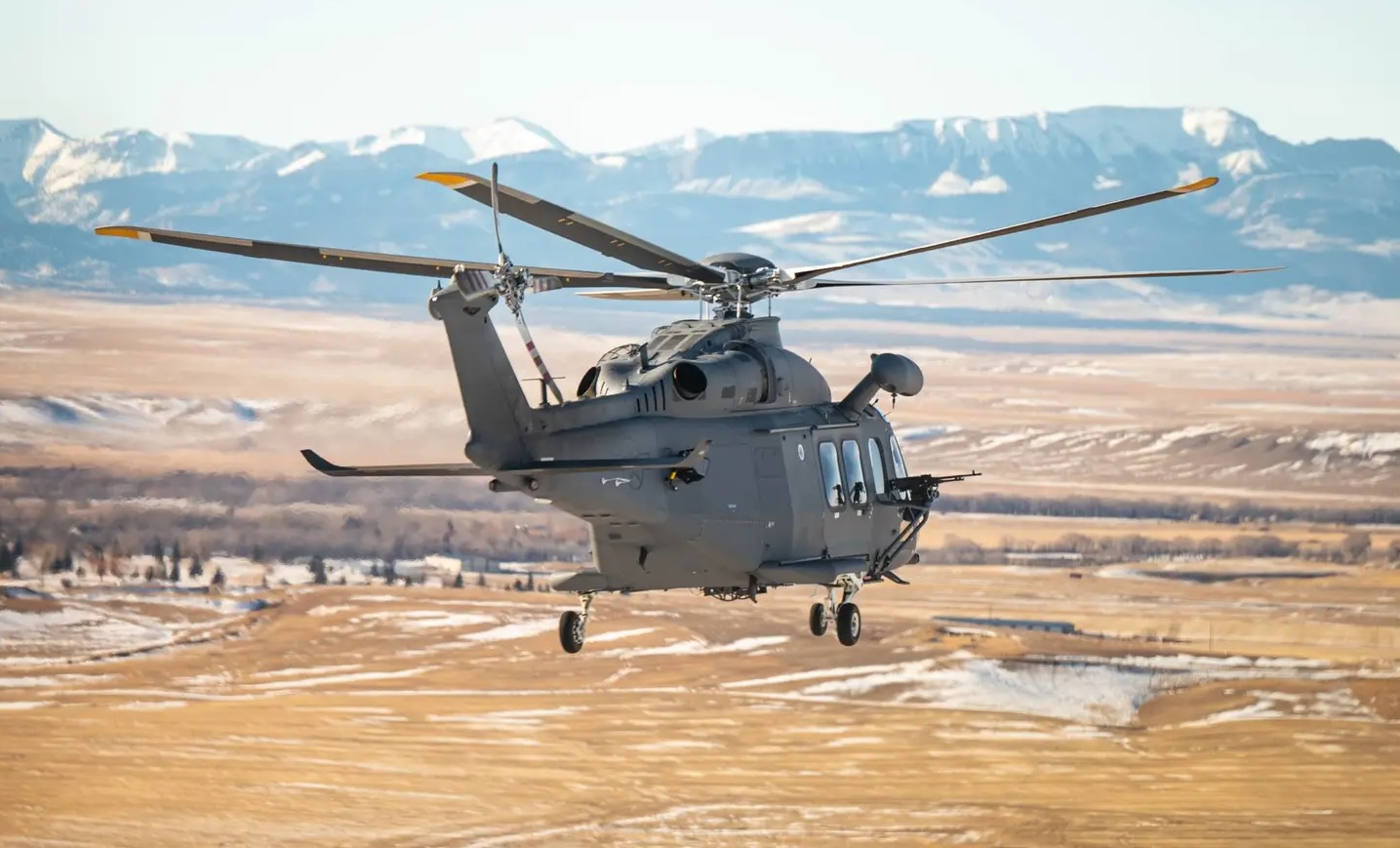
World
The U.S. Air Force has taken a major step forward in upgrading its aerial fleet by conducting Initial Operational Test and Evaluation (IOT&E) flights for the MH-139A Grey Wolf helicopter. These tests, led by the 550th Helicopter Squadron in late January 2025, were designed to assess the helicopter’s effectiveness, suitability, and survivability for critical missions. The MH-139A Grey Wolf is set to replace the aging UH-1N Huey, a helicopter that has served the Air Force Global Strike Command (AFGSC) for decades. With enhanced speed, range, payload capacity, and advanced security features, the Grey Wolf promises superior operational capabilities tailored for nuclear security, convoy protection, and emergency response missions. Grey Wolf’s Performance in IOT&E Tests During the evaluation phase, the Air Force conducted three test flights, each focused on different mission-critical aspects: Convoy Support Operations – The Grey Wolf’s ability to escort and protect ground convoys was tested, with an emphasis on its communication systems, coordination with ground forces, and response capabilities. Emergency Response Missions – The helicopter was tasked with a simulated threat response scenario, where it had to deploy a full tactical response force and use its onboard weaponry to recapture and recover launch facilities under high-pressure conditions. These tests are crucial milestones in determining whether the MH-139A meets the Air Force's stringent operational and security requirements. If successful, the aircraft will be formally integrated into AFGSC’s nuclear security mission, leading to the retirement of the UH-1N Huey at Malmstrom Air Force Base. MH-139A Grey Wolf: A Leap in Capability Designed by Boeing and Leonardo, the MH-139A Grey Wolf is based on the AW139 civilian helicopter platform but heavily modified for military operations. It offers significant improvements over the UH-1N Huey, including: Speed: 50% faster than the UH-1N, reaching speeds of over 165 knots (305 km/h). Range: Can fly nearly 50% farther, covering up to 778 miles (1,250 km) on a full tank. Payload Capacity: Can carry five fully equipped personnel in addition to the crew. Advanced Defensive Systems: Equipped with classified countermeasures, secure communication systems, and advanced sensors for enhanced mission security. Increased Survivability: Features ballistic protection, crash-resistant fuel tanks, and advanced avionics. The Future of Grey Wolf in the U.S. Air Force The IOT&E process is a mandatory phase for any new military aircraft, ensuring it can perform in real-world operational scenarios before entering full service. Once these evaluations conclude, the Air Force will submit a final performance report to AFGSC, which will then decide on full-scale deployment. If the MH-139A passes all requirements, it will officially take over critical missions, including: Protecting nuclear missile sites Providing rapid response security for intercontinental ballistic missile (ICBM) launch facilities Conducting VIP and personnel transport operations By adopting the MH-139A Grey Wolf, the U.S. Air Force ensures that its strategic defence missions remain equipped with the most advanced, reliable, and mission-ready helicopters for years to come.
Read More → Posted on 2025-02-16 14:42:16
India
In a significant leap towards enhancing soldier mobility and endurance, Tata Advanced Systems Limited (TASL), in collaboration with Defence Research and Development Organisation (DRDO), has introduced a Passive Exoskeleton designed to alleviate the physical strain faced by soldiers in combat. This breakthrough technology is set to redefine battlefield efficiency by reducing fatigue and increasing operational effectiveness. A Game-Changer for Soldiers in Challenging Terrains Soldiers often operate in extreme conditions, carrying heavy combat gear, weapons, and supplies, which can significantly impact their performance and endurance. The Passive Exoskeleton, developed by Tata and DRDO, provides mechanical support to key joints such as the knees, hips, and lower back, effectively redistributing the weight and reducing muscle fatigue and injury risks. One of the most remarkable features of this exoskeleton is its ability to transfer up to 75% of the carried load directly to the ground, drastically reducing the strain on the soldier's body. This innovation allows soldiers to move faster, travel longer distances, and operate in hostile environments with greater ease, significantly improving their agility and combat endurance. Key Features and Specifications of the Passive Exoskeleton Load-Bearing Support: The exoskeleton is engineered to absorb and distribute weight, allowing soldiers to carry heavy loads with minimal effort. Enhanced Joint Support: The system provides reinforcement to the knees, hips, and lower back, reducing the risk of musculoskeletal injuries. Lightweight and Ergonomic Design: Made from high-strength, lightweight materials, ensuring that the device does not hinder movement. No Power Dependency: Unlike active exoskeletons, this passive system functions without requiring a power source, making it more reliable and adaptable in long-duration missions. Versatile Combat Adaptability: Tested across varied terrains, including mountainous regions, forests, and urban warfare scenarios, proving its effectiveness in multiple combat situations. Successful Demonstration in Realistic Combat Scenarios During a recent demonstration, soldiers equipped with the exoskeleton underwent rigorous combat drills, including long marches, stair climbing, crawling, and rapid movement while carrying full combat gear. The results showed notable improvements in endurance, reduced exhaustion levels, and better agility, proving the system’s potential to enhance battlefield survivability. Paving the Way for Future Enhancements This indigenous innovation aligns with India’s ‘Aatmanirbhar Bharat’ initiative, reducing dependency on foreign military technologies. The successful unveiling of the passive exoskeleton is just the first step, as Tata and DRDO plan to further refine the technology by incorporating active elements, such as powered actuators and smart sensors, to provide even greater mobility assistance in future versions. A Major Boost for Indian Defence Forces The TASL-DRDO Passive Exoskeleton is set to become an essential part of India’s defence modernization. By reducing the physical burden on soldiers, this system will enhance their combat readiness, efficiency, and safety, ultimately giving India’s armed forces a strategic advantage in future conflicts. With continued research and development, this innovation could also be expanded for civilian applications, including disaster relief, emergency response, and industrial labor assistance. This groundbreaking development marks a new era in defence technology, reaffirming India’s position as a global leader in indigenous military innovations.
Read More → Posted on 2025-02-16 14:39:19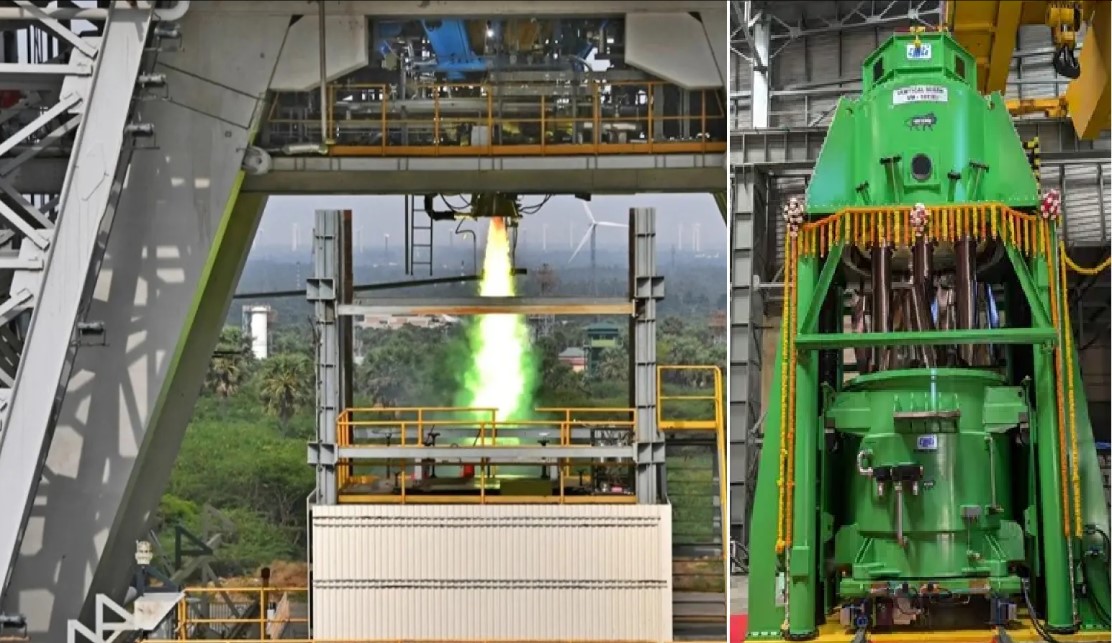
Space & Technology
In a groundbreaking achievement, the Indian Space Research Organisation (ISRO) has successfully developed the world’s largest 10-ton Vertical Mixer to enhance solid propellant production for its rocket programs. This cutting-edge equipment, designed to mix sensitive and hazardous solid propellant ingredients with high precision, marks a significant advancement in India’s space technology and self-reliance efforts. Developed at the Satish Dhawan Space Centre (SDSC) in Sriharikota in collaboration with the Central Manufacturing Technology Institute (CMTI), Bangalore, this high-capacity vertical mixer is expected to boost productivity, improve efficiency, and ensure the superior quality of solid rocket motors. Engineering Excellence: The World’s Largest Solid Propellant Mixer The 10-ton Vertical Planetary Mixer is a massive technological feat, weighing approximately 150 tons with dimensions of 5.4 meters in length, 3.3 meters in breadth, and 8.7 meters in height. This state-of-the-art machine is equipped with: Multiple hydrostatic-driven agitators for uniform and efficient mixing Remote operation through a PLC-based control system for enhanced safety SCADA (Supervisory Control and Data Acquisition) stations for precise monitoring High-capacity mixing capabilities, improving throughput for heavy solid motors Why Solid Propellants Matter in Space Exploration Solid propellants are the backbone of many space missions, used in booster rockets and solid-fuel motors. Their composition and consistency directly impact the performance and reliability of launch vehicles like PSLV (Polar Satellite Launch Vehicle) and GSLV (Geosynchronous Satellite Launch Vehicle). The introduction of the 10-ton mixer will ensure greater precision, quality control, and increased production capacity for ISRO’s future missions, including Gaganyaan, Chandrayaan, and beyond. Strengthening India’s Self-Reliance in Space Technology This milestone aligns with the Atmanirbhar Bharat (Self-Reliant India) initiative, reinforcing India’s capabilities in indigenous space technology development. By locally designing and manufacturing critical space equipment, ISRO is reducing dependency on foreign technologies and paving the way for more ambitious space missions. Future Prospects: A Boost for ISRO’s Heavy Rocket Programs With this advanced mixer, ISRO can now accelerate the production of large solid rocket boosters, crucial for next-generation launch vehicles and deep-space missions. The technology will play a pivotal role in India’s space advancements, ensuring the nation remains at the forefront of global space exploration and innovation.
Read More → Posted on 2025-02-15 14:38:30
India
In a major step towards bolstering India’s military capabilities, Rafael Advanced Defense Systems Ltd and Larsen & Toubro (L&T) have signed a Memorandum of Understanding (MoU) at Aero India 2025 to indigenously produce the Trophy Active Protection System (APS). This partnership aligns with the Indian government's ‘Aatmanirbhar Bharat’ and ‘Make in India, Make for the World’ initiatives, ensuring that critical defence technologies are manufactured locally. Why Trophy APS is a Game-Changer Trophy APS is the world’s only combat-proven and operationally deployed active protection system, designed to protect tanks, armored vehicles, and military platforms from modern threats, including anti-tank guided missiles (ATGMs), rocket-propelled grenades (RPGs), and other battlefield projectiles. It has been extensively used in combat zones, including operations in Israel, the U.S., and NATO forces, demonstrating high survivability rates for armored platforms. This system also comes with Counter Unmanned Aerial Systems (C-UAS) capabilities, allowing it to neutralize aerial threats such as drones, which have become a major challenge in modern warfare. By incorporating advanced radar and interception mechanisms, Trophy APS detects and intercepts incoming threats within milliseconds, ensuring the safety of both the platform and personnel. The Rafael-L&T Collaboration: Bringing Cutting-Edge Technology to India The strategic partnership between Rafael and L&T aims to integrate Trophy APS into India's existing and future armored vehicle fleet, enhancing their survivability against evolving threats. This collaboration will customize the Trophy APS to meet Indian Army requirements and ensure that the system is manufactured and maintained within India, contributing to local defence production and long-term sustenance capabilities. Yoav Tourgeman, CEO of Rafael Advanced Defense Systems, highlighted the importance of this agreement: "This partnership with L&T is a significant step in strengthening India’s defence capabilities. It will enhance the Indian Armed Forces' operational readiness while reinforcing Rafael’s commitment to India's defence manufacturing ecosystem." Similarly, Arun Ramchandani, Senior Vice President & Head of L&T Precision Engineering & Systems, emphasized the advantages of locally producing Trophy APS: "The integration of Trophy APS into Indian combat platforms will significantly boost survivability on the battlefield. This system, tailored for Indian conditions, will be built and sustained locally, ensuring long-term operational effectiveness for the armed forces." Boosting India’s Defence Self-Reliance The Trophy APS deal is expected to have far-reaching implications for India’s defence landscape. By producing high-end active protection systems within the country, India will not only reduce its dependence on foreign imports but also strengthen its defence industrial base. Additionally, integrating Trophy APS with indigenous combat vehicles, such as the Arjun Main Battle Tank (MBT), Future Infantry Combat Vehicles (FICV), and other mechanized platforms, will significantly enhance their battlefield resilience. With this collaboration, India is set to become a global hub for advanced defence technologies, ensuring its military remains well-equipped to counter modern threats while reinforcing its position as a self-reliant defence powerhouse.
Read More → Posted on 2025-02-15 14:31:18
World
Ukrainian President Volodymyr Zelensky has made a strong appeal for security guarantees as he met with U.S. Vice President JD Vance at the Munich Security Conference. The meeting comes amid growing concerns in Kyiv and Europe that the United States, under President Donald Trump, is moving toward a peace deal with Russia that could leave Ukraine vulnerable. Ukraine’s Fears Over U.S. Truce Talks with Russia Zelensky’s meeting with Vance follows Trump’s shocking announcement that he plans to meet Russian President Vladimir Putin to discuss a potential truce in the three-year-long war. While Ukraine has repeatedly emphasized its desire for peace, Zelensky made it clear that any settlement must come with ironclad security guarantees to prevent future aggression from Russia. "We want peace very much, but we need real security guarantees," Zelensky stressed, indicating his concerns that the U.S. may be rushing to broker a ceasefire without Ukraine’s full involvement. Adding to Ukraine’s worries, Zelensky acknowledged that his phone call with Trump this week came after Trump had already spoken to Putin for 90 minutes. This sequence has fueled fears that Washington might negotiate terms without fully considering Kyiv’s position. U.S. Signals Shift in Strategy Vice President Vance, while assuring Ukraine of continued support, also made it clear that the U.S. is focused on securing a lasting peace. He emphasized that Washington wants to avoid a situation where Eastern Europe remains trapped in continuous conflict. However, Pentagon chief Pete Hegseth’s recent remarks that Ukraine might not be able to join NATO or reclaim all its lost territory have further deepened anxieties in Kyiv. European nations have also raised concerns that a hasty peace deal could leave Ukraine in a weakened position, emboldening Russia to strike again in the future. Meanwhile, Trump’s foreign policy team has suggested using "military leverage" in negotiations, but details remain unclear. Reports indicate that the U.S. is pushing Europe to take on more responsibility for regional security, with Washington shifting focus to other global challenges. Europe Demands a Seat at the Table European leaders have been vocal about their role in any future negotiations, arguing that a settlement between Russia and Ukraine will directly impact European security. French President Emmanuel Macron assured Zelensky that "it is Ukrainians alone who should drive the discussions for a solid and lasting peace." Similarly, EU Commission President Ursula von der Leyen warned that forcing Ukraine into a bad deal would ultimately harm U.S. and European interests. As part of Kyiv’s strategy to keep Washington engaged, Ukraine has also offered access to its rare mineral deposits in exchange for long-term security commitments from the U.S. Chernobyl Drone Strike Raises Tensions While diplomatic talks continued in Munich, Ukraine suffered another massive Russian drone attack, with 133 drones launched overnight. One strike reportedly hit a protective structure at the Chernobyl nuclear power plant, raising alarms about possible radiation risks. Zelensky used the attack to highlight Russia’s continued aggression, stating: "Putin is definitely not preparing for negotiations—he is preparing to continue deceiving the world." What’s Next for Ukraine? With Trump’s team pushing for a peace deal and Europe demanding a larger role in negotiations, Ukraine is caught in a high-stakes diplomatic battle. Zelensky's insistence on security guarantees reflects fears that a rushed truce could leave Ukraine exposed to future Russian attacks. As the situation unfolds, the fate of Ukraine may depend not only on the battlefield but also on the negotiating table—where decisions made in Washington, Moscow, and Europe could reshape the future of Eastern Europe.
Read More → Posted on 2025-02-15 14:26:46
World
Embraer has officially started the structural assembly of Austria’s first C-390 Millennium military transport aircraft at its Gavião Peixoto production facility in Brazil. This milestone marks Austria’s entry into the growing list of nations adopting the C-390, a multi-role transport aircraft known for its efficiency, versatility, and superior performance in military and humanitarian missions. A Game-Changer in Military Transport The C-390 Millennium is a medium-sized, multi-mission military transport aircraft designed to replace older fleets of transporters like the Lockheed C-130 Hercules. Unlike traditional aircraft in its class, the C-390 incorporates modern avionics, powerful engines, and a robust airframe, enabling it to handle a wide variety of missions with greater speed and payload capacity. Key Features and Performance Maximum Payload Capacity: 26 tonnes (57,300 lbs), surpassing older transport aircraft in its category. Top Speed: 470 knots (870 km/h), making it the fastest transport aircraft in its class. Range: Over 6,000 km when lightly loaded, providing long-haul capabilities. Cargo Hold & Rear Ramp: Spacious cargo bay capable of carrying armored vehicles, helicopters, and large cargo loads, with a built-in rear ramp for rapid deployment. Reinforced Landing Gear: Can operate on unpaved runways and austere environments, making it ideal for combat and disaster relief missions. Multi-Mission Capabilities Austria’s C-390 Millennium will be deployed in various operational scenarios, including: Military Cargo and Troop Transport – Rapid deployment of personnel and heavy equipment. Humanitarian Aid and Disaster Relief – Transporting emergency supplies and personnel to crisis-hit areas. Medical Evacuation (MEDEVAC) – Configurable for airlifting wounded personnel with advanced medical facilities. Search and Rescue (SAR) – Extended range and speed enhance response capabilities in emergencies. Peacekeeping and Special Forces Operations – Tactical support for international security missions. Air-to-Air Refueling (KC-390 Variant) – The aircraft can function as a tanker and receiver, using wing-mounted refueling pods. Proven Performance and Reliability Since its induction into the Brazilian Air Force (FAB) in 2019, the C-390 Millennium has demonstrated remarkable operational efficiency: Over 16,300 flight hours accumulated across multiple global missions. Mission completion rate exceeding 99%, proving its reliability. 93% mission capability rate, making it one of the most dependable aircraft in military service. Austria Joins an Expanding Global User Base Austria is now part of a growing list of C-390 operators, which includes: Brazil (First operator, with multiple aircraft in service) Portugal Hungary Netherlands Czech Republic South Korea Sweden, Slovakia, and an undisclosed customer in 2024 As Austria moves forward with its first C-390, it underscores the aircraft’s increasing popularity as a cost-effective, next-generation transport solution in the global defense sector. With its cutting-edge design, superior payload capacity, and combat-proven performance, the C-390 Millennium is fast becoming the preferred choice for modern air forces worldwide.
Read More → Posted on 2025-02-15 14:21:02
India
India’s Defence Research and Development Organisation (DRDO) has taken a major step forward in next-generation weaponry by showcasing a new compact and transportable electromagnetic railgun (EMRG) at Aero India 2025 in Bangalore. Developed by DRDO’s Armament Research & Development Establishment (ARDE), this cutting-edge system is now ready for field trials, marking a significant milestone in India’s pursuit of advanced electromagnetic weaponry. A Breakthrough in Electromagnetic Weaponry The electromagnetic railgun operates using electromagnetic energy instead of conventional gunpowder, allowing for higher velocity, greater range, and improved accuracy. This new compact system has been optimized for mobility and is designed to be deployed on a trailer, making it transportable for various battlefield scenarios. Key Features and Specifications High-Speed Projectile Launch: The railgun fires projectiles at speeds exceeding 2,000 meters per second (m/s) using stored electromagnetic energy. Modular Energy System: The setup includes 25 modular capacitor power banks, each with a storage capacity of 400 kJ, which collectively store up to 10 megajoules (MJ) of energy to power the railgun. Sustained Firepower: The railgun can fire 30 rounds at a rate of 3 rounds per minute when fully charged. Longer Rail Lifespan: The enhanced rail design allows for 50+ shots before requiring maintenance, significantly improving durability over previous designs. Portable Power Source: A 15 kW diesel generator can fully charge the system’s lithium battery bank in just 30 minutes, eliminating reliance on external grid power. Compact and Transportable Design: Unlike large-scale railgun systems, this version is trailer-mounted for easy mobility, allowing rapid deployment in various combat environments. Reviving India’s Railgun Program DRDO’s interest in railgun technology dates back to 1994, when it developed a prototype with a 240 kJ capacitor bank capable of launching 3–3.5 g projectiles at speeds above 2,000 m/s. However, the project was shelved due to funding constraints. In 2017, the initiative was revived with fresh funding, and today, the new compact EMRG is one of DRDO’s most advanced defense projects. Future Applications in Defense The electromagnetic railgun represents a potential revolution in modern warfare, particularly in naval and long-range artillery operations. Unlike traditional weapons that rely on gunpowder, the railgun’s ability to fire at hypersonic speeds with zero chemical propellants provides significant tactical advantages: Greater Accuracy: The projectile’s high velocity makes it harder to intercept. Extended Range: The use of electromagnetic propulsion allows for longer-range strikes with reduced projectile drag. Lower Operational Costs: Since no explosive propellant is needed, logistics and ammunition costs are significantly reduced. Enhanced Safety: Eliminating gunpowder reduces the risk of accidental detonations. DRDO’s Expanding Focus on Next-Gen Weapons Apart from the electromagnetic railgun, DRDO also showcased several futuristic defense technologies at Aero India 2025: Laser-Based Directed Energy Weapons (DEWs): Unveiled during the Republic Day Parade on January 26, 2025, these laser systems mark a shift towards energy-based warfare. Raksha Kavach Multi-Layered Defense System: A conceptual multi-domain protection system designed for future threats, also showcased at Aero India 2025. A Step Toward Atmanirbhar Bharat in Defense With this development, India joins a select group of nations actively pursuing electromagnetic railgun technology, reinforcing the country’s goal of achieving self-reliance in advanced military capabilities under the Atmanirbhar Bharat initiative. As the system moves toward live trials and operational deployment, it could redefine India’s defense strategy, particularly in naval warfare and high-speed long-range artillery. The successful development of this compact electromagnetic railgun demonstrates DRDO’s growing expertise in next-gen weaponry, positioning India among the global leaders in electromagnetic warfare technology.
Read More → Posted on 2025-02-15 14:16:03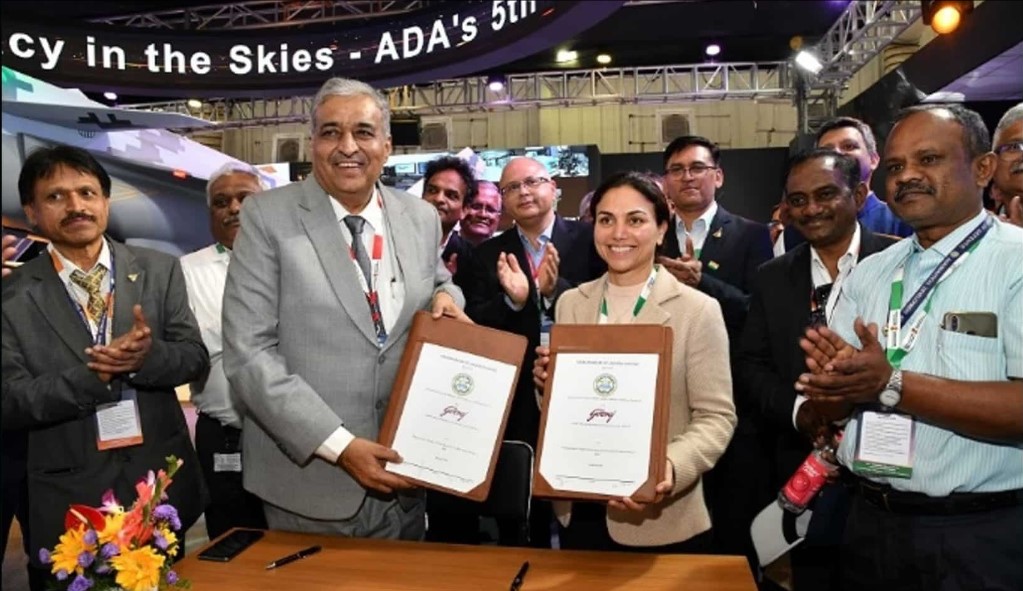
India
Godrej & Boyce, a key player in India’s aerospace sector, has taken a major step toward strengthening the country’s self-reliance in defense technology by signing a Memorandum of Understanding (MoU) with the Aeronautical Development Agency (ADA) at Aero India 2025. This partnership will focus on the indigenous development of flight control actuators for India’s next-generation Advanced Medium Combat Aircraft (AMCA), a critical component in ensuring superior maneuverability and combat effectiveness. Strengthening India’s Aerospace Capabilities With this collaboration, Godrej & Boyce is expanding its role in the AMCA program by transitioning from a “Built to Print” model to a more advanced “Built to Spec” capability. This shift signifies a move towards self-reliant aerospace manufacturing, where the company will design, develop, and test flight control actuators in-house. These actuators play a vital role in controlling the aircraft’s movement, making them a key component of the AMCA’s advanced flight control system. Under the MoU, Godrej & Boyce will be responsible for: Precision manufacturing of flight control actuators. Procurement of aerospace-grade raw materials to ensure high durability and performance. Assembly and testing of critical components to meet stringent aerospace standards. Development of test rigs for qualification tests, ensuring reliability in extreme conditions. Adopting Cutting-Edge Technology To enhance efficiency and precision, Godrej & Boyce is leveraging advanced manufacturing technologies, including 3D printing, to streamline production processes. This approach allows the creation of highly complex actuator components in a single print cycle, reducing dependency on traditional machining and assembly methods. This not only improves operational efficiency but also ensures higher performance and reliability of the components. The company is also accredited by India’s leading defense and aerospace organizations, including DGAQA, DRDO labs, ISRO centers, HAL, BDL, and BEL, alongside global aerospace giants such as Boeing, GE Aerospace, Honeywell, IAI, Parker Aerospace, Rafael, Rolls-Royce, and Safran. These partnerships highlight its expertise in manufacturing high-precision aerospace components. Showcasing Aerospace Excellence at Aero India 2025 At Aero India 2025, Godrej & Boyce is showcasing its wide range of aerospace manufacturing capabilities, underlining its expertise in producing advanced components for modern fighter jets. Key highlights of the exhibition include: Aero engine components such as fans, compressors, turbines, and shafts made from exotic materials. Precision-engineered structural components, including tubes, ducts, and brackets crafted from Titanium, Aluminum, and Stainless Steel. Indigenously developed Line Replaceable Units (LRUs) such as actuators, nose-wheel steering manifolds, lubrication pumps, and uplocks. A working model of an Ejector Release Unit (ERU) for aircraft pylons, crucial for weapon deployment. Carbon fiber composite parts designed for Unmanned Aerial Vehicles (UAVs). Paving the Way for ‘Atmanirbhar Bharat’ in Aerospace Maneck Behramkamdin, Senior Vice President and Business Head of Godrej & Boyce’s Aerospace division, emphasized the company’s commitment to India’s defense self-reliance. “This partnership with ADA reflects our dedication to Atmanirbhar Bharat in aerospace. We are proud to lead India’s aerospace revolution by delivering cutting-edge engineering solutions and world-class manufacturing capabilities. Our goal is to elevate India’s competitiveness in global defense manufacturing,” he stated. With this strategic collaboration, Godrej & Boyce is not only reinforcing India’s indigenous defense capabilities but also playing a crucial role in the success of the AMCA program. The development of critical flight control actuators will ensure that India’s futuristic stealth fighter remains at the forefront of next-generation aerial combat technology.
Read More → Posted on 2025-02-15 14:12:30
World
The Organisation for the Prohibition of Chemical Weapons (OPCW) has confirmed the presence of the banned riot control agent CS in multiple samples provided by Ukraine, raising fresh concerns over the use of chemical agents in the ongoing conflict with Russia. The discovery was made in nine samples collected from the frontline, including four grenade shells, three soil samples, and two vegetation samples found near a dugout. A Growing Concern in the War Zone CS gas, commonly known as tear gas, is not lethal but causes intense irritation to the lungs, skin, and eyes. While it is legally used for riot control by law enforcement, its use as a weapon of war is strictly prohibited under the Chemical Weapons Convention (CWC), to which both Russia and Ukraine are signatories. Despite this, accusations of chemical weapon usage have been exchanged between the two nations since the beginning of the war. The OPCW report does not assign blame to either side but confirms that chemical agents are being used in active combat zones. This marks the second instance where riot-control agent grenades have been found in Ukraine’s Dnipropetrovsk region. The first confirmation came in November 2024, when CS was identified in three shell and soil samples from contested areas. Alleged Chemical Attacks and International Reactions Ukraine formally requested the OPCW’s investigation into three alleged chemical weapon incidents: October 2, 2024 – Near the village of Mariivka October 12 & 14, 2024 – Near Illinka Following the analysis, the OPCW concluded that “all grenades collected from dugouts contained the riot control agent CS, CS-related compounds, and/or their degradation products.” The chemical was also found in soil and vegetation samples from the reported sites, reinforcing suspicions that chemical agents have been deployed in the battlefield. OPCW Director-General Fernando Arias emphasized that the findings highlight the urgency of enforcing the Chemical Weapons Convention. “This report underscores the importance of ensuring that toxic chemical agents are not used in warfare, as outlined by international law,” he stated. Western Allegations and Russian Denials Ukraine’s Western allies, particularly the United States and the United Kingdom, have accused Russia of violating the CWC by using riot control agents and the highly toxic chemical chloropicrin since its invasion of Ukraine in 2022. These accusations have been strongly denied by Moscow, which insists that it no longer possesses a military chemical arsenal. However, Russia continues to face international pressure for greater transparency regarding its alleged use of toxic agents on the battlefield. As the war drags on, the presence of chemical agents in contested areas raises troubling questions about the future of chemical warfare enforcement. The OPCW’s findings could lead to increased diplomatic scrutiny and calls for stronger international action to prevent further violations of the Chemical Weapons Convention.
Read More → Posted on 2025-02-15 14:08:42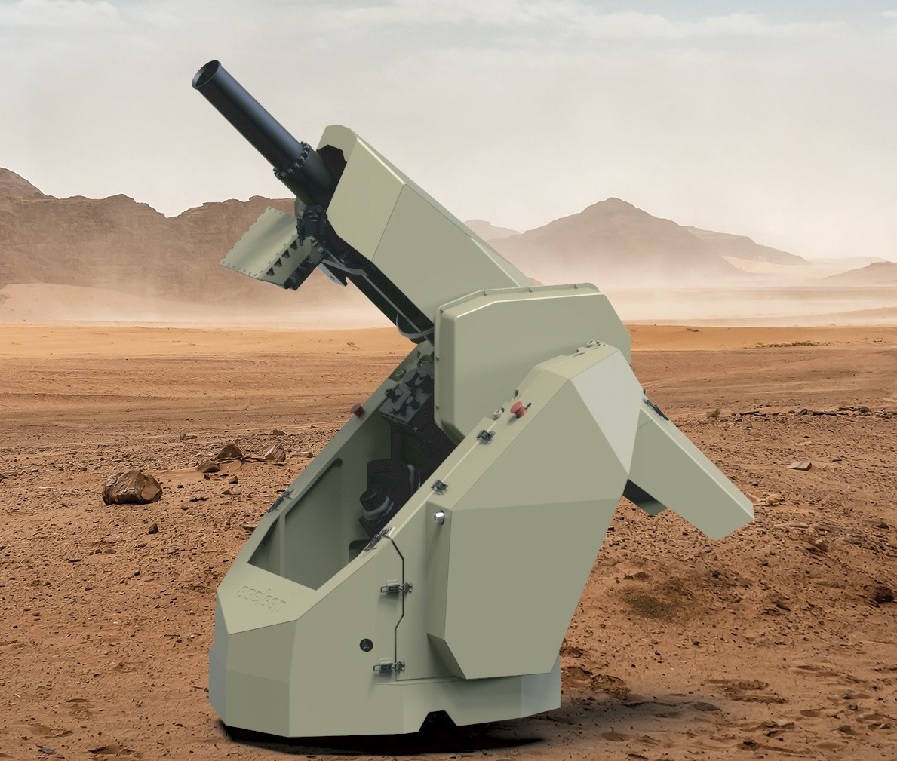
World
Turkish defense leader ASELSAN is poised to showcase its latest land and naval defense technologies at the International Defence Exhibition (IDEX) and Naval Defence Exhibition (NAVDEX) 2025 in Abu Dhabi, UAE, from February 17 to 21. This participation underscores ASELSAN's commitment to technological excellence and its strategic focus on the Middle East and Gulf regions. Land Defense Innovations At IDEX 2025, ASELSAN will present a range of cutting-edge land defense solutions: ALKAR Artillery and Mortar Systems: The ALKAR 100/81 and ALKAR 110/81 systems offer enhanced accuracy and operational flexibility, catering to diverse battlefield requirements. Smart Ammunition: Featuring the ASAF 155 CCF, ASAF 155 MOFA, and ATOM 25 ABM, these munitions are designed for improved strike precision and adaptability in dynamic combat scenarios. YENER 100-G Ground-Penetrating Radar: This advanced radar system detects concealed threats, such as improvised explosive devices (IEDs) and mines, beneath road surfaces, enhancing troop safety during operations. Naval Defense Technologies In the naval arena, ASELSAN's display at NAVDEX 2025 will include: GÖKDENİZ Close-In Weapon System: A critical defense mechanism against aerial threats, ensuring robust protection for naval vessels. GÖKSUR and SMASH Systems: Advanced solutions tailored to meet evolving naval security challenges. CENK, AKREP, and SERDAR Systems: Integrated combat and electronic warfare systems designed to enhance maritime operational capabilities. Collaborative Ventures Demonstrating a commitment to regional partnerships, ASELSAN will also feature: KORKUT 150/35 Self-Propelled Air Defense Gun System: Mounted on the Wahash 8×8 vehicle developed by UAE-based CALIDUS, this system exemplifies successful international collaboration. Cockpit Display Solutions: Integrated into Calidus Aerospace's B-250 air platform, showcasing ASELSAN's avionics expertise. Additionally, at the EDGE Group's stand, ASELSAN will present: ARTCom 9661 Tactical Radios: Ensuring secure and reliable communication in complex operational environments. ALP 300-G Air Defense Search Radar: A vital component for early threat detection and airspace monitoring. NIMR's display will feature the SARP 100 remote-controlled weapon system mounted on its Ajban vehicles, highlighting ASELSAN's versatile land defense solutions. Strategic Vision ASELSAN's President & CEO, Ahmet Akyol, emphasized the company's dedication to strengthening its presence in the Middle East. With established offices and subsidiaries in the UAE, Saudi Arabia, Qatar, Oman, and Jordan, ASELSAN aims to solidify its regional relationships and explore new collaborative opportunities during IDEX & NAVDEX 2025. This participation not only highlights ASELSAN's technological advancements but also reflects its strategic intent to be among the world's top 30 defense companies by 2030, focusing on innovation, integration, and resilience in defense solutions.
Read More → Posted on 2025-02-15 14:05:49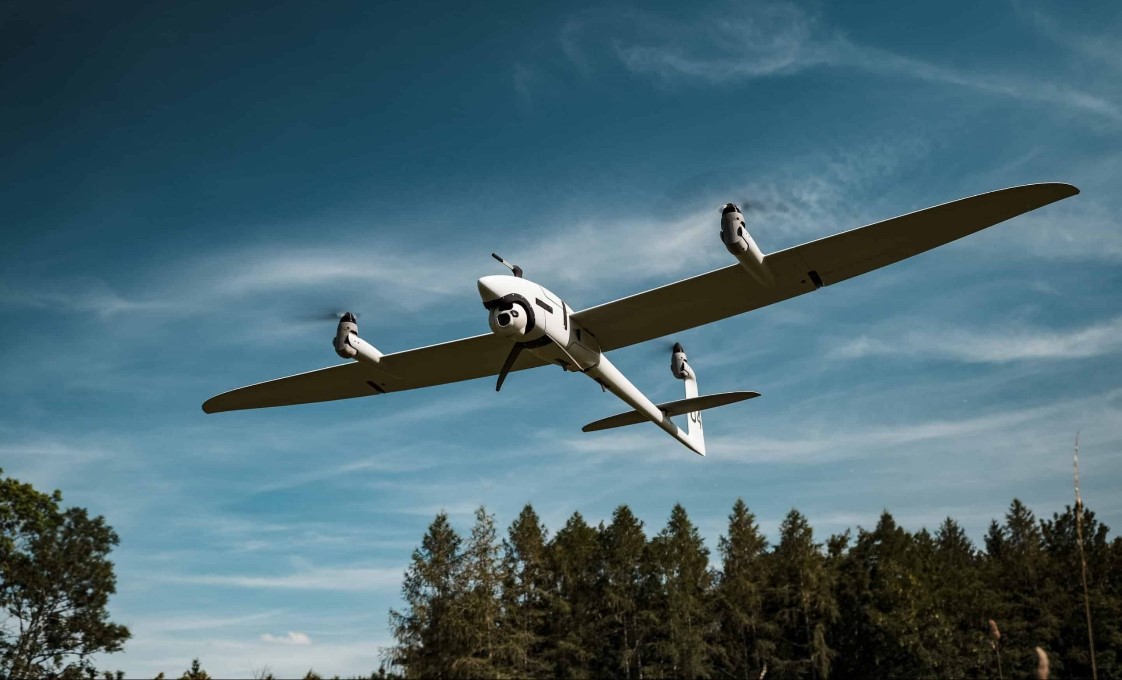
World
German drone technology company Quantum Systems has announced plans to double its production capacity in Ukraine by 2025. This strategic expansion aims to meet the increasing demand for advanced aerial intelligence solutions in both defense and commercial sectors. Currently, Quantum Systems operates production hubs in Brisbane, Los Angeles, Kyiv, and Munich. The decision to enhance operations in Ukraine underscores the company's commitment to providing high-performance drones swiftly, setting it apart from traditional defense suppliers. Co-CEO Sven Kruck highlighted the company's proactive stance, stating that the increased production directly addresses the urgent need for state-of-the-art drone technology in Ukraine. In April 2024, Quantum Systems inaugurated its second facility in Ukraine, investing €6 million over two years. This expansion is expected to create approximately 100 jobs by the end of 2024 and boost production capacity to up to 1,000 drones annually, including spare parts. The company's flagship drones, such as the Vector and Trinity F90+, are pivotal in this expansion. The Vector is a silent, mid-endurance electric vertical take-off and landing (VTOL) fixed-wing small unmanned aircraft system (sUAS) designed for mid-range reconnaissance missions. It boasts a wingspan of 9.2 feet, a maximum take-off weight of 18.7 pounds, and an endurance of up to 180 minutes. Equipped with the Quantum-Skynode flight control computer, it offers onboard computing power and artificial intelligence capabilities, reducing the operator's cognitive load. The Trinity F90+ is tailored for professional mapping applications, featuring an extended flight time of 90 minutes and user-friendly mission planning software, QBase 3D. It supports a range of integrated cameras, including RGB, oblique, multispectral, and LiDAR, making it versatile for various mapping needs. Since May 2022, Quantum Systems' Vector reconnaissance drones have been operational in Ukraine, with 212 systems provided through the German Enablement Initiative. By the end of 2024, the total deliveries are expected to reach 500 units. This expansion aligns with Ukraine's strategic emphasis on unmanned systems to bolster its defense capabilities. In February 2025, Ukrainian Defense Minister Rustem Umerov announced an initiative to expand the country's most proficient drone units, aiming to replicate their success across the armed forces. This move addresses the current infantry shortage by leveraging drone units as force multipliers in support of ground troops. By enhancing its manufacturing footprint in Ukraine, Quantum Systems not only meets the immediate technological needs of the region but also solidifies its position as a leader in the global drone industry.
Read More → Posted on 2025-02-15 04:19:58
India
In a recent press conference held in Washington, U.S. President Donald Trump, alongside Indian Prime Minister Narendra Modi, addressed various bilateral issues, including trade and the strengthening of India-U.S. relations. When questioned about the ongoing crisis in Bangladesh, President Trump tersely responded, "I'll leave Bangladesh to PM Modi." This statement coincides with a significant policy shift by the U.S. government. The Trump administration has announced a 90-day suspension of all foreign aid, directly impacting Bangladesh. The United States Agency for International Development (USAID) has been directed to halt all projects in the country, affecting contracts, grants, and cooperative agreements. This decision is particularly consequential for the interim government in Bangladesh, led by Nobel laureate Muhammad Yunus, which is already grappling with financial challenges. The suspension of aid has raised concerns among various stakeholders, including non-governmental organizations operating in Bangladesh. The U.S. has been a major contributor to humanitarian efforts in the region, especially in response to the Rohingya refugee crisis, having provided approximately $2.4 billion in assistance since 2017. The abrupt cessation of aid threatens to destabilize ongoing projects and could exacerbate the humanitarian situation on the ground. Prime Minister Modi's role becomes pivotal in this context. India shares a long and complex border with Bangladesh and has vested interests in the region's stability. Modi's government may now face increased pressure to engage more deeply in Bangladesh's affairs, both to maintain regional stability and to counterbalance the vacuum left by the sudden withdrawal of U.S. support. The international community is closely monitoring the situation, as the interplay between U.S. foreign policy decisions and regional dynamics in South Asia could have far-reaching implications. The suspension of aid not only affects Bangladesh's immediate humanitarian needs but also shifts the geopolitical landscape, potentially altering alliances and power structures in the region. In summary, President Trump's decision to delegate the Bangladesh crisis to Prime Minister Modi, coupled with the suspension of U.S. aid, marks a significant turning point in South Asian geopolitics. The coming weeks will be critical in determining how these developments unfold and what strategies regional players will adopt in response.
Read More → Posted on 2025-02-15 04:12:57Search
Top Trending in 24 Hours
-
 Iranian Media Leaks 14-Point U.S.-Iran Peace Framework Amid Ongoing Negotiations
-
 US Plans Significant Reduction of Fighter Jets and Warships for NATO Operations in Europe
-
 UAE Urgently Airlifts Cheongung-II Missile Defense Battery From South Korea Using Eight C-17 Aircraft
-
 France Awards MBDA Contract to Develop ASN4G Hypersonic Nuclear Missile to Replace ASMPA-R
-
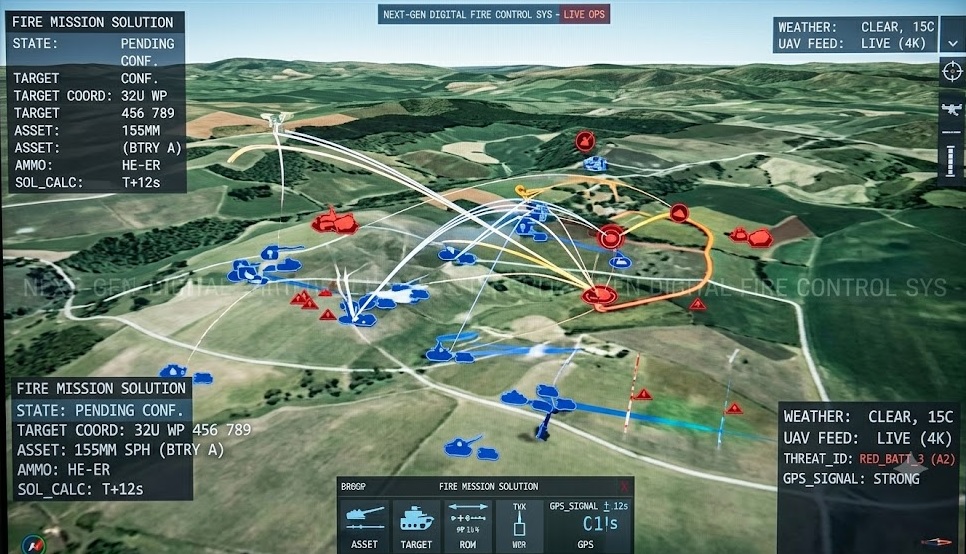 BAE Systems Unveils Next-Generation Digital Indirect Fire Control System at Eurosatory 2026
-
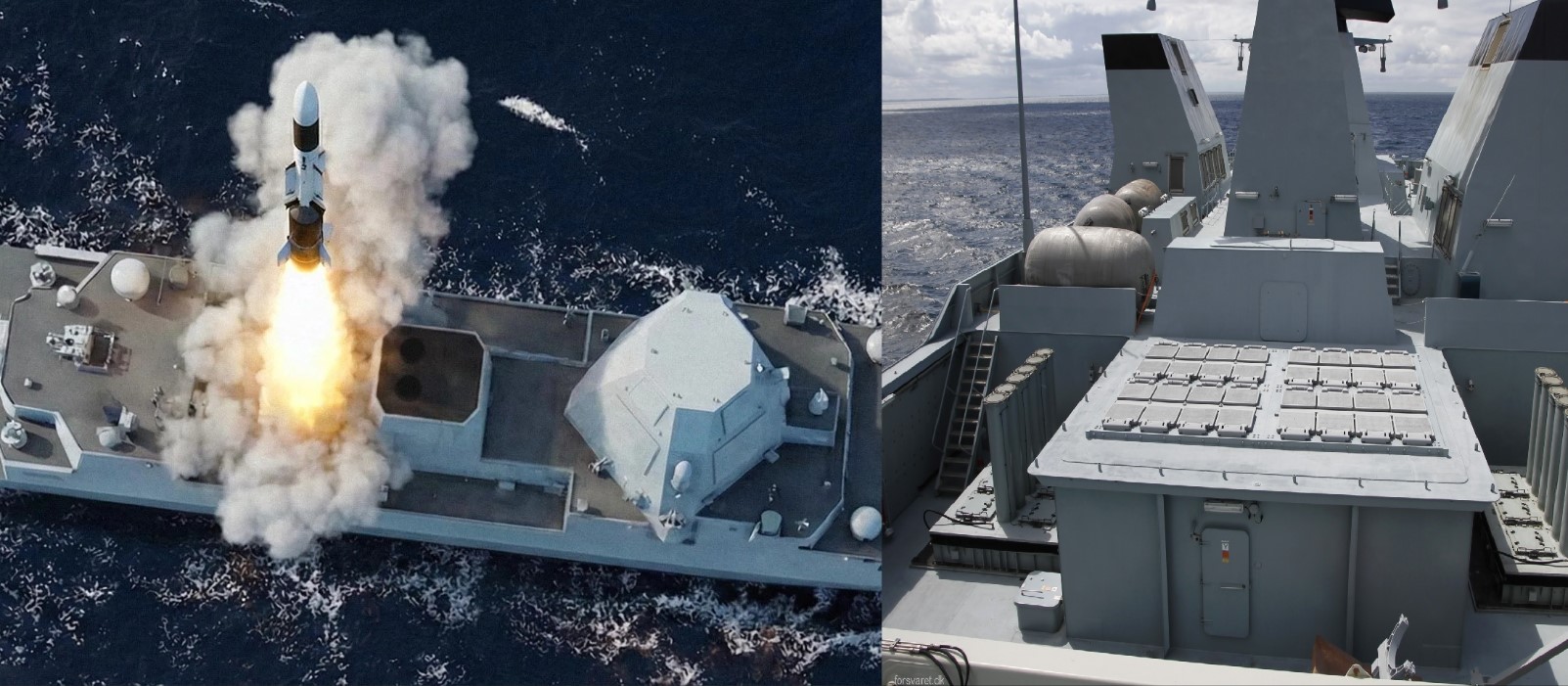 Engineering Challenges Behind the US Navy's Decision to Drop MK41 VLS from Flight I FF(X) Frigates
-
 U.S. Air Force Faces Strategic Airlift Shortfall as C-17 Production Restart Remains Uncertain
-
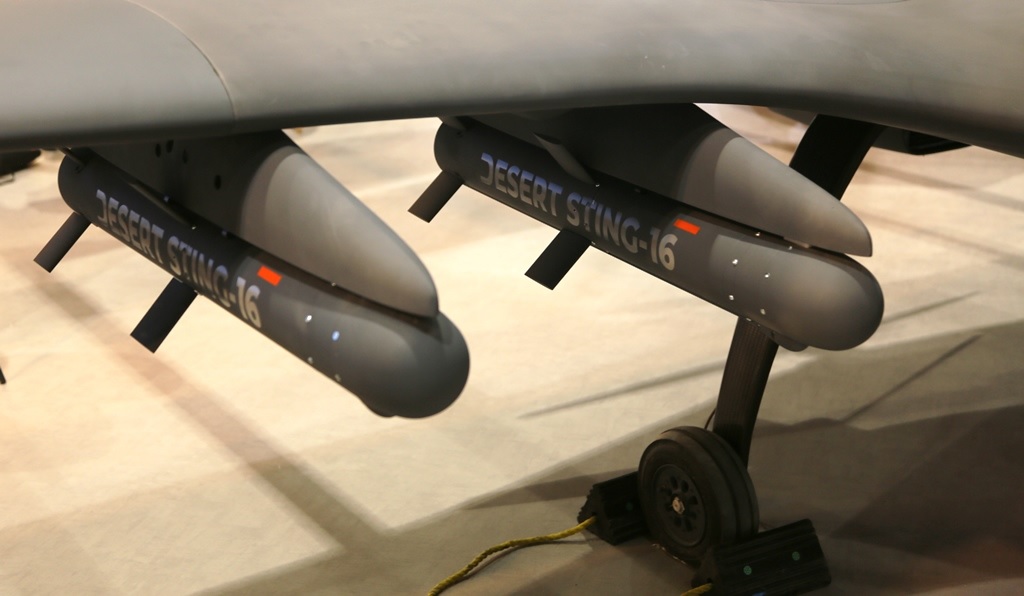 EDGE Integrates Desert Sting 16 Precision-Guided Munition with Bayraktar TB2 UAV
Top Trending in 4 Days
-
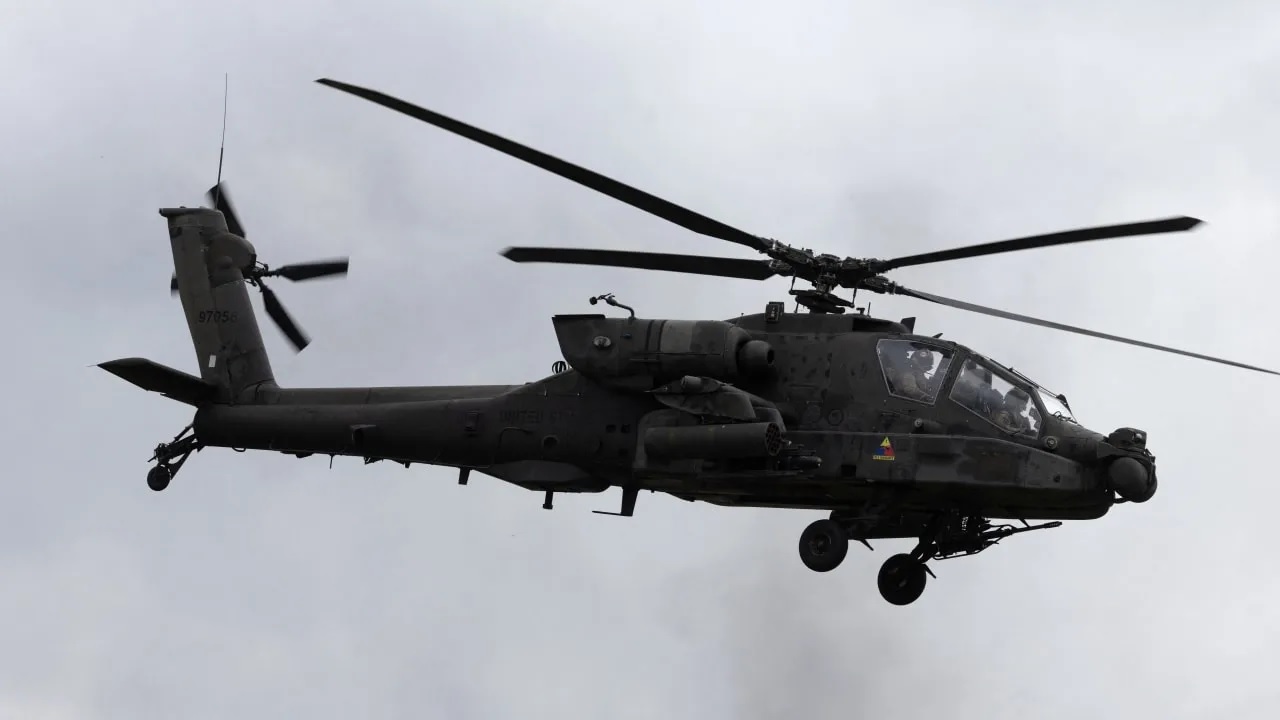 US Army Apache Helicopter Crashes Near Strait of Hormuz; Crew Rescued Safely
-
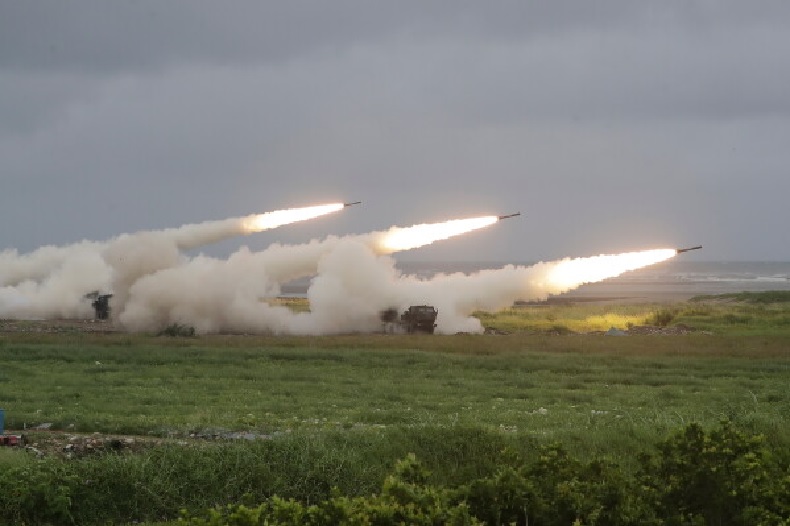 Taiwan Conducts First Live-Fire of HIMARS Rockets From West Coast During Invasion Defense Drill
-
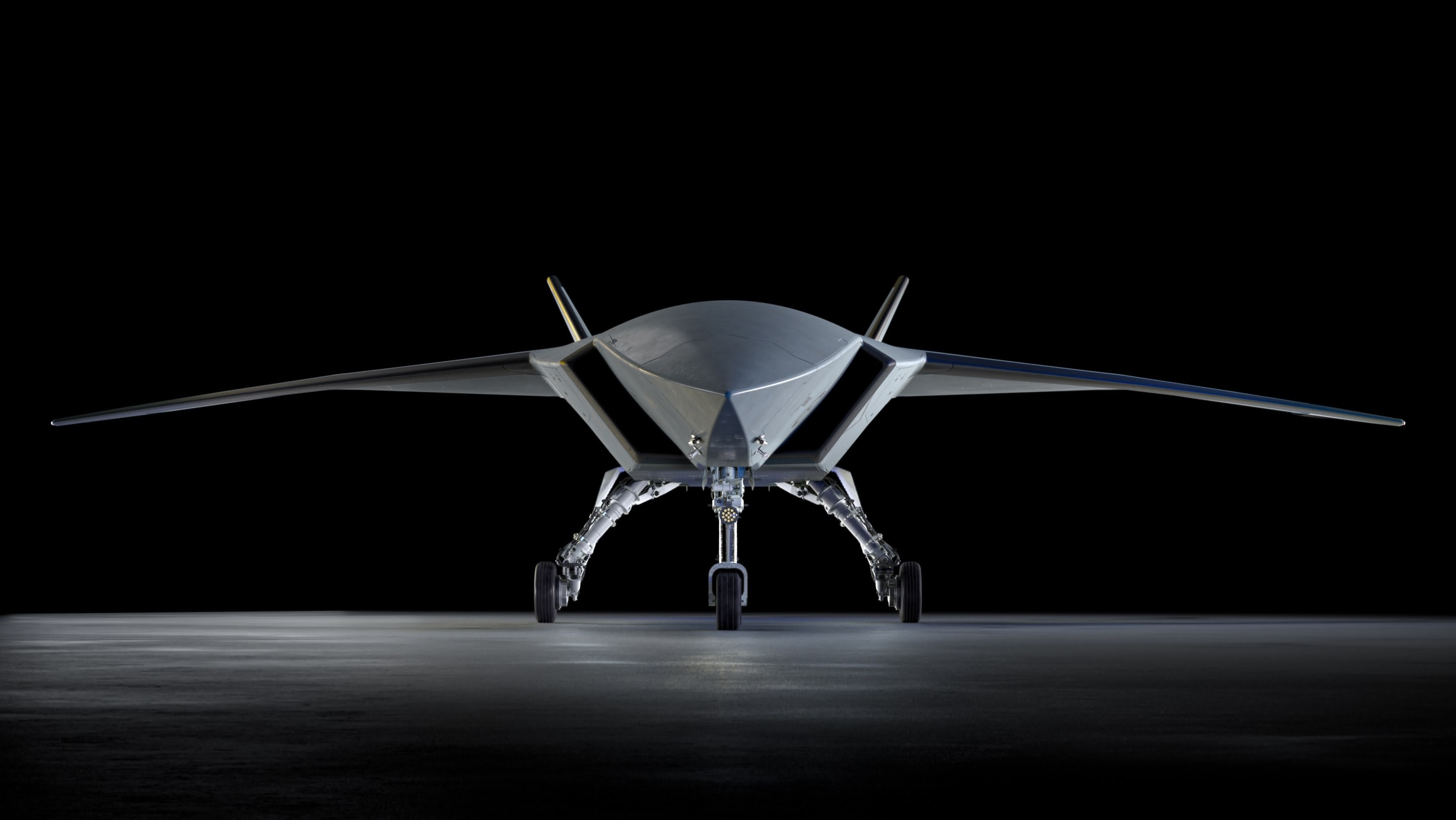 Boeing Introduces New MQ-28 Ghost Bat Upgrades with Increased Range, Payload and Weapons Capacity at ILA Berlin 2026
-
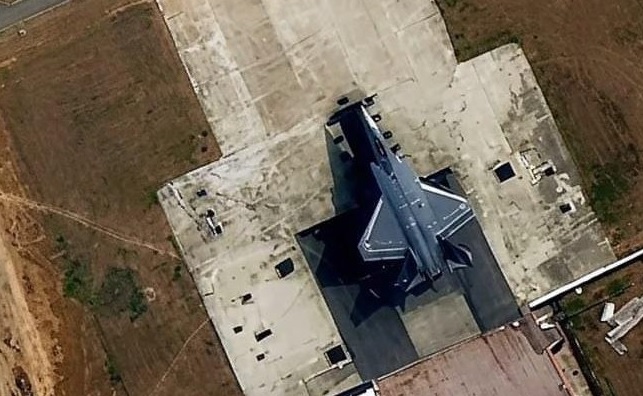 AMCA Airframe Spotted at DRDO’s ORANGE Facility for Radar Cross-Section Testing
-
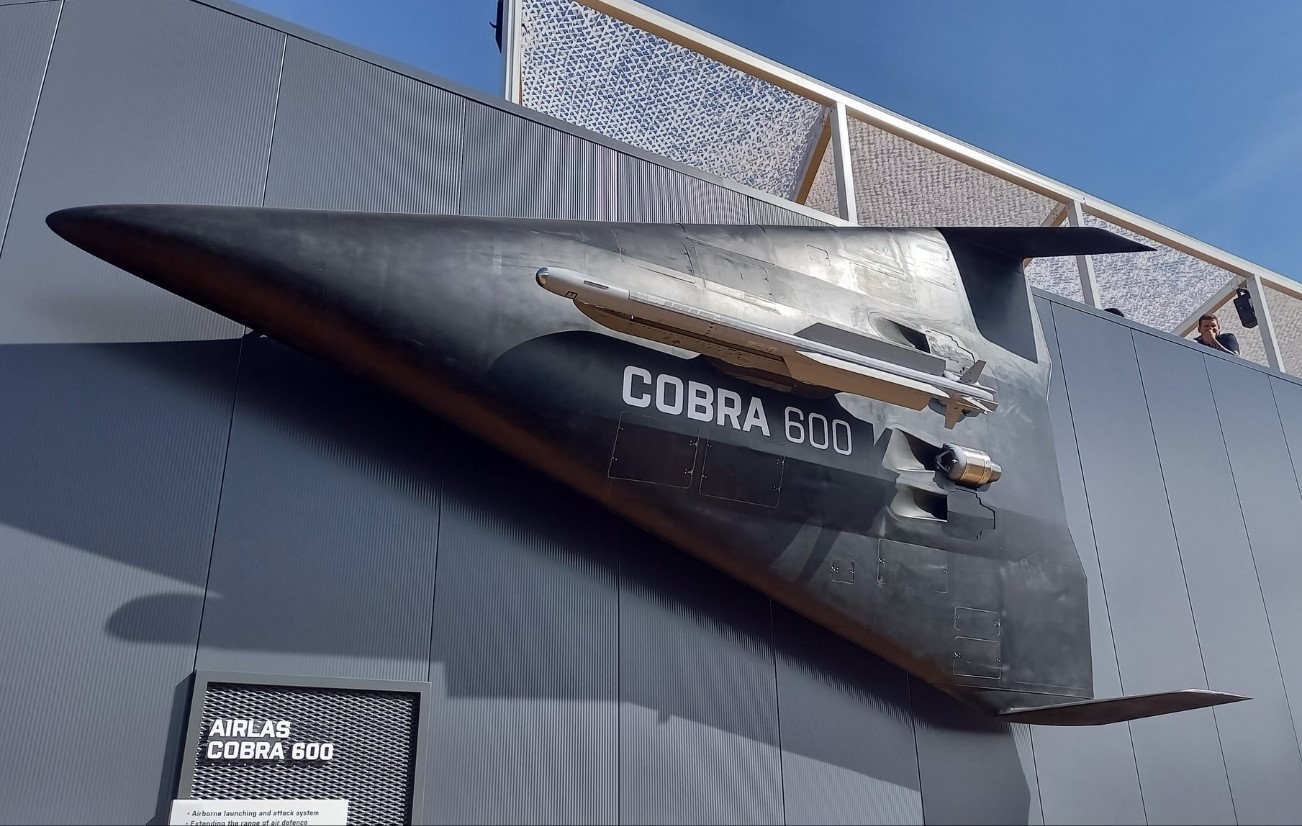 Diehl Defence Unveils IRIS-T Armed Cobra 600 Air Defense Drone at ILA Berlin 2026
-
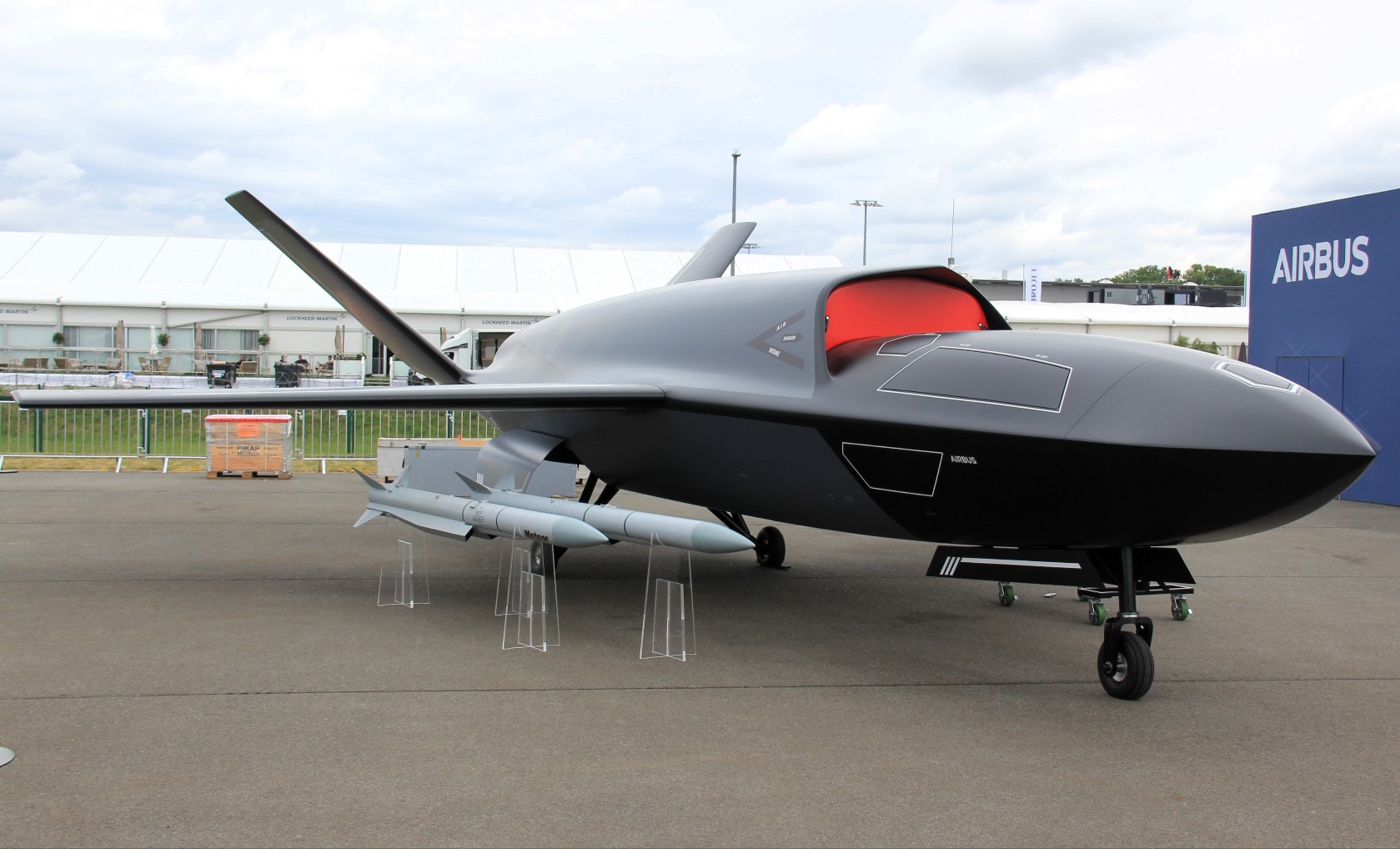 Airbus Unveils U760 Ravenstorm Loyal Wingman Drone at ILA Berlin 2026
-
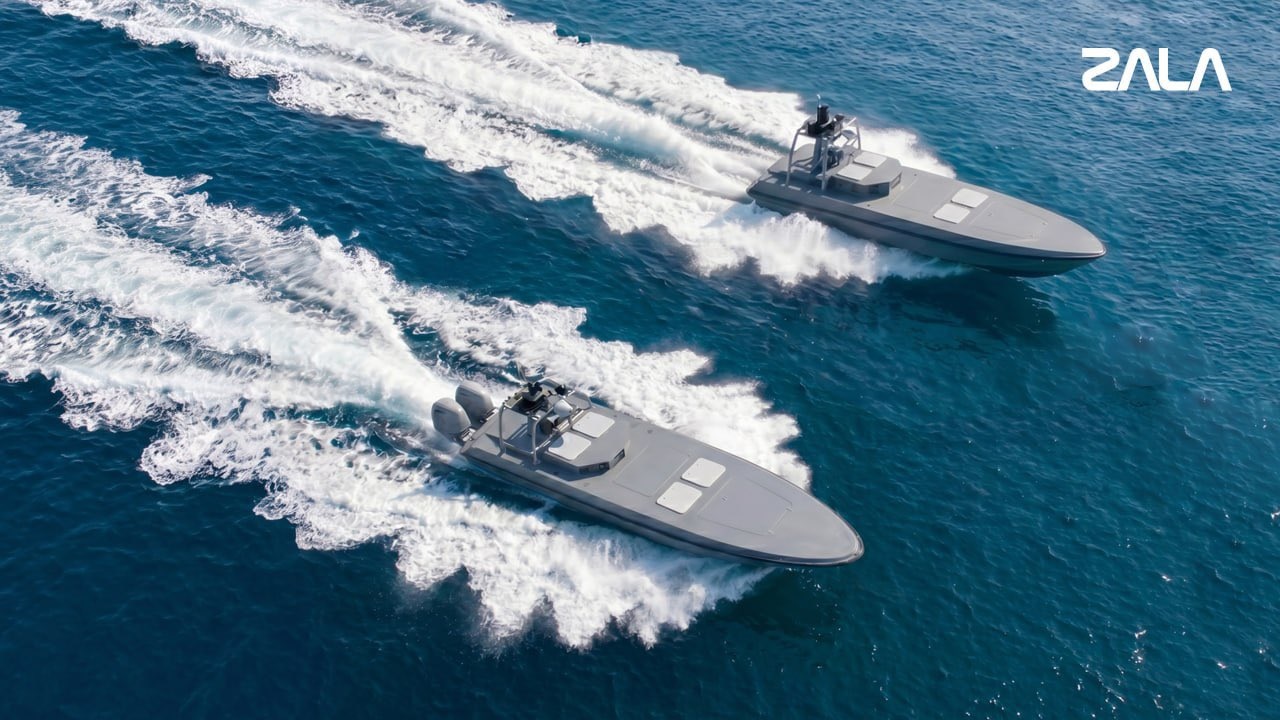 Russian Defense Firm ZALA Unveils KAMA Unmanned Surface Vessel Family at FLOT-2026 Naval Exhibition
-
 U.S. Army Successfully Demonstrates Quantum Sensor That Can Precisely Locate Radio Signals in 3D
