
India
In a major safety operation, the Indian Army has successfully neutralized 67 unexploded shells in forward villages near the Line of Control (LoC) in Jammu and Kashmir’s Poonch district. These deadly remnants were left behind after recent cross-border shelling by Pakistani forces earlier in May. The operation covered several villages including Chajla, Jhulas, Mendhar, Mankot, and Lower Krishna Ghati, which are located dangerously close to the LoC and are often subjected to artillery fire. The unexploded shells posed a serious risk to the lives of local residents, especially farmers and children who might unknowingly come across them. The Army launched a carefully planned clearance mission to locate and defuse these hazardous shells. According to officials, the shelling between May 7 and 10 had caused widespread panic and left behind several live shells that failed to explode on impact but remained highly dangerous. To avoid any harm during the demolitions, affected areas were first cordoned off and civilians were moved to safer places. Only after securing the surroundings did the bomb disposal teams carry out controlled explosions to safely neutralize the shells. These efforts were carried out in close coordination with the local administration. The Army spokesperson emphasized that this operation is part of a larger ongoing initiative to make border villages safe again. Apart from responding to enemy shelling, the Army is also working hard to remove any remaining unexploded munitions to prevent accidental injuries or loss of life. Local residents have welcomed the move and expressed relief, saying they now feel safer returning to their daily lives. For many farmers, the clearance means they can return to their fields without fear. The Army has also reassured villagers that sanitization and disposal operations will continue in all affected areas until no threats remain. This effort is yet another example of how the armed forces are not just protecting the borders from external threats, but also ensuring the safety and well-being of people living in these vulnerable areas.
Read More → Posted on 2025-06-02 14:14:44
India
India is set to receive the remaining units of the advanced S-400 Triumf air defence missile systems from Russia by 2025-2026, reaffirmed Russian Deputy Chief of Mission in India, Roman Babushkin. The official confirmed that the delivery of the remaining two squadrons is progressing as planned and will be completed within the next couple of years, sticking to the original schedule of the landmark defence deal signed in 2018. The $5.43 billion agreement between India and Russia includes the delivery of five squadrons of the S-400, a cutting-edge long-range surface-to-air missile system known for its ability to engage multiple targets — including aircraft, ballistic missiles, and drones — at distances up to 400 km. So far, India has already received three of the five squadrons, which are now operational with the Indian Air Force and deployed at key strategic locations. Roman Babushkin emphasized that the S-400 system has proven its capability during recent military tensions between India and Pakistan, suggesting that it performed with high efficiency when the regional situation grew tense. He noted this as an example of the system’s real-time reliability and importance in enhancing India’s air defence posture. Beyond the S-400, Babushkin also hinted at the growing scope of defence cooperation between the two long-standing allies. He underlined Russia’s willingness to expand collaboration in air defence and, significantly, in counter-drone technology — an area gaining attention due to the increasing threat posed by unmanned aerial vehicles (UAVs). India has witnessed a rise in drone-related incidents, particularly along its western border, including during the skirmishes with Pakistan. In this context, Babushkin pointed out that Russia has already been facing similar drone threats for several years and continues to upgrade its anti-drone systems. He added that sharing expertise and possibly co-developing such systems could be an area of mutual benefit under the ongoing India-Russia defence dialogue. “Our systems are being modernised constantly. This is a joint area of interest where we can deepen cooperation,” he said, indicating that anti-drone systems are already being discussed between the two countries. Additionally, Babushkin mentioned that Russian Foreign Minister Sergey Lavrov may soon visit India, although the exact dates for the visit have not been finalized. The visit is expected to further strengthen diplomatic and strategic engagement between Moscow and New Delhi, particularly in defence and global security matters. India and Russia continue to nurture their decades-old defence partnership, which has historically included cooperation in fighter aircraft, tanks, submarines, and missile systems. With new challenges emerging in modern warfare, both countries appear keen to align their defence cooperation with changing realities, especially in areas like airspace defence and unmanned threats. The final delivery of the S-400 system and the potential for expanded collaboration in anti-drone technologies mark another step forward in the strategic trust and defence synergy between the two nations.
Read More → Posted on 2025-06-02 14:12:06
India
In a rare display of surgical precision and strategic dominance, the Indian Air Force (IAF), under Operation Sindoor, conducted a covert yet devastating strike on one of Pakistan's most secure and secretive underground C4I (Command, Control, Communications, Computers, and Intelligence) nodes located within the Nur Khan Airbase (formerly Chaklala Airbase) in Islamabad. This unprecedented operation destroyed what was considered the crown jewel of Pakistan’s air defence infrastructure, constructed with the assistance of U.S. firm General Electric (GE) in the 1990s. The explosion, reportedly visible from over 15 kilometres away, erased the facility both physically and from Pakistan’s official memory — a fact confirmed by post-strike satellite imagery and intelligence analysis. Why is a C4I (Command, Control, Communications, Computers, and Intelligence) base so important to a country’s military? A C4I base is critical to a country’s military strength because it serves as the central nervous system for military operations. Here's why it's so important: 1. Centralized Command and Control : C4I systems allow military commanders to coordinate forces across land, air, sea, and cyber domains in real-time. Without this central command, military responses become slow, uncoordinated, and vulnerable to chaos during conflict. 2. Real-Time Communication : C4I infrastructure enables secure, instant communication between high command and units in the field. This ensures that orders are issued, received, and updated without delays—even during electronic warfare or cyberattacks. 3. Integrated Intelligence Processing : C4I centres fuse intelligence from satellites, UAVs, radars, and human sources to create a real-time operational picture. This helps in detecting threats early, planning missions, and making informed decisions. 4. Computational Power for Battle Management : These bases use powerful computers to run simulations, analyze battlefield data, and help commanders anticipate enemy actions. This computational capability is essential for high-tech warfare. 5. Force Multiplier : With effective C4I, even a smaller or less numerous military force can outperform a larger adversary by acting faster, smarter, and more precisely. It's a force multiplier that amplifies overall combat efficiency. 6. Resilience and Continuity of Government (COG) : C4I facilities often double as strategic command centres during crises, including nuclear escalation or homeland attacks. Destroying one can cripple a nation’s ability to defend, respond, or retaliate, making them high-priority targets. 7. Protection of Strategic Assets : They help in monitoring and protecting nuclear assets, missile defences, and airspace integrity. Without functioning C4I, a country may lose the ability to detect or respond to a strategic threat in time. The Hidden Brain of Pakistan’s Air Defence Network The targeted facility was more than just a Command and Control (C2) centre; it was a fully integrated C4I system housed within a Hardened Deeply Buried Target (HDBT) — a military term for reinforced underground bunkers designed to survive conventional and nuclear strikes. The Nur Khan facility was a critical nerve centre, allegedly used for the integration of Pakistan’s air surveillance data, radar inputs, tactical communications, and possibly coordination of strategic responses, including nuclear contingencies. Built using cutting-edge construction technologies allegedly shared by General Electric in the 1990s — in return for a now-declassified Pakistani agreement to suspend nuclear cold tests at Kirana Hills — the facility covered 750 square metres underground. Its walls and roof were reinforced with multiple layers of rebar-reinforced concrete, designed to withstand even precision-guided bunker-busting munitions. Over the years, the centre was twice renovated (2005 and 2015), not only expanding its infrastructure but also reportedly updating its simulation and data fusion capabilities. A Pinpoint Strike on a 45 cm Vulnerability The attack on this HDBT was anything but ordinary. IAF planners and intelligence agencies, likely relying on Geologic Assessment Methodology for Underground Targets (GAMUT), zeroed in on a 45 cm-wide HVAC (Heating, Ventilation, and Air Conditioning) shaft that led directly into the heart of the facility. This tiny opening — practically unmeasurable on open-source satellite imagery — was the only weak spot in an otherwise impenetrable fortress. High-resolution satellite data, multi-source HUMINT (Human Intelligence), and perhaps hyperspectral ISR (Intelligence, Surveillance and Reconnaissance) assets were all utilized to map this shaft. The missile used for the attack — likely a smart bomb or modified air-to-ground munition with terrain-following guidance — was pre-fed with GPS coordinates, structural blueprints, and high-fidelity 3D imaging to ensure zero error. A pilot with the highest qualification would have been handpicked for this operation. When the munition hit, it penetrated through the 45 cm HVAC shaft, reaching the core of the command bunker. The resulting underground explosion was so powerful that it caused the multilayered reinforced concrete roof to rupture upwards, ejecting massive debris and effectively vaporizing everything inside — equipment, personnel, and data systems. The fireball was so intense that it was visible from a distance of over 15 kilometres. Total Silence and Concealment: Pakistan's Quiet Burial In the immediate aftermath, there was no official Pakistani acknowledgment. The silence was deafening. Satellite images showed the site untouched for nearly four days post-strike, indicating uncertainty within the Pakistan Air Force (PAF) and possibly internal deliberations on damage control. It is believed that the decision was made to bury the dead in situ — as not even recoverable remains could be salvaged from the obliterated structure. Heavy machinery — including JCBs and concrete mixers — was observed levelling the blast site and sealing it with fresh concrete slabs. Within days, the site had been sanitised. By the time international analysts revisited imagery, there was no trace of the once-celebrated C4I hub. It was as if it had never existed. Why the Facility Was So Critical Strategically, the Nur Khan C4I bunker represented Pakistan’s most advanced attempt to digitally integrate its radar networks, air defence command hierarchy, and electronic warfare data. Analysts from the Centre for Air Power Studies (CAPS) suggest that all intelligence gathered by ISR aircraft and new radar systems in the last decade was being transmitted here for real-time fusion with legacy systems — a critical function during airspace incursions or missile attacks. Its loss, therefore, wasn’t just tactical — it was systemic. The facility served as a backbone for decision-making, particularly for air defence and perhaps even nuclear second-strike coordination. Destroying it was the equivalent of severing the central nervous system of a body, leaving it functionally paralysed. The Bigger Picture: HDBTs Under Siege Globally, HDBTs are hard to detect, harder to strike, and almost impossible to completely destroy — unless you know exactly how they are built and where the vulnerabilities lie. The successful Indian strike showcases not only IAF’s growing technological and operational edge but also the maturing capability of its space and air surveillance systems. Operation Sindoor also reportedly targeted a second HDBT at Murid Airbase, believed to house another C2 facility. Both attacks demonstrate India’s calibrated use of conventional force under its No-First-Use (NFU) nuclear doctrine, carefully designed to neutralise command infrastructure without crossing the nuclear threshold. Lessons in Modern Air Power The destruction of the Nur Khan HDBT C4I facility marks a pivotal moment in modern air power projection in South Asia. It signals that even the most fortified installations, designed with foreign assistance and buried deep underground, are no longer safe from precision warfare. Pakistan’s silence on the event only underscores its severity. The absence of acknowledgement, public mourning, or media coverage tells its own story — of a loss too great to admit. For India, the success of this operation is a testament to the evolution of its strategic deterrence and surgical strike capabilities. In a world where deep-buried facilities were once considered untouchable, Operation Sindoor has rewritten the rules of engagement — with a 45 cm-wide hole. Sources: Open-source satellite imagery analysis, CAPS India policy paper, DGMO press releases, interviews with retired IAF officers, and defence intelligence assessments.
Read More → Posted on 2025-06-02 08:16:42
World
In a potentially game-changing move, former U.S. President Donald Trump has reportedly offered Japan the F-47, a sixth-generation stealth fighter jet currently under development by Boeing. If the deal progresses, it would mark the first known export offer of the United States’ Next Generation Air Dominance (NGAD) aircraft — a milestone not only for the F-47 program but also for the future of international defense partnerships. The offer reportedly came during a phone call between Trump and Japanese Prime Minister Shigeru Ishiba on May 23. During the conversation, Trump emphasized the superiority of American airpower, highlighting not only the F-47 but also the iconic F-22 Raptor and a new, upgraded version of the F-35. He expressed a desire to provide Japan with “the best,” indicating the importance Washington places on maintaining a robust security alliance with Tokyo amid growing regional threats. The timing of the offer is particularly significant. Japan is currently part of the Global Combat Air Programme (GCAP), a collaborative sixth-generation fighter initiative with the United Kingdom and Italy. However, there is growing doubt in Tokyo about whether GCAP will deliver a fully operational aircraft by its targeted 2035 deadline. According to reports, Japan is weighing alternative paths, including acquiring more F-35 jets or upgrading its existing F-15 fleet to address potential gaps in air defense. In this context, the F-47 proposal appears to be a calculated move by the United States to redirect Japan’s focus toward American-made next-gen platforms. By offering the F-47, the U.S. is not just marketing a fighter jet—it is also asserting its position as Japan’s preferred defense partner at a time when China's military capabilities are rapidly advancing. Beijing is reportedly testing its own sixth-generation aircraft, tentatively named the J-36 and J-50, prompting U.S. allies in the Asia-Pacific region to modernize their air forces with urgency. While the F-47 remains in its development phase, Trump has already hinted at plans to export a slightly modified version to select allies. He acknowledged that while certain "toned-down" variants might be offered, they would still represent a massive leap in capability. This strategy mirrors how the U.S. handled F-35 sales—by expanding global participation, the production scale increased, which helped drive down costs per unit. A similar approach could make the F-47 financially viable for countries like Japan while enhancing interoperability with U.S. forces. The stakes for Japan are high. The country must navigate between honoring its existing commitment to GCAP and adapting quickly to emerging threats. If the F-47 proves to be a credible, earlier-available alternative, Tokyo might reassess its trajectory. Such a shift could also have ripple effects across Europe, particularly for the UK and Italy, which see Japan as a crucial pillar in GCAP’s success. For now, Japan has not publicly confirmed whether it will accept the U.S. offer. But the F-47 proposal has undeniably added a new layer of complexity to the strategic decisions Tokyo must make. With China’s air capabilities on the rise and tensions across the Indo-Pacific increasing, the future of Japan’s fighter fleet could well be shaped by this bold American proposal. If accepted, this would not only be the first export deal for the F-47 but also a major statement on where Japan sees its most reliable military partnership in the years ahead.
Read More → Posted on 2025-06-02 07:43:50
India
The Indian Air Force (IAF) is reportedly planning to procure a large number of IceBreaker stealth air-launched cruise missiles from Israel’s Rafael Advanced Defence Systems. This significant move is aimed at strengthening India’s long-range precision strike capabilities, particularly to target high-value and heavily defended enemy positions deep inside Chinese and Pakistani territories. What is the IceBreaker Missile? The IceBreaker is a fifth-generation, multi-role, precision-guided air-launched cruise missile designed to evade modern air defence systems and deliver devastating strikes from long distances. Its cutting-edge design ensures it remains stealthy and difficult to detect, giving the IAF a crucial advantage in contested skies. Key Features and Specifications Range: The missile boasts an operational range of up to 300 kilometres, allowing it to strike critical enemy infrastructure from a safe, stand-off distance. Weight: Weighing under 400 kilograms, the IceBreaker is compact and lightweight, making it suitable for various aircraft without the need for extensive modifications. Stealth Capabilities: It features a Very Low Observable (VLO) stealth profile, minimising the chance of detection by enemy radars and air defence systems. Navigation and Guidance: One of the IceBreaker’s standout features is its ability to operate in GPS-denied environments. It uses an advanced electro-optical/infrared (EO/IIR) seeker, combined with scene-matching technology and Automatic Target Recognition (ATR). This ensures pinpoint accuracy even in situations where electronic jamming or anti-access tactics are in play. Terrain-Following and Sea-Skimming: The missile can fly at low altitudes, closely following the contours of land or skimming over water, increasing its chances of evading enemy defences. Warhead: Its specially designed warhead delivers controlled, precise destruction, ensuring minimal collateral damage while effectively neutralising the target. Multi-Platform Compatibility: The IceBreaker can be integrated with a variety of IAF aircraft, including the Light Combat Aircraft (LCA) Tejas, MiG-29K, and other frontline jets, enhancing operational flexibility. Single and Salvo Launch Modes: It can be launched alone or in multiple numbers for maximum effect against heavily fortified or high-value targets. Why is India Interested in IceBreaker? This missile acquisition plan fits perfectly with the IAF’s strategy to bolster its deterrence and offensive capabilities along the country’s northern and western borders. Both China and Pakistan are rapidly enhancing their Integrated Air Defence Systems (IADS), making it essential for India to possess advanced weapons capable of neutralising such defences. The IceBreaker’s combination of stealth, long range, autonomous operation, and all-weather functionality makes it ideal for disabling enemy command centres, air defence assets, infrastructure, and military bases from a safe distance. Local Production Plans Interestingly, the deal is expected to involve a partnership with India’s Bharat Dynamics Limited (BDL) for local production. This move not only strengthens India’s defence preparedness but also aligns with the ‘Aatmanirbhar Bharat’ (Self-Reliant India) initiative, ensuring technology transfer and indigenous manufacturing capabilities. A Strategic Leap for Indian Air Power Once inducted, the IceBreaker will be among the most advanced cruise missiles in the IAF’s arsenal. Its ability to function independently in GPS-jammed or electronically contested environments, combined with its high survivability and precision, positions it as a valuable asset in India’s evolving air power strategy. This missile system is specifically designed to overcome the challenges of modern warfare, where air defence networks are increasingly sophisticated and battlefields are becoming more electronically contested.
Read More → Posted on 2025-06-02 07:40:15
India
India is in active talks with Russia to acquire the advanced Container-S (29B6) over-the-horizon (OTH) radar system, a powerful surveillance asset capable of detecting stealth aircraft and ballistic missiles from more than 3,000 kilometers away. The discussions, currently taking place under a government-to-government framework, reflect India’s growing focus on strengthening its strategic early warning capabilities in response to emerging regional threats. The Container-S radar is a sophisticated Russian airspace monitoring system designed to track aerial targets that traditional radars often struggle to detect. It is part of a class of radars known as over-the-horizon systems, which use high-frequency radio waves to bounce signals off the Earth’s ionosphere. This unique approach allows them to detect objects far beyond the horizon and across vast distances—ideal for monitoring high-speed, high-altitude threats. Russia’s first operational Container radar system, located near Kovylkino in the Mordovia region, has been active since 2013 and was declared fully combat-ready in 2019. A second radar is planned for deployment in Kaliningrad, underscoring Russia’s commitment to expanding this capability. Now, India may follow suit by integrating this technology into its own national defence network. The Container-S radar stands out because of its ability to monitor stealth aircraft—like China’s J-20—as well as detect ballistic missile launches early in their flight path. With tensions and competition in the Indo-Pacific region intensifying, India’s interest in such a system comes at a crucial time. The threat posed by low-observable aircraft and long-range missiles has led Indian defence planners to pursue cutting-edge surveillance systems capable of securing the country’s skies more effectively. One of the system's key features is its bistatic configuration—where the transmitter and receiver are located separately—making it more resilient to jamming and electronic interference. This design not only extends the radar’s detection capabilities but also enhances its survivability in contested environments. The Container-S radar’s performance is backed by its impressive specifications. It can monitor targets over 3,000 kilometers away and up to 100 kilometers in altitude. It covers a 240-degree arc and uses a receiving antenna array with 144 modular masts, offering flexibility and future upgrade potential. These features make the radar especially suited for long-range, continuous surveillance of strategic airspace. India’s air defence systems are already undergoing significant modernization. The country has deployed Russian-made S-400 missile systems and is also developing its indigenous ballistic missile defence (BMD) program. The addition of the Container-S radar would significantly improve India’s early warning capability, providing valuable reaction time in case of incoming missile threats or stealth incursions. The ongoing talks with Russia also include discussions around another powerful radar system—the Voronezh OTH radar. If both agreements move forward, India could soon possess a layered early warning network capable of detecting and tracking multiple types of aerial threats well before they approach Indian airspace. By pursuing the Container-S radar, India is not only enhancing its ability to detect threats at great distances but is also reinforcing its broader defence collaboration with Russia. This could pave the way for deeper technology sharing, streamlined procurement processes, and greater strategic autonomy in managing aerial threats. In a world where speed and surprise define modern warfare, especially in the air and missile domains, systems like the Container-S offer a critical edge. For India, acquiring such a radar would mean a stronger defensive posture and a significant leap forward in preserving national security.
Read More → Posted on 2025-06-02 07:37:14
World
In one of the most daring operations of the war so far, Ukraine has delivered a powerful and surprising blow to Russia’s military airpower. Using drones hidden in specially modified trucks, Ukrainian forces managed to launch a long-range attack deep inside Russian territory — targeting airfields that house strategic, nuclear-capable bombers. The mission, planned over a year and a half, marked a turning point in Ukraine’s evolving drone warfare strategy. The operation was officially announced by Ukraine’s Security Service (SBU) and code-named “Web.” According to officials, the strike damaged or destroyed at least 41 Russian aircraft — including bombers and surveillance planes — at multiple air bases, some located more than 6,000 kilometers from Ukraine’s borders. These aircraft included models like the Tu-95 and Tu-22M, which have been used to launch missile attacks on Ukraine and are capable of carrying nuclear warheads. What makes this attack so remarkable isn’t just the distance or damage, but the method. Ukraine secretly smuggled first-person view (FPV) drones into Russian territory by hiding them inside wooden houses mounted on the back of trucks. These wooden structures had retractable roofs that opened remotely when the time was right. Once in position, the roofs opened and dozens of drones were launched from inside Russia itself — bypassing border defenses and catching the Russian military off-guard. President Volodymyr Zelenskyy confirmed that 117 drones were used in the operation, and that the launch sites were located near a local Russian FSB (Federal Security Service) building — a bold message to Moscow about the reach of Ukraine’s intelligence and military operations. The planning and execution of the strike were personally overseen by President Zelenskyy himself, according to a Ukrainian military official. The attacks hit Russian airfields in the regions of Irkutsk and Murmansk — both known for housing fleets of long-range strategic bombers. In addition to the bombers, Ukraine targeted A-50 early warning aircraft, which Russia uses for detecting threats and guiding missile strikes. The result? Ukrainian officials claim the strike disabled or destroyed 34% of Russia’s cruise missile-carrying aircraft, and estimated the damage at a staggering $7 billion. Though these numbers could not be independently confirmed, Russia did acknowledge damage to its aircraft and fires breaking out at key bases. It also admitted that more attacks were attempted in other regions, including Amur, Ivanovo, and Ryazan, though some were repelled. The operation shocked many observers, including U.S. defense officials, who admitted they were not informed in advance and described the attack as showcasing a level of sophistication they hadn’t seen before from Ukraine. The ability to smuggle and launch drones from inside Russia represents a significant evolution in Kyiv’s military tactics. But the strike also triggered a strong response from Moscow. Within hours, Russia launched its own largest drone and missile attack on Ukraine since the full-scale war began. The assault included 472 drones and seven missiles, and caused heavy casualties. A missile strike on a Ukrainian training center killed 12 soldiers and wounded over 60, forcing a key Ukrainian commander, Mykhailo Drapatyi, to resign. The strike’s location — far from the front lines — highlighted how vulnerable Ukraine remains to Russian surveillance and missile systems. The timing of this dramatic escalation is also critical. The drone strike by Ukraine comes just as peace talks are being planned in Istanbul. Ukraine’s Defense Minister, Rustem Umerov, is expected to lead the delegation, and President Zelenskyy has called on Russia to submit a long-promised memorandum on ending the war before formal discussions begin. With the conflict now entering an unpredictable phase — where Ukraine can hit targets thousands of kilometers away and Russia retaliates with overwhelming force — the world is watching closely. What is clear is that Ukraine’s bold new tactics are redefining modern warfare and sending a powerful message: distance is no longer a barrier, and no target is truly out of reach.
Read More → Posted on 2025-06-02 07:33:21
World
Honeywell Aerospace Technologies has announced a significant proposal to support Japan’s defence modernisation efforts with its advanced F124 turbofan engine. The announcement was made on 28 May 2025, as Honeywell expressed interest in equipping upcoming Japanese military aircraft with its proven engine technology. This proposal comes at a time when Japan is actively working to upgrade its aerial defence capabilities through multiple programmes. Notably, the F124 engine is being considered for the replacement of the ageing T-4 trainer aircraft and for powering the country’s future Collaborative Combat Aircraft (CCA) — a project that aims to develop next-generation unmanned and manned aerial combat systems. About the Honeywell F124 Engine The Honeywell F124 is a modern, non-afterburning turbofan engine known for its impressive thrust-to-weight ratio and highly reliable performance. Currently used in platforms like the Leonardo M346 advanced jet trainer, the F124 has built a reputation for efficiency, safety, and minimal maintenance needs. One of the key strengths of the F124 engine lies in its modular design, which simplifies maintenance and reduces downtime for operators. It’s equipped with a Full Authority Digital Electronic Control (FADEC) system, ensuring precise engine management and optimised performance under various conditions. The engine also integrates an advanced Engine Monitoring System (EMS) that tracks engine health, enhances safety, and extends operational life by predicting maintenance needs before issues arise. Unlike some traditional military jet engines, the F124 operates without an afterburner, which helps to lower fuel consumption and operational costs while still delivering excellent thrust levels suitable for both training and combat missions. F124 Engine Specifications Feature Details Type Non-afterburning Turbofan Engine Maximum Thrust Approx. 28 kN (6,250 lbf) Length 3.3 meters (10.8 ft) Diameter 0.88 meters (2.9 ft) Dry Weight 640 kg (1,410 lb) Thrust-to-Weight Ratio High, among best in its class Control System Full Authority Digital Electronic Control (FADEC) Engine Monitoring Integrated Engine Monitoring System (EMS) Fuel Consumption Lower than traditional military engines due to non-afterburning design Flight Hours Logged Over 1 million Applications Leonardo M346 trainer, proposed for Japan’s T-4 replacement, future CCA programme Supporting Japan’s Defence Modernisation As Japan accelerates its efforts to modernise the Japan Air Self-Defense Force (JASDF), the need for reliable, efficient, and future-ready engine technologies has become critical. Honeywell’s Vice President of Defense for Asia Pacific, Sathesh Ramiah, highlighted the importance of this proposal, stating that Honeywell is ready to support Japan’s evolving aerial defence needs through the proven capabilities of the F124 engine. With a strong track record, over a million flight hours in service, and adaptability for both manned and unmanned systems, the F124 stands as a strong candidate to help Japan enhance its defence readiness. Its suitability for both advanced trainers and collaborative combat aircraft aligns well with the future operational strategies envisioned by the JASDF.
Read More → Posted on 2025-06-01 16:07:30
World
In one of the most intense days of fighting since the war began, Russia launched its largest drone attack on Ukraine since the full-scale invasion started three years ago. According to Ukraine’s Air Force, a total of 472 drones were unleashed across Ukrainian airspace on Sunday, alongside seven missiles in a massive overnight assault. Details of the Drone Barrage The Ukrainian Air Force confirmed that most of the drones were Shahed-type attack drones, a loitering munition that explodes on impact, commonly supplied to Russia by Iran. These drones are often used in large waves to overwhelm Ukrainian air defenses. Yuriy Ignat, the head of communications for Ukraine's air force, explained that the air force and ground-based defense systems worked through the night to shoot down a majority of the drones, but some still reached their targets, causing damage and casualties. This marked the highest number of drones launched in a single day since the conflict escalated in February 2022. Missile Strike on Ukrainian Army Unit On the same day, a deadly missile strike by Russian forces targeted a Ukrainian army training unit, located far behind the 1,000-kilometer (620-mile) active front line. The missile hit around 12:50 p.m. local time (0950 GMT). The Ukrainian Ground Forces reported at least 12 soldiers killed and over 60 others injured in the attack. Importantly, officials noted that no mass formations or gatherings of troops were being held at the time, as Ukrainian forces routinely avoid large assemblies due to the constant surveillance of Russian drones over the front. A special investigative team was immediately formed to uncover how such a deadly strike was possible. The Ukrainian military warned that if negligence or errors by officials contributed to the incident, those responsible would face strict consequences. Ukraine Plans New Peace Talks In the midst of this ongoing escalation, Ukrainian President Volodymyr Zelenskyy announced that a Ukrainian delegation would head to Istanbul for a new round of direct peace talks with Russia on Monday. Defense Minister Rustem Umerov will lead the Ukrainian side. Zelenskyy stated that Ukraine continues to do everything it can to defend its independence and citizens while also exploring diplomatic options to end the war. Ukrainian officials had earlier demanded that Russia submit a formal memorandum outlining its stance on ending the conflict before these talks. Moscow indicated it would present this document during the meeting. Ukrainian Drone Strikes Inside Russia Ukraine did not remain passive on the day of the drone attacks. Ukrainian forces reportedly carried out drone strikes deep inside Russian territory, including in the Irkutsk region of Siberia — a staggering 4,500 kilometers (2,800 miles) east of Moscow. Local Russian Governor Igor Kobzeva confirmed the presence of a Ukrainian drone in the region, marking the first time such an incident occurred in Irkutsk. Authorities claimed there was no threat to civilians. Additionally, Ukrainian drone attacks were reported in Russia’s Ryazan region and the Arctic Murmansk region. While no casualties were reported, these strikes demonstrate Ukraine's ability to reach targets deep within Russian borders. Northern Frontline Situation Meanwhile, on the northern front, Russia’s Ministry of Defense declared it had taken control of the village of Oleksiivka in Sumy region. In response, Ukrainian officials ordered mandatory evacuations in 11 nearby settlements due to the increasing risk from advancing Russian forces. Ukraine’s military commander-in-chief Oleksandr Syrskyi stated that Russian troops were focusing their main offensive operations on several key areas: Pokrovsk, Toretsk, and Lyman in the Donetsk region, as well as along the border areas of Sumy. The Bigger Picture This surge in drone and missile attacks comes as both sides gear up for what many experts predict could be a crucial phase in the war. Russia continues to apply pressure on multiple fronts while Ukraine — grappling with manpower shortages and the constant threat from drones — looks to both bolster its defenses and pursue peace negotiations. Despite heavy attacks, Ukraine’s leadership remains firm in its resolve to protect the country’s sovereignty and seek a fair resolution to the conflict.
Read More → Posted on 2025-06-01 16:04:35
World
In a bold and unprecedented operation, Ukraine has carried out what appears to be its largest drone strike campaign since the start of the conflict, targeting two vital Russian air bases deep within Russian territory. The carefully coordinated assault took place on June 1, striking the Olenya and Belaya airfields, both known to house Russia’s long-range strategic bombers responsible for missile attacks on Ukrainian cities. This operation marks a significant escalation in Ukraine’s drone warfare strategy. According to Ukrainian defense officials, the attack was executed using swarms of drones launched from mobile vehicles positioned close to the airfields. These mobile launch platforms allowed Ukrainian operators to maintain direct line-of-sight control, ensuring highly accurate navigation and precise strikes on critical targets. The mission was conducted under the supervision of Ukraine’s Security Service (SBU) as part of an ongoing special operation known by the codename “Pavutyna”, which means “Web” in Ukrainian. The goal of this campaign is to weaken Russia’s long-range aerial strike capabilities, which have been used to bombard Ukrainian infrastructure and cities. A Ukrainian official involved in the operation described it as “a coordinated effort to eliminate enemy aircraft that continue to attack our civilian infrastructure on a nightly basis.” Scale of the Strike Ukrainian sources claim that the drone swarms managed to damage or destroy more than 40 aircraft, including some of Russia’s most important aerial assets: Tu-95 bombers — Long-range, nuclear-capable aircraft used for launching cruise missiles. Tu-22M3 bombers — Capable of carrying both conventional and nuclear weapons, often used for strikes against Ukrainian targets. At least one A-50 airborne early warning aircraft, an essential part of Russia’s air surveillance and coordination system. Footage released by Ukrainian defense channels shows smoking wrecks of Tu-95 bombers engulfed in flames, with secondary explosions lighting up the night sky. Open-source videos from local residents also captured the aftermath of the attacks, further confirming the operation's scale and success. Estimated Damage While the full extent of the losses has yet to be independently verified, Ukrainian estimates suggest that Russia may have suffered over $2 billion in damage. If confirmed, this would be the most severe blow to Russia’s strategic aviation assets since the beginning of its full-scale invasion of Ukraine in 2022. The destruction of these long-range bombers could temporarily disrupt Russia’s capacity to conduct missile strikes deep into Ukrainian territory, offering a critical window of relief for Ukrainian cities frequently targeted by aerial attacks. Strategic Implications The Tu-95 and Tu-22M3 bombers are pivotal to Russia’s long-range offensive strategy, often launching cruise missiles from standoff ranges, far from the frontlines. By targeting these aircraft directly at their home bases, Ukraine has demonstrated an ability to reach deep into Russian territory and strike valuable military assets. Moreover, the use of mobile, remotely launched drone swarms showcases Ukraine’s evolving and increasingly sophisticated drone warfare tactics, capable of bypassing Russia’s layered air defenses. As the war enters another tense phase, this high-impact operation underlines how unmanned systems and precision drone warfare are reshaping modern conflicts, offering smaller nations a way to challenge superior conventional airpower. This attack also signals that Ukraine is determined to take the battle to the heart of Russia’s military infrastructure, targeting the very aircraft responsible for many of the devastating missile strikes against civilian areas. With operations like Pavutyna continuing, it’s clear that Ukraine’s drone campaign is entering a new, more aggressive chapter.
Read More → Posted on 2025-06-01 16:00:19
India
In a landmark move that promises to transform India’s naval defense manufacturing landscape, Mazagon Dock Shipbuilders Limited (MDL) is on the verge of signing a Memorandum of Understanding (MoU) with Hindustan Shipyard Limited (HSL) to create the nation’s first dual-coastal submarine manufacturing facility. This ambitious plan aims to establish parallel submarine production capabilities on both the eastern and western coasts of India — a strategic decision with far-reaching implications for national security, shipbuilding capacity, and maritime dominance. A Strategic Collaboration MDL, headquartered in Mumbai and renowned for its role in building India's conventional and nuclear submarines, is expected to partner with HSL, located in Visakhapatnam, a key player on the eastern seaboard. The proposed collaboration will not only synergize the technical expertise of both public sector giants but will also lay the groundwork for a decentralized, resilient, and accelerated submarine production model. While the formal agreement is yet to be inked, officials from both shipyards and the Ministry of Defence (MoD) have confirmed that negotiations are at an advanced stage. Once finalized, this MoU will pave the way for establishing parallel production lines — MDL focusing on the western front and HSL scaling up operations on the eastern coast. The Meaning of “Dual-Coastal Submarine Manufacturing” The concept of dual-coastal submarine manufacturing involves simultaneously building submarines on both coasts of India — the west coast (Mumbai, Gujarat) and the east coast (Visakhapatnam, Puducherry). This decentralized production approach offers India a suite of strategic and operational advantages: 1. Faster and Higher Volume Production With simultaneous manufacturing taking place at two geographically distinct facilities, the rate of submarine production can be significantly accelerated. This dual-site approach ensures that more units can be built and commissioned in a shorter time span, reducing bottlenecks traditionally associated with single-site production. In a rapidly evolving maritime threat environment, this speed can be critical. 2. Operational Continuity in Crisis One of the key strategic rationales behind this initiative is redundancy. If one facility is affected by geopolitical tensions, natural disasters, or adversarial sabotage, the other facility can continue production without interruption. This adds a layer of security and resilience to India’s defense industrial base that has long been concentrated in specific coastal areas. 3. Balanced Maritime Security Posture India’s maritime interests span both the Arabian Sea and the Bay of Bengal. By investing in submarine manufacturing capabilities on both coasts, India ensures a more balanced naval presence. Submarines built on the east coast can be quickly deployed in the Bay of Bengal and the Indo-Pacific, while those on the west can secure vital sea lanes in the Arabian Sea and beyond. This geographic distribution supports India’s “two-ocean strategy”, allowing for real-time responses to threats on either flank, enhanced patrolling capabilities, and seamless integration of indigenous platforms into both Eastern and Western Naval Commands. Laying the Foundation for Future Expansion The dual-coastal model also creates the possibility for private sector participation, future technology transfer arrangements, and enhanced local employment. MDL and HSL are expected to collaborate on skill development, digital shipbuilding tools, and modular construction techniques, which can bring down costs and improve precision. Moreover, this move dovetails with India's broader Aatmanirbhar Bharat (self-reliant India) vision in the defense sector. As India eyes the development of next-generation submarines under the Project-75I and Project-76 (future conventional and possibly nuclear-powered platforms), having dual production facilities will be a crucial enabler. Strategic Timing This development comes at a time when regional maritime tensions are on the rise — particularly in the Indo-Pacific and Indian Ocean Region (IOR). With China increasing its naval footprint and Pakistan modernizing its underwater fleet, India is keen to assert its presence and ensure credible underwater deterrence. Additionally, India’s growing role in multilateral maritime collaborations like the QUAD and Indo-Pacific partnerships makes indigenous submarine capabilities even more vital.
Read More → Posted on 2025-06-01 15:54:19
World
In a political moment that can only be described as peak Pakistan, former Prime Minister Shehbaz Sharif delivered a painfully honest (and hilariously humiliating) confession about the country’s global standing. At a recent event, flanked by none other than Army Chief General Asim Munir, Shehbaz admitted what everyone already knew—but never expected a Pakistani leader to say out loud: “Even our trusted allies like China, Saudi Arabia, Turkey, Qatar, and the UAE do not like Pakistan to continue begging with a bowl in its hand.” Yes, you read that right. Pakistan’s own leadership has finally acknowledged what the world has been laughing about for years—Islamabad’s foreign policy is 90% diplomacy, 10% bowl polishing. Bowl Diplomacy Fatigue: Even Iron Brothers Have Limits For decades, Pakistan has proudly paraded around its so-called “iron brotherhood” with China, its “spiritual alliance” with Saudi Arabia, and “strategic brotherhood” with Turkey. But as it turns out, even brothers get tired when you're constantly borrowing their wallet. It seems China, despite being the proud architect of the $60 billion CPEC project, has started rolling its eyes whenever Islamabad shows up. Beijing may be building roads and ports, but it’s not looking to fund perpetual “budget black holes.” Saudi Arabia? Once a generous ATM machine, now quietly disabling international withdrawals. Turkey? Ankara’s probably blocking Islamabad’s number like an annoying friend who only calls when he’s broke. Even Qatar and the UAE—wealthy Gulf nations who once sprinkled billions like confetti during Islamabad’s financial crises—have started looking for the exit door when they see the infamous “Pakistani bowl” approach the table. "We’re Not Begging. We’re... Asking Aggressively." Shehbaz’s confession sounded less like political commentary and more like an awkward dinner table moment where someone blurts out the family secret. Imagine saying this in front of the Army Chief, who arguably runs Pakistan, and whose job includes pretending that things are totally under control. You could almost hear the crickets in the room—and the sound of IMF forms rustling in someone’s briefcase. This is probably the first time a Pakistani leader admitted—without sugarcoating or blaming “external conspiracies”—that even their allies are suffering from bowl fatigue. Pakistan: The Netflix of Bailouts – Always Buffering Pakistan’s economic policy over the last few decades has been a masterpiece of “how to survive without ever thriving.” It’s a country that treats every budget like a GoFundMe campaign. If there were Olympics for debt diplomacy, Islamabad would have a trophy cabinet so full it would need another loan to expand it. Let’s be honest, at this point Pakistan’s Ministry of Finance should just be renamed the Ministry of Emergency Donations. Every few months, there’s either a trip to Beijing, a desperate flight to Riyadh, or a “friendly” call to the IMF that ends in more belt-tightening than a medieval torture chamber. Conclusion: When the Bowl Breaks... Shehbaz Sharif’s statement isn’t just a gaffe—it’s an accidental truth bomb. A national moment of clarity. A reminder that even the best poker players can’t bluff forever if the chips are always borrowed. So now, as even their best friends begin to look the other way, perhaps it’s time Pakistan upgrades from a begging bowl to something more useful—like an economic strategy. Until then, the world watches the tragicomedy unfold, popcorn in one hand, and Shehbaz’s quote on loop in the other: “Even our trusted allies… do not like Pakistan to continue begging with a bowl in its hand.” No kidding.
Read More → Posted on 2025-06-01 15:50:54
India
Garden Reach Shipbuilders & Engineers Ltd. (GRSE), a premier shipbuilding company under the Ministry of Defence, has achieved a landmark unmatched by any other Indian shipyard—delivering 111 warships to the Indian Navy and Indian Coast Guard. This remarkable feat not only highlights GRSE's strategic importance in India’s maritime defense infrastructure but also places it leagues ahead of all other Indian shipyards combined in terms of warship production. A Legacy Forged Over Six Decades Founded in 1884 and taken over by the Government of India in 1960, GRSE was the first Indian shipyard to build a warship in the country—INS Ajay, an anti-submarine warfare ship commissioned in 1961. Since then, GRSE has steadily evolved into the most prolific warship builder in India, delivering everything from fast attack crafts and landing ship tanks to corvettes, survey vessels, and advanced offshore patrol vessels. The recent delivery of the IN LCU L-58, the final ship in a series of eight landing craft utility vessels for the Indian Navy, marked its 111th delivery—an unprecedented milestone. With this, GRSE's delivery count now surpasses the combined total of all other Indian shipyards, including major players like Mazagon Dock Shipbuilders Limited (MDL), Goa Shipyard Limited (GSL), and Cochin Shipyard Limited (CSL). What Sets GRSE Apart? GRSE's edge comes from a combination of technical expertise, operational efficiency, and a strong focus on indigenous design and innovation. The shipyard is known for delivering ships ahead of schedule, a rare accomplishment in the global shipbuilding industry. One of GRSE's standout projects is the Kamorta-class (Project 28) anti-submarine warfare corvettes, which were the first warships in India to be built with stealth features. These technologically advanced ships, designed in-house, incorporate over 90% indigenous components—a testament to India’s self-reliance drive under Aatmanirbhar Bharat. Additionally, GRSE is currently involved in several high-profile naval projects: Project 17A: Advanced stealth frigates being built for the Indian Navy. Survey Vessels (Large): A series of ships designed for hydrographic surveys, with four being built by GRSE. Fast Patrol Vessels for the Indian Coast Guard, and exports to countries like Mauritius, Seychelles, and Guyana. Export Success and Strategic Role GRSE has also made its mark in the global defense market. It has exported patrol vessels to friendly foreign nations, including CGS Barracuda to Mauritius, the first warship to be exported by India. This diversification beyond domestic contracts reflects the company’s rising international profile. Moreover, GRSE plays a critical role in India’s regional maritime diplomacy and outreach in the Indo-Pacific, supporting the Indian Navy’s mission-based deployments and capability expansion. Investment in Modernization To maintain its competitive edge, GRSE has made significant investments in modernizing its infrastructure. Its Integrated Shipbuilding Facility is a state-of-the-art modular yard that enables parallel construction of multiple ships, reducing build times and increasing output. It is also exploring AI-based design tools, autonomous ship technologies, and green propulsion systems to future-proof its offerings. With the Indian Navy’s long-term maritime modernization plan calling for a 200-ship fleet by 2035 and the Coast Guard rapidly expanding its force structure, GRSE is well-positioned to continue its leadership role. Its order book remains strong, and its proven track record makes it a preferred partner for both domestic and foreign naval forces. In an industry where delays and cost overruns are common, GRSE stands as a model of efficiency, innovation, and reliability. Its achievement of delivering 111 warships, more than all other Indian shipyards combined, is not just a statistic—it’s a symbol of India’s growing maritime prowess and self-reliant defense ecosystem.
Read More → Posted on 2025-06-01 15:43:30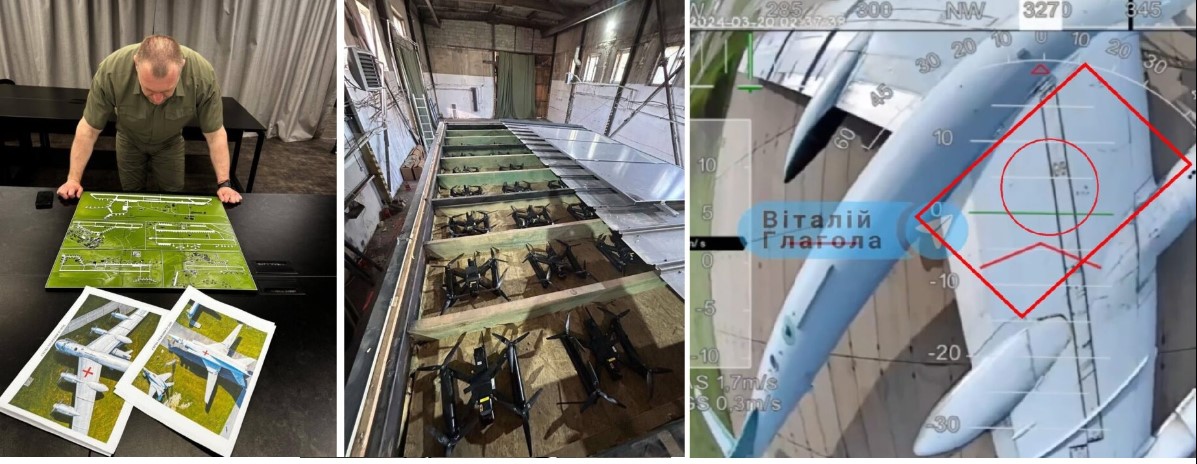
World
In a major leap for modern warfare, Ukraine has revealed details of a daring drone strike operation targeting Russia’s strategic bombers deep inside its territory. This mission, led by Ukraine’s Security Service (SBU), showcased not only advanced unmanned technology but also the clever use of artificial intelligence to outsmart Russian defenses. The operation, which took over 18 months to plan, used drones developed entirely within Ukraine. These were no ordinary drones — they were equipped with AI systems capable of identifying Russian airbases, spotting vulnerable points on the aircraft, and launching attacks without human intervention once airborne. The main targets were Russia’s prized Tu-95MS and Tu-22M3 bombers, both of which play a key role in carrying out long-range missile strikes against Ukrainian cities. These bombers often carry Kh-101 cruise missiles under their wings, making them a high-priority threat for Ukraine’s defense forces. What made this operation remarkable was the precision with which the drones struck. The AI-guided systems focused their attacks on two crucial areas: the underwing pylons of the Tu-95MS — where the Kh-101 missiles are mounted — and the nearby fuel tanks. Damaging these parts meant disabling the bombers’ ability to carry out future attacks while also risking fuel fires on the ground. To carry out the operation, SBU operatives secretly transported 150 small strike drones and 300 munitions into Russian territory. Out of these, 116 drones were launched directly from concealed positions. The drones were hidden inside special modular wooden cabins mounted on trucks. These cabins had roof panels that opened remotely, allowing the drones to fly toward their pre-selected targets without exposing the launch crew to danger. Another clever tactic involved using Russian telecommunications networks for controlling the drones. The AI system onboard each drone could correct its course mid-flight, using the local networks without relying on external support, making detection and interception by Russian forces even harder. Photographs released by the SBU also showed agency chief Vasyl Maliuk studying detailed images of the targeted bombers. These images marked structural weak points on the aircraft, including missile mounting points, engine housings, and fuel systems. These weak points were fed into the AI targeting programs, enabling the drones to strike with accuracy. What makes this operation even more significant is that it was entirely Ukrainian in execution. No Western-made parts or systems were involved. All components were either made in Ukraine or procured from Chinese suppliers, demonstrating Ukraine’s growing capability to independently develop advanced, combat-ready technology. This daring mission, which reportedly damaged or disabled 41 Russian aircraft, stands as one of Ukraine’s most ambitious and complex military operations to date. It also highlights how warfare is rapidly evolving, with AI-powered drones now capable of operating deep inside enemy territory with minimal human oversight. As the conflict continues, this operation signals a new phase in drone warfare — one where artificial intelligence, precision strikes, and homegrown innovation play a decisive role on the modern battlefield.
Read More → Posted on 2025-06-01 15:37:02
India
In a remarkable show of precision, coordination, and overwhelming firepower, India launched a massive aerial offensive across Pakistani territory, targeting terrorist sanctuaries, airbases, and critical radar infrastructure. According to official sources, the Director General of the Indian Air Force confirmed that Air Chief Marshal and all participating pilots returned home safely, marking the success of one of the boldest operations carried out in recent years. The operation, reportedly codenamed "Operation Valiant Strike," was executed in response to growing cross-border threats and the continued harboring of terror groups on Pakistani soil. Over nine major terrorist bases, including high-value targets like Muridke and Bahawalpur, were completely neutralized. These locations were believed to be strongholds of Lashkar-e-Taiba (LeT) and Jaish-e-Mohammed (JeM), two groups long implicated in attacks against Indian civilians and soldiers. High-Value Targets Destroyed The following are confirmed targets that were struck with precision munitions: Muridke, Punjab: Headquarters of Lashkar-e-Taiba; intelligence indicated the presence of senior leadership. The base was reduced to rubble. Bahawalpur, Punjab: Known hub of Jaish-e-Mohammed and a major training facility. Satellite imagery post-strike shows near-total destruction. Balakot (Khyber Pakhtunkhwa): Although struck in a previous operation in 2019, Balakot was once again targeted to prevent re-establishment of camps. Kotli, Pakistan-occupied Kashmir (PoK): Used as a logistics node for terror infiltration into Jammu & Kashmir. Muzaffarabad and Chakothi (PoK): Identified as weapons storage and command centers for terror operations. Disruption of Pakistan-China Air Defense Systems Perhaps one of the most significant strategic elements of the operation was the coordinated disruption of Pakistani-Chinese air defense systems, particularly those around Sargodha, Kamra, and Karachi, which are equipped with HQ-16 and LY-80 systems—Chinese-origin medium-range surface-to-air missile batteries. Using electronic warfare (EW) aircraft and decoy drones, India blinded these systems for critical windows of time, allowing IAF strike aircraft—primarily Su-30MKIs, Rafales, and Mirage-2000s—to penetrate deep into Pakistani airspace undetected. This capability underscores India’s growing dominance in electronic warfare and stealth tactics. Strategic Air Force Targets Hit The Indian Air Force also struck over 13 key airbases and radar stations inside Pakistan, crippling its rapid retaliatory capability. These included: Sargodha Airbase: Home to Pakistan’s F-16 squadrons. Hangars and fueling infrastructure were destroyed. Kamra (PAF Complex): Known for aircraft overhauls and maintenance; key facilities were rendered inoperable. Masroor Airbase, Karachi: Western command post of the Pakistan Air Force; hit with stand-off missiles. Chandhar and Peshawar Radar Stations: Disabled to ensure Indian aircraft could operate in a radar-blind corridor. Jacobabad, Multan, and Skardu Bases: Used for forward deployments; runways were cratered with precision bombs. Risalpur Air Academy: Targeted to disrupt PAF training capabilities. Badin and Shahbaz Airbases: Key nodes for drone operations and surveillance; both heavily bombed. Execution and Aftermath The strikes took place under a tight operational timeline and were executed in multiple coordinated waves. Indian Air Force squadrons reportedly took off from bases in Ambala, Gwalior, and Jodhpur, supported by AWACS (Airborne Warning and Control Systems), aerial refueling tankers, and Heron UAVs for real-time surveillance. Air Chief Marshal’s personal involvement in mission oversight and the fact that no Indian pilot was lost despite the depth and scale of the operation speaks volumes about the meticulous planning and superior execution. Strategic Message The operation sends a strong geopolitical signal to both Pakistan and China. It underscores India’s capability to strike deeply and decisively against terror sanctuaries and to cripple combined military infrastructures even in contested or heavily defended zones. Analysts have noted that by neutralizing Chinese-origin systems and Pakistani infrastructure in one sweep, India has demonstrated the potency of its modernized Air Force and its readiness to escalate if provoked. India has not yet released full footage or mission specifics due to operational security concerns, but high-resolution satellite imagery and intelligence intercepts confirm the scale of devastation inflicted on terror and military infrastructure. Operation Valiant Strike has fundamentally altered the military calculus in the region. With terrorists’ safe havens in shambles and Pakistan’s air defense grid severely compromised, the balance of power has tilted. As global powers watch closely, India has made it unequivocally clear: terrorism will not be tolerated, and safe havens will be turned into smoking ruins—regardless of where they exist.
Read More → Posted on 2025-06-01 15:32:57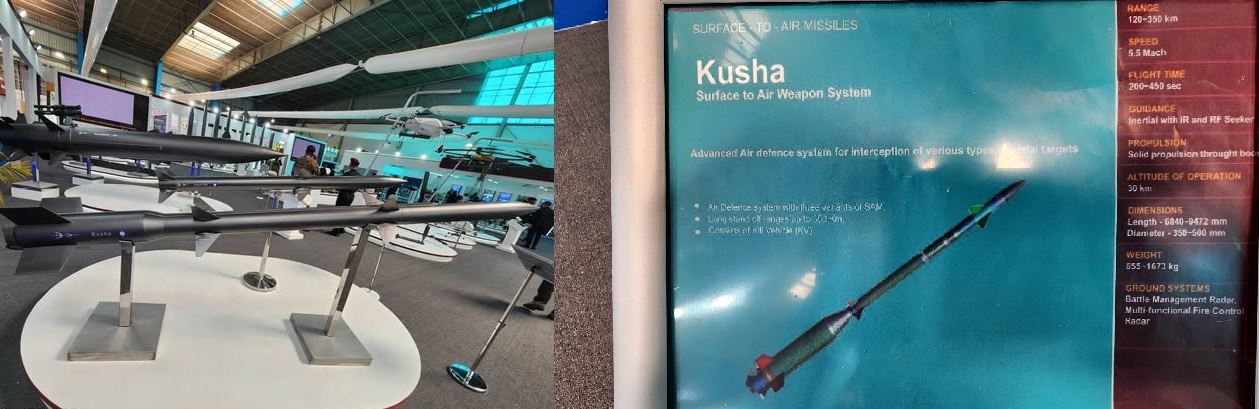
India
In a significant step towards strengthening India’s indigenous air defence capabilities, preparations are set to begin for the installation of portable launchers and jet deflector systems for the maiden test firing of the M1-interceptor missile. This highly anticipated event is part of Project Kusha, an ambitious programme spearheaded by the Defence Research and Development Organisation (DRDO). What is Project Kusha? Project Kusha, officially named the Extended Range Air Defence System (ERADS) or Program Long Range Surface-to-Air Missile (PGLRSAM), was approved by India’s Cabinet Committee on Security (CCS) in May 2022. Later, in September 2023, it received the Acceptance of Necessity (AoN) from the Ministry of Defence, securing a budget of ₹21,700 crore (around US$2.6 billion) for the acquisition of five air defence squadrons for the Indian Air Force. This project is intended to fill the operational gap between India’s existing MR-SAM systems (with a range of 80 km) and the long-range Russian S-400 systems (with a range of 400 km). It will work alongside other key systems such as the Indo-Israeli Barak-8 and India’s indigenous Ballistic Missile Defence (BMD) network. About the M1-Interceptor The M1-interceptor is the first missile variant under Project Kusha, with a planned engagement range of 150 km. This will later be followed by the M2 (250 km) and M3 (350 km) versions. Together, these interceptors will create a multi-layered air defence shield capable of tackling diverse aerial threats including: Stealth fighters Cruise missiles Armed drones Precision-guided bombs The M1 missile comes equipped with a host of advanced technologies: Active Electronically Scanned Array (AESA) seeker for precise target detection. Dual-mode guidance using both Infrared (IR) and Radio Frequency (RF) systems. Dual-pulse solid rocket motor offering better end-game manoeuvrability. Thrust Vector Control (TVC) for rapid directional changes. Newly developed ‘Indhan-1’ propellant for increased thrust and range. Notably, the missile boasts a single-shot kill probability of over 80%, which rises to more than 90% in salvo launch mode. Key Specifications of the M1-Interceptor Feature Specification Range 150 km Guidance AESA seeker, IR & RF dual-mode Propulsion Dual-pulse solid rocket motor with TVC Propellant ‘Indhan-1’ solid propellant Kill Vehicle Equipped with Seeker Stabilization & Tracking System (SSTS) Target Speed Handling 2,300 m/s Kill Probability (Single/Salvo) 80% / 90% Compatible Airframe Based on Akash-NG airframe Booster Specs Length: 1,150 mm, Grain Mass: 135 kg Radar Cross Section Handling 2 m² at distances over 20 km Installation of Portable Launchers and Jet Deflectors The installation work is set to begin soon at Launch Complex-IV (LC-IV) in Dhamra, Odisha, with the inaugural test expected in early June 2025. The portable launchers will allow for rapid deployment across different operational zones, offering high mobility and flexibility to the armed forces. The jet deflectors play a crucial role by diverting the high-temperature exhaust gases away from sensitive equipment and ground personnel during missile launches. This ensures the safety of both infrastructure and personnel at the test site. Project Progress So Far As of August 2024, DRDO has completed the fabrication of five M1 prototypes. Additionally, orders have been placed for: 20 sets of airframes 20 rocket motors 50 kill vehicles (warheads) Multiple telemetry transceivers The missile’s kill vehicle integrates the Seeker Stabilization and Tracking System (SSTS) technology, enabling it to precisely track high-speed targets with small radar signatures. Why Project Kusha Matters Once operational, Project Kusha will provide India with a homegrown, multi-layered, long-range air defence system capable of intercepting advanced airborne threats. It will bridge a vital capability gap, strengthen deterrence, and enhance India’s ability to defend its skies independently. The system is also designed to integrate with the Indian Air Force’s Integrated Air Command and Control System (IACCS), ensuring real-time coordination with military and civilian radars for rapid, data-driven threat responses. The upcoming installation of portable launchers and jet deflectors marks a vital step towards the realization of Project Kusha’s first missile test. As India continues to push the boundaries of indigenous defence technology, the successful development and deployment of the M1-interceptor will be a proud milestone in bolstering national security and achieving greater self-reliance in strategic air defence.
Read More → Posted on 2025-06-01 15:24:53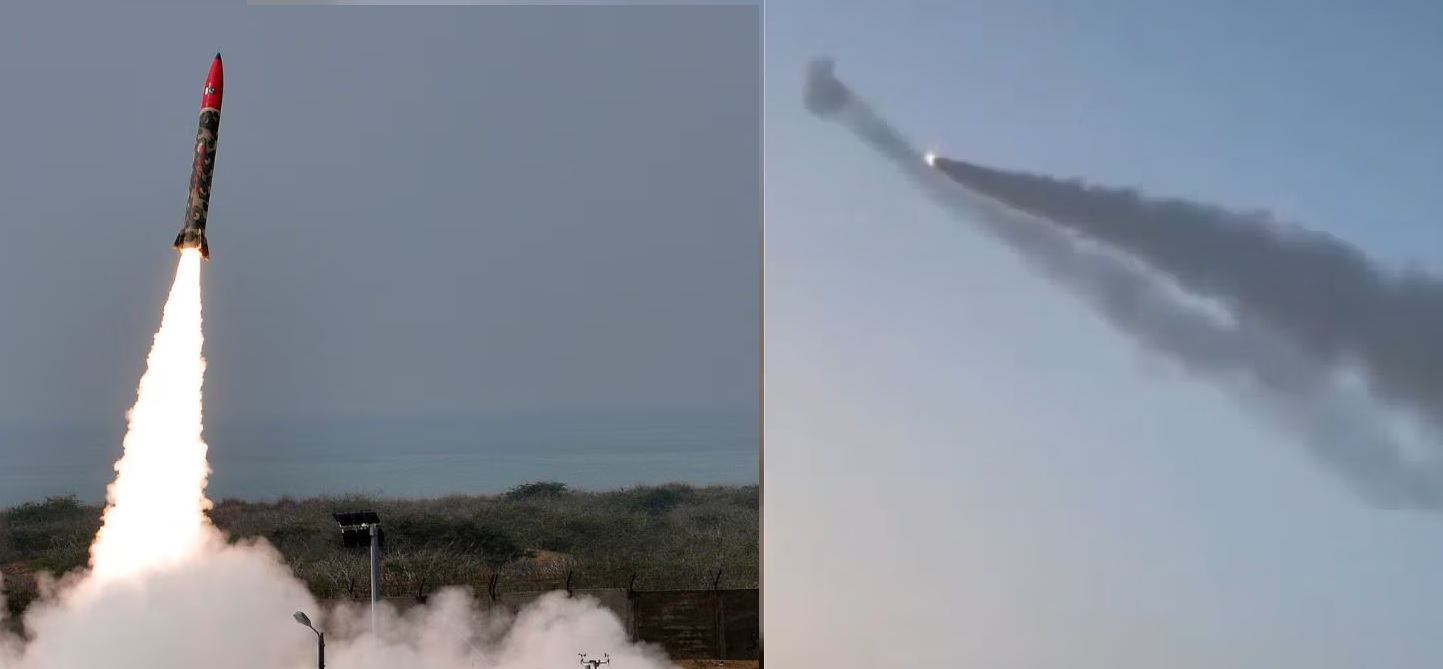
India
Pakistan’s Fatah-I Missile Turns Out to Be a Dud, Say Indian Officials Pakistan’s much-publicized Fatah-I guided missile system, once projected as a major addition to its defense arsenal, has reportedly failed to meet expectations, raising serious concerns within the country’s military establishment. Indian officials monitoring the situation have revealed that the missile, which was designed to enhance Pakistan’s precision strike capabilities, has consistently underperformed during both test trials and actual combat deployments. What Is the Fatah-I Missile? The Fatah-I is a short-range guided artillery rocket system developed by Pakistan as part of its broader strategy to counter India’s growing military capabilities, particularly in response to India’s Cold Start Doctrine — a strategy aimed at launching swift, limited conventional strikes without crossing nuclear thresholds. The missile was designed to deliver quick, precise strikes on enemy targets deep within hostile territory, acting as a deterrent and giving Pakistan flexible strike options in a high-tension conflict scenario. Fatah-I Missile Specifications Type: Guided Artillery Rocket Range: Up to 140 kilometers Warhead: High-explosive and fragmentation Launch Platform: Multi-tube rocket launcher Guidance System: Inertial and GPS-based guidance Speed: Subsonic Operational Use: Supposed to target enemy command posts, artillery positions, and logistical infrastructure A Series of Failures While initially introduced as a symbol of technological progress in Pakistan’s missile program, the Fatah-I has faced multiple technical issues and operational failures: Test Launches: Several test launches reportedly failed, with missiles either falling short of their intended targets, veering off course, or even crashing immediately after launch. Mid-Air Disintegration: Indian officials have observed alarming incidents where the missile disintegrated mid-flight, indicating possible flaws in its design, structural integrity, or quality of materials used. Combat Deployments: In real-world situations, including skirmishes along the border, the missile failed to deliver expected results, further undermining confidence in the system. Strategic Implications These recurring failures are a significant blow to Pakistan’s military strategy. The Fatah-I was meant to provide a credible counterbalance to India’s advanced missile systems and rapid-strike doctrines. However, with its reliability now in question, Pakistan’s deterrence posture appears weakened. For India, this situation offers a strategic advantage. Not only does it reinforce confidence in India’s own indigenous missile systems like Pralay and Pinaka, but it also exposes vulnerabilities in Pakistan’s missile development programs. Challenges in Pakistan’s Defense Industry The troubles faced by the Fatah-I missile reflect larger issues within Pakistan’s defense industry: Quality Control Problems: Persistent faults suggest lapses in production standards and oversight. Technological Limitations: While Pakistan has made progress in defense manufacturing, it still faces challenges in developing complex missile systems that require advanced engineering and materials. Dependence on External Support: Many of Pakistan’s military systems have traditionally relied on Chinese assistance, and the recurring failures of the Fatah-I may indicate integration or adaptation issues with foreign technologies. Conclusion Pakistan’s Fatah-I missile program, once hailed as a game-changer, has so far failed to deliver on its promises. The missile’s poor track record in both tests and combat raises important questions about its future and Pakistan’s overall missile capabilities. As India continues to modernize its own arsenal, these developments further tilt the strategic balance in India’s favor, while underlining the importance of reliable, well-tested weapon systems in maintaining credible deterrence in the region.
Read More → Posted on 2025-06-01 11:27:17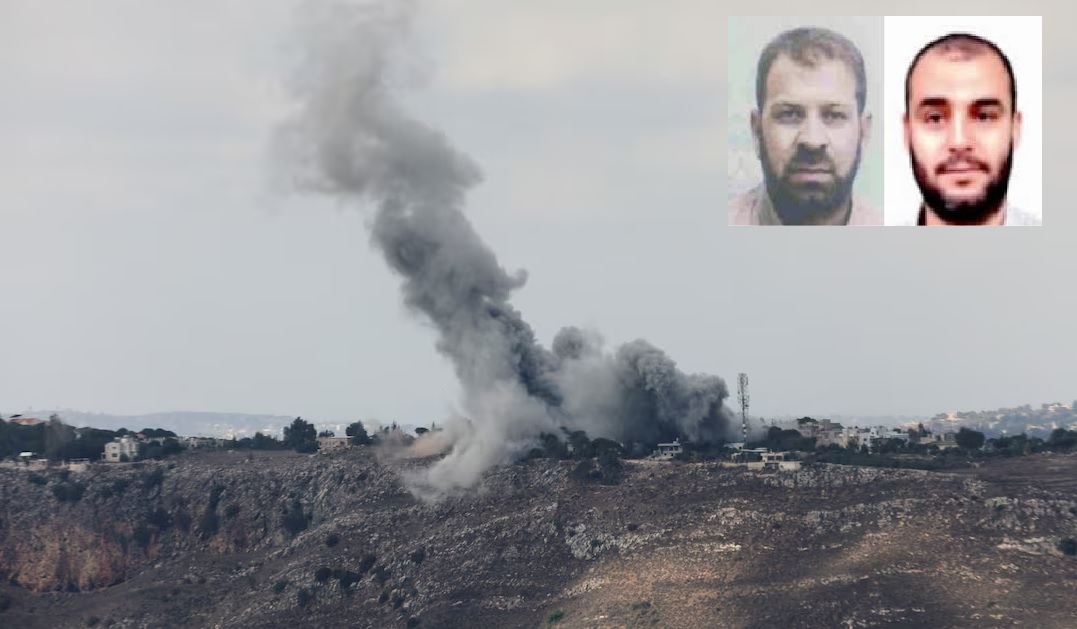
World
In one of the most intense and controversial strikes of the Gaza conflict, Israel announced that it had eliminated senior Hamas military commander Muhammad Sinwar during a powerful airstrike targeting a tunnel beneath the European Hospital in Khan Younis on May 13. The strike, carried out in just 30 seconds with over 50 precision-guided bombs, was described by the Israel Defense Forces (IDF) as a carefully planned operation based on concrete intelligence. According to Israeli officials, the strike did not target the hospital directly but focused on a hidden underground Hamas command center beneath the facility. Israeli intelligence indicated that high-ranking Hamas commanders were meeting in that tunnel to discuss ceasefire terms and ongoing hostage negotiations. Fearing that hostages could be present, the IDF initially delayed the operation. But once intelligence confirmed there were no captives inside, the green light was given. The tunnel strike reportedly killed not only Muhammad Sinwar, but also two other top Hamas operatives — Muhammad Shabana, commander of the Rafah Brigade, and Mahdi Quara, commander of the South Khan Younis Battalion. Israel says all three men were involved in planning and executing the October 7, 2023 attacks on Israel, an event that triggered a full-scale war between Israel and Hamas. Muhammad Sinwar, the younger brother of former Hamas leader Yahya Sinwar, had been a prime target for months. After the deaths of senior Hamas figures like military chief Muhammad Deif and Yahya Sinwar, Muhammad stepped into a leading role in directing Hamas’s military activities in Gaza. He was labeled a key mastermind of the October 7 assault and was said to be obstructing peace and hostage release efforts. The IDF emphasized that although the strike occurred near a hospital, they used “extensive intelligence and precision tactics” to avoid damaging the hospital building itself. However, the aftermath tells a more complicated story. The Hamas-run Gaza Health Ministry reported that 16 people were killed and more than 70 others were injured. Following the first wave of bombs, additional strikes were launched to prevent any attempted rescue or escape by Hamas operatives trapped in the tunnel. Israel’s Defense Minister, Israel Katz, confirmed Sinwar’s death and issued a sharp warning to the remaining Hamas leadership. “Now it is official: The murderer Muhammad Sinwar has been eliminated… he was sent to meet his brother at the gates of hell,” Katz declared. He also directly threatened Izz al-Din Haddad, who has reportedly taken over Hamas command in Gaza, and Khalil al-Hayya, a senior Hamas leader abroad. Israeli officials hailed the operation as a major blow to Hamas’s leadership structure. Yet, it has also stirred international attention because of its location — under a functioning hospital — and the civilian casualties it caused. Critics argue that targeting militants near sensitive civilian sites like hospitals risks escalating humanitarian concerns and international condemnation. As the war continues, this strike marks another chapter in Israel’s strategy of decapitating Hamas’s leadership. Whether this will speed up ceasefire talks or provoke further retaliation remains to be seen. The elimination of a top commander like Sinwar may bring tactical success for Israel, but the path to lasting peace in the region is still uncertain.
Read More → Posted on 2025-06-01 11:05:58
World
In a dramatic and potentially game-changing escalation of the insurgency in Balochistan, the Baloch Liberation Army (BLA) has claimed full control over Soorab, a strategically located town with a population of around 40,000. The group’s announcement sent shockwaves through Pakistan’s security establishment, with many analysts warning that this could represent the most serious challenge to Islamabad’s authority in the province in years. Located along the crucial Quetta-Karachi highway, Soorab serves as a vital logistical and administrative hub in central Balochistan. Its capture by the BLA, if verified, would not only demonstrate a significant territorial gain by the insurgents but also deal a severe psychological and symbolic blow to Pakistan’s control in the region. Flames of Rebellion: Police Stations, Banks and Government Offices Torched According to multiple reports circulating on Baloch separatist social media channels, the BLA has set fire to key police stations and government buildings in Soorab. Eyewitnesses have reported plumes of smoke rising over the town as armed fighters ransacked administrative centers. Local government offices, district coordination facilities, and the homes of state-affiliated officials were reportedly targeted in a wave of coordinated attacks. The group has also announced the capture of several major banks, including branches of the National Bank of Pakistan and other state-linked financial institutions. While Pakistani authorities have yet to issue a detailed response, unconfirmed reports suggest local law enforcement and government personnel have either fled or gone into hiding. Guerrilla Patrols on Pakistan's Artery: Quetta-Karachi Highway Under Threat In what may be the most alarming development for Pakistan’s central government, the BLA is now reportedly conducting armed patrols and raids along stretches of the Quetta-Karachi highway—Pakistan’s main lifeline to the southwest. This vital corridor connects Balochistan’s provincial capital to the country’s economic hub and is crucial for military, commercial, and energy transport. The BLA’s control over key segments of this route would severely disrupt trade and military logistics, especially given the road's significance in the context of the China-Pakistan Economic Corridor (CPEC), which passes through this volatile region. The move could also impact planned and ongoing mineral extraction operations in Balochistan, many of which rely on this route for safe transit. A Turning Point or a Tactical Bluff? While the BLA’s claims remain difficult to independently verify due to restricted media access in the region, the scale and boldness of their reported actions in Soorab mark a stark escalation in the group’s operational capability. If confirmed, this would be the first time in recent years that Baloch insurgents have not just attacked, but claimed administrative control over a significant urban center. Some analysts caution that the BLA may be exaggerating its success for propaganda value, aiming to rally support and demoralize state forces. However, even if partially true, the symbolic value of "capturing" a town like Soorab—if only temporarily—sends a clear message that the insurgency is far from contained. The State's Dilemma Pakistan now faces a critical test. Deploying heavy military forces to retake Soorab could inflame tensions further and invite international scrutiny, especially given the ongoing human rights concerns in the region. At the same time, failure to respond decisively risks emboldening separatist groups and weakening the state’s authority across Balochistan. There has been no official confirmation or denial from the Pakistani government as of yet. Media blackouts and internet restrictions in the region make real-time assessments difficult. However, given the seriousness of the claims, a major military response is widely expected in the coming days. The Bigger Picture The BLA’s operation in Soorab is more than just a local skirmish—it signals a possible shift in the nature of Baloch resistance. Moving from hit-and-run guerrilla tactics to territorial control and infrastructure disruption suggests an emboldened insurgency with broader strategic goals. For Islamabad, this development poses one of the biggest internal security threats in years. And for Balochistan, it could mark the beginning of a new and more volatile chapter in its decades-long struggle for autonomy.
Read More → Posted on 2025-06-01 10:43:46
World
Polish defence manufacturer Mesko, a key part of the state-run armaments group PGZ, has landed a significant contract to supply advanced 120mm tank ammunition to the Polish Armed Forces. The agreement, signed on May 30 with Poland’s defence procurement agency, covers the production and delivery of thousands of APFSDS-T rounds – short for Armour-Piercing, Fin-Stabilised, Discarding Sabot – Tracer. These rounds are designed to equip the Leopard 2 main battle tanks currently serving as the backbone of Poland’s armoured forces. While the exact number of rounds has not been publicly disclosed, the contract is estimated to be worth around 150 million Polish złoty (approximately €35.2 million), with deliveries scheduled between 2026 and 2027. The APFSDS-T ammunition is built specifically for anti-armour engagements and is capable of striking targets at effective ranges of up to 2,500 metres. Mesko highlighted that these rounds will enhance the Polish Army’s ability to counter heavily armoured threats over several kilometres. The ammunition is fully compatible with the Leopard 2 tanks used by Poland, which are among the most modern Western tanks in Eastern Europe. There is also potential for this type of ammunition to be certified for use with the American-made M1A2 SEPv3 Abrams tanks that Poland has started to induct, although no official announcement on such certification has been made. This deal not only boosts Poland’s self-sufficiency in defence production but also strengthens the position of Mesko as a critical supplier to the Polish military. The company is already well-known for its Piorun man-portable anti-aircraft missile system, which has gained attention globally for its performance in recent conflicts. The contract forms part of Poland’s broader push to modernize and expand its armed forces in response to growing regional security concerns. By investing in domestically-produced ammunition, the country is ensuring a reliable supply of critical munitions for its front-line tank units while also supporting its national defence industry.
Read More → Posted on 2025-06-01 10:33:26Search
Top Trending in 24 Hours
-
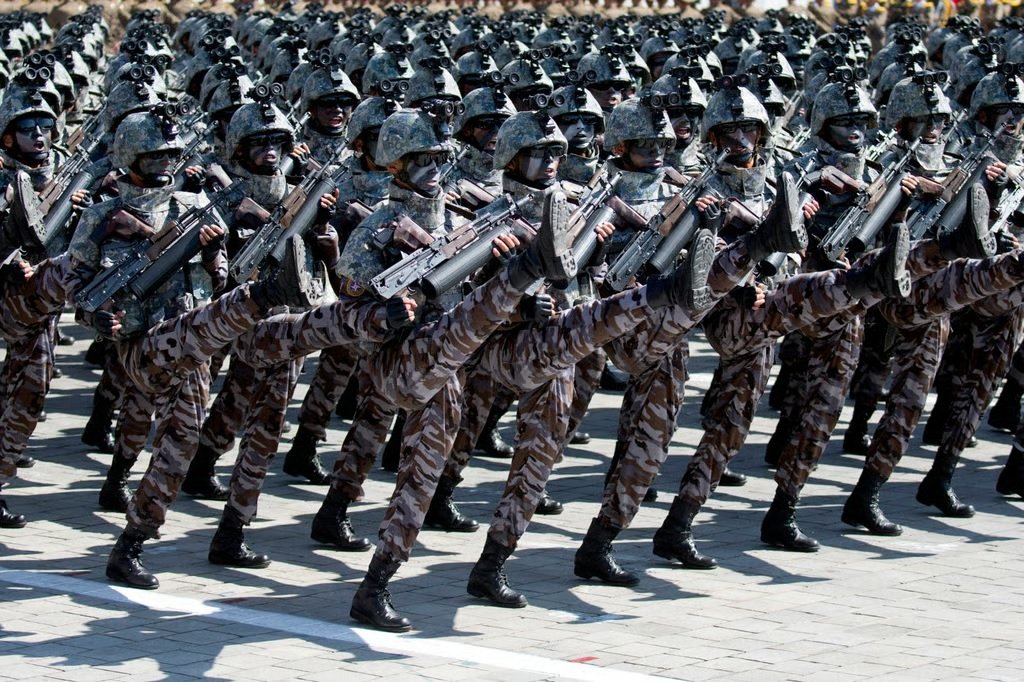 North Korea Preparing Largest Military Deployment Abroad With 30,000 Troops for Russia, Zelensky Says
-
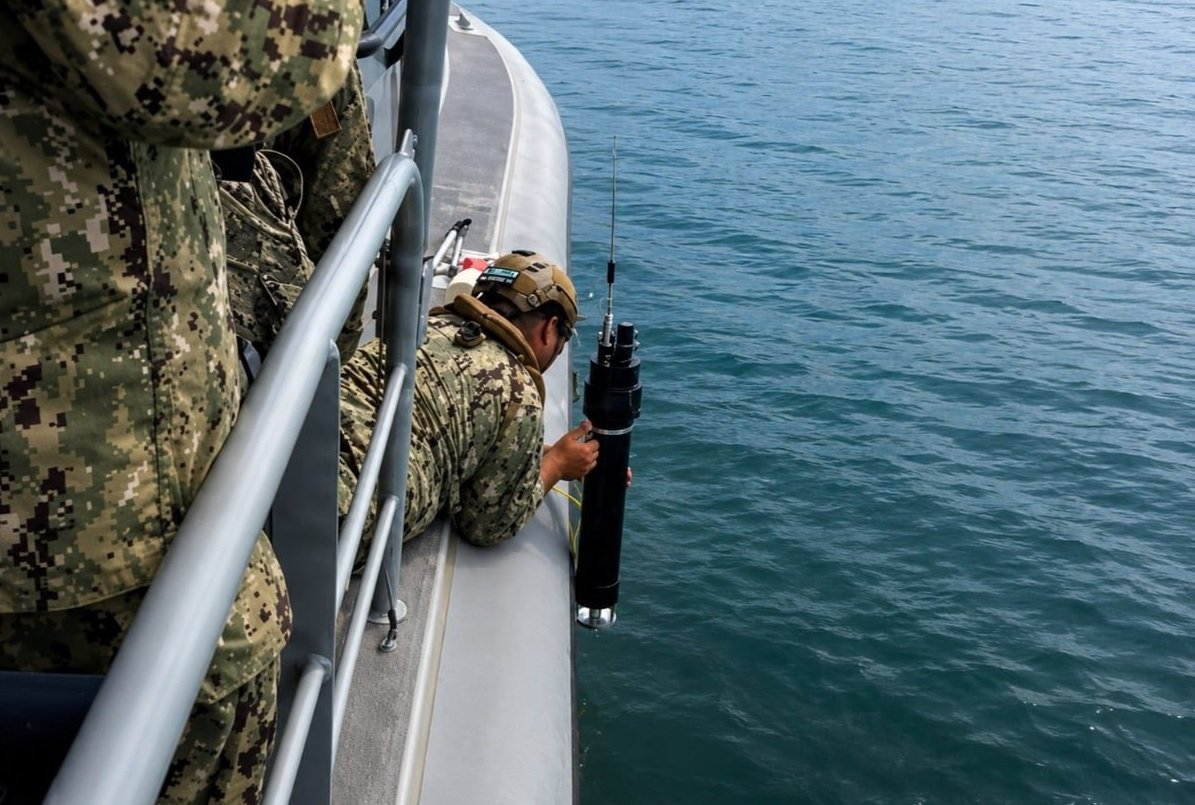 U.S. Army, Navy and Space Force Successfully Test Maritime Version of ‘Hammer of the Gods’ EW System During Project Convergence 2026
-
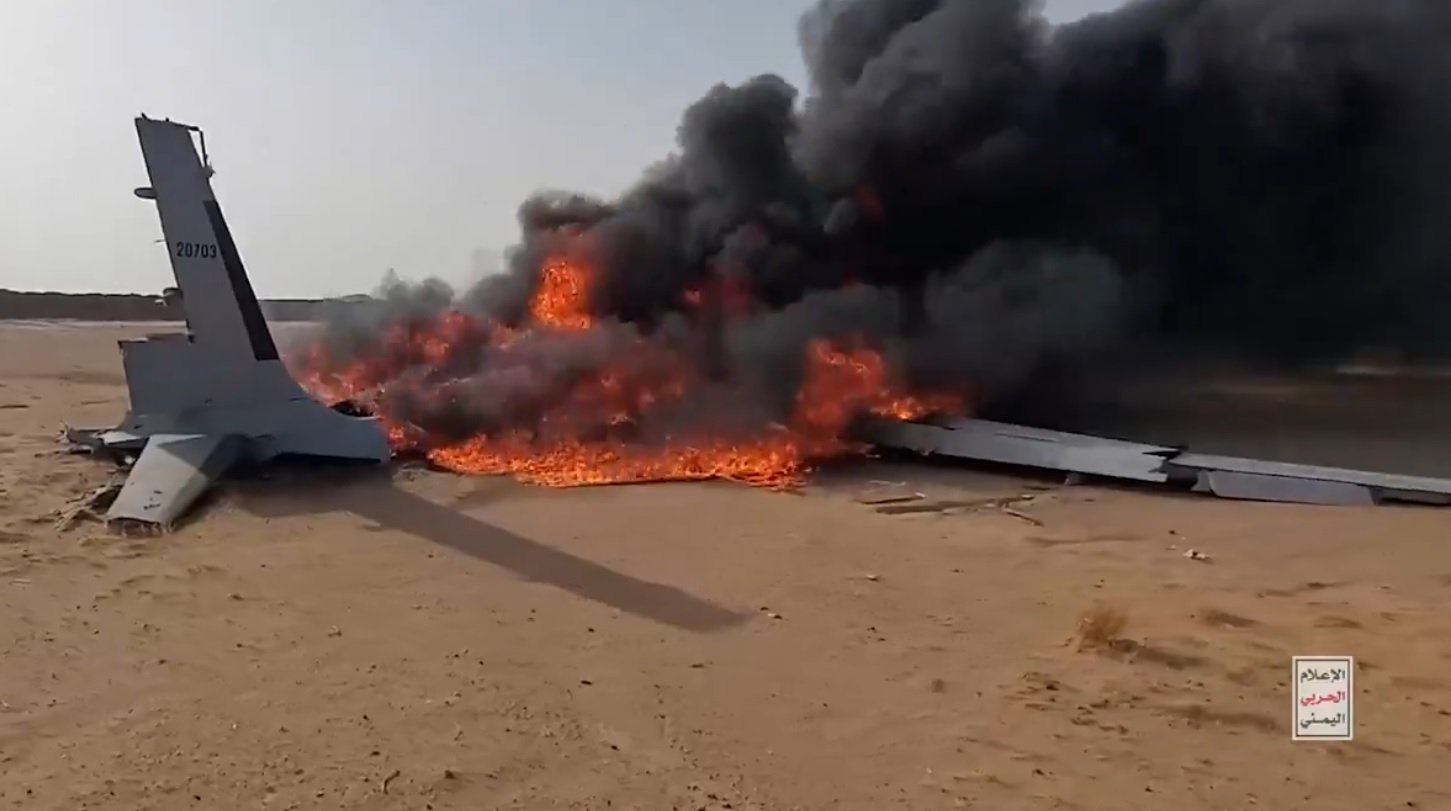 Houthis Claim to Have Shot Down Saudi-Operated Bayraktar Akıncı Drone Over Northern Yemen, Release Video of Crash
-
 U.S. and France Clash Over U.N. Human Rights Leadership Vote
-
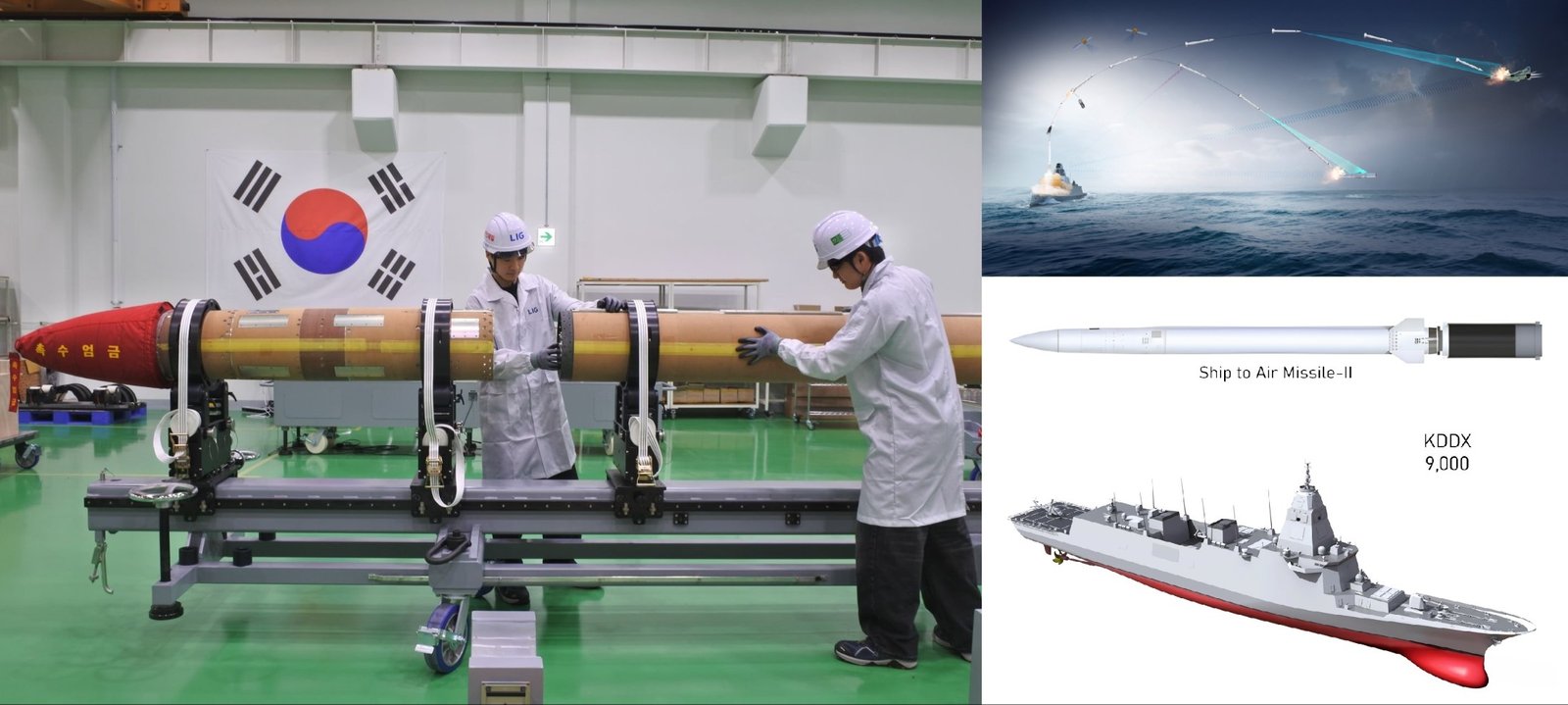 South Korea Begins First KSAM-II Naval Air-Defense Missile Prototype Assembly to Replace U.S.-Made SM-2
-
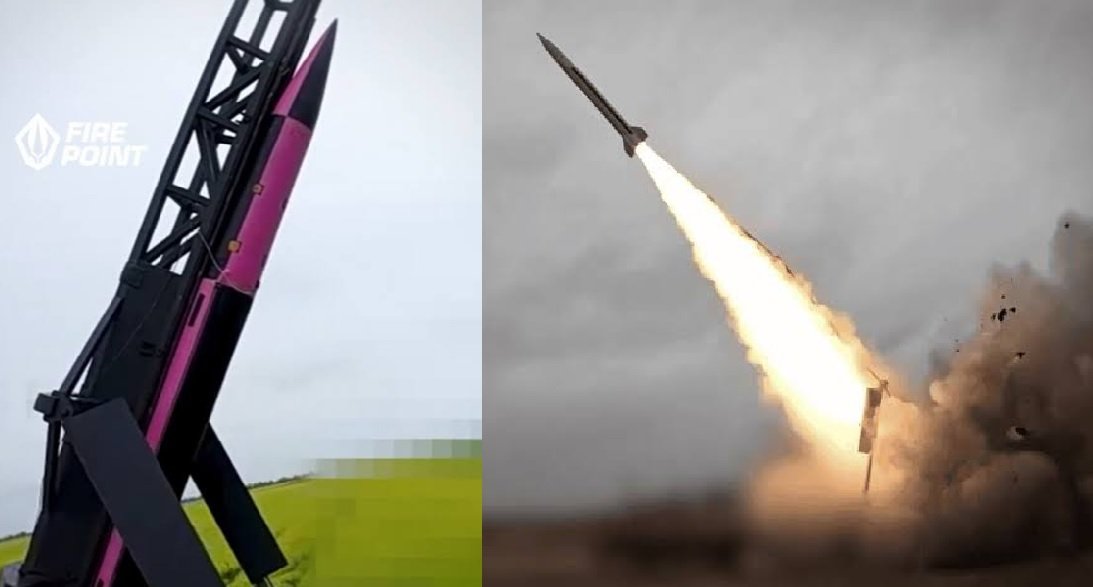 Ukraine, European Allies Target Mid-2027 Prototype for Freyja Missile Defense System
-
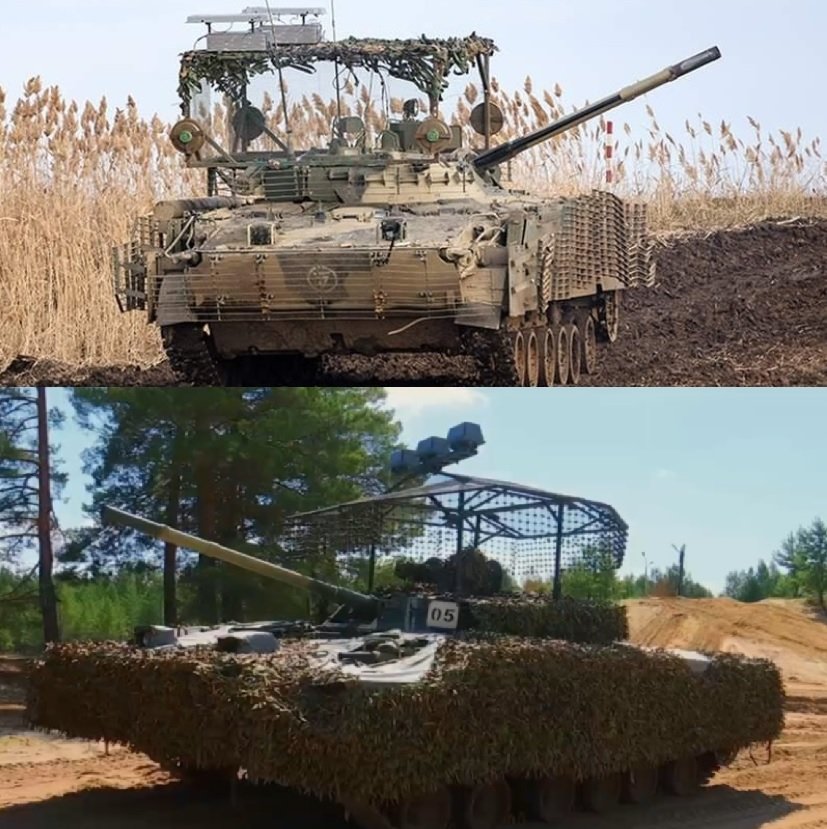 Russia Triples BMP-3 Production as Rostec Delivers Upgraded BMP-3 IFVs with Factory-Fitted Anti-Drone Protection
-
 Unitree Unveils Super Athlete AS2-W Hybrid Wheeled-Legged Robot for Rugged Terrain Operations
Top Trending in 4 Days
-
 U.S. Airstrikes Target IRGC Missile Base Near Taft as Overnight Strikes Hit Central Iran
-
 Kuwait and Bahrain Reportedly Launch First Joint Direct Airstrikes on Iran Since War Began : Report
-
 U.S. Department of War Awards Oracle Up to $6.99 Billion Enterprise Software Deal
-
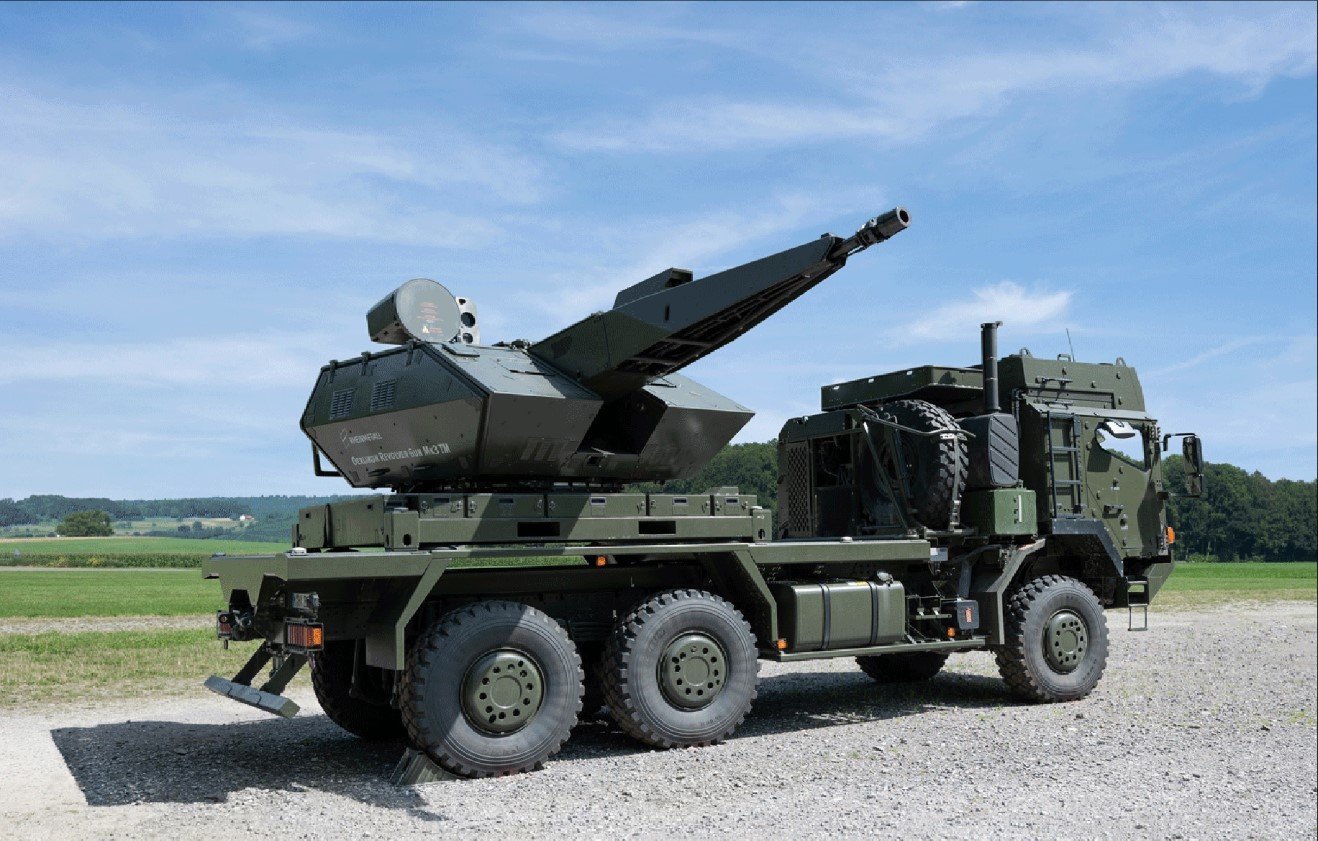 China Imposes Dual-Use Export Ban on 14 European Entities After EU's Russia Sanctions
-
 Australia Commits Additional AUD 4.6 Billion to Expand Osborne Shipyard for AUKUS Submarines
-
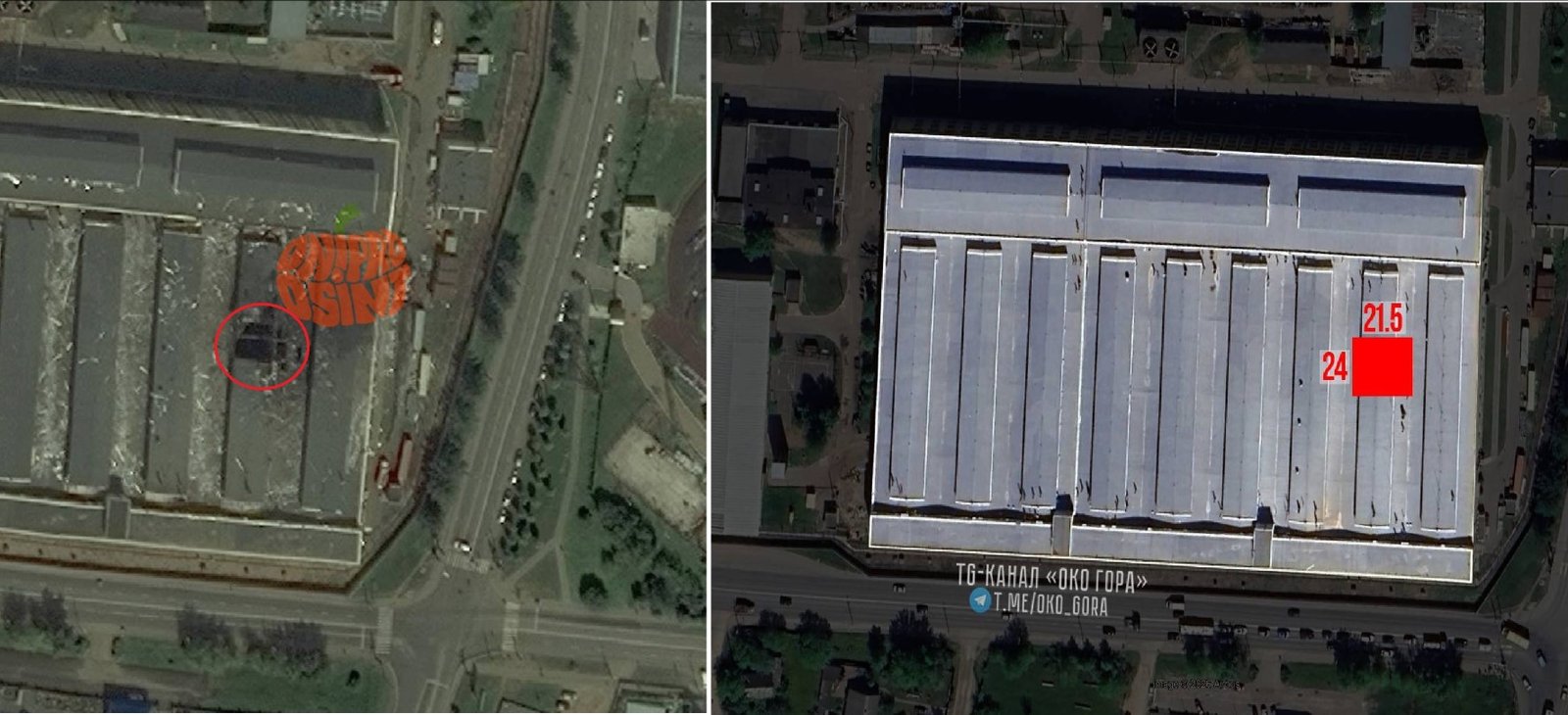 Satellite Images Confirm Damage to Russian Avitek Plant After Ukrainian FP-5 Flamingo Missile Strike
-
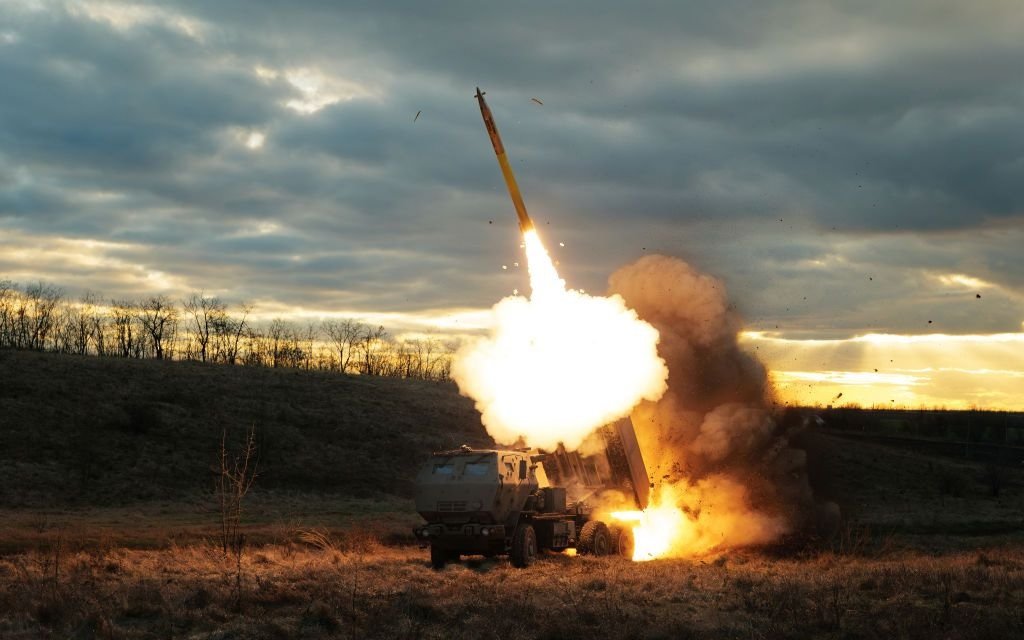 U.S. Military Selectively Intercepts Iranian Missiles to Preserve Shrinking Air Defense Stocks : Report
-
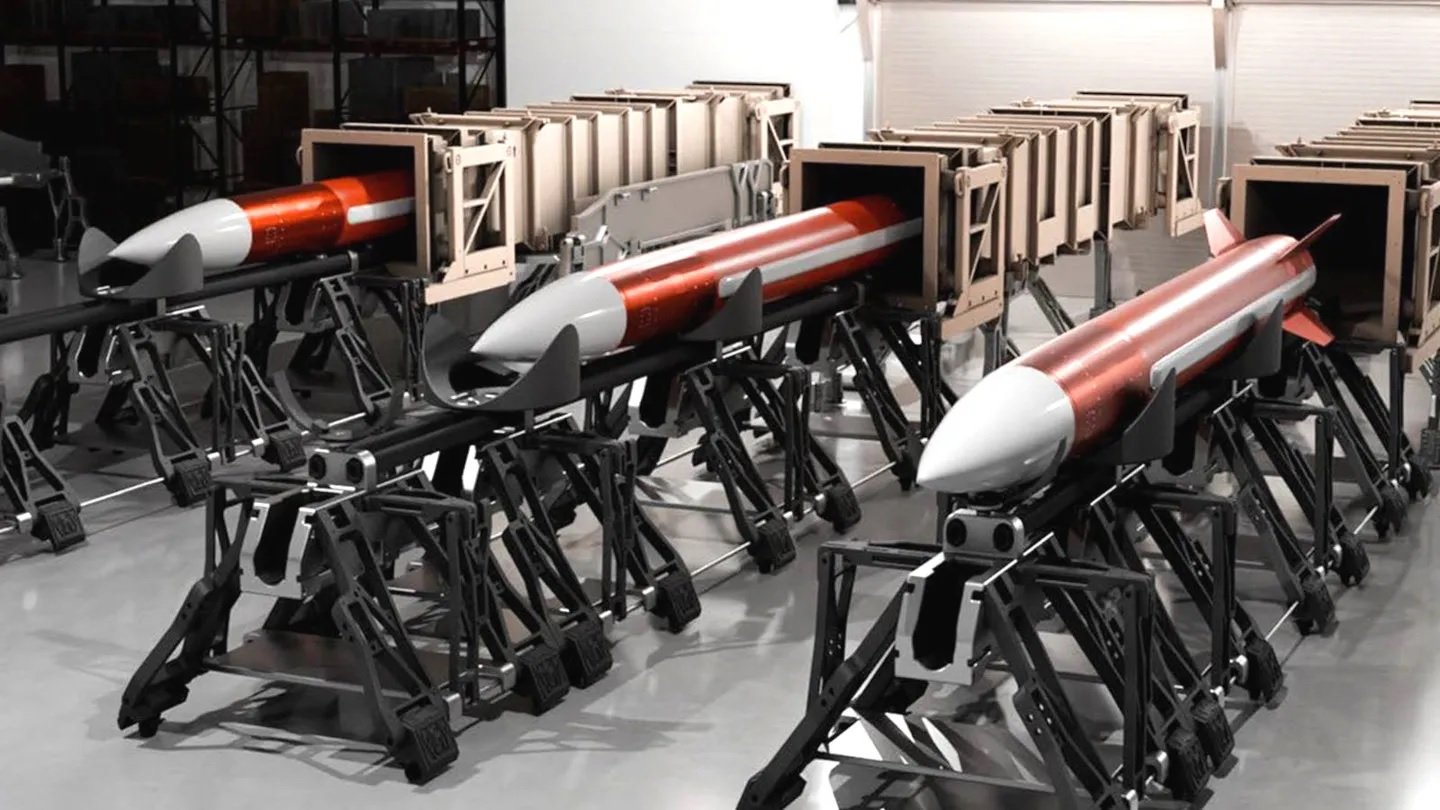 U.S. Army Revives PAC-2 Patriot Missile Production with First Domestic Order in Over Three Decades
