
India
Indian intelligence and investigative agencies, along with global partners, have launched a high-level probe into the mysterious series of accidents involving ships in the Arabian Sea. The focus of the investigation is on the possible use of high-power microwave (HPM) or electromagnetic pulse (EMP)-based weapons—technologies capable of disabling electronic systems critical for modern navigation and communication. Concerns over this possibility gained traction following a series of unusual maritime mishaps that showed signs of GPS failures and erratic electronic behavior. The growing suspicion is that these were not mere technical faults but possibly acts of electronic sabotage. Investigators are now actively examining whether these ship incidents were caused by the deployment of HPM or EMP-based systems. Recent intelligence reports have highlighted Turkey’s advancement in this area. One notable example is the Alka–Directed Energy Weapon (DEW), developed by Turkish defense agency Roketsan. This portable weapon, about the size of a sports car, can operate at power levels between 2.5 to 5 kilowatts and is effective over distances ranging from 1,500 to 5,000 meters. It is designed to disable or damage electronic systems on ships and aircraft without the need for conventional explosives or missiles. Authorities are now studying electricity consumption patterns and anomalies at key coastal and island locations to trace any unauthorized or sudden spikes in power usage—an indirect method to detect the operation of high-energy electromagnetic weapons. Investigators believe that the timing and location of certain electrical fluctuations may correlate with reported disruptions to ship navigation systems in the region. These directed energy weapons can not only interfere with GPS and communication but also potentially ignite combustible materials using electromagnetic radiation. This has added to the urgency of the investigation, as the consequences of their use at sea could be catastrophic, especially on oil tankers or ships carrying hazardous cargo. Insurance companies, especially those involved in underwriting maritime operations, have grown increasingly alarmed. The Joint Marine Insurance Committee based in the US has already flagged incidents in the Arabian Sea that showed signs of EMP-level interference. In response, a team of global maritime insurance investigators visited Kerala last week to assess the situation on the ground, suggesting the issue is being taken seriously at both commercial and strategic levels. While the investigation is still in its early stages, the possibility of advanced electronic warfare technology being used in the Arabian Sea marks a concerning development in maritime security. If confirmed, it could change the way naval operations, cargo routes, and defense postures are planned in the region. Indian authorities are expected to coordinate closely with international allies to uncover the source and extent of this emerging threat.
Read More → Posted on 2025-06-20 11:52:51
World
In a significant escalation of hostilities in the Middle East, Israel's Home Front Command confirmed that a rocket which struck Tel Aviv early this morning carried cluster munitions, marking the first known use of such weapons against an Israeli city in this ongoing conflict. According to Israeli military officials, the rocket exploded at an altitude of approximately 7 kilometers, dispersing 20 bomblets over an area spanning roughly 8 kilometers. The bomblets scattered across several districts of the Tel Aviv metropolitan region, causing damage to infrastructure and lightly injuring a number of civilians. Emergency services responded swiftly, cordoning off affected zones and warning residents to avoid handling any unexploded submunitions. Implications: Iran’s Role Suspected While no official claim of responsibility has been made, Israeli defense sources and international intelligence assessments strongly indicate that the rocket originated from Iranian-backed forces, possibly launched either directly from Iran or via proxy groups in Lebanon, Syria, or even Iraq. The use of such a sophisticated weapon — capable of delivering multiple explosive submunitions at high altitude — suggests a new phase of Iran’s missile warfare strategy against Israel. The Israeli Air Force has reportedly been placed on high alert, and retaliatory measures are under active consideration by the Israeli Security Cabinet. "This was not a conventional missile. The use of cluster warheads is a game-changer. It demonstrates intent to cause wide-area civilian harm," a senior IDF official told local media. What Are Cluster Munitions? Cluster munitions are weapons designed to release smaller explosive submunitions (commonly called bomblets) over a wide area. Rather than a single impact point like a traditional warhead, cluster bombs maximize area damage by dispersing dozens, sometimes hundreds, of these bomblets, many of which can remain unexploded and pose a threat for days, months, or even years. This makes them particularly controversial and dangerous in urban environments, where civilians are often caught in the blast radius, and unexploded submunitions pose a long-term risk. Violation of International Norms The use of cluster munitions has been condemned globally due to their indiscriminate nature. The Convention on Cluster Munitions (CCM), adopted in 2008 and entered into force in 2010, prohibits all use, production, transfer, and stockpiling of these weapons. It also obliges states to clear contaminated areas and assist victims. To date, 123 countries are signatories to the convention, including many NATO members and U.S. allies. However, Iran, Israel, the United States, Russia, and China are not parties to the treaty, meaning they are not legally bound by its terms. Nevertheless, their use is still widely condemned under customary international humanitarian law, which prohibits indiscriminate attacks on civilian populations. "This incident should serve as a wake-up call," said Mary Wareham of Human Rights Watch. "Using cluster munitions in civilian areas should be off-limits for any nation or group, regardless of their treaty obligations." Rising Tensions: A Regional Flashpoint This comes amid weeks of rising tensions across the region. Iranian and Israeli forces have already exchanged limited cross-border fire and cyberattacks. But the use of cluster munitions marks an unprecedented escalation, crossing a psychological and tactical red line. Israeli officials are reportedly considering bringing the case to the United Nations Security Council, even though such actions are likely to be vetoed by Russia or China. Meanwhile, European nations and the United States are expected to issue strong condemnations and possibly push for new sanctions if Iran’s direct involvement is confirmed. The confirmed use of cluster munitions over Tel Aviv has added a dangerous new dimension to the Iran-Israel conflict. Beyond the immediate physical damage and humanitarian concern, it sets a worrying precedent — that weapons designed to cause widespread and indiscriminate harm are now being used in densely populated cities. With both regional and global implications, the world is watching closely as the stakes continue to rise in the Middle East.
Read More → Posted on 2025-06-20 11:42:20
World
Germany has officially launched the development of a cutting-edge airborne defence system that will combine drones with advanced air-to-air missiles. This new system, known as the Airborne Launching and Attack System (AirLAS), is being developed through a partnership between Diehl Defence and the German aerospace start-up POLARIS Raumflugzeuge. The agreement for this ambitious project was formally signed at the Paris Air Show 2025 by the CEOs of both companies, Helmut Rauch of Diehl Defence and Dr. Alexander Kopp of POLARIS. At the heart of the AirLAS project is the plan to integrate Diehl Defence’s IRIS-T air-to-air guided missiles onto POLARIS’ unmanned aerial carrier systems. This combination will create a powerful, flexible, and cost-effective defence system capable of operating in various environments and mission scenarios. The IRIS-T is a highly advanced, combat-proven missile widely used by several air forces around the world. Known for its accuracy, agility, and effectiveness in close combat, the IRIS-T will give these unmanned drones serious offensive and defensive capabilities in the air. The new AirLAS system aims to deliver several key benefits: Extended operational range compared to traditional air defence systems Affordability and cost-efficiency thanks to reusable drone platforms Quick deployment in various operational environments Flexibility to support multi-domain missions, including air, land, and maritime operations One of the major highlights of this project is its potential for future integration with Germany’s and Europe’s Future Combat Air System (FCAS) — a next-generation air combat initiative — and possibly with future long-range hypersonic weapon systems. Initial flight tests of the combined drone-and-missile system are expected to take place later this year, marking an important step towards a new era of unmanned air combat and air defence. Both companies believe that AirLAS will offer armed forces a highly adaptable and scalable solution to meet the evolving demands of modern warfare, particularly in the area of ground-based air defence and airborne interception missions. In simple terms, this new project is about combining a reliable missile with a smart, unmanned drone to create a powerful new weapon that can protect airspace, respond quickly to threats, and be used in many types of military missions in the future.
Read More → Posted on 2025-06-20 11:36:08
India
The Indian Air Force (IAF) is preparing to significantly enhance its deep-strike capabilities with the planned acquisition of the Spice-250 Extended Range (ER) precision-guided bombs. Developed by Israel’s Rafael Advanced Defence Systems, this weapon is designed to strike targets over 300 kilometers away, allowing Indian fighter jets to operate safely from within Indian airspace—far beyond the range of Pakistan’s air-to-air missile systems. Why This Matters: Staying Ahead of Pakistan’s Missile Threat The move comes in response to Pakistan’s growing air-to-air missile threat. The Pakistan Air Force (PAF) has equipped its JF-17 and J-10C fighter jets with China’s PL-15E beyond-visual-range air-to-air missile (BVRAAM), which boasts a publicly declared range of 145 km. This missile is part of a larger Chinese-Pakistani effort to build a more lethal aerial combat force. Newer developments like the PL-17, which could reportedly exceed 300 km, raise further concerns for Indian air dominance, especially during high-stakes border tensions. By arming its frontline aircraft with the Spice-250 ER, India will gain the ability to strike deep inside enemy territory without entering enemy missile range—a major strategic advantage in any future conflict scenario. What Makes the Spice-250 ER Special? The Spice-250 ER is not just a standard bomb with wings. It combines precision, extended range, and survivability in a compact package. Here’s what makes it stand out: Extended Range: Thanks to its micro turbojet engine, the ER variant can fly over 300 km, unlike glide bombs that rely only on altitude and gravity. High Accuracy: It uses a hybrid guidance system combining: GPS + Inertial Navigation System (INS) Electro-Optical (EO) Seeker with AI-based Scene MatchingThis EO system allows the bomb to "see" and match real-time terrain to preloaded images, ensuring it hits only the correct target, even in GPS-jammed environments. Warhead: It can carry various warhead types depending on mission requirements, ideal for high-value targets like radar stations, bunkers, command posts, or even moving vehicles. This cutting-edge system is an evolution of the Spice family that India previously used effectively—most notably during the 2019 Balakot airstrikes. Platforms and Strategic Use The IAF plans to integrate the Spice-250 ER on its most powerful combat aircraft: Sukhoi Su-30MKI Dassault Rafale These aircraft will be able to launch the bombs while staying outside enemy missile range, effectively outranging Pakistan’s current missile systems and destroying enemy airbases, control centers, or ammunition depots from a safe distance. Who Else Has Such Weapons? Globally, Israel and the United States have led the way in long-range air-to-ground stand-off weapons. Examples include: Israel: Spice family (100, 200, 250, 250 ER, and 1000) with AI and EO guidance. USA: JSOW-ER (Joint Stand-Off Weapon – Extended Range), with similar 300+ km capabilities. AGM-158 JASSM cruise missile with ranges up to 370 km (standard) and over 900 km (JASSM-ER). While a few countries possess similar technologies, only a handful have mastered compact, AI-guided bombs with such extended range. India’s acquisition of the Spice-250 ER places it in elite company, narrowing the capability gap with Western air forces and giving it a clear edge over regional adversaries. Self-Reliance and Tactical Depth Although the Spice-250 ER is a foreign system, it aligns with India's broader defence strategy. It complements indigenous developments like the Smart Anti-Airfield Weapon (SAAW), which is being produced domestically under the Aatmanirbhar Bharat (self-reliant India) campaign. By combining foreign precision systems with local innovation, India is crafting a layered and flexible strike capability that ensures it can defend itself and retaliate effectively—without unnecessarily risking its pilots or platforms. In summary, the planned acquisition of the Spice-250 ER bombs marks a major leap forward in India’s air strike capabilities. With over 300 km range, AI-guided precision, and stand-off safety, it gives the IAF the power to neutralize threats long before they become a danger, reshaping the aerial balance of power in South Asia.
Read More → Posted on 2025-06-20 11:28:27
India
In a major step forward for India’s aerospace manufacturing ambitions, French engine maker Safran Aircraft Engines and Hindustan Aeronautics Limited (HAL) have signed a new agreement to produce critical rotating forged parts for the LEAP aircraft engine. The deal was finalized during the 55th Paris Air Show and reflects both companies' commitment to strengthening industrial cooperation and expanding the “Make in India” initiative in the aerospace sector. The LEAP engine, developed by CFM International (a joint venture between Safran and GE Aviation), powers a vast number of modern single-aisle commercial aircraft such as the Airbus A320neo and Boeing 737 MAX. With Indian airlines experiencing rapid growth and ordering over 2,000 LEAP engines, the need for localized manufacturing has become increasingly important. This new agreement builds on previous collaborations between HAL and Safran, including a Memorandum of Understanding signed in October 2023 and a forged parts production contract agreed upon earlier in February. The current focus is on producing rotating Inconel parts—nickel-chromium-based superalloys known for their strength and resistance to heat. These components are crucial for high-performance jet engines like the LEAP. By bringing this complex forging work to India, HAL will significantly increase its technical capabilities in precision manufacturing for global civil aviation needs. Dr. DK Sunil, Chairman and Managing Director of HAL, highlighted that the agreement reinforces HAL’s goal of mastering advanced aerospace manufacturing processes and deepening its global presence. Dominique Dupuy, Safran Aircraft Engines’ Vice President of Purchasing, echoed the sentiment, calling HAL a “key player in India’s aerospace industry” and stressing that the collaboration is aligned with Safran’s strategy to diversify its supply base and invest long-term in India. Safran’s presence in India has been growing steadily. The company already operates five industrial facilities in cities like Bengaluru, Hyderabad, and Goa. A sixth facility, focused on Maintenance, Repair, and Overhaul (MRO) services for LEAP engines, is expected to begin operations in Hyderabad by the end of the year. This will further enhance India’s ability to support both its own airline fleet and potentially provide MRO services to the wider Asia-Pacific region. Additionally, Safran and HAL have established a joint venture in Bengaluru—Safran HAL Aircraft Engines—which focuses on manufacturing components for both the LEAP and the M88 engine used in the Rafale fighter jets. As part of their evolving partnership, Safran also plans to expand military collaboration with India around the M88 engine, signaling growing strategic alignment beyond the civil aviation sector. India is now the third-largest market for CFM engines globally, with about 75% of Indian commercial aircraft powered by them. Of the 500 aircraft across seven Indian airlines using CFM engines, over 370 run on LEAP models. With the demand for air travel in India expected to soar further, and with more than 2,000 engines on order, this partnership between HAL and Safran is a timely and critical move to strengthen domestic aerospace production and global supply chain resilience.
Read More → Posted on 2025-06-20 11:24:13
World
The Royal Netherlands Air Force is set to expand the versatility of its C-390 Millennium fleet by turning it into a flying hospital, thanks to a new agreement with Brazilian aerospace company Embraer. The deal introduces an advanced aeromedical evacuation system that will allow the aircraft to transport critically ill or injured patients with full life-support capabilities, even during flight. The agreement was formalized by Vice Admiral Jan Willem Hartman, Dutch Commander of the Materiel and IT Command, and Embraer CEO Bosco da Costa Junior. While the financial terms and detailed quantities were not publicly disclosed, the contract includes one firm order and seven additional purchase orders. This major enhancement marks a turning point in the C-390’s mission profile, adding critical humanitarian and emergency response roles to its military transport capabilities. At the heart of this upgrade is a modular roll-on/roll-off medical unit. It is designed like a self-contained intensive care unit (ICU) that can be quickly loaded into the aircraft like standard cargo. Once inside, it transforms the aircraft into a fully functional airborne medical facility. It includes not only full life support systems and advanced monitoring equipment but also features an isolation area to safely handle patients with infectious diseases—ensuring protection for medical staff and crew. This configuration is particularly vital for situations requiring rapid response to natural disasters, battlefield evacuations, or pandemic-related medical crises. The modularity also allows the Royal Netherlands Air Force to quickly switch the C-390 between its standard cargo role and medical missions without permanently altering the aircraft. Vice Admiral Hartman expressed that the new system significantly enhances the operational scope of the C-390 Millennium fleet. “It transforms the aircraft into a modular airborne medical facility capable of delivering life-saving care both in the air and on the ground,” he said. Embraer’s CEO Bosco da Costa echoed this sentiment, stating that the system represents a leap forward in both innovation and operational readiness for aeromedical missions. The C-390 Millennium, already known for its robust performance as a multi-mission transport aircraft, can carry up to 26 metric tons of cargo and fly at speeds reaching 470 knots (about 870 kilometers or 540 miles per hour). Its rugged design allows it to operate from both paved and unpaved runways, making it well-suited for remote or underdeveloped regions where medical infrastructure might be limited. Beyond the Netherlands, interest in the C-390 is growing. Lithuania recently selected the aircraft as its future military transport platform, and Portugal has announced plans to acquire a sixth KC-390—a tanker variant of the aircraft. These developments reflect the growing reputation of the C-390 as a reliable, multi-purpose aircraft capable of adapting to a wide range of military and humanitarian roles. By introducing this flying hospital capability, the Netherlands is not only enhancing its national defense infrastructure but also boosting its ability to respond to global crises and emergencies with agility and compassion.
Read More → Posted on 2025-06-20 11:21:04
World
NEODE Systems, a cutting-edge startup created by European defense giant MBDA, has secured its very first contract from the French Army just 18 months after its launch. The contract, awarded by France’s military procurement agency DGA (Direction Générale de l’Armement), marks a major step forward in integrating artificial intelligence into modern battlefield systems. The focus of this new project is to enhance the beyond-line-of-sight (BLOS) capabilities of the Akeron MP missile system. At the heart of the program is MBDA’s AI-based decision-support tool called Ground Warden, which is designed to give soldiers real-time support and improve how they respond to evolving combat situations. The plan includes a live demonstration with missile firings by the end of 2025, aiming to validate the system's performance before it is cleared for official use. The Akeron MP, already a sophisticated multi-purpose guided missile, will be further enhanced with AI to improve its targeting accuracy, situational awareness, and overall decision-making speed. These upgrades are intended to help land forces respond faster and more effectively to modern threats, especially in complex and unpredictable combat environments. NEODE Systems was founded in January 2024 as MBDA’s innovation arm, focused on fast-paced digital development and AI integration. Unlike traditional defense programs that often involve long timelines, NEODE is taking a much more agile approach—developing technologies in short cycles and involving end-users at every step of the process. This strategy not only shortens delivery timelines but ensures the final product is closely aligned with battlefield needs. MBDA CEO Eric Béranger praised the rapid progress of NEODE Systems, saying the company is a clear example of MBDA’s innovation and ability to adapt quickly to new technologies. He expressed strong confidence in NEODE’s mission to deliver next-generation solutions for both France and international defense partners. Laurent Duport, the CEO of NEODE Systems, highlighted the significance of the deal, calling it proof that NEODE’s agile development model is both effective and essential. He noted that the use of disruptive technologies like AI gives armed forces an edge in today’s fast-evolving conflict scenarios. Beyond this contract, NEODE’s broader business model includes licensing its software solutions to defense forces, making it easier and faster to upgrade existing weapons systems already in use. This kind of plug-and-play software integration could dramatically improve how quickly militaries can adapt their arsenals to meet new threats. MBDA, the parent company of NEODE Systems, is a European defense powerhouse jointly owned by Airbus, BAE Systems, and Leonardo. The group has a strong presence across land, sea, and air domains and continues to play a central role in advancing Europe’s defense capabilities. With this first contract, NEODE Systems has positioned itself as a rising force in the defense tech landscape, offering not only cutting-edge solutions but also the speed and flexibility that today’s battlefield demands.
Read More → Posted on 2025-06-19 15:57:14
World
As the situation between Israel and Iran grows dangerously tense, the United States has taken a major step in military readiness by deploying its famous Boeing E-4B ‘Doomsday Plane’. This rare and highly secure aircraft, built to serve as a flying command centre during nuclear conflicts or national emergencies, was spotted flying from Bossier City, Louisiana to Joint Base Andrews near Washington, DC on Tuesday night. What is the ‘Doomsday Plane’? Officially known as the E-4B Nightwatch, this aircraft is one of the most advanced airborne command posts in the world. It’s designed to keep the President of the United States, the Secretary of Defense, and senior military commanders safe and operational during catastrophic events — even a nuclear war. The E-4B is built to resist nuclear blasts, electromagnetic pulses (EMPs), and sophisticated cyberattacks. It essentially functions as a mobile Pentagon, with state-of-the-art communication systems that allow leaders to manage the military and respond to threats even if ground facilities are compromised. E-4B Specifications: Aircraft Type: Modified Boeing 747-200 Nickname: Nightwatch Personnel Capacity: Up to 112 people Range: Over 7,000 miles (11,265 km) without refuelling Endurance: Can stay airborne for nearly a week with mid-air refuelling Special Features: Hardened against EMP attacks Advanced satellite communications Can direct nuclear forces, air strikes, and respond to global threats The plane took off at 5:56 pm ET, flew along the US East Coast, loitered near the Virginia–North Carolina border, and landed at 10:01 pm. What raised eyebrows was the use of a rare and symbolic callsign — “ORDER01” — instead of its usual identifiers, signalling a potential heightened state of alert. Why Was It Deployed Now? The flight happened at a time when tensions between Israel and Iran have sharply escalated. Just days earlier: Iran launched multiple missile attacks on Israeli cities, including a deadly strike on Soroka Medical Centre in Beersheba, injuring at least 40 people. Other Iranian missiles hit residential areas near Tel Aviv. In response, Israeli Defence Minister Israel Katz declared Iran’s Supreme Leader must be held accountable, hinting at further retaliation. Adding to the unease, former US President Donald Trump suggested US support for Israeli strikes on Iran’s nuclear sites. Iran has warned that any foreign involvement would trigger severe retaliation. Although US officials haven’t confirmed if the E-4B’s deployment is directly linked to these events, the timing strongly hints at increased American military readiness in response to the conflict. Do Other Countries Have Similar Aircraft? Very few nations operate aircraft with capabilities comparable to the US E-4B Nightwatch. Russia has its Ilyushin Il-80 (nicknamed ‘Maxdome’), which serves a similar airborne command and control role for the Kremlin in the event of a nuclear war. China reportedly operates several airborne command posts, but none as publicly known or advanced as the E-4B. No other country currently fields a platform as extensively equipped and globally deployable as the US Doomsday Plane. Why It Matters The movement of the E-4B signals that the United States is preparing for worst-case scenarios, ensuring its leaders can continue to command the military even if ground-based command structures are attacked or disabled. In a volatile situation like the Israel-Iran conflict, where missile exchanges and threats of nuclear escalation are on the table, the E-4B’s presence underlines how serious the US considers the threat of regional — and potentially global — conflict. Even without official statements, the sudden flight of this rarely seen aircraft speaks volumes about the current global tension and the importance of always being prepared for the unexpected.
Read More → Posted on 2025-06-19 15:54:56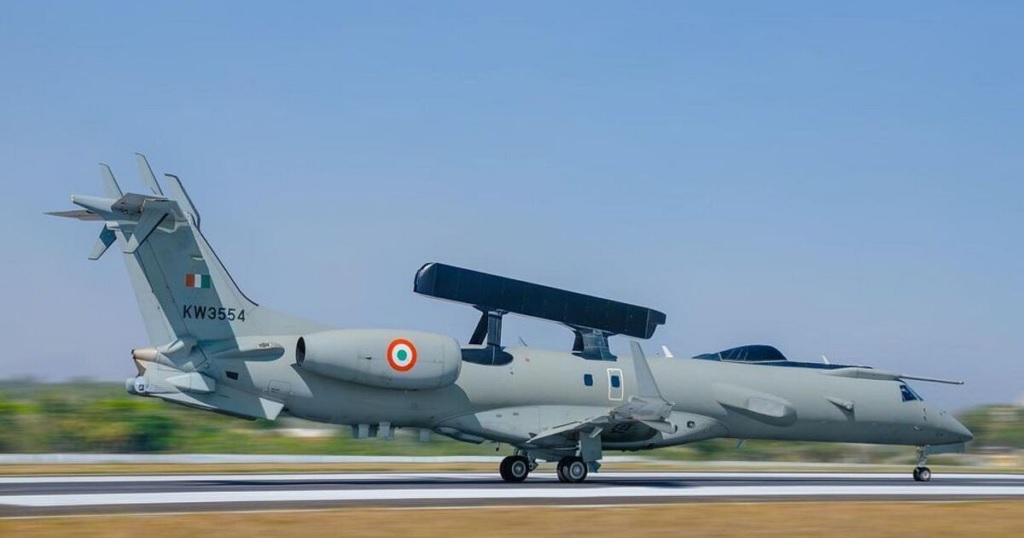
India
In a major boost to India’s air defence and surveillance network, the Indian Air Force (IAF) is set to convert six used Embraer EMB-145 jets into advanced Netra Mk1A Airborne Early Warning and Control (AEW&C) aircraft. This move comes as a strategic step to counter the growing air power of neighbouring China and Pakistan, both of whom are expanding their fleets with modern stealth fighters. Why This Move Matters With regional tensions rising and both China and Pakistan improving their air capabilities, India needs a stronger, more persistent aerial surveillance setup. AEW&C aircraft play a vital role in this, as they can detect incoming threats like fighter jets, drones, or missiles from hundreds of kilometres away and act as airborne command centres for the Air Force. The current IAF fleet includes three Netra Mk1 systems and three larger Israeli Phalcon AWACS. In contrast, Pakistan operates nine similar aircraft, and China boasts over 30. To close this gap, India plans to add six Netra Mk1A aircraft — a significantly upgraded version of the Netra Mk1. What Is Netra Mk1A? The Netra Mk1A is an improved version of the existing Netra Mk1 AEW&C system, originally built on the Embraer EMB-145 jet platform. The Mk1A will feature a powerful Active Electronically Scanned Array (AESA) radar using advanced Gallium Nitride (GaN) technology, giving it a detection range of up to 450 kilometres — double that of the Mk1’s approximate 250 km range. It will offer a 240-degree coverage around the aircraft. These AEW&C aircraft act as airborne command posts, capable of identifying and tracking enemy fighters, missiles, and drones while relaying real-time information to ground-based and airborne units. Mk1A vs Mk2: How Do They Compare? Feature Netra Mk1A Netra Mk2 Platform Embraer EMB-145 Airbus A321 Radar Type AESA with GaN technology Larger AESA with extended range Detection Range 450 km Estimated 500+ km Coverage 240 degrees 300+ degrees No. of Aircraft Planned 6 6 Service Induction From 2027 2026-2027 Role Medium-range aerial surveillance Long-range strategic surveillance While Mk1A fills an urgent operational requirement, the Mk2 project is meant for deeper strategic coverage over larger distances using a bigger, longer-endurance platform. How the Conversion Will Happen Since production of the Embraer EMB-145 stopped over a decade ago, India will source these six used aircraft from the global secondary market through an open tender. The Defence Research and Development Organisation’s (DRDO) Centre for Airborne Systems (CABS) in Bengaluru will handle the modifications, with support from Embraer and Indian private sector giant Adani Defence and Aerospace. The aircraft will be fitted with: GaN-based AESA radar Electronic warfare suites Secure data communication links Self-protection systems against enemy missiles In-flight refueling capability A Strategic Boost to Counter Stealth Jets The biggest advantage of these upgraded Netra Mk1A systems will be their improved ability to detect and track stealth aircraft like the Chinese J-35A stealth fighters, which Pakistan is likely to acquire. Stealth aircraft are designed to avoid detection by regular radars, but advanced AESA radars using GaN technology are far more capable of spotting such threats at longer ranges. An Important Step in Aatmanirbhar Bharat This project aligns closely with the government’s ‘Aatmanirbhar Bharat’ (Self-Reliant India) initiative. The radar, electronic systems, and mission software are all being developed in India, while private companies like Adani Defence are participating in the aircraft conversion process alongside DRDO. Estimated Cost and Timeline The entire program is estimated to cost around ₹9,000 crore. An open tender for sourcing the aircraft is expected soon, and if all goes as planned, these Netra Mk1A aircraft could start joining the IAF fleet by 2027. This timely decision by the IAF will not only strengthen India’s 24/7 aerial surveillance capability but also help balance the growing technological edge China and Pakistan seek in the region. With both Netra Mk1A and Mk2 projects moving ahead, India is ensuring that its skies remain well-guarded in the years to come.
Read More → Posted on 2025-06-19 15:41:56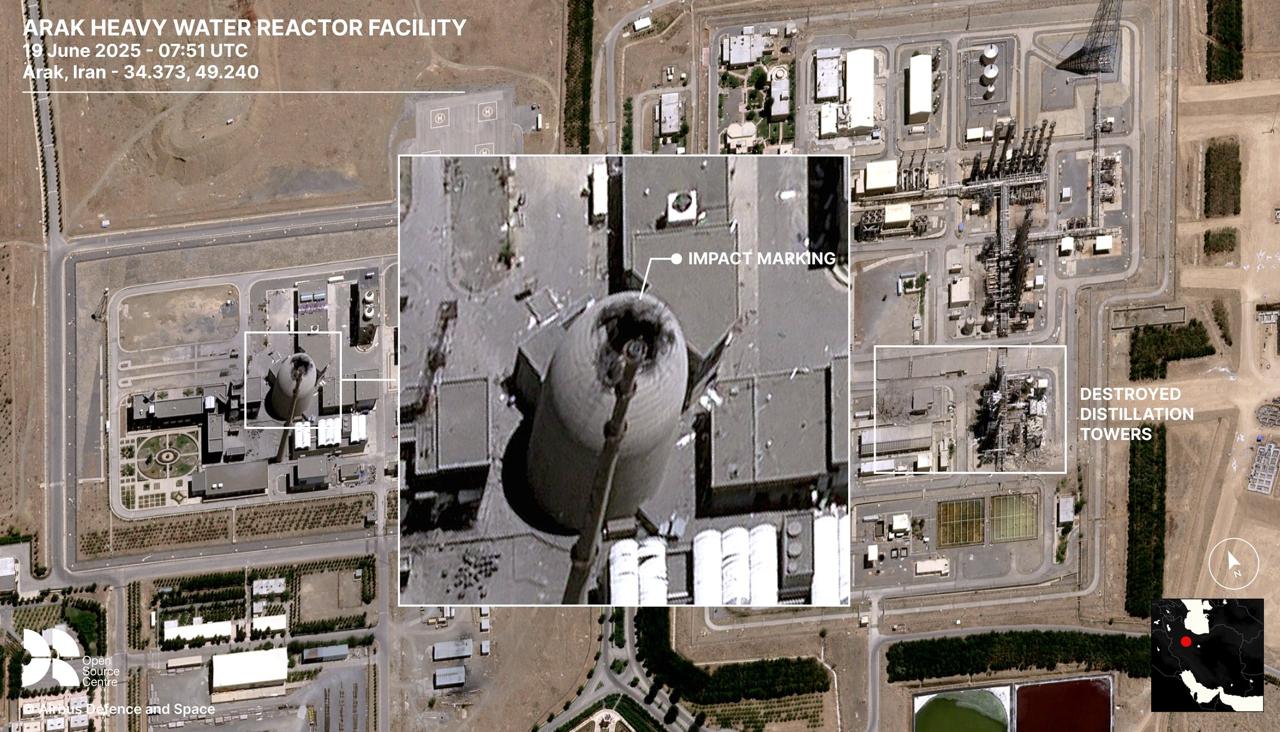
World
In a major escalation in the shadow conflict between Israel and Iran, the Israeli military has confirmed that it carried out overnight airstrikes targeting key nuclear-related sites inside Iran, including what it described as an "inactive nuclear reactor" in Arak. The strikes are said to have also included another hit on the Natanz nuclear facility—an area that has already seen repeated Israeli sabotage attempts in the past. Iran's Arak heavy water reactor in Arak, 155 miles southwest of Tehran, capital of Iran. According to a statement from the Israeli military, the operation involved around 40 fighter jets and drones, targeting multiple locations across Iran. The most significant strike was reportedly on the Arak heavy-water reactor, where Israeli forces hit the core seal structure—an essential component used in the process of plutonium production. This part of the reactor is considered vital for any future efforts to revive the facility for weapons-grade material development. The Israeli army said the goal of this operation was to make the reactor permanently unusable for any future nuclear weapons-related activity. Although the Arak reactor has been inactive for several years, Israel believes it still poses a strategic risk if restored. The facility was initially developed in the early 2000s and designed to produce plutonium under the guise of medical research. Under the 2015 Iran nuclear deal—also known as the Joint Comprehensive Plan of Action (JCPOA)—work on the site was halted and partially dismantled. However, following the collapse of the agreement after the U.S. withdrawal in 2018, Iran resumed parts of its nuclear program. Adding to the operation’s scope, Israel also targeted a nuclear weapons development facility in Natanz—one of Iran's most fortified and sensitive nuclear sites. Israeli Prime Minister Benjamin Netanyahu claimed earlier that Israeli forces had successfully destroyed the main uranium enrichment infrastructure at Natanz. The International Atomic Energy Agency (IAEA) has since confirmed that the site suffered direct hits, including damage to underground sections of the facility. Iran, for its part, maintains that its nuclear program is strictly for peaceful purposes and denies pursuing nuclear weapons. The Arak reactor, according to Tehran, was intended for the production of medical isotopes and heavy water for civilian research. Iran had previously informed the IAEA that it aimed to fully commission the reactor by 2026. The strikes are the latest in a series of covert and overt actions taken by Israel to delay or destroy Iran’s nuclear capabilities. With the Arak reactor already offline and under IAEA monitoring, the Israeli attack marks a shift from covert sabotage to open military confrontation—a move that could further inflame already heightened tensions in the region. These developments come at a time when diplomacy between Iran and the West remains stalled, and military posturing has become more frequent. The Israeli attack sends a strong message, not only to Iran but also to the broader international community, that it is prepared to use force to prevent what it sees as an existential threat from a nuclear-armed Iran.
Read More → Posted on 2025-06-19 14:50:56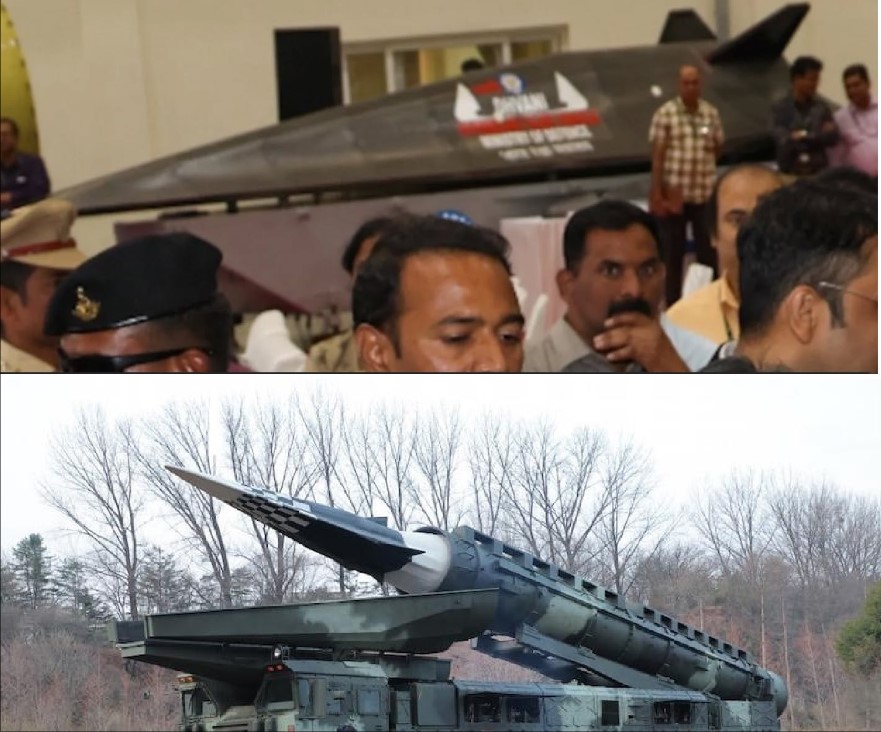
India
India’s defense research agency, DRDO (Defence Research and Development Organisation), is quietly but decisively progressing on one of its most advanced missile programs yet: Project Dhvani, a next-generation Hypersonic Glide Vehicle (HGV) aimed at reshaping India’s strategic deterrence and long-range strike capabilities. This HGV, projected for induction by 2029–2030, is being developed as part of India’s expanding hypersonic weapons portfolio, positioning the country alongside the US, China, and Russia in this elite technology domain. Project Dhvani: Overview and Strategic Significance At the heart of Project Dhvani is a blended wing-body design, resembling a seamless, aerodynamic structure that merges the fuselage and wings into a single, wedge-like body optimized for extreme speeds, low drag, and radar evasion. According to sources from idrw.org, the vehicle’s size is about 7 meters longer than China’s DF-17, a prominent medium-range HGV, indicating a likely intercontinental capability. DRDO is reportedly aiming for ICBM-class range, potentially exceeding 5,500 km or more, although official numbers remain classified. This would place Dhvani in the same category as Russia’s Avangard and China’s DF-ZF, both of which are nuclear-capable and known for their maneuverability at hypersonic speeds (Mach 5+). Structural and Material Advancements One of Dhvani’s most critical components is its heat protection system (HPS), capable of enduring temperatures of 2,000–3,000°C encountered during hypersonic flight and atmospheric reentry. This is achieved through ultra-high-temperature ceramic composite materials, which offer superior thermal resistance, structural integrity, and longevity even under extreme aerodynamic heating. The blended body shape also offers a reduced radar cross-section (RCS), contributing to stealth. Its internal guidance systems, likely based on inertial navigation coupled with satellite-assisted correction, will enable high precision, even during complex evasive maneuvers. DRDO’s Four Hypersonic Glide Vehicle Programs Project Dhvani is just one part of a broader HGV initiative by DRDO, comprising four distinct HGV configurations, each with unique design goals: Project Dhvani – Blended body design: Optimized for intercontinental reach and stealth. Primary nuclear deterrent role. LR-AShM – Delta wing body: Hypersonic Long-Range Anti-Ship Missile, likely for naval strike missions with extreme kinetic energy. BM-04 – Conical body design: Possibly a more straightforward reentry-type HGV suitable for ballistic missile integration. Winged HGV (unnamed) – Currently under wraps, this vehicle may resemble NASA’s X-43 or the US Air Force’s HTV-2 in design, promising maneuverability and reusable test platforms. Potential Capabilities and Role Speed: Estimated to cruise at Mach 6–8, depending on trajectory and altitude. Range: Possibly 7,000–10,000 km, falling into the ICBM or even global strike category. Payload: Nuclear-capable; likely to carry 1–2 MIRVs (Multiple Independently targetable Reentry Vehicles). Launch Platform: Compatible with future solid-fueled ICBMs or heavy-lift rockets such as Agni-V Prime or even K-series SLBMs for underwater launch. Its maneuverability in the terminal phase and ability to glide across continents before delivering a high-speed strike makes Dhvani a highly survivable and unpredictable platform — a serious challenge to current and future missile defense systems like THAAD, Patriot, or even Russia’s S-500. India’s Road to Hypersonic Mastery DRDO’s hypersonic journey began with the Hypersonic Technology Demonstrator Vehicle (HSTDV), which achieved Mach 6+ flight in multiple tests between 2020–2022. That testbed laid the groundwork for material science, guidance systems, scramjet engines, and thermal shielding — all of which have directly contributed to Dhvani’s ongoing development. Unlike the HSTDV, which was scramjet-powered and intended for cruise missile roles, Project Dhvani is a glide vehicle, carried aloft by a ballistic missile, detaching at high altitude and gliding through the upper atmosphere at hypersonic speeds, evading enemy radar and interceptors. By 2030, DRDO envisions Dhvani becoming a core component of India’s strategic triad, enabling rapid retaliatory strikes from land or sea against any adversary. With both nuclear and conventional warhead compatibility, it will offer India not just a deterrent but a counterforce strike capability, disrupting enemy command-and-control assets, hardened silos, or even mobile platforms. As China pushes the envelope with DF-ZF and the US accelerates its Long Range Hypersonic Weapon (LRHW), India’s entry with Dhvani marks a strategic leap into the hypersonic arms race — one that could redefine the military balance in Asia and beyond. Project Dhvani is more than a missile; it is India’s answer to the next era of strategic warfare.
Read More → Posted on 2025-06-19 14:41:57
World
Mahindra Aerostructures Pvt. Ltd. (MASPL) has secured a major milestone in its aerospace journey by signing a multi-year contract worth $300 million with Aernnova Aerospace SAU, a global leader in aerostructures. This new agreement significantly deepens the collaboration between the two companies, which began back in 2013, and marks a major step forward in India's role in global aerospace manufacturing. Under the contract, MASPL will manufacture metal sub-assemblies and components for a wide range of aircraft, including several models from Airbus and Embraer. Notably, this includes parts for Embraer’s C390 Millennium, a military transport aircraft. These components will be delivered to Aernnova’s various production facilities across Spain, the United Kingdom, Portugal, and Brazil, making it a truly global supply effort. This deal reflects a shared commitment to production efficiency, digital innovation, and sustainability in aerospace manufacturing. Both companies aim to leverage each other’s strengths: Aernnova brings deep experience and global reach, while Mahindra contributes high-end technical capabilities, advanced digital practices, and a strong, growing aerospace infrastructure in India. Ricardo Chocarro, CEO of Aernnova, emphasized the strategic importance of the deal, noting that Mahindra’s expertise and technology will support production ramp-ups across Aernnova’s programs. He expressed confidence in Mahindra's ability to execute the various work packages with excellence, backed by Aernnova’s technical support. From Mahindra’s side, the sentiment is equally enthusiastic. Dr. Anish Shah, Group CEO & MD of the Mahindra Group, highlighted that the partnership is part of Mahindra’s broader strategy to scale up its aerospace operations and invest in future growth. Arvind Mehra, CEO of MASPL, called it a defining moment in their long-standing relationship with Aernnova, especially after their acquisition of Hamble Aerostructures in the UK—a former MASPL customer. Importantly, the contract also unlocks several “Make in India” opportunities, as Mahindra plans to increase investment in local capability and capacity. With a strong emphasis on sustainability, digitization, and operational excellence, the deal is expected to enhance Mahindra’s visibility and credibility as a Tier-1 aerospace supplier on the global stage. Mahindra Aerostructures operates out of a large facility near Bangalore and holds prestigious industry certifications such as AS9100D and multiple NADCAP approvals. It supplies components to several major aircraft manufacturers and continues to build its reputation for quality and innovation. Meanwhile, Aernnova remains a powerhouse in the aerospace sector. Headquartered in Spain, the company is a global supplier of aerostructures like wings, fuselages, doors, and stabilizers. It operates engineering and manufacturing sites across six countries and maintains a strong focus on sustainable growth and technological advancement. This new chapter between Mahindra Aerostructures and Aernnova underscores how global aerospace supply chains are evolving. By combining Indian manufacturing excellence with European aerospace expertise, the partnership is set to make a lasting impact in the industry.
Read More → Posted on 2025-06-19 14:31:30
World
In a dramatic escalation, Iran’s Islamic Revolutionary Guard Corps (IRGC) has confirmed the combat debut of its advanced Sajjil medium-range ballistic missile (MRBM)—suspected to be carrying a hypersonic glide vehicle (HGV)—in a direct strike against Israel. The launch, which occurred late last night, was reported by Iran's Tasnim News Agency, and is now making waves globally for potentially marking Iran’s first use of Hypersonic Glide Vehicles in warfare. Strike Caught on Camera: A Lofted Trajectory Footage released from multiple sources in the region showed a brilliant flash streaking skyward on a lofted trajectory, a launch profile often used to enhance range and impact velocity while avoiding interception. The video captures the missile’s characteristic high-arching ascent—suggesting a flight path consistent with either an HGV payload or a highly maneuverable reentry vehicle. Why This Matters: Beyond a Typical MRBM While Iran has fired ballistic missiles before, the Sajjil launch stands apart. Unlike the liquid-fueled Shahab series, the Sajjil is solid-fueled, enabling faster launch times and better survivability. What makes last night's event significant is: It may have carried a Hypersonic Glide Vehicle (HGV) — a warhead capable of flying at speeds above Mach 5 and maneuvering unpredictably mid-course to evade air defenses. It was used in active combat against a state with one of the most advanced missile defense networks in the world—Israel, which fields the Arrow-2/3, David's Sling, and Iron Dome systems. Sajjil Missile Specifications Feature Details Type Medium-Range Ballistic Missile (MRBM) Fuel Type Solid-fueled (two-stage) Range ~2,000 to 2,500 km Speed Estimated Mach 12+ (with HGV payload) Warhead Type High-explosive, possibly HGV or maneuverable RV Launch Time ~7–10 minutes from setup to launch Accuracy (CEP) Claimed <100 m (with guidance upgrades) Iran has long claimed that a hypersonic variant of Sajjil, or a HGV designed for compatibility with its MRBMs, had been developed and tested in secret facilities. Last night's strike might be the first real-world evidence of this claim coming to fruition. Strategic Implications Israel’s missile defenses are designed to intercept a wide spectrum of threats, from short-range rockets to long-range ballistic missiles. However, hypersonic glide vehicles are a new and more elusive category. Their ability to maneuver unpredictably at extremely high speeds poses a challenge even for advanced systems like Arrow-3, which intercepts threats in exo-atmospheric space. The implications of this combat debut are profound: Regional Deterrence: Iran has demonstrated it can strike high-value targets from within its territory using next-gen weapons. Shift in Missile Warfare: The use of HGVs or maneuverable warheads by non-superpower states signals a paradigm shift. Missile Defense Saturation: A successful strike could indicate Israel’s missile defenses were either bypassed or overwhelmed—a significant concern for regional stability. The Open Questions Was it truly an HGV or just a faster reentry vehicle (MaRV)? Was it intercepted, or did it strike its target successfully? What will Israel's response be to a hypersonic threat entering the theater? While full details remain classified or speculative, what’s clear is that Iran has escalated its missile warfare capabilities into a new era—with global observers now paying close attention to how Israel and its allies respond to the apparent combat use of a hypersonic-capable ballistic missile in one of the world’s most volatile flashpoints.
Read More → Posted on 2025-06-19 14:19:13
India
In a strategic move to bolster India’s maritime logistics and unmanned capabilities, Pune-based defense and aerospace powerhouse Bharat Forge Ltd is in initial talks with UK-based Windracers to bring the ULTRA MK2 UAV to the Indian Navy. The collaboration is aimed at offering the ULTRA MK2 as a Cargo On Demand (COD) unmanned aerial vehicle—capable of rapidly transporting critical supplies across vast maritime distances. This partnership, still in exploratory phases, follows Windracers' successful collaboration with the UK Royal Navy in 2023, where the ULTRA MK2 showcased its potential for autonomous, long-range, and heavy-payload delivery operations in naval environments. The joint effort with Bharat Forge now aims to bring those same advanced capabilities to India's defense ecosystem, with demonstrations planned for the Indian Ministry of Defence in the near future. What is the Windracers ULTRA MK2? The Windracers ULTRA MK2 is a twin-engine, fixed-wing UAV designed specifically for high-endurance cargo transport missions. It blends simplicity in design with rugged reliability, making it ideal for COD operations across land and sea. Built by Windracers Group Ltd, it is part of a new class of logistics UAVs intended to reduce reliance on traditional, more resource-intensive transport methods. Key Specifications of the ULTRA MK2: Payload Capacity: 100 kg Range: Up to 1,000 km (with full payload) Cruise Speed: Approx. 144 km/h (90 mph) Wingspan: 10 meters Takeoff Weight: Around 350 kg Flight Autonomy: Fully autonomous flight control, including takeoff and landing Navigation: GNSS and onboard AI for terrain mapping and route optimization Engine Type: Dual piston engines with redundant power architecture Operational Altitude: 5,000 – 10,000 feet Launch & Recovery: Conventional runway-based takeoff and landing (but adaptable for austere airstrips or naval platforms) The MK2 model is designed for high-reliability logistics operations, including in denied or contested environments. It is engineered for low-cost maintenance, minimal crew requirements, and operation in all-weather conditions, making it a suitable COD solution for ships at sea or isolated forward bases. Strategic Relevance to the Indian Navy: With India’s expansive maritime domain and the Navy’s increasing emphasis on logistics efficiency, distributed warfare, and unmanned capabilities, a UAV like the ULTRA MK2 could play a vital role. It could enable rapid resupply missions between ships or from shore to sea, eliminate human risk in hazardous areas, and serve during disaster relief missions or casualty evacuations in remote maritime zones. The potential partnership with Bharat Forge, a key player in India’s private defense sector with a growing footprint in artillery systems, aerospace structures, and unmanned platforms, would also ensure Make in India compliance and local manufacturing, in alignment with India’s strategic defense self-reliance goals. What’s Next? According to Windracers, the next steps include joint demonstrations for the Indian Navy and defense ministry, including simulated COD missions to test integration within India's existing naval logistics chains. If successful, this could pave the way for Indian production or assembly of the ULTRA MK2 under license, with potential for customization to meet specific Navy requirements. With this move, Bharat Forge not only signals its growing interest in the UAV segment but also underlines how Indian private sector players are now actively shaping the future of naval aviation and logistics through international collaborations and cutting-edge autonomous systems.
Read More → Posted on 2025-06-19 12:55:54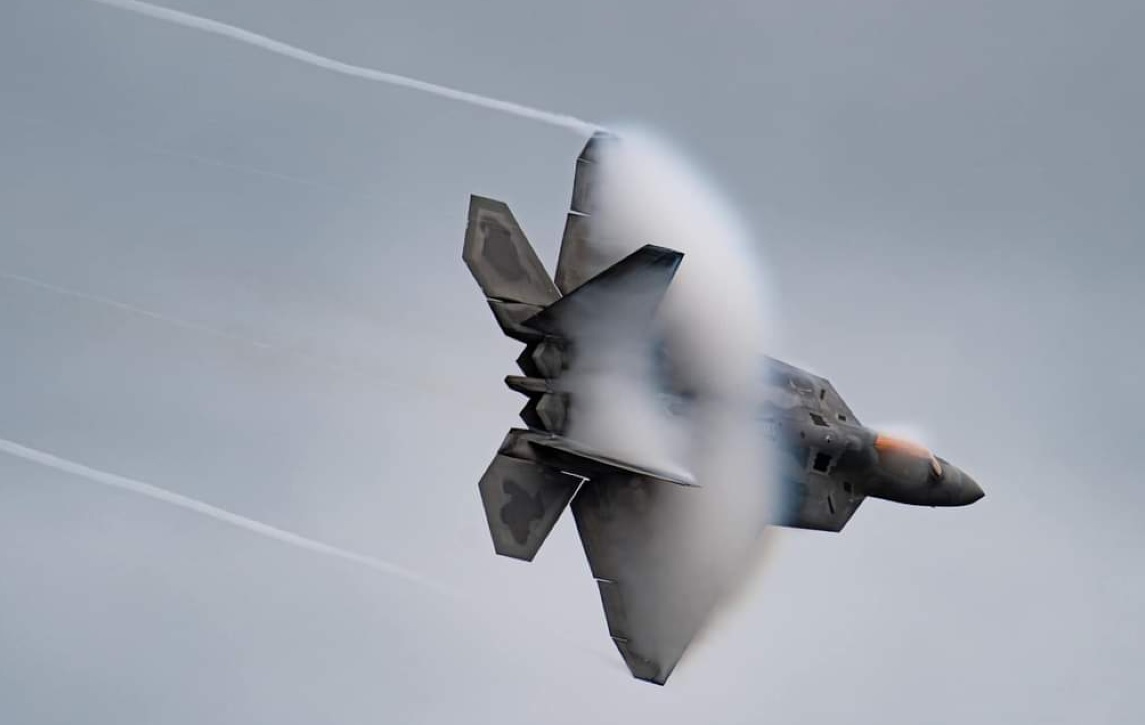
World
The United States has deployed its elite F-22 Raptor stealth fighter jets to the United Kingdom as tensions with Iran escalate over the Middle East crisis. This strategic move, which took place on June 18, 2025, is seen as a clear message of deterrence and preparedness, especially as President Donald Trump weighs the possibility of U.S. military action in support of Israel’s ongoing operations against Iranian targets. The advanced F-22 aircraft, which belong to the 1st Fighter Wing based at Joint Base Langley-Eustis in Virginia, were sent to RAF Lakenheath in Britain. The airbase is a frequent launch point for missions within the U.S. Central Command (CENTCOM) area, which covers the Middle East. Their deployment underscores a heightened state of alert and forms part of Washington’s broader plan to position key air assets closer to a potential conflict zone. The F-22 Raptor is one of the most advanced fifth-generation fighter jets in the world. It combines stealth, supercruise, extreme agility, and state-of-the-art avionics to dominate both air-to-air and air-to-ground combat. With its powerful AESA radar, sensor fusion, and data-link capabilities, the F-22 can detect and destroy enemy aircraft from long distances while remaining virtually invisible to enemy radar. In terms of weaponry, the F-22 is equipped with six AIM-120 AMRAAM air-to-air missiles and two AIM-9 Sidewinders for aerial combat. For precision ground strikes, it can carry two GBU-32 JDAM guided bombs while still maintaining air superiority. It also features a 20mm M61A2 Vulcan cannon for close-in dogfights. Thanks to its ability to cruise at speeds above Mach 1.5 without afterburners, the F-22 has extended range and reduced detection, making it ideal for rapid-response missions. This deployment comes as Israeli forces, under Operation Rising Lion, have launched multiple airstrikes on Iranian military and nuclear facilities. Iran has retaliated with more than 400 ballistic missile launches and over 1,000 drone attacks targeting Israeli cities, killing at least 23 civilians and injuring hundreds. U.S. systems like THAAD missile interceptors and Aegis-equipped naval vessels have played a role in defending against these attacks, and U.S. fighter jets in the region have been involved in downing Iranian UAVs. Should the U.S. decide to strike, military planners are reportedly considering targeting hardened underground nuclear facilities like Fordow, which is buried deep inside a mountain. Any operation against such a site would likely involve the B-2 Spirit stealth bomber carrying the massive GBU-57 "bunker-buster" bomb — the only munition capable of penetrating such fortifications. While European diplomatic leaders are scheduled to meet Iran’s foreign minister in Geneva on June 20 in hopes of de-escalating the crisis, the U.S. is keeping all military options on the table. President Trump has stated that any final decision regarding military action against Iran could be made “at the last second,” but he also emphasized that only America has the capability to deal a decisive blow to Iran’s fortified nuclear infrastructure if necessary. For now, the arrival of the F-22 Raptors in Europe stands as both a deterrent and a readiness signal, ensuring the United States can respond rapidly should the situation spiral further out of control.
Read More → Posted on 2025-06-19 12:47:14
World
At the prestigious Paris Air Show, French defense firm Turgis & Gaillard introduced its latest innovation—the Foudre multiple launch rocket system (MLRS), designed as a homegrown alternative to the American-made HIMARS. Developed entirely with private investment, the Foudre represents France’s renewed push for defense independence under the country’s FLP-T (Frappe Longue Portée Terrestre) program, which seeks to modernize its long-range artillery forces. The Foudre system is France’s answer to the increasing need for highly mobile, long-range precision strike capabilities. Built on a wheeled chassis similar in concept to the American M142 HIMARS, the Foudre is engineered for rapid deployment, precision fire, and operational flexibility. It is expected to eventually replace the aging LRU (Lance-Roquettes Unitaire) launchers—France’s modified version of the older tracked M270A1 system. Out of the 57 LRUs originally acquired by France, only 13 remain in service, and some have already been donated to Ukraine. As few as six or seven are currently operational. The French Army is set to receive 13 new MLRS units by 2030, with the total rising to 39 systems by 2035. This phased induction plan reflects France's broader strategy to revamp its artillery capabilities with systems that can meet modern warfare demands and provide interoperability with NATO forces—while also bolstering national defense industries. The ammunition roadmap is equally ambitious. Turgis & Gaillard is expected to supply 300 rockets with a 150 km range by 2030, followed by annual production of 50 to 100 additional rockets. More strikingly, the company is working on extended-range munitions capable of reaching 500 km, with a long-term goal of developing rockets with a 1,000 km range—placing them in the strategic strike category. These capabilities would position France among a small group of nations possessing ground-based strike systems with ranges approaching that of cruise missiles, but at a fraction of the cost and complexity. One of the central aims of the FLP-T program is strategic autonomy—ensuring France can defend itself without relying on foreign suppliers, especially for critical systems like long-range precision artillery. While the French government has expressed a strong preference for a national solution, it has also left the door open to international procurement if necessary. Turgis & Gaillard’s unveiling of the Foudre marks a bold step in that direction. By offering a high-performance, French-built alternative to HIMARS, the company is positioning itself at the forefront of Europe’s evolving defense landscape—one that values mobility, precision, range, and sovereignty in equal measure.
Read More → Posted on 2025-06-19 12:42:58
World
In a major boost to the United States' missile defense capabilities, Lockheed Martin has successfully delivered the first components—known as the Minimum Engagement Package (MEP)—of the U.S. Army’s eighth Terminal High Altitude Area Defense (THAAD) battery. This MEP delivery includes three advanced missile launchers and a fire control unit, which will work alongside Raytheon Technologies’ powerful AN/TPY-2 radar to create a highly integrated defense shield. The rest of the battery’s components are scheduled for delivery later this summer, completing the full setup. Once operational, the new battery will further strengthen the U.S. military’s ability to detect, track, and neutralize ballistic missile threats across different regions of the world. The delivery is not just a routine milestone—it reflects an evolving defense posture as missile threats grow more complex and widespread. THAAD is regarded as one of the most advanced missile defense systems in the world. Built for speed, precision, and reliability, it is designed to intercept and destroy short-, medium-, and intermediate-range ballistic missiles during their final phase of flight—either inside or just outside the Earth’s atmosphere. What sets it apart is its "hit-to-kill" technology, which relies on the kinetic energy of the interceptor to destroy incoming missiles without the use of a traditional explosive warhead. This approach ensures minimal collateral damage and has achieved a perfect intercept record in controlled flight tests. Each THAAD battery typically includes: Up to 9 missile launchers, each capable of firing 8 interceptors A Fire Control and Communications unit, which manages the system’s engagement operations The AN/TPY-2 radar, a powerful long-range X-band radar that can detect threats hundreds of kilometers away The latest delivery forms a critical part of the eighth battery, which was approved under a 2022 contract. With the first THAAD battery entering service in 2008, Lockheed Martin has been the system’s lead contractor since its inception in 1987, overseeing its development, testing, and full integration into the U.S. defense framework. This eighth battery arrives at a time when global security dynamics are increasingly unpredictable, and adversaries are deploying more advanced and faster missile systems. Dawn Golightly, Vice President of Upper Tier Integrated Air and Missile Defense at Lockheed Martin, emphasized that this system is already proving its worth in operational environments, helping both the U.S. and its allies defend against real-time threats. As the U.S. continues to bolster its homeland and forward-deployed forces, THAAD remains a central pillar in the layered missile defense strategy. The successful rollout of the eighth battery will not only expand the military’s coverage and flexibility but also send a strong message of deterrence to potential adversaries. With global interest in THAAD growing steadily, its deployment showcases the strength of American missile defense technology in an increasingly contested world.
Read More → Posted on 2025-06-19 12:37:47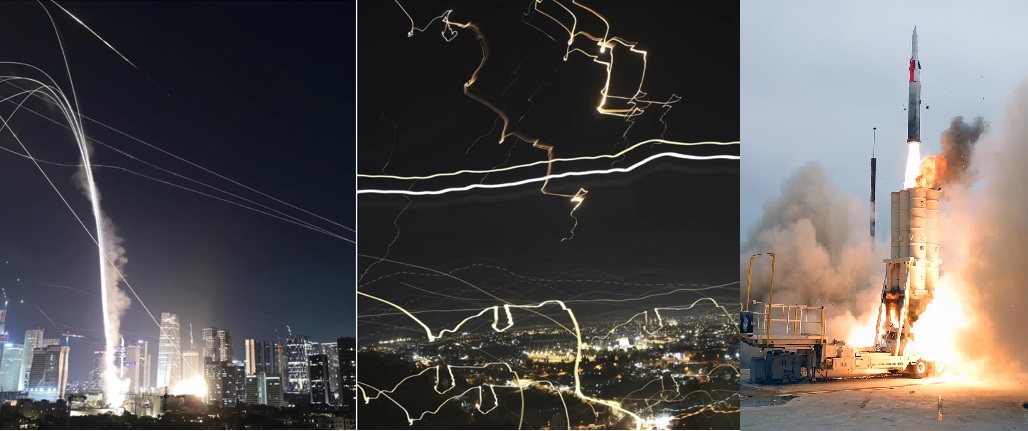
World
For decades, Israel has relied on one of the world’s most advanced multi-layered missile defence systems to protect its skies. But today, as it faces a massive and relentless missile assault from Iran, that shield is beginning to show cracks — and time is running out. A War Unlike Any Before Since the latest conflict erupted six days ago, Iran has fired over 400 ballistic missiles at Israel, alongside dozens of drones and cruise missiles. This isn’t the kind of attack Israel’s military planners anticipated. While Israel had always expected short-range rockets from groups like Hezbollah or Hamas, a sudden onslaught of ballistic and hypersonic missiles directly from Iran was a different threat altogether. And while Israel’s defences have performed admirably, they’re burning through expensive interceptors at a dangerous rate. A ballistic missile convoy emerges from Iran’s underground base. What is Israel’s Missile Defence System? Israel uses a multi-layered defence system designed to intercept everything from short-range rockets to long-range ballistic and cruise missiles. Here’s how it works: System Intercept Range Altitude Targets Interceptor Cost (Approx.) Iron Dome 4–70 km Low to Medium Rockets, Artillery, Mortars $40,000 per interceptor David’s Sling 40–300 km Medium to High Cruise & Short-range Ballistic $1 million per interceptor Arrow-2 70–300 km High Medium-range Ballistic Missiles $3 million per interceptor Arrow-3 300–2400 km Exo-atmospheric Long-range Ballistic Missiles $3 million per interceptor Patriot/THAAD (US) 70–200 km 150 Km Ballistic & Cruise Missiles Varies ($3–6 million) Iron Dome is highly effective against small, short-range rockets, while David’s Sling, Arrow-2, and Arrow-3 tackle more dangerous ballistic and hypersonic threats. The Problem: Arrow Interceptors Running Low While Israel has a large stockpile of Iron Dome missiles — designed mainly for smaller threats — the real issue lies with its Arrow interceptors. These costly, high-altitude missiles are built to destroy ballistic and hypersonic threats before they enter Israeli airspace. Each Arrow interceptor costs around $3 million, and according to U.S. defence officials, Israel may have only 10 to 12 days of interceptors left if Iran keeps firing at the current pace. Every night of missile defence operations is costing Israel up to $285 million, a staggering financial and logistical strain. Does Iran Have That Many Missiles? Iran’s missile arsenal has long been a mystery. Intelligence estimates suggest Iran possesses around 2,000 ballistic missiles of varying ranges. However, only a fraction of those — likely a few hundred — are capable of reaching Israel directly. There are two possibilities: Iran has a limited stock of long-range ballistic missiles that can hit Israel, which may explain why the missile attack rate slowed after the first two days. Or Iran still has a considerable stockpile in underground silos and bunkers, which it’s holding back for a prolonged conflict. Either way, Israel must be prepared for more. Signs of Strain and Breaches Despite Israel’s strong defence network, cracks are beginning to show: A missile struck near Israel’s military headquarters in Tel Aviv on Friday night. Another hit an oil refinery in Haifa, forcing a shutdown. On Tuesday, verified footage showed explosions close to an Israeli intelligence facility north of Tel Aviv. So far, the conflict has claimed 24 Israeli lives and injured over 600 people. U.S. Steps In, Costs Soar The United States has quietly deployed additional missile defence assets to support Israel, including U.S. Navy destroyers and Patriot missile batteries in the region. But experts warn that neither country can sustain round-the-clock intercept operations indefinitely. As Tom Karako, director of the Missile Defense Project at CSIS, put it: “You cannot sit and intercept missiles all day. Eventually, you’ll run out.” Offensive Push and High Stakes In response, Israel launched a major daytime airstrike on Tehran on Wednesday, targeting Iran’s missile factories, military bases, and uranium centrifuge facilities. Over 50 fighter jets participated in the operation. Yet, Iranian leaders remain defiant, threatening further escalation and vowing to unleash more hypersonic and long-range missiles like the Fatah-1, capable of evading current missile defences. The Final Countdown Without immediate resupply of Arrow and David’s Sling interceptors from the U.S. and Israeli industry, the country may soon face an impossible choice — either intercept selectively or brace for direct missile impacts. The next 10 to 12 days could determine the outcome of this unprecedented missile war in the Middle East.
Read More → Posted on 2025-06-19 12:33:20
Raghu Vamsi Aerospace Unveils India’s First Jet-Powered Kamikaze Drone ‘Astra-100’ at Paris Air Show
India
In a proud moment for India’s aerospace and defence industry, Hyderabad-based Raghu Vamsi Aerospace Group made history by unveiling the country’s first jet-powered Kamikaze UAV (Unmanned Aerial Vehicle) at the prestigious 55th International Paris Air Show. The drone, named Astra-100, represents a major leap forward in India’s indigenous defence technology, showcasing the nation’s growing expertise in autonomous combat systems. What is the Astra-100? The Astra-100 is a fixed-wing, jet-powered drone developed under Raghu Vamsi’s deep-tech brand ARROBOT. It’s specially designed for autonomous kamikaze missions, where the UAV acts as a precision-guided, explosive-laden aircraft targeting high-value enemy assets such as radars, air defence systems, or command centers. What makes Astra-100 stand out is its fully indigenous design — from its flight control system and propulsion unit to telemetry and operational software. This reflects India’s growing ability to build sophisticated combat drones without relying on foreign technology. Astra-100 Specifications: Type: Jet-powered, fixed-wing Kamikaze UAV Range: 200 kilometers Top Speed: 450 km/h Role: Autonomous offensive missions (kamikaze strikes) Propulsion: Indigenous micro turbojet engine Status: Successfully test-flown earlier in 2025 Astra-100 completed its trial flights successfully earlier this year, achieving all mission parameters and proving its readiness for operational deployment. It marks a new chapter in India’s offensive UAV capabilities, moving beyond surveillance and reconnaissance drones to fully autonomous strike systems. India’s First Indigenous Micro Turbojet Engine Alongside the UAV, Raghu Vamsi also unveiled a fully indigenous 40 KGF micro turbojet engine, purpose-built for UAVs and cruise missiles. This engine is part of a new engine family featuring 14, 19, 25, and 40 KGF variants, all tested and validated at the company’s Hyderabad facility in the presence of DRDO officials. This achievement marks a major milestone for India in the field of propulsion technology, which has long been a challenging area for indigenous development. The 40 KGF engine will not only power drones like Astra-100 but can also be adapted for use in future cruise missiles and loitering munitions. Expanding Global Presence Raghu Vamsi Aerospace is also extending its global footprint. Recently, the company acquired WMT Precision LLC, a 40-year-old aerospace manufacturing firm based in Syracuse, USA, specializing in fuel nozzles for global aerospace leaders. Additionally, it bought PMC Group (UK), marking the company’s entry into the oil and gas component sector, especially high-performance nickel alloy parts. Building India’s Largest Aerospace Manufacturing Hub To support its expanding operations, Raghu Vamsi is developing a state-of-the-art 250,000 sq ft facility in Hardware Park, Hyderabad. Set to open by early 2026, the facility will house divisions for: High-precision machining for global OEMs Sub-assemblies for missile systems Final assembly for engines, UAVs, and unmanned ground vehicles This new facility is expected to generate over 1,000 skilled jobs, boosting India’s aerospace manufacturing ecosystem and contributing to the country’s Atmanirbhar Bharat (self-reliant India) mission in defence production. A Proud Milestone for India The unveiling of Astra-100 and the 40 KGF turbojet engine isn’t just a technological achievement — it’s a clear signal that India is rapidly progressing towards self-sufficiency in high-end defence systems. Raghu Vamsi Aerospace’s innovations position India as an emerging force in autonomous warfare and propulsion systems, and a serious contender on the global aerospace stage. This achievement at the Paris Air Show highlights India’s determination to lead through indigenous innovation, strategic international acquisitions, and a growing domestic manufacturing base — a future-ready combination for the nation’s aerospace ambitions.
Read More → Posted on 2025-06-19 11:45:43
World
The conflict between Israel and Iran has reached a critical stage, with Israeli leaders making it clear that there will be no talks or compromises. The Israeli government has firmly stated that Operation Rising Lion — its large-scale military campaign targeting Iran — will continue until all its objectives are achieved. On Wednesday, Israel’s Defence Minister Israel Katz took to social media to send a strong message, hinting at the possibility of a regime change in Tehran. In a pointed post, he described the situation as a “tornado passing over Tehran,” with key government symbols being bombed and residents fleeing the capital. “This is how dictatorships collapse,” Katz wrote, making it evident that Israel’s strikes are aimed not just at military infrastructure but at shaking the Iranian regime itself. At the same time, Israeli Foreign Minister Gideon Sa’ar addressed more than 30 foreign ambassadors — including India’s — at the site of an Iranian missile attack in Bat Yam, a city near Tel Aviv. That attack, carried out by Iran in retaliation for Israel’s airstrikes, killed at least nine people and injured dozens. Sa’ar made it clear to the diplomats that Israel would not enter into negotiations and would press on with the operation until its security goals were fully met. “I have no doubt we will achieve our objectives in this operation to remove the existential threat,” Sa’ar said, underlining Israel’s firm position. He accused Iran of deliberately targeting civilian areas and emphasized that the Israeli people remain united in their support for Operation Rising Lion. Operation Rising Lion: The Military Campaign So Far Since the operation began last Friday, the Israel Defence Forces (IDF) has launched hundreds of airstrikes across Iran. According to Brigadier General Effie Defrin, the Israeli Air Force has so far hit over 1,100 Iranian military assets, including missile launchers, weapons production sites, and air defense systems. The operation’s primary goal, Defrin said, is to systematically neutralize Iran’s nuclear threat and cripple its missile production capabilities. Footage released by the IDF shows Israeli fighter jets destroying multiple Iranian ballistic missile launch sites and military facilities. Despite facing heavy retaliation, Israeli officials maintain that most of the 400 ballistic missiles and hundreds of drones fired by Iran have been intercepted by Israel’s air defense systems. The Human and Structural Impact The conflict has taken a significant toll on both sides. In Israel, approximately 35 missile impact sites have resulted in 24 deaths and over 647 injuries, with ten people reported in serious condition. Nearly 2,725 residents have been evacuated from their homes, and damage reports continue to rise. Authorities have recorded over 18,700 claims, with most related to property and structural damage caused by falling debris and missile impacts. Strict Reporting Restrictions Imposed Due to the intensity of the conflict, the Israeli government has imposed wartime reporting restrictions. These restrictions limit the publication of news regarding specific military operations, targets, strategic facilities, and the operational capabilities of Israel’s defense systems. The aim is to prevent sensitive information from being used by hostile actors during the ongoing military campaign. Israel’s Long-Term Goals Prime Minister Benjamin Netanyahu has outlined two main goals for Operation Rising Lion: to halt Iran’s progress toward developing nuclear weapons and to neutralize its missile and drone attack capabilities. Israeli officials insist that these objectives must be achieved to ensure the long-term security of Israel and the stability of the region. As the operation continues, Israeli leadership has made it clear that no diplomatic talks will take place. The message from Jerusalem is unambiguous — this is a fight Israel intends to finish on its own terms.
Read More → Posted on 2025-06-18 16:00:10Search
Top Trending in 24 Hours
-
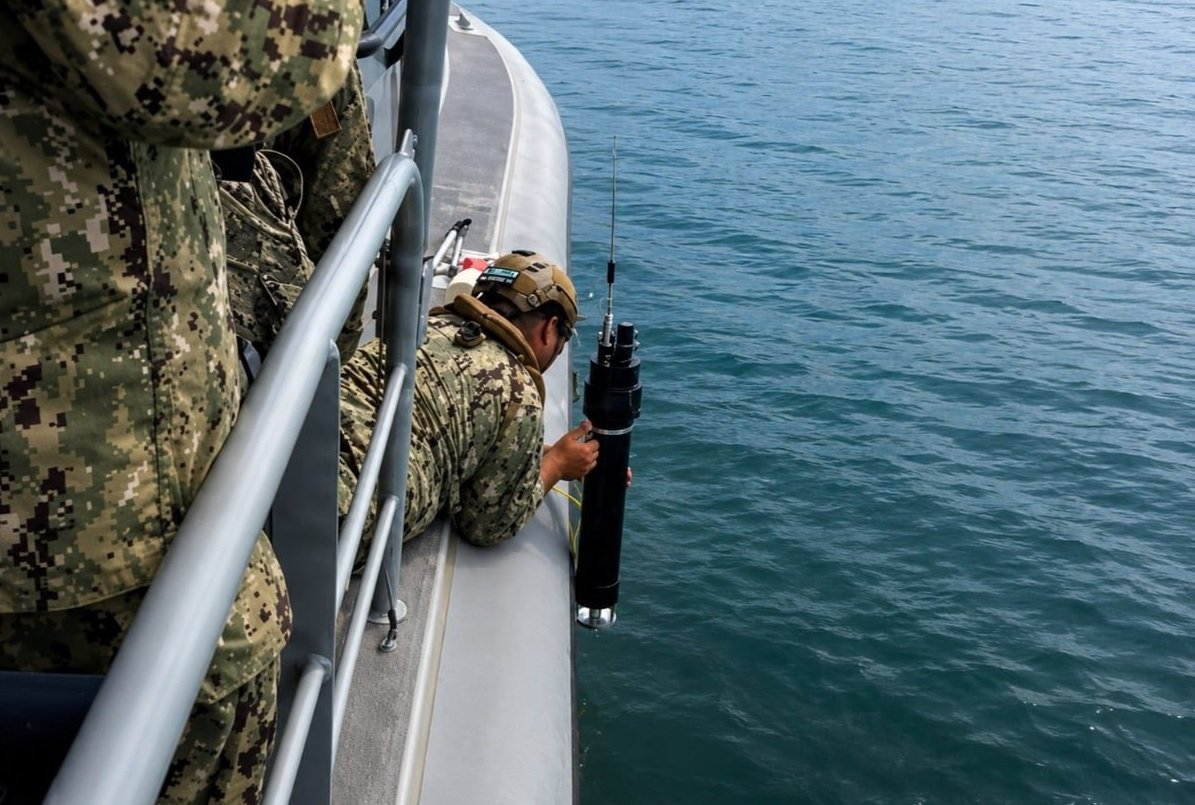 U.S. Army, Navy and Space Force Successfully Test Maritime Version of ‘Hammer of the Gods’ EW System During Project Convergence 2026
-
 North Korea Preparing Largest Military Deployment Abroad With 30,000 Troops for Russia, Zelensky Says
-
 Houthis Claim to Have Shot Down Saudi-Operated Bayraktar Akıncı Drone Over Northern Yemen, Release Video of Crash
-
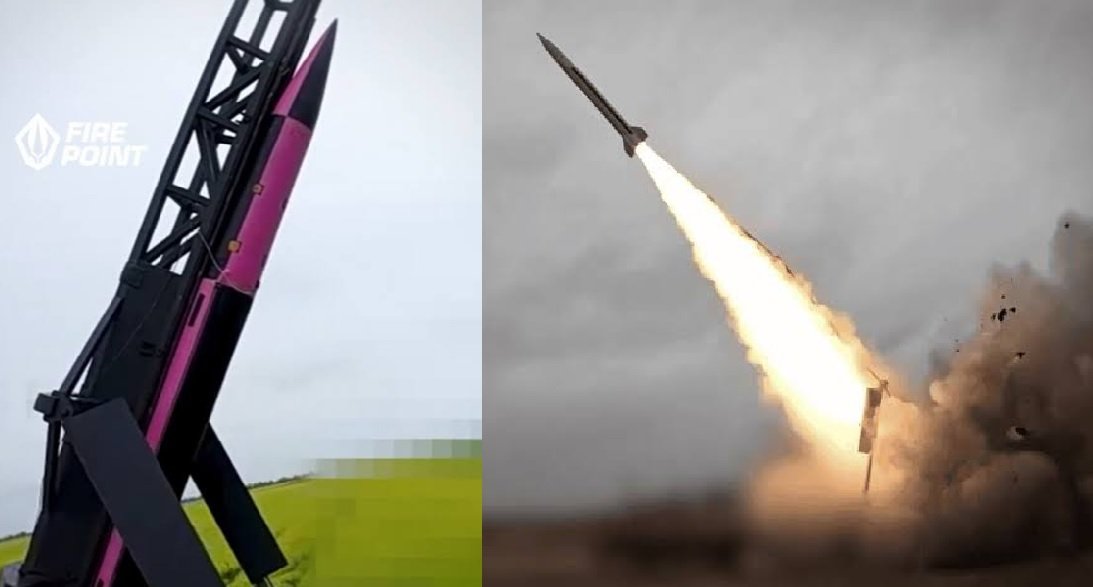 Ukraine, European Allies Target Mid-2027 Prototype for Freyja Missile Defense System
-
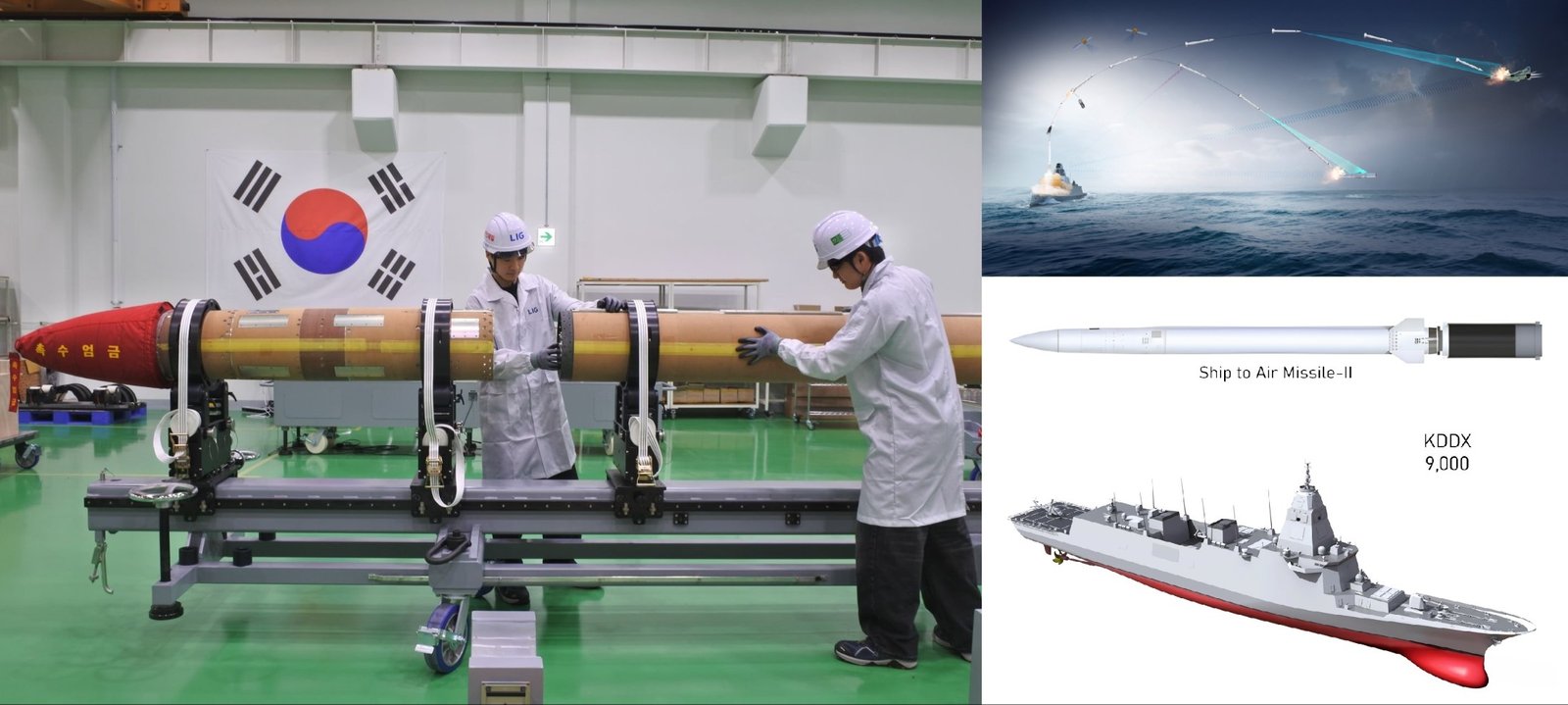 South Korea Begins First KSAM-II Naval Air-Defense Missile Prototype Assembly to Replace U.S.-Made SM-2
-
 Russia Triples BMP-3 Production as Rostec Delivers Upgraded BMP-3 IFVs with Factory-Fitted Anti-Drone Protection
-
 U.S. and France Clash Over U.N. Human Rights Leadership Vote
-
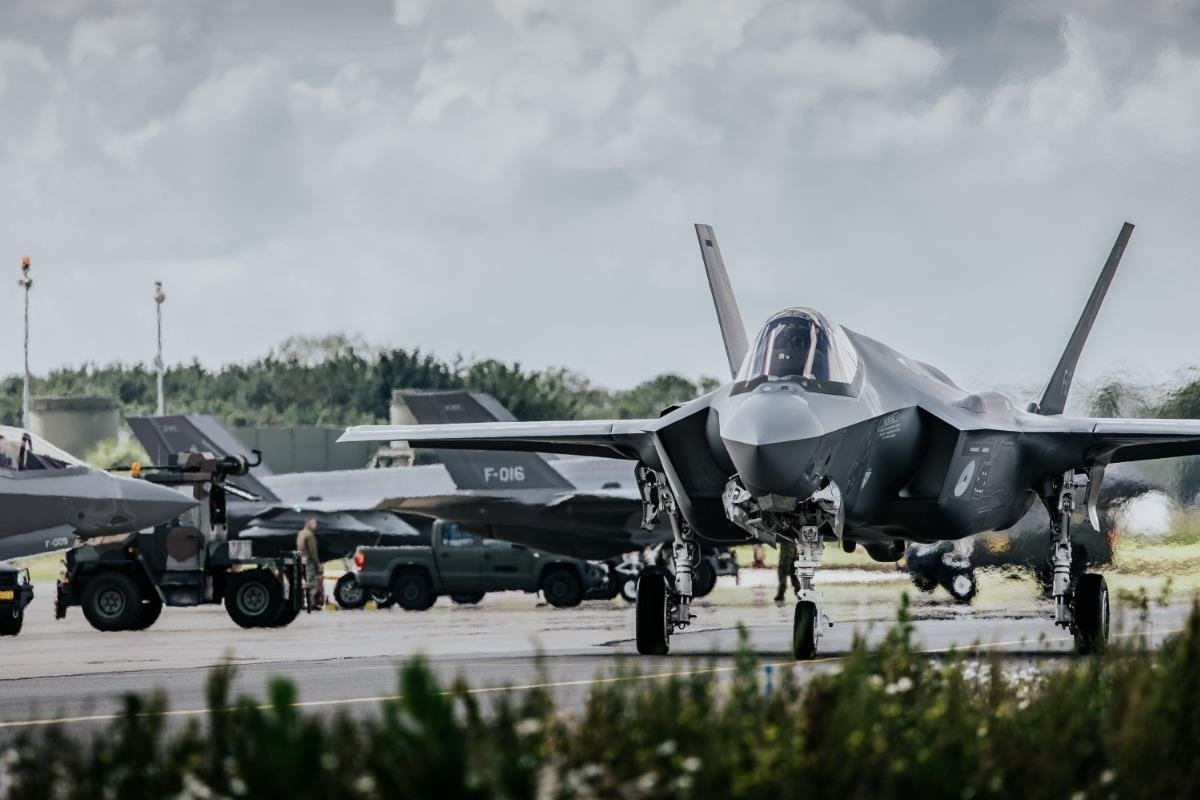 NATO Allied Air Forces Advance F-35 Integration During Multinational Weapons Instructor Course in the Netherlands
Top Trending in 4 Days
-
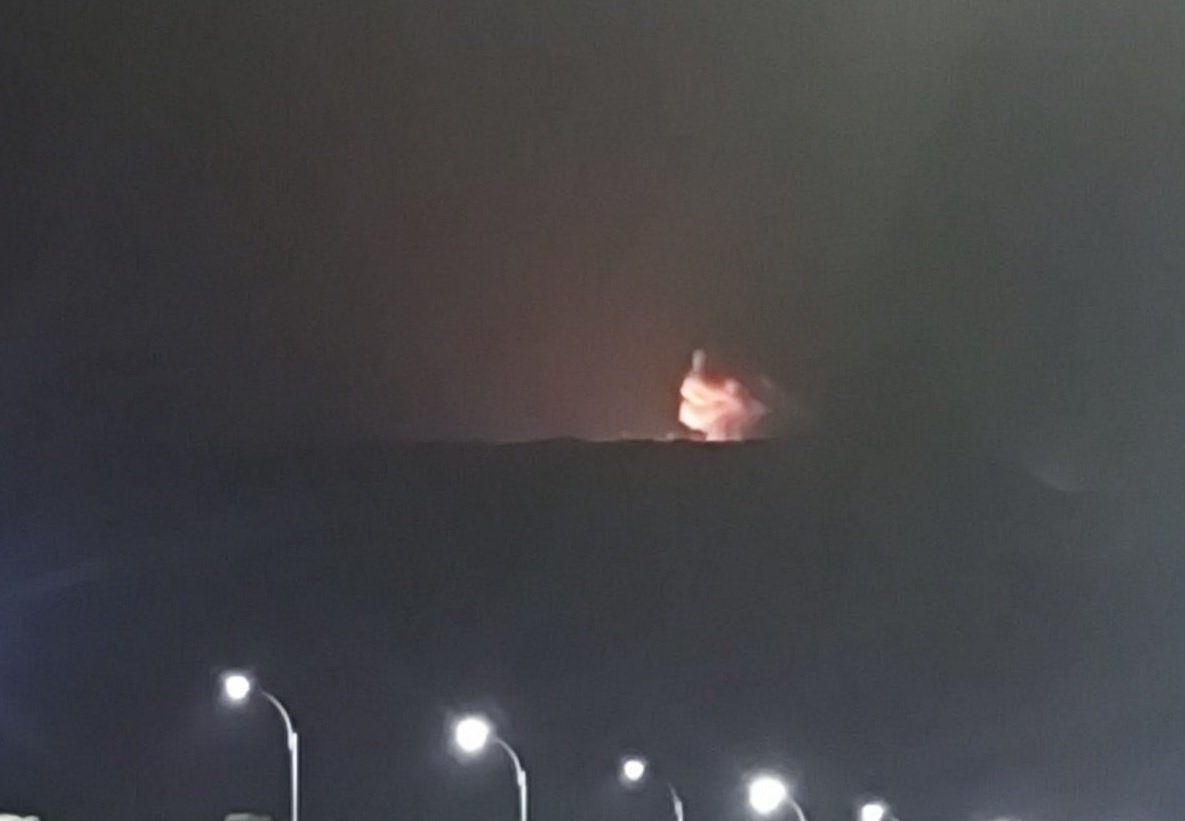 U.S. Airstrikes Target IRGC Missile Base Near Taft as Overnight Strikes Hit Central Iran
-
 Kuwait and Bahrain Reportedly Launch First Joint Direct Airstrikes on Iran Since War Began : Report
-
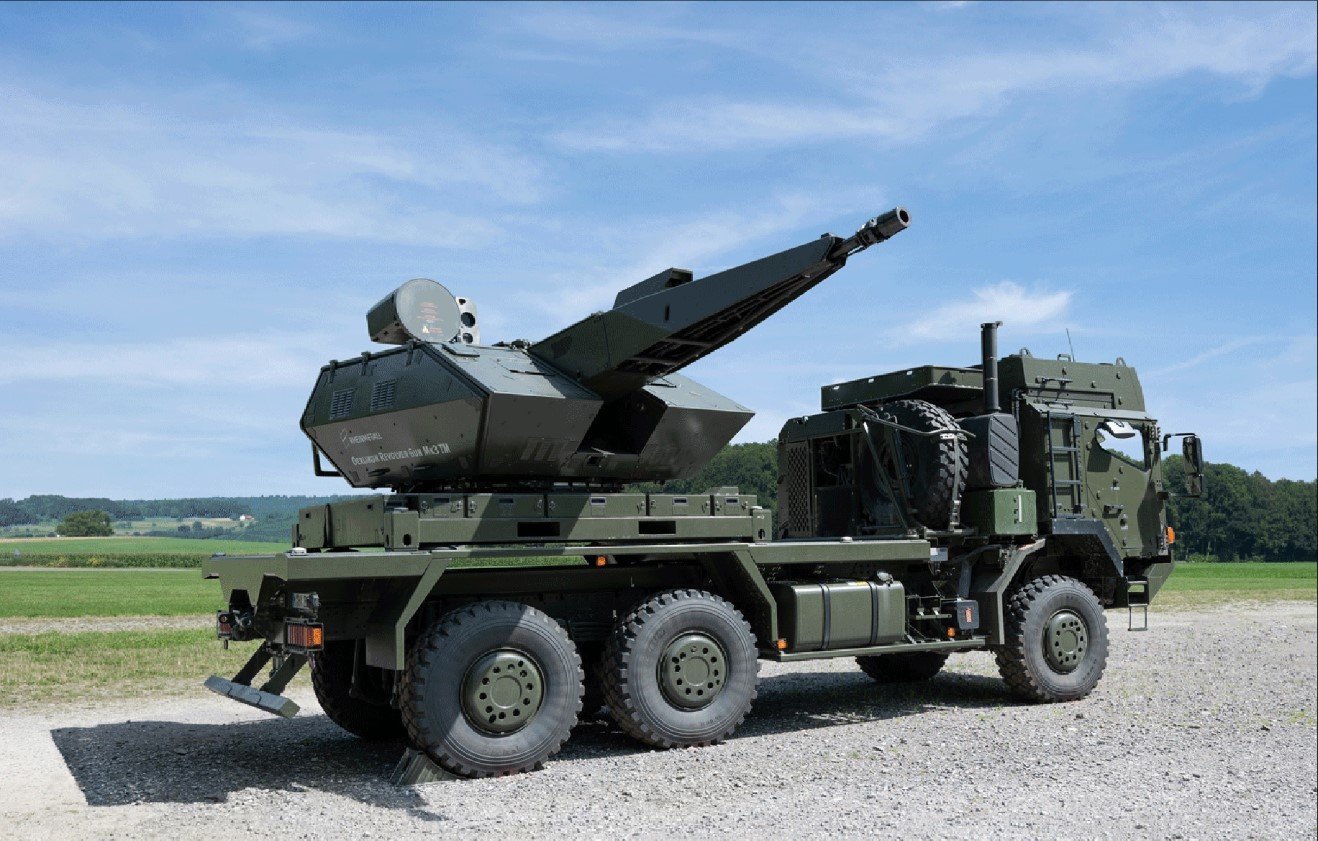 China Imposes Dual-Use Export Ban on 14 European Entities After EU's Russia Sanctions
-
 U.S. Department of War Awards Oracle Up to $6.99 Billion Enterprise Software Deal
-
 Australia Commits Additional AUD 4.6 Billion to Expand Osborne Shipyard for AUKUS Submarines
-
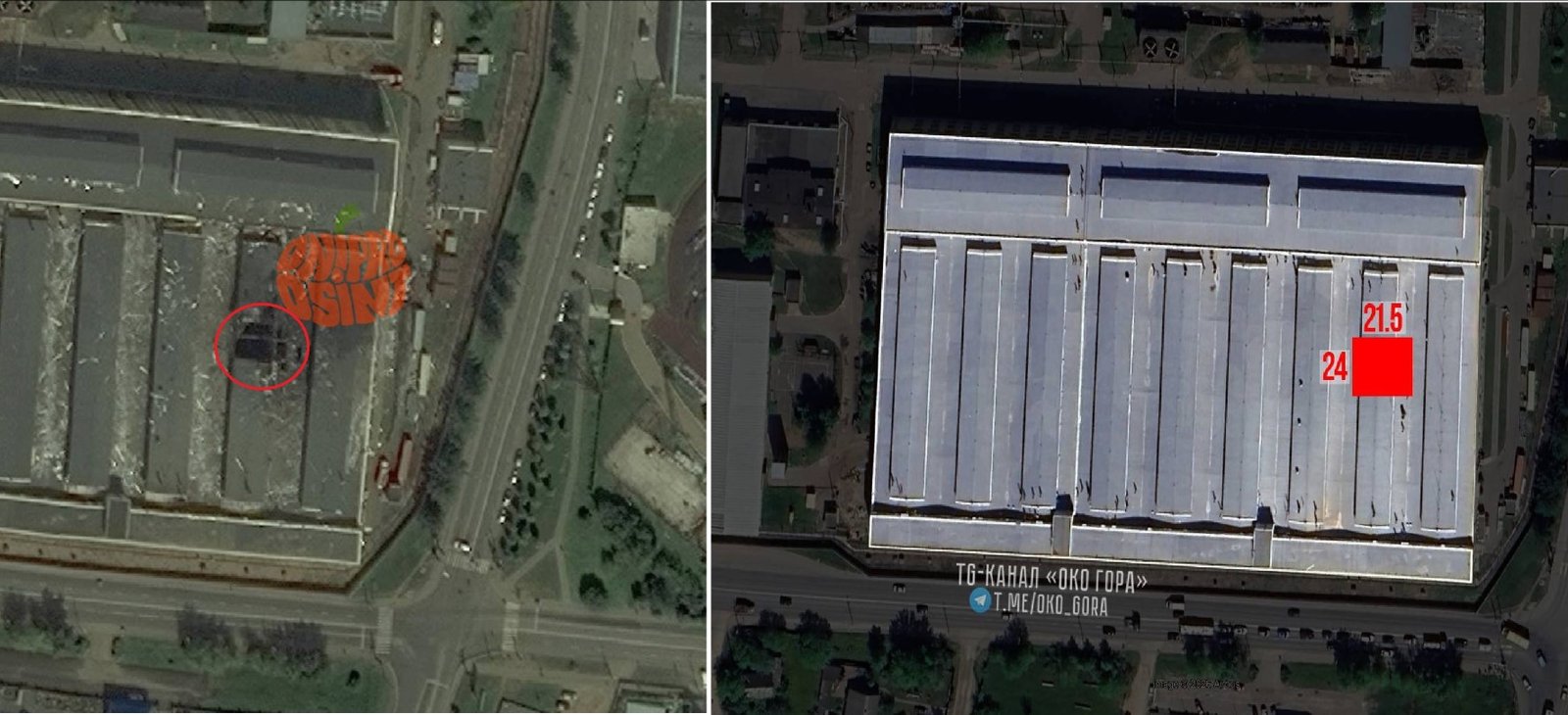 Satellite Images Confirm Damage to Russian Avitek Plant After Ukrainian FP-5 Flamingo Missile Strike
-
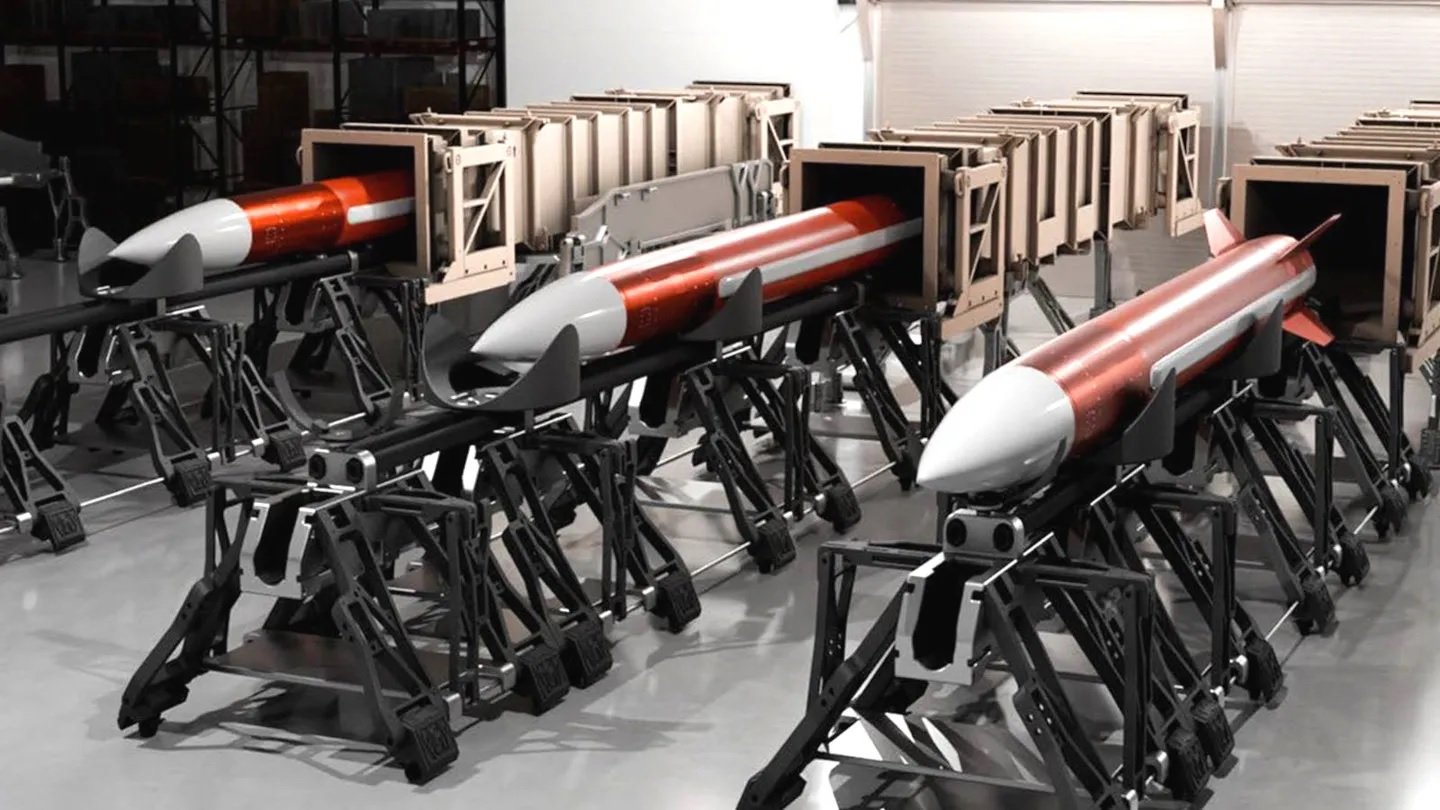 U.S. Army Revives PAC-2 Patriot Missile Production with First Domestic Order in Over Three Decades
-
 General Dynamics Awarded Up to $400.4 Million Contract for U.S. Missile-Tracking Satellite Ground Segment
